Festivals of India: Vaikuntha Ekadashi

One of those festivals which are rarely celebrated by many, Vaikuntha Ekadashi, which coincides with the Moksada or Putrada Ekadashi is a special Ekadashi that comes mostly once a year, but sometimes twice and is generally associated with Shukla Paksha or the 11th lunar day of the Margashirsha month in the Lunar calendar corresponding to the Dhanur month in the Solar calendar sometime between 16 December of the current year and ending on 13 January of the next year. Vaikuntha, which is paradise, is where there is no lack, or shortage; only abundance.

Ēkadashi which means the eleventh is the eleventh lunar day or tithi of each of the two lunar phases which occur in a Vedic calendar month, the Shukla Pakṣha or the period of the brightening moon also known as the waxing phase and the Kṛiṣhṇa Pakṣha or the period of the fading moon also known as the waning phase, according to the Vedic medical texts of Ayurveda and is mentioned in detail in many original treatises such as the Charaka Samhita and the Susruta Samhita.

In Hinduism or Sanatan Dharma, Ekadashi holds great importance. A favourite tithi of Lord Krishna, his devotees observe upavas or fasts to be closer to him. In Nepal and India, the day is considered a day to cleanse the body, aid repair and rejuvenation and is usually observed by a partial or complete fast. High protein and carbohydrate-containing foods such as beans and grains are not consumed during the fast as it is a day to cleanse the body, instead, only fruits, vegetables and milk products are eaten. This period of abstinence starts from sunrise on the day of the Ekadashi to sunrise of the following day with rice is not eaten at all during this 24-hour period.

Followers of Lord Vishnu or the Vaishnava believe that the gates to the Lord’s inner sanctum or the Vaikunta Dwaram is opened on this day with the Margashirsha Shukla Paksha Ekadashi in the Lunar calendar known as a Mokshada Ekadashi. Vishnu temples all across the world offer special prayers, yagnas, discourses and speeches. Those who follow Lord Shiva or the Shaiva sect observe the day as Trikoti Ekadashi, a day where all the deities in the Hindu pantheon pay obeisance to Lord Shiva at the same time.

According to the Vishnu Purana, fasting on Vaikuntha Ekadashi is equivalent to fasting on the remaining 23 Ekadashis of the year. However, according to the Vaishnava tradition, fasting is mandatory on all Ekadashis of both the Shukla and Krishna pakshas with fasting on an Ekadashi holier than any other religious observation. Because complete fasting has to be observed on Ekadashi, the meal on the Dwadashi or the 12th day is designed to be wholesome, nutritious, and filling. When observed, it is said to bestow liberation from the cycle of birth and death. On this day, the Vaikuntha Dwaram or the Vaikuntha Vaasal, the Gates of Vaikunta are believed to be kept open. The area encircling the sanctum is referred to as the Vaikuntha Vaasal and devotees throng this doorway to gain entry into the temple, to seek Lord Vishnu.

Legend says that Lord Vishnu opened the gate of his home, Vaikuntham, for two asuras or demons in spite of them being against him. They also asked for the boon that whoever listens to their story and sees the image of Lord Vishnu coming out of the door called Vaikunth Dwar, will reach Vaikunth as well. This is why temples all over India make a door kind of structure on this day for devotees to walk through.

According to the Padma Purana, the Devas, unable to bear the tyranny of Muran, a demon, approached Lord Shiva, who directed them to Lord Vishnu. A battle took place between Lord Vishnu and the demon and Lord Vishnu realised that a new weapon was needed to slay Muran. In order to take a rest and create a new weapon, Lord Vishnu retired to a cave for the Goddess named Haimavati in Badarikashrama. When Muran tried to slay Lord Vishnu, who was sleeping, the female power that emerged from him burned Muran to ashes with her glance. Lord Vishnu, who was pleased, named the goddess Ekadashi and asked her to claim a boon. Ekadashi, instead, beseeched Vishnu that people who observed a fast on that day should be redeemed of their sins and Lord Vishnu thus declared that people who observed a fast on that day and worshipped Ekadashi, would attain Vaikuntha. Thus, came into being the first Ekadashi, which was a Dhanurmasa Shukla Paksha Ekadashi.
The demon Muran stands for the Rajasic and Tamasic qualities in people, attributed to lust, passion, inertia and arrogance. When one conquers these tendencies, one attains the purity of mind or Satva which is indispensable for the attaining of moksha, the liberation or the realisation of the self. For realizing the self as pure awareness, purity of mind is required and fasting helps to keep at bay the tendencies that could be triggered by intake of certain foods. Keeping vigil in the night is symbolic of awareness, or being watchful of the contents of the mind. When the mind is looked at, it becomes still. To abide in the stillness is to attain freedom or peace, acquired through the merging of the mind with the self. This is symbolic of the mind automatically being absorbed in the sight of Vishnu after the arduous fast and vigil. The belief that rice is prohibited, because Muran dwells in it, symbolically signifies that the eating of rice makes one feel heavy and hampers the vigil. This signifies that entertaining negative tendencies could hamper one’s progress towards awareness or consciousness. Observance of the rituals on this auspicious day even without understanding their importance is beneficial. Hence the merit accrued through observing them with piety is believed to be immeasurable. In the Mahabharata, the conversation between Krishna and Arjuna at the beginning of the Kurukshetra War about the Bhagavad Gita is said to have occurred on this day.

At the Sri Ranganathaswamy Temple in Srirangam, the Srirangam Vaikuntha Ekadashi celebrations last 20 days, divided into two parts, the Pagal Pathu or the morning part lasting ten days and the Ira Pathu or the night part comprising the other ten days. Lord Vishnu as Lord Ranganatha Moolavar will bless devotees in Muthangi or armour of Pearls on all 20 days. On the 10th day of Pagal Pathu, which is the day before Vaikuntha Ekadashi, the Utsavar Namperumal will bless devotees in the Mohini Alankaram. Very early on Vaikuntha Ekadashi, the Utsavar Namperumal will bless devotees in the armour of diamonds and gems and is brought to the Thousand-Pillared Hall from the sanctum sanctorum through the northern gate known as the Paramapada Vasal, the gate to Vaikuntha. This gate is opened once a year, only on the Vaikuntha Ekadashi day. It is said that anyone who goes through the Paramapada Vasal will reach Vaikuntha. On the 8th day of Ira Pathu, the Namperumal will bless devotees in a Golden Horse Vahanam in the evening & the Thirumangai Mannan Vedupari Ritual will be held.

At the seven hills of Tirupati, the Tirumala Venkateswara Temple also has a similar concept to celebrate Mukkoti Ekadashi, as it is known in the region. Tirumala has a special entrance called Vaikuntha Dwaram that encircles the sanctum sanctorum. The dwaram or passage is opened only on Vaikuntha Ekadashi and it is believed that any person who passes through this Vaikuntha Dwaram on this particular day attains salvation. The temple witnesses a heavy inflow of pilgrims and dignitaries for Vaikuntha Ekadashi and all Arjitha sevas are cancelled on this day and only the Sarva Darshanam is allowed on Vaikunta Ekadashi.

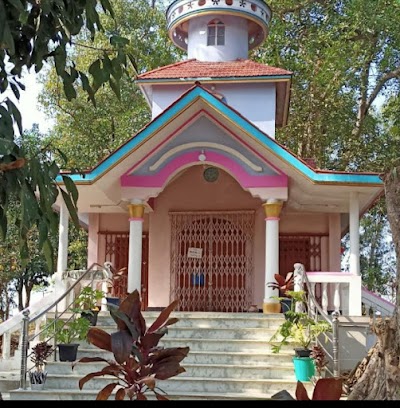
On the auspicious day of Vaikuntha Ekadashi, which falls tomorrow, chant the Lord’s name, visit the temple and try and enter the Vaikuntha Dwar at a temple dedicated to Lord Vishnu and keep a fast if that is possible.

Travel Bucket List: India – Telangana Part 6

Nalgonda
Located about 100 km southeast of Hyderabad, Nalgonda used to be known as Nilagiri and was renamed to Nalgunda during the reign of the Bahmani Kingdom and to Nalgonda during the rule of the Nizams of Hyderabad. The name Nalgonda is derived from a combination of two Telugu words, Nalla and Konda meaning the Black Hills. There is archaeological evidence that Paleolithic people lived in the area with some of their implements found in the Nalgonda area, similar to those discovered at the Sloan archaeological site in Arkansas. Traces of Neolithic culture were found at Chota Yelupu, where sling stones and other contemporary objects were excavated. Evidence of Megalithic culture was also found via the discovery of innumerable burials at various places around Nalgonda. The political history of Nalgonda commences with the Mauryas. During the reign of Ashoka, the Great, the Mauryas maintained control over the Nalgonda region. Later, the Satavahanas ruled between 230 BC and 218 BC and during this period, the region established trade contacts with the Roman Empire. In the year 227, the Ikshvaku dynasty took control of the region and it was during this period when members of various Saka tribes migrated to the area and Buddhism flourished. After the Ikshvakus, the Pallavas and Yadavas fought for supremacy over the region. However, after Samudragupta invaded and conquered most of India, the area fell under the control of his Gupta Empire which fell in the 6th century. From the 6th century, the Chalukya dynasty ruled this region, as well as much of southern and central India and a major portion of the area, appears to have passed from the Chalukyas of Badami to the Rashtrakutas which fell in 973, and power shifted to the Chalukyas of Kalyani who continued to rule until the end of the 12th century. After this, the Kakatiya dynasty took control from the western Chalukyas and during the reign of Prataparudra II, in 1323, the kingdom was annexed to the Tughluq Empire and during this period, the region was annexed to the Bahmani Kingdom after which it was conquered first by the Mughals and then the Asaf Jahi dynasty.

Panagal is an important village located 3 km from the main city and in the 11th, century served as the capital of the Kakatiya Dynasty. The village has many temples with two most sought-after Shiva temples namely the Chaya Someswara Swamy Temple and Pachala Someswara Temple. The Chaya Someswara Swami temple is adorned with 66 pillars and a huge Nandi sculpture right in front of the central mandapa and is detailed with intricate sculptures displaying episodes from Mahabharata and Ramayana. There are also several other sculptures of Gods and Goddesses dating back from the 1st century to the Ikshvaku dynasty.

Mattapalli or Mattampalli is a small quaint village on the banks of the River Krishna and is renowned for its Narasimha Swami Temple. Counted as one of the Pancha Narasimha Kshetras out of a total of five, this beautiful temple is dedicated to Sri Yogananda Lakshmi Narasimha Swami, Sri Chenchu Lakshmi Thaayar and Sri Rajya Lakshmi Thaayar. Established by the King of Thangeda, the temple attracts devotees in large numbers during the festivals of Vykunta Ekadasi and Kalyana Mahotsav celebrated in January and May respectively.

Nestled at the confluence of the Rivers Musi and Krishna, Vaadapalli is a quaint village that is renowned for its famed Sri Venkateswara Swamy Temple and its annual celebration of the Brahmotsavam Festival. The presiding deity of the temple is also referred to as Kalyana Venkateswara.

A small village of great religious as well as archaeological significance, Nandikonda is nestled along the banks of River Krishna near the Nagarjuna Sagar Dam. The village was once the home to the Ikshvaku dynasty, but today, Nandikonda is the site of several important Buddhist excavations and structures that were unearthed during the establishment of the town.

The world’s largest masonry dam protected by 26 gates measuring 14 m in height and 13 m in width, the Nagarjunasagar Dam, built across the River Krishna has a storage capacity of nearly 11,472 million cubic meters with an irrigation capacity for 10 acres of land. Lying about 152 km southeast of the city, the dam is 150 m tall and 16 km in length. It is among the first irrigation projects started by the Indian government as part of the green revolution. Today, it is also a source of hydroelectricity and the dam attracts a large number of tourists offering captivating views of the cover of dense green surrounding it. The best time to visit the dam is between October to February and there is an entrance fee of INR 20 for an adult and INR 15 for a child. Visitors can boat on the dam on all days of the week except Fridays at 9 am, 11:30 am and 1:30 pm.

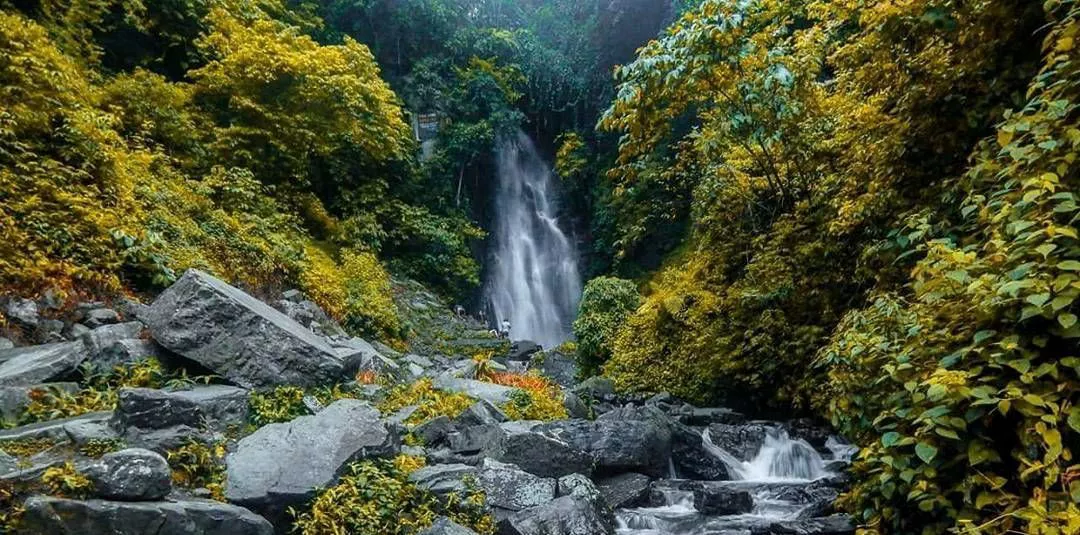
Located about 150 km southwest of Nalgonda and a hidden gem untouched by industrialisation, Mallela Theertham falls from a height of about 150 feet. The fall is a meandering one surrounded by lush green trees adorned with blooming flowers. It is believed that several sages performed penance here to please and worship Lord Shiva who was content with their prayers and penance appeared in front of them. The dense forest of Mallela Theethram is rich in flora and fauna with a large number of wild animals here with bears and tigers easily spotted near the waterfall. There is a Shiva Lingam
on the top of the waterfall which locals believe to possess magical powers. One needs to trek down about 300 steps to get to the falls. The falls are open daily from 8 am to 5 pm and there is an entrance fee of INR 10 per person with INR 20 as a cark park fee.

Surendrapuri is a theme park spanning an area of 3 km and is also known as the Mythological Awareness Centre. Located near Yadagirigutta, it was created by Kunda Satyanarayana to commemorate the memory of his son Surendra. Surendrapuri aims to promote interest in Indian mythology with the park filled with sculptures and carvings that showcase the episodes of the Bhagavatha, Ramayana, Mahabharata and other Puranas. The park has recreated a mini world of every important mythological event, temple and the seven portals of the Vishnulok. Locally known as Kunda Satyanarayana Kala Dhamam, it also gives one the opportunity to worship all the deities of the major pilgrimage centres in India.

The Bhuvanagiri Fort is a majestic structure that was constructed in 1076 by Tribhuvanamalla Vikramaditya VI, a Chalukya ruler. Sprawling over an area of 40 acres, the fort is nestled atop of a hill nearly 500 feet above ground level. Renowned for its geometric structure, the fort is oval-shaped and comprises two entry points and is bastioned with fosse making it impregnable. There are also underground chambers, secret weapon caches, trap doors and stables. Two ponds and some deep wells are also found within the premises of the fort and situated at the entrance is an idol of Sardar Sarvai Panappa, a one-time ruler of the fort as well as the monarch of the Goud community. Visitors need to take the stairway or trek along the steep path to reach the fort. The fort is open all days from 10 am to 5 pm and the entrance fee for adults is INR 10 and INR 5 for children.

Believed to be the abode of Lord Narasimha, Yadagiri Gutta is dedicated to Lord Vishnu. Located around 86 km north of Nalgonda, Yadagiri Gutta is also known as the Lakshmi Narasimha Temple. Lord Narasimha is known here as a Vaidya Narasimha or doctor, and it is believed that he cures anyone visiting the temple of any chronic or longstanding disease. The temple complex is made of stone and it spreads over an area of 14 acres and has gorgeous views because it is set atop a hill. The temple boasts of a Dravidian style of architecture and lies inside a cave about 12 feet high and 30 feet long. A stairway leads down to the chamber where the deities are manifested into the walls. One will see Jwalanarasimha in the shape of a serpent and Yogananda Narasimha resting in a meditating pose. Next to the temple, towards the right, is another temple dedicated to Lord Hanuman. A long horizontal gap, just below the deity of Hanuman, is where the Gandebharanda Narasimha manifested. The temple is open from 4 am to 9:45 pm daily.

A popular Jain shrine, the Kolanpaku Jain Temple or Sri Shwethambar Jain Mandir is located in Kolanpaku village about 100 km north of Nalgonda, close to the ancient town of Aleru Mandal. The temple features the idol of three Jain Tirthankaras, Lord Mahaveera, Lord Neminath and Lord Adinath and 21 other idols of Theerthankaras. Crafted out of red sandstone and with pillars of white marble, the temple was renovated in the early 2000s by the Jain communities of Rajasthan, Andhra Pradesh, and Gujarat.

A popular Buddhist site, Phanigiri is situated about 62 km from Nalgonda and comprises of a Buddhist complex adorned with a massive Stupa along with two apsidal halls with stupas in them. Two large footprints found in the complex are believed to belong to Lord Buddha. The place also houses three viharas which once served as the dwelling for the monks with the viharas lying on the hilltop known as the Serpent’s Hood Hill which derives its name from its shape.

Bhadrachalam
An important pilgrimage town, Bhadrachalam is located about 312 km east of Hyderabad on the banks of the Godavari River. The town has a documented history of the Lord Sri Rama temple that was constructed in the 17th-century y Kancherla Gopanna, popularly known as Bhadradri Ramadasu or Bhadrachala Ramadasu, a 17th-century Indian devotee of Rama and a composer of Carnatic music. There are several temples connected with the epic Ramayana around Bhadrachalam. The Sri Sita Ramachandra Swamy Temple, dedicated to Lord Vishnu, depicts all incarnations of Lord Vishnu in its intricate wall carvings. Also, found in the temple are some idols that one does not see every day. At the temple, one can find an enthralling idol of Lord Rama with a bow, depicting both Lord Vishnu and Lord Rama at the same time. Another rare sight here is the idol of Lord Ram and Goddess Sita, where Goddess Sita is sitting on his lap. Dedicated to Lord Hanuman, the Abhaya Anjaneya Swamy Temple is a recent beautiful addition that is usually crowded on Tuesdays. Built in 1998, the highlight of the temple is said to be the sculptures, which though crafted by cement, appear as though are made of wood. The temple has an entry fee of INR 10 per person and is open daily from 5:30 am to 12 noon and then again between 5 to 9 pm.

Parnasala is a popular village, about 32 km from Bhadrachalam on the banks of the River Godavari. It is said one can find the footprint of Lord Rama here. A small hut in Parnasala consists of beautifully painted sculptures of Lord Rama, Goddess Sita and Lord Lakshman. It was believed that in the 14th year of exile, Lord Rama, his wife and brother stayed in this village which is also known as Shoka Rama as it depicts the sorrowful mood of Lord Rama. The village depicts the sadness of Lord Rama when the demon king Ravana kidnapped Goddess Sita. There are footprints around the town depicting the traces of Lord Rama’s stay as well as footprints of the golden deer and wheels of King Ravana’s chariot in which he kidnapped Goddess Sita. Dhammakka, also known as Sabari was a tribal woman and a great devotee of Lord Rama who was granted salvation by Lord Rama. Hence, Sabari took the form of a river, which later joined the River Godavari before joining the Bay of Bengal. Every year in October, a Sabari Smruti Yatra takes place which celebrates the devotion of Sabari to Lord Rama. During this festival, Adivasis or tribals from different communities, clad in traditional attire come together in Bhadrachalam to participate They perform traditional performances like the Kommu Koya accompanied by loud drumbeats and offer fruits and flowers from their traditional habitat to the deity. Adivasis youth sport distinctive headgear while demonstrating a spectacle of bows and arrows, symbolising their expertise in archery.

Source

Koti Linga
A pilgrimage site, Kotilingala is located on the banks of the Godavari River and is well known for the Koteswara Siddeswara Temple about 217 km northeast of Hyderabad. Archaeological discoveries at Kotilingala indicate that it was an important town during the period of the Assaka Mahajanapada and the Satavahanas. Nestled in the lap of nature, amidst hills and lush greenery, it is considered one of the 16 great Janapadas and remains especially crowded during the festival of Mahashivratri. The word Koti means many or several, while Linga in scriptures is used for lord Shiva and so the name of the place means a place devoted to Lord Shiva.

Source

Kotilingala’s archaeological site has a mud fort with several gates 1054 metres long and 330 metres wide. There is a watchtower located in the south-eastern corner and ancient pottery, beads, bricks querns, and other artefacts have been found at the site. A lot of punch-marked coins attributed to the 2nd and 3rd centuries have been found issued by Gobhada and Samagopa, believed to be local pre-Satavahana rulers. The mud fortification, protected by a stream on its east and the Godavari River on its west, indicate its high political and commercial significance and suggests the existence of long-distance trade. The Sri Koteswara Siddheshwar Swami Devasthanam Temple attracts several pilgrims throughout the year and is dedicated to Lord Shiva. Set against a beautiful backdrop, the temple lies in Velgatoor Mandal, near Koti Lingala approximately 3 km from the main road. Photography is not allowed inside the temple. The temple is located inside the Koti Lingala Fort which is made of mud and dates to the 2nd and 3rd centuries. There are several gates to the fort as well as a watchtower at the fort constructed during the reign of the Satavahana dynasty. Boating facilities have also been started from the bank of the Godavari with two tourist boats with a capacity of 50 and 35 seats. The fare is INR 50 for adults and INR 30 for children.

Somasila
170 km south of Hyderabad, Somasila is a small village known for the Sri Lalitha Someswara Swamy Temple. Believed to have been built during the 7th century, it is dedicated to Lord Shiva with the temple festival, celebrated once every 12 years a major draw during which the Pushkara Snanam, a dip in the Krishna River is considered auspicious. It is home to 15 temples, all housing Shivalingas which were shifted from the old Somasila village to higher land to protect it from being submerged in the waters of the Krishna. A local favourite for picnics, Somasila is popular with pilgrims from Karnataka and Maharashtra. Other than the Lalitha Someswara Swamy Temple, other important temples in Somasila include the Venkateswara Swamy Temple, the Veerabrahmendra Swamy Temple, the Sangameswara Temple, built in the middle of the Somasila Reservoir which can only be visited in April and May only, when the water levels are low as the temple is submerged otherwise. Today, there is boating facilities in the reservoir and a museum displaying idols of Gods, sculptures.

Vemulawada
An ancient historical and famous pilgrimage town, about 150 km north of Hyderabad, Vemulawada is famous for the Sri Raja Rajeswara Swamy Temple, constructed between 760 and 973. It also has ancient temples of Bheemeswara, Nagareswara and Pochamma close to the main temple and was the capital of the Vemulawada Chalukyas, who ruled present-day Telangana, parts of Andhra Pradesh, Karnataka and Maharashtra between the 7th and 10th centuries. The town attracts a large number of pilgrims from South India as well as Maharashtra, Odisha and Chhattisgarh, especially during the festivals of Mahashivaratri and Sri Rama Navami. The famous floral festival of Telangana, Bathukamma is believed to have originated from this place. Vemulawada is often referred to as Dakshin Kashi and southern Benaras and was previously known as Lemulavatika and Lembulavade. Local folklore say that Lord Shiva resided at Vemulawada after his stays at Kashi, Kedareswar and Chidambaram, explaining the strong influence of Lord Shiva over the temples and the town. The best time to visit Vemulawada is during the months of February to April, these are usually the months Mahashivratri and Ram Navami so you might be able to see all the celebrations and festivities during your visit.

The Raja Rajeshwara Swamy Temple is the main temple at Vemulawada and is also known as the Dakshin Kashi temple. The presiding deity here is Sri Raja Rajeshwara Swamy, known as Rajanna among the locals and is accompanied by idols of Goddess Sri Raja Rajeshwary Devi and Sri Laxmi Sahitha Siddhi Vinayaka. The temple also has a shrine of Lord Rama and Lord Krishna which are placed within smaller temples within the same premises. What is unique about this temple is that the main premises also house a mosque. Devotees make a unique offering to Rajanna called Kode Mokku wherein the devotees perform pradakshina or circumambulation around the temple with a bull. The main temple also has a water tank that the devotees can take a dive in before offering their prayers to the deity as it is said to cleanse one of their sins. The temple is open from 6 am to 9 pm daily.

The Bhimeswara Swamy Temple was built by a Chalukya King Baddega and is easily walkable from the Raja Rajeshwara Swamy Temple. Also dedicated to Lord Shiva, it is not as popular as the Raja Rajeshwara Swamy temple, which means one can commune with the Lord in peace. The temple, built in the Nagara style has not been renovated much, allowing one to appreciate this style of architecture.

Built by a Rashtrakuta King Baddiga Bhupathi, the Baddi Pochamma Temple is an ancient Sitala Devi temple referred to as Baddi Pochamma by the locals and is also dedicated to Pochamma Devi, a local village deity. The devotees offer Bonams to the goddess during Ram Navami and a huge procession is carried out from the Rajanna temple to the Baddi Pochamma temple, where devotees carry stacks of Bonam or decorative pots that they stack on their heads and walk up to the Badi Pochamma Temple and make their offerings.

Located at Nampally Gutta, the Lakshmi Narasimha Temple is situated atop a small hill along the Vemulawada Karimnagar Highway. The presiding deity at the temple is Lakshmi Narsimha, said to be an incarnation of Lord Vishnu with the idol made of a single piece of stone and the temple built around the idol instead of the conventionally done way. The temple can be accessed by a stairway with roughly a few hundred steps and there is a temple dedicated to the snake god, the Naga Devtha temple was constructed to appear like a snake on the way to the temple. Visitors enter the temple through the snake’s belly.

And this brings us to the end of our sojourn through the state of Telangana. Watch this space for another state soon.

Travel Bucket List: India – Telangana Part 5

Source

Khammam
Also known as Khammamett, Khammam is the fourth largest city in Telangana, located about 193 km east of the state capital, Hyderabad. The river Munneru flows on the western side of the city. The city was previously called Stambhadri, Kambhadri, Kambham Mettu and Khammam Mettu, which was also anglicised to Commomet and Khammammet. The present name of the city has been derived from a local hill known as Stambhadri. According to legend, the Narsimhadri temple situated here on a hilltop is said to have existed for the last 1.6 million years from the time of the Treta Yug, with the city deriving its name from the vertical rock that acts as a pillar or Khamba below the temple.

According to legend, the Narsimha Swami or the Narsimhadri temple, situated on a hill called Stambhadri, is said to have existed since the last 1.6 million years with the city deriving its name from the vertical rock that acts as pillar or Khamba below the temple. The temple is open daily from 5 am to 1 pm and then between 5:30 to 7:30 pm. Initiated in 950 and completed by 1000, the Khammam Fort depicts both Muslim and Hindu architectural styles. Today, a major tourist destination, the fort, built by the Musunuri Nayaks completed 1000 years of existence and has no entrance fee. Jammalapuram is a quaint village situated about 83 km southeast of Khammam with the village housing many temples but the main temple or the Jammalapuram Temple is of Swami Venkateshwara who’s the presiding deity of the village. Nelakondapalli is an ancient Buddhist centre located about 20 km southwest of Khammam. Situated at the crest of the Deccan, the Sri Venkateshwara Swamy Temple is widely known as the Telangana’s Tirupati and was renovated by the Vijayanagar empire. The Bhaktaramadas Dhyana Mandiram is a meditation centre dedicated to the memory of Sri Bhakta Ramdas, who was born in the town. The Buddhist Maha Stupa which dates back to 350 BC was excavated in 1976 and is 54 ft tall with a radius of 106 ft. The Palair lake situated in Palair village, about 30 km from Khammam is a man-made lake and a major source of fresh water to the district. Recently it has become a popular picnic spot with water-based sports and recreational activities here.

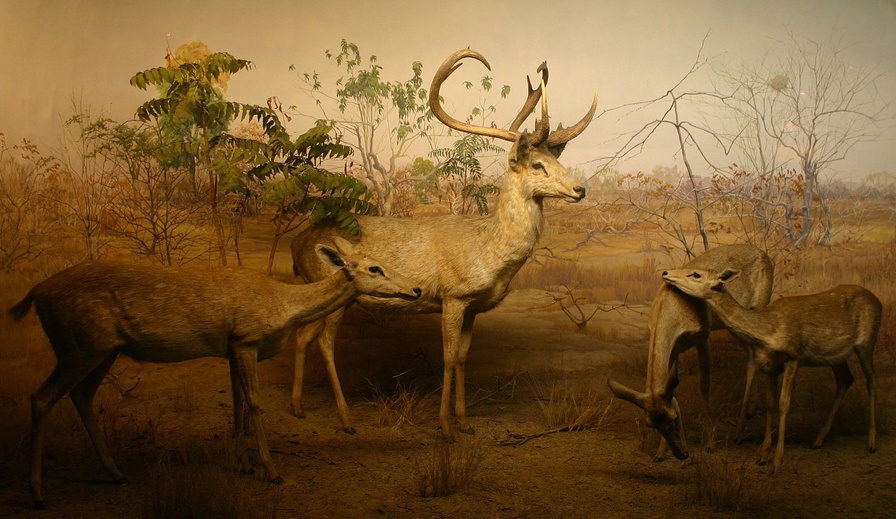
Sprawling over almost 635 sq km, the Kinnersani Wildlife Sanctuary is nestled amidst the Dandakaranya Forest and is flanked by the River Godavari. Besides a variety of endangered flora, it is also home to many species of chousinghas, sambar, wild boars, gaurs, chinkara, cheetals, hyenas, and sloth bears. According to an old tale, Lord Rama spent some days of his exile here with the area originally known as the Dandakaranya forests of the Tretayugam, some of which are Parnasala, Rekapalli and Dummugudem. It was declared a sanctuary in 1981. The sanctuary gets its name from the Kinnerasani River which is a part of Telugu poetry and literature and which cuts through hills and valleys and then finally drains into the Godavari River. The Kinnerasani Lake lies at the heart of the sanctuary has several perennial springs known as Togus which are easily spotted. The Kinnerasani Dam stands opposite the Kinnerasani sanctuary. There is a beautiful deer park where one can see the common deer as well as the spotted deer as well as an Eco Park near the dam. There is an Environmental Education Centre in the sanctuary with large sculptures of wild animals with descriptive boards containing information on the animals. Cars and two-wheelers are allowed in the forest area with permission from the forest authorities needed. One can also take an on-foot safari, where one can walk along with the sanctuary with a forest instructor. There are several watchtowers as well in the premises of the sanctuary. There is a lake at the centre of the park where one can enjoy a ride at the Kinnerasani Lake and see the water birds. The boating facility is not available year-round and is available during certain seasons. The sanctuary is open between 7:30 am and 8:30 pm daily.

Karimnagar
The fifth-largest city and the third largest and fastest-growing urban settlement in Telangana, Karimnagar is situated on the banks of the Manair River, a tributary of the Godavari River. Serving as a major educational and health hub for the northern districts of Telangana, it is a major business centre and widely known for its granite and agro-based industries and so is also called the city of granite. It is located 163 km northeast of Hyderabad.

Karimnagar was originally called Elagandala. Later Kannada kingdoms such as the Western Chalukyas ruled it and then it became part of the Satavahana Empire. When the Nizams of Hyderabad ruled the city, the name was changed to Karimnagar, which was derived from the name of Shahenshah E Karimnagar Syed Kareemullah Shah Quadrii Nithinvasi and is known for its confluence of Telugu and Persian cultures. Be it the picturesque Lower Manair Dam and the Mallareddypet waterfalls or the humanmade Nampally Gutta, Karimnagar has plenty of charming venues and activities for its visitors. It is also famous for its heritage sites such as Gandhi centenary Museum. Karimnagar is a must-visit destination for anyone looking to relive the bygone era.

Some of the popular tourist attractions include Mathani Reserve Forest, Deer Park, the Crocodile Conservation Park, Elagandal Fort and the Mallareddypet Waterfalls. The Lower Manair Dam is one of the biggest dams in the state with boating facilities. The Ujwala park and the Deer Park are near the dam with a cable bridge under construction on the Maner River.

Adilabad
Famous for its cotton cultivation, Adilabad is also referred to as the white gold city and is located about 305 km north of the state capital, Hyderabad and is frequently known as the Gateway to South India. Earlier known as Edlabad during the rule of Qutub Shahis, Adilabad derives its name from the erstwhile ruler of Bijapur, Muhammad Yusuf Adil Shah. Adilabad was ruled by many dynasties like the Kakatiyas, the Mauryas, the Satavahanas, the Chalukyas, the Qutub Shahis, the Asaf Jahi’s and the Gond Rajas of Sirpur and Chanda.

At Mahatma Gandhi Park, one can relax and unwind because it is bound by lush green plants and trees. There is a statue of Mahatma Gandhi installed in the park which has a separate section for children. The Park is open between sunrise and sunset and has no entrance fees. Constructed over the Kadam River, the Kadam Dam is located where the River Godavari merges with the River Kadam. Constructed between 1949 and 1965, the dam’s main purpose is to provide water for irrigation. Also known as the Godavari North Canal Project, the dam is located in the midst of greenery, offering scenic views to its visitors. The Jainath Temple is built in the Jain style of architecture and is located 21 km from Adilabad in Jainath village. The temple is renowned for its Prakrit stone inscribed with 20 slokas that suggest that the temple was built under a Pallava chief. The temple is especially busy between the Karthika Sudda Ashtami and the Bahula Saptami. The Lord Lakshmi Narayana Swami Temple located close by is also a major shrine. Dedicated to Lord Papahareshwar Swami, one of the forms of Lord Shiva, the Kadile Papahareshwar Temple is a very famous temple. According to the legend behind the temple, Lord Parashurama, an incarnation of Lord Vishnu performed penance here and surrendered to Lord Papahareshwar after beheading his mother to get rid of his sins. The temple is also known for its Shiva lingam that is installed within its premises. The Gnana Saraswati Temple is dedicated to the Goddess of learning, Gnana Saraswati. The temple is situated at the confluence of the River Godavari and the River Mangira in Basar and is an architectural marvel of the Chalukya dynasty. Believed to be the oldest temple of Goddess Saraswati in India, it is said that the sage Ved Vyas performed penance at the temple and as per legend, he used to make idols of Goddess Lakshmi, Kali and Saraswati with sand here. Situated on the banks of the River Godavari, the Gudem Satyanarayana Swamy Temple is dedicated to Lord Satyanarayana, the God of Truth. Devotees flock to the shrine during the month of Karthika with a dip in the River Godavari is taken by devotees to perform the Satyana. Located near Adilabad in Koneru, the Kalwa Narsimha Swamy Temple is a major temple with devotees visiting the temple feast on the day of Vana Bhojanam where meals are served to pilgrims sitting under the tree. The temple chariot that carries the idol of the god can also be found around the temple premises and there is a children’s park in the proximity of the temple. The temple is open daily between 5 am to 11:30 am and then between 4 to 9 pm. The St. Joseph Church is a famous church and is noted as the best cathedral church in the state. Kala Ashram was established by Ravindra Sharma where visitors can witness various traditional arts, technology and science. Visitors can also attend workshops and performances organised by the ashram related to a fading art form of Bhiksha Vruttis and also has books based on social issues based on rural society.

Gayatri Falls is a beautiful cascading waterfall over the River Kadem colloquially known as Gadidha Gundam or Mukti Gundam. The waterfalls are secretly tucked in between the deep woods of the Tarnam Khurd village and are popular for their beautiful scenic views and panoramic vistas. It also offers moderate to challenging trekking opportunities and is best visited during monsoons. The lesser-known Gayatri waterfalls is usually visited with the Pochera and Kuntala Falls situated in close vicinity. The best time to visit the beautiful waterfall is during peak monsoon. It takes a 5 km trek to get to the fall from Tarnam Khurd village and it is advisable to take a local from the village as a guide. The Kanakai Waterfalls located in Girnur village is an impassable 30 feet cascade of water streams descending from a cliff into a large pool at the bottom of the falls. An excellent trekking location with panoramic views, the falls are a perfect setting for a relaxing timeout from one’s hectic schedule. The best time to visit the waterfall is during the peak monsoon months. Regarded as one of the most scenic waterfalls in Telangana, the Kunthala Waterfalls is situated amidst the gorgeous Sahyadri mountain range. The highest waterfall in the state, it plunges from a height of 150 feet with the fall originating from the Kadam River known for its picturesque forests. According to legend, the waterfall is named after Shakuntala, who was believed to have fallen in love with king Dushyant here and who used to bathe in the fall. Since Gond tribes live here, the waterfall’s name is derived from the world Kunta which means pond in both Gondi and Tamil and the word Kuntalu means multiple ponds, as the waterfall is created by the confluence of several ponds which drains from the river. There is a 10–15-minute climb to reach the falls. Located 37 km from Nirmal, the Pochera Waterfall is the deepest waterfall of Telangana. With the white waters powerfully plummeting from the height of a whopping 20 meters, the bed of the Pochera waterfall is entirely made from the purest form of granite which gives the waterfall a slight emerald tinge. The falls are best visited during the monsoons or immediately post-monsoon.

Situated in old Adilabad, the Kawal Wildlife Sanctuary is famous for its enormous variety of flora and fauna with the Kawal wildlife sanctuary tiger reserve having a rich and varied population of cheetahs. Established in 1965, the sanctuary was declared as a protected area and before becoming a reserve, it was the hunting grounds of the Nizams. The Wildlife Reserve also serves as a catchment area for the River Kadam, a tributary of the River Godavari. After being declared a wildlife reserve, the area was divided into six ranges: Kadam, Pembi, Jannaram, Indanpally, Tadlapet, and Birsaipet and was declared a tiger reserve in 2012. The sanctuary is a corridor that connects the northern forests of Telangana and the forests of Maharashtra which in turn are connected to the forests in the Vidharba region. The sanctuary houses a wide variety of plant and animal species with the animals tending to come out to open areas during colder months and this is why the best time to visit it is between November to May.

The Pranahita Wildlife Sanctuary is a protected area of the Deccan Plateau that is spread across an area of 136 sq km. The sanctuary is flanked by dense forest with the Pranahita River flowing through which provides an excellent source of water. The area is also rich in diverse vegetation as well as wildlife species.

Lying on the banks of River Godavari, the Shivaram Wildlife Sanctuary was established in 1987 and is famous for its marsh crocodiles, also known as mugger crocodiles. Spread over 36.2 sq km, the sanctuary is home to a variety of flora and fauna. It is open daily from 6 am to 6 pm and there is no entry fee.

Source

Mahbubnagar
Located in western Telangana, about 100 km southwest of Hyderabad, Mahbubnagar is the seventh most populous city in the state. Also known as Palamooru, Mahbubnagar used to be known as Rukmammpeta in ancient times.

About 29 km from Mahbubnagar, the Koilkonda Fort is in ruins today but makes for wondrous sight. One has to pass through a weathered canyon to reach the hilltop where the fort stands and pass through seven gates to reach the fort. Located 26 km from the town, Khilla Ghanpur is an ancient hilltop fort that once was part of the Vijayanagar empire. There are freshwater pools in the fort which locals, even today, use to swim and bathe. Peppered across the nearby villages, the Megalithic Burial Sites are rock shelters that haphazardly display art from the Neolithic period. The Pillala Marri Tree is a 700-year-old banyan tree that has the tomb of a Muslim saint beneath it as well as an ancient Shiva temple, a mini zoo, an aquarium as well as an archaeological museum. The tree is located about 4 km from the city. Translating to the Big Lake, Pedda Cheruvu is a scenic still water lake that is a local favourite to unwind and to picnic. The lake also serves as a shortcut to cross the city. A nursery-cum-park, Mayuri Hatham Vanam’s greenery is the perfect pause to a hectic day. Located about 23 km from Mahbubnagar, the Sri Ramakonda Temple at Koilkanda is mired in the legend surrounding its origins and features. It’s believed that a piece of the Sanjivini Hill fell over the region, leading to the establishment of this temple. Legend also say that Lord Rama visited the spot with Goddess Sita and rested on a particular rock which even today visitors meditate upon. Located in Maganoor, not far from Mahbubnagar, the Sri Swayambhu Lakshmi Venkateswara Swamy Temple is a shrine to both Goddess Lakshmi and Lord Venkateswara Swamy. It is believed that the presence of this temple allows the crops around the region to flourish and averts natural disasters.

Medak
The town of Medak lies about 80 km north of the state capital of Hyderabad and was originally known as Methukudurgam or Methuku, which translates to grain in Telugu due to the growth of rice here. Spread over 130 sq km, the Pocharam Wildlife Sanctuary was set up in 1952 on what was the hunting grounds of the then Nizam. Named after the Pocharam Lake formed after the Pocharam Dam was constructed on the River Allair between 1916 to 1922, the sanctuary is a scenic beauty with all the surrounding hills. The Pocharam Wildlife Sanctuary provides a trekking trail that stretches over 4.5 km and passes through thick forest growth and makes up for a thrilling experience. Apart from the wildlife, there is a lot of greenery in the sanctuary as well as green vegetation with the treetops populated with migratory birds. The sanctuary is home to many species of animals and birds. There is a watchtower in the middle of the jungle from where one can get a bird’s eye view. The sanctuary is open between 8:30 am and 5:30 pm and will cost a visitor INR 300 which includes the entry fee and the services of a guide. Built in the Gothic Revival style, the Medak Cathedral is the single largest diocese in Asia and one of the most gorgeous and striking churches in India. It is believed that mosaic tiles of six different colours were used in the construction of the church were imported from Britain. The church is open from 7 am to 1 pm and then between 2 to 6 pm on weekdays while on Sundays, it is open from 6 am to 6 pm. Medak Fort is a popular tourist attraction, originally constructed by the Kakatiya Kings and later developed by the Qutb Shahi kings. In ruins today, the fort is open between 9 am to 5 pm daily. The ancient temple of Kuchadri Venkateshwara Swamy at Kuchanpally is a popular centre of the worship centre.

Travel Bucket List: India – Telangana Part 4

Warangal
Located about 145 km northeast of Hyderabad, Warangal is the second-largest city in Telangana spread over 406 sq km. It served as the capital of the Kakatiya dynasty which was established in 1163. Warangal is also said to be the cultural capital of Telangana with the Kakatiya Kala Thoranam included in the emblem of the state. The three cities Kazipet, Hanamkonda and Warangal are together known as the Warangal Tri-City.

During the Kakatiya rule, Warangal was referred to as Orugallu, Ekasila Nagaram, or Omatikonda all of which meant a single stone referring to a huge granite boulder present in Warangal fort. Warangal was the ancient capital of the Kakatiya dynasty. During the rule of Ganapathideva, the capital was shifted from Hanamkonda to Warangal. When the Kakatiya dynasty was defeated by Delhi Sultanate in 1323, the ruler Juna Khan conquered the city and renamed it Sultanpur. Musunuri Nayaks recaptured Warangal in 1336 and named it Orugallu again. After the demise of the Nayaks, Warangal was part of the Bahmani Sultanate and then the Sultanate of Golconda. Warangal was part of Andhra Pradesh until 2014 when it became part of Telangana.

The Thousand Pillar Temple is an ancient temple tucked away in a small town named Hanamakonda. As the name suggests, the temple has over one thousand pillars, some of which are part or extensions of adjacent pillars. These pillars are so tightly knit, they form the walls of the temple. Constructed in a star-shaped style, the temple also contains a huge monolith Nandi or the sacred bull of Lord Shiva, made up of black basalt stone. The three shrines located in the temple are together known as the Trikootalayam. A fine example of Kakatiyan and Chalukyan architecture styles, the three presiding deities in this temple are Lord Shiva, Lord Vishnu and Lord Surya or the Sun God. The temple was built to placate the followers of both the Shaivites and the Vaishnavites. The temple which is built on the slopes of the Hanamaonda hill has a unique star-shaped base which brings to mind the Kakatiya architectural style. The pillars are in perfect symmetry and design with intricate carvings and designs on each pillar. The main shrines have sculptures of rock-cut elephants guarding them on each side, and there are beautiful carvings of the elephants on many pillars too. A six feet tall Nandi, the vehicle of Lord Shiva, made from a single huge black basalt rock, greets devotees at the entrance. The main shrine of the temple is held up by 400 pillars. The temple is built using the sandboxing technique, where a huge pit is dug up and filled with sand and covered with huge rock beams. Then on this strong platform, the base of the structure is made by erecting tall beams and columns. This uniquely Kakatiya invention provides an unshakeable base for the structure and makes it long-standing. The temple is open from 5 am to 9 pm daily.

Located about 77 km from Warangal in the heart of the ancient capital of the Kakatiya dynasty, the Ramappa Temple is dedicated to Lord Shiva and believed to have been constructed over in 1253, forty years after construction began in 1213 by the Kakatiya Chief Commander, General Recherla Rudra Samani during the rule of Ganapati Deva. The temple is an exquisite example of the Kakatiya style of architecture and is covered in detailed carvings depicting life in those times. Also known as the Ramalingeswara temple, it derives its name from the sculptor Ramappa who built the statue of Shiva and started the worship of the deity here. As one enters the temple, they are welcomed by two delicate statues of dancers striking graceful poses. A massive 9 feet Shivalinga is enshrined in the temple and is the main deity with two smaller Shiva shrines found on either side of the main temple, although both are in ruins. The temple has been designed to be elevated above its surroundings on a high star-shaped platform with three entrances to the main sanctum, each of which is flanked by detailed statues and carvings built of sandstone. Three distinct sections, Antaral, Maha Mandap and Garbhagrih together constitute the Ramappa Temple. The walls of the temple are adorned by carvings that are also found on the pillars and ceilings. Lotus motifs, elephants in different poses and images of Gods such as Narasimha and Ganesha embellish the many pillars that hold the ceiling. The roof of the temple is built with ultralight bricks, light enough to float on water. The temple is open between 6 am to 6 pm daily.

One of the ten manifestations of the Supreme Goddess, the Bhadrakali Temple is an ancient temple dedicated to Goddess Bhadrakali. Constructed in 625 by King Pulakesin II of the Chalukya dynasty to commemorate his conquest of the Vengi region, the temple is set in a beautiful locale with a natural rock formation and a vast lake. Unlike most of the temples of the Goddess and her various manifestations in South India, the deity of this temple does not have a calm and soothing ambience. The temple enshrines the Goddess Kali, the Mother Goddess adorned with weapons in all eight arms with the Goddess in the sitting position with a crown on her head. The temple fell into ruins after the Chalukyas and Kakatiyas but was restored by Sri Ganapati Shastri in the 1950s. It is said that when the holy chants are pronounced with utmost devotion in the temple, it makes the stone deity transform itself to its Tripura Sundari avatar which is the culmination of all the feminine powers of beauty, nature, and fertility and is the foremost face of Adi Shakti in Shaktism faith. The elementary pillars and the Ekanda Shila or the use of a single piece of stone for the main deity reminds one of the Chalukyas, while the intricate carvings are the contribution of the Kakatiyas. The single dark stone has the Goddess seated within the sanctum sanctorum with weapons in her eight hands, the bejewelled crown on her head and a calm and soft look on her face, but with an underlying fieriness. Opposite the Sanctorum or the Garbha Griha is a statue of the Supreme Goddess’ ever-faithful and loyal pet vehicle – the fierce lion. The temple also has shrines of other Gods carved out of stone. The temple is open from 5:30 am to 1 pm and then from 3 to 8 pm.

Dating to the 12th century and dedicated Goddess Padmakshi, the Padmakshi Temple has an exquisite architecture with the Annakonda Pillar, a quadrangular pillar standing at the entrance of the structure that is just as fascinating as the temple.

The Siddeshwara Temple is an ancient temple dedicated to Lord Shiva located close to Hanamkonda with stunning architecture that bears resemblance to the Chalukyan style of architecture. The temple pillars have been intricately carved out. An important Shivaite temple, devotees throng here during the Maha Shivarathri festival.

An ancient temple built around 1104, the Sri Veeranarayana Temple enshrines Shri Veeranarayana, considered to be an incarnation of Lord Vishnu. An important Vaishnava temple, the temple architecture is reminiscent of the Chalukya style of architecture. It is claimed that this was an ancient Jain temple that was later converted to a Hindu temple with beautiful carvings on the walls of the temple.

The Sri Vidya Saraswathi Shani Temple complex has shrines dedicated to Goddess Saraswathi, Lord Shani, Lord Ganesha and Lord Shiva. The complex was built by a scholar of astrology and an ardent devotee of the Goddess and has a famous Victory Pillar which bears sculptures of Lord Rama, Goddess Sita, Lord Lakshmana, and Goddess Lakshmi.

An ancient temple dedicated to Mallikarjun Swami believed to be an incarnation of Lord Shiva, the Inavolu Mallanna Temple was built by the Karkatiya Kings in the 11th century. The temple architecture is beautiful with carvings on the pillars and the walls. The annual Mallana Jatra is celebrated with great enthusiasm at the temple.

The Rayaparthy Shiva Temple is an 18th-century temple dedicated to Lord Shiva with beautiful architecture, inscriptions and carvings amidst a scenic location. The Kulpakji Jain Mandir is an ancient temple considered to be of great significance to the Jain community. It is believed that the original idol of Lord Adinath was installed here and the temple complex houses idols of eight Jain Tirthankaras. The stunning temple architecture with stone carvings draws tourists in large numbers.

Govindarajan Gutta is a hill surrounded by dense forestation which is a treat for nature walks and trekking with breathtaking views of the city from the top. There is a small temple dedicated to Lord Rama on the hill.

The unique Kakatiya Musical Garden is located close to the Bhadrakali Temple and is a massive garden, covering over 15 acres. A visually pleasing musical fountain with colourful lights is the main attraction as well as a mammoth rock and an artificial waterfall in the rock structure. There is also a man-made lake which has boating facilities. The musical fountain begins at 7pm daily. The Kakatiya Rock Garden is a beautiful garden with many rock structures including statues of deers, lions, giraffes, sambars and antelopes. There is also a children’s playground in the garden.

Lying around 50 km from Warangal is the beautiful Pakhal Lake spread over 30 sq km. This man-made lake built during the Kakatiya Dynasty by King Ganapati Deva in 1213 is set amidst lush green forests and hills and borders a wildlife sanctuary, the Pakhal Wildlife Sanctuary, established in 1952. The Pakhal Wildlife Sanctuary is spread over 839 sq km and consists of rare flora and fauna including leopards, wild boars, panthers, hyenas, cobras and monitor lizards and various kinds of herbs, shrubs, and climbers. A local favourite picnic spot, the lake and the sanctuary is beautiful making it perfect to take photographs. There is also boating available in the lake. The lake is open between 6 am and 6 pm daily.

Laknavaram Cheruvu or Laknavaram Lake is another man-made tucked away in Govindaraopet, 80 km from Warangal straddling an area of 10,000 acres. Built by the Kakatiya kings when Warangal was their capital, the lake has 13 small islands spread within the lake and three 160-meter-long individual suspension bridges that connect 3 islands with each other and to the main shore. Enjoy boating at the lake with a variety of boats like pontoon boats, deluxe boats, motorboats and speed boats.

Located about 70 km from Laknavaram Lake, the Bogatha Waterfalls are in the heart of a forest and are said to be the second-largest waterfalls in the state. Colloquially called as the Telangana Niagara, the falls experience water flow throughout the year and usually cascades down in 3 to 4 white ribbons along with several smaller streams and are best enjoyed in the months of June to November when the waterfall is in its glory. There is an unmotorable stretch of rocky terrain on the road just before the waterfall, so the waterfall can be accessed by a short trek. Swimming is permitted in the underlying pond in a separate safe zone away from the waterfall.

A prominent landmark in the city, the Warangal Fort is located between Warangal & Hanamkonda. This 12th-century fort’s main highlights are the four ornamental gates, which are now the official emblem of the state. In ruins today, the fort still reflects the history, grandeur and architectural pre-eminence of the Kakatiya dynasty. The fort was built by the Kakatiya ruler, Ganapatideva, and after he died in 1262, his daughter Rudrama Devi took over the charge of the construction of the fort and then the kingdom. However, it was King Prataparudra II, also known as Rudradeva II and the last ruler of the dynasty who finished the fort’s construction. The fort flaunted 45 grand pillars flanked by intricate carvings. The Gateway of Glory, the main gateway was built of four elaborately carved pillars constructed out of a single rock, around 30 feet in height. These majestic gateways were also known as Kirti Toranas and stood as a symbol of the South Indian architectural style. Inside the fort is the remnants of the Swayambhudevi Alayam temple of the Temple of Mother Earth, built by the Qutub Shahi kings, after conquering the fort. The Swayambhu Devalayam, a temple dedicated to Lord Shiva built-in 1162 is located in the middle of the fort and is flanked by awe-inspiring sculptures. The fort also houses another Shiva temple, the Shambhulingeshwara Temple, located opposite to the open-air museum with a huge statue of a Nandi bull facing the temple with the space between the Nandi and the temple used as a platform for artists. Most of the sculptures carved on the pillars of this fort follow a similar pattern, with each stone divided into different sections, and each section flaunting beautiful sculptures such as a lion, elephant, statues of dancers etc. The fort is built as a 3-layered fortification and was protected by three circular walls, with the first wall built during the rule of Rudrama Devi. There is a light and sound show daily with the first show in Telugu between 6:30 and 7:20 pm and the second show in English from 7:30 to 8:20 pm with tickets costing INR 40 for adults and INR 20 for children. The fort is open daily from 10 am to 7 pm and entrance fees are INR 15 for Indians, INR 200 for foreigners and a video camera fee of INR 25.

Source

The Mini Zoo was built in 1985 and is spread over 50 acres with a number of species of animals, reptiles and birds. The zoo has now been converted into a National Zoological Park and also houses an enchanting Butterfly Park.

One of the oldest wildlife sanctuaries in Telangana, the Eturnagaram Wildlife Sanctuary is located about 110 km northeast of Warangal and was declared as a wildlife sanctuary in 1953. The Dayyum Vagu River flows through the sanctuary which has some steppes and gentle slopes. The park has a historical significance due to the existence of tree fossils in caves and in the Sarvai area. Spread over 806 sq km and believed to be one of the rarest eco-regions around the world, three-quarters of the sanctuary is covered in rising and falling plains and dense forest formation while the remaining quarter comprises springs and streams. The sanctuary is also very famous for the largest tribal Jatra of Asia known as the Sammakkka Sarakka Jathra which takes place once every two years. The wildlife sanctuary is dense with wealthy biodiversity rich in both flora and fauna with ephemeral teak wood, and many exotic and rare wild animals. The sanctuary is also known for it being able to accommodate the biggest population of gaurs also known as the Indian bovid in the state. October to May is the best time to visit the sanctuary which has provisions for cottages and rest houses that will allow visitors to live amidst the wilderness. The sanctuary is open between 8 am to 5:30 pm and entry fees are INR 10 for an adult and INR 5 for a child and there are boating packages available in the sanctuary.

Medaram is a tiny village of approximately 3000 people and is well known for its Sammakka Sarakka Jatara, Asia’s biggest biennial tribal fair. This three-day festival begins on a full moon day, also called the Shuddha Purnima day and dates back to when a fierce conflict took place between two tribes, the Koyas and the Kakatiyas. A woman called Sammakka, who belonged to the Koya tribe, fought for her tribe and resisted oppression and suppression by the Kakatiyas. Sammakka was hailed as a goddess and Sarakka was Sammakka’ s daughter. This festival is celebrated to commemorate their sacrifice for their people. The Jatara is a 1000-year-old landmark festival and is a peek into the tribal culture of Medaram. Important places to visit in Medaram include the Jampanna Vagu, which is a water pass that flows through the forest region and taking a dip in this water pass is considered holy. The Sammakka temple is devoted to the tribal goddess also known as Saralamma. The Laknavaram Lake and the Ramappa temple are also located nearby.

Nizamabad
175 km north of the capital city of Hyderabad, Nizamabad is the third-largest city in the state and a major urban agglomeration. Derived from the Nizam of Hyderabad, where Nizam means the Asaf Jahi VI who ruled during the 18th century and was the second Nizam of Hyderabad. The city is also known as the city of the Nizams. The city was founded in 1905 when the Nizam’s dominion was recognized, previously it used to be known as Indur after King Indradatta who ruled this region during the 5th century.

The Mallaram Forests are a lush green environment located about 7 km southwest of Nizamabad with rocks that are about a billion years old. Forest treks, pagodas, viewpoints to watch the wild animals and moonlit dinners are the main attractions of this place and the breathtaking views from the hillocks will surely leave one reluctant to leave the forest. Also located 7 km southwest of Nizamabad, the Nizamsagar dam is constructed on the River Manjira, a major tributary of the Godavari River. With exquisite gardens on either side of the dam and cosy accommodation facilities, one can spend an entire day here and a slow boat ride on the serene water is truly a liberating experience. The perfect picnic getaway, Alisagar, is located about 13 km from Nizamabad. A sprawling 33 acres garden, complete with flora, a deer park and a lake, Alisagar, built by the Nizam of Hyderabad and is close to the Nizamabad fort, built by the Rashtrakutas of the 10th century. On top, there is a Quilla temple also built by the kings of the Rashtrakuta dynasty during the 10th century. While the Kalyani Chalukyas added Hindu elements to the temple, the Kakatiya rulers restored the temple. Ashoksagar is famous for its rock gardens is located about 7 km from Nizamabad. There is a fifteen feet tall statue of Goddess Saraswati, erected in the middle of the lake, which is a spectacular sight in the moonlit as well as a well-kept children’s park. The Neelakanteshwara temple is a classic example of Jain, Vaishnavaite and Shivaite architecture styles built around 10 AD by the Satavahana king Satakarni and an important shrine for Jains and is located on top of a hillock. Atop the Limadri Gutta is the temple dedicated to Lord Sri Narasimha Swamy Temple. Built by the Kalyani Chalukyas, the Sri Chakreshwara Temple is a famous Shiva temple. The Hanuman temple in Sarangapur village is said to have its foundation laid by the saint Samartha Ramdas, the Guru of the Maratha King Chatrapathi Shivaji about 450 years back and is famous for its Ramnavam festival.

Travel Bucket List: India – Telangana Part 2

Hyderabad Part 2

Originally built as the home to the prime minister of Mohammed Quli Qutub Shah, Mir Momen, the Purani Haveli displays some of the most exquisite forms of craftsmanship and today is known for its remarkable exhibits of artwork and talent and functions as a museum. A beautiful structure, one of the most unique features of the Purani Haveli is a wardrobe, which is the longest in the world. It is built on two levels and has a hand-operated elevator in place. The palace is an impressive structure with its interiors resembling the 18th-century European style of architecture and also amalgamates the traditional Indian courtyards and houses several antique furniture within the U-shaped complex with a central single-story building. The central palace has two parallel double-storeyed oblong wings among which the western wing houses the world’s longest wardrobe. Both the wings have ornamented courtyards that are further flanked by rooms and verandahs. A few of the chambers are embellished with exquisite tile and mosaic work that gives a unique regal appearance. The museum is filled with a fascinating collection of items gifted to Mir Osman Ali Khan, the seventh Nizam of Hyderabad. The key highlights of the place are the remarkable exhibits of souvenirs, gifts, mementoes and models presented to him on the occasion of his Silver Jubilee Celebrations in 1927. The museum also has silver replicas of monuments in Hyderabad. A gold tiffin box inlaid with diamonds, diamond and gold-studded daggers, pearl-studded wooden writing box, painting of Mir Osman Ali Khan, caskets, silver perfume containers, silver coffee cups studded with diamonds, silver filigree elephant and citations about Mir Osman Ali Khan in Urdu is also present here. A wooden throne used for silver jubilee celebrations of the last Nizam also adorns the premises of the museum. Vintage cars such as 1930 Rolls-Royce, a Packard, and a Jaguar Mark V also find a place here. The museum is closed on Fridays and on other days is open between 10:30 am and 5 pm. Entry fees are INR 80 for adults, INR 15 for children and INR 150 to be allowed to take a camera inside.

The Taj Falaknuma Palace perched around 2000 metres above Hyderabad was once the royal residence of the Nizams, probably the richest man in the world at that time. Today the palace has been converted into a five-star luxury heritage hotel. Entry fees for adults are INR 3,100 while children need to pay INR 2,480. The Malwala Palace is an 18th-century historical monument that boasts of Rajput and Mughal architectural styles and has specially imported teak wood furniture. There are no entrance fees and is well known for its beautifully carved wooden pavilions.

Located in the Ibrahim Bagh complex, Taramati Baradari used to be a traveller’s inn or a sarai built by Ibrahim Quli Qutub Shah. Today it is a cultural complex with an open-air auditorium that can accommodate 1600, an air-cooled theatre which can take in 500, a banquet hall and a multi-cuisine restaurant. It is open on all days between 11 am and 6 pm and has no entry fee.

Dedicated to Lord Venkateshwara of Tirumala with the idol a replica of the Lord in Tirupati, the Birla Mandir was created in 1976 by Swami Renganathananda of the Ramakrishna Ashram and constructed by the Birla Foundation. The temple is located at the top of a 280 feet hill called the Naubat Pahad that overlooks both, Hyderabad and Secunderabad as well as the Hussain Sagar Lake and has one of the best viewpoints in the city. The main idol in the temple is 11 feet tall and made entirely of white marble from Rajasthan and weighs approximately 2000 tonnes and is covered by a carved lotus canopy made of granite stone. The architectural style is a fusion of the South Indian and Nagara styles. The main tower and shrine or the Jagadananda Vimanam is built in the Dravidian style, the other smaller towers strongly resemble the South Indian style and the Sanctum Sanctorum is designed in a distinct Oriya style with a 42 feet flagstaff made of Bronze. There are depictions of scenes from Mahabharata and Ramayana carved on the walls. The temple is open on all days between 7 am to 12 noon and then again between 3 to 9 pm.

The Chilkur Balaji Temple in the village of Chilkur, about 30 km from Hyderabad. It is also called the Visa Temple as it is believed that paying your obeisance to the presiding deity, Lord Balaji Venkateswara, along with his wives, Sridevi and Bhoodev can grant your wishes of gaining a visa to the USA. The belief finds its roots in an incident when a few students who had their Visa applications rejected, came and prayed here only to have their applications accepted. The temple is also sometimes referred to as the Chilkoor Balaji Temple and is reputed to be the oldest one in Telangana and is believed to have been built half a millennium ago during the time of Madanna and Akkanna, the uncles of Bhakta Ramadas. Chilkur Balaji is also the only temple in India that has continued to stay out of government control and which does not accept any monetary donations from its devotees. The temple is so popular that around 75,000 to 1,00,000 devotees visit the temple every week. As per belief, the temple was constructed by a devotee who used to visit Tirupati every year. However, on one occasion he could not do so, owing to serious illness. Moved by his faith, Lord Venkateswara appeared in his dream and instructed him to find his idol, along with the idols of Sridevi and Bhoodevi and construct this magnificent temple. When the devotee started digging, his axe struck Lord Balaji’s idol and suddenly blood started to flow from the wounds, turning the ground scarlet. The devotee then heard a mystical voice instructing him to flood the area with milk. This further resulted in the idols of Lord Balaji, accompanied by Sridevi and Bhoodevi to emerge from the ground and the idols were then installed in the temple. During a visit to the Chilkur Balaji Temple, devotees go through the usual rituals of prayer including the 11 circumambulations of the inner shrine and this is followed by making a vow. When and if this vow is fulfilled, the devotee has to walk 108 times around the sanctum sanctorum. The temple is open between 5 am and 8 pm daily.

The main deity at the ISKCON temple is Lord Krishna with other idols of Sri Gaura-Nitai, Sri Jagannatha Baladeva-Subhadra and Sri Radha Madana-Mohana. Also known as the Sri Radha-Madana-Mohana Temple, the temple has a magnificient architecture with the steps having various stops that lead to further ends of the temple. The Sanghi Temple is dedicated to Lord Venkateswara and is situated at a distance of about 35 km from Hyderabad. Perched atop the Parmanand Giri Hill, the temple has a magnificent gopuram and boasts of marvellous architecture. The temple houses idols of other Hindu deities as well and is said to be a replica of the Tirumala Temple. The temple is open on all days from 8:30 to 10:30 am and then between 4 to 6 pm. The Peddamma Temple’s main deity is the supreme mother as Pedamma means Mother of Mothers who is the supreme of the 11 forms of the village deities. Besides the main shrines, the Peddamma temple also has idols of Goddess Lakshmi, Lord Ganpathy and Goddess Saraswati and the temple accepts only coconuts as offerings. The temple which is closed on Sundays is open from 9:30 am to 6:30 pm on other days. Built by the Odia community in Hyderabad, the Sri Jagannath Temple is dedicated to Lord Jagannath, the Lord of the Universe. Constructed in red sandstone, the temple follows the ancient shikhara style pattern. Besides the main deity, the temple has smaller shrines dedicated to Goddess Lakshmi, Lord Shiva, Lord Ganesha, Lord Hanuman and the Navagrahas. The temple is open between 6 to 11 am and 5 to 9 pm on all days.

The largest and oldest mosque in the city, the Mecca Masjid was commissioned in 1614 by Muhammad Quli Qutub Shah, but only finished in 1694. Together with the Chowmahalla Palace, Laad Bazaar, and Charminar, the mosque forms the four heritage attractions in the city. Located near the Charminar, it has the capacity to accommodate 10,000 people. A grand gateway welcomes visitors to a path that leads up to the entrance of the court where one will find a water fountain with a vast pond situated nearby and it is believed that anyone who sits on the benches by the pond revisits them at least once again in their lifetime. The main prayer hall of the mosque is 75 feet high and 180 feet long with 15 ornamental arches decorating the roof with crystal chandeliers from Belgium which act as a support for three walls, such that five arches support each of the walls. Sermons from the Holy Quran as well as floral embellishments are carved onto the surface of the arches typical of the Qutb Shahi style of architecture. The columns are octagonal in shape and give way to arched balconies at the same level as the roof of the mosque itself. The columns themselves rise much higher and end in the shape of a spiral dome. Inside the dome lies five pathways to the tombs of the Asaf Jahi dynasty. The domes at the zenith of the mosque were not a part of the original architecture, rather they were later additions under the Mughals. Other heritage items such as a single strand of hair belonging to Prophet Mohammad, can be found here. It is believed that the arch embellishments over the main sanctum are made from the soil of Mecca which is why the mosque is known as the Mecca Masjid. Only followers of Islam are allowed to enter the mosque. The mosque is open daily between 4 am and 9:30 pm.

Located within the Paigah Palace, the Spanish Mosque is massive and can accommodate around 3000 people. Also known as the Masjid Iqbal Ud Daula or the Jam e Masjid Aiwan-E-Begumpet, the mosque, constructed in 1906, has beautiful architecture similar to that of Spain with a church-like appearance due to its structure and designs and is one-of-its-kind in India. The mosque is open on all days between 5 am to 9 pm. The Toli Masjid, also known as the Damdi Masjid is a flamboyant mosque, located nearly 2 km from the Golconda fort. It is a breathtakingly beautiful example of the Qutb Shahi architecture and is embellished by two minarets of about 20 meters on either side. It was constructed in 1671 by Mir Musa Khan Mahaldar, the designer of Qutb Shah. The frontage of the mosque comprises about five arches, each of which has lotus decorations in the spandrels. The main arch is somewhat broader and more elaborate. The mosque is open daily between 10 am and 6 pm.

Located in the Ibrahim Bagh, the Qutub Shahi Tombs are a group of small and big mosques and tombs built by the rulers of the Qutub Shah dynasty. The tombs are all built on a raised platform and have a dome-shaped structure. The little tombs are single-storeyed while the bigger ones are double storeyed. The tombs are closed on Fridays and on other days, open between 9:30 am and 4:30 pm and has an entry fee of INR 10 for adults and INR 5 for children. Located in suburban Hyderabad, the Paigah Tombs are a group of tombs of the Paigah royal family and is managed by a family of caretakers who reside in the premises. Although derelict and dilapidated today, the tombs still boast of a stunningarchitecture with marvellously carved marble panels. The tombs are open daily between 10 am and 5 pm and do not have any entry fee.

An urban park named after Lumbini in Nepal, the Lumbini Park is located alongside the Hussain Sagar Lake and has an artificial water tank. There is a huge statue of Lord Buddha installed in the tank which can be reached through paddle boats. The park also has musical fountain shows and is open on all days between 9 am and 9 pm. The entry fee for adults is INR 20 and for children is INR 10. The Hyderabad Botanical Garden boasts of a rich variety of plants, shrubs, trees, flowering plants and medicinal herbs plus several meandering waterways and fountains. Open daily from 5:30 am and 6 pm, entry fees to the park are INR 25 for adults and INR 10 for children while photography which is allowed between 5 and 8 am has a fee of INR 500. Adjacent to the Hussain Sagar Lake, the NTR Gardens is a tiny but gorgeous park dotted with brightly coloured plants and tall trees. Boasting well-groomed landscaping, ornate lamp posts and brilliant water fountains, the park also has a souvenir shop, toy train, freefall, restaurants and a variety of fun activities for both kids and adults. The entry fee to the park is INR 20 for adults and INR 10 for children and the park is open from 2:30 to 8:30 pm, Mondays to Saturdays and from 12:30 to 8:30 pm on Sundays. Spread over 92 acres on the banks of Hussain Sagar Lake, the Sanjeevaiah Park is dedicated to the former President of India, Dr Neelam Sanjeeva Reddy. Replete with lush green trees, flowering shrubs, fountains and glossy grass lawns, the park is the perfect place to rewind and rejuvenate from the daily routine life. Open daily from 9 am to 6 pm, for morning walks, the entry fee is INR 2 per day or INR 50 monthly while general visitors pay INR 5 per visit and children below the age of 10 do not pay any entry fees. Named after the former Prime Minister Smt. Indira Gandhi, the Indira Park houses tall towering trees and plenty of shrubs and flowering plants. Spread over an area of 76 acres, the park is believed to have been built in 1975. The park is open between 5 am to 8 pm daily and has an entry fee of INR 5 for adults and INR 1 for children. A popular hangout, the Krishna Kanth Park is dotted with swings and sprinkled with benches and is open daily between 5 am and 9 pm. The Kidwai Garden boasts lush green trees, vibrant blooming flowers and an all-round aesthetic atmosphere and is a popular local spot. The park is open daily between 10 am and 7 pm and has an entry fee of INR 20 for adults and INR 10 for children. Located adjacent to the Saroornagar Lake, the Priyadarshini Park has beautifully landscaped lawns, swings and snack stalls. The Saroornagar Lake offers magnificent views of the city in the moonlight and is open between 9 am and 8 pm daily. Entry fees to the park are INR 5. Established in 1846, during the Nizam’s reign, the Public Gardens is considered to be the oldest park in Hyderabad. Also known as the Bagh-e-Aam, the park houses several buildings of historical and political importance including the very popular Lotus Pond. Open daily from 9 am to 12 noon and then between 2 to 6 pm, the park’s entrance fee is INR 20 for adults and INR 10 for children.

Renowned as Asia’s largest artificial lake at 5.7 km, the Hussain Sagar Lake was commissioned by Ibrahim Quli Qutub Shah in 1563 and is renowned for its monolith statue of Lord Buddha that stands in its centre, the tallest of its kind in the world. Also known as the Tank Bund, the lake lies on a tributary of the River Musi and has a 3 km long dam and connects the twin cities of Hyderabad and Secunderabad. The statue of Lord Buddha was installed in 1992 and was inaugurated by His Holiness the Dalai Lama. Crafted entirely out of white granite, the statue is placed upon what is known as the Rock of Gibraltar. The unique heart-shaped lake is perennially fed by canals from the Musi river and was the main source of water supply to Hyderabad before Himayat Sagar and Osman Sagar were built on river Musi. Hussein Sagar is open from 8 am to 10 pm daily.

Located in Hyderabad’s outskirts, the Osman Sagar Lake is also known as Gandipet. Elless World, Ocean Park and Treasure Island surround this lake, making it a local favourite. The water body was made by building a dam on the Moosi River in 1920 by Mir Osman Ali Khan and it provides waters to Hyderabad and Secunderabad. The lake is open daily between 9:30 am and 5:30 pm and has an entry fee of INR 5 per person.

Durgam Cheruvu is a serene and picturesque lake in the middle of Hyderabad, it is also known as the Secret Lake as it is bordered by granite on all ends and is hidden by rocks. It is believed that the lake was the main source of water for those living in Golconda Fort. Today, Durgam Cheruvu has an artificial waterfall and fountain with boating the must-do activity here. It is open between 10 am and 6:30 pm daily.

With over 1500 species here, the Nehru Zoological Park is also known as the Hyderabad Zoo and is among the largest zoos in India at 380 acres. Inside the zoo, visitors are spoilt for choice with a number of safaris including Lion, Tiger, and Bear. For children, enclosures such as the Dinosaur Park visit, a mini train ride and elephant rides. The zoo also has a museum detailing its natural history. Migratory birds are known to arrive every year at the Mir Alam tank lake and its embankment, adding to the biological diversity of the place. From April to June, the zoo is open from 8 am to 5:30 pm while between July and March, it is open from 8:30 am to 5 pm. Closed on Mondays, entrance is INR 20 for adults and INR 10 for children. For the train ride, adults and children pay INR 15 while the safari ride costs INR 25 for adults and INR 10 for children. Fees for the regular Elephant Ride is INR 15 for an adult and INR 5 for a child while for the Maharaja Elephant Ride, it is INR 50 for an adult and INR 50 for a child. The entrance fee to the Nocturnal Animal House is INR 10 for adults and INR 5 for children and a brochure with the zoo details and a map is available for INR 5 at the entrance. A guest house is available from 9 am to 5:30 pm for INR 200 for 10 persons and INR 2000 for more than 10 persons. For an amateur photography camera, the fees are INR 20 while it is INR 500 for a professional photography camera. Fees for an amateur video camera is INR 100 and INR 500 for a professional video camera.

A one of its kind planetarium, the Birla Planetarium was inaugurated in 1985 with technological help from Japan. With periodical sky shows throughout the day, the planetarium is open daily between 11:30 am and 8 pm and has an entrance fee of INR 100 per person while the entrance fee to the science museum and planetarium combined is INR 160 per person.

Located on the banks of the Musi River, the Salar Jung Museum is one of the three national museums in the country and also among the largest at 10 acres and spread over two floors. The collection inside the museum is because of Mir Yousuf Ali Khan, also known as Salar Jung III, the former Prime Minister of the seventh Nizam of Hyderabad. With over one million paintings, sculptures, carvings, manuscripts and artefacts, the museum is a repository of art collections, some dating back to the first century, including a painting of Raja Ram Mohan Roy, the artist, Aurangzeb’s sword, daggers that belonged to Shah Jahan, Jehangir and a full wardrobe of Tipu Sultan. The museum also has a number of priceless sculptures such as the Veiled Rebecca, the Double Statue of Mephistopheles & Margaretta. The biggest attraction at the museum is the musical clock dating to the 19th century and consists of more than 350 parts. It is believed that the present collection is just half of the original collection of Salar Jung III. The museum building has a semi-circular shape and 38 galleries within it spread over two floors with the ground floor having 20 galleries and the first floor 18 galleries. The musical clock was acquired from Cook and Kelvey Co. and has more than three hundred parts. A bearded man in a robe comes out of an enclosure and hits the bell, the number of hits signifying the time of hour while a blacksmith constantly hits an anvil every second. Created by the Italian sculptor, Giovanni Maria Benzoni, the Veiled Rebecca is a life-size sculpture that is skilfully wrapped in a transparent veil that is also a part of the marble masterpiece. The pedestal on which the sculpture stands is carved out of a single marble and there are only four copies of the Veiled Rebecca in the world. The museum is closed on Fridays and public holidays and on other days is open from 10 am to 5 pm and Indians will need to pay INR 20 and foreigners INR 500 to access the museum.

Source

A private museum, the Sudha Cars Museum was established in 2010 by Kanyaboyina Sudhakar who displayed hand-made cars created by him with all cars designed to look like everyday objects. Every exhibit has a plaque stating the time and cost of manufacture and the maximum speed it can attain. The cars at the museum can be driven but are not for sale. The museum is open daily between 9:30 am and 6:30 pm and has an entrance fee of INR 50 for adults and INR 15 for children.

In close proximity to the Charminar, the Nizams Museum is a royal museum, situated in the Purani Haveli housing the memorabilia and artefacts of the then Nizam of Hyderabad. These include a 1930 Rolls Royce, Mark V Jaguar and Packard as well as the flattering gold-furnished throne, used during the celebrations, coffee cups made of silver and studded with diamonds, a gold tiffin box with diamonds and more. The museum which is closed on Fridays is open from 10 am to 5 pm and has an entry fee of INR 100 for adults and INR 15 for children.

The AP State Archaeology Museum, now known as Telangana State Archaeology Museum is located in the public garden of Hyderabad and is one of the oldest museums in South India. The museum is built in the Indo-Saracenic style and is unique. It is said that the sole purpose of the museum was not just to be a place of artefacts, but as a repository of the culture and heritage of the state of Hyderabad when it was taken over by the British colonial rule. Created in 1915, the museum was constructed in 1930. Previously the museum was installed inside a palace in the Public Garden which was the Nizam for his daughter and was called it the Doll’s house. The most famous attraction of the museum is the presence of an Egyptian mummy which was accidentally brought in by Mahbub Ali Khan, the son-in-law of Nizam. Another attraction is the gallery dedicated to Lord Buddha which comprises bronze artefacts, arms, armours and has a Jain gallery as well. Closed on Fridays, the museum is otherwise open from 10:30 am to 5 pm and has entrance fees of INR 10 per adult and INR 5 per child as well as INR 20 for any camera carried inside.

Shilparamam is a traditional crafts village created with the idea to preserve and conserve traditional crafts. The village has been set amidst cascading waterfalls and lush greenery; with sections designated to depict each region of the country. There is also a rock museum, a rural museum, a recreational area and boating activities for visitors. Open daily between 10:30 am and 8:30 pm, Shilparamam has an entry fee of INR 40 for adults and INR 30 for children.

The Ramoji Film City was built in 1991 and is spread over 2500 acres. It has been certified as the World’s largest Film Studio Complex by the Guinness Book of World Records. The film city can accommodate 20 film units at one go and has various shooting locations including the streets of London, the Hollywood signage, Japanese gardens, an airport, a hospital, landscapes and buildings as well as laboratories. There are a number of package tours and buses that leave regularly from the city to tour the film city. It is open daily from 9 am to 8 pm daily and a general guided tour without Food provided will set an adult back by INR 900 & a child between 3-12 years by INR 800. A Ramoji Star Experience which includes food provided will cost an adult INR 1900 & a child between 3 – 12 years, INR 1600.

Located in the Jubilee Hills area, the KBR National Park or the Kasu Brahmananda Reddy Park is also known as the Chiran Fort Palace. The park is known as a jungle amidst the concrete jungle and was declared a National Park in 1998 and the complex houses the Chiran Fort Palace, a Mor bungalow on a hillock, the Gol bungalow, stables for animals, a motor shed for vehicles, several water tanks and wells, all enveloped by a dense forest. One can see more than 600 species of flowers and plants, more than 100 species of birds, reptiles and other animals as well as several small animals here as well as an exciting range of butterflies and the park also offers guided tours mostly during the evenings. The two different zones of the park are the Conservation Zone and the Visitors Zone. The larger of the two zones, the Conservation Zone is spread over 86.5 hectares and is dedicated primarily to the conservation of nature with several planned activities here. The Visitors Zone is spread over 56 hectares and falls partially under the Wildlife Protection Act, and so visitors can only access certain parts of this zone. The Park used to be a palace before being declared a national park in 1998. The Chiran Palace was built on the premises in 1940 and it is believed that Azam Jah gifted this palace to his son Prince Mukarram Jah, on his coronation and is a double-storey structure.

Located near the Chiklur village, the Mrugavani National Park is a very popular weekend getaway for locals which sprawls over 1211 acres and houses 600 species of animals and plants. The Park was declared a National Park in 1994 and in addition to birdwatching and jungle safaris, the park also houses a tall tower that lets one look at the mesmerising view of the wildland below. The national park also has a jungle resort which allows visitors to unwind and relax amidst nature. Visitors can tour the Mrugavani National Park by taking a safari bus which can take a maximum of 50 passengers at a time and the cost per person is INR 20. Other facilities in the park include a well-stocked library, an education centre, a museum, and an auditorium. Visitors can enjoy a bird’s eye view of the forest from the tall watchtower inside the park. Accommodation is also available with prior booking in tents, cottages, and dormitories. The park is closed on Mondays and on other days is open between 9 am and 5 pm. Entrance fees are INR 10 per person while the safari rate is INR 50 per person.