Travel Bucket List: India – Himachal Pradesh Part 1

Source

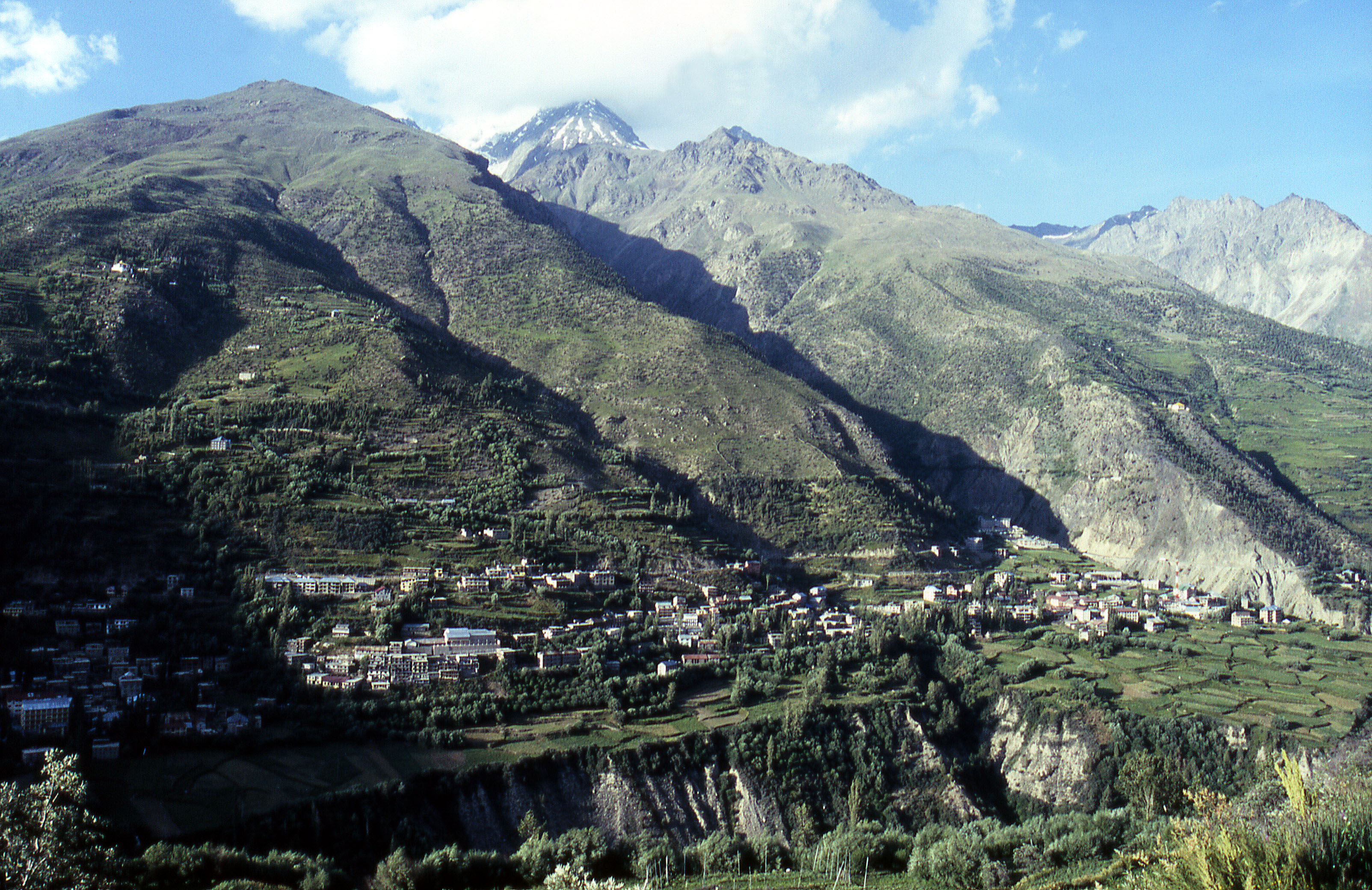
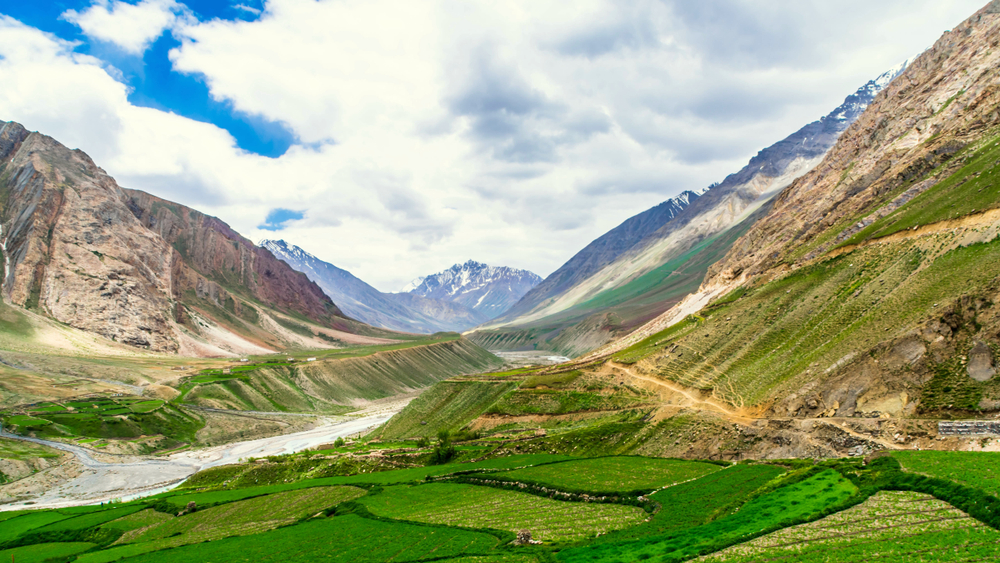
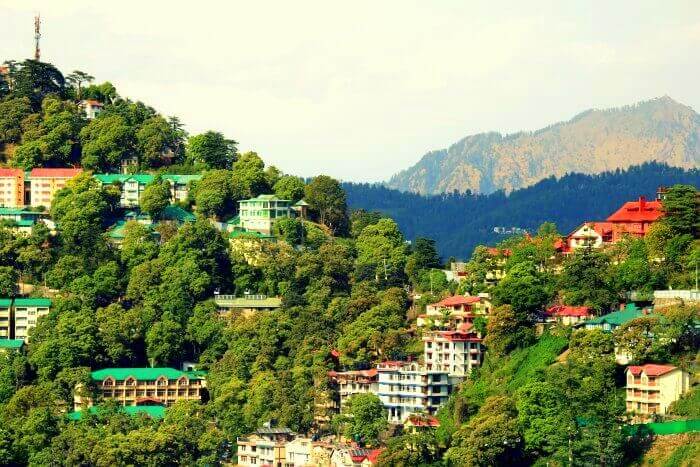
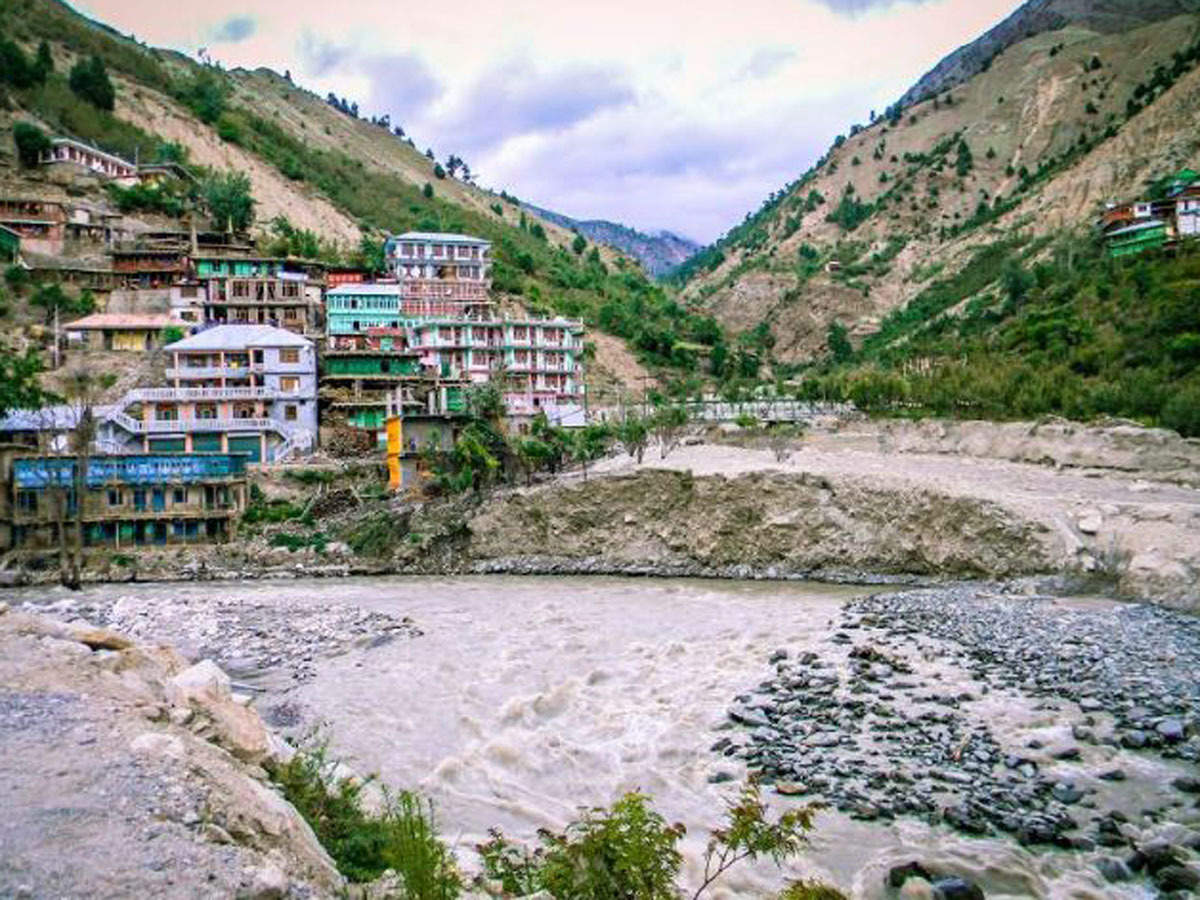
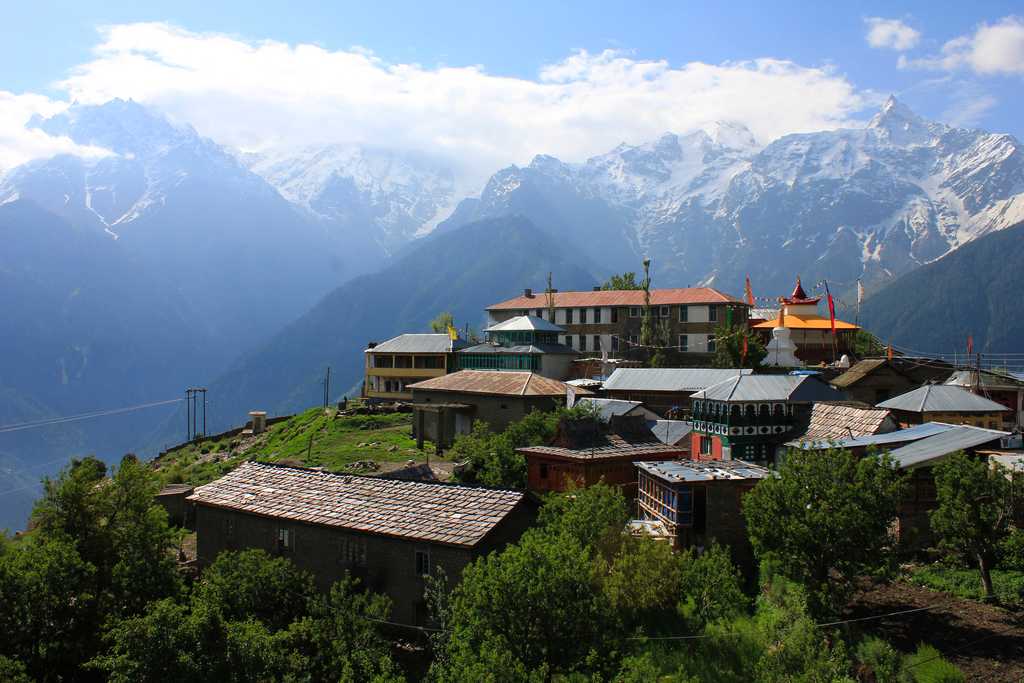
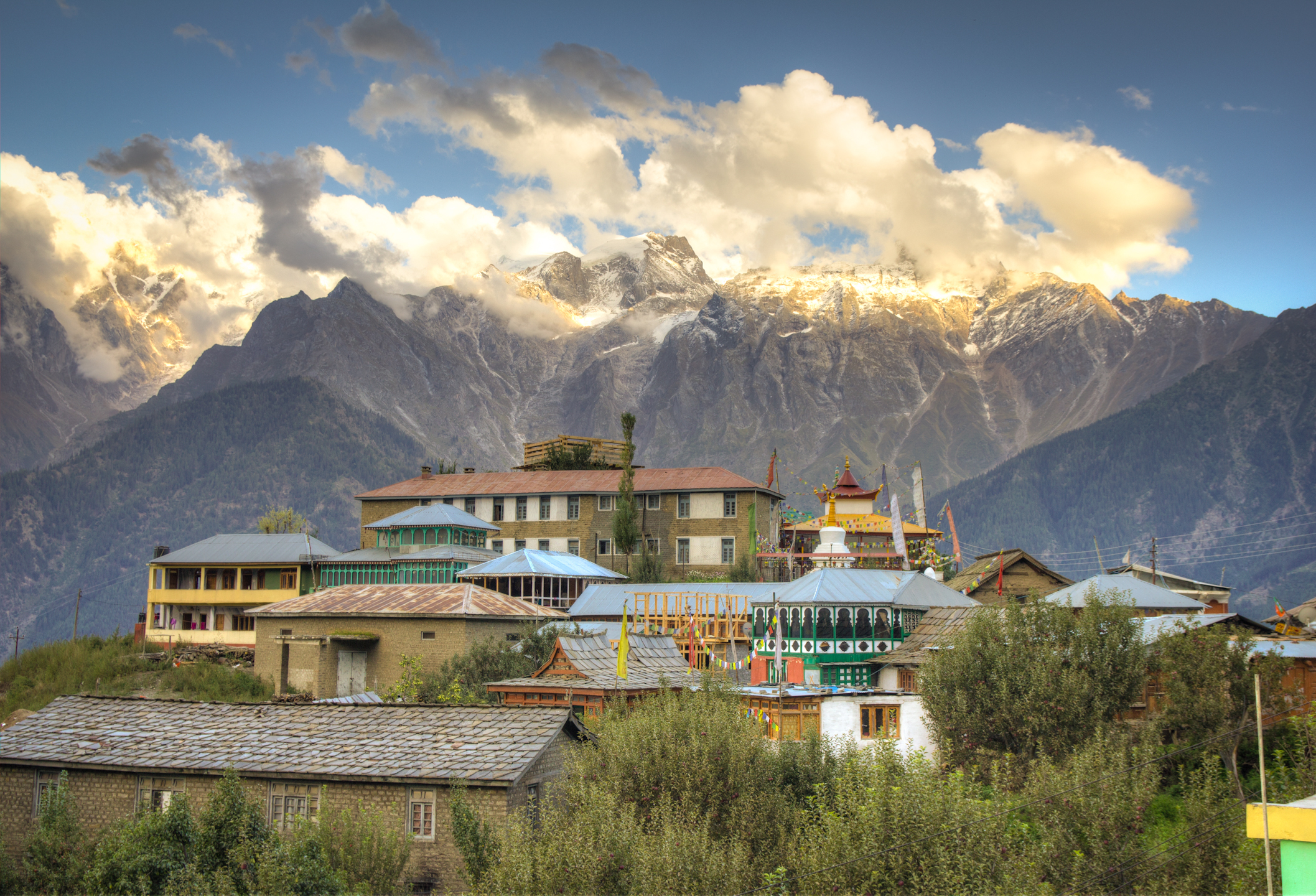
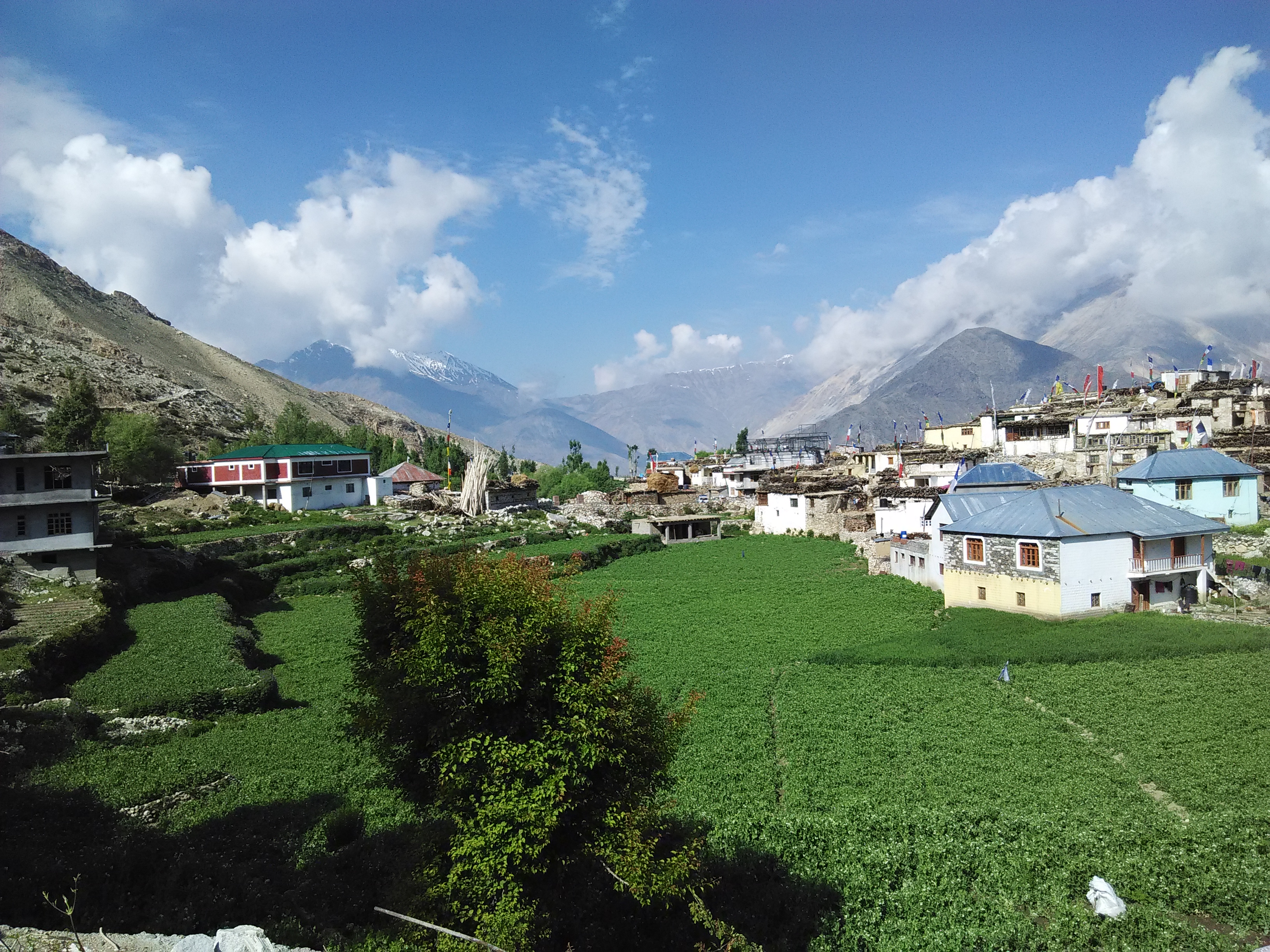
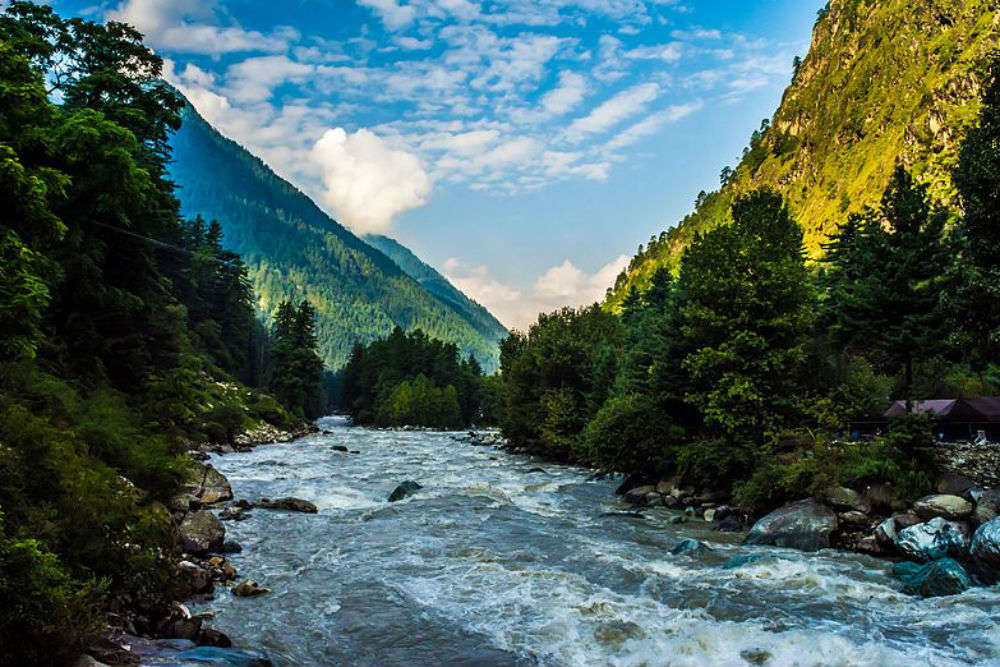
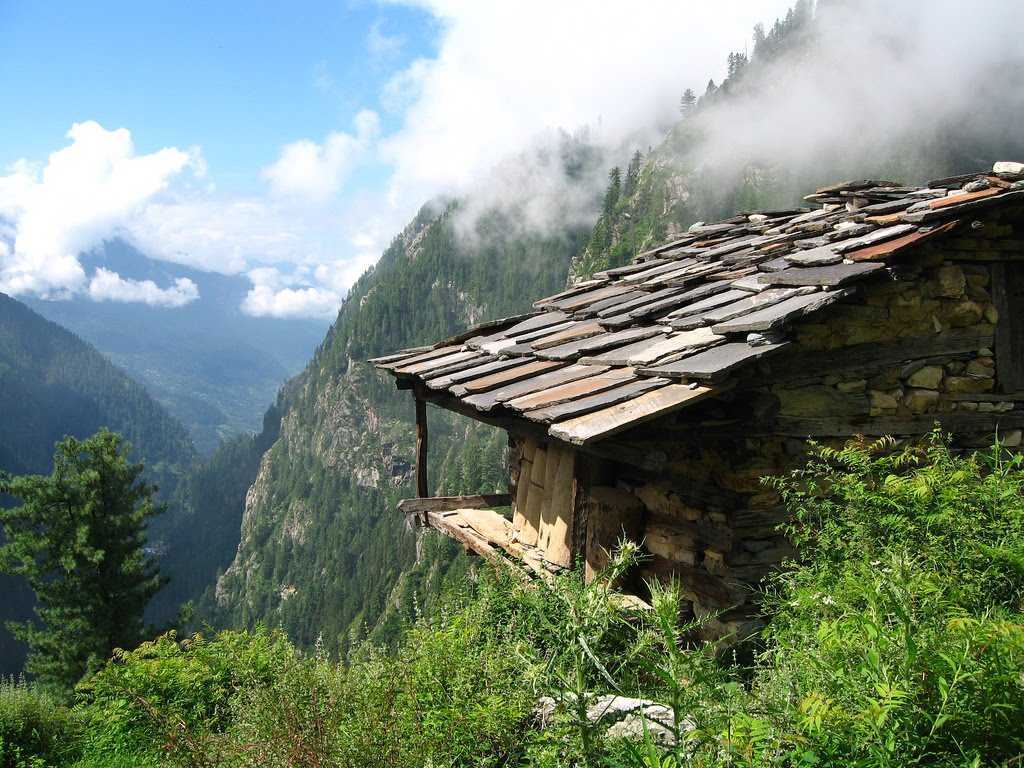
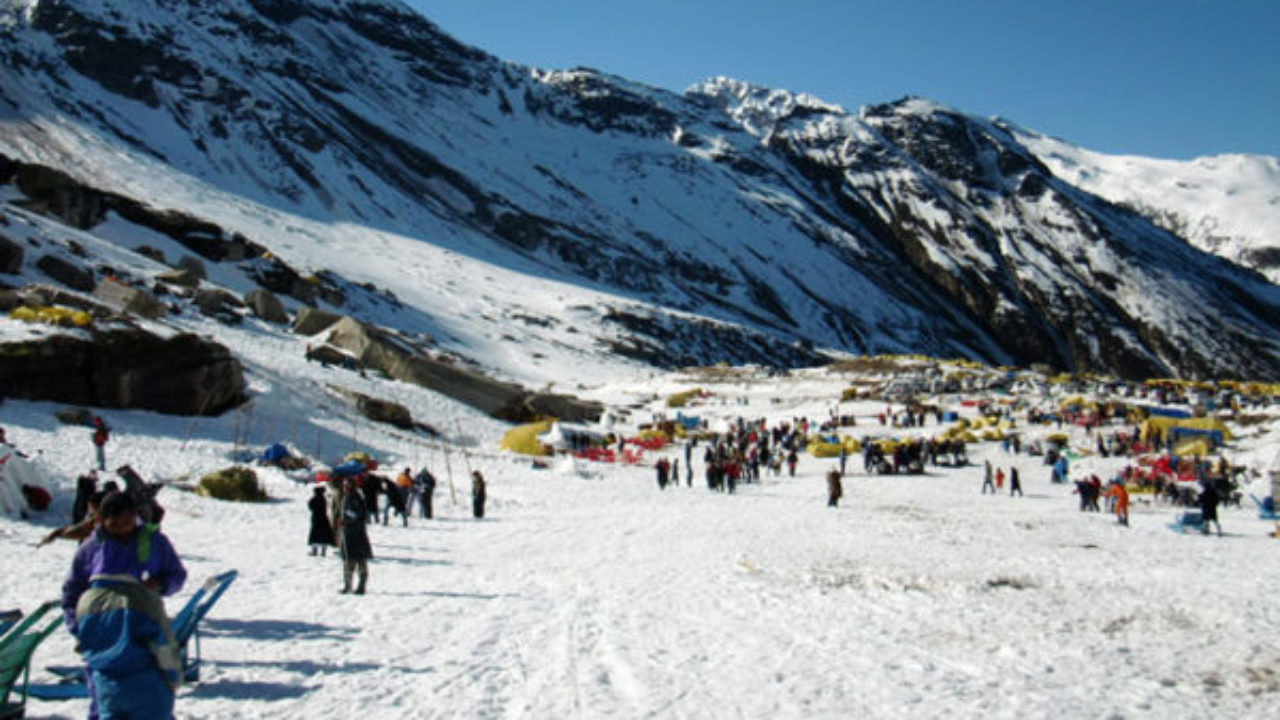
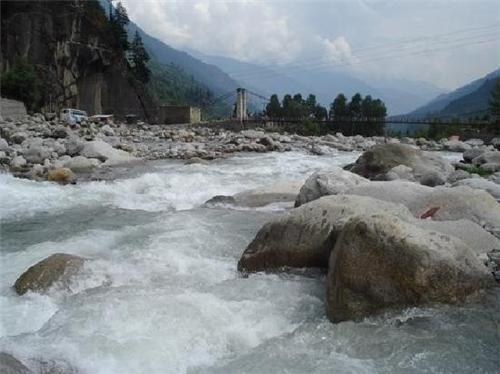
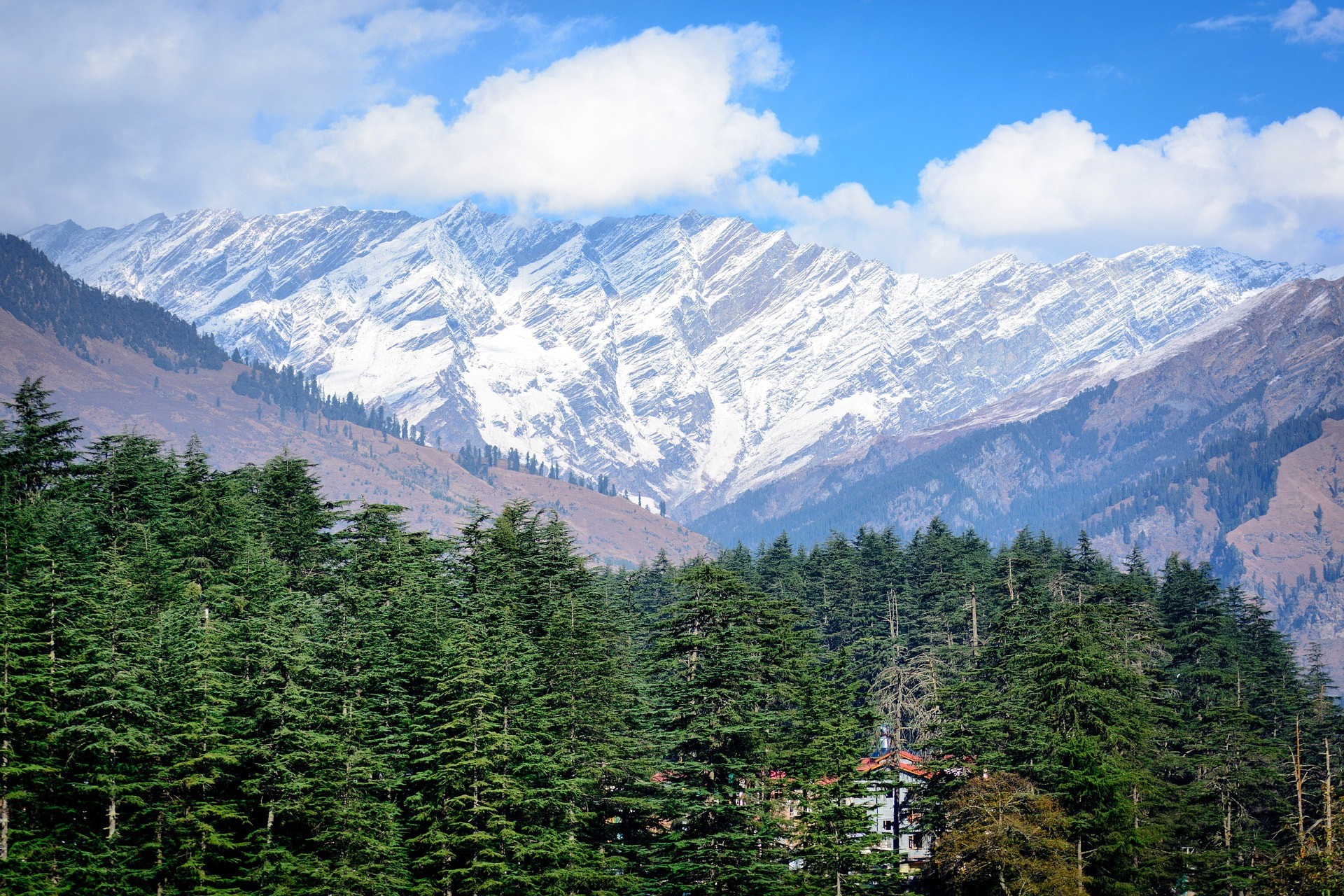
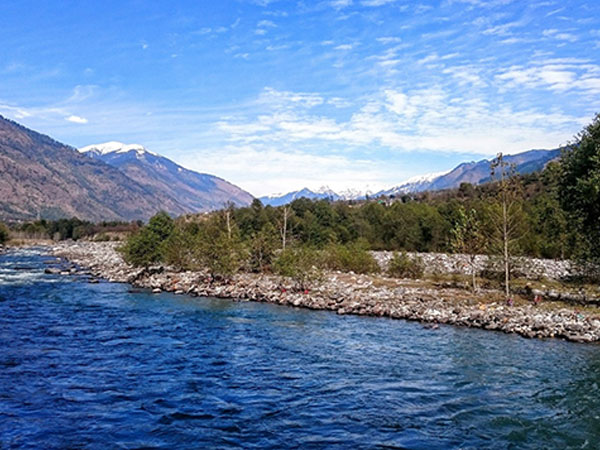
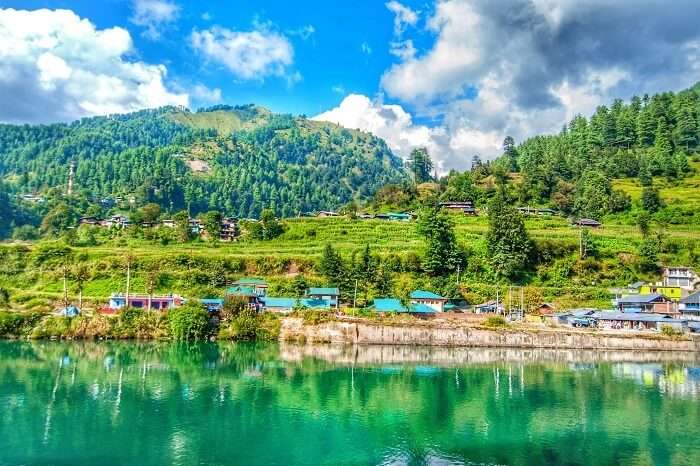
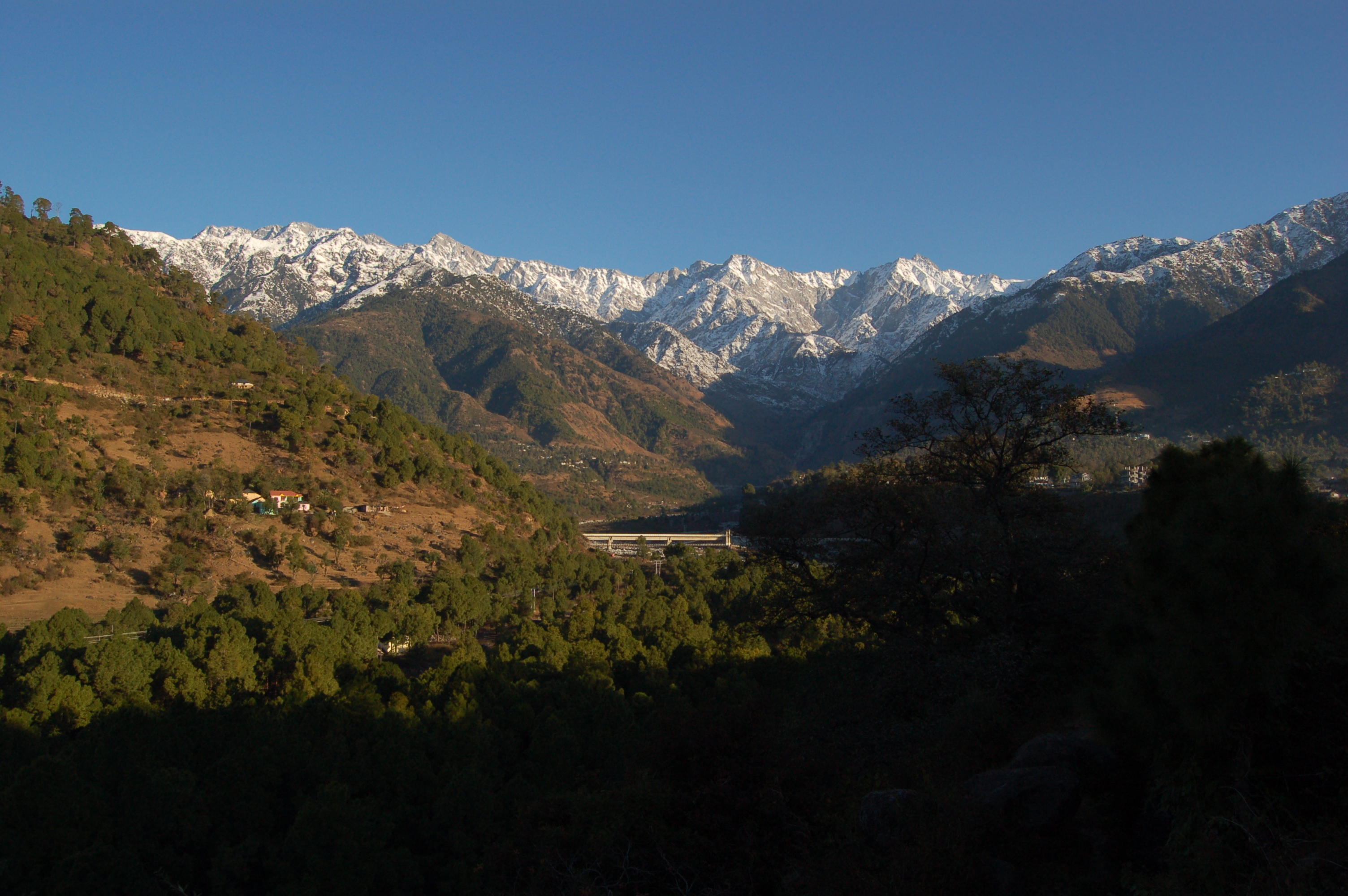
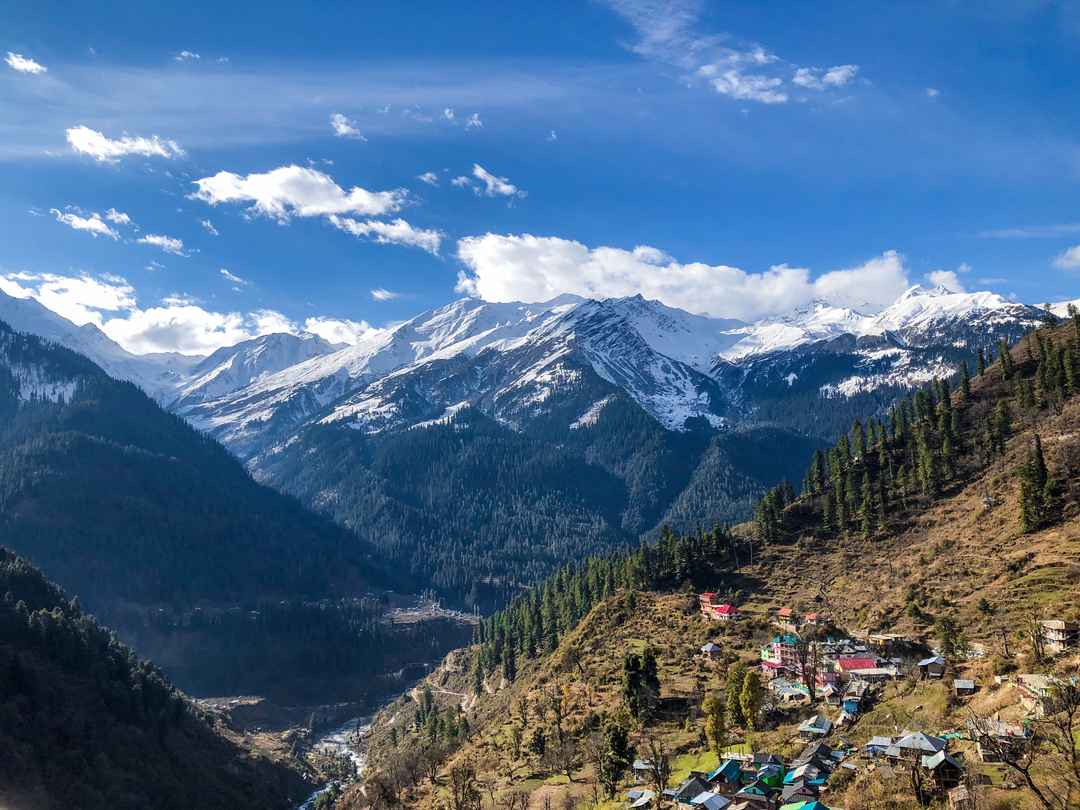
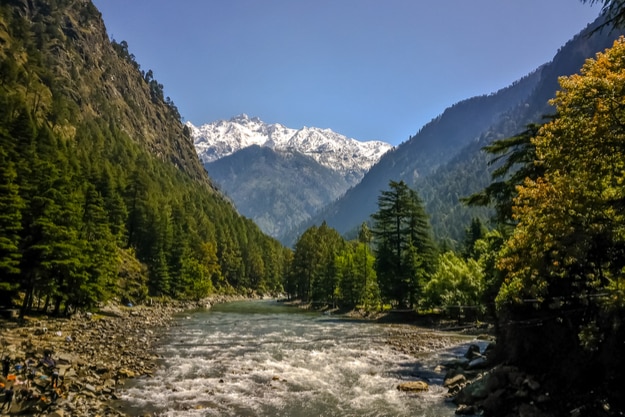
Called the snow-laden province, Himachal Pradesh is a state in the northern part of India, situated in the Western Himalayas. The state is characterised by an extreme landscape featuring several peaks and extensive river systems and shares borders with the Union territories of Jammu and Kashmir and Ladakh to the north, and the states of Punjab to the west, Haryana to the southwest, and Uttarakhand and Uttar Pradesh to the south. The state shares an international border to the east with the Tibet Autonomous Region in China.

The predominantly mountainous region comprising the present-day Himachal Pradesh has been inhabited since pre-historic times having witnessed multiple waves of human migrations from other areas. Throughout its history, the region was mostly ruled by local kingdoms some of which accepted the suzerainty of larger empires. Before India’s independence from the British, Himachal comprised the hilly regions of Punjab Province of British India and after independence, many of the hilly territories were organised as the Chief Commissioner’s province of Himachal Pradesh which later became a union territory. In 1966, hilly areas of the neighbouring Punjab state were merged into Himachal and it was ultimately granted full statehood in 1971.

Himachal Pradesh is spread across valleys with many perennial rivers flowing through them. Around 90% of the state’s population lives in rural areas with agriculture, horticulture, hydropower and tourism important constituents of the state’s economy. Tribes such as the Koli, Hali, Dagi, Dhaugri, Dasa, Khasa, Kanaura, and Kirat have inhabited the region from the prehistoric era with the foothills of the state inhabited by people from the Indus valley civilisation which flourished between 2250 and 1750 BC. The Kols and Mundas are believed to be the original inhabitants of the hills followed by the Bhotas and Kiratas.

During the Vedic period, several small republics known as Janapada existed which were later conquered by the Gupta Empire. After a brief period of supremacy by King Harshavardhana, the region was divided into several local powers headed by chieftains, including some Rajput principalities. These kingdoms enjoyed a large degree of independence and were invaded by Delhi Sultanate a number of times. Mahmud Ghaznavi conquered Kangra at the beginning of the 11th century and Timur and Sikander Lodi also marched through the lower hills of the state and captured a number of forts and fought many battles. Several hill states acknowledged Mughal suzerainty and paid regular tribute to the Mughals. The Kingdom of Gorkha conquered many kingdoms and came to power in Nepal in 1768 and after consolidating their power, began to expand their territory and gradually annexed Sirmour and Shimla. Under the leadership of Amar Singh Thapa, the Nepali army laid siege to Kangra and managed to defeat Sansar Chand Katoch, the ruler in 1806 with the help of many provincial chiefs. However, they could not capture Kangra fort which came under Maharaja Ranjeet Singh in 1809. After the defeat, they expanded towards the south of the state, however Raja Ram Singh, the Raja of the Siba State, captured the fort of Siba from the remnants of Lahore Darbar during the First Anglo-Sikh War. The provincial kings came into direct conflict with the British along the Terai belt after which the British expelled them from the provinces of the Satluj. The British gradually emerged as the paramount power in the region and in the revolt of 1857, or the first Indian war of independence, the people of the hill states were not as politically active as were those in other parts of the country. The British territories came under the British Crown after Queen Victoria’s proclamation of 1858 with virtually all rulers of the hill states remaining loyal and contributing to the British war effort during World War I.

After independence, the Chief Commissioner’s Province of Himachal Pradesh was organised on 15 April 1948 as a result of the integration of 28 princely states, including feudal princes and zaildars in the promontories of the western Himalayas known as the Shimla Hills States and four Punjab southern hill states. The State of Bilaspur was merged into Himachal Pradesh on 1 July 1954. Himachal Pradesh became a union territory on 1 November 1956 with some areas of Punjab State, some specified areas of Una Tehsil of Hoshiarpur District, as well as some parts of the Dhar Kalan Kanungo circle of the Pathankot tehsil of Gurdaspur District were merged with Himachal Pradesh on 1 November 1966 due to the Punjab Reorganisation Act of 1966. The new state of Himachal Pradesh came into being on 25 January 1971 and became the 18th state of India.

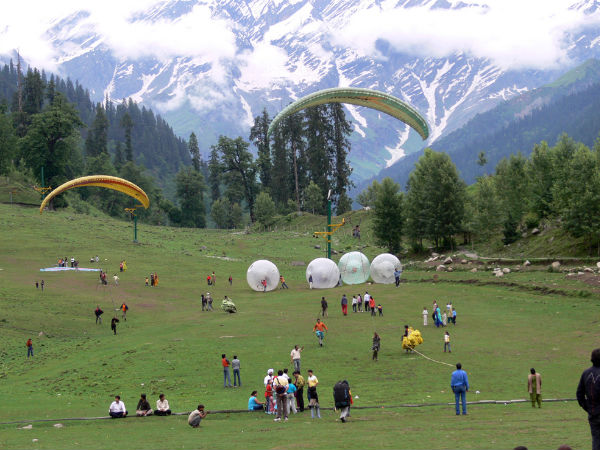
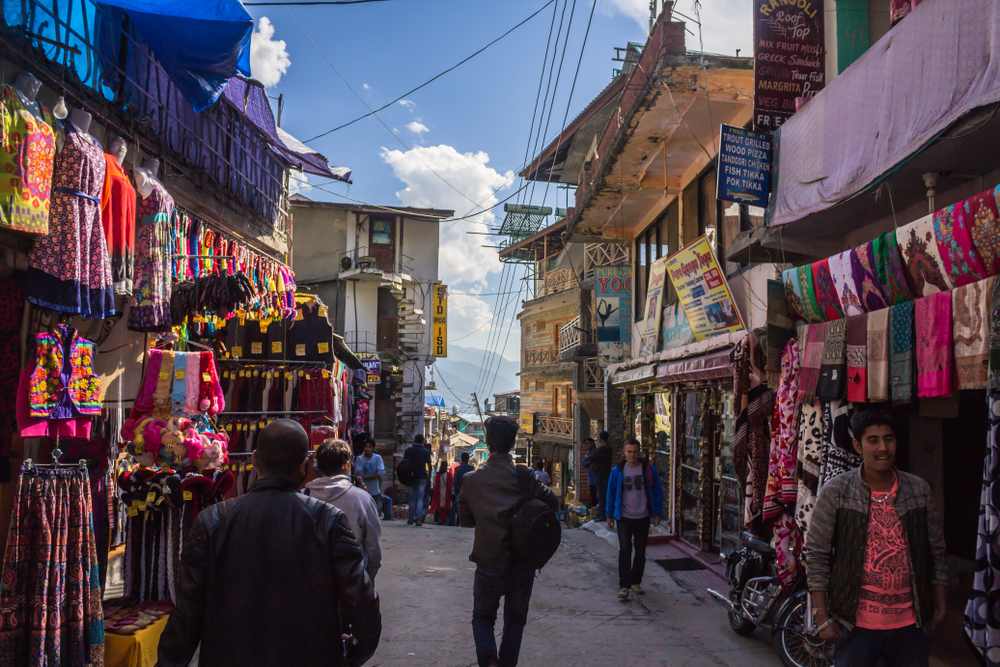
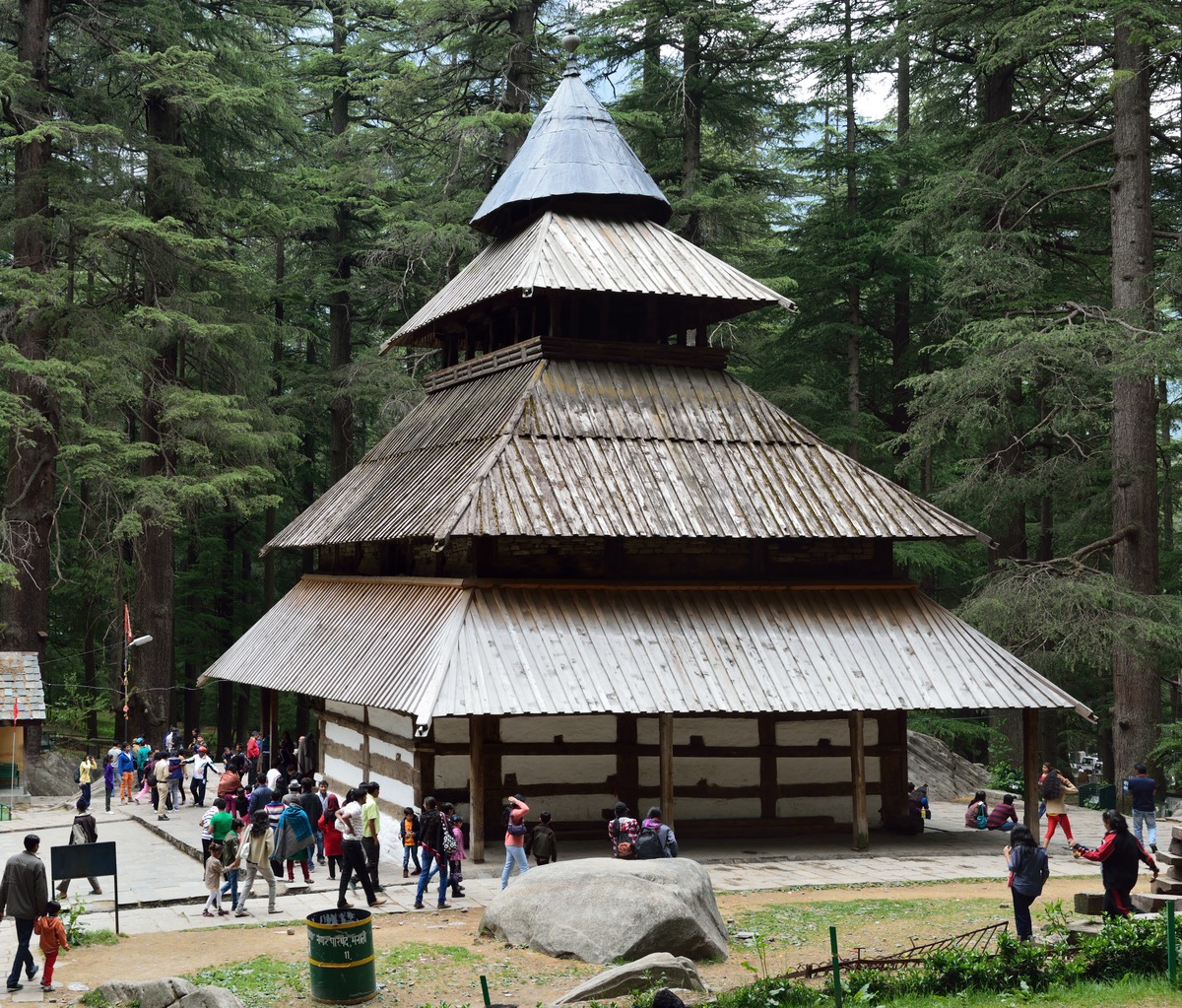
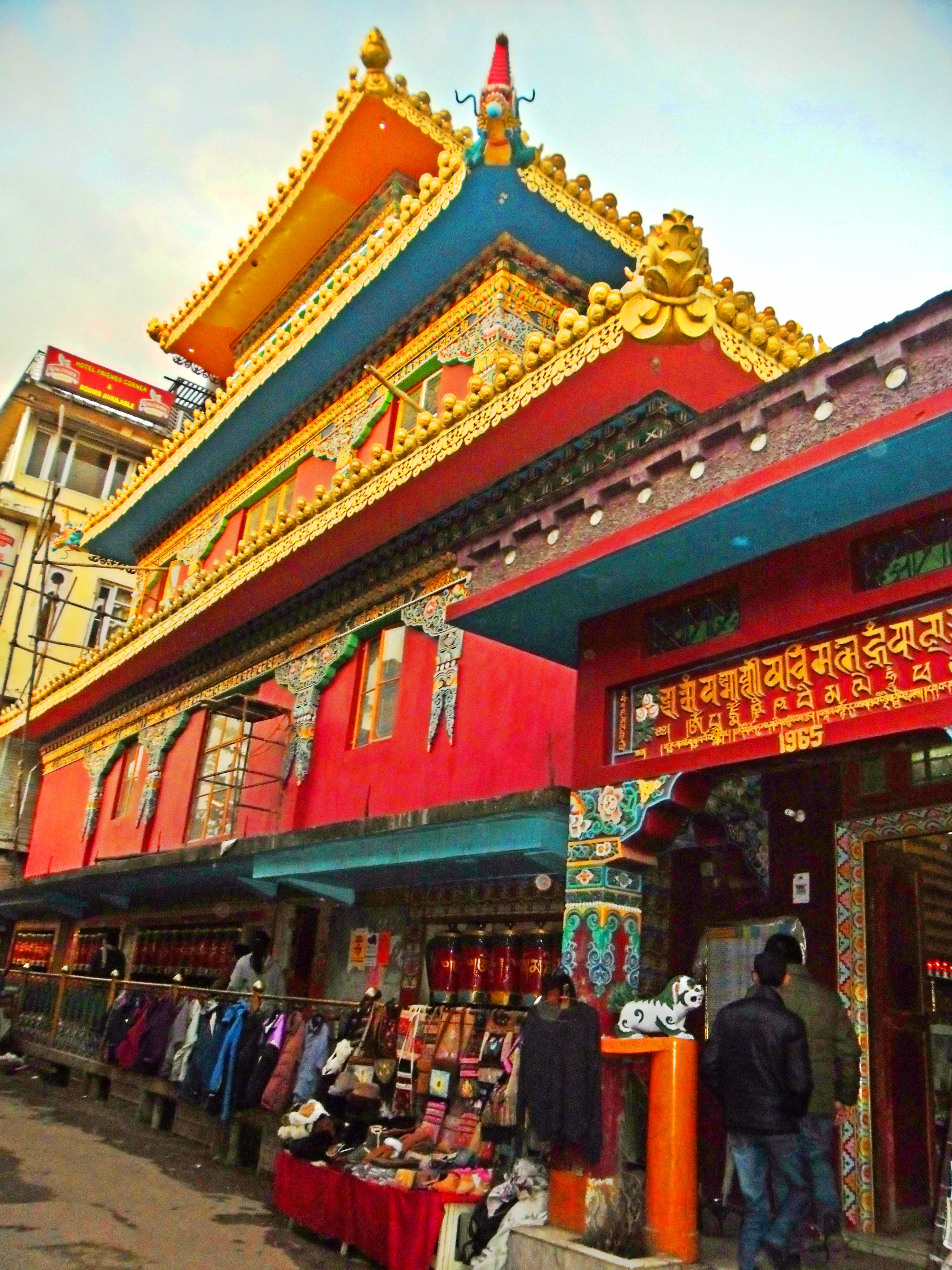
Tourism is a major contributor to the state’s economy with the Himalayas attracting tourists from all over the world. The state is also referred to as Dev Bhoomi, literally meaning the Abode of Gods due to its mention in ancient Hindu texts and the occurrence of a large number of historical temples in the state. Hill stations like Shimla, Manali, Dharamshala, Dalhousie, Chamba, Khajjiar, Kullu and Kasauli are popular destinations for both domestic and foreign tourists. The British developed hill stations during their reign one of them being Shimla which they called The Summer Capital of India. The state also has many important Hindu pilgrimage sites with prominent temples like Naina Devi Temple, Bajreshwari Mata Temple, Jwala Ji Temple, Chintpurni, Chamunda Devi Temple, Baijnath Temple, Bhimakali Temple, Bijli Mahadev and Jakhoo Temple. The Manimahesh Lake situated in the Bharmour region of Chamba is the venue of an annual Hindu pilgrimage trek held in the month of August which attracts hundreds of thousands of devotees. The state is also known for its adventure tourism activities like ice skating in Shimla, paragliding in Bir Billing and the Solang valley, rafting in Kullu, skiing in Manali, boating in Bilaspur and trekking, horse riding and fishing in different parts in the state. Shimla, the state’s capital, is home to Asia’s only natural ice-skating rink. Spiti Valley in Lahaul and Spiti District situated at an altitude of over 3000 metres with its picturesque landscapes is an important destination for adventure seekers. The region also has some of the oldest Buddhist monasteries in the world.

We’ll start our exploration of Himachal Pradesh from it’s state capital of Shimla and then go in a circle, starting from the east all the way around to the north east exploring some interesting destinations on the way. So buckle up and let’s go.

Shimla
The capital and largest city in the state, Shimla is a very popular hill station. Declared the summer capital of British India in 1864, Shimla was the capital city in exile of British Burma which is present-day Myanmar from 1942 to 1945. The city is the principal commercial, cultural and educational centre of the state.

Shimla gets its name from Shyamala Mata, a fearless incarnation of the goddess Kali. The temple of the goddess is situated on Bantony Hill, near The Ridge, named Kali Bari temple. Most of the area occupied by present-day Shimla city was dense forest during the 18th century with only the Jakhoo temple and a few scattered houses in the name of civilisation. Today’s Shimla was invaded and captured by Bhimsen Thapa of Nepal in 1806 and then the British East India Company took control of the territory as per the Sugauli Treaty after the Anglo-Nepalese War which took place between 1814 and 1816. In 1819, Lieutenant Ross, the Assistant Political Agent in the Hill States, set up a wood cottage in Shimla and three years later, his successor Charles Pratt Kennedy built the first pucca or permanent house in the area named Kennedy Cottage in 1822, what is now the home for the CPWD office. Because of the Britain-like climate, the city started attracting several British officers during the hot Indian summers and by 1826, some officers had started spending their entire vacation in Shimla. In 1830, the British acquired the surrounding land from the chiefs of Keonthal and Patiala in exchange for the Rawin pargana and a portion of the Bharauli pargana and the settlement grew rapidly, from 30 houses in 1830 to 1,141 houses in 1881. Shimla soon became a hill station famous for balls, parties, and other festivities and subsequently, residential schools for pupils from upper-class families were established nearby. On 9 September 1844, the foundation of the Christ Church was laid and several roads were widened and the construction of the Hindustan-Tibet road with a 560-feet tunnel was taken up in 1851–52. In 1863, it was decided to shift the summer capital of the British Raj to Shimla.

The Kalka–Shimla railway line, opened in 1903, added to Shimla’s accessibility and popularity. The railway route from Kalka to Shimla, with more than 806 bridges and 103 tunnels, was touted as an engineering feat and came to be known as the British Jewel of the Orient and in 2008, it became a UNESCO World Heritage Site. Shimla was the capital of the undivided state of Punjab in 1871, and remained so until the construction of the new city of Chandigarh, the present-day capital of the Indian states of Punjab and Haryana and upon the formation of the state of Himachal Pradesh in 1971, Shimla was named its capital.

The Kalka to Shimla route is best travelled by way of the toy train that runs on a narrow-gauge track and is known for its dramatic views of the hills and surrounding villages. The historic Kalka Shimla Toy train is part of the UNESCO World Heritage List. The journey was carved through the abundance of nature in the state during the British rule through one of the most scenic railway journeys in India. The 5 and a half-hour toy train journey provides special services and is must-do when visiting the mountainside of the North. The route from Kalka to Shimla is a 96-kilometre long uphill course all the way from the foothills to an altitude of 2076 metres above sea level with 102 tunnels, the longest of which is Barog tunnel that takes 3 minutes to pass. Passengers can also enjoy the stunning views and ornate bridges which are a staggering 869 in all, that they will pass through.

Located in the heart of Shimla, The Ridge is a wide open street located on the side of Shimla Mall Road. The Ridge has everything, from shops selling some exclusive artefacts to the spectacular view of the snow-capped mountain ranges set against an orangish hued sky and is famous for shopping. The Ridge is the most recognised face of Shimla and is often the most photographed part of the hill station covered with pine, firs, Himalayan Oak and Rhododendron trees. Not just a market place, The Ridge is also the social hub of the city. This wide open space is thronged by locals and nature enthusiasts as well as travellers with the road lined with cafes, bars, boutiques, shops and restaurants. It runs from east to west on the side of the Mall Road and connects it to the famous Scandal Point on the west end while on the east end, it is connected to the Lakkar Bazaar, the most famous wooden crafts market in Shimla. Apart from being the cultural centre, it houses the city’s lifeline – the water reservoir built in the 1800s with only lime motar, with the capacity of storing one million gallons of water, which supply water to the entire town. Various government functions and fairs are also held at the Ridge and it is the venue for all the major occasions held in Shimla. The most famous festival held here is the Summer Festival, a five-day extravaganza during April or May. The only place in Asia to have a natural ice skating rink, a Winter Sports festival is also organised here as well as a Tudorbethan style library established in 1910. The Ridge is open between 8 am and 6 pm every day and visitors will need about two to three hours to explore the place.

The Mall Road located in the heart of the town, is the main street that is lined up with a myriad of restaurants, clubs, banks, shops, post offices and tourist offices and also boasts of other attractions such as the Scandal Point and Kali Bari Temple. One of the busiest and more commercial areas of Shimla, this stretch truly celebrates the spirit of the hilltown. The stores located here are famous for their woollen clothes and handcrafted works. Vehicles, except emergency ones, are not allowed on this street, which makes the Mall Road an ideal place to stroll around in the evenings, without being concerned about traffic. The Mall Road is also famous for its variety of cafes so an evening spent people watching is wonderful here. The road is open between 9 am and 9 pm.

The Shimla Heritage walk is a guided tour of the Heritage Zone which begins at one end of the city and participants walk to every heritage monument , more like a leisurely stroll at one’s own pace with or without a guide and is the best way to explore the heritage monuments when travelling on a tight schedule. Different organisers take different routes for the heritage walk with some begining at the Ridge while others start at the Mall Road with pit stops for lunch and refreshments. The route covers the Vice Regal Lodge, Clark’s Hotel, The Ridge, Gaiety Heritage Cultural Complex, Bandstand, Scandal Point, Town Hall, Telegraph Office, Connie Cottage/ General Post Office, Gorton Castle, Council Chambers of the State Legislative Building, Cecil Hotel and Kennedy Cottage with some guides continuing the walk into the Bazaar where visitors can purchase local spices, vegetables and other items. The best time for a heritage walk is in winter, between October and February. The region receives snowfall, and the natural landscape is covered by snow, making the trail a beautiful experience.

A heritage monument, over a century old, Gorton Castle was built during the colonial era and is used as the office of the Accountant General of Himachal Pradesh today. A perfect blend of the rich history and heritage of India during the colonial era, the castle is built according to the Neo-Gothic type of architecture and exudes the vibe of a fairy tale with its characteristic features. Located on a hilltop, Gorton Castle is surrounded by tall lush green deodar trees and the scenic beauty of the location makes it look incredibly majestic. Built in 1904 and designed by Sir Winton Jacob, Gorton Castel has a magical vibe with its stone structure and glass windows that take visitors back to the bygone colonial era. Located in the Shimla Heritage Zone, Gorton Castle is included in the Heritage walks held by several organisers in the city. A three storey building, set over an area of 40 thousand sq feet, the castle has 125 rooms and is built of grey coloured stones sourced from Sanjauli in the state with tall towers, beautiful windows, large doors and a roof that was initially made of tiles but is now replaced with galvanised iron sheets. The building has balconies which are adorned with traditional Rajasthani Jali and Jari work, and the entire building is surrounded by shrubs and trees that make the heritage monument a sight to remember. The castle is open from 9 am to 5 pm and has no entry fee to access it.

The Bantony Estate is a heritage site built during the British times and is located on Bantony Hill. The estate consists of Bantony Castle and Bantony Cottage and today comes under the Heritage Zone of Shimla and is included in the Shimla Heritage walk. The beautiful wooden architecture of the building amidst the sprawling lawns is a site worth exploring. Although the castle is in the process of refurbishment and renovation, some parts are still in ruins, but the potential of this heritage monument as a tourist attraction cannot be denied, which is why the government purchased the property from the owners to rebuild it.

Located on Jakhoo hill, Rothney Castle is a heritage monument located on a steep slope amidst lush green natural vegetation. As one climbs up the steep slopes of Jakhoo Hill, they are bound to be greeted by the enchanting chirping sounds of the birds, the colourful wildflowers and wild berries growing around enhance the experience. Once home to A.O. Hume in the late 1850s, who is also known as the father of Indian ornithology and the founder of the Indian National Congress, the castle comes under the heritage zone and is included in the heritage walks. The castle is surrounded by lush greenery that resembles an overgrown or a rarely maintained garden. It was here that Hume began his study and documentation of the birds found in the Indian Subcontinent and later started a museum in the castle to exhibit the variety of bird species he had acquired over the years.

A place with a titillating name, Scandal Point’s scenic beauty is picturesque with unobstructed views of the gigantic mountains covered in a blanket of dense fir and spruce. The point rests on the intersection of the city’s important roads, Ridge Road and Mall Road. Scandal Point is a year-round magnet where people come to relax and rejuvenate amidst the view of the soaring mountains. The story of why this point was named Scandal Point is an intriguing one. This captivating tale involves the Maharaja of Patiala, Maharaj Bhupinder Singh and the British Viceroy, Lord Kitchner’s daughter. Lord Kitchener had his entire family move to India while viceroy and his family was very uncomfortable with the move, especially his daughter. Bhupinder Singh used to visit the viceroy often and met his daughter, with whom he fell in love and she reciprocated. They met often and started spending time together and when Kitchener found out, he was furious. The couple wanted to get married, but this was not acceptable by Kitchner and ordered his daughter to stop seeing the king and tried to break off the relationship. The lovers could not be apart and decided to elope and met at what is today Scandal Point, and ran away in 1892. This incident remained the talk of the town for years and went down in history as one of the first alliances between the British and the Indians. Enraged by their misconduct, Lord Kitchener swore that he would ruin the king’s life and expelled the Maharaja from Shimla. However, Maharaja Bhupinder Singh was confident in his love, and constructed the summer capital of his kingdom from scratch in Chail, only 50 miles away from Shimla. Scandal Point is open between 6 am and 8 pm daily.

Annandale is a destination for everyone with a golf course, a playground, a cactus museum and an Indian Army museum here as well as as a favourite local picnic spot. At the Indian Army Museum, visitors will come across artefacts and stories of sacrifices and victories of the Indian armed forces. The museum has a collection of flags, uniforms, weapons, ammunition and information about all the regiments of the Indian cavalry. The Cactus Museum is maintained near the Indian Army Museum and has a variety of cactii brought in from significant cactus growing regions in the world. There is also a cafe that serves a variety of locals snacks.

Built in the Victorian or Gothic style of architecture over a century ago, the Gaiety Heritage Cultural Complex is of immense historical and cultural significance. The five-storey complex houses an exhibition hall, a multipurpose hall, an art gallery and an amphitheatre and is considered an essential centre of performing arts for artists and art enthusiasts. Built in 1887, the complex was designed by the British-Indian architect, Henry Irwin. The main attraction of the cultural complex is the theatre. The Art Gallery the complex works in association with the Lalit Kala Academy in New Delhi and has hosted several national and international art exhibitions. A theatre and amphitheatre are also located in the complex which have a decent sound system. The structure has large Victorian style doors and glass windows. The space is cleverly utilised to display paintings and sculptures. The complex is open from 11 am to 1:15 pm and then again from 1:45 to 7 pm. Indian citizens pay INR 10 per person and INR 25 for a camera while foreigners pay INR 25 per person and INR 50 for a camera.

Set amidst the lush green background of the Shivalik hill ranges on Jakhoo Hill, the highest point in Shimla, the Jakhu Temple is an ancient site shrouded in legends and offers a mystical vibe to visitors. The Jakhoo Temple is dedicated to the Hindu monkey god, Lord Hanuman and has the world’s largest Hanuman statue, visible from most parts of Shimla. According to the legend that surrounds Jakhu Temple, Lord Hanuman stopped at this spot to take rest before resuming his search for the Sanjeevani herb to revive Lord Lakshman during the war in the Ramayana. It is also believed that the place has earned its name from sage Yakoo whom Hanuman had seen sitting here while he was on his way to the Himalayas and landed here to get more details about the Sanjeevani plant and because of this, Jakhoo hill which was much higher, sunk halfway into the earth. Hanuman then proceeded to Mount Dronagiri in the Himalayas and promised to visit sage Yaaku on his return, but due to a shortage of time, and his confrontation with the cunning demon, Kaalnemi, he could not make it back to the hill. Sage Yaaku supposedly built this temple in the honour of Lord Hanuman. Legend says that the temple has been built around Hanuman’s footprints and the monkeys that flock and reside around the shrine are said to be the descendants of Lord Hanuman. The original date of construction of the temple is not clearly known but is believed to be existing since the times of Ramayana. The vintage British-era architecture coupled with the scenic views of the Himalayan landscape is thoroughly enjoyed by the ropeway cable car from the bottom of the hill to the top. The Jakhoo ropeway is one of the four major ropeway attractions in the state and each cabin can carry six people. The ropeway operates from 9:30 am to 6 pm daily. Free for children below three, it costs INR 200 for children between 3-12 years and INR 250 for adults for a one way ride. The temple is open from 5 am to 12 noon and then again between 4 to 9 pm daily.

The Kali Bari temple is an ancient place of worship dedicated to Goddess Kali built in 1845. The shrine houses a captivating idol of Goddess Kali beautifully adorned with jewellery and colourful flowers. Located in Shimla, very close to the Shimla City Mall, it is often visited by devotees in large number. The temple premise is kept clean and is well-maintained, and devotees can sit for hours here absorbing the heavenly vibe. Many prefer chanting or meditating here to contemplate issues they are facing as they seek power and energy from Goddess Kali to face and fight them. Locals believe that Goddess Kali lived on Jakhoo Hill, the location of an ancient temple that was later relocated to Kali Bari by the British and also call Goddess Kali as Goddess Shyamala from which Shimla derived its name. A large number of devotees visit the Kali Bari Temple seeking Goddess Kali’s blessings and to offer her prayers during Navratri. The temple is open from 6 am to 7 pm but the best time to visit the temple is in the evening during the evening arti at 7 pm.

The second oldest church in Northern India, Christ Church is a site of architectural beauty. The church, which took 11 years to complete, reminds visitors of India’s colonial past. At night, the church glows when it is lit up, while during winters, it dons the look of a magnificent castle. The yellow building and its silhouette is visible from across the town and it is inspired by the neo-gothic style of architecture, complete with a front porch, church bells and five stained glass windows that represent different virtues in Christianity. These windows are a unique feature and represent the various virtues of Christianity, namely Charity, Humility, Fortitude, Faith, Patience and Hope. The towers of this holy church are about 90 feet high, and the building is complete with a brass church bell, a clock and a set of five tubular bells. The Pipe organ of the church is the biggest that the Indian subcontinent has seen. Even with the hullaballoo outside at the Ridge, Christ Church is peaceful which makes a nice interlude to a person’s day. A grand library, built in 1910 by James Ransome and designed in the typical Elizabethan style, is located right next to Christ Church and boasts of an enviable collection of books and other ancient scriptures. The church is open between 8 am and 6 pm daily.

A small hill station, about 22 km from Shimla, Naldehra is famous for its greenery, golf course and views of the mountains filled with thousands of pine trees. Naldehra came into prominence when Lord Curzon, the then British Viceroy of India, discovered the place. Visitors can enjoy a wonderful afternoon in the lush green valley with interposed with clouds or can take a horse ride to the golf course. There is a small temple dedicated to Kogi Mata known as Kogi Mata Temple situated in Kogi village near Naldehra and in the midst of the golf course is the Mahunag Temple dedicated to the snake god and is believed to be the reason Naldehra is named which translates to abode of the king of the snakes. Visitors also enjoy the Karsog Valley view along with the northern Himalaya from the temple. The golf course built by Lord Curzon is considered the oldest nine-hole course in India and is opem from 8 am to 6 pm. The best way to cover the course is via horseback which costs about INR 1000 per person and takes about two hours to do. Green Valley is a beautiful and breathtaking mountain range that falls on the way to Kufri from Shimla surrounded by verdant hills on all sides that are covered with thick forests of pine and deodar and visitors can see Yaks wandering and grazing around in the valley. Not developed for tourism, it is still a crowd puller and is imbued with natural beauty, as is evident in the dense deodar and pine trees that line the majestic hills.

The quaint village of Kharapathar near Shimla is located at the height of 8770 feet above sea level, making it the highest point on the Shimla route. Aside from its surroundings, Kharapathar is best known as a base for several trekking and hiking routes amongst which the most famous one is the Giri Ganga River Trek. The village and the area surrounding it are also often referred to as the ‘apple belt of Himachal Pradesh’ due to sprawling apple plantations dotting the hills with the reds and greens. Camping and fishing are activities that are also often taken up by individuals visiting the area.

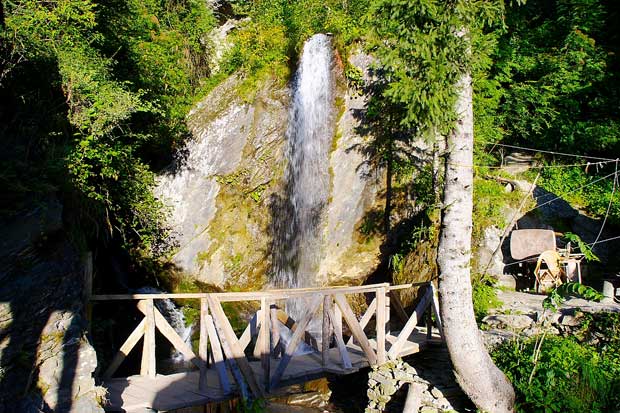
Located in the Glen forest, Chadwick Falls’ stream of water trickles from a height of about 100 metres. The name Chadwick is derived from Chidku Jhaar where Chidku means sparrow and Jhaar means waterfall in the local language. It was named so because the locals thought only sparrows could reach the top of the waterfall and not humans. The Britishers found it difficult to pronounce this name and hence started calling the waterfall Chadwick. The best time to visit Chadwick Falls is during the monsoon time, from June to September as the region receives a good amount of rainfall and the level of water rises considerably.

A little aviary, the Himalayan Bird Park is home to rare and exotic birdlife as well as the iridescent monal pheasant which is Himachal’s former state bird. This nature park is located in the heart of the city opposite the Vice Regal Lodge and visitors can take a walk around the park and explore the rich collection of plants and trees. The collection of pheasants, peacocks and peafowl are bliss to bird watchers as well as wildlife photographers and is a must-visit for the nature lovers owing to the lush green pastures that the park boasts of. Summers are the best time to visit Himalayan Bird Park, because, during winters, the place gets covered in snow. The bird park is open from 10 am to 5 pm with entry fees being INR 10 per person.

Popularly for its rare variety of flora and fauna, the Shimla Reserve Forest Sanctuary is a must-visit for all wildlife enthusiasts. Animals such as jackals, barking deer, monkeys and leopards are commonly sighted here. The Pir Panjal ranges of Jammu and Kashmir can also be seen from here, making this an ideal spot for trekking and picnics.

The Indian Institute of Advanced Studies located on the Observatory Hill is a majestic structure made with Victorian-style architecture which has now been converted into an educational institution offering post-doctoral courses. This building was formerly used by the British Government to hold important political meetings.

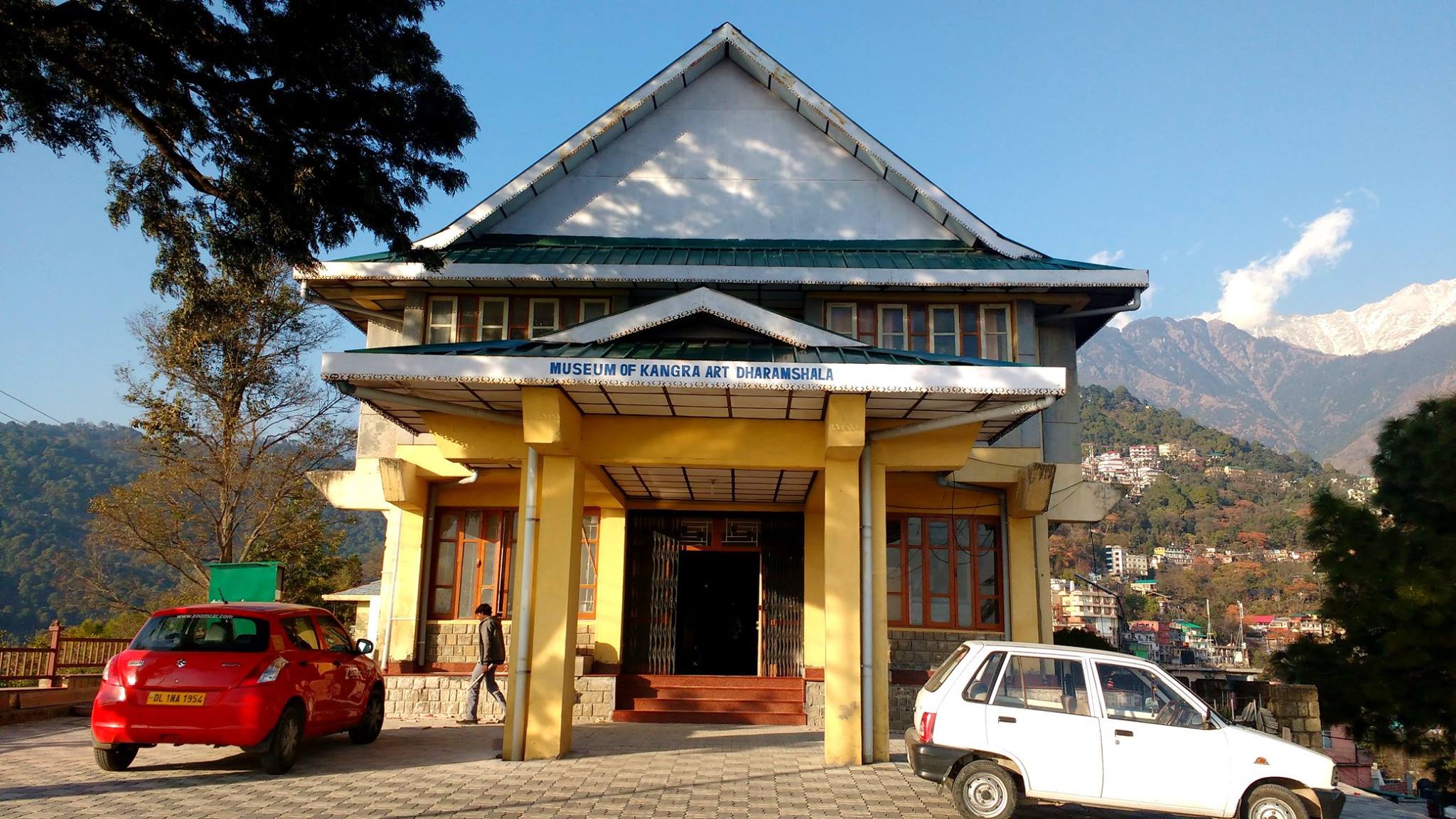
The Himachal State Museum is located on the Mall Road and has some unique collectables like ancient coins, paintings and other handicraft items collected from all over the state and the rest of the country, the aesthetics of which are influenced by the Pahari form of art. One of the major highlights is the library housing around ten thousand books, magazines and journals. The museum also has a doll gallery which has several bride and groom dolls among many others as well as some archeological artefacts which includes stone images from the 8th century. In colonial times, the grand building housed Lord William Beresford, the Military Secretary to the then Viceroy in India. Being occupied by several tenants later, after independence, it housed the government state officials and was finally converted into a museum on January 26, 1974. The museum is closed on the weekends and Mondays and is open from 10 am to 1:30 pm and then again from 2 to 5 pm on Tuesdays to Fridays. Entry fees for Indians is INR 20 while for foreigners, it is INR 50.

Kufri
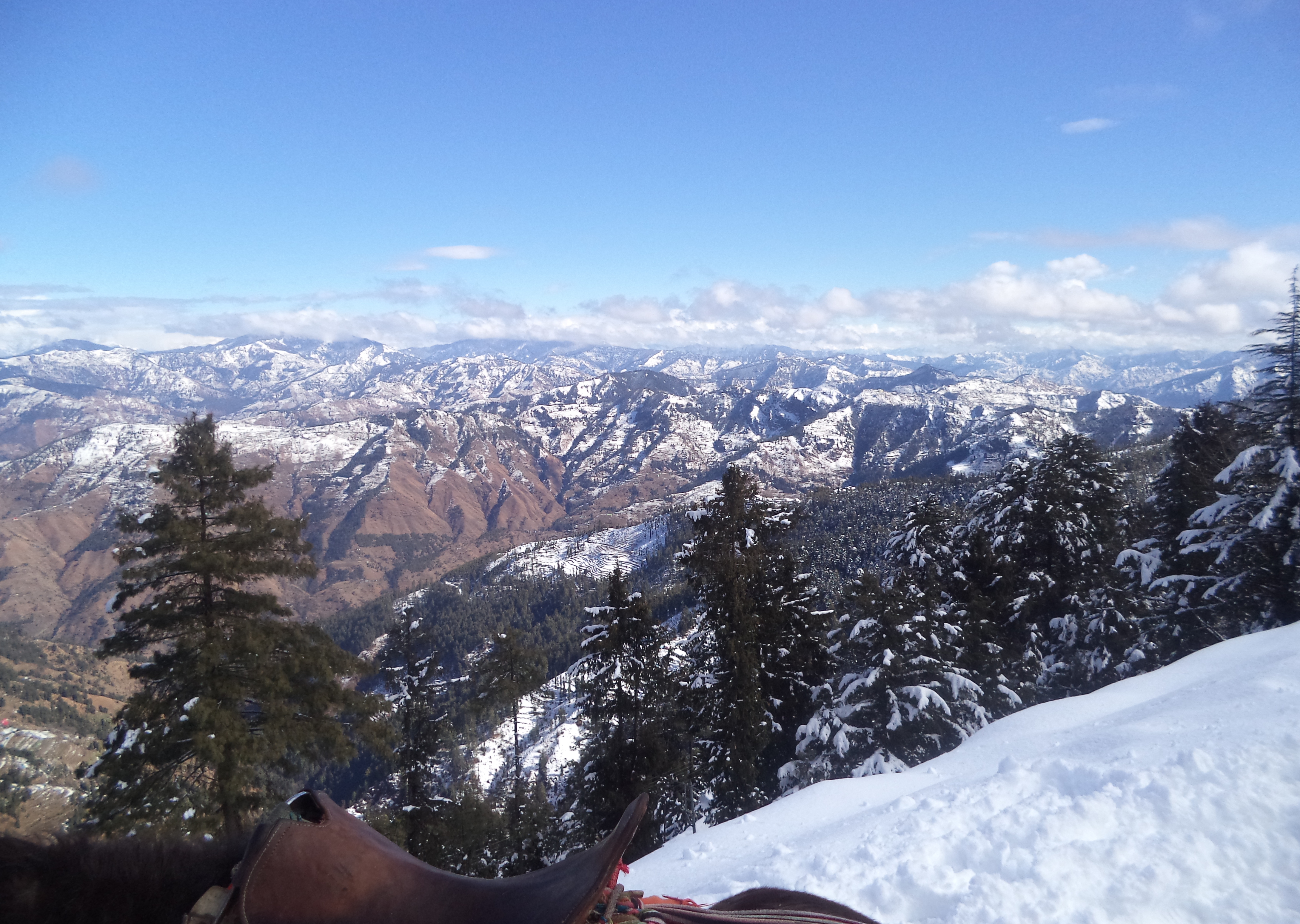
A resort hill station about 15 km east of Shimla, Kufri’s name is derived from the word kufr meaning lake in the local language. The region around Shimla including Kufri was once a part of the Kingdom of Nepal until the area was ceded to the British Raj as part of the Sugauli Treaty. This region remained obscure from the rest of the world until the British discovered it in 1819. While there’s not much to see in Kufri as such, but the panoramic views and temples after a bit of trekking are worth the time. Kufri can be done as a day trip from Shimla and is quite crowded and a popular as everyone who comes to Shimla visits Kufri. The highest point in the surrounding region, Kufri has a Himalayan wildlife zoo which hosts rare antelopes, felines and birds including the Himalayan monal, the state bird of Himachal Pradesh until 2007. During winter a meandering path through the potato plantations turns into a popular ski track. Mahasu Peak is the highest point in Kufri and the journey to the peak can only be covered on horse or mule back, because the path is very muddy and almost impossible to tread on foot. Horses or mules can be hired for INR 650 to the Mahasu and INR 380 to the Deshu peaks. The Nag Temple on top of the Mahasu Peak is a sight to behold, as is the panoramic view from the top and worth the long trek. Situated at over 2,600 metres altitude, the Himalayan Nature Park forms natural habitat for many wild animals of the Western Himalayas. At the nature park, on a clear day, visitors can enjoy the breathtaking view of the entire range of Himalaya’s snow clad peaks. The natural habitat of the Nature Park has been used to house selected Himalayan animal species primarily for the purpose of education of visitors. Close to the Himalayan Nature Park is the Indira Tourist Park which offers a calm ambience, good atmosphere, good food and coffee. One of the most unique things to do in Kufri is experiencing a Yak ride. The slow, prodding, fluffy animals will make you go back in time when people travelled on yaks.

Fagu
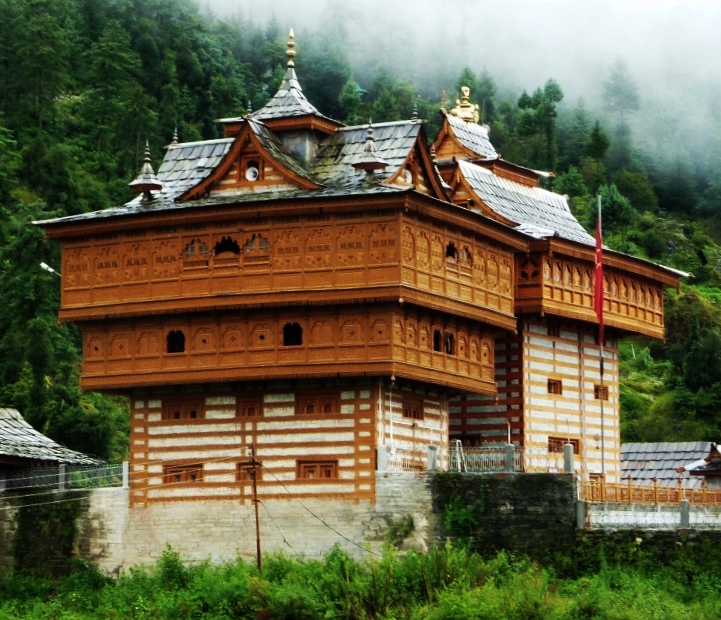
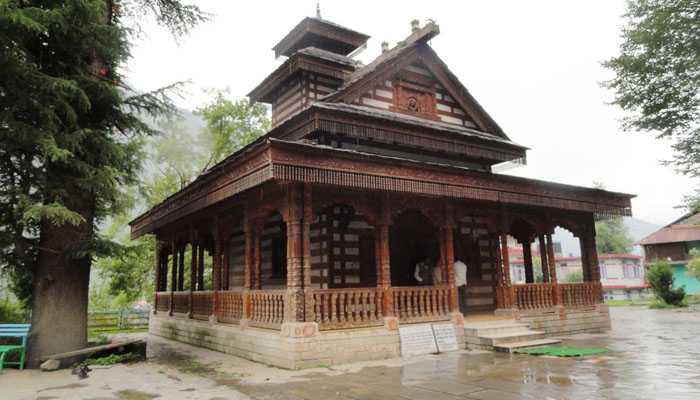
Situated at an elevation of 2500 meters, Fagu is a serene snow clad hamlet about 18 km east of Shimla and is nestled in the majestic Himalayan range. This place looks magical as it is always enveloped in snow and fog with the clouds so close that at times it feels as if one is walking on them. The verdant trees, snow clad mountains and lush green fields make Fagu a must visit place to relax and unwind. It is believed that Fagu derived its name from the word fog. The picturesque hamlet is home to a myriad flora and fauna and enveloped by lush green pine and cedar trees. A number of apple trees are also located here as well as lush fields of potato which beg for lazy strolls to be taken amongst them. Visitors may also spot animals such as snow leopards, yaks and ponies. The stunning Fagu valley is a magnificent place that is unaffected by industrialisation making it abundant with the beauties of nature. The Bhantia Devta temple is an architectural marvel with intricate wooden carvings which enhance its beauty. The verdant trees and mountains surrounding Fagu will make you feel close to nature refeshing the mind, body and soul. During the winter season when the place is covered by thick white snow, visitors can enjoy skiing. Skiing in Fagu will be a delightful experience and the mesmerizing beauty surrounding the place will make the skiing experience even more magical. The best time to visit Fagu is during the winter season between the months of October and February. The weather during this time period is freezing and the place looks serene in white snow. Visitors can also experience skiing in winters. Summers in Fagu are also a great way to beat the heat.

Theog
A quiet escape and a lesser crowded attraction in the state, Theog located in the Himalayas, has everything a popular hill station can give you minus the tourist rush. Located 32 km east of Shimla, Theog is a town of five ghats or ridges and makes for a beautiful weekend getaway as well as a popular camping site. Theog experiences pleasant weather all year around and October and November are considered the better months to visit as the climate and the hamlet are in its best form then. It gets extremely cold here after November with the mercury falling sharply accompanied by mild to heavy snowfall. The Rajput rulers of Theog share a common line of descent with the founders of Ghund and Madhan, who were sons of a Chandel Rajput from Jaipur and Theog was made subordinate to Keonthal in September 1815. While in Theog, visitors must take plenty of walks because the hamlet is all about nature in its raw original and unadulterated beauty.

Hatkoti Valley
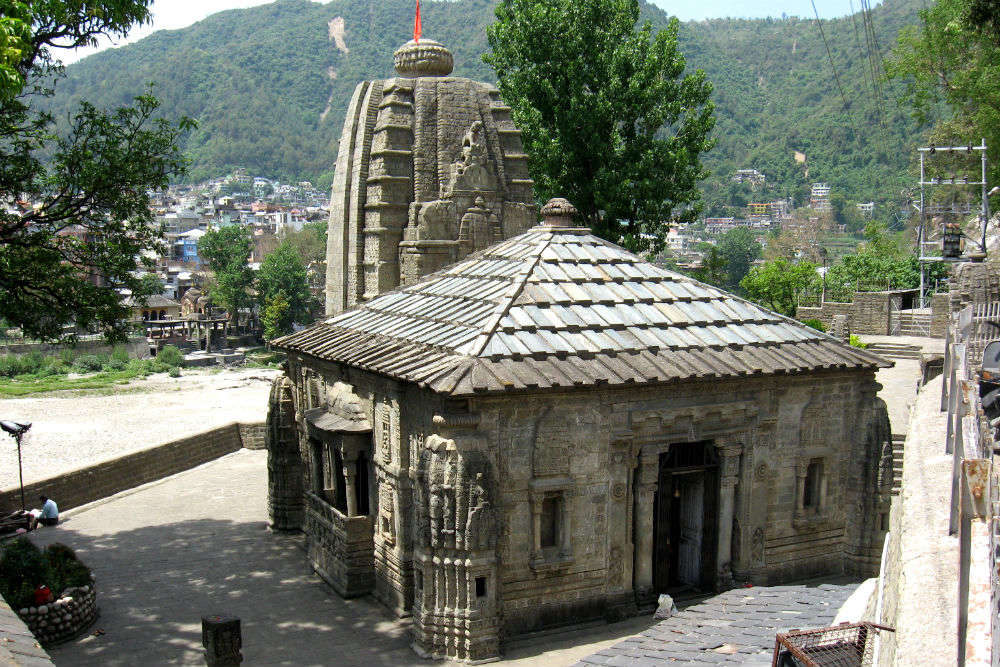
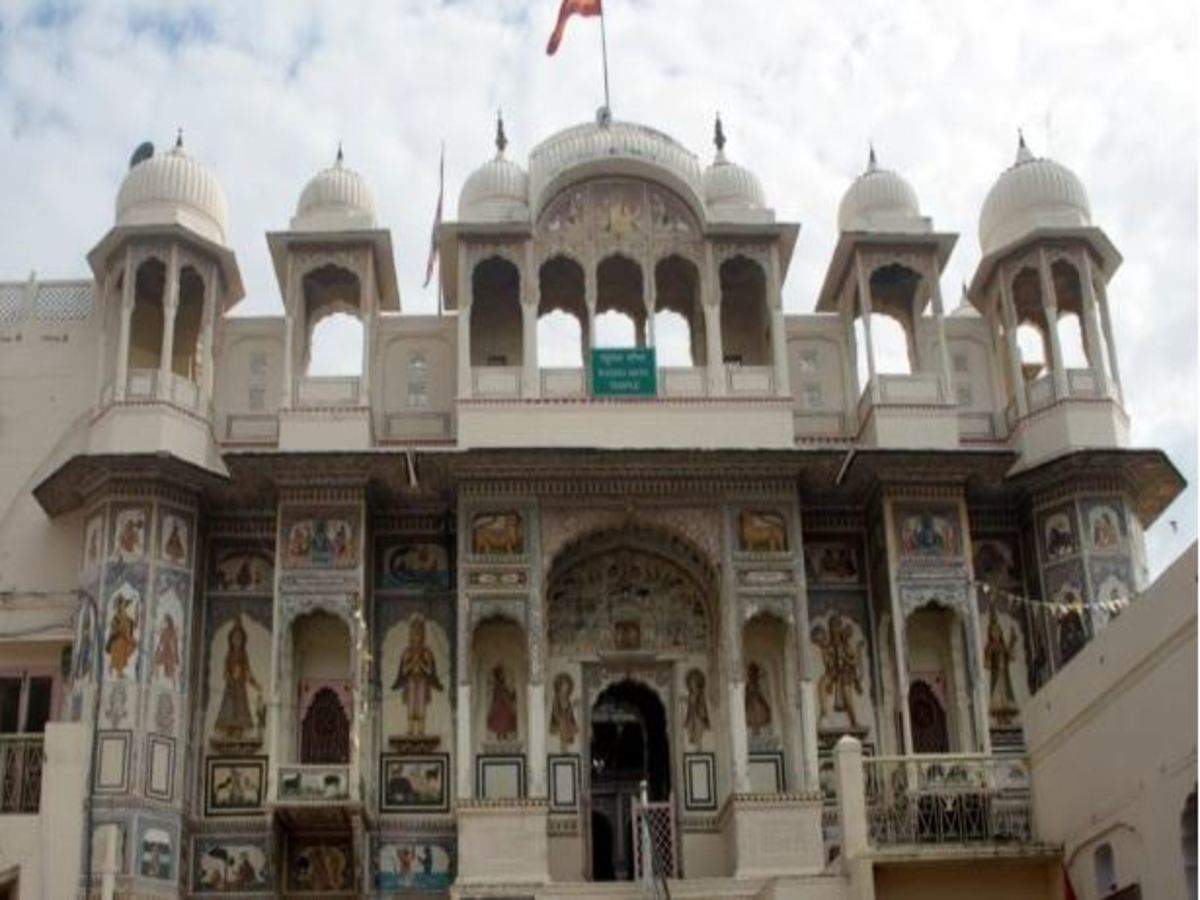
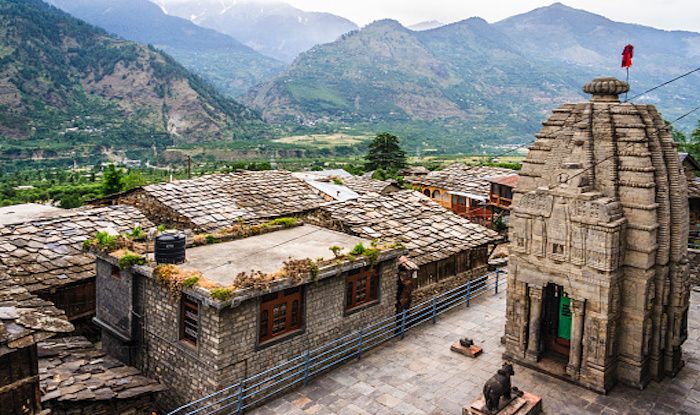
105 km east of Shimla lies the quaint village of Parhaat and near this village and on the banks of the river Pabar is the stunning valley of Hatkoti. This valley of stone temples is as preternatural and peculiar as it is ancient. The valley lies in the Jubbal tehsil and provides some of the best views as it is set against the colossal Himalayan ranges. The valley is visited by locals as a day trip from Shimla and is a popular pilgrimage spot. Near Hatkoti, the river Pabar is joined by two tributaries called Bishkuti and Raanvti. This joining of the three rivers and formation of a junction along with the presence of the stone temples makes this place a pilgrimage spot. The locals believe the river Bishkuti is poisoned due to its pale grey colour. The main temple in the valley is the Hateshwari Hatkoti temple with a stunning view of the nearby area as well as the other temples that dot the serene valley. The Hateshwari temple is dedicated to the Goddess Durga while the smaller temple next to it worships Lord Shiva. For architecture buffs, the temple’s unique architecture that strongly resembles the Gupta period between the 6th and the 9th centuries is a draw. The main idol of Goddess Durga depicts Mahishasuramardini, also called Mata Hateshwari with the idol standing at 1.2 m and is made of a fusion of eight metals. On either side of this idol lie paintings and pictures of the Brahmi script, which has not been deciphered by anyone till date. Another peculiar aspect of the main temple is the fact that the Shivalinga placed inside the temple seems to be miraculously wider than the doorway itself. Besides the temple, there are several attractions one can visit in this valley. The hills of Sunpuri are considered sacred by many individuals due to the presence of another temple of Durga as well as other temples believed to be built by the Pandavas. According to legend, these stone temples were said to be made by the Pandavas as toy houses and are said to have played a pivotal part in the Mahabharata. Other legends say that many of these temples erupted as a result of the fight against gods and demons which took place at Hatkoti. Visiting the valley during winter is also very delightful.

Chanshal Valley
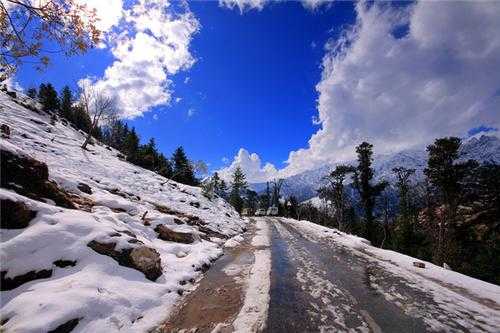
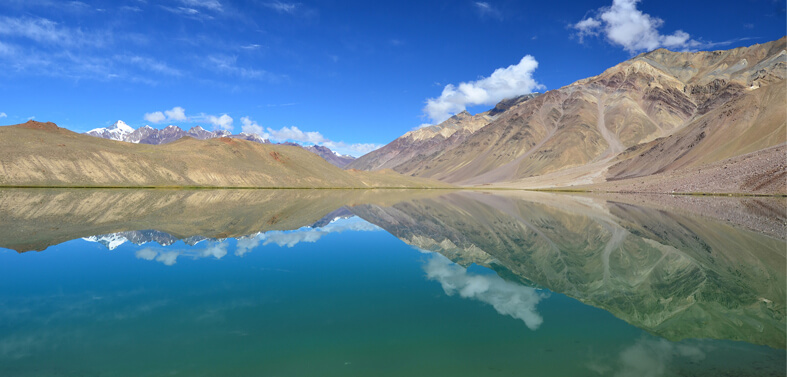
Also known as Chanshal Pass, Chanshal Valley is a beautiful destination located 160 km east of Shimla. This gorgeous mountain valley is the perfect spot for a weekend getaway and relaxing while watching a peaceful sunrise atop the mountain peaks here will bring a deep sense of peacefulness to the soul. At an altitude of 3,755 m, the valley is located on top of the highest peak in the Shimla district , the Chanshal Peak. The valley is an 180 km road which forms a connection between the townd of Rohru or Chirgaon and the Dodra Kwar Valley and today this valley has become extremely famous for its scenic, breathtaking views. The pass remains open from May to October and is covered with snow for the rest of the year. The best time to visit the Chanshal Valley is during late June, September and October. It’s inadvisable to visit during the winters because the valley experiences countless blizzards and snowstorms in addition to the extreme cold. The early summer months should also be avoided because the fresh summer heat melts the ice, making the path extremely slippery. Any trip to the Himalayas makes for beautiful photographs. The view from the top of the peak, as the sun is cloistered amongst snow-capped peaks far away, is enchanting. The trek to Chanshal Pass is taxingly steep, and the going gets difficult but if someone can do it, then it’s an opportunity to not be missed.

In the next

In My Hands Today…

The Girl from Foreign: A Search for Shipwrecked Ancestors, Forgotten Histories, and a Sense of Home – Sadia Shepard

Fascinating and intimate, The Girl from Foreign is one woman’s search for ancient family secrets that leads to an adventure in far-off lands.

Sadia Shepard, the daughter of a white Protestant from Colorado and a Muslim from Pakistan, was shocked to discover that her grandmother was a descendant of the Bene Israel, a tiny Jewish community shipwrecked in India two thousand years ago.

After traveling to India to put the pieces of her family’s past together, her quest for identity unlocks a myriad of profound religious and cultural revelations that Shepard gracefully weaves into this touching, eye-opening memoir.

Travel Bucket List: India – Bihar Part 6

This last part, after exploring Bodh Gaya and Vaishali, we shall peek at the offerings in Muzzafarpur, Sitamarhi, Madhubani, Lauriya Nandangarh, Bhagalpur and Bihar’s sole wildlife reserve, the Valmiki National Park Tiger Reserve and Wildlife Sanctuary.

Muzzafarpur
Famous for its Shahi lychees and known as the Lychee Kingdom, Muzaffarpur is the fourth most populous city in Bihar about 72 km north of the capital, Patna. It is located on the banks of the perennial Burhi Gandak River, which flows from the Someshwar Hills in the Himalayas.

The current city was established in 1875 during the British Raj for administrative convenience, by dividing the Tirhut district and was named after an aumil, Muzaffar Khan; and the city came to be known as Muzaffarpur. Muzaffarpur’s significance is due to its position between cultural and spiritual influences and the city is a melting pot of Hindu and Islamic culture.

One of the city’s main attractions is the Baba Garibnath Temple which is home to the shivalinga of Lord Shiva known as Baba Gareebnath. Legend has it that the shivalinga was acquired from the peepal or sacred fig tree where the temple stands today and it is said the man who cut down the tree witnessed blood oozing out of the tree, revealing the shivalinga which compelled him to build the shrine that now attracts a large number of devotees. The Baba Gareebnath temple is especially crowded during the holy month of Shravan, which is in July-August according to the Gregorian calendar.

The Devi Mandir is considered a very holy temple, dedicated to the Goddess Durga. The temple is one of the 51 Shaktipeeth, which are small shrines and big temples dedicated to the Goddess Shakti in all her forms. The temple is actually called Maa Raj Rajeshwari Mandir, which is the form of Durga with 18 hands. The temple sees its largest footfall during the Navratri and Durga Puja time, usually falling sometime in October or November. It is often believed that one’s desires and wishes will come true if one visits and worships the Goddess here. The temple is open from 4 am to 11 pm daily.

Muzaffarpur is known for its lychees and lychee gardens and visiting this place especially in May and June when the lychees are ripe and in perfect taste is highly recommended. The most famous lychee gardens are the Mushahari, Jhapaha and the Bochaha gardens.

The Khudiram Bose Memorial was raised as a tribute to the 18-year-old freedom fighter Khudiram Bose who was executed along with Prafool Chaki in 1908 for throwing a bomb at Kingsford who was the then British session judge of Muzaffarpur.

The Ramchandra Shahi Museum, constructed in 1979 holds exhibits of ancient utensils, artefacts and intricate statues like the Manasa Nag and Ashtadikpal which are unique attractions.

Sitamarhi
An ancient town, Sitamarhi is the birthplace of the wife of Lord Ram, Sita. Bordered by Nepal in the North, Sitamarhi is a town of great historical importance and has a large number of tourist attractions. According to mythology, the Goddess Sita was born in an earthen pot under the land of Sitamarhi which is named after her. Sitamarhi has a rich culture of folk arts, dance and music and is well known for its lac bangles and the world-renowned Madhubani paintings.

A temple dedicated to Sita, known as the Janaki temple is located at Punaura Dham Sitamarhi. This is the spot where Goddess Sita appeared in an earthen pot. There were also some submerged building found here at this spot during the earthquake of 1934. Pupri is a village famous for the Baba Nageshwarnath temple of Lord Shiva. The Sita Temple, dedicated to Goddess Sita, has beautiful stone statues of Lord Ram, Goddess Sita and Lord Lakshman preserved in the temple. Haleshwar Sthan is dedicated to Lord Shiva. The Haleshwar Sthan is a pilgrimage site in Sitamarhi dedicated to Lord Shiva, which has an ancient Hindu temple and is located 3 km north-west of the town. According to local myth, King Videha founded a temple of Lord Shiva on the occasion of Putra Yeshti Yajna which was the Haleshwarnath temple. A rock-cut sanctuary from the great Mauryan period is found near Sitamarhi. Other places worth visiting are the Janaki temple at Punaura, the Baghi Math, Goraul Sharif, the Shukeshwar Sthan, Bodhayan-Sar and Sabhagachhi Sasaula. Most of the temples close by 10 in the night and open early in the morning.

Madhubani
An ancient city, Madhubani for the richness in art and culture that the place strives for. Mentioned in the Ramayana, the city is known for the world popular Madhubani paintings which originated here. The word Madhuban means a forest of honey from which Madhubani is derived, but sometimes it is also said to have been derived from Madhu meaning sweet and Vaani meaning voice or language. The district of Madhubani emerged from the Darbhanga district of Bihar in 1972 during the reshuffling of territorial boundaries. The town has multiple temples which are the main attraction points of the town.

On the road from Madhubani to Jaynagar, Saurath is a small roadside village, known for the popular Somnath Mahadev temple. Each year, all the Maithili Brahmins from the nearby villages meet here during the annual sabha to discuss and negotiate proposals which eventually terminate into weddings which is one of the reasons the temple is very famous. The Bhawanipur village is popular for its Ugaranath temple and its association with the poet Vidyapeeth. According to Indian mythology, Vidyapet was considered an ardent devotee of Lord Shiva, due to which Shiva began serving him as a servant named Ugana. The Ugana Mahadev Mandir is where Lord Shiva revealed his true identity to Vidyapeeth. On the western bank of Thumne river, stands the tall Bhagwati temple. According to historic stories, the goddess Bhagwati blessed the famous writer and poet Kalidas at this spot and it is said that the goddess was supremely impressed by the talent, skills and dedication of Kalidas. To the south-east of the temple is Kalidas’s pathshala. The temple is an ancient site and is built with an Indo Aryan of architecture. It is said that when years ago, the Maharajadhiraaj Shri Rameshwar Singh had insisted on reinstalling the head of the image of the deity, just a night before installation of the newly designed head, the goddess appeared in the king’s dream and asked him it was right for him to create the creator. The head was hence not installed and is still kept right next to the statue of the deity. 9 km from Madhubani is a small village called Kapileshwar which is known for having the Kapileshwar temple dedicated to Lord Shiva. The temple is exceptionally crowded on Mondays especially during the month of Shravan. On the occasion of Mahashivratri, the temple hosts a huge fair in which the entire village plays the host celebrating the occasion with a lot of pomp and show.

Built by Maharaja Shri Rameshwar Singh, the Nagar fort is popularly known as the Naulakha Palace. Situated in Rajnagar on the eastern bank of River Kamla, the palace is an ancient royal palace which is a popular heritage building. The palace boasted of well-paved gardens, tinkering ponds, temple complexes and the like. However, it suffered a major loss and extensive damage in 1934 when an earthquake hit it. It has never been repaired and currently lies in ruins. The Navlakha Palace has a central tower which is seven storeys. Originally, it had a Durga Bhawan towards the north end of the complex. The Bhawan has a glittering pond in the front and a pearly white marble temple dedicated to Goddess Kali to its north. The Durga Bhawan is still in function while the other structures have been dismantled. It is made of ivory marble and resembles the Taj Mahal. The portico has four arches resting on cement elephants. There is a functioning family room in the building called the Gausani Ghar which houses the family deity. It is here that you can also find the oldest existing Mithila painting. Even in ruins, it boasts of an old world charm and brilliant architecture.

Jainagar, also spelt as Jaynagar is a town located situated on the holy Kamala River and is the nearest town to India’s border with Nepal. Jainagar is situated in the centre of Mithilanchal so visitors to this place can immerse themselves in the Mithilanchal culture.

Lauriya Nandangarh
Also known as Lauria Nandangarh, Lauriya Navandgarh, is a town in West Champaran situated near the banks of the Burhi Gandak River. The village draws its name from a pillar or laur of Ashoka standing there and the stupa mound Nandangarh about 2 km south-west of the pillar. Remains of the Mauryan period have been found here. Lauriya Nandangarh is also a site for about 20 archaeological banks organized in three rows. Forty pillars were built here by Emperor Ashoka originally but today only one pillar exists in complete form, at its initial position in Lauriya Nandangarh. The Ashokan pillar consists of the six Ashokan proclamations. The height of the pillar is more than twelve meters and the pillar has been inscribed with six Ashokan edicts, issued by the Emperor in the year 244 BC and the top of the pillar is adorned with a lion, in a crouching position. One of the main tourist attractions here is a large stupa, which is believed to be one of the biggest stupas in India which is 24m in height and has a circumference of almost 457 m. The Stupa with a polygonal or cruciform base;[1][5][6] with its missing dome which must have been proportionately tall, the Stupa must have been one of the highest in India. The walls of the four cardinal directions at the base are each 32 m long and the wall between each has a zigzag course with 14 re-entrant and 13 outer angles. An extensive later restoration hid the four upper walls and provided new circular ones; the polygonal plan of the walls of the base and the first terrace were left unaltered. The top of each terrace served as a pradakshina-path or a south facing pathway, though no staircase to reach the top was found in the excavated portion. Lauriya has 15 Stupa mounds in three rows, each row upwards of 600 m; the first row begins near the pillar and goes E to W, while the other two are at right angles to it and parallel to each other. Less than half a km from the village and 2 km from the mound, stands the famous pillar of Ashoka which is a single block of polished sandstone over 32 feet high. The top is bell shaped with a circular abacus ornamented with Brahmi geese supporting the statue of a lion. The pillar is inscribed with the edicts of Ashoka in clear and beautifully cut characters. The lion has been chipped in the mouth and the column bears the mark of time just below the top which has itself been slightly dislodged. Signs of vandalism over the years are clearly visible.

Bhagalpur
Also known as the Silk City of Bihar, the historically significant city of Bhagalpur lies on the southern banks of the river Ganges and is the 3rd largest city in the state located about 250 km east of the state capital of Patna. The river Ganges at Bhagalpur is home to the Gangetic dolphin, the national aquatic animal of India with the Vikramshila Gangetic Dolphin Sanctuary established near the town.

Known to be one of the most prominent Buddhist learning centres during the Pala Empire, Vikramshila was established when the quality of education at Nalanda started declining. Founded by the Pala King Dharmapala sometime between the 8th and 9th centuries, Vikramshila was part of the network of the five important learning centres of that time, and it was home to more than 100 teachers and 1000 students. Information on the Vikramshila is mostly found in Tibetan writings of Taranatha, a Tibetan Monk of the 16th and 17th centuries and the subjects taught here included philosophy, metaphysics, grammar, Indian logic, tantra, etc. One of the most famous scholars of Vikramshila was the abbot Atisha Dipankara who also found the Sarma tradition in Tibetan Buddhism. Vikramshila taught its students for more than four centuries before it came to an end when Bakhtiyar Khilji destroyed it in the year 1193 along with the other Buddhist centres.

Source

The Ajgaivinath Temple, located in Sultanganj, is a famous Hindu temple dedicated to Lord Shiva with the idol in the main temple believed to be swayambhu or self-manifested. The temple has been associated with Muni Jahnu, as a belief says that the idol in the temple protruded in Jahnu Muni’s ashram. There is a story which says that when Muni Jahnu was meditating in his ashram, the Ganges on her way to the ocean disturbed Jahnu with the ripples of her waves. Muni Jahnu is believed to have swallowed the whole river, and Muni Bhagirath saved the Ganges by making an incision on Jahnu’s thighs to make way for the Ganges. Thus river Ganges is also known as Jahnavi. The temple is open from 9 am to 12:30 pm and then again between 5 and 8 pm.

The Budhanath temple is one of the main attractions of Bhagalpur and is located on the banks of the Uttaravahini Ganga or the northward-flowing Ganges, spread over three acres. The temple is one of the oldest temples of the region and Baba Budhanath is referred to in the Shiva Puranas as Bal Vridheshwarnath in the first of the eight segments. The Shiva Linga that resides in the temple is believed to have been self-manifested as it is not known about the birth of the Shivalinga.

The Champapur Digambar Jain Mandir dedicated to Vasupujya, the 12th Tirthankara is located in Nathnagar and is an ancient and historical Teerthkshetra. It is believed that all the five Kalyanakas of Vasupujya Tirthankara took place in Champapur which is said to have been the capital of the Anga Kingdom ruled by Karna. The Anga Janpada was one of the 52 Janapada established by Adi Teerthankar Bhagwan Rishabh Deo. Champapur also existed as Mahajanapada among the six Mahajanapadas during the time of Bhagwan Mahavira Swami. The main temple of Champapur is believed to be about 2500 years, adorned with five altars symbolising the Five Kalyanakas. There are two spectacular columns of fame or Keerti Stambhas that have survived among the four that existed on each corner of the compound. The most recent addition to the sculptures is the 31 feet tall statue of Vasupujya that was built under the guidance of a charitable trust based in Nagaland.

Situated beside Bhagalpur Railway Station and founded in 1577 AD, the Khanqah e Shahbazia is one of the most revered shrines of Bhagalpur, visited by people of all faiths every year. A mosque and a shrine of the Sufi Maulana Shahbaz Rahmattullah who is considered to be one of the 40 sacred Sufis sent to spread the message of Allah, the shrine is still being run by his 13th generation descendants. The Mosque was built by Aurangzeb and was frequently visited by him. Every Thursday, visitors assemble at the place to be blessed with most of the visitors from the eastern parts of India and Bangladesh. There is a belief that the water in a pond here has medicinal qualities that can cure illness and snake bites. The Archeological Survey of India has discovered some ancient manuscripts from the Basement of Khanqah-e-Shahbazia. The Khanqah is also famous for its library, which has a vast collection of Arabic and Persian theological texts, including a copy of the Qur’an transcribed by Murshid Quli Khan, the Nawab of Murshidabad in Bengal.

Mandara Parvat is a 750 feet high granite hill located about 48 km to the south of Bhagalpur. According to mythology, Bhagalpur was the place where Samudra Manthan took place, and the Devatas and the Asuras churned the ocean of milk using Mount Mandara to obtain the elixir. The Serpent King Vasuki is said to have offered himself to be used as a rope to churn the ocean of milk, and the faint impressions of a coil on the Mandara hill stand as a proof of this story. One of the Puranas says that Lord Vishnu defeated the demon Madhu and placed the hill, now known as Mandara, over him. The conch shell, Panchajanya, which marked the start of the war of Mahabharata is believed to have been obtained from the Shankha Kunda here. Kalidasa refers to Vishnu’s footmarks on Mount Mandara in his epic Kumarasambhava. The Hill happens to have numerous sculptures of Hindu Gods cut into its Rocks. A belief among the Jains depicts that the 12th Tirthankara, Vasupujya attained Nirvana at the peak of the same hill.

The Vikramshila Setu is 5th longest bridge over water in India. The 4.7 km long two-lane bridge serves as a link between NH 33 and NH 31 running on the opposite sides of the Ganges. This bridge has reduced considerably the road travel between Bhagalpur and places across the Ganges, like Darjeeling, Siliguri, Assam etc. Before the opening of this bridge, steamers were being used for transportation across the Ganga river.

Located 30 km west of the city, the Vikramshila Gangetic Dolphin Sanctuary is stretched for 50 km of the river Ganges, starting from Sultangunj to Kahalgaon. The sanctuary was established in the year 1991 to protect the endangered species of the Gangetic dolphins which were once abundant, but today is in danger of extinction. The Gangetic Dolphins were declared as the National Aquatic Animal of India on 5 October 2009 and classified under the IUCN Red List of 2006 as threatened and endangered species. The Sanctuary is also home for various other aquatic and wild animals that come under the threatened category such as the Indian otter, gharial, freshwater turtles etc and the best time to visit the Sanctuary is between October and June.

The Kuppaghat Ashram is located by the banks of the Ganges. Kuppaghat translates to cave by the banks of a river and has a cave which is believed to have been used by Maharshi Mehi Paramhans as a place for meditation. Kuppaghat has been transformed as Maharshi Mehi Ashram and has grown to be a pilgrimage for the Followers of Santmat. Every year on the occasion of the birth anniversary of Maharshi Mehi, Maharshi Santsevi who was Mehi’s successor and on Guru Purnima, the ashram is visited by many devotees which made the Ashram as the national headquarters of the Akhila Bharatiya Santmat – Satsang. The Kuppaghat Ashram has a well-maintained garden and an orchard with sculptures and paintings of scenes depicting Lord Rama’s visit to Shabari and also of Jatayu’s death in the hands of Ravana along with spiritual quotes.

Valmiki National Park, Tiger Reserve and Wildlife Sanctuary
The Valmiki National Park, Tiger Reserve and Wildlife Sanctuary is located at the India-Nepal border in the West Champaran district on the banks of the river Gandak and is the only national park in Bihar. The National Park gets its name from Valmiki Nagar, the adjoining town to the forests which is also the only possible entrance to the wildlife reserve. The extensive forest area of Valmiki Nagar, formerly known as Bhainsa Lotan was previously owned by the Bettiah Raj and the Ramanagar Raj until the early 1950s. One of the natural virgin recesses in east India, the Valmiki Tiger Reserve has pristine forest and wilderness which is an excellent example of the Himalayan Terai landscape and covers 899.38 sq km, which is 17.4% of the total geographical area of West Champaran and as of 2018, there were 40 tigers in the reserve. The park is divided into two sections: the wildlife sanctuary declared in the year 1978 covers an area of 545 sq km and the national park which was established in 1990 covers an area of around 335 sq km.

The Valmiki landscape harbours a vivid socio-cultural diversity. Tharu, a scheduled tribe, is the dominant community in the landscape with several theories on the colonisation of this community and maintain socio-cultural relationships with the Tharus of Nepal. Other tribes in the Valmiki landscape are collectively called Dhangar comprising of four tribes, the Oraon, Munda, Lohra and Bhuiya. Communities other than the tribes are called Baaji who are outsiders and involved in agriculture as well as small businesses in the villages.

Flaunting flourishing wildlife with extensive varieties of flora, fauna and avifauna, the highlight of the region is the Bengal tigers. The government further plans to convert 800 hectares of the forest area into grasslands to make it the largest grassland in the country.
The Valmiki Tiger Reserve stays open from 1st October to 31st May with the best season to visit the sanctuary between November to March. The place is dotted with temples, shrines and historical monuments. Some of the prominent and must-visit attractions of the national park include the Bheriyari Watch Tower which is located in the Bheriyari Grassland region and is ideal for bird watching several exotic bird species at play and viewing the herbivores in their natural habitat. Located exactly on the Indo- Nepal Border, the Bhikhna Thori at the northeastern end of the sanctuary is a popular route to Tibet across Nepal. According to local history, this was a resting place called thaur in the local language, for Buddhist monks and hence is called Bhiktchuk Thaur or Bhikhna Thori and is a popular picnic and leisure spot. Rohua Nala is a tributary of the river Gandak and is situated in the Mandalpur range which is a combination of wetlands, forests, swamps and canebrakes and the region has been declared as an Important Bird Area (IBA) by the Indian Bird Conservation Network. Kapan is a major perennial river originating from the Raghia Range. Walking northwards along the river, one can witness one of the most beautiful trails of the park with the forest on the side and the trailing river in the centre. Lalbhitiya is a beautiful vantage point providing a bird’s eye view of pure sal forests with mesmerising sunrise and sunset views. On clear days, one can also see the snow-white pearly peaks of the Himalayas. The Manor Trek is a comparatively easy trek of 1.5 km which can be done solo with the trail passing along the forest to the Manor watchtower which provides majestic views of the adjoining snow-clad Himalayas and beautiful panoramas of the river manor below. Parewa Dah is the most beautiful spot of the forest and a trip to the park is considered incomplete without a visit to this place. Parewa means pigeons and dah means water bodies and Parewa Dah means a place where both these factors co-exist. The water here is so clear that you can even see the fish swimming at shallow levels. Perched at an elevation of 2884 metres, Someshwar Peak is the highest peak in the region which can be reached through a trek of 14 km from the base camp. On the border the Someshwar temple dedicated to Shiva and Kali is located with the ruins of the hermitage of Baba Bhatrihari at the base of the temple, Valmikinagar is the adjoining tiny town with the Gandak Barrage offering magnificent views of the Triveni and iother places from here.

A Gypsy or Jeep Safari for 4 people for 2.5 hours will cost INR 600 per group while 8-person rafting for 3 hours will set your group back by INR 2000 and a 4 person boating will cost you INR 500 per group. A nature walk for a group of 4 to 6 persons for 3 to 4 hours is INR 100 per person and the Border Trek for a group of 10 to 15 persons for 10 to 12 hours is INR 500 per person. The Jungle Camp for 4 to 6 persons for a night will cost INR 200 per person and the Tiger Trail for 4 to 6 persons for 3 to 4 hours will set one back by INR 200 per person. If you like cycling, it will cost INR 20 per hour per cycle.

And with this we come to the end of our journey through the state of Bihar. I really enjoyed reading about this amazing state which has so much to offer, especially to students of history, religion and archaeology. We will soon explore more of what India has to offer and in times like this, armchair tourism is all that we can do!

Travel Bucket List: India – Bihar Part 5

After Rajgir and Sasaram, we explore the holy city of Bodh Gaya and the ancient city of Vaishali in this part.

Bodh Gaya
Located 126 km south of Patna, Bodh Gaya is a religious site and place of pilgrimage associated with the Mahabodhi Temple Complex and is famous as it is where Gautama Buddha is said to have attained enlightenment which in Pali means Bodhi under what became known as the Bodhi Tree. Since antiquity, Bodh Gaya has remained the object of pilgrimage and veneration both for Hindus and Buddhists. For Buddhists, Bodh Gaya is the most important of the main four pilgrimage sites related to the life of Gautama Buddha, the other three being Kushinagar, Lumbini, and Sarnath. In 2002, the Mahabodhi Temple became a UNESCO World Heritage Site.

Considered the holiest site in Buddhism, Bodh Gaya was known as Uruwela during the Buddha’s time and is situated by the bank of the Lilajan River with the first temple at the site built by King Ashoka. The disciples of Gautama Siddhartha began to visit the place during the full moon in the month of Vaisakh during April–May, as per the Hindu calendar. Over time, the place became known as Bodh Gaya, the day of enlightenment as Buddha Purnima, and the tree as the Bodhi Tree. The history of Bodh Gaya is documented by many inscriptions and pilgrimage accounts. Foremost among these are the accounts of the Chinese pilgrims Faxian in the 5th century and Xuanzang in the 7th century. The area was at the heart of a Buddhist civilization for centuries, until it was conquered by Turkic armies in the 13th century. The name, Bodh Gaya, did not come into use until the 18th century. Historically, it was known as Uruvela, Sambodhi meaning complete enlightenment in Ashoka’s Major Rock Edict No. 8, Vajrasana or the Diamond Throne of the Buddha and Mahabodhi or the Great Enlightenment. The main monastery of Bodh Gaya used to be called the Bodhimanda-vihara in Pali and today is known as the Mahabodhi Temple.

The Mahabodhi temple also called the Great Awakening Temple, is a UNESCO World Heritage Site that marks the location where the Lord Buddha is said to have attained enlightenment. The temple spreads over an area of 4.8 hectares and is 55 meters tall. The Bodhi Tree is situated to the left of the temple and is believed to be the direct descendant of the actual tree under which Lord Gautam Buddha meditated and attained enlightenment and laid down his philosophy for life. The original temple was built by Emperor Ashoka after he turned to Buddhism to seek peace and solitude from war and conquests around 260 BC. He built a small temple by the Bodhi tree and an inscription dating back to between the 1st and 2nd centuries reads that the temple built by Emperor Ashoka was replaced by a new one. A gold-painted statue of Buddha, built by the Pala kings of Bengal and made of black stone is placed in the sanctum shrine of the ancient temple. The Buddha is seen seated in the Bhumisparsa Mudra asana or the Earth touching posture. The Mahabodhi temple is surrounded by two distinct types of railings on all four sides, and they are about two meters high. The old railings made from sandstone dates back to 150 BC and has illustrations of Goddess Laxmi being bathed by elephants and of Lord Surya riding a chariot that is being drawn by four horses. The newer ones are made of unpolished granite and are believed to have been constructed in the Gupta period and have carvings of stupas or reliquary shrines, garudas or eagles and lotuses made out on them. In 2013, the upper portion of the temple was covered with gold, as a gift from the King of Thailand and the devotees of Lord Gautam Buddha. The original structure was made primarily of brick, covered with stucco, which has survived many years and is one of the oldest and most imposing structures made entirely out of brick standing from the Gupta period. The temple is open from 5 am to 12 noon and then again from 4 to 9 pm. There is no entry fee charged, except the ones charged for cameras and video equipment.

Devotees who wish to visit the Brahmayoni Temple must go through a gruelling climb of 424 high stone steps to reach the top of the hill, atop which lies this temple. Two caves namely Brahmayoni and Matreoni are also situated on the hill along with an ancient temple of Astabhujadevi. The Brahmayoni hill was the place where Buddha preached the fire-sermon to a thousand former fire worshipping ascetics and it is said that each ascetic became enlightened after hearing his teachings.

The Sujatha Temple is dedicated to a humble tribal woman named Sujatha who offered pudding to Gautam Buddha. It is said that the pudding was the first meal Gautam Buddha had consumed after years of starvation ever since he renounced the materialistic life including food to attain enlightenment. The temple is considered to be religiously important as the offering is believed to have saved Lord Buddhaês life.

The Daijokyo Buddhist Temple is a tranquil respite for those seeking one amidst beautiful surroundings. The most prominent feature of the temple is the 64 foot tall Great Buddha Statue made of sandstone and granite. It draws visitors in large numbers. The temple also houses a grand meditation hall where one can sit in solitude and soak the peaceful vibe of the surroundings.

Sujata Kuti is a stupa built in the honour of a tribal woman named Sujata who saved Gautam Buddhaês life by offering him rice pudding after he had starved himself for years in the process of attaining Nirvana and renouncing every luxury he had including food. Sujata Kuti, is thus, considered religiously important in the Buddhist Culture.

The Chinese Temple was constructed by Buddhist monks and displays beautiful Chinese artwork with a statue of Lord Buddha within the sanctum. An outstanding example of Buddhist culture and Japanese architecture, the Indosan Nippon Japanese Temple was built in 1972 with the help of the international Buddhist community. The structure of the temple is carved out of wood and it looks like a Japanese shrine. It also showcases a lot of Japanese paintings narrating events from the life of Gautam Buddha. The Vietnamese Temple is the most recently constructed shrine in the area and features a serene-looking statue of Buddha which exudes a calming aura and appears to be smiling.

The Animesh Lochan Chaitya Shrine is where Lord Buddha spent his second week of meditation after attaining Nirvana. It is believed that his meditation involved gazing at the Bodhi Tree continuously without blinking. The place, therefore, was named Animesh Lochan which means Open Eyes and is considered important as it teaches self-control and focus.

The Great Buddha Statue is the tallest in India and was instated by the XIV Dalai Lama in 1989. It is a meditating Buddha resting on a giant lotus, constructed using intricately carved sandstone and red granite.

Situated alongside the Bodhi Temple, Cankamana is a holy shrine featuring a carving of Lord Buddha’s feet into the black stone lotuses.

As its name suggests, the Vishnupad Temple was built as a dedication to Lord Vishnu and features a 40 cm long footprint of Lord Vishnu that is enclosed by a basin made of silver plates. This footprint marks the act of Lord Vishnu subduing Gayasur by placing his feet on Gayasur’s chest. Within the courtyard, there are other temples situated as well. One is dedicated to Lord Narasimha and another to Lord Shiva in the form of Phalgwisvara.

The Jama Masjid is the largest mosque in the state and dates back around 200 years. It was built by the royal family of Muzaffarpur and the shrine is well known for its festival of Shabina when prayers are offered on the 27th night of Ramadan.

The Bodhi Tree is perhaps the most prominent and respected of all sacred places in Buddhism because of the rich historical significance. It is under this tree that Prince Siddhartha Gautama, the spiritual teacher who later became to be known as the Buddha, attained enlightenment. A shrine known as Animisalocana Cetiya was erected on the spot where he had sat down and a small temple built near the Bodhi tree in the 7th century. The Bodhi tree is one of the four main Buddhist pilgrimage sites and the Anandabodhi tree in Sravasti and the Bodhi tree in Anuradhapura, are believed to have been propagated from this tree. The spot where the Buddha stood is marked by the Animeshlocha Stupa, or the Unblinking Stupa, and lies in the northeast of the temple complex. According to legend, the Buddha often walked between the Stupa and the Bodhi tree, and lotus flowers sprung up along this route. This path is now known as the Ratnachakarma or the Jewel Walk. The temple built by King Ashoka was replaced by the present Mahabodhi temple in the 2nd century, and later refurbished in AD 450, 1079 and 1157, and then finally fully restored by the Burmese Buddhists in 1882. An interesting feature is that prayer beads are formed using the seeds of the Bodhi tree which pilgrims consider sacred. Bodhi Day is celebrated here on 8 December annually. Buddhists and followers of Dharma visit this place without fail and greet each other by saying “Budu Saranai!” which translates to “may the peace of Buddha be yours” in English.

Once considered a heritage tree, Ajapala Nigrodha Tree, which no longer exists, is the sacred location where Gautam Buddha completed his fifth week of meditation after attaining enlightenment and held a discourse to address and answer the queries locals had about religion, humanity and equality. Now marked with a pillar, the place still is considered religiously important and is visited by believers.

The Root Institute for Wisdom Culture is a Buddhist Centre that educates and promotes wisdom culture through programmes and social service. It functions as per the Tibetan tradition and is often considered as a spiritual retreat that offers a tranquil atmosphere to study and practise the culture in its true form. The Burmese Vihara Monastery is a spiritual retreat for those who wish to take a break from their stressful lifestyle. Located amidst beautiful gardens, the tranquil monastery was built according to traditional Burmese architecture and houses a Buddha Meditation Hall, a library with a large collection of books on the teachings of Lord Buddha and a guest house. Well known for its curved roof covered with exquisite tiles of gold, the Thai Monastery houses a bronze statue of Buddha and another recently erected 25m high statue in the garden. The Royal Bhutan Monastery has been named as it was built by the King of Bhutan as a dedication to Lord Buddha. Clay carvings are seen on the interior walls of the monastery that depict different aspects of the Buddhist culture.

A popular site at Bodh Gaya, the Muchalinda Lake is located next to the main temple. It is associated with a mythological tale stating that Lord Buddha was protected from the storm by Snake King Muchalinda.

Dungeshwari Hills is where Lord Buddha spent a few years before travelling to Bodh Gaya in search of enlightenment. The hills are mostly known for the caves that Gautam Buddha used for shelter and meditation. The Stupas/ Buddhist shrines exist even today amidst the beautiful natural surroundings. The picturesque location of the Dungeshwari Hills is also a well-known trekking destination and draws enthusiasts in large numbers.

The Archaeological Society of India Museum was established to display ancient articles belonging to the Brahmanical and Buddhist belief, mostly related to the Pala period. Exhibits of splendid stone and bronze statues and sculptures, panels, rods, plaques, pillars, railings, etc are found in the galleries, courtyard and the veranda of the museum that is located inside the Mahabodhi Temple Complex.

The Bodhgaya Multimedia Museum was established to provide a glimpse into the historical life of Gautam Buddha in the most interesting way possible. The museum covers his journey right from his childhood till he attained Nirvana. It also includes content on his teachings and all of this is presented in the form of multimedia and 3D animation movies.

Vaishali
A small district and town, Vaishali is equally revered by Hindus, Buddhists and Jains. It is the place where Lord Mahavir was born and is considered as the first republic of the world and the city where Buddha delivered his last sermon. Vaishali is believed to have been named after King Vishal, from the time of Mahabharata. Surrounded by groves of mango and banana and extensive rice field, the village is an important religious and historical attraction site and is flocked by tourists year in and year out.

It was the capital city of the Vajjian Confederacy, considered one of the first examples of a republic around 6th century BC. Gautama Buddha preached his last sermon before his death in 483 BC, then in 383 BC, the Second Buddhist council was convened here by King Kalasoka, making it an important place in both Jain and Buddhist religions. It contains one of the best-preserved of the Pillars of Ashoka, topped by a single Asiatic lion. The city finds mention in the travel accounts of Chinese explorers, Faxian in the 4th century and Xuanzang in the 7th century, which were later used in 1861 by British archaeologist Alexander Cunningham to first identify Vaisali with the present village of Basarh in Vaishali District. Lord Ram’s footprints in Ramchaura temple is why Hindu pilgrims flock to Vaishali, which is also renowned as the land of Amrapali, the great Indian courtesan, who appears in many folktales, as well as in Buddhist literature who later became a disciple of Buddha.

Vaishali is well known for its close association with the Buddha. After leaving Kapilavastu for renunciation, he came to Vaishali first and had his spiritual training from Ramaputra Udraka and Alara Kalama or Alark Ram. After the Enlightenment, the Buddha frequently visited Vaishali and organised his Bhikshu Sangha on the pattern of Vaishalian democracy and established his Bhikshuni Sangha here. His last Varshavasa or rainy season resort was in Vaishali and he announced his approaching Mahaparinirvana or the final departure from the world just three months in advance. Before leaving for Kusinagara, where he died, he left his alms-bowl or Bhiksha-Patra here with the people of Vaishali. The Svetambaras state that the final Tirthankara, Lord Mahavira, was born and raised in Vaishali to King Siddhartha and Queen Trishala.

King Ashoka became a great follower of Buddhism after the massacre of Kalinga and erected his famous Ashokan pillar in Vaishali to memorialise the last sermon of Lord Buddha that took place here. There is a life-like figure of an Asiatic lion engraved, at the top of the pillar facing north, believed to be the direction of Lord Buddha’s last voyage as well as a brick stupa and a pond known as Ramkund next to the pole which makes for a sanctified spot for Buddhists. There is also a small tank here known as Ramkund.

A 125-ft tall peace pagoda which built by the Buddh Vihar society in collaboration with the Japanese government and the Japanese Nichiren Buddhist sect Nipponzan-Myōhōji, the Vishwa Shanti Stupa or World Peace Pagoda is a huge, white, beautiful stupa surrounded by greenery, serenity and a pond where visitors can spend time boating and breathing in the fresh air. A small part of the Buddha’s relics found in Vaishali has been enshrined in the foundation and the chhatra of the Stupa.

Just next to the Pagoda is the Abhishek Pushkarini or the coronation tank which is the tank from whose sacred waters anointed the elected representatives of Vaisali. Near the Coronation Tank is Stupa 1 or the Relic Stupa. Here the Licchavis reverentially encased one of the eight portions of the Master’s relics, which they received after the Mahaparinirvana. After his last discourse the Awakened One set out for Kushinagar, but the Licchavis kept following him. Buddha gave them his alms bowl but they still refused to return. The Master created an illusion of a river in spate which compelled them to go back. This site can be identified with Deora in modern Kesariya village, where Ashoka later built a stupa. Walking around the tank, visitors can find a museum on the north bank which houses the artefacts found during excavation, dividing them into four galleries, one of which has terracotta items of human figures, while another gallery has terracotta items of animal figures with wheels, cast coins etc. The third gallery exhibits antlers, bones and iron and copper commodities while the fourth gallery houses earthenwares.

The Kutagarasala Vihara is the monastery where Buddha most frequently stayed while visiting Vaishali and is located 3 km from the relic Stupa, and on its ground can be found the Ananda Stupa, with an Asokan pillar in very good condition, perhaps the only complete Asokan pillar left standing, and an ancient pond.

Housing some of the beautiful images of Hindu gods and goddesses situated on Bawan Pokhar’s northern end, the Bawan Pokhar temple is a piece of ancient artwork built during the rule of Pal dynasty. An old temple built in the Pala period stands on the northern bank of Bawan Pokhar and enshrines beautiful images of several Hindu gods

The Vaishali museum was established in 1971 by Archaeological Survey of India to preserve and display the antiquities found during exploration of sites with ancient Vaishali. The Vishal Fort is in ruins today and has a 1 km governing house of the Lichchavi tribe.

The Vaishali Mahotsava or the great Vaishali Celebration is held every year on Baisakh Purnima or the Full Moon Day of the 1st Hindu month which occurs during mid-April to celebrate the birth anniversary of the 24th Jain Tirthankar Mahavir who born here in the village of Kundalpur, 4 km from Vaishali.

In our next part, which is the last one, we will explore Muzzafarpur, Sitamarhi, Madhubani, Lauriya Nandangarh, Bhagalpur and the Valmiki National Park, Tiger Reserve and Wildlife Sanctuary.

Travel Bucket List: India – Bihar Part 4

Our next destination is the ancient city of Rajgir, the gateway of Vihar that is Sasaram and Kaimur

Rajgir
Historically known as Girivraj, Rajgir is an ancient city which was the first capital of the kingdom of Magadha, which eventually evolved into the Mauryan Empire. The city finds mention in India’s greatest literary epic, the Mahabharata, through its king Jarasandha. Its date of origin is unknown, although ceramics dating to about 1000 BC have been found in the city. The 2,500-year-old Cyclopean Wall is located in the city. Rajgir was the birthplace of the 20th Jain Tirthankar Munisuvrata and is closely associated with the Arihant Mahavira and Gautama Buddha. Both Mahavira and Buddha taught their beliefs in Rajgir during the 5th and 6th centuries BC, and the Buddha was offered a forest monastery here by King Bimbisara and so Rajgir became one of the Buddha’s most important preaching locations. The ancient Nalanda university was located in the vicinity of Rajgir and it was also through Rajgir that the Mauryan Emperor Ashoka travelled to Bodh Gaya around 250 BC when placing the diamond throne or Vajrasana at the great temple where Buddha attained enlightenment.

The name Rajgir came from Rajagṛiha, meaning the house of the king or royal house, or the word Rajgir might have its origin in its plain literal meaning, royal mountain. It was the ancient capital city of the Magadha kings until the 5th century BC when Udayin who ruled between 460 and 440 BC, the son of Ajatshatru, moved the capital to Pataliputra. In those days, it was called Rajgriha, which translates as the home of royalty.

The city is in a valley surrounded by seven hills, namely Vaibhara, Ratna, Saila, Sona, Udaya, Chhatha, and Vipula. The Panchane river flows through the outskirts of the town and the town has also developed as a health and winter resort due to its warm water ponds. These baths are said to contain some medicinal properties that help in the cure of many skin diseases.

The Maniar Matth was once a monastery of a cult that worshipped snakes. This can be seen by the figures of different snakes that are found here. The structure is in the shape of a stupa and named after a small shrine that was found here on excavation. Buddha photos are seen on the outer walls.

The Lakshmi Narayan Mandir has been built over an ancient Buddhist monastery was once present at Tapodharma. There are a few hot springs found at the place and it is believed that these hot water springs have curative properties. The Brahmakund here is a popular spring and its temperature is generally around 45-degree celsius.

Also known as the Vishwa Shanti Stupa, the Japanese Stupa is a pillar situated atop the Gridhakuta hill at an altitude of 400 m and was built as a symbol of world peace by Japan. This marble pillar also showcases four golden statues of Buddha depicting different stages of his life – birth, enlightenment, preaching and death. This location can be accessed by an aerial ropeway.

Source

The Stupa of Sariputra contains the bones of one of the two chief disciples of Gautam Buddha. Sariputra became a celebrated Arhat after he was able to attain salvation following Buddha’s footsteps. The stupa is pyramidal and is imposing in size, surrounded by pillared structures, typical to Buddhist structures. Seven layers of construction explain its colossal size, making it a sight to behold.

The Vulture peak, also known as Griddhakuta is an important pilgrimage site for Buddhists. It is one of the three places where Shakyamuni Buddha or the Gautama Buddha lived for many years and preached the Lotus, Heart and Prajnaparamita sutras. Located on a small hill, just outside of Rajgir, Griddhakuta is a popular sightseeing location perched at an altitude of 400 m. This peak is known as the Vulture’s Peak as it is shaped like a vulture and also provides frequent sightings of the bird as well as offering a brilliant 360-degree view of the entire surroundings.

Makhdum Kund is a shrine of Makhdum Shah, a Muslim Sufi saint popular among Muslim devotees for religious and spiritual purposes. It is a Muslim shrine and also a hot spring near the Vipula Hills. According to local legends Makhdum Shah spent twelve years in the jungles of Rajgir during the 13th century. The hottest spring has a temperature of over 450 degrees Celcius and there are separate areas for men and women to bathe, where the temperature is fitting.

The Ghora Katora Lake derives its name from its shape which is that of a horse and the name means horse bowl. The lake is an excellent picnic spot and is known for being one of the cleanest sight-seeing locations in Rajgir. A local favourite, the lake is located at the same place where it is believed that Jarasandha from Mahabharata had his stable.

Believed to be the place where Bimbisara was confined by his son King Ajatshatru, Bimbisara’s Jail offers a brilliant view of the Japanese Stupa situated on the same hill.

Dating back 2500 years, the Cyclopean Walls are 4 meters wide and encircle the city and are 40 km long. It was built by the Mauryans to fortify the city. Today most of it stands in ruins.

The Hiuen Tsang Memorial Hall was built in memory of the Chinese scholar where he was said to have resided for over 12 years during his time in the country. The memorial hall is home to writings of the scholar about his observations regarding medieval India, which forms the basis of much of the knowledge of that time.

The Chariot Tracks are two thirty-feet long deep marks or parallel furrows cut into the rocks near the Jarasandha monuments and are believed to have been made by Lord Krishna’s chariot when he arrived in Rajgir. Other than the marks, around this area, there is an engraved script which is yet to be decrypted. The script was written at some time between the first and fifth centuries AD, probably in a language unknown today.

Two kilometres away from the jail of Bimbisar, the Sankhalipi Inscriptions are seen to be inscribed on the rocky terrain. Near the inscriptions are the Chariot Tracks. The inscriptions are of great cultural significance, as well as a tourist spot.

Ajatshatru was a king and the ruler of Magadha in the 6th century BC when he built this grand fort known today as Ajatshatru Fort. According to legend, Ajatshatru imprisoned his father Bimbisar in jail inside this fort after he ascended the throne; and Bimbisara, a staunch Buddhist, chose a spot from where he could see Lord Buddha give his sermons every morning. The once sturdy fort is now in ruins.

The Veerayatan Museum is a fascinating Jain museum showcasing the history of each of the 24 Jain Tirthankaras. It features ornate dollhouse-like 3-D panel depictions made from wood and metal. Visitors will see a lot of fantastic art on display here by the artist Acharya Shri who resides here and are a must-see.

The Sonabhandar caves meaning treasure of gold are situated on the southern slopes of the Vaibhava Hills and feature black stone statues of the first four Jain Tirthankaras and Lord Buddha. The caves are two identical caverns cut out of monolithic rocks and it is believed that the treasury of King Bimbisara is still present here and the key to opening the doorway lies in the inscriptions on the walls. . There are seated and standing figures etched onto the walls of the rocks as well as inscriptions in the ancient text of Sanklipi, which say that the cave was used by Jain saint Muni Vairadevi and other ascetics as a refuge.

Located on the Vaibhava Hills, the Saptaparni Caves was the host to the first Buddhist council, attended by over 500 monks and was led by Maha Kashyapa.

Rajgir city is famous for the seven hot springs or Saptarshi, which come and mingle together into a big pool of warm water, named Brahmakund. This is a holy place for bathing of the Hindus, Buddhists and Jains alike. The water is said to contain medicinal properties and healing features and was visited by the likes of Gautam Buddha and Mahavira.

Jivaka’s Mango Garden is located in the Jivakameavan Gardens. Jivaka was the royal physician of Bimbisara and Ajatashatru and had his dispensary within this garden gifted to him by Bimbisara. Jivika used the plants here to make ayurvedic medicines and cure his patients and was famous for being the one who treated Lord Buddha’s wounds when Buddha came to him for treatment. The garden contains the ruins of an old monastery built by the doctor.

Source

Jarasandha Ka Akhara, located near the Vaibhava Hill, was previously a wrestling arena and place for martial arts training for the armies which stood against Lord Krishna and the Yadava clan for King Jarasandha of Magadha. The great battle between Bheema and Jarasandha took place right here which lasted for a month, according to legend, and in the end, Bheema tore Jarasandha’s body into half to defeat and kill him. Now a deserted ruins with overgrown flora, it is a favourite spot for picnickers.

Jarasandha’s Baithak, located near Vaibhava Hill, is a rectangular stone at the foot which was used when Jarasandha of Mahabharata was the rule of Magadha. Locals believe that the place used to be an outpost of the military and had locations which were used as living quarters for the soldiers. The rock has two parallel cuts on it and it is famous, as the belief is that Lord Krishna made the cuts himself during the many battles between Jarasandha and Yadavas.

Yesthivana area used to be a retreat in the forest, but today is a nature park near the Tapovana and is said to be where Lord Gautam Buddha met the Magadha King, Bimbisar before the latter became a devotee. One of the major sights to see here is the 6 feet tall carved statue of Lord Gautam Buddha and the sapling of the Great Mahabodhi Tree under which Buddha attained enlightenment.

Said to be the oldest ropeway in India, the Rajgir ropeway line is the only ropeway in existence in the state of Bihar. The single person seater rope line leads you to the top of the scenic Ratnagiri Hill which houses the famous Vishwa Shanti Stupa, also known as the Peace Pagoda. The chairlift ropeway rises to a height of over 1000 feet from the ground level and is a thrilling ride to undertake. The area falls under the Pant Wildlife Sanctuary which provides unmatched views of the surrounding forest area. Other places of interest nearby include the Sugarakhata Caves which according to legends, was where the Buddha preached the Lotus Sutra and delivered sermons, the Gridhkut peak which was one of the several sites frequented by Buddha and his disciples for training, retreat and delivering of sermons and is frequently mentioned in ancient Buddhist texts. A small, quiet temple situated on the hilltop nearby has amazing views of the surroundings as well as the Ashoka Stupa. The Ropeway is open between 8 am to 5 pm and adults pay INR 60 while children pay INR 30 to go up.

Sasaram
Known as the gateway of Vihar to visit Gaya, Rajgir and Nalanda in ancient times, Sasaram, also sometimes spelt as Sahasram, is a city that the Buddha passed through on the way to be enlightened under the Mahabodhi tree in Gaya.

Modern Sasaram city covers the largest sub-metropolitan area of Bihar and is famous for the many religious and historical spots to visit such as Shershah Suri’s tomb, Rohtasgarh fort, Indrapuri Dam, Shergarh fort, Sacred Tarachandi Shaktipith, Gupta Dham and the Tutla Bhawani temple and is surrounded by the scenic mountains of the Kaimur range as well as many as 200 waterfalls, the most famous ones being Manjharkund, Dhuvan Kund, Sitakund and the Tutla Bhavani waterfalls and rivers like the Sone. During the Vedic age, Sasaram was a part of the ancient Kashi kingdom and its name originated from the word Sahastrarama, meaning a thousand groves. Sasaram was once also named Shah Serai or the Place of King as it is the birthplace of the Afghan king Sher Shah Suri, who ruled over Delhi, much of northern India, what is now Pakistan, and eastern Afghanistan for five years, after defeating the Mughal Emperor Humayun.

Sher Shah Suri’s 122 feet red sandstone tomb, built in the Indo-Afghan style stands in the middle of an artificial lake in Sasaram. It borrows heavily from the Lodhi style and was once covered in blue and yellow glazed tiles indicating an Iranian influence. The massive free-standing dome also has an aesthetic aspect of the Buddhist stupa style of the Mauryan period. Built between 1540 and 1545, the mausoleum is three storeys high (122 ft.) and stands proudly in the centre of an artificial square lake. For the same reason, it is also locally known as the Second Taj Mahal of India. The tomb of Sher Shah’s father Hasan Khan Suri is also at Sasaram and stands in the middle of a green field at Sherganj, which is known as Sukha Rauza. About a km to the north-west of Sher Shah’s tomb lies the incomplete and dilapidated tomb of his son and successor, Islam Shah Suri. Sasaram also has a Baulia, a pool used by the emperor’s consorts for bathing. The tomb is also a UNESCO World Heritage Site.

The fort of Sher Shah Suri at Rohtasgarh has a history dating back to the 7th century. It was built by Raja Harishchandra, known for his truthfulness in the name of his son Rohitashwa. It houses the Churasan temple, Ganesh temple, Diwan-e Khas, Diwan-e-Aam, and various other structures dating back to different centuries. The fort also served as the headquarters of Raja Man Singh during his reign as the governor of Bihar and Bengal under the regime of Akbar. The Rohtaas fort in Sasaram was also built by Sher Shah Suri, during the period when Humayun was exiled from India.

The temple of goddess Tarachandi, as well as an inscription of Pratap Dhawal on the rock close to the temple of Chandi Devi, lies about 7 km south of the city. The Dhuwan Kund, located about 4.5 km south of the Tarachandi temple and Gupta Dham are also tourist destinations. Sasaram is also also a famous centre of Shiva Aradhana where devotees assemble in large numbers to worship Lord Shiva. Sasaram is also famous for an inscription by Ashoka which is one of the thirteen Minor Rock Edicts, situated in a small cave of Kaimur hill, near Chandan Shaheed.
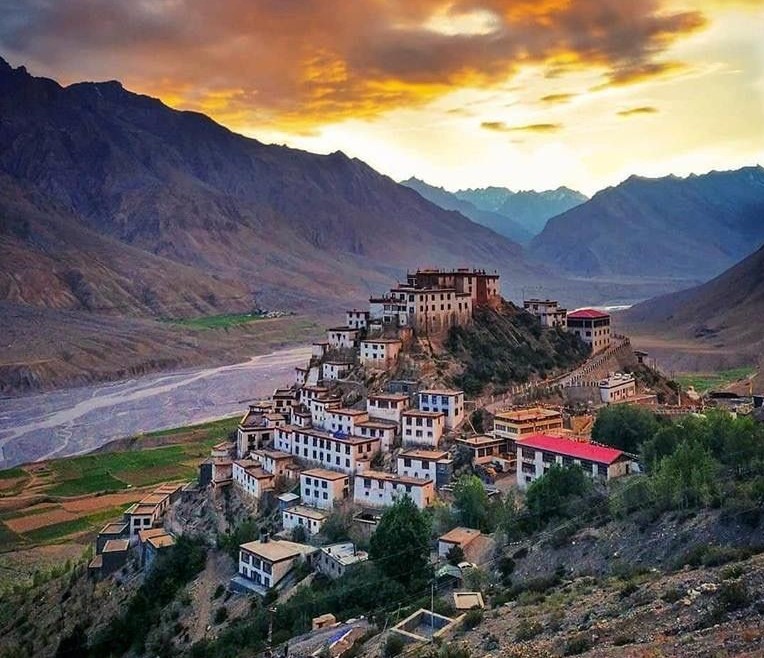
Kaimur
The Mundeshwari Devi Temple on the Mundeshwari Hills in Kaimur is an ancient temple dedicated to worshipping the eternal duo of Lord Shiva and Shakti. It is considered as one of the oldest temples in India as well as the oldest functional Hindu temple in India with its origin put it around 625 CE and is built of stone, with the temple architecture following a rare octagonal plan. The main deities in the temple are Devi Mundeshwari and the four-faced Shiva linga. It also hosts murtis of Ganesha, Surya and Vishnu. It has been an official subject of archaeological study for some time now, with certain inscriptions dating to 635 CE.

After a study of the broken Mundeshwari inscription of Brahmi script and its two parts found in 1891 and 1903 archaeologists thought the temple to be older than the 4th century. However, the recovery of a royal seal of the great Sri Lankan emperor Maharaju Dutthagamani who ruled between 101 and 77 BC from the place in 2003, established that a group of royal pilgrims or monks from Sri Lanka visited the place during their journey to Sarnath from Bodh Gaya through the famous Dakshinapath highway sometime between 101 to 77 BC and lost the seal here. The existence of Naga or serpent on the four-faced shiva lingam, the Naga janeu or sacred thread on the Ganesha idols, not found anywhere in India, and also on broken pieces scattered around the hill indicated that it was constructed by rulers of the Naga dynasty who ruled between 110 BC to 315 AD who used the serpent as their royal insignia. After this, the date of the Mundeshwari inscription was unanimously decided as 108 AD.

The temple, built of stone, is on an octagonal plan which is rare and is the earliest specimen of the Nagara style of temple architecture in Bihar. There are doors or windows on four sides and small niches for the reception of statues in the remaining four walls. The temple shikhara or tower has been destroyed, however, a roof has been built, as part of renovation work. The interior walls have niches and bold mouldings which are carved with vase and foliage designs. At the entrance to the temple, the door jams are seen with carved images of Dvarapalas, Ganga, Yamuna and many other deities. The main deities in the sanctum sanctorum of the temple are of the Devi Mundeshwari and Chaturmukh or the four-faced Shiva linga with two stone vessels of an unusual design. Even though the Shiva linga is installed in the centre of the sanctum, the main presiding deity, Devi Mundeshwari is deified inside a niche, which is seen with ten hands holding symbols riding a buffalo, attributed to Mahishasuramardini. The temple also has murtis of other popular gods such as Ganesha, Surya and Vishnu. A substantial part of this stone structure has been damaged, and many stone fragments are seen strewn around the temple. However, under the jurisdiction of ASI, it has been the subject of archaeological study for quite some time.

The holy city of Bodh Gaya and the ancient city of Vaishali are are next destinations as we explore Bihar.