We’ll start with the state capital of Bhopal as we usually do. Known as the City of Lakes for its various natural and artificial lakes, Bhopal is the capital of the state and is known as one of the greenest cities of India. After formation of Madhya Pradesh, the state capital Bhopal was a part of the Sehore district. It was bifurcated in 1972 and a new district Bhopal was formed.
Founded in 1707, the city was the capital of the former Bhopal State, a princely state of the British ruled by the Nawabs of Bhopal. Numerous heritage structures from this period include the Taj-ul-Masajid and Taj Mahal palace. In December 1984, the city was struck by the Bhopal disaster, one of the worst industrial disasters in history when a Union Carbide India Limited (UCIL) pesticide manufacturing plant, now owned by Dow Chemical Company leaked a mixture of deadly gases composed mainly of methyl isocyanate, leading to one of the worst industrial disasters in the world’s history. The Bhopal disaster continues to be a part of the socio-political debate and a logistical challenge for the people of Bhopal.
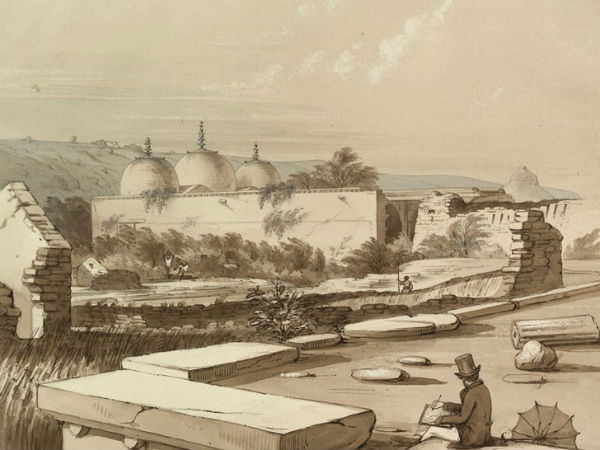
According to folklore, Bhopal was founded in the 11th century by the Paramara king Bhoja, who ruled from his capital at Dhar. This theory states that Bhopal was originally known as Bhojpal after a dam or pal was constructed by the king’s minister. No archaeological evidence, inscriptions or historical texts support the claim about an earlier settlement founded by Bhoja at the same place. An alternative theory says that the city is named after another king called Bhupala or Bhupal. In the early 18th century, Bhopal was a small village in the Gond kingdom. The modern Bhopal city was established by Dost Mohammad Khan who ruled between 1672 and 1728, a Pashtun soldier in the Mughal army. After the death of the emperor Aurangzeb, Khan started providing mercenary services to local chieftains in the politically unstable Malwa region. In 1709, he took on the lease of Berasia estate and later annexed several territories in the region to establish the Bhopal State. Khan received the territory of Bhopal from the Gond queen Kamlapati in lieu of payment for mercenary services and usurped her kingdom after her death. In the 1720s, he built the Fatehgarh fort in the village, which developed into the city of Bhopal over the next few decades.

Bhopal became a princely state after signing a treaty with the British East India Company in 1818. Between 1819 and 1926, the state was ruled by four women, Begums who were unique in the royalty of those days, under British suzerainty. Qudsia Begum was the first woman ruler who ruled between 1819 and 1837, who was succeeded by her granddaughter, Shah Jehan. Between the years of 1844 and 1860, when Shah Jehan was a child, her mother Sikandar, the only daughter of Qudsia, ruled as regent, and was then recognised as ruler in 1860. She ruled until 1868, when Shah Jehan succeeded her and was Begum until 1901. In 1901, Shah Jehan’s daughter Kaikhusrau Jahan became Begum, ruled until 1926, and was the last of the female line of succession. In 1926, she abdicated in favour of her son, Hamidullah Khan, who ruled until 1947, and was the last of the sovereign Nawabs. The rule of Begums gave the city its waterworks, railways, a postal system, and a municipality which was constituted in 1907.
Bhopal State was the second-largest Muslim-ruled princely state, the first being Hyderabad. After India’s independence in 1947, the last Nawab expressed his wish to retain Bhopal as a separate state. Agitations against the Nawab broke out in December 1948. Later the Nawab signed the agreement for Bhopal’s merger with the Union of India on 30 April 1949 and Bhopal state merged into the Indian Union on 1 June 1949.
So let’s see what are the important places to visit in and around Bhopal.
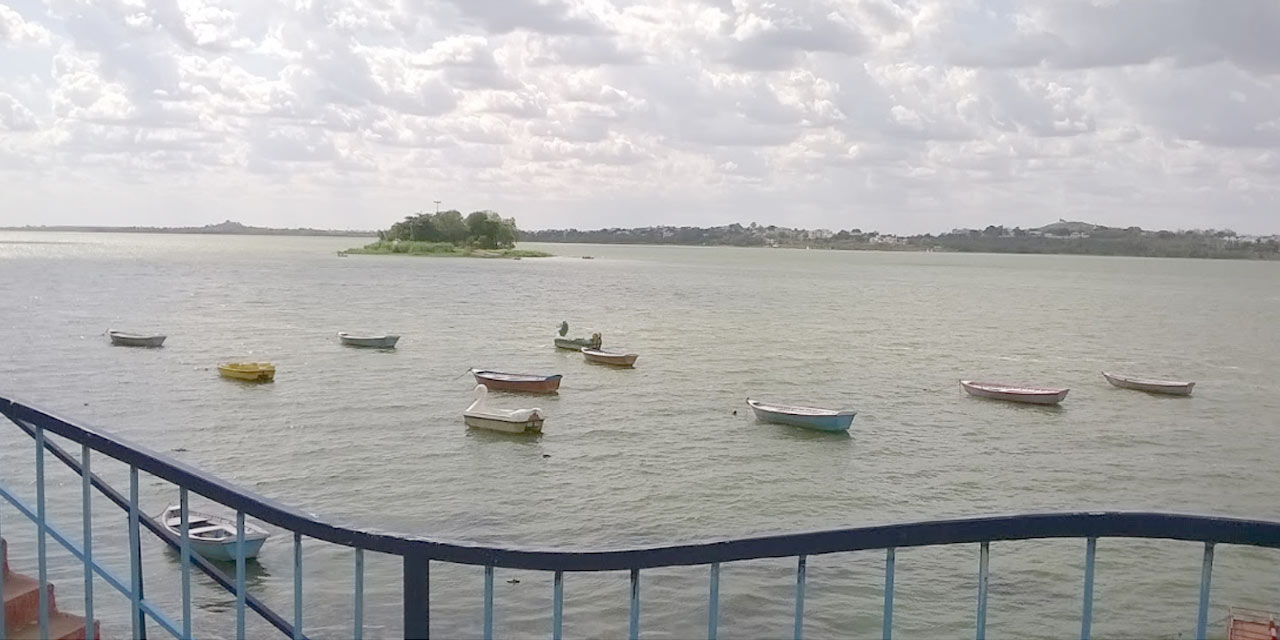
Upper and Lower Lake: In the city of lakes, Upper Lake is the most significant lake in Bhopal and is commonly known as Bhojtal and Bada Talab, it is the oldest human-made lake in the country and lies to the west of the city. The lake is the primary source of potable water to the residents of the city and is named after King Bhoj who built the lake across Kolans River in the 11th century. According to folklore, the king constructed this humongous lake to cure himself of his skin disease. The pillar on one corner of the lake holds the statue of Raja Bhoj. Upper Lake is separated from Lower lake by an overbridge called the Pul Pukhta. On the eastern side of the lake, the boat club offers water sports such as parasailing, kayaking, canoeing and rafting. The scenic and royal Kamala Park overlooks the lake. The lake is open from 6 am to 7 pm every day and there is no entrance fee.
Also known as Chhota Talab, the Lower lake is separated by an overbridge to the Upper Lake. The lake was built in 1794 to commemorate the beauty of the city and construction took place under Chote Khan, a minister of Nawab Hayat Muhammad Khan Bahadur. The lake has no source of freshwater hence receives seepage from Upper Lake and makes the Bhoj Wetlands along with Upper Lake. The Lower Lake is open from 9 am to 5 pm and like the Upper Lake has no entrance fees to access it.
Van Vihar: A National Park and a Zoological Space that operates under the guidelines of the Central Zoo Authority, Van Vihar is located just adjacent to the Upper Lake, near Shymala Hills. The animals here are kept closest to their natural habitats, making it a haven for people who love nature. You can spot a vast variety of animals including leopards, cheetah, Neelgai, panthers, etc. as well as birds such as kingfishers, bulbuls, wagtails, and some migratory species. The best time to visit here is between July and September when the chances of seeing a white tiger are the highest. Sprawling over a vast area of 4.45 sq.km, this protected area ensures animals are safe from poaching and other illegal activities. The national park categorises animals in 2 categories, i.e., carnivores and herbivores. Herbivores are allowed to roam freely whereas carnivores are kept in enclosed areas. The land is strictly under protection so as to safeguard its flora and fauna. Make sure you take the safari ride to enjoy it even more. Between April and July, Van Vihar is open between 6 am to 7 am in in the months between August to October, it is open from 6:30 am to 6 pm. From 01 November to 15 February, it is open from 6:30 am to 6 pm and from 16th February to the end of March, you can visit between 6:30 am to 6:30 pm. Make sure you set aside half a day to check out Van Vihar in full and Indians pay INR 20 as entry fee while foreigners will need to INR 200 per person. A camera will require INR 40 while a video camera will need a fee of INR 300 to allow you to shoot inside the park.
Udayagiri Caves: A magnificent set of twenty sculpted caves dating back to the early 5th century, the Udayagiri Caves hold within their walls some of the most ancient icon drawings and carvings. Located near Vidisha, the inscriptions inside the Udayagiri Caves are said to be from the reign of the Gupta period. Managed by the Archaeological Survey of India, the caves have drawings which depict stories from the epics, most significantly that of Lord Vishnu and Goddess Lakshmi and Lord Shiva and Goddess Parvati. Open from 9 am to 6 pm every day, the entry fee to access the Udayagiri Caves is INR 15 per person for Indians and INR 200 per person for foreigners.

Bhimbetka: Exhibiting the earliest traces of human life on the Indian subcontinent and the beginning of the South Asian Sone Age, the Bhimbetka rock shelters are home to more than 500 rock shelters and caves which have a large number of paintings. The oldest paintings are considered to be 30,000 years old, but some of the geometric figures date to as recently as the medieval period. The colours used are vegetable colours which have endured through time because the drawings were generally made deep inside a niche or on inner walls. Named so for the wide range of caves, which encapsulate almost the entire Indian history, from the ages of early man to the time of the Mughals, Bhimbetka which is located in Vidisha, about 55 km south of Bhopal. The best time to visit Bhimbetka is between October and March as the mild winter months make it the best time to visit. Avoid the summer months as the climate is quite unforgiving while the monsoon season is also a nice time to visit. The Bhimbetka Caves were declared a UNESCO World Heritage Site in 2003. The caves are open to visitors throughout the week from 7 am to 6 pm. Entry fees for an Indian visitor is INR 10 per person while a foreign visitor will need to pay INR 100.

Halali Dam & Reservoir: A lakeside reservoir on the Halali River in Raisen and formerly known as Thal River, the Halali Dam lies about 42 km north of Bhopal towards Sanchi is Halali. The reservoir is a tributary of the Betwa river with a catchment area of around 699 sq km. Also known as Samrat Ashok Sagar Project, the Halali Dam reservoir was commissioned in 1973. The colossal dam is a local favourite picnic spot with a varied aquatic life. According to locals, Dost Muhamad Khan a Nawab ruler killed a rival force from Rajput near Jagdishpur on the bank of the tributary as a result of which the river became red with the victim’s blood. After that, the name of the river became Halali or the river of slaughter. The dam is open to visitors between 8 am to 4 pm daily and there is no entry fee to visit the dam.
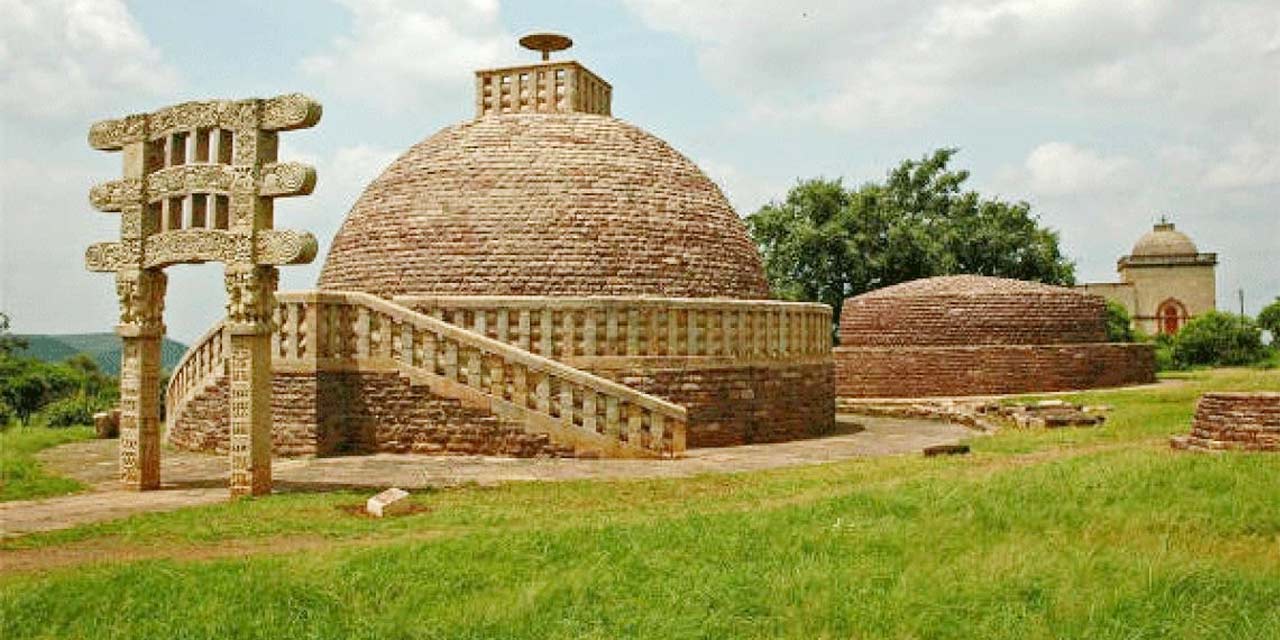
Sanchi Stupa: The Buddhist monuments of Sanchi are one of the oldest stone structures in India. Designated a World Heritage site by UNESCO, the Great Stupa, built in the Greco-Buddhist style, was installed in the 3rd century BC by Emperor Ashoka of the Mauryan dynasty. The stupa sits atop a hill in Sanchi, 48 km northeast of Bhopal, just before the town of Vidisha. The Mauryan king undertook the task of redistributing the mortal remains of Lord Buddha all across the face of the country in order to spread the reach of Buddhism. The gigantic hemispherical dome of the Stupa, more than 50 ft high with a diameter of more than 30m contains a central vault where the relics of Lord Buddha have been placed. The height of the stupa is about 54 feet. Sanchi is known for its ancient Stupas, monasteries, the Ashoka Pillar, Toranas or ornate gateways with intricate carvings and other remnants of the rich Buddhist culture which date back to the 3rd century BC. It is one of the most important places for Buddhist pilgrimage and pilgrims from around the world visit this place. The national emblem of India was derived from the Ashoka Pillar of Sanchi Stupa. Every stupa has three fundamental features, the Anda, or the sacred hemispherical mound within which lies the sacred remains of Lord Buddha. The Anda in the Sanchi Stupa has a solid core and cannot be entered. The Square railing or harmika situated in the centre marks the sacred burial site and the Chattra or the large hemispherical umbrella-like structure that covers the burial site completes this magnificent structure. The Great Stupa has 3 circular umbrella disks, representative of the three jewels, or Triantha of Buddhism. These chattras are supproted by a large central pillar. In addition to these fundamental structures, the Sanchi Stupa has additional features that add to its glory. Lord Buddha has been symbolically represented through the use of the figures like thrones, wheels and footprints among others. There are four intricately decorated gateways in the four cardinal directions, joined by a balustrade wall that encloses the entire monument. Various designs and motifs are carved on the railing and the gates of the Stupa. A sandstone pillar, inscribed with Schism Edict by Ashoka can be found at the site. An ornate spiral from the Gupta period, with Brahmi characters resembling conch shells, referred to as ‘Shankhalipi’ or ‘shell-script’, was later installed at the location. The Stupa remains open for visitors from 8:30 am to 5:30 pm every day. Entry fee for Indians and nationals from from SAARC and BIMSTEC nations including Bangladesh, Nepal, Bhutan, Sri Lanka, Pakistan, Maldives, Afghanistan, Thailand and Myanmar is INR 10 per person while for others it is INR 250 per person. Children under the age of 15 enter free.
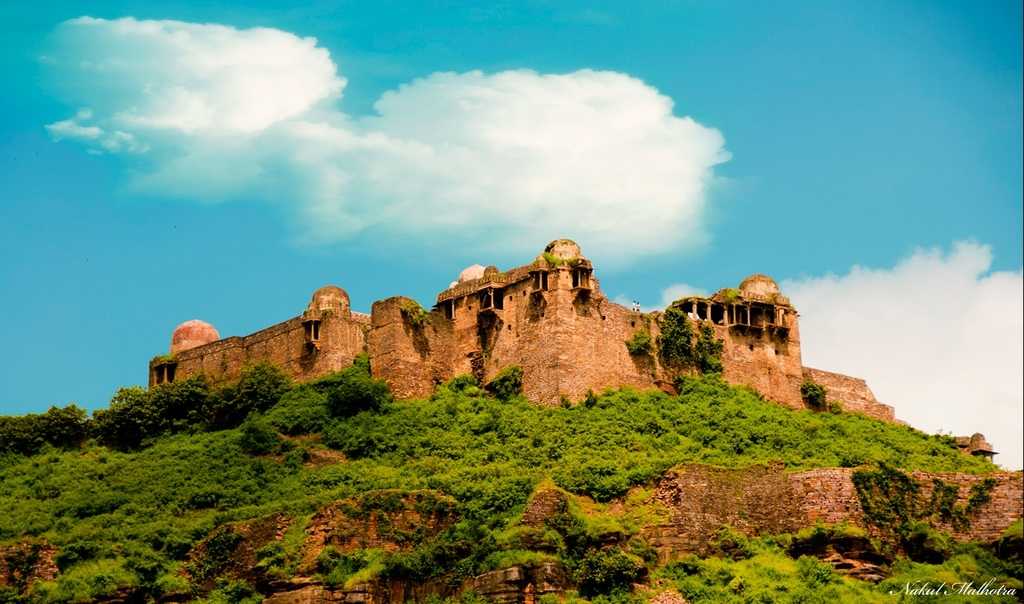
Raisen Fort: The 800-year-old Raisen Fort, an abode to hundreds of bats today, has nine gateways, fortifications, domes and the remains of several buildings from the early medieval period. Located atop a hill overlooking a water body. The fort is also a shrine of a Muslim saint Hazrat Peer Fatehullah Shah Baba and it is believed that the shrine can fulfil the desires of the pilgrims. Until the 16th century, the fort was under the domination of the Rajputs and other Hindu rulers. Although the nawabs of Bhopal initially captured the fort, it is presently under the custody of ASI. The magnificent fort stands on an outlier of a rock which has a massive stone wall pierced with nine gateways. Adorned with a large courtyard and a beautiful pool in the middle, the origin of the Raisen fort dates back to the year 1200. With four palaces, including Badal Mahal, Rohini Mahal, Itradaan Mahal & Hawa Mahal within its boundaries, the fort also houses a temple dedicated to Lord Shiva. The doors of the temple open every year on the occasion of Shivratri and pilgrims who visit the temple on other days tie a piece of cloth on the grill gate for the fulfilment of their wishes. Raisen fort also has plenty of rock shelters with paintings created by the cave dwellers. The fort is open from 10 am to 5 pm daily and there is no entry fee to enter.
Islamnagar Fort: Located around 15 km north of Bhopal, the Islamnagar Fort is located in the quaint village of Islamnagar on the Bhopal-Berasia Road. The village has endured Afghan rule, and the grandeur of that is mirrored in the architecture, and structure of the buildings. Originally built as a defense against enemy attacks, today the fort is in ruins. The fort is open from 8 am to 6 pm daily and has no entry fees.

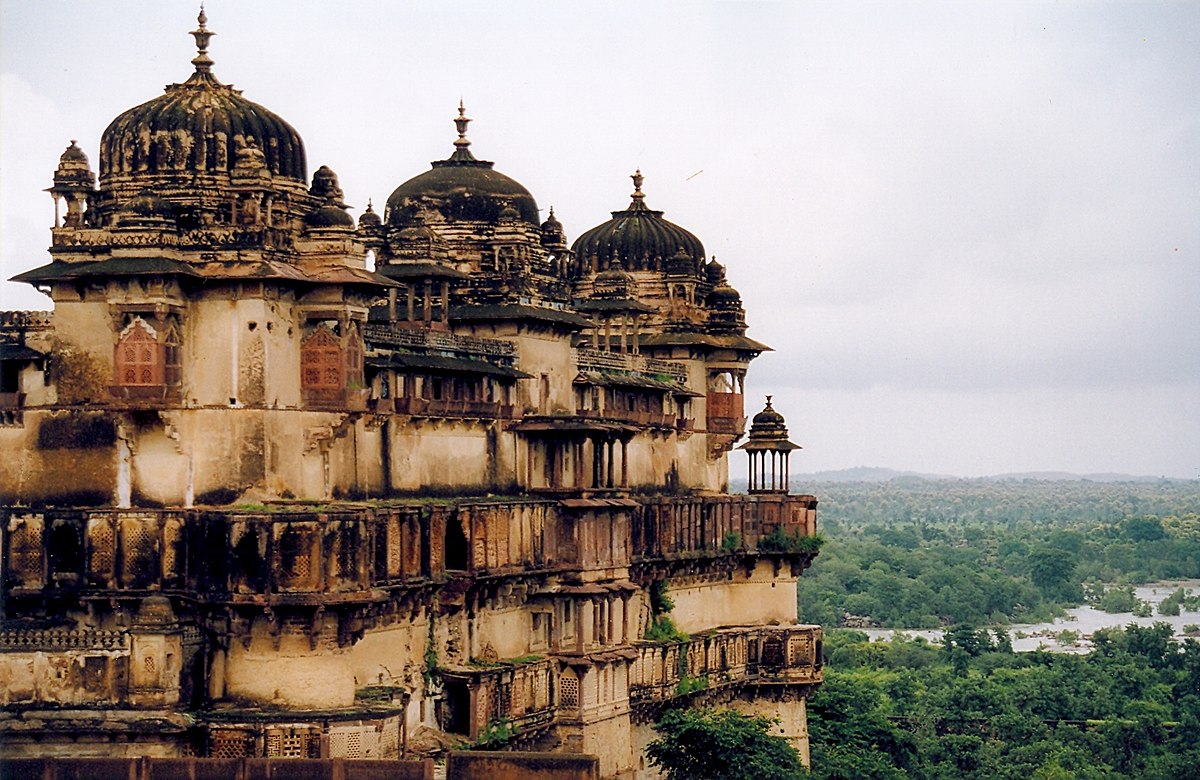
Rani Kamlapati Palace: A tribute to Bhopal’s glorious past, the Rani Kamlapati Palace, the residence of Rani Kamlapati, is located in the heart of the Kamla park. The palace forms part of the Gond Fort and is perched along the banks of Upper Lake, a clear reflection of the Mughal and the modern architectural styles fused into a graceful art that adorns the face of the building. Queen Kamlapati was the wife of a Hindu Gond Tribe warlord named Nawal Shah when Bhopal was the territory of Gond tribes who owned the palace overlooking the Upper Lake and Lower Lake. Raja Bhoj built the palace over the massive wall of the dam separating the two lakes. The 18th century palace is century built of Lakhauri bricks, cusped arches over crumpled pillars. The merlons are shaped as water lotuses honouring the name of the Queen. According to the history of the palace, Queen Kamlapati committed suicide by jumping into the lake in 1723. West of the palace lies the remains of the Fatehgarh Fort built by Sardar Dost who took over the palace soon after the queen’s demise. This monument is a maze of pillars and long stairs with lunging arches towards the garden and balconies facing the lakefront. The significant part of the living heritage is now the office for the archaeological survey of India who are its present custodians. The palace is open between 10 am to 5 pm and there is no entry fee to visit the palace.
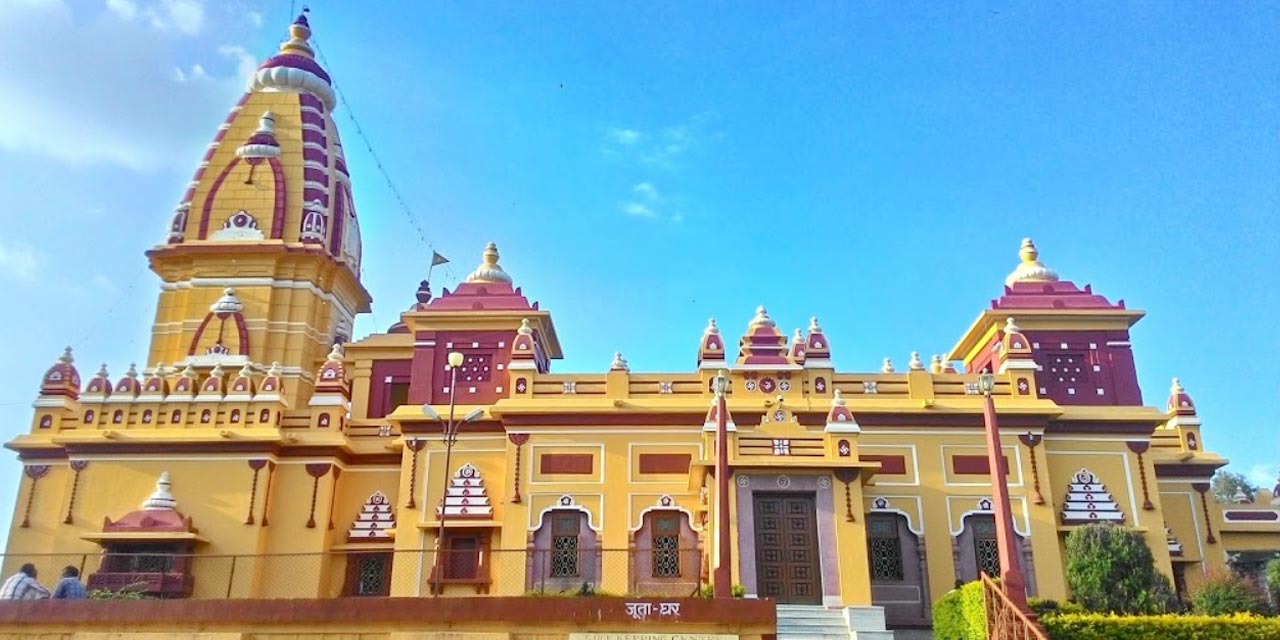
Lakshmi Narayan Temple: Set atop the striking Arera Hills, the Lakshmi Narayan Temple was built as a tribute to the Hindu Goddess of wealth, Lakshmi, and her consort Lord Vishnu. Besides the beautiful idols of Lakshmi and Vishnu, the temple also houses a reclining idol of Lord Shiva with his wife Goddess Parvati. The Birla Museum attached to the temple exhibits marvellous sculptures dating back to the 12th century! The temple, besides being a religious abode, offers outstanding views of the Old Bhopal city. A magnificent archway welcomes devotees at the entrance that leads to a picturesque of finely crafted Hindu sculptures. The sandy-yellowish colour of the temple and the contagious greenery of the gardens adds an antique appeal to its ambience. The temple remains open for worship from 6:30 am to 7 pm every day.
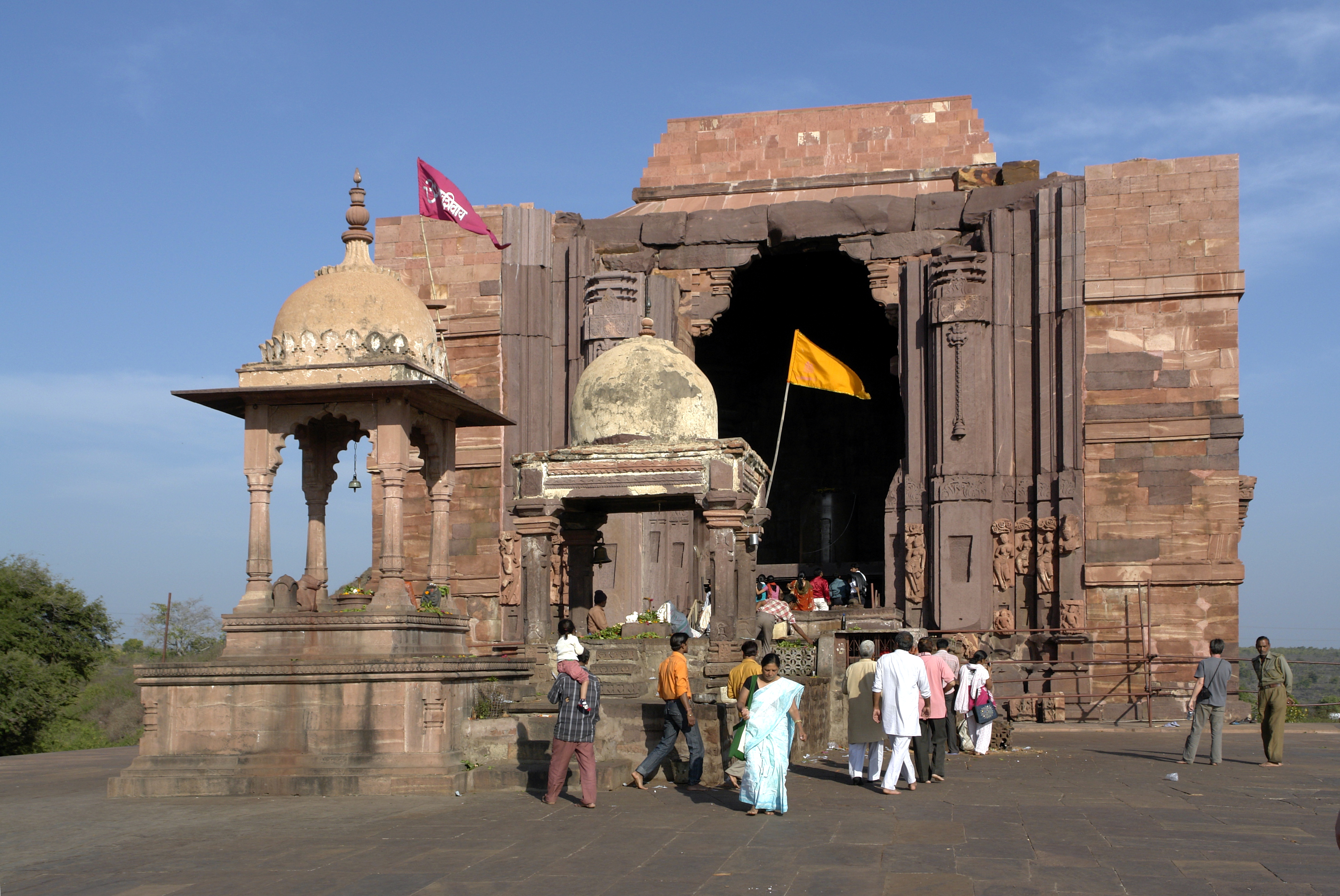
Bhojpur Temple: Another stunning heritage built by Raja Bhoj in the 11th century, the Bhojpur Temple is a tribute to the Hindu God Shiva, nestled in the rustic village of Bhojpur, about 28 km south of central Bhopal. The construction of the temple is incomplete, and the reasons for abandonment of construction aren not clear. Harboring a 7.5 feet high lingam, a symbol of Lord Shiva, the temple with it’s majestic remains is open to pilgrims from 6 am to 7 pm daily. You can also find the complete architectural plans of the temple, inscribed on the surrounding rocks.

Bijasan Mata Temple: Also known as the Salkanpur Temple, the Bijasan Mata Temple is dedicated to the Hindu Goddess Durga, in the form of Maa Durga Beejasan. The temple features over 1000 stairs and is accessible via a well-established ropeway as well. The major events that are celebrated here are the two Navratris that grace every year, as the shrine is devoted to the nine forms of the Devi Durga. The temple is open from 6 am to 8 pm every day.
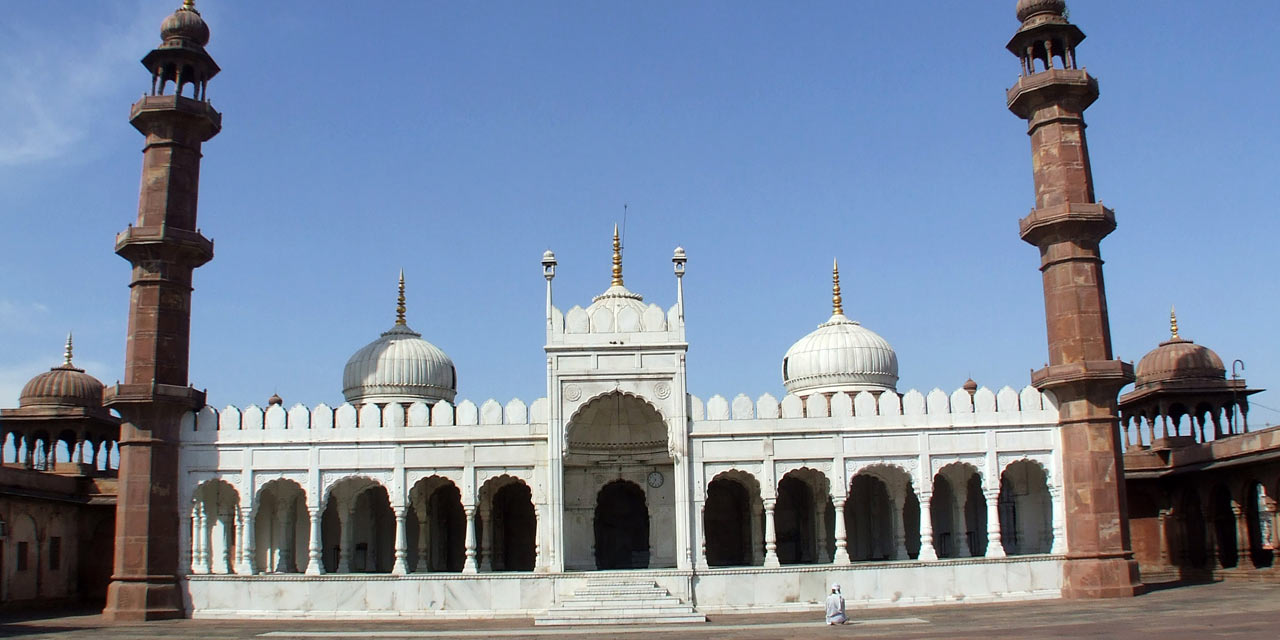
Moti Masjid: One of the many mosques in Bhopal, Moti Masjid is relatively smaller in size compared to the other mosques in the city. This famous historic landmark was built by Sikander Jehan Begum of Bhopal, daughter of Qudusiya Begum, in 1860. Sikander Begum was an unconventional woman who abolished slavery and set up the trend of the progressive woman in the city. Popularly known as the Pearl Mosque, the mosque is located in the heart of the city and represents the rich history of the Bhopal Begums in India. The architecture of the Moti Masjid in Bhopal has a striking resemblance to the architecture of the Jama Masjid in Delhi, except for its size. The Moti Masjid features a white marble facade with two small cupolas on the top. The two dark red towers on either side of the primary structure of the mosque are equally beautiful and fascinating. The mosque is best visited in the early morning hours when there are fewer people here, and one can pray in silence and peace. The mosque remains open visitors from 6 am to 7 pm daily and has no entry fee.
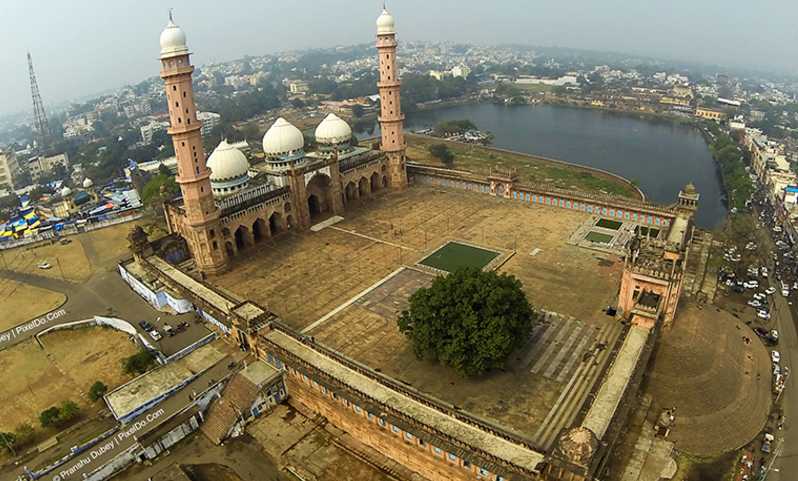
Jama Masjid: Constructed during the period of Quidisiya Begum, Jama Masjid is officially known as Taj-ul-Masajid, which translates to “Crown Among Mosques”. The magnificent architecture of Jama Masjid boasts of classic Islamic architecture with its beautiful shrine and two tall minarets. It is the largest mosque in the country and is counted among the largest in the continent as well. The mosque is spread over a large area and its façade made from red stones with two white domes is very distinctive. The mosque has two minarets flanking the main structure and the entire surface is embellished with careful carvings and ornamental windows, with the three marble domes standing out in contrast. Inside the complex, there is a colossal courtyard, adorned with marble flooring, and fine carvings on the pillars as well as a small pond and the royal market area. The mosque is open from 6:30 am to 7 pm, but please note that non-Muslims are not allowed inside the mosque.
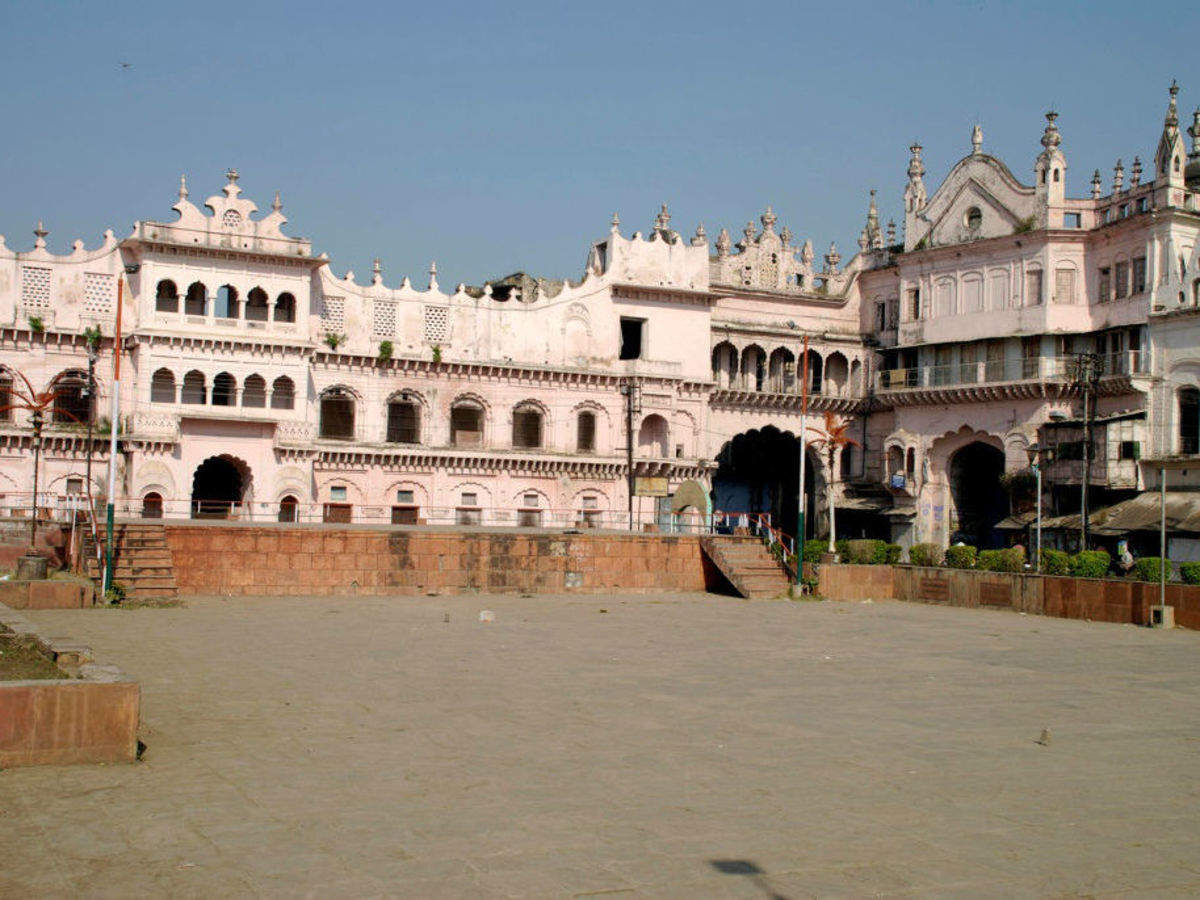
Shaukat Mahal: Built in a distinctive blend of Indo-Islamic and European styles, the roof of the Shaukat Mahal is adorned with a series of complicated triangular-shaped arches and the exteriors have beautiful patterns. Gracing the entrance of the famous Chowk area, the building, erected in Sikander Begum’s reign, also exhibits a unique blend of Post Renaissance and Gothic styles, along with intricate carvings and is towered by the grand Sadar Manzil, which is believed to have served as the hall of public audience. A beautiful blend of Asian and Western architecture amidst the predominance of Islamic architecture in Bhopal, Shaukat Mahal should be visited. Located in the same complex as Shaukat Manzil, Sardar Manzil was designed by a descendant of the French Bourbons. This palace used to serve as the Hall of Public Audience during the times of the Nawabs. . A wooden door at the entrance opens to a large courtyard adorned by a fountain which was said to be accessible only by the then royal family. Amazing paintings adorn the ceilings although thick cobwebs cover them today. The large podium overlooking the garden was once the seat of the ruler and the rectangular open space houses a stage with rooms on either side. The headquarters of the Municipal Corporation is the present inhabitant of Sardar Manzil. The palace is open between 8 am to 6:30 pm and it has no entry fee.
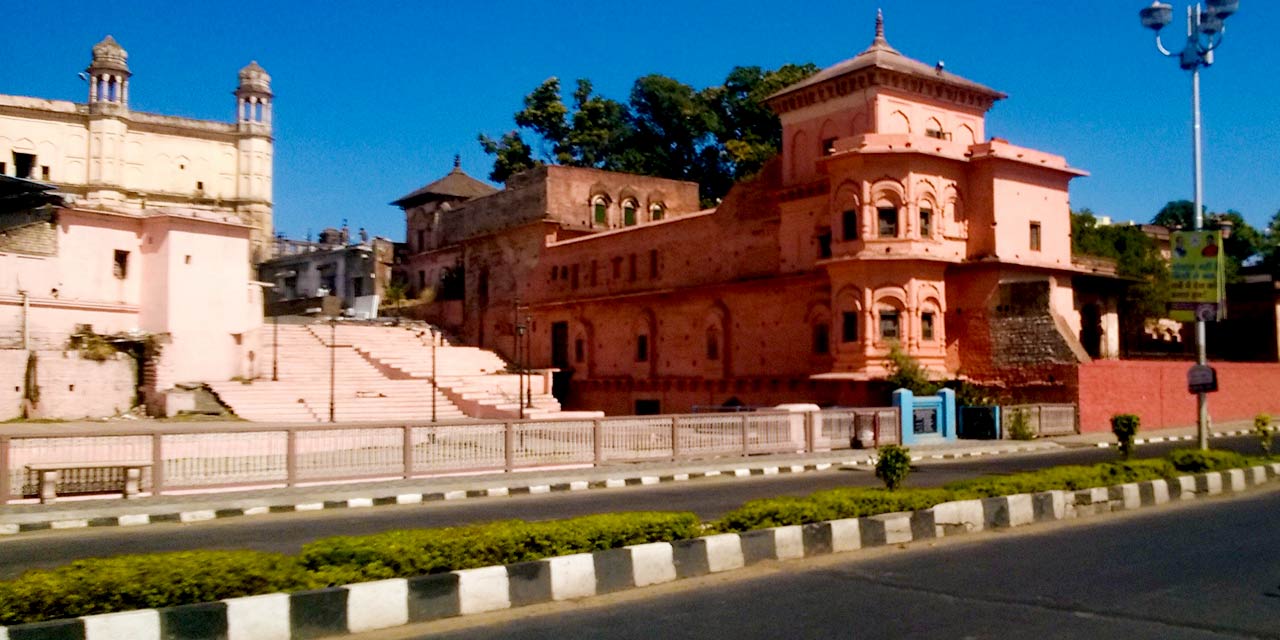
Gohar Mahal: Constructed in 1820 by the first woman ruler of Bhopal, Qudsia Begum, Gohar Begum, Gohar Mahal was built with a perfect blend of Hindu and Mughal styles of architecture. Perched on the banks of the Upper Lake, Gohar Mahal is ornamented with intricate interior carvings and beautiful decorations on the exterior. The palace also serves as a fine example site of the Indo-Islamic architectural style. The great hall overlooks the idyllic lake, while the interiors of the hall host numerous ancient paintings and intricate woodwork and art. Having lost some of its original charm over the years, It is currently undergoing restoration. The palace is open for visitors from 8 am to 6:30 pm every day and has no entry fee.
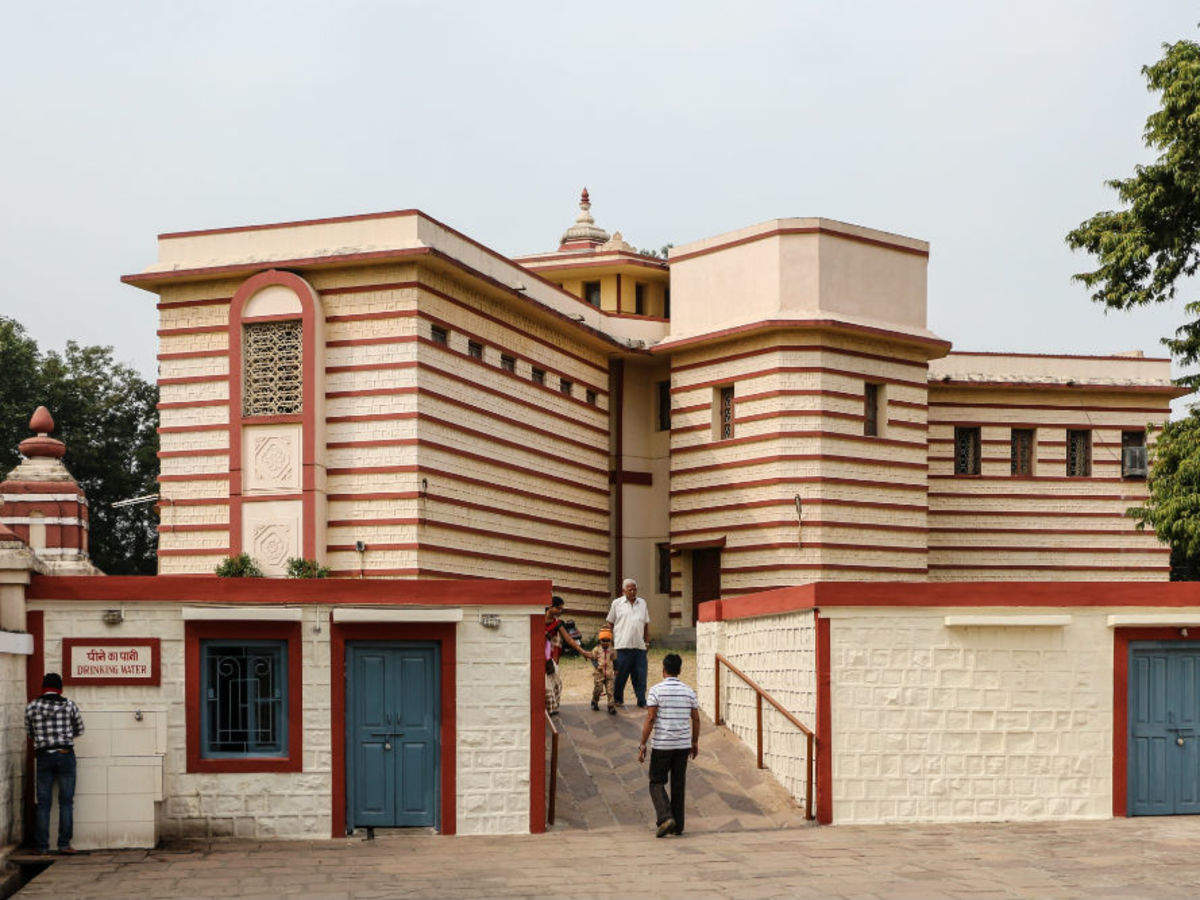
Birla Museum: The remnants of Madhya Pradesh’s glorious pre-historic era is perfectly preserved in the Birla Museum. The museum contains objects used by the Paleolithic and Neolithic man, stone sculptures from 7th to 13th century BC and manuscripts and terracotta belonging to 2nd century BC. A must visit for all history and archeology enthusiasts, the museum is part of the magnificent Birla Mandir Complex which also harbors a sacred shrine of Lord Shiva and Goddess Parvati and a Laxmi-Narayan Temple. Housed in the Arera Hills, the grand museum towers over the tranquil Lower Lake, and affords you a panoramic view of the beautiful city of Bhopal. The museum is open to visitors from 10 am to 6 om every day except on Mondays and national holidays. The entry fee for visitors is INR 5 per person for Indians, and INR 50 per person for foreigners.
Tribal Museum: A rich tapestry of exhibits showcasing the tribal art and culture, the Tribal Museum highlights various aspects of tribes in Madhya Pradesh and Chattisgarh. The displays create awareness about the tribal rituals, customs, forms of worship etc. Former President Pranab Mukherjee inaugurated the museum of Tribal Heritage on June 6, 2013. The vast gallery showcases the way of life of seven significant tribes of Madhya Pradesh namely the Bheel, Gond, Korku, Baiga, Sahariya, Bhariya and Kol. . It is advised to collect a brochure at the entrance in order to learn a few basics of the tribal life, which makes it easier to decipher the paintings. The campus is carefully segregated into 6 galleries, each of which is dedicated to the tribal culture, life, art, and mythology. Spread across 7 acres of land, the Tribal Museum also holds an auditorium, a small boutique shop of artefacts and a restaurant. The museum occasionally organises activities based on the cultural forms such as talk show, poetry, vocal play, film and dance. With over 30% of the tribal population, this rich repository of traditional artwork and aesthetics is commissioned by the Government of Madhya Pradesh. The museum is open between 12 noon and 8 pm and the entrance fee is INR 10 per person for Indians while it will cost foreign visitors INR 100 per person and taking in a camera inside will incur you a fee of INR 50 per camera.
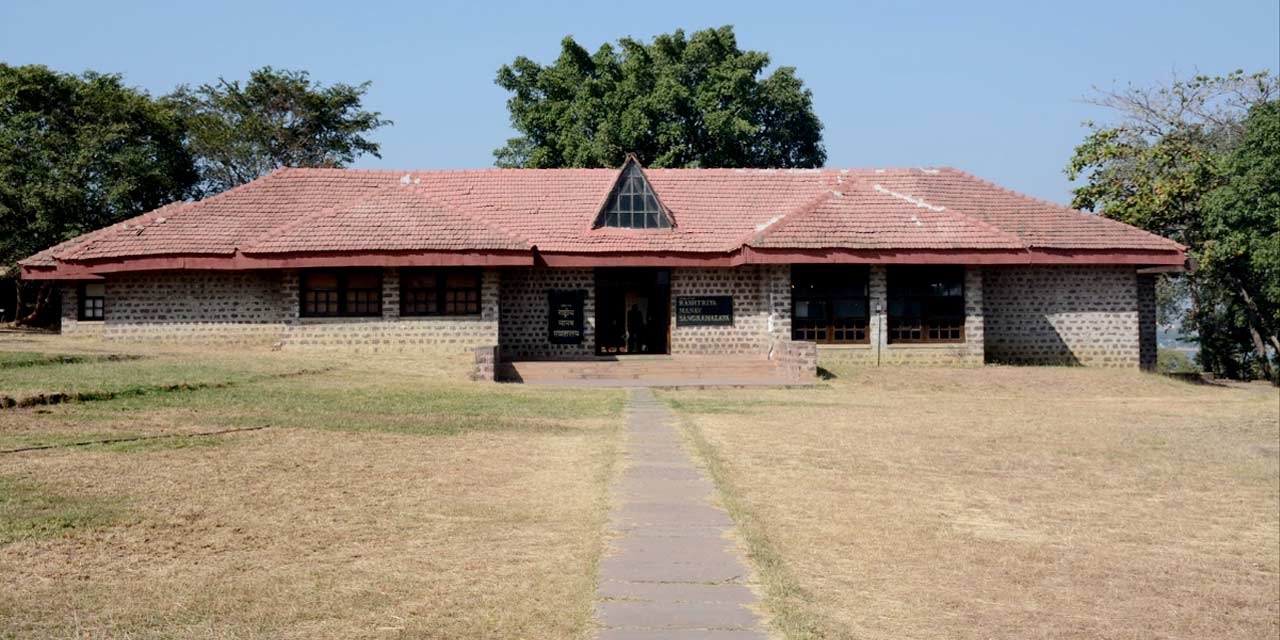
Indira Gandhi Rashtriya Manav Sangrahalaya: Also known as the National museum of Mankind, the Indira Gandhi Rashtriya Manav Sangrahalaya, is situated on the Shamla Hills, the upper lakefront of Bhopal. The museum presents the integrated story of the culture and evolution of mankind, with specific reference to India. The highlight of this museum is the fact that it’s the only one to have painted rock shelters with its post-colonial repertoire of tribal folk, art and culture. Besides, as a perk, the museum houses audiovisual archives, an extensive collection of ethnographic specimens and computerised documentaries. Spreading over an area of 200 acres, the museum functions with objectives such as highlighting the diversity and cultural patterns of Indian tribals. With its prehistoric essence, the anthropological space is created by the tribals to showcase the ancient lifestyle and mythological trail. The museum is open to visitors from 11 am to 6:30 pm from March to August and from 10 am to 5:30 pm during the months of September to February. The museum is closed on Mondays and national holidays. For visitors above the age of 12, the entrance fee is INR 50 per person while bringing in a camera will set you back by INR 100.

Yodhasthal: The army museum, called Yodhasthal, which is a prominent “Know your Army” facility, is known for its exhibition of arms and ammunition used by defence forces. Dedicated to the youth of the city, Yodhasthal offers enriching audio-visual experience about the defence with displays of artillery guns, tanks, arms used on the battlefield before and after independence. The war equipment narrates the splendid history of all the wars ever fought in the past. The museum provides knowledge and war stories of the Indian Army and its victories.
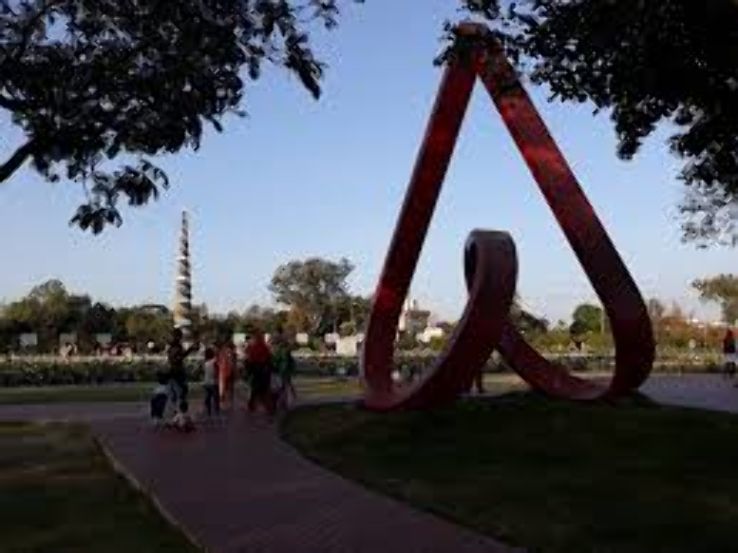
Shaurya Smarak: Essentially a war memorial, Shaurya Smarak was inaugurated in 2016 and developed as a public park, sprawling across an area of 12 acres in Arera Hills. The memorial houses an underground museum that has galleries dedicated to war heroes and a park featuring a number of sculptures and installation that pay tribute to the soldiers who laid down their lives in the service of the nation. The most notable feature of the park is a 62-feet tall sculpture depicting Indian Army. The park is open to visitors from 12 noon to 7 pm every day and has an entry fee of INR 10 per person. Bori Wildlife Sanctuary: Located in the heart of the country, The Bori Wildlife Sanctuary in Itarsi near Bhopal is truly among the country’s oldest and most diverse attractions, established in 1865. Surrounded by greenery on all sides, it is located along the Tewa River at a distance of approximately 167 km from Bhopal in Itarsi. It is a part of the Pachmarhi Biosphere Reserve and is covered in mixed deciduous and Bamboo forests. It is not uncommon to sight bigger mammals such as tigers, leopards, wild boars, deer or even the Indian Gaur while you are here. Make sure you check with the forest authorities on the correct timings for a Safari or a jungle walk before you set out to explore the sanctuary.

/Mauryan_Sanchi-5a9fc9f8ff1b780036b4a6ac.jpg)