Short Story: Kites and Mangoes

9 August, Singapore

You don’t sound Indian,” the boy had said at the kopitiam when Kavya ordered her teh c kosong. He’d grinned, like it was a compliment.

Kavya had smiled tightly, thanked him, and walked away. She was used to it.

Born and raised in Singapore, she knew the National Day Parade theme song by heart and could switch between English, Tamil, and a sprinkle of Mandarin like a linguistic gymnast. But somewhere between “pure” Singaporean and “actual” Indian, she felt like she belonged everywhere and nowhere at once.

She’d grown up visiting temples on weekends, dancing Bharatanatyam at community festivals, and eating prata after tuition class. But whenever she visited Little India, there was always someone who’d ask, “You from here or there?” and she never had a clear answer.

This year, she wanted something more. Something beyond tidy traditions and carefully curated heritage trails. She booked a solo trip to India, to Madurai, the city where her grandmother had been born.

Why now?” Amma had asked, frowning over her glasses.

I want to feel where I come from,” Kavya replied. “I want to be in India on Independence Day.”

Her mother had sighed but said nothing. That night, she slipped an old photograph into Kavya’s bag: a black-and-white picture of a young woman in a half-saree standing in front of the Meenakshi Temple.

11 August, Madurai, India

The heat struck like a drumbeat. Everything in Madurai pulsed: the honks, the temple bells, and the jasmine sellers with their hypnotic chants.

Kavya stayed in a modest homestay just off a street flanked by banana trees and walls stained with old film posters. The house had creaky wooden shutters, a courtyard with a mango tree, and an old woman who insisted Kavya eat second helpings of everything.

The rhythm of life was different here. Slower, louder, more chaotic, and strangely comforting. Kavya spent her mornings walking to temples and her afternoons scribbling in a notebook she carried everywhere. She didn’t know what she was writing—just thoughts, feelings, and fragments of herself.

12 August, Madurai

On her second morning, Kavya heard a ruckus in the alley. She stepped out and saw a girl, barefoot, dust-streaked, and laughing, chasing a runaway calf down the narrow lane. The girl caught it by the rope, scolded it gently in Tamil, and looked up to see Kavya watching.

You look like you’re from here but also… not,” the girl said, grinning.

Kavya laughed. “That’s not the first time I’ve heard that. I’m Singaporean. My grandma was from here.”

Then you’re one of us,” the girl declared. “I’m Meenal. Come. We’re painting flags today. For August 15. Want to help?

Kavya blinked. “Me? I don’t really paint…”

That’s okay. You’ll learn. We’re not picky about strokes, only spirit.

And just like that, she was pulled into a swirling circle of colours, cloth, and conversation.

13 August, Madurai

They sat under a neem tree, painting tiny Indian flags on scraps of cloth. Children swirled around them, cheeks smeared with green and orange.

What’s National Day like in Singapore?” Meenal asked, dabbing white onto a fabric square.

There’s a huge parade. Fireworks. Everyone wears red and white. But… it feels curated. Clean.”

You miss mess?” Meenal teased.

I miss… rawness. My identity feels like a fusion dish sometimes. Indian, but diluted. Singaporean, but never quite full-blooded.

Meenal paused and dipped her brush into green. “Being Indian isn’t about passports. It’s about stories. Smells. The way your body remembers mangoes even when your tongue forgets.”

Kavya looked at her. “You make it sound like poetry.

It is. We’re both translations of something old and beautiful.”

They sat in silence for a while. A small girl brought them sliced raw mango with chilli salt. Kavya bit into it, eyes watering from the tang.

This,” she said, “tastes like my grandmother’s kitchen. I didn’t even know I remembered.”

Meenal smiled. “See? That’s the thing about home. It sneaks up on you.”

14 August, Madurai

That evening, Meenal took her to a rooftop near the temple.

We come here every year to light paper lanterns,” she said. “Some say they carry prayers. Others say they chase away the shadows.”

As the sky dimmed, they lit small lanterns and watched them rise. Kavya stood quietly, fingers curled around her wrist.

My parents wanted me to study engineering. I chose literature instead,” Meenal said suddenly. “They said it was a waste. But I like words. Words are how I remember who I am.”

Kavya looked at her. “You’re lucky you even knew. I feel like I’m always translating what I want, who I am, who people think I should be.”

“Maybe identity isn’t about choosing one version. Maybe it’s about collecting them, like shells. Some smooth, some cracked. But all real.”

15 August, Madurai

The morning was thick with saffron skies and fried vadai. Children marched barefoot with tricolour kites and hand-painted flags. The air buzzed with pride, promise, and powdered colours.

Meenal tugged Kavya to the rooftop.

Here. Yours.

Kavya took the spool and launched her kite into the air.

It wobbled at first, then caught the wind. Higher, stronger.

Below, loudspeakers blared patriotic songs. Kavya felt the strings burn gently against her fingers.

You know,” she said softly, “In Singapore, we sing ‘One People, One Nation, One Singapore.’ But I never understood how to be one thing.”

Meenal grinned. “Maybe we aren’t meant to be one thing. Maybe we’re meant to be many.”

They watched the sky fill with colour. Saffron, white, green, and somewhere, Kavya imagined, red and white too.

I came here to find roots,” she said. “But I think I’ve found mirrors.”

One Week Later, Back in Singapore

Back in Singapore, the sky was cleaner, the traffic neater, and the air-conditioning colder.

On her desk sat a jar of Madurai earth, still smelling faintly of turmeric and dust.

On the wall: two flags. Side by side. Equal in colour, different in rhythm.

She opened her journal and flipped to the back.

A new note from Meenal had arrived by post.

Dear Kavya,

Happy National Day (again)! Mango season starts in March. Your kite is still flying, by the way.

We saved the spot on the rooftop for you.

Kavya smiled and picked up her pen.

Dear Meenal,

Tell the mangoes I’m coming. And this time, I’m bringing chilli salt.

In My Hands Today…

Birds, Beasts and Bandits: 14 Days with Veerappan – Krupakar, Senani

In a comic case of mistaken identity; wildlife photographers Krupakar and Senani were kidnapped one night from their home at the edge of the Bandipur National Park by Veerappan; India’s ‘most dreaded bandit’. He thought they were important government officials; and his plan was to hold them hostage in return for clemency and a substantial ransom.

The bandit and his gang kept the hostages on the move in the forest; and their only contact with the outside world was via an old transistor radio. While Veerappan;who had already killed some 250 people; formulated strategies to force the government to agree to his demands; his hostages not only got a close look at the plant and animal diversity in the forests of Karnataka and Tamil Nadu; but the intimacy of their life on the run gave them an insight into Veerappan’s strange mix of cruelty and humanity. Though Krupakar and Senani came from a world that was completely different from that of Veerappan’s gang; the kidnapped and the kidnappers became closely involved in each other’s concerns. Birds; Beasts and Bandits is a witty and poignant account of an extraordinary adventure with the notorious poacher and his companions.

Sacred Stones, Spaces and Stories: Shakthipeeta Part 15

Alopi Devi Mandir, Prayagraj, Uttar Pradesh
Located in the ancient city of Prayagraj, formerly Allahabad, the Alopi Devi Mandir is dedicated to Goddess Alopi Devi. While the exact date of the establishment of the Alopi Devi Temple is uncertain, the temple’s roots are deeply intertwined with Hindu mythology and the legend of Goddess Sati. The temple’s location in Prayagraj, near the sacred confluence or Sangam of the Ganges, Yamuna, and the mythical Saraswati rivers, adds to its spiritual importance. This proximity to the Sangam has made it a significant pilgrimage site, especially during the Kumbh Mela, the world’s largest religious gathering.

Historical evidence suggests that the area around the temple saw development during the Maratha period. The Maratha warrior Shreenath Mahadji Shinde is credited with developing the Sangam area during his stay in Prayagraj in 1771-1772. Later, in the 1800s, Maharani Baizabai Scindia undertook renovation on the Sangam ghats and temples in Prayagraj.

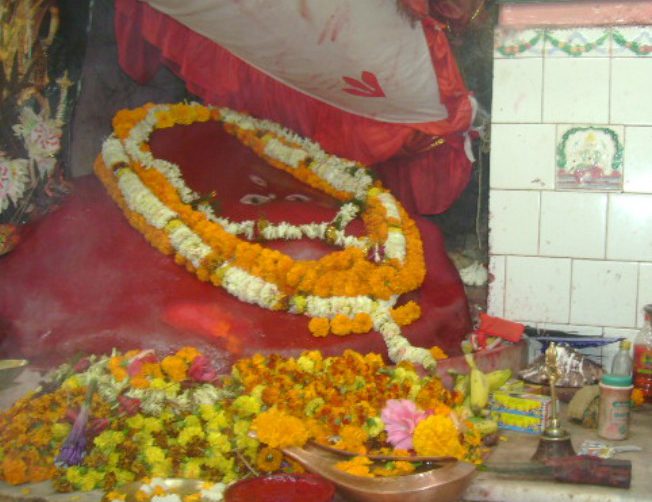
According to tradition, it is believed that the fingers of Goddess Sati fell here. The name Alopi is significant, meaning disappeared in Hindi. This name is derived from the belief that this is where the last part of Sati’s body fell and disappeared from the earthly realm. The goddess is worshipped as Lalita Devi while the bhairav in this location is known as Bhaveshwar.

What makes the Alopi Devi Mandir truly unique is the absence of a traditional idol or statue. Instead, devotees worship an empty wooden palanquin or cradle or doli. This unconventional form of worship is believed to embody the divine, ever-present spirit of the goddess, offering blessings and protection to those who visit.

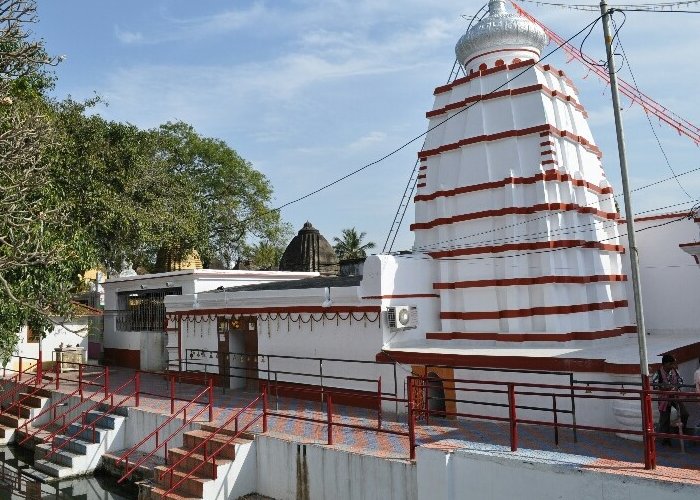
The temple showcases a harmonious blend of Hindu and Islamic architectural styles. It features a rectangular layout with a spacious courtyard surrounded by smaller shrines and pavilions. The temple is dominated by a tall shikhara or tower and a central dome adorned with intricate carvings and vibrant colours. The temple complex includes a sacred pond known as Kund, which holds immense religious significance and is used for various rituals. The temple walls feature intricate stone carvings depicting mythological scenes and divine beings. Its location near the holy confluence of the Ganges, Yamuna, and Saraswati rivers adds to its spiritual significance.

The temple remains open from 7 am to 8 pm. The festival of Navratri is celebrated with special prayers, and rituals. Bhajans or devotional songs are performed, creating an aura of reverence and devotion. During the Maha Kumbh Mela, held every 12 years, the temple sees a significant increase in visitors. The temple is famous among locals for mundan or hair tonsuring ceremonies. Devotees offer prayers and seek blessings, especially for family welfare, protection, and the resolution of personal hardships.

According to local lore, the last remnant of Sati’s body, the palanquin or doli, vanished at this spot – hence the name Alopi, meaning disappeared. Many locals consider Alopi Devi as their guardian deity, believing in her power to protect and bless. Some devotees believe that as the last part of Sati’s body fell here, it makes this temple the holiest among all Shakti Peethas.

The Alopi Devi Mandir, with its blend of myth, history, and living faith invites all who visit to partake in its timeless spiritual journey. The temple’s significance extends beyond its religious importance. It serves as a cultural cornerstone for Prayagraj’s residents, bridging centuries-old mythology with the present. Its unique form of worship, centered around an empty palanquin, offers a profound spiritual experience that sets it apart from other temples in India.

Vishalakshi Temple, Varanasi, Uttar Pradesh
Located in Varanasi, one of India’s most ancient and spiritually significant cities, the Vishalakshi Temple is dedicated to Goddess Vishalakshi, meaning the one with large eyes. Archaeological evidence and ancient texts suggest that this location has been a place of worship for over two millennia. The temple’s importance is mentioned in several ancient Hindu texts, highlighting its longstanding significance in Hindu cosmology.

According to legend, the temple’s origins are tied to a pious devotee named Kaushalya. Her unwavering devotion to Lord Shiva and Goddess Parvati was so intense that it moved the divine couple to grant her a vision. Impressed by her dedication, Goddess Parvati, in her form as Vishalakshi, instructed Kaushalya to build a temple in her name. This temple was to be a place where devotees could seek blessings for wisdom, knowledge, and spiritual insight. It is believed that the earrings or eyes of Goddess Sati fell at this sacred spot.

The temple showcases a unique blend of architectural styles. While the main structure follows the North Indian temple architecture, the entrance features a South Indian-style gopuram or ornate tower. This fusion of styles reflects the temple’s pan-Indian significance. The temple is part of a group of six points in Varanasi that symbolise Shastanga or six-fold yoga. The other five points include the Vishwanath Temple, the holy River Ganges, the Kala Bhairava Temple, the Dhudiraj Temple, dedicated to Lord Ganesha, and the Dandapani temple, dedicated to Lord Shiva.

The main deity, Goddess Vishalakshi, is depicted with large, mesmerising eyes, symbolising her all-seeing nature and divine wisdom. The temple houses several sacred objects, including a sculpted horse and an alternative image of Goddess Vishalakshi, which are used during special processions. Inside the temple complex, there is a unique feature where nine statues representing the planetary deities from Vedic astrology are placed upon a platform. These sculptures are regularly worshipped, connecting the celestial with the earthly realm. The bhairav in this temple is worshipped as Kala Bhairaveshwar

The temple follows a strict schedule of daily worship rituals performed by specially trained priests. The morning begins with an aarti, where priests chant hymns and offer flowers, incense, and lamps to the goddess. Devotees traditionally take a bath in the holy waters of the Ganges before offering worship to Goddess Vishalakshi. Devotees bring various offerings to the goddess, including coconuts, sweets, and red saris, which are considered auspicious gifts. Unmarried girls often pray to find a suitable partner, childless couples seek blessings for progeny, and those facing misfortune pray for a change in their circumstances. Given its status as a Shakti Peetha, the temple is also associated with certain Tantric rituals, though these are typically performed by initiated practitioners.

Festivals celebrated at the Vishalakshi Temple include the nine-night Navaratri festival, celebrated twice a year, in spring and autumn which is one of the most important events at the temple. During this time, the temple is elaborately decorated, and special pujas are conducted for the nine forms of the goddess. The Kajali Tij festival, held on the third day of the Hindu month of Bhadrapada, usually in August, is particularly significant for women devotees while the harvest festival, Makar Sankranti that marks the sun’s transit into Capricorn, is celebrated with great fervour at the temple. Ganga Dussehra, celebrating the descent of the Ganges River to Earth, holds special significance due to the temple’s proximity to the river. While not specific to this temple, the celebration of Durga Puja sees increased activity and devotion at the Vishalakshi Temple, given its connection to the divine feminine.

Katyayani Temple, Vrindavan, Uttar Pradesh
Dedicated to Goddess Katyayani, the Katyayani Temple in the holy town of Vrindavan stands as a testament to the enduring power of faith and the rich tapestry of Hindu mythology. The spiritual significance of the temple predates its current structure, with references found in ancient Hindu texts. However, the present temple has a more recent history. It was constructed in 1923 by Yogiraj Swami Keshvanand Brahmachari, a devoted spiritual seeker. Swami Keshvanand spent nearly four decades traversing the Himalayas, meeting spiritual masters under the guidance of his guru, Shri Lahiri Mahasay. During his spiritual journey, he received a divine vision directing him to Vrindavan to fulfil an important spiritual mission – locating and establishing the Peethsthan or sacred site mentioned in the Puranas. The temple was consecrated on a full moon day of the Hindu month of Magh in 1923, which falls in February according to the Gregorian calendar. According to tradition, it is believed that the ringlets of the hair of Goddess Sati fell at this spot, making the temple a Shakti Peetha.

One of the most significant aspects of this temple is that it houses five separate deities representing five different sects or sampradayas of Hinduism. Each idol is worshipped according to its sampradaya’s specific methodology. The deities include Goddess Katyayani from the Shakta sampradaya, Lord Shiva from the Shaiva sampradaya, Lord Laxmi Narayan from the Vaishnava sampradaya, Lord Ganesha from the Ganapatya sampradaya, and Lord Surya from the Surya sampradaya. Additionally, Goddess Jagatdhatri Devi is also worshipped here.

The main idol of Goddess Katyayani is made of Ashtadhatu, an alloy of eight metals. This idol was installed after performing Sanatan Dharm rites by religious scholars from various parts of India, including Varanasi and Bengal. Within the temple, devotees also worship Uchawal Chandrahaas, the sacred sword of the Goddess. This unique aspect adds to the temple’s spiritual significance. The shakti is worshipped as Uma Devi while the bhairav is Bhuteshwar.

The temple showcases a unique blend of architectural styles. The exterior is made of white marble, while large pillars of black stone support the structure. This contrast creates a visually striking appearance. At the entrance to the main courtyard, two golden-colored lion statues stand guard. These lions represent the vahana or vehicle of Goddess Durga.

The temple follows a strict schedule of daily worship rituals performed by specially trained priests. The timings for these pujas are from 7 am to 11 am and between 5:30 to 8 pm. Priests chant the Durga Saptashati, also known as Chandi Path daily, invoking the blessings of the Goddess. The Shodashopachara is one of the most important rituals at the temple, involving sixteen different offerings made to the Goddess. These offerings include flowers, incense, lamps, and food items. Devotees perform Abhishekam, a ritual, which involves bathing the idol of Goddess Katyayani with sacred water, milk, honey, and other auspicious substances. This is believed to purify the idol and invoke the Goddess’s blessings. The recitation of sacred hymns, mantras, and prayers dedicated to Goddess Katyayani is an integral part of the worship here.

The Katyayani Shakti Peeth comes alive with numerous festivals throughout the year, attracting thousands of devotees from across India and beyond. The nine-night Navaratri festival, celebrated twice a year in spring and autumn, is one of the most important events at the temple. During Navaratri, the Durga puja is performed with the chanting of Shatchandi Path. Katyayani Vrat is a special observance dedicated to Goddess Katyayani, where devotees fast and offer prayers to her. The festival of colours, Holi, is celebrated here for five days, continuing a tradition that dates back to the time of Lord Krishna. Basant Panchami, the spring festival is celebrated with great devotion and is dedicated to Shri Chaitanya Mahaprabhu, a famous saint who played a significant role in reviving the spiritual essence of Vrindavan. Krishna Janmashtami marks the birth of Lord Krishna and is celebrated with great fervour. Devotees observe fasts and participate in midnight celebrations. Diwali is another important celebration at the Shakti Peeth.

Several stories and legends are associated with the temple. According to legend, the Gopis of Vrindavan worshipped Goddess Katyayani on the banks of the Yamuna River to receive her blessings and have Lord Krishna as their consort. It is said that the Goddess blessed them, and they attained the supreme state of devotion, performing the Maharaas or Krishna consciousness. In Vrindavan, it is said that the Gopis used to make a statue of Goddess Katyayani out of the sand from the banks of the Yamuna River. They would worship this statue and ask for Lord Krishna to be their husband. This practice is known as Katyayani-vrata and is remembered by devotees even today. There is a popular belief that Goddess Katyayani blesses young unmarried girls who pray to her. It is said that girls who offer prayers at the temple will be blessed with a good husband. The Shrimad Bhagwat Puran mentions that Lord Vishnu directed Yogmaya, his Shakti, to appear in Brij as the daughter of Nandbaba and Yashoda before He himself was to be born there as Krishna avatar for the establishment of Dharma or righteousness in this world.

The Katyayani Shakti Peeth stands as a testament to the enduring power of faith and the rich tapestry of Hindu mythology. As a Shakti Peetha that celebrates the divine feminine in its multiple forms, it continues to captivate the hearts and minds of devotees and scholars alike. The temple’s unique position within Vrindavan, its distinctive rituals, and its historical significance make it a crucial piece in understanding the spiritual landscape of India.

In our modern world, where the role of women and the feminine principle is being reevaluated and celebrated, the Katyayani Shakti Peeth offers a timeless perspective on the power and wisdom of the divine feminine. It reminds us of the importance of balance between masculine and feminine energies, both in spiritual practice and in everyday life.

Sacred Stones, Spaces and Stories: Shakthipeeta Part 14

Sri Kanchi Kamakshi Amman Temple, Kanchipuram, Tamil Nadu
Located in the ancient city of Kanchipuram in Tamil Nadu, the origins of the Kanchi Kamakoti Temple are as complex as they are controversial. Traditional accounts, passed down through generations of devotees, attribute its founding to the revered philosopher Adi Shankara in 482 BC.

Scholarly research suggests a more recent establishment, dating back to the early 19th century. In 1821, the Maratha king of Tanjore, Serfoji II Bhonsle, established what was initially known as the Kumbakonam Mutt as a branch of the Sringeri Mutt. This institution would later evolve into what we now know as the Kanchi Kamakoti Temple.

In 1842 when the East India Company, in a controversial move, appointed the head of the mutt as the sole trustee of the Kamakshi temple in Kanchipuram, marked a significant turning point in the temple’s history and set the stage for its rise to prominence, despite protests from the traditional priests.

The temple is dedicated to Goddess Kamakshi, a form of the divine feminine often associated with Parvati. The temple is said to be where Shakti’s spine fell down on earth.

As one steps into the main sanctum, their gaze is immediately drawn to the mesmerising idol of Goddess Kamakshi. Unlike many other temples where the deity stands or reclines, here Kamakshi sits in the Padmasana or lotus pose, her four arms holding symbolic items: a noose, a goad, a sugarcane bow, and a flower arrow.

The temple’s architecture is a harmonious blend of styles, reflecting the various influences it has absorbed over time. The towering gopuram or temple tower reaches towards the sky, its intricate carvings telling stories of divine exploits and cosmic battles. Inside, the Gayatri Mandapa houses the main idol, its 24 pillars said to represent the 24 syllables of the Gayatri Mantra. One of the most intriguing features of the temple is the Sri Yantra placed in front of the main idol. Legend has it that this powerful geometric symbol was installed by Adi Shankara himself.

The prayers and rituals at the Kanchi Kamakoti Temple begins with the Gau Pooja and Gaja Pooja, honouring the sacred cow and elephant respectively. Throughout the day, four main worship services are offered, each accompanied by its own set of rituals and offerings. Devotees queue patiently, waiting for their chance to receive darshan of the goddess and offer their prayers. One of the most unique aspects of worship here is the presence of multiple forms of the goddess within the same temple complex. To the right of the main idol, one’ll find Tapa Kamakshi, depicted as a yogini in a balancing pose. To the left is Anjana Kamakshi, also known as Arupa Lakshmi, representing the formless aspect of the goddess.

The annual Brahmotsavam, held in the Tamil month of Masi, February-March according to the Gregorian calendar, is a grand affair lasting ten days. The highlight of this festival is the Maasi Pooram, considered the manifestation day of Lalitha Maha Tripura Sundari in Kanchipuram. During Navaratri, the temple becomes a hub of activity, with special pujas performed each day to honor the nine forms of the goddess. The air is filled with the heady aroma of flowers and incense, and the sound of devotional music echoes through the halls.

Adi Kamakshi Amman Temple, Kanchipuram, Tamil Nadu
Nestled in the ancient city of Kanchipuram in Tamil Nadu, the Adi Kamakshi Amman Temple stands as a testament to centuries of devotion and spiritual significance. This sacred shrine, dedicated to Goddess Kamakshi, is not just a place of worship but a powerful symbol of divine feminine energy that has drawn pilgrims for millennia.

While the exact date of the Adi Kamakshi Amman Temple is not certain, historical records and legends suggest that the temple’s roots may reach back to the 7th century. The temple is believed to have been founded by the Pallava kings, who ruled Kanchipuram as their capital from the 5th to 8th centuries. Over the centuries, the temple has undergone numerous renovations and expansions by various ruling dynasties. The Cholas are credited with modifications in the 14th century, while the Vijayanagara rulers made further enhancements in the 17th century. Some legends even suggest a more recent construction date of 1783 for certain elements of the temple.

The temple’s history is deeply intertwined with the life of Adi Shankaracharya, the revered 8th-century philosopher and theologian. It is believed that Adi Shankaracharya consecrated the Sri Chakra, a mystical diagram representing the cosmos, in this temple, enhancing its spiritual significance.

According to tradition, it is believed that the navel or nabhi of Goddess Sati fell at this sacred spot. The Shakti Peetha here is known as Kanchi Kamakshi, and the temple is often referred to as the Kanchi Kamakshi Amman Temple. The name Kamakshi means she whose eyes awaken desire in Sanskrit. The goddess is worshipped here as Kamakshi, a benign form of Parvati. She is depicted in a unique seated posture called padmasana, with four hands holding a rope or pasa, an elephant goad or ankusa, sugarcane bow or bana, and a bunch of five flowers as arrows or pushpa bana.

In front of the sanctum is the Sri Chakra installed by Adi Sankaracharya. It is said that after the consecration of the Sri Chakra, the fierce form of the goddess became benign or sowmya. The main sanctum houses a sacred space called Bilaakasha, from which Goddess Kamakshi is believed to have emerged to slay demons. The temple complex includes a shrine to Adi Varaha Perumal or Lord Vishnu, also known as Kalvar, which is one of the 108 Divya Desams. The Gayatri Mandapam houses the idols of Goddesses Varahi, Rupalakshmi, Arupalakshmi, and Ardhanarishwara. A pillar near the Kamakshi Amman shrine is worshipped as Santhana-stambham, connected to the story of King Dasaratha praying for progeny. The temple complex houses several other shrines dedicated to various deities including Utsava-Kamakshi, Bangaru-Kamakshi, and Kasi Vishwanatha.

The temple follows a strict schedule of four daily pujas. Brahmotsavam, the temple’s annual festival, typically held in the Tamil month of Maasi in February-March, is a grand celebration. The Silver Chariot Festival on the 7th day is particularly spectacular. Navaratri is celebrated with great grandeur, featuring special pujas and cultural performances. Every Friday at 7 pm, the Golden Chariot is taken in a procession around the temple, creating a deeply spiritual atmosphere. Other festivals, including Aadi, Aippasi Pooram, Sankara Jayanthi, and Vaikasi Vasanta Utsavam are also celebrated with enthusiasm at the temple. Special rituals are performed on the full moon day or Pournami of every month.

It is believed that Goddess Kamakshi was originally a fierce deity. After Adi Sankaracharya installed the Sri Chakra, she transformed into a benign and compassionate form. The Santhana-stambham in the temple is associated with the story of King Dasaratha of Ayodhya, who is said to have prayed here for progeny. A legend speaks of a golden statue of Kamakshi that was carried throughout South India after the fall of the Vijayanagar Empire in 1565. It was finally enshrined in this temple in 1783. According to local lore, Goddess Kamakshi created a mud idol of Lord Shiva in Kanchi to worship him. To test her devotion, Lord Shiva incarnated as the Kamba River with high tides. The Goddess protected the idol by grasping it closely, leading to the establishment of Kanchipuram. Another legend tells of Kamakshi performing a penance on a needle tip surrounded by five fires or Panchakagni to free herself from worldly desires. Pleased with her devotion, Lord Shiva married her.

As you stand in the temple courtyard, surrounded by centuries of devotion and the echoes of ancient rituals, you can’t help but feel a connection to the spiritual heritage that has shaped this land for millennia. The Adi Kamakshi Amman Temple, with its blend of myth, history, and living faith invites all who visit to partake in its timeless spiritual journey.

Tripura Sundari temple, Radhakishorepur Village, Udaipur, Tripura
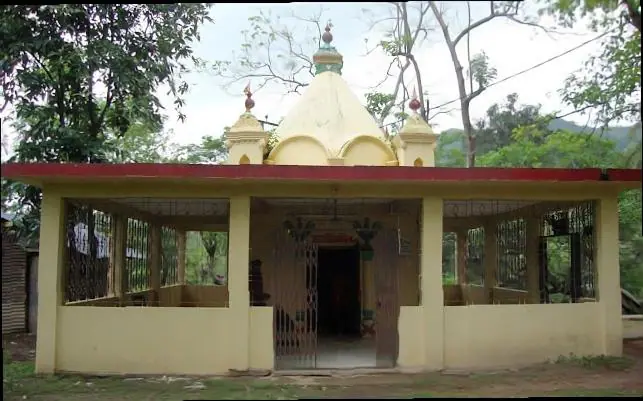
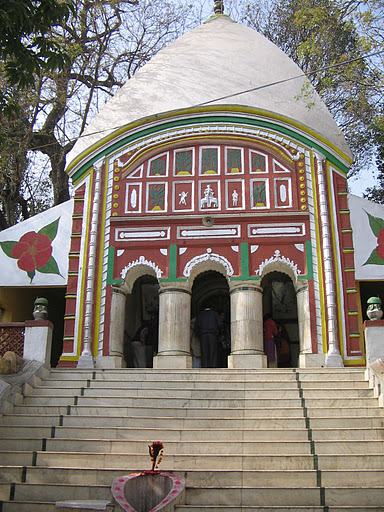
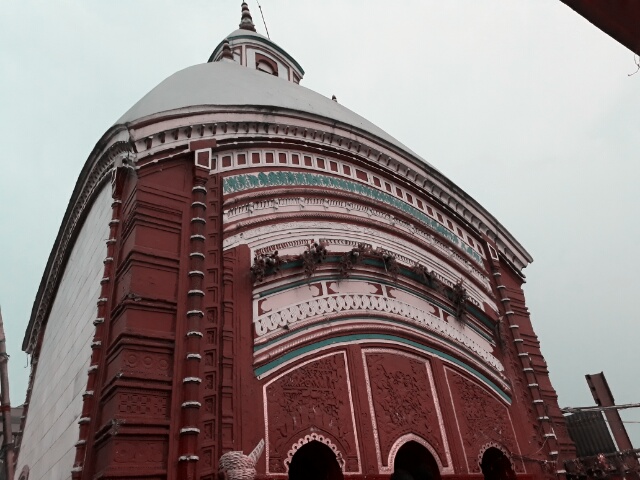
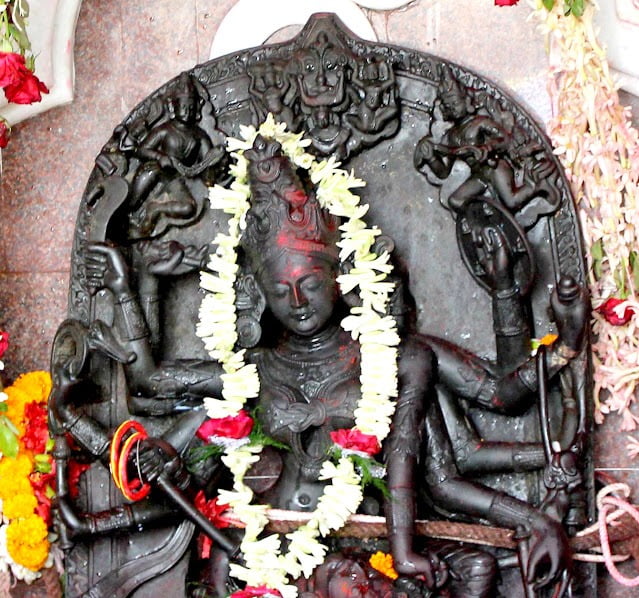
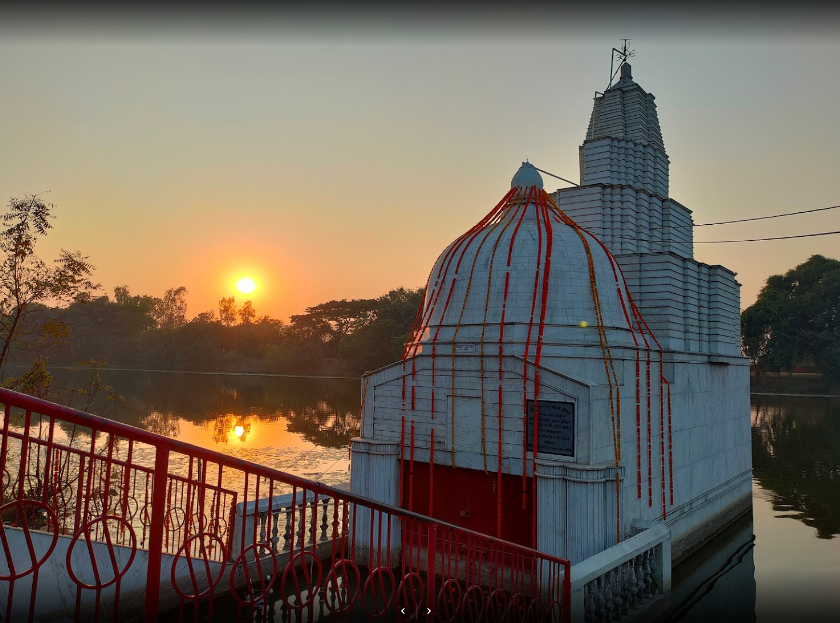
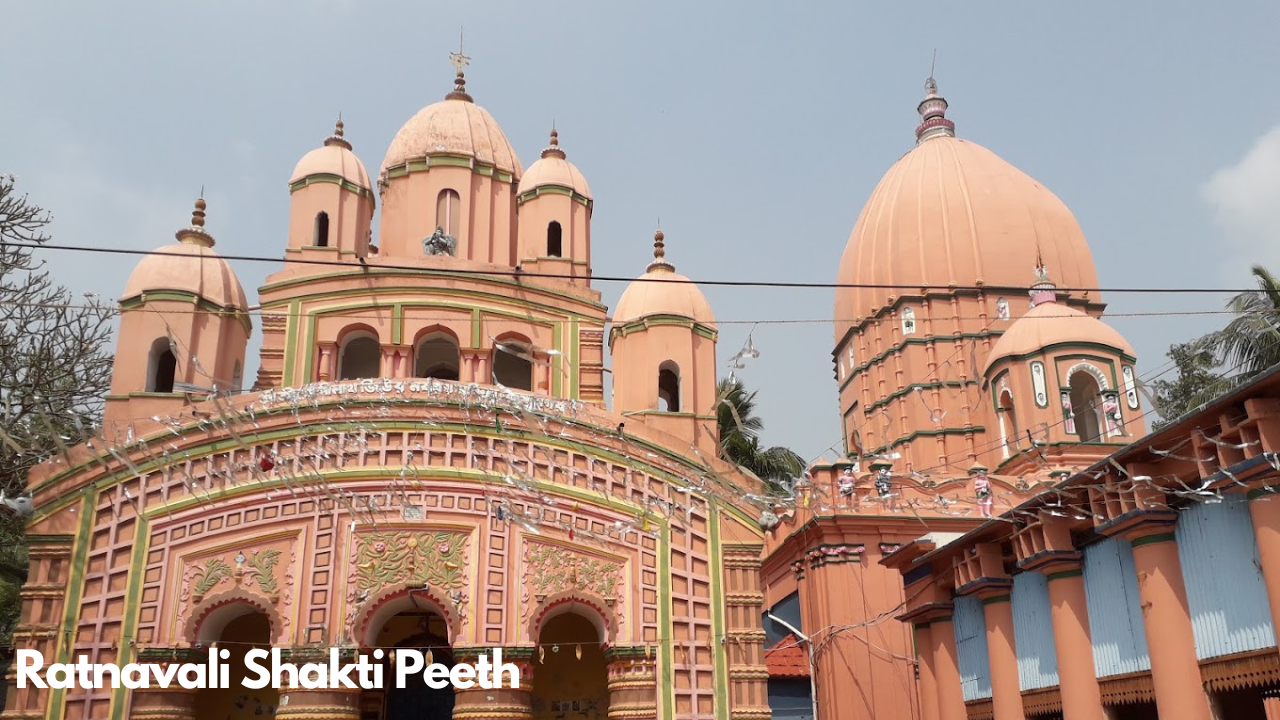
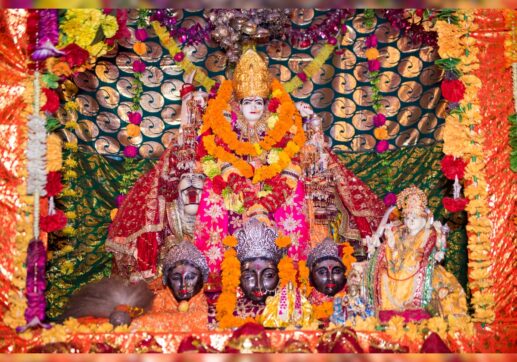
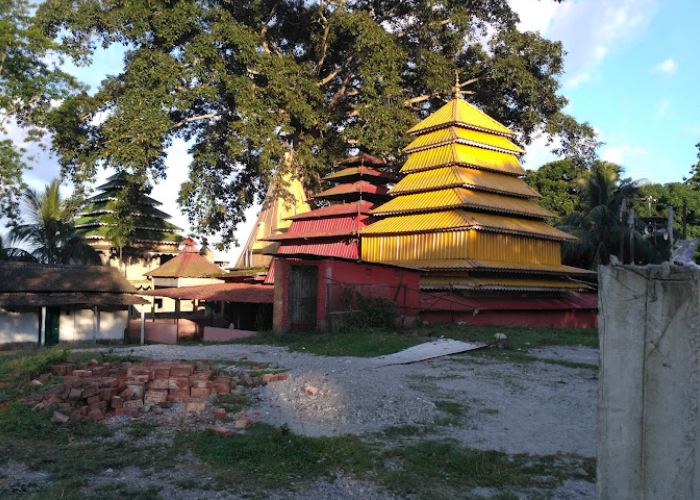
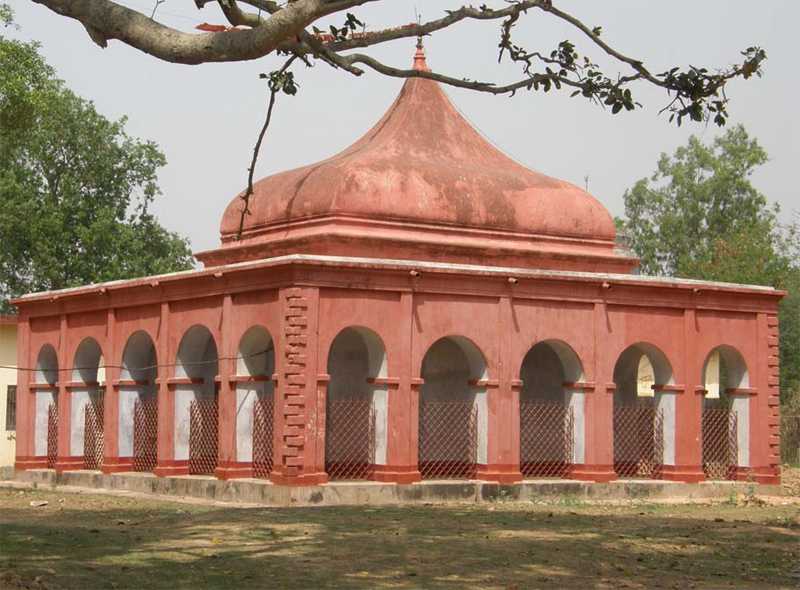
The Tripura Sundari Temple, which is located about 55 km from Agartala, near the village of Radhakishore, in the city of Udaipur is dedicated to Goddess Tripura Sundari. The goddess lends her name to the state of Tripura.

The origins of the Tripura Sundari Temple stretch back to the late 15th century. According to historical records, the temple was founded by Maharaja Dhanya Manikya, who ruled over Tripura in the closing years of the 15th century. The king had a divine vision in which Goddess Tripura Sundari instructed him to initiate her worship on the hilltop near the town of Udaipur, the then capital of the kingdom. The temple came into being around the year 1501 CE, making it over 500 years old.

Interestingly, the king initially found that a temple dedicated to Lord Vishnu already existed on the hillock. This presented a dilemma, as he was unsure how to reconcile the worship of Vishnu with the installation of a Shakti idol. However, a second divine vision resolved this conflict, revealing to the king that Vishnu and Shakti were different forms of the same Supreme Deity or Brahman. This resolution exemplifies the syncretic nature of Hinduism, bridging the gap between Vaishnava and Shakta traditions.

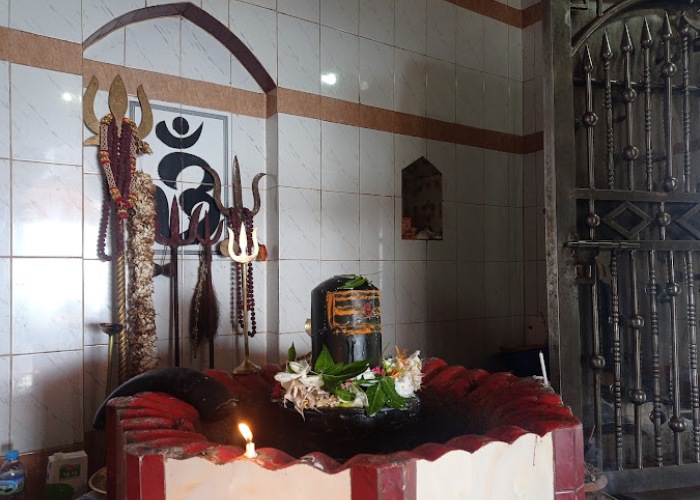
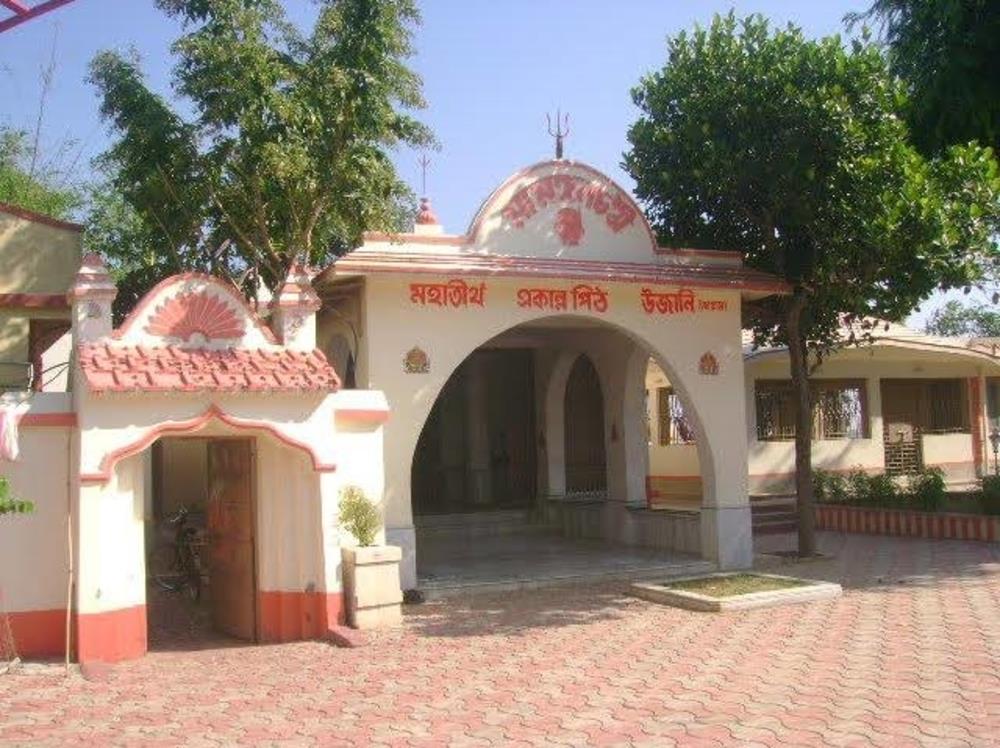
According to tradition, it is believed that a part of the right foot or the Dakshin Charan of Sati, including the big toe, fell at this sacred spot. At the Tripura Sundari Temple, the goddess is worshipped as Tripurasundari, also known locally as Devi Tripureshwari. She is considered the third mahavidya and a main form of Parvati. The accompanying Bhairava, the fierce manifestation of Lord Shiva who is present at each Shakti Peetha, is known here as Tripuresh.

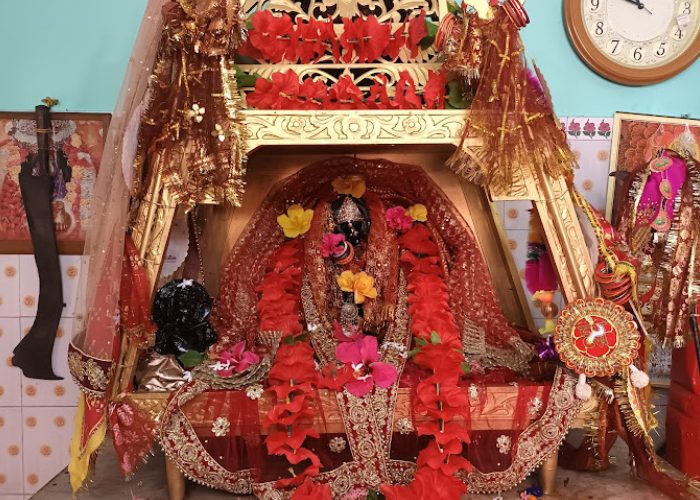
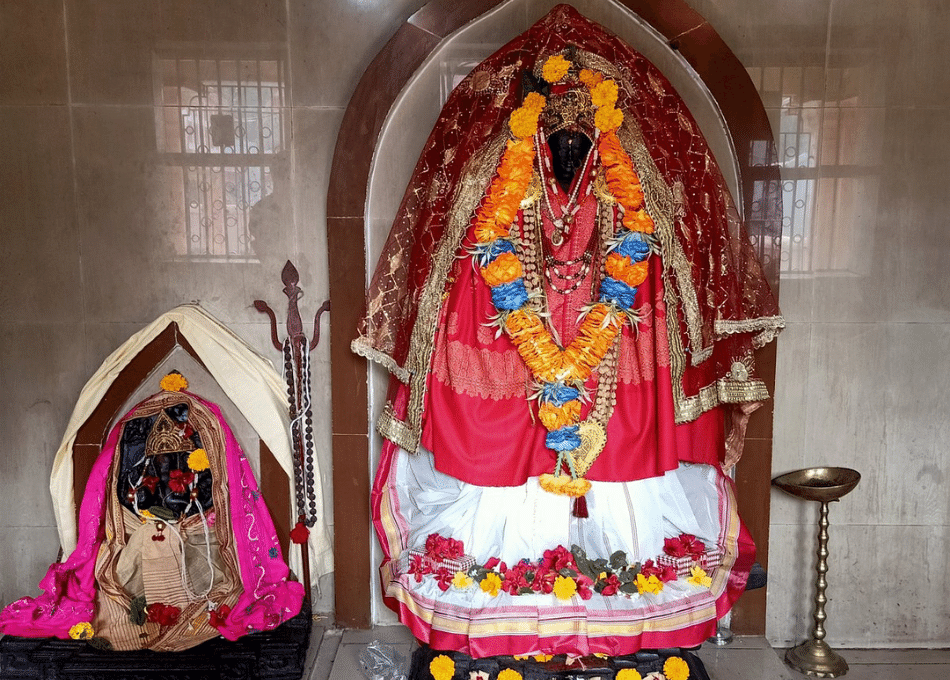
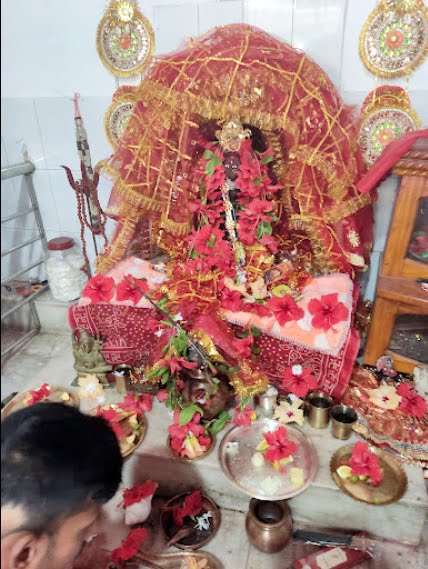
The main shrine houses two similar but different-sized black stone idols of the Goddess. The larger and more prominent idol, standing at 5 feet in height, represents Goddess Tripura Sundari. The smaller idol, affectionately called Chhoto-Ma or Little Mother, is 2 feet tall and represents Goddess Chandi.

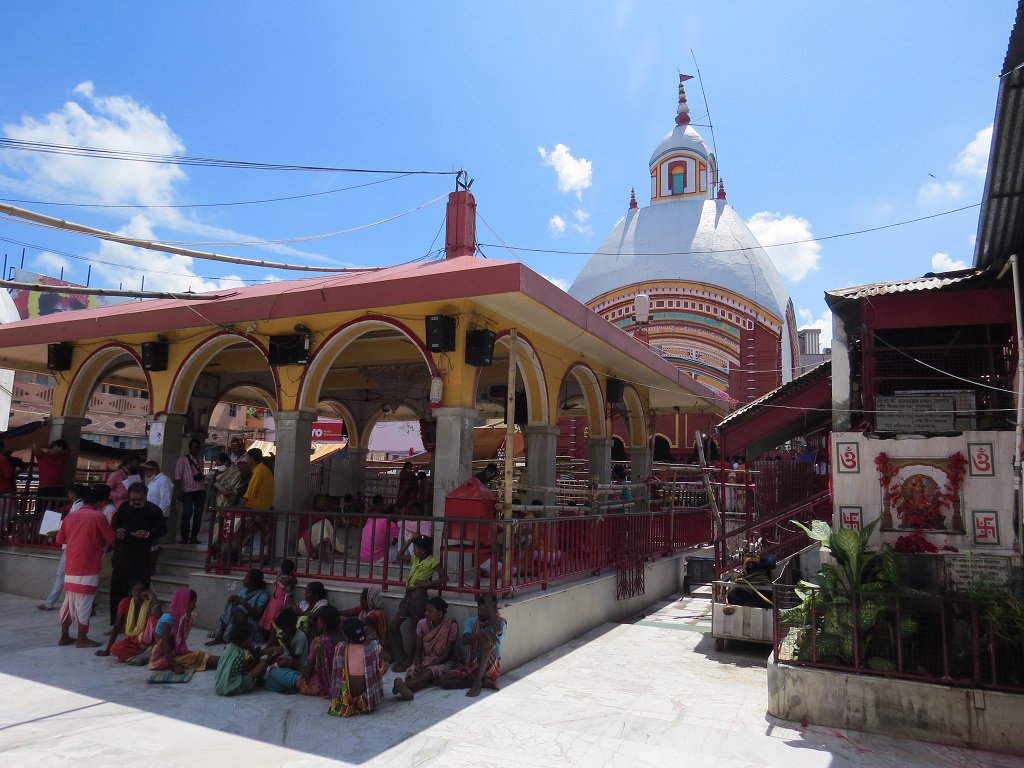
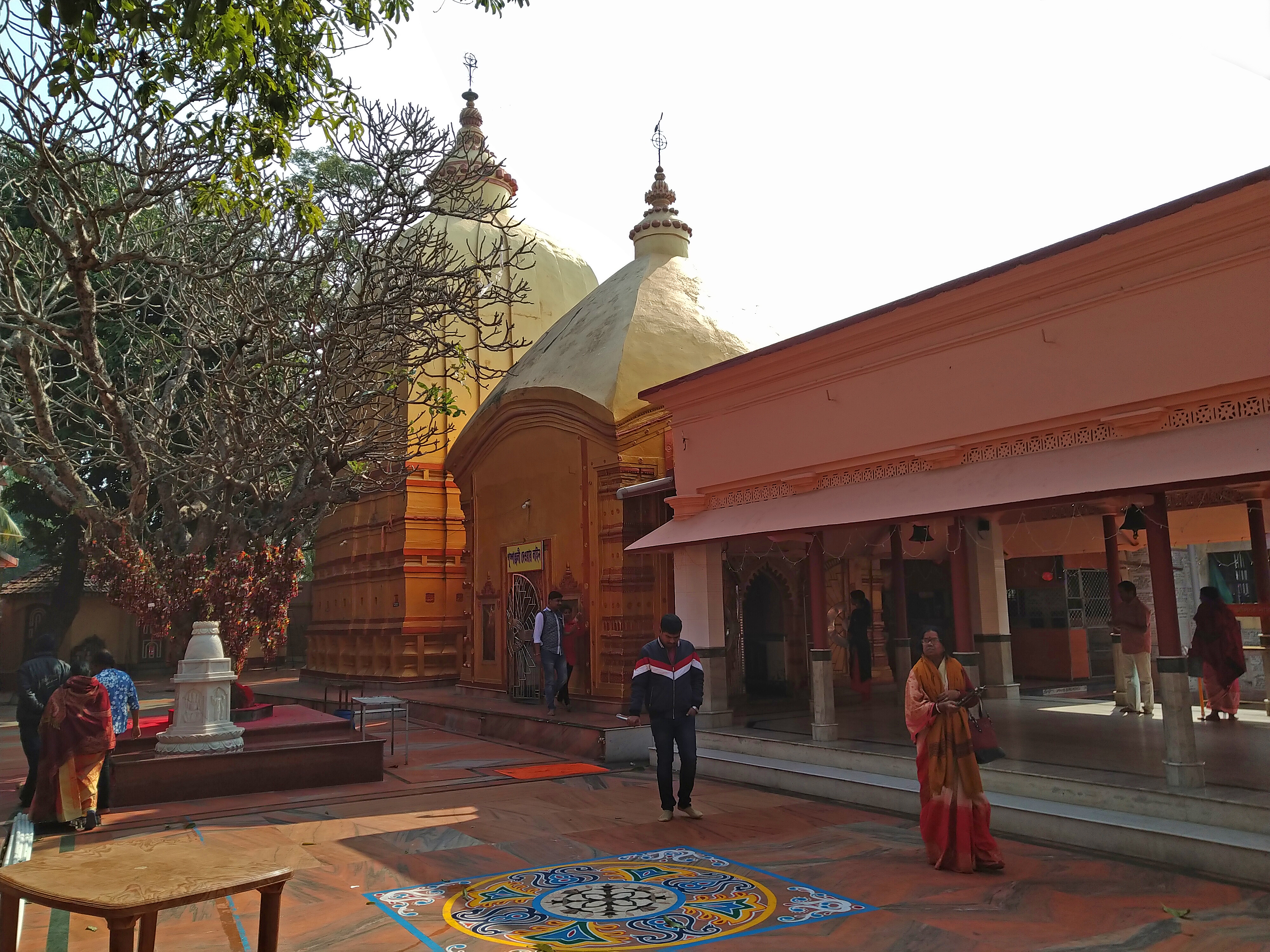
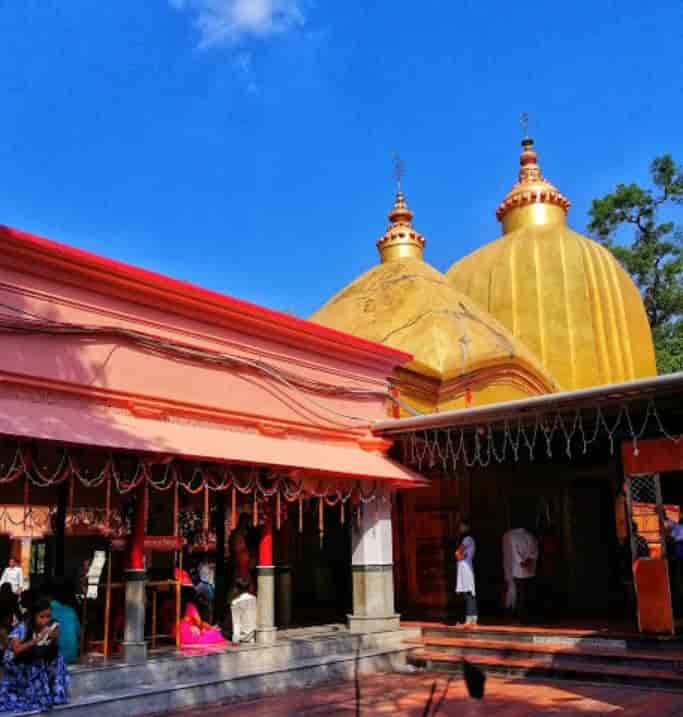
The temple is set upon a small hillock that resembles the hump of a tortoise or Kurma. This shape, called Kurmaprsthakrti, is considered the holiest possible site for a Shakti temple. The main shrine is a cubical edifice with a three-tier roof and a finial, constructed in the Bengali Ek-ratna style. The smaller idol of Goddess Chandi was said to have been carried by the kings of Tripura to the battlefield as well as on hunting expeditions, linking the temple to the royal history of Tripura. On the eastern side of the temple lies the famous Kalyan Sagar lake, home to fishes and tortoises of enormous size. Devotees feed these creatures with puffed rice and biscuits, and fishing is strictly prohibited in this sacred water body.

The temple remains open from 6 am to 10 pm. The day begins with a morning aarti, setting the spiritual tone for the day. A special puja is performed at midday, marking the sun’s zenith. The day’s worship concludes with an evening aarti. A unique aspect of the temple is the Panchamrit Abhishekam, a sacred bath of the deity with five different nectars.

Every year on Diwali, a famous Mela or fair takes place near the temple, attracting more than 200,000 pilgrims. Navaratri is celebrated with great fervour with mantras recited daily by learned Brahmins, and women performing a havan on Ashtami, the eighth day. Durga Puja and Kali Puja are among the most celebrated at the temple, drawing large crowds of devotees. The Purnima Fair is held every full moon day, attracting pilgrims from various regions. Sindoor Utsav is a unique celebration that marks the culmination of Navaratri, where devotees smear each other with vermilion, symbolising the victory of good over evil.

The temple’s origin is linked to the divine vision of Maharaja Dhanya Manikya, who was instructed by the goddess to establish her worship at this site. The story of how the temple transitioned from a Vishnu shrine to a Shakti Peetha illustrates the fluid nature of Hindu worship and the underlying unity of different divine manifestations. The smaller idol of Goddess Chandi, carried by Tripura’s kings into battle and on hunts, speaks to the deep connection between royal power and divine protection in the region’s history. The prohibition of fishing in the Kalyan Sagar and the practice of feeding the aquatic life there reflects the Hindu principle of respect for all forms of life.

As you stand in the temple courtyard, surrounded by centuries of devotion and the echoes of ancient rituals, you can’t help but feel a connection to the spiritual heritage that has shaped this land. The Tripura Sundari Temple, with its blend of myth, history, and living faith, continues to be a powerful force in Tripura, inviting all who visit to partake in its timeless spiritual journey.

Sacred Stones, Spaces and Stories: Shakthipeeta Part 13

Bhagavathy Temple, Kanyakumari, Tamil Nadu
Nestled at the southernmost tip of mainland India, the Bhagavathy Amman Temple in Kanyakumari is dedicated to Goddess Kanya Kumari. Historical records and legends suggest that the temple’s roots may reach back to the early Sangam period between 300 BC and 300 CE.

The temple is believed to be over 3000 years old, with its original sanctum possibly dating back to this era. Over the centuries, the temple has undergone numerous renovations and expansions by various ruling dynasties. The Pandyas are credited with the initial construction, while subsequent contributions and enhancements were made by the Cholas, the Vijayanagara Empire, and the Travancore royalty. Sage Parashurama, the sixth avatar of Lord Vishnu, is said to have performed the consecration of the temple and installed the main idol of Devi Bhagavathy. This blue stone image, facing east, is believed to have been consecrated by the sage himself.

According to tradition, it is believed that the right shoulder and the area around the spine of Goddess Sati here. The Shakti Peetha here is known as Sarvani, and the temple is often referred to as the Sarvani Shaktipeeth. The presence of Kundalini Shakti in the region is attributed to the falling of these parts of Sati’s body. At the Bhagavathy Amman Temple, the goddess is worshipped as Devi Kanya Kumari, an incarnation of Parvati, the divine consort of Shiva. The name Kanyakumari itself is significant, with Kanya meaning Virgin and Kumari meaning Girl. The Bhairava, the fierce manifestation of Lord Shiva who accompanies the goddess at each Shakti Peetha, is known here as Nimish.

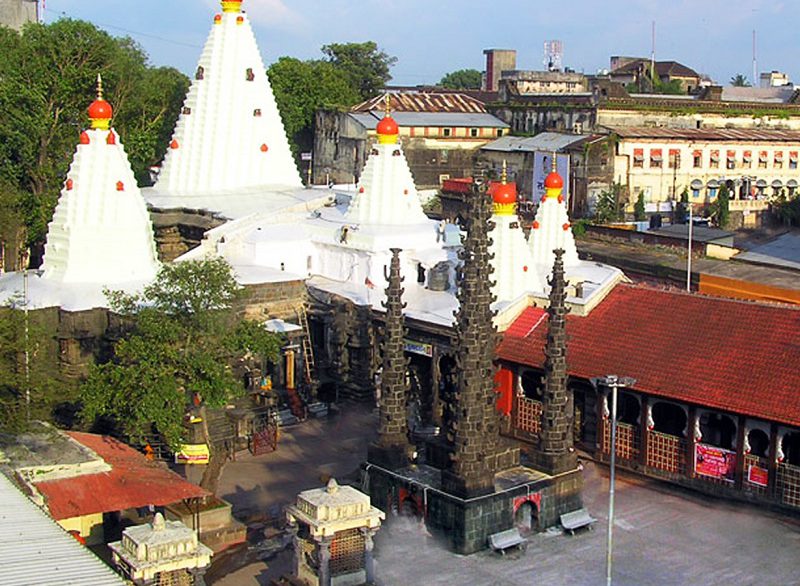
The temple showcases the magnificent Dravidian style of architecture, characterised by its impressive gopuram or gateway tower, intricate carvings, and grand mandapams or pillared halls. Situated at the confluence of three great water bodies: the Indian Ocean, Arabian Sea, and the Bay of Bengal, the temple offers a unique spiritual and geographical setting. Perhaps the most famous feature of the temple is the diamond nose ring worn by the goddess. This nose ring is believed to be so dazzling that it once caused a merchant ship to crash on nearby rocks, mistaking its sparkle for a lighthouse beacon.

Due to the incident with the nose ring, the eastern door of the temple is kept permanently closed, only to be opened on special occasions like Chitra Pournami. The temple complex houses several other shrines dedicated to various deities including Lord Surya Deva, Lord Ganesha, Lord Ayyappa, Goddess Bala Sundari, and Goddess Vijaya Sundari. An ancient well within the temple premises is believed to be connected to its Shakti Peetha status.

Every day, sacred texts are read from 8 to 9:30 am, organised by the temple trust. Women gather daily in the afternoon to sing devotional songs. Every evening, there is a recitation of the Devi Purana, followed by storytelling and kirtana. Puja is performed in the morning, with aarti conducted both in the morning and evening.

Navratri is celebrated with great fervour. Daily mantras are recited by learned Brahmins, and women perform havan on Ashtami, the eighth day. The Vaisakha Festival is a significant celebration at the temple. On Chitra Pournami, the eastern door of the temple is opened, a rare occurrence. The best time to visit the temple is believed to be during the Brahma Muhurta, from 4:30 to 5:30 am.

According to Hindu mythology, the demon Banasura gained a blessing that he could only be killed by a virgin girl. To eliminate this threat, Goddess Parasakthi took the form of Kumari, a virgin girl. The goddess eventually defeated Banasura. Saint Narada and Lord Parasurama then requested the goddess to exist on earth until the end of Kaliyuga, which she accepted. Another popular legend tells of how Goddess Kanya Kumari was set to marry Lord Shiva. However, on the wedding day, as Lord Shiva was on his way from Suchindram, Narada assumed the form of a rooster and crowed prematurely. Hearing this, Shiva believed he had missed the auspicious hour and returned, leaving Kanya Kumari unwed. It is said that when the devastating tsunami struck the region in 2004, the Bhagavathy Amman Temple was one of the few structures that escaped destruction, believed to be due to the divine protection of the goddess.

The Bhagavathy Amman Temple is a living link to India’s rich spiritual traditions, inviting all who visit to experience the divine presence of the Mother Goddess in her manifestation as Kanya Kumari.

Shuchi Temple, Suchindrum, Tamil Nadu
Nestled in the southernmost district of Kanyakumari in Tamil Nadu, the Shuchi Temple in Suchindrum is dedicated to the trinity of Shiva, Vishnu, and Brahma. The exact date of the temple’s establishment remains uncertain, but historical records and legends suggest that the temple’s roots may reach back over 3000 years. The temple is said to have been built by Parashurama, the sixth avatar of Lord Vishnu.

Over the centuries, the temple has undergone numerous renovations and expansions by various ruling dynasties. The earliest lithic records of Suchindram belong to the 9th century. The present masonry structure was built during the Chola dynasty in the 9th century, while later expansions are attributed to Thirumalai Nayak and the Travancore Maharajas. The temple’s construction took place over an extended period of at least six hundred years, with parts of the temple dating back to the late 8th century, while others are from the 15th century. Until Kanyakumari became part of Tamil Nadu, the Suchindram Temple was under the administration of the Travancore Kings.

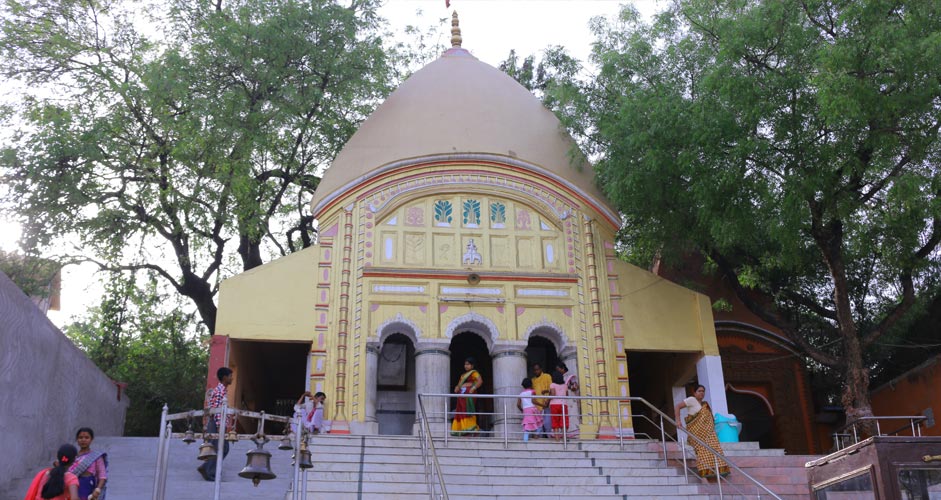
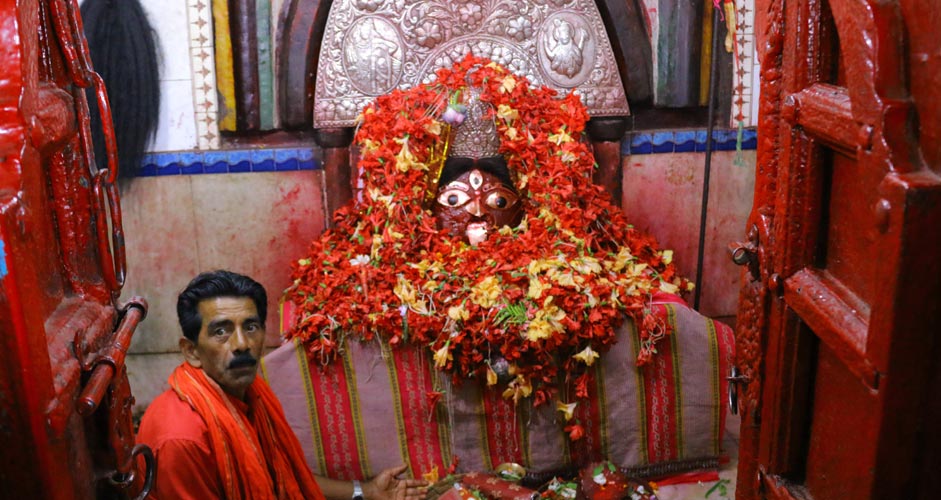
According to tradition, it is believed that the upper teeth of Goddess Sati fell here. The Shakti Peetha here is known as Shuchi, and the goddess is worshipped as Maa Narayani, wife of Narayan. Suchindrum is the location where Lord Indra achieved Suchi or purification. At the Shuchi Temple, Lord Shiva is worshipped as Sangharor Samhara or the destroyer. The Bhairava, the fierce manifestation of Lord Shiva who accompanies the goddess at each Shakti Peetha, is known here as Samhara Bhairava. He is present in a nearby village, and in Suchindram, he is locally called Sthanu Shiva.

What makes this temple truly unique is the presence of Sri Sthanumalayan, a representation of the combined forces of Shiva, Vishnu, and Brahma. The name Sthanumalayan is derived from Thanu representing Lord Shiva, Mal representing Lord Vishnu, and Ayan representing Lord Brahma. This unified representation is rare in Hindu temples and makes the Shuchi Temple particularly special.

The temple showcases the magnificent Dravidian style of architecture, characterised by its impressive gopuram or gateway tower, intricate carvings, and grand mandapams. The Thousand Pillared Hall is a magnificent hall featuring precisely carved pillars, each telling different stories through their sculptures. The hall serves as an excellent example of Dravidian architecture and artistic excellence. The temple is famous for its musical pillars, a unique architectural feature. There is a huge beautiful idol of Nandi the bull made from a single stone in front of the temple. The temple complex houses several other shrines dedicated to various deities including Lord Surya Deva, Lord Ganesha, Lord Ayyappa, Goddess Bala Sundari, and Goddess Vijaya Sundar. The tallest is the eastern tower, with 11 stories and a height of 44 m.

The temple follows a strict schedule of six daily pujas: Ushakalam at dawn, Kalasanthi in the morning, Uchikalam at noon, Sayarakshai in the evening, Irandam Kalam at night, and Ardha Jamam at midnight. The various festivals celebrated in the temple include Margazhi Thiruvadhirai in December-January, Thai Pongal in January, Panguni Uthiram in March-April, Chithirai festival in April-May, Navaratri celebrated with twice a year, Shivaratri, Suchindram maargali festival and Rath Yatra, Avani in August, and Masi festival in March.

According to the Sthalapurana, Indra suffered a curse from sage Gowthama when he stealthily cast amorous glances at Ahalya, the wife of Gowthama. Unable to bear the mortification brought about by the curse, Indra sought immediate redemption. He came to Gnana Aranya, as this place was then called, and offered worship to Lord Shiva. Relieving Indra of his curse, Lord Shiva granted his wish that the place where he attained purification should henceforth be called Suchindrum.

Another story tells that the Trimurti: Brahma, Vishnu, and Shiva, cajoled by their divine consorts, came down to Earth to test the chastity of Anusuya, wife of sage Athri at Gnana Aranya. The Gods, for this misadventure, had to suffer a curse from the Rishipatni and undergo the purification process before they could be restored to their former glory. One of the legends of Suchindram is related to the chastity of Anasuya, wife of Sage Atri. The legend says that the trimurtis appeared in front of Anasuya as begging brahmins. When she was about to serve them, they imposed a condition that they would eat only if she served them naked. Through the power of her chastity, she converted the three Gods into babies and suckled them.

As you stand in the temple courtyard, surrounded by centuries of devotion and the echoes of ancient rituals, you can’t help but feel a connection to the spiritual heritage that has shaped this land for millennia. The Shuchi Temple, with its blend of myth, history, and living faith, continues to be a powerful force, inviting all who visit to partake in its timeless spiritual journey.