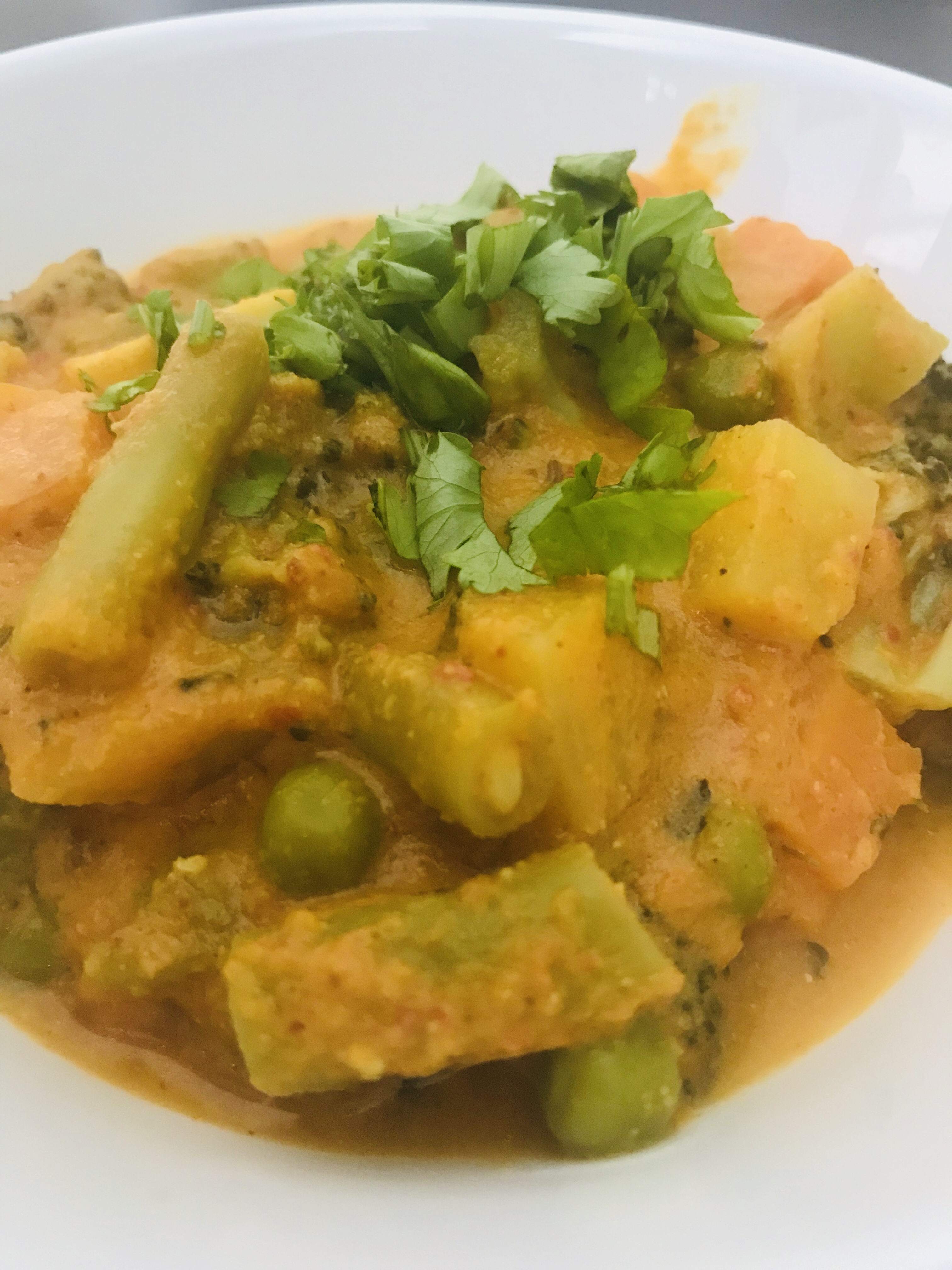
Mixed Vegetables in a Creamy Tomato Yoghurt Sauce

Last weekend, I was desperate to find something to make, but all ideas seemed to have dried up. So I started cooking, thinking inspiration will come along the way. I started making my gravy dish with zero idea of how it will turn out. This was literally my kitchen experiment. And I must say, this dish exceeded all expectations (which was fairly low to begin with, actually!). It was this mild but creamy dish which was at the same time, slightly tart with a hint of spiciness at the back of the throat. All in all, this recipe is a definte keeper. And the best part, it’s fairly easy (for an Indian dish) to put together.

Mixed Vegetables in a Creamy Tomato Yoghurt Sauce

Ingredients:

  • 2 cups mixed vegetables, chopped into small bite-sized pieces (I used broccoli, cauliflower, carrots, potatoes and green peas, but you could play around with what you have in the fridge)
  • 1/2 cup paneer, chopped to same size as the vegetables
  • 2 medium sized onions
  • 2 medium sized tomatoes
  • 1 tsp white sesame seeds
  • 1/2 tsp carom seeds
  • 1 tsp fennel seeds
  • 1 tbsp kasuri methi
  • 10 pieces of cashewnuts
  • 5-6 fresh red chillies
  • 1.5 inch piece of ginger, peeled and chopped
  • 1 bulb garlic, peeled
  • 1/2 cup plain yoghurt
  • 1 tsp cumin seeds
  • 1/4 tsp turmeric powder
  • 1/2 to 1 tsp garam masala powder
  • 1 tbsp oil
  • Salt to taste
  • 3 tbsp Coriander leaves, chopped to garnish

Method:

  • Heat the oil in a pan and when warm, add the cumin seeds. When the seeds pop, add the turmeric powder and stir for a couple of seconds.
  • Then add the chopped vegetables and cook covered, until almost cooked.
  • In the meantime, blend the ginger, garlic, red chillies, onions, tomatoes, cashewnuts, sesame seeds, carom seeds and fennel seeds into a smooth paste.
  • When the vegetables are almost cooked, add in the chopped paneer and stir to cover. Add salt to taste.
  • Then add the blended paste and mix well.
  • In the same blender, blend the yoghurt smoothly with water if needed and add this to the gravy.
  • Add water if needed to thin the gravy to the consistency you want.
  • Add the garam masala powder and stir well.
  • Crush the kasuri methi in your palms and sprinkle in the gravy.
  • Let it simmer on a medium-low flame for about five minutes.
  • Garnish with coriander leaves and serve hot with rice or any Indian flatbread of your choice
  • You could also add fresh cream along with the beaten yoghurt to increase the creaminess and richness to this recipe, especially if you are planning to make this for a dinner party.

Recipes: Mixed Vegetable Korma

Korma, Kurma or Qorma has its roots in Mughlai cuisine tracing its history back to the 16th century and consists of meat or vegetables braised with yoghurt or cream, coupled with water and spices to produce a thick sauce or glaze.

Various regions in the Indian subcontinent have made it their own and though it started life as a meat dish, it has vegetarian versions also, one of which I made a few days back for our Sunday lunch.

My recipe is a simplified version and is fairly easy to make. It took me around 45 minutes from start to finish to make this dish.

Mixed Vegetable Korma

Ingredients:

  • 2 cups mixed vegetables (I used a combination of carrots, potatoes, broccoli and peas. You can also add cauliflower, spinach and cabbage)
  • 1 cup frozen paneer, soaked in hot water for 30-40 minutes
  • 2 medium-sized onions
  • 2 medium-sized tomatoes
  • 4-6 almonds
  • 4-6 fresh red chillies (you can use green chillies if you don’t have red chillies)
  • 1 pod of garlic (10-12 cloves)
  • 1-inch piece of ginger
  • 1 tsp of red chilli powder
  • 1 tsp cumin powder
  • 1 tsp coriander powder
  • 1 tsp Kasuri methi
  • 1/2 tsp turmeric powder
  • 1-2 tsp garam masala powder
  • 1 tsp cumin seeds
  • 1/2 to 3/4 cup thick beaten yoghurt
  • 2 tbsp oil
  • Salt to taste

Method:

  • Heat 1 tbsp oil in a pan and when the oil warms, add in the chopped vegetables plus 1/4 tsp turmeric powder and cook until it is 80% cooked. When cooked, remove from the pan and keep aside.
  • In a blender, blend to a fine paste the onions, tomatoes, ginger, garlic, red chillies and almonds and keep aside.
  • In the same pan you used to cook the vegetables, heat the remaining oil and when the oil is warm, add the cumin seeds. When the seeds pop, pour in the blended tomato paste and let it cook. When the paste starts to bubble, add the dry spices – red chilli powder, turmeric powder, cumin powder, coriander powder and salt and let it cook till the paste starts to reduce and oil starts to come out from the sides.
  • At this point add the semi-cooked vegetables and stir well. Let it come to a rolling boil. You can add some water, but be careful not to water down the gravy too much.
  • Reduce the flame to a low medium and pour in the beaten yoghurt. The yoghurt should be very smooth otherwise it may curdle. The presence of the masalas and the ginger garlic paste does not allow it to curdle, but keep stirring on a low flame so that it is not allowed to curdle.
  • Chop the paneer (optional) and add to the gravy. I prefer to chop the paneer to the same size as that of my vegetables, but you can choose to keep it as you brought it.
  • Check for seasoning and crush the Kasuri methi in the palms of your hands and season the gravy with it.
  • Serve hot garnished with coriander leaves.
  • This goes very well with Indian flatbreads or rice. I served it with a simple jeera rice.

Recipes: Chana Dal

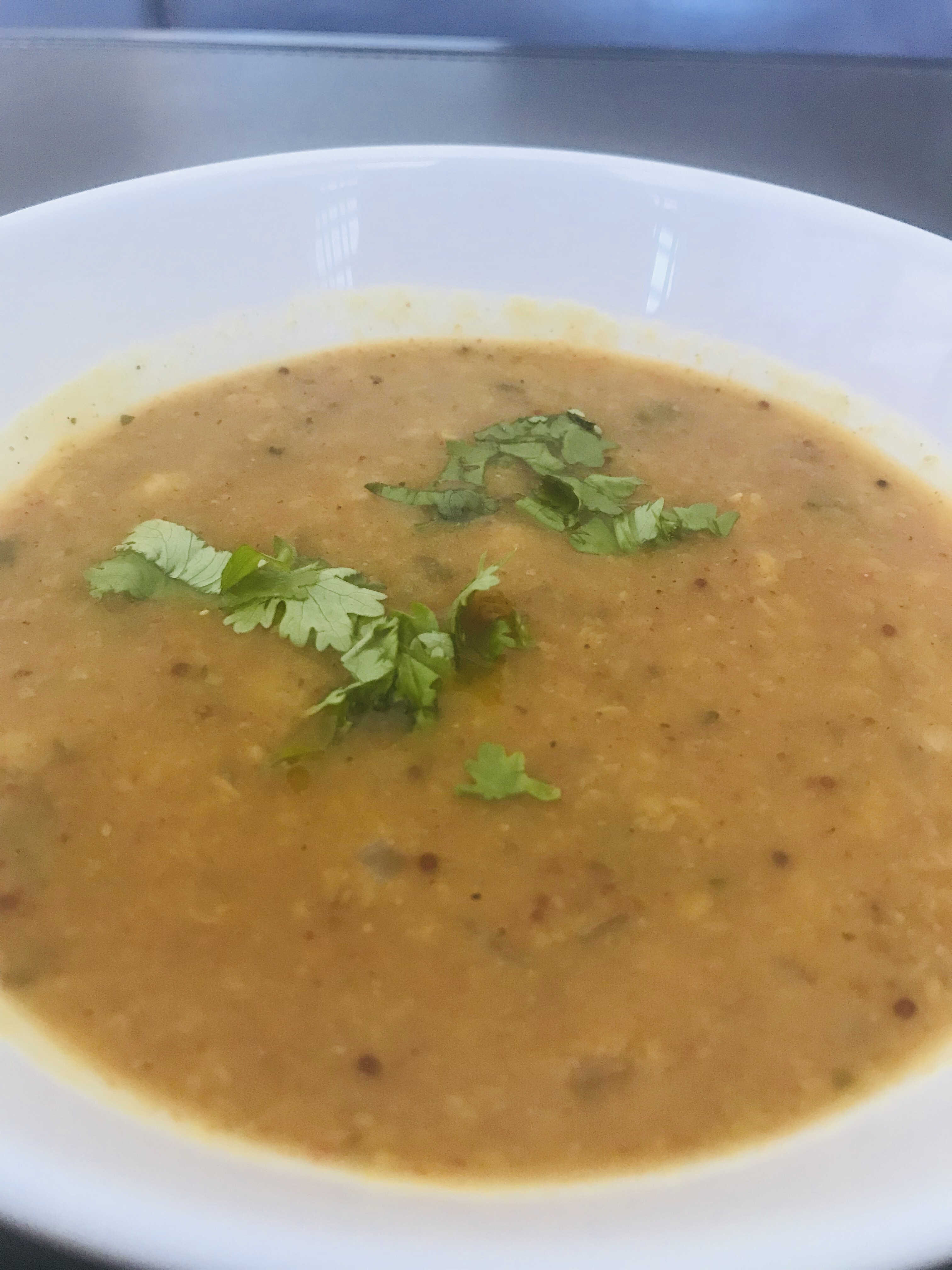
Chana Dal or Split Chickpeas is a dried legume or pulse which is widely used in the Indian subcontinent. A typical dal will be cooked until mushy (usually in a pressure cooker, but also sometimes on the stovetop) and then tempered according to taste. This is a staple in most meals as legumes are said to be full of protein.

In a 100-gram amount, boiled and cooked dal contains 9% protein, 70% water, 20% carbohydrates (which includes 8% fibre), and 1% fat. Cooked dal (per 100 g) also supplies a rich content (20% or more of the Daily Value, DV) of the B vitamin, folate (45% DV) and manganese (25% DV), with moderate amounts of thiamine (11% DV) and several dietary minerals, such as iron (19% DV) and phosphorus (18% DV).

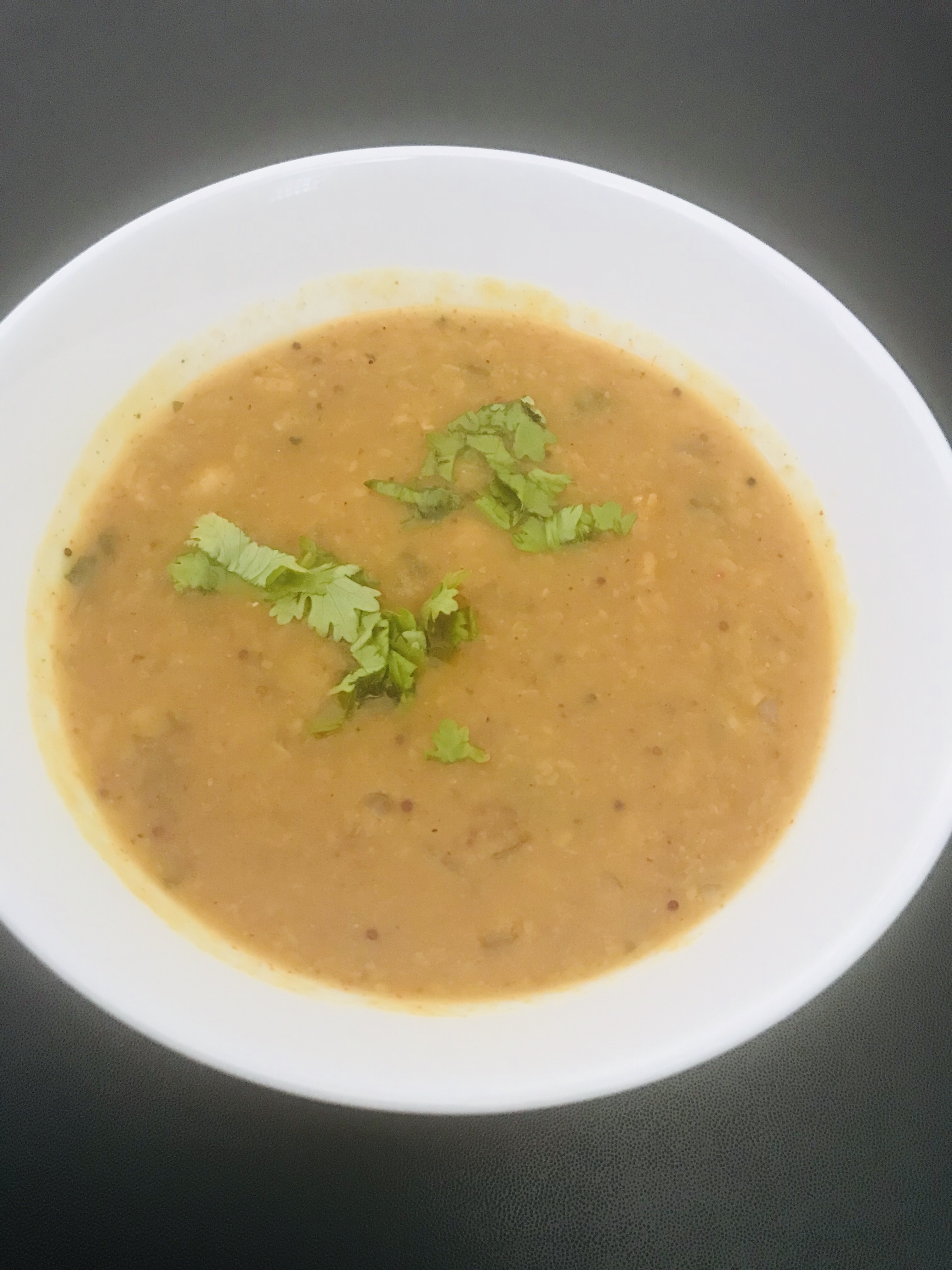
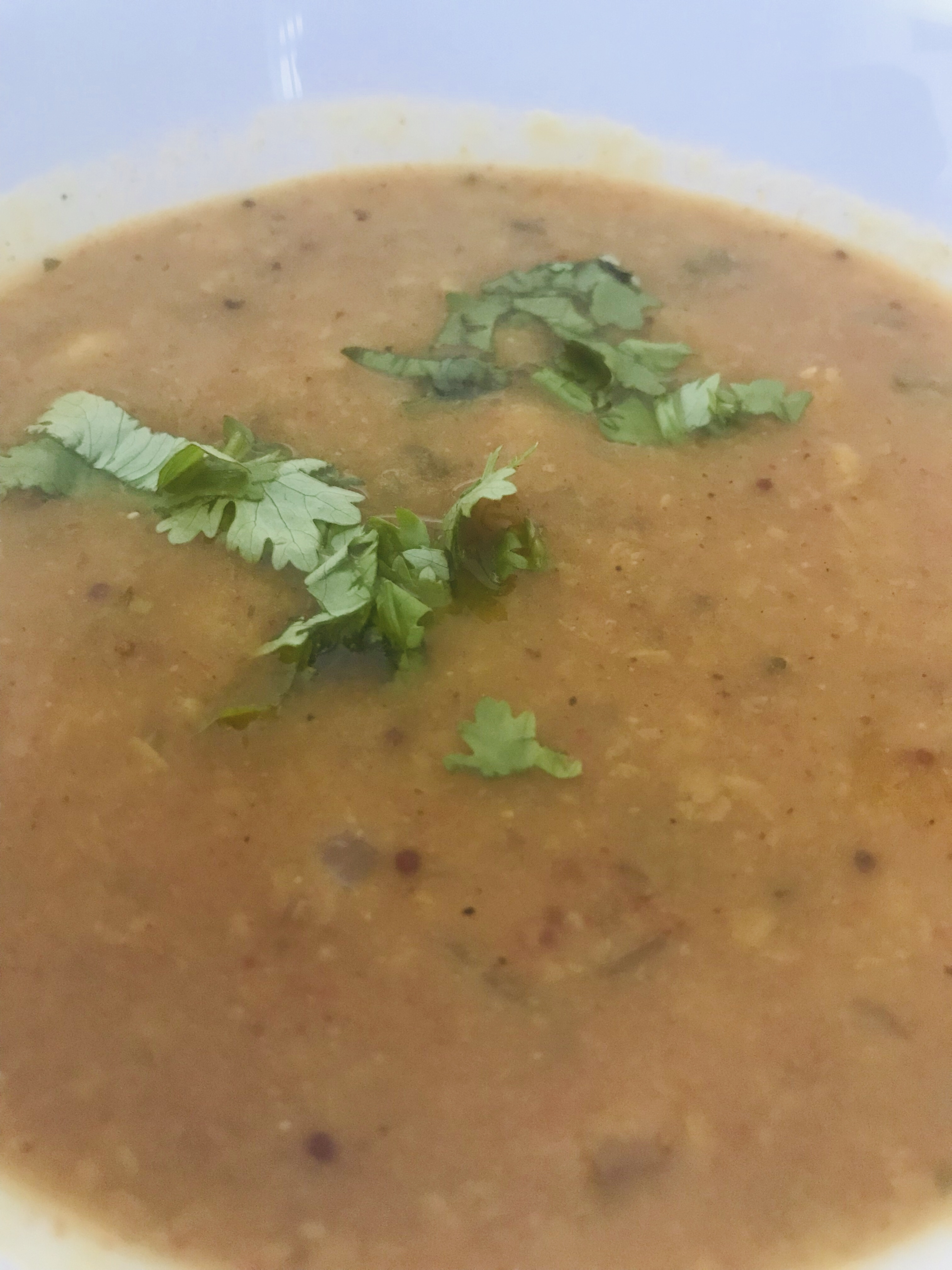
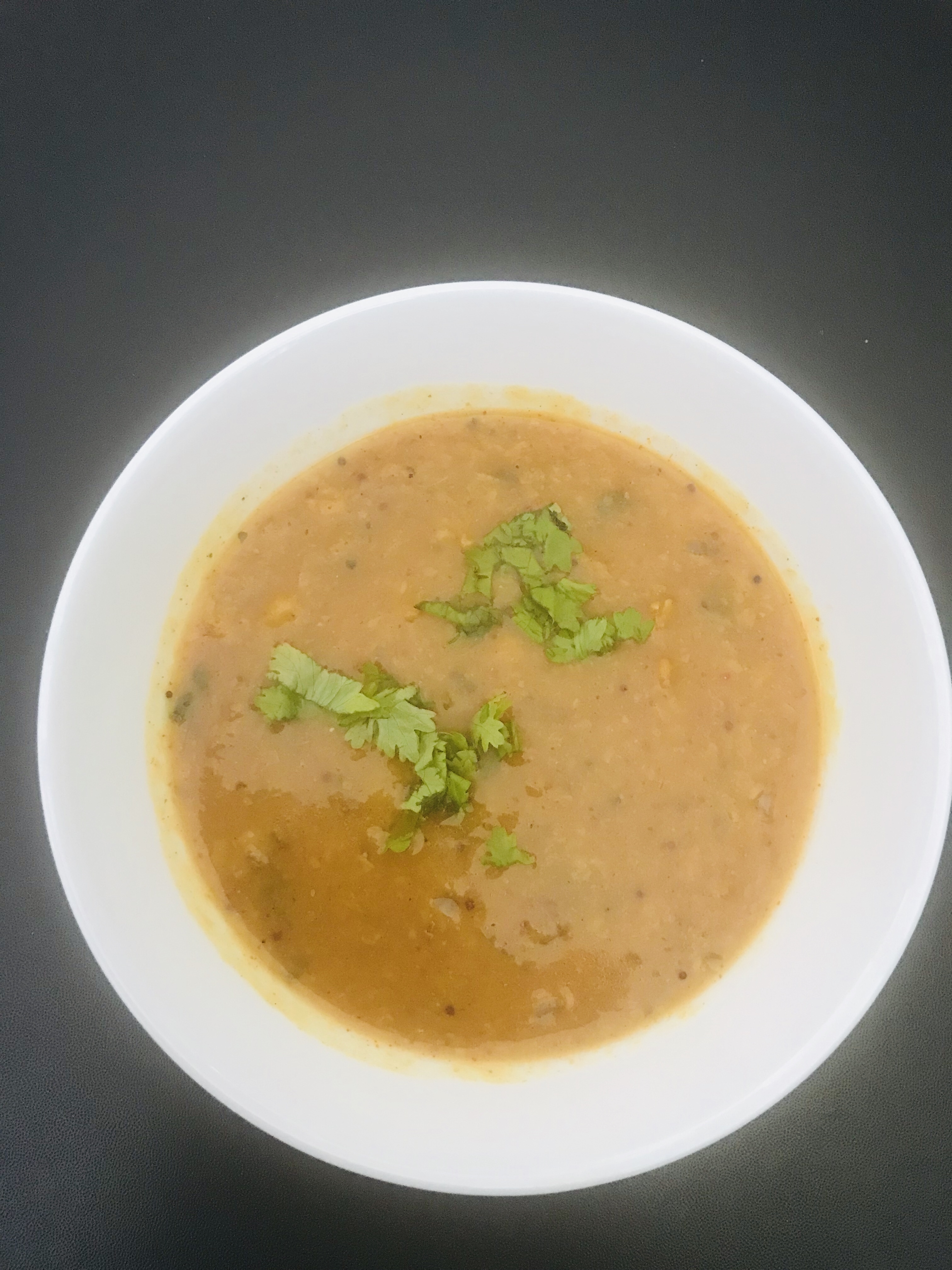
I have earlier posted a recipe for a simple chana dal, so here’s another version of this dal which I made over the weekend for a simple lunch. This is a bit more work than the previous recipe, but is super worth it!

Chana Dal

Ingredients:

  • 1 cup chana dal or split chickpeas, soaked in warm water for 30 minutes
  • 1 large (or 2 medium-sized) onions, finely chopped
  • 2 medium-sized tomatoes
  • 6-8 pods of garlic
  • 1-inch piece of ginger
  • 2-3 fresh red or green chillies
  • 1/2 tsp mustard seeds
  • 1/2 tsp cumin seeds
  • 3-4 curry leaves
  • 1 tsp turmeric powder
  • 1 tsp red chilli powder
  • 1 tsp coriander powder
  • 1 tsp cumin powder
  • 1/4 tsp asafoetida powder
  • 1/2 tsp garam masala powder
  • 1 tbsp ghee or oil
  • 1 tsp lemon juice
  • 1 tsp Kasuri methi
  • Salt to taste
  • Coriander leaves to garnish

Method:

  • Pressure cook the chana dal with 1/2 tsp turmeric powder till it is mushy and keep aside. If using a stovetop to cook the dal, stir till the dal is mushy and keep adding water as required. Keep aside.
  • In a blender, blend together the tomatoes, garlic, ginger and chillies to a fine paste and keep aside.
  • Heat the oil or ghee in a pan and when warm, add in the mustard seeds. When they pop, add the cumin seeds and stir for a couple of seconds. Then add the curry leaves and stir well.
  • Add the onions and cook until the onions become translucent.
  • Then add the blended tomato paste and stir well. To this mixture add the balance spices – turmeric powder, red chilli powder, cumin powder, coriander powder, asafoetida powder, garam masala powder and salt and stir well till the oil starts leaving the sides of the pan.
  • At this point, pour in the cooked chana dal and adjust your seasoning if needed. Let the dal come to a rolling boil and just before you switch off the gas, crush the Kasuri methi leaves in the palms of your hands and stir.
  • Before serving, drizzle the lemon juice and serve garnished with coriander leaves.
  • Serve hot with rice or any Indian flatbread.

Recipes: Sweet Corn and Capsicum Curry

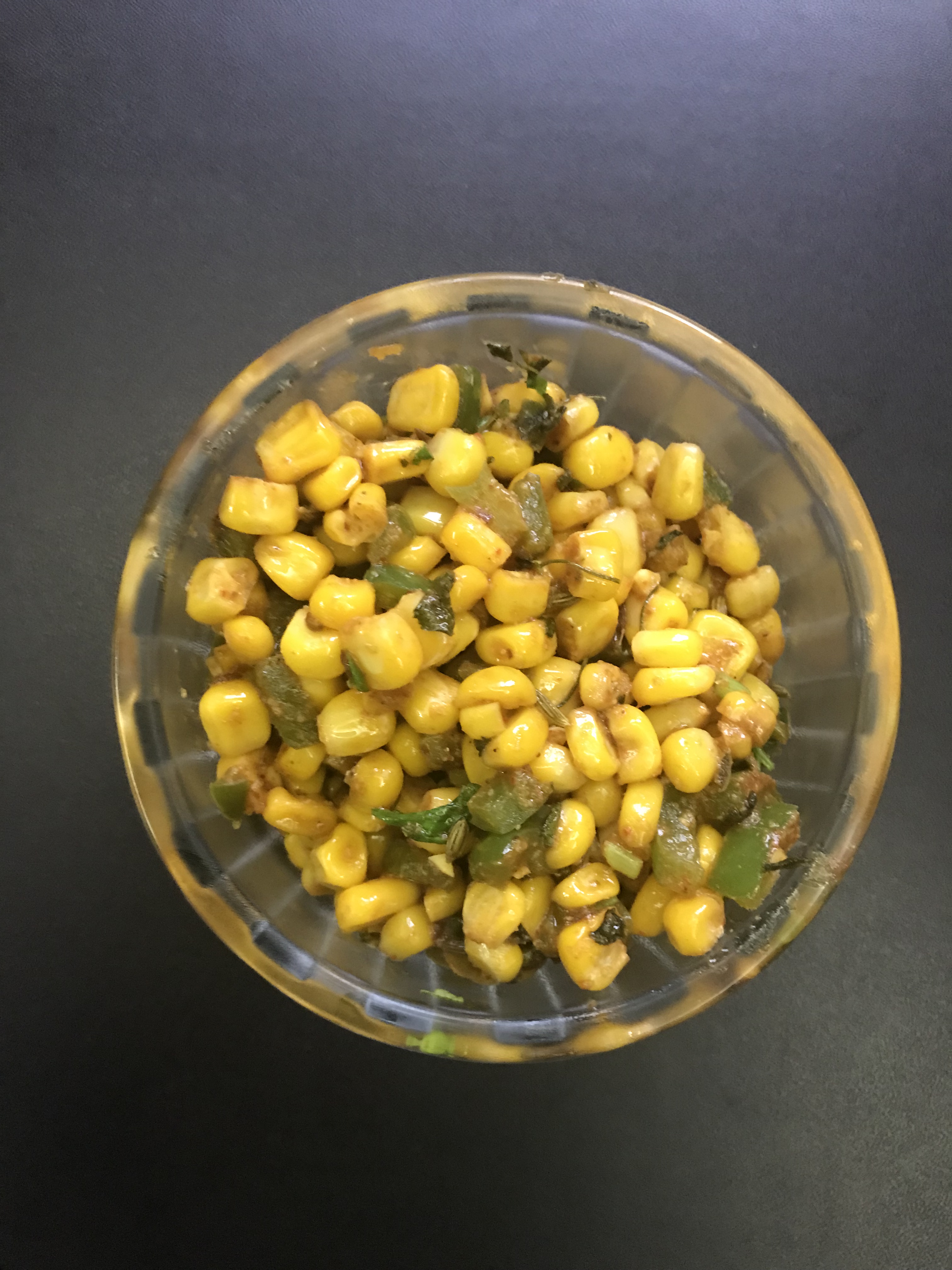
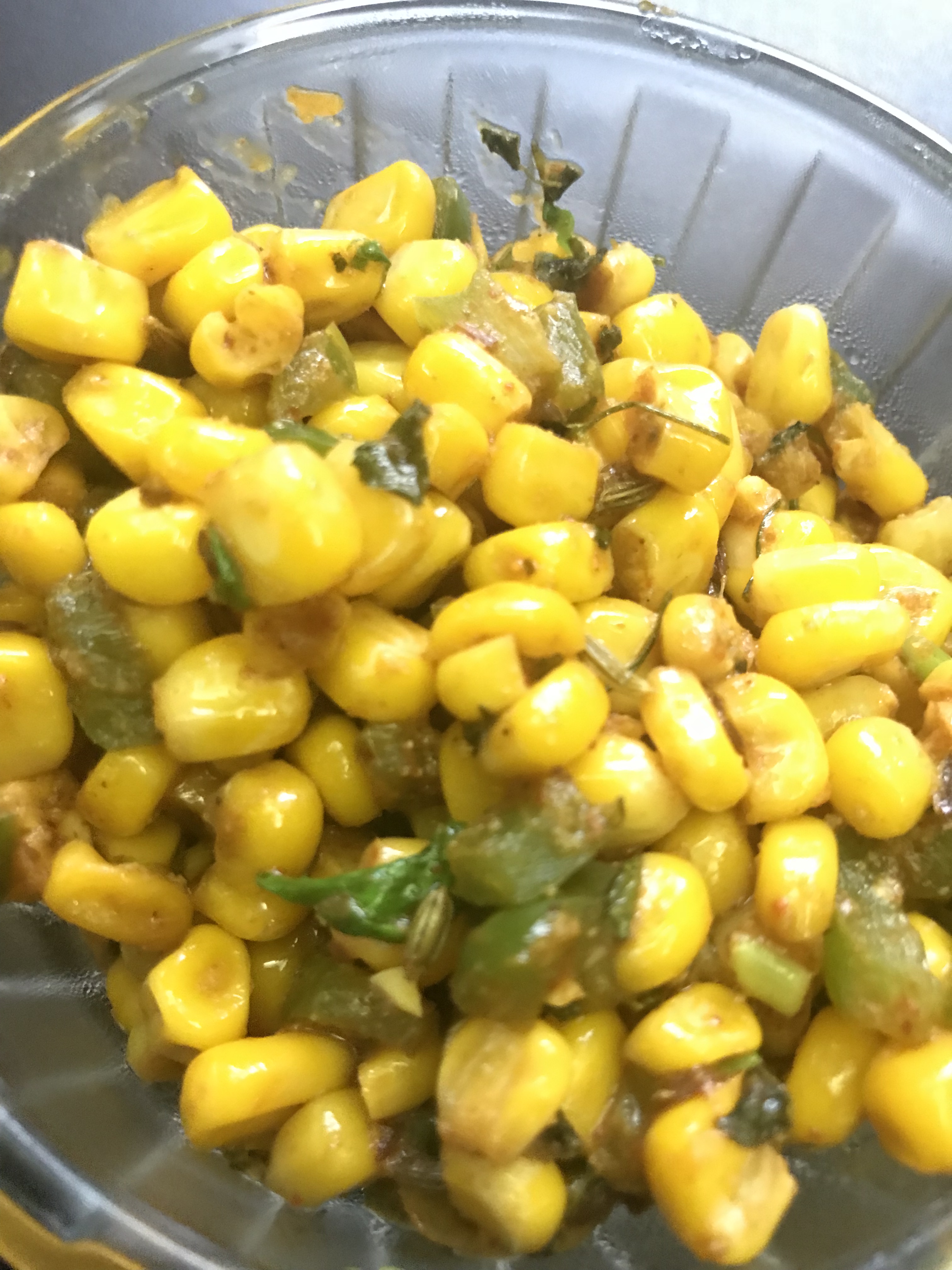
Over the weekend, I brought some frozen sweet corn without realising that I already had some at home. So earlier this week, I decided to try a dry sweet corn curry. This was really simple and took me less than 15 minutes to make, start to finish.

Sweet Corn and Capsicum Curry

Ingredients:

  • 1 cup frozen sweet corn
  • 1 large green capsicum
  • 1 tsp cumin seeds
  • 1/2 tsp fennel seeds
  • 1 tsp red chilli powder
  • 1 tsp cumin powder
  • 1/4 tsp garam masala powder
  • 1 tsp lemon juice
  • 1 tsp dried fenugreek powder (optional)
  • 1 tbsp oil
  • Salt to taste
  • Chopped coriander leaves to garnish

Method:

  • Cook the sweet corn in the microwave until it becomes soft. Then drain the water and keep aside.
  • Chop the capsicum into small pieces and keep aside.
  • Heat oil and when it warms up, add the cumin and fennel seeds one at a time and give it a good stir.
  • Then add the chopped capsicum and stir for a few minutes till it starts to soften.
  • Then add the defrosted corn and stir for a while. Add in the spices – salt, red chilli powder and cumin powder and let the capsicum and corn, cook. When it is almost cooked, add in 1/4 tsp garam masala and let the spices mix well.
  • Crush the fenugreek leaves in the palm of your hand and sprinkle it over the corn and capsicum. Switch off the gas, add a dash of lemon juice and some coriander leaves and serve hot with rice or a flatbread.

Notes:

  • I made this version a no onion, no garlic one since Navratri is almost here.
  • You can make this with onions and ginger and garlic by adding grated or minced ginger and garlic in the initial stage when you add the cumin seeds and onions after that but before the capsicum.
  • You can also use dried mango powder or amchoor powder instead of lemon juice. If using amchoor powder, add it when you add the spices. You can also use a combination of both, but adjust depending on how sour you need the dish to be.


Most non-Indian things about me

Recently, one of my favourite websites/apps has been Quora. I keep reading stories there and one of these threads was a nice one where people wrote about what was the most non-Indian things about them. So I thought of posting something similar here, instead of in Quora.

Race/Caste: I am completely race, caste, colour and religion blind. I believe in everyone living the life they want to live.

Food: I love foods from other cultures and try to eat different foods as much as possible. I also don’t eat the food traditionally cooked by my community all the time, I need to eat different food all the time.

Speech: I am more comfortable in English than in Indian languages. In fact, I usually speak to Indians here in English and only when I am super comfortable with them, do I start using Indian languages

Punctuality: I am very punctual everywhere. If I have to be someplace at a certain time, I am usually there 10-15 minutes before the scheduled time. If in exceptional circumstances, I become late, I always call or text the person I am meeting to let them know as much in advance as possible.

Etiquette: I always thank people for whatever they do for me. This includes my parents, husband, children and in fact anyone I come across during the day.

Clothes and Jewellery: I don’t buy Indian clothes each time I go to India or even when there’s an occasion. I don’t believe in spending thousands of rupees on clothes you would wear only a couple of times; I’d rather spend money on something I would wear again and again, even if it’s slightly more expensive. It’s the same with jewellery. I don’t like wearing jewellery and don’t even wear the traditional symbols of marriage that women in my community wear.

Cricket: Zero interest in cricket or any sport for that matter. I can’t remember the last time I actually saw a match and since here you need to pay through your nose for cable television, I don’t really see the need to spend that kind of money to watch a match!

There’s probably more, but this is all I can think of right now. I may update this post when I think of more things. In the meantime, do check out Quora’s thread (the link is in the beginning of the post)