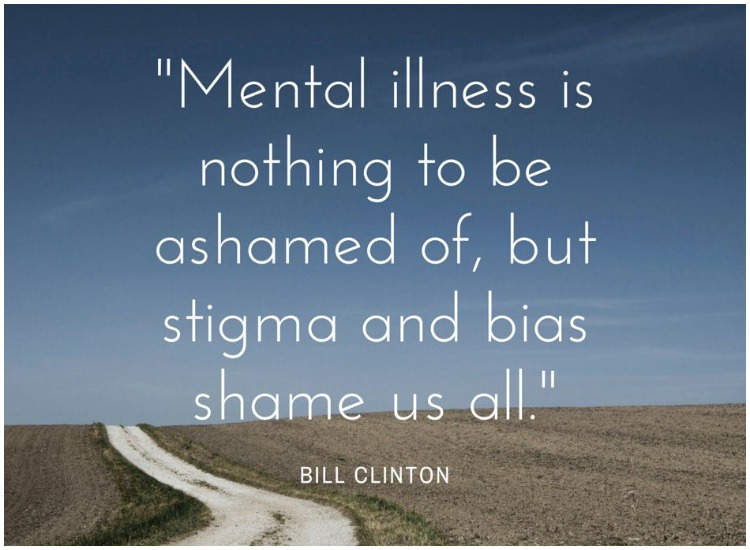
World Mental Health Day

Sunday is World Mental Health Day. In the last two years or so, we all have finally woken up to the importance of mental health and its importance in our lives. Mental health includes our emotional, psychological, and social well-being. It affects how we think, feel, and act and also helps determine how we handle stress, relate to others, and make healthy choices. Mental health is important at every stage of life, from childhood and adolescence through adulthood.

Mental and physical health are equally important components of overall health.  For example, depression increases the risk for many types of physical health problems, particularly long-lasting conditions like diabetes, heart disease, and stroke. Similarly, the presence of chronic conditions can increase the risk for mental illness. It’s important to remember that a person’s mental health can change over time, depending on many factors.  When the demands placed on a person exceed their resources and coping abilities, their mental health could be impacted.

There is no single cause for mental illness with many factors contributing to the risk for mental illness, including early adverse life experiences, like trauma or a history of abuse, experiences related to other ongoing or chronic medical conditions, biological factors or chemical imbalances in the brain, use of alcohol or drugs or having feelings of loneliness or isolation.
The World Mental Health Day celebrated on 10 October is an international day for global mental health education, awareness and advocacy against this social stigma. It was first celebrated in 1992 at the initiative of the World Federation for Mental Health, a global mental health organisation with members and contacts in more than 150 countries. On this day, each October, many awareness programmes bring attention to mental illness and its major effects on peoples’ lives worldwide with some countries having an awareness week as part of the awareness programme.

Up until 1994, the day had no specific theme other than general promoting mental health advocacy and educating the public. In 1994 World Mental Health Day was celebrated with a theme for the first time: “Improving the Quality of Mental Health Services throughout the World”. On World Mental Health Day 2018, the then UK Prime Minister Theresa May appointed UK’s first suicide prevention minister as the government hosted the first-ever global mental health summit.

The theme for the 2021 edition of the World Mental Health Day is “Mental Health in an Unequal World”. This theme was chosen because the world is increasingly polarised, with the very wealthy becoming wealthier, and the number of people living in poverty still far too high. 2020 highlighted inequalities due to race and ethnicity, sexual orientation and gender identity, and the lack of respect for human rights in many countries, including for people living with mental health conditions. Such inequalities have an impact on people’s mental health.

The theme will highlight that access to mental health services remains unequal, with between 75% to 95% of people with mental disorders in low and middle-income countries unable to access mental health services at all, and access in high-income countries is not much better. Lack of investment in mental health disproportionate to the overall health budget contributes to the mental health treatment gap.  Many people with a mental illness do not receive the treatment that they are entitled to and deserve and together with their families and carers continue to experience stigma and discrimination. The gap between the ‘haves’ and the ‘have nots’ grows ever wider and there is continuing unmet need in the care of people with a mental health problem.

Research evidence shows that there is a deficiency in the quality of care provided to people with mental health problems. It can take up to 15 years before medical, social and psychological treatments for mental illness that have been shown to work in good quality research studies are delivered to the patients that need them in everyday practice. The stigma and discrimination experienced by people who experience mental ill-health not only affects that persons physical and mental health, it also affects their educational opportunities, current and future earning and job prospects, and also affects their families and loved ones.  This inequality needs to be addressed so that people with mental health issues are fully integrated into all aspects of life. Research has shown that those with physical illness also often experience psychological distress and mental health difficulties. As an example, one can take visual impairment. Over 2.2 billion people have visual impairment worldwide, and the majority also experience anxiety and/ or depression and this is worsened for visually impaired people who experience adverse social and economic circumstances.
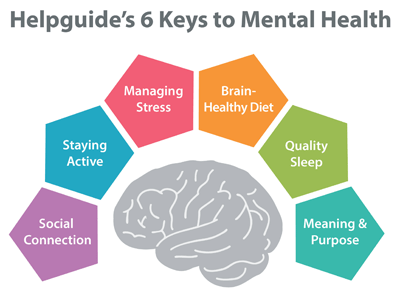
The COVID 19 pandemic has further highlighted the effects of inequality on health outcomes and no nation, however rich, has been fully prepared for this.  The pandemic has and will continue to affect people, of all ages, in many ways: through infection and illness, sometimes resulting in death bringing bereavement to surviving family members; through the economic impact, with job losses and continued job insecurity; and with the physical distancing that can lead to social isolation.

So if you or someone you know have issues relating to mental health, please reach out to an expert. If that is not possible, at least talk to someone sympathetic to you and your condition. If there are hotlines or numbers where you can speak with someone, anonymously, please do so and if possible, reach out to a medical expert, even if it is your general physician or family doctor who can point you in the right direction in terms of treatment and counselling. I have always advocated meditation, so try and incorporate some meditation into your daily routine, even if it is as little as five to ten minutes a day, it helps!
Self-care: Make an appointment with yourself

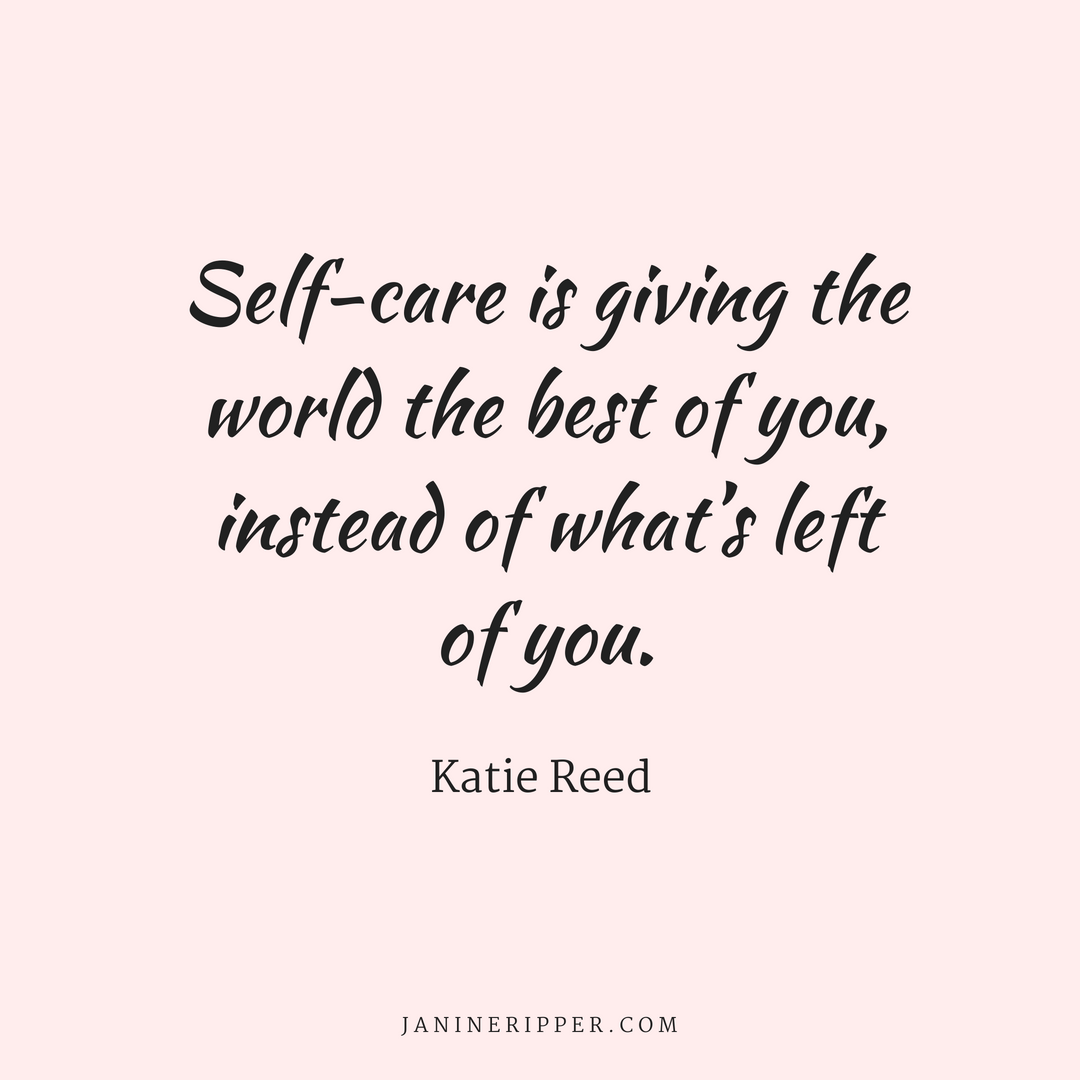
I recently attended a webinar where one of the speakers, a renowned doctor with fingers in many pies said that one of the best things we can do for ourselves is to take some time out every day and do something for ourselves. This is essentially what self-care is all about. Self-care includes anything you do deliberately to keep yourself healthy, be it physical, mental and spiritual. Although prioritising self-care may sound like common sense, especially if you’re considering longevity, it’s often the first thing to go when we find ourselves in challenging situations, whether because of bad health, a financial crisis, job loss, divorce or, today during the pandemic. This is why deliberately is one of the most important words in the definition and why it is important to keep it top of mind and not an after-thought, especially when we find ourselves in challenging times. One needs to be conscious of their well-being before one can achieve true self-care.

Today more than ever, we are hearing about self-care and according to Google Trends, the number of searches for “self-care” has more than doubled since 2015. Self-care is part of the answer to how we can all better cope with daily stressors, according to some experts because today people are feeling lonelier and less able to unwind and slow down, which makes them feel more anxious and overwhelmed by even the simplest tasks.

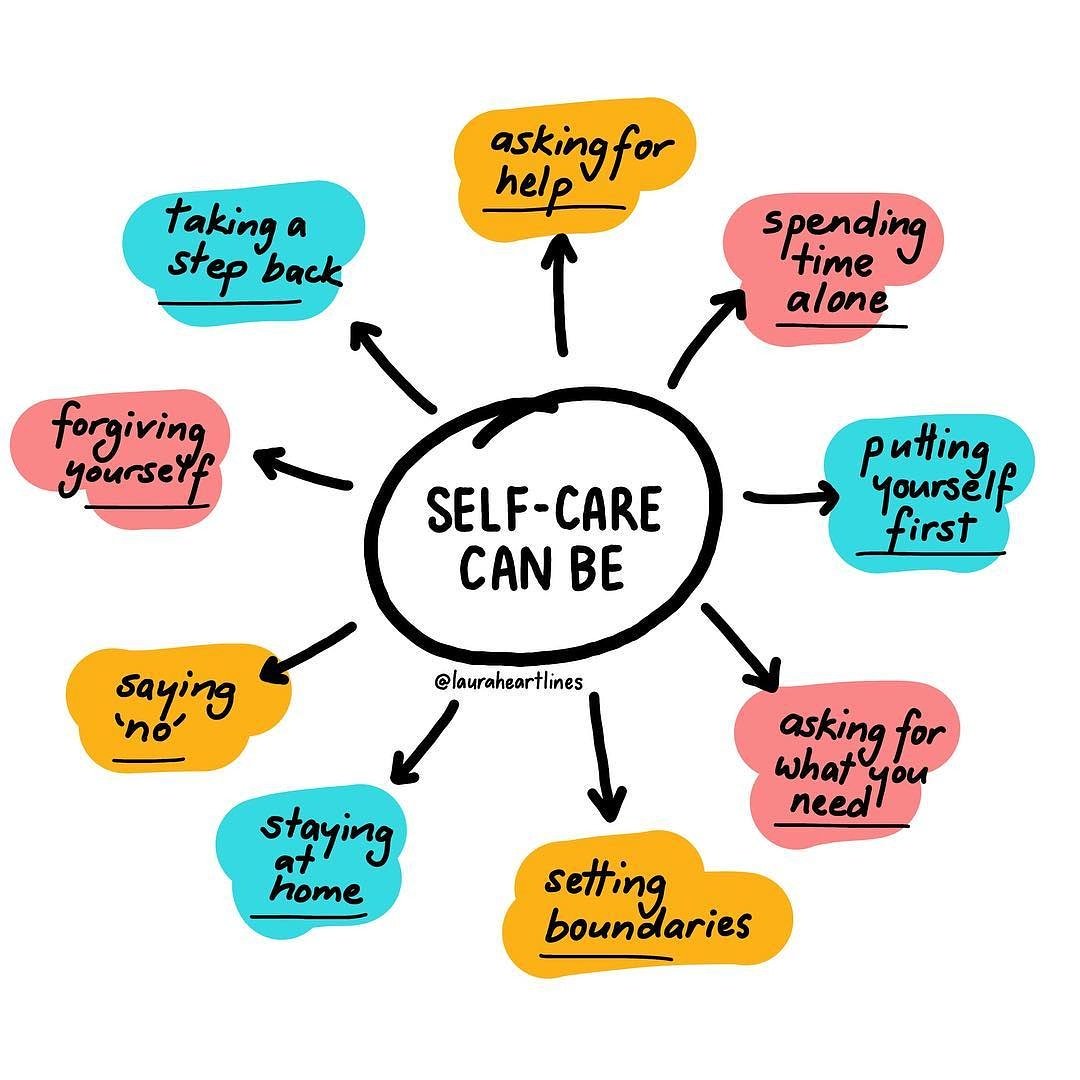
Self-care is an important part of living a healthy and happy lifestyle. Looking after ourselves both mentally and physically is crucial to taking control of our health. We lead increasingly busy lives and it can be easy to forget to put ourselves first, especially if we have multiple responsibilities and other people to care for. But looking after ourselves will make us feel better, and the better we feel, the better we will be in all areas of our lives – from work to relationships. Self-care doesn’t have to involve a huge time commitment and it doesn’t have to cost the earth. It could be as easy as taking a bath, relaxing with a good book, taking a walk outside or eating a favourite food. It’s about making a commitment to putting yourself first, even just for a while. Self-care is important to maintain a healthy relationship with one’s self as it produces positive feelings and boosts confidence and self-esteem. Also, self-care is necessary to remind the individual and others that their needs are important too.

Self-care has several benefits, most of which are interlinked and committing to a regular self-care routine will improve one’s overall wellbeing. Research suggests self-care promotes positive health outcomes, such as fostering resilience, living longer, and becoming better equipped to manage stress.

Self-care can improve physical health: A big part of self-care is committing to looking after one’s body and becoming more attuned with its needs. Whether it’s brushing your teeth, exercising more or getting enough sleep each night, part of any programme of self-care should focus on looking after one’s physical health.

Self-care can reduce stress and anxiety: Making time for relaxing activities, even something as simple as such as taking a warm bath, listening to music or practising yoga or meditation, is another common theme of self-care. Any activity that makes one feel more relaxed can help to reduce symptoms of stress and anxiety and to lift their mood.

Self-care can boost self-esteem: As well as helping to calm the nerves, taking time to relax and look after oneself can have a positive impact on the way one sees themselves, treating oneself with kindness can make them look upon themselves more kindly. Studies have found that people with higher self-esteem find it easier to deal with setbacks and are more likely to achieve goals of self-improvement.

Self-care protects mental health: Making changes to prioritise self-care can help to manage mental health issues and might even prevent them from getting worse. Of course, self-care is not a substitute for professional help, and one shouldn’t feel they have to tackle their problems alone. If mental health is suffering, please talk to someone. However, if someone is looking to improve their mental wellbeing, taking the time to care for themselves, both mentally and physically is important.

Self-care can lead to better relationships: It makes sense if you think about it: the happier and healthier an individual is, the more they can give to a relationship. This is especially important if the person is a parent or carer when it can be so easy to put someone else’s needs first, but they must look after their health too.

Self-care leads to a healthy work-life balance: Contrary to common belief, workaholism is not a virtue. Overwork and the accompanying stress and exhaustion can make one less productive, disorganised and emotionally depleted, leading to all sorts of health problems, from anxiety and depression to insomnia and heart diseases. Professional self-care habits like taking intermittent breaks, setting professional boundaries and avoiding overextending ensures that one stays sharp, motivated and healthy.

Self-care helps with stress management: While a little dose of stress is a healthy way to nudge us to meet the deadlines or finish that overdue task, constant stress and anxiety can hurt our mental and physical health. Smart self-care habits like eating healthy, connecting with a loved one or, practising meditation cuts down the toxic effects of stress by improving the mood and boosting the energy and confidence levels.

Self-care leads to better physical health: Self-care is not just about mental health, its also about caring for the physical self, by eating healthy, taking adequate sleep, caring about your hygiene and exercising regularly. Most of us are all less able to handle the stresses that come our way when we’re depleted by physical and emotional exhaustion. Or, put more positively, we are more resilient and more able to handle life’s stress when we are feeling our best both physically and emotionally. A massage, a hot bath, or another form of pampering revitalises us inside and out.

Self-care may boost physical health: While self-pampering doesn’t always lead to major improvements in overall health the way a healthy diet and exercise do, the relaxation one gets from it can trigger the relaxation response. This, in turn, can prevent chronic stress from damaging one’s health. So in a sense, self-care is good for you inside and out.

Self-care can improve emotional health: Taking time out to care for yourself can remind us and others that we and our needs are important, too. Having a well-cared-for body can make us feel good about ourselves and our life, and conveys to others that we value ourselves and this can contribute to long-term feelings of well-being.

Self-care makes one a better caregiver: People who neglect their own needs and forget to nurture themselves are at danger of deeper levels of unhappiness, low self-esteem, and feelings of resentment. And people who spend their time only taking care of others can be at risk of getting burned out, which makes it more difficult to care for others or themselves. Taking time to care for themselves regularly can make them better caretakers for others.

So start living and stop existing because life is a precious gift to waste when there is a choice to have a more meaningful existence. Life has many responsibilities and tends to throw curveballs when we least expect it, but it’s important to remember that taking care of ourselves is also our responsibility. Little things like reading a good book, sipping some great tea, enjoying a warm bath, playing some games, listening to the laugh of a child or playing with them are essential for our daily happiness. So, put away what is taking the time and take some time, even if it is just 30 minutes a day and spend some quality time with yourself.

World Mental Health Day

Mental health is essential to our overall well-being and as important as physical health. When we feel mentally well, we can work productively, enjoy our free time, and contribute actively to our communities. Tomorrow is commemorated as World Mental Health Day to put a spotlight on what mental illness is and how it can affect large portions of society.

Today, more than ever before mental health has come front and centre of people’s conscious. Because of the pandemic that’s hit our world, there are many, due to various reasons, who have reached the end of their teather, mentally and physically. Physical symptoms are very visible and treatable, but what about mental symptoms? Mental illnesses are the silent killers of our century and is one of the most neglected areas of public health.

Close to 1 billion people are living with a mental disorder, 3 million people die every year from the harmful use of alcohol and one person dies every 40 seconds by suicide. And now, billions of people around the world have been affected by the COVID-19 pandemic, which is having a further impact on people’s mental health. Yet, relatively few people around the world have access to quality mental health services. In low- and middle-income countries, more than 75% of people with mental, neurological and substance use disorders receive no treatment for their condition at all. Furthermore, stigma, discrimination, punitive legislation and human rights abuses are still widespread.

The limited access to quality, affordable mental health care in the world before the pandemic, and particularly in humanitarian emergencies and conflict settings, has been further diminished due to COVID-19 as the pandemic has disrupted health services around the world. Primary causes have been infection and the risk of infection in long-stay facilities such as care homes and psychiatric institutions; barriers to meeting people face-to-face; mental health staff being infected with the virus; and the closing of mental health facilities to convert them into care facilities for people with COVID-19. The current worldwide pandemic arose against an already dire mental health landscape that saw mental health conditions on the rise across the globe. About 450 million people live with mental disorders that are among the leading causes of ill-health and disability worldwide according to the WHO World Health Report of 2001. One person in every four will be affected by a mental disorder at some stage of their lives while mental, neurological and substance use disorders exact a high toll on health outcomes, accounting for 13% of the total global burden of disease according to a WHO report from 2012. The World Health Organization in 2018 stated that every 40 seconds someone dies by suicide. Annually, this represents over 800 000 people that die by suicide, which is more than people dying by war and homicide put together. For every suicide, there are many more people who attempt suicide every year. A prior suicide attempt is the single most important risk factor for suicide in the general population. Suicide is the second leading cause of death among 15 to 29-year-olds while 79% of global suicides occur in low- and middle-income countries. Every suicide is a tragedy that affects families, communities and entire countries and has long-lasting and devastating effects on the people left behind.

The World Economic Forum in 2018 noted that mental health disorders are on the rise in every country in the world and could cost the global economy up to $16 trillion between 2010 and 2030 if a collective failure to respond is not addressed. We are faced with an international mental health crisis and have been forewarned over the past two decades of this imminent catastrophe. This has been compounded by the need for psychosocial support and mental health interventions during this trying time. This bleak picture necessitates that we ensure that mental health is prioritised now more than ever before.

So this year’s World Mental Health Day’s message is a call for the world to come together and begin to readdress this inequality in the treatment of mental health. According to the World Health Organisation, unless the world makes a serious commitment to scale up investments in mental health now, the health, social and economic consequences will be far-reaching.

Countries are estimated to spend, on an average, only around 2% of their total healthcare budgets on mental health and  international development assistance for mental health has never exceeded 1% of all development assistance for health. This is despite the fact that for every US$ 1 invested in scaled-up treatment for common mental disorders such as depression and anxiety, there is a return of US$ 5 in improved health and productivity.

Because of the global pandemic, this year’s World Mental Health Day event will be online and the WHO will host a global online advocacy event on mental health. You can click on WHO’s social media pages to follow the event.

If you or someone you know are stressed and need resources to keep mentally healthy and reduce stress, here’s a link where you can find many resources to help you. In cases of mental distress, the first step is to talk to someone you trust. If you feel you need it, seek help from a professional.

World Mental Health Day

Yesterday, 10 October marked World Mental Health Day. The day was set up by the World Federation for Mental Health and it was first celebrated in 1992 with a specific theme.

World Mental Health Day celebrates awareness for the global community in an empathetic way, with a unifying voice, helping those feel hopeful by empowering them to take action and to create lasting change.

https://wfmh.global/world-mental-health-day-2019/

This year’s theme for the World Mental Health Day is ‘Suicide Prevention and it’s something that resonated with me, especially among children and young adults.

A couple of weeks back, I was browsing through a sub-reddit about the O level exams in Singapore and I read a thread about a young person (I am not sure of the sex) who was so troubled about his/her performance in the O level exam, that they were contemplating suicide. I teared up reading the thread and really hoped that this person took the help of someone who could counsel them and make them look at life in a different way.

I also feared that GG would do something stupid like this when she got her PSLE results almost four years back. She didn’t do as well as expected and the backlash from S and his family was quite bad. I had to literally scold him and ask him if he could live with himself if she took any extreme step and that pulled him up. He was able to then put aside his disappointment in her results and started bolstering her up.

Source

According to the World Health Organisation, “if we don’t act urgently, by 2030 depression will be the leading illness globally.” Suicidal behaviour has existed as long as humans have walked the earth, but these days it has exploded exponentially because of the various complex factors and these days it has reached fairly alarming levels. Close to 800,000 people on a global level take their own lives on a yearly basis, according to the World Health Organisation (WHO) and there are the countless number who fail in their attempt. Every suicide is a tragedy which affects the families of those who commit suicide and this has long-lasting effects on those who are left behind. Parents and family members keep torturing themselves why they didn’t see the signs and what they could have done to prevent it.

What’s worse is that suicide is the leading cause of death among young people, especially the 15-29 year group. It is often believed that it is only adults who exhibit suicidal behaviours, but it should be made known that many children and young people engage in this kind of behaviour as a result of violence, sexual abuse, bullying and cyberbullying.

Suicide is a global public health epidemic that really deserves the attention of everyone – the scientific community, governments, mental health professionals, caregivers, parents and family members. The problem is that such issues are considered taboo and most people shy away from talking about it even if they know someone is suffering from a mental illness. Even in any community, if you hear of someone having such thoughts, you don’t reach out to them to get help, or even reach the authorities to help them. Getting people to talk about a subject that tends to be taboo and about which many hold mistaken and prejudiced ideas will help the community to learn about the risk factors so that they can identify and learn to address them.

Source

Most experts’ say that suicide is preventable and can be avoided Many times, people who suffer from mental illness lack access to mental health services, sometimes because there are no services in their community and sometimes because they must wait months to be seen. So if you see or hear about someone who you think is suffering from a mental illness, make sure you reach out to them and offer help, even if it’s just a shoulder for them to cry or vent upon.

Here’s a WHO link to access a video series on what emergency workers, health workers, teachers and employers can do to help prevent suicide.

And here’s another WHO link on the handouts that emergency workers, health workers, teachers, prison officers, media professionals and employers can do to help prevent suicide