Festivals of India: Jagannath Rath Yatra

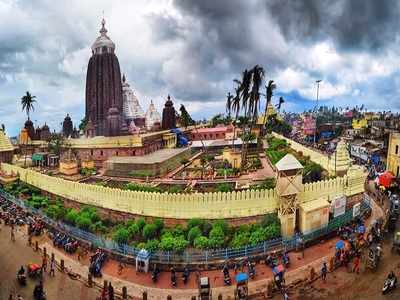
Yesterday, June 23, was the most important festival in the state of Odisha. It was the chariot festival or the rath yatra of its most famous dieties, the Jagannath of Puri.

The term Rath Yatra particularly refers to the annual Rathajatra in Odisha, Jharkhand, West Bengal and other East Indian states, particularly the chariot festival fof Puri that involves a public procession with a chariot with deities Jagannath, an avatar of Lord Vishhnu, his brother Balabhadra and his sister Subhadra, along with his weapon, the Sudarshana Chakra on a ratha, a wooden deula-shaped chariot. The rath yatra attracts over a million Hindu pilgrims who join the procession each year.

According to Knut Jacobsen, a Rathayatra has religious origins and meaning, but the events have a major community heritage, social sharing and cultural significance to the organisers and participants. Ratha Yatra processions have been historically common in Vishnu-related traditions in Hinduism across India, as well as in Shiva-related traditions, and amongst the Thirtankars in Jainism and the saints and goddesses in Nepal plus the tribal folk religions found in the eastern states of India.

Derived from two Sanskrit words, Ratha meaning chariot or carriage and yatra which means a journey or pilgrimage, the word Ratha Yatra means a pilgrimage which the deity will undertake in a chariot, accompanied by the public. The term appears in the medieval texts of India as the Puranas, which mention the Rathayatra of Surya or the Sun god, of Devi or the Mother Goddess, and of Vishnu. These chariot journeys have elaborate celebrations where the individuals or the deities come out of a temple accompanied by the public journeying with them through the Kshetra which refers to the region, city or even the local streets to another temple or to the river or the sea. Sometimes the festivities include returning to the sacrosanctum of the temple.

The Jagannath Ratha Yatra also called the Car or Chariot Festival is the oldest Ratha Yatra descriptions can be found in Brahma Purana, Padma Purana, Skanda Purana and Kapila Samhita. This annual festival is celebrated on Ashadha Shukla Paksha Dwitiya or the second day in bright fortnight of Ashadha month. This year it was on 23 June 2020. The festival commemorates Lord Jagannath’s annual visit to the Gundicha Temple via the Mausi Maa or the maternal aunt’s Temple near Saradha Bali in Puri.

As part of the Ratha Yatra, the deities Lord Jagannath, his elder brother Lord Balabhadra and younger sister Devi Subhadra, along with the Sudarshan Chakra, are taken out in a procession out of the main shrine of Jagannath Temple and placed in the Ratha or Chariot which are ready in front of the Temple in a process called ‘Pahandi’. The procession starts with ‘Madan Mohan’ then ‘Sudarshana’ Balabhadra, Subhadra, and Jagannath Deva.

After that, Gajapati Maharaja, the king of Puri, who is also known as the first servitor of the Lords, does the ‘Chhera Pahanra’ ritual or the holy cleaning of the chariots in which the king wears the outfit of a sweeper and sweeps all around the deities and the chariots. The Gajapati King cleanses the road before the chariots with a gold-handled broom and sprinkles sandalwood water and powder with utmost devotion. This ritual signified that under the lordship of Jagannath, there is no distinction between the powerful sovereign Gajapati King and the most humble devotee. After this ritual, finally the devotees pull the chariots up to the Gundicha Temple, which is also known as the birthplace of the Lords.

Once the deities reach the Gundicha temple, in the onward car festival, they are taken in the Pahandi and installed on the holy platform, called the Ratna Simhasan. The Lords remain at the Gundicha Temple for nine days. After that, the process of taking back the deities to the Main temple is observed. The return journey or return car festival of Puri Jagannath Ratha Jatra is known as Bahuda Yatra or Punar Yatra.

Three richly decorated chariots, resembling temple structures, are pulled through the streets of Puri called Badadanda. This commemorates the annual journey of Lord Jagannath, Lord Balabhadra, and their sister Devi Subhadra to their aunt’s temple, the Gundicha Temple which is situated at a distance of over 3 km from the main temple. The chariots are richly decorated with painted flower petals and other designs on the wheels, the wood-carved charioteer and horses, and the inverted lotuses on the wall behind the throne by local artists and painters. The huge chariots of Jagannath pulled during Rath Jatra is the etymological origin of the English word Juggernaut. The Ratha-Jatra is also termed as the Shri Gundicha jatra.This is the only time when devotees who are not allowed in the temple premises, such as non-Hindus and foreigners, get a glimpse of the deities.

The three chariots of Balabhadra, Subhadra and Jagannatha are newly constructed every year with wood of specified trees. They are customarily brought from the ex-princely state of Dasapalla by a specialist team of carpenters who have hereditary rights and privileges for the same. The logs are traditionally set afloat as rafts in the river Mahanadi. These are collected near Puri and then transported by road. The three chariots are decorated as per the unique scheme prescribed and followed for centuries. Covered with bright canopies made of stripes of red cloth and combined with those of black, yellow and green colours, the huge chariots are lined across the wide avenue in front of the majestic temple close to its eastern entrance, which is also known as the Sinhadwara or the Lion’s Gate.
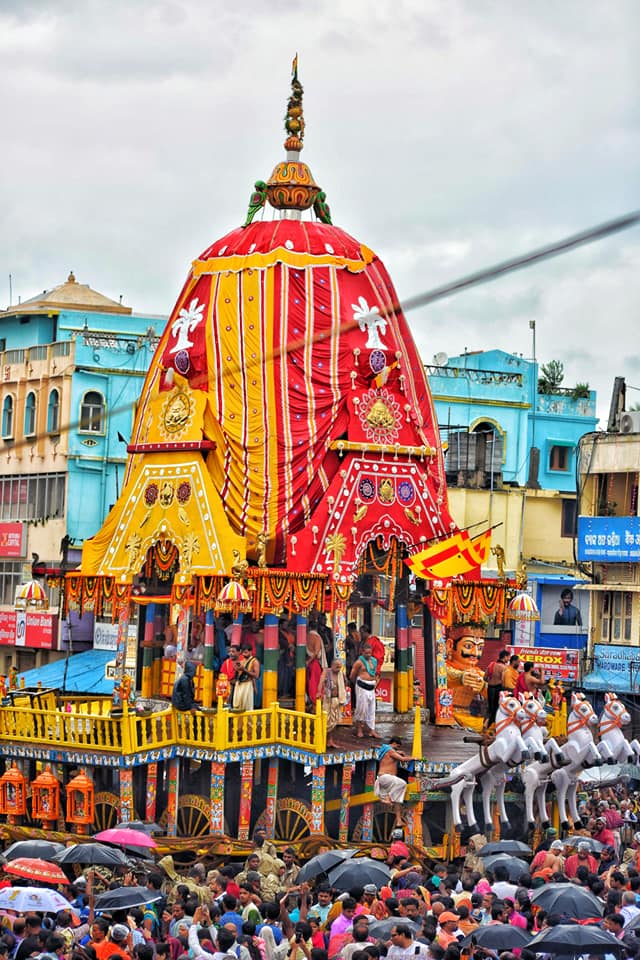
Lord Jagannatha’s chariot is called Nandighosa. It is forty-five feet high and forty-five feet square at the wheel level. It has sixteen wheels, each of seven-foot diameter, and is decked with a cover made of red and yellow cloth. Lord Jagannatha is identified with Krishna, who is also known as Pitambara, the one attired in golden yellow robes and hence the distinguishing yellow stripes on the canopy of this chariot. The chariot of Lord Balarama, called the Taladhwaja, is the one with the Palm Tree on its flag. It has fourteen wheels, each of seven-foot diameter and is covered with red and green cloth. Its height is forty-four feet. The chariot of Subhadra, known as Dwarpadalana, literally “trampler of pride,” is forty-three feet high with twelve wheels, each of seven-foot diameter. This chariot is decked with a covering of red and black cloth – black being traditionally associated with Shakti and the Mother Goddess.

Around each of the chariots are nine Parsva devatas, painted wooden images representing different deities on the chariots’ sides. Each of the chariots is attached to four horses. These are of different colours – dark ones for Balarama, white ones for Jagannatha, and red ones for Subhadra. Each chariot has a charioteer called Sarathi. The three charioteers attached to the chariots of Jagannatha, Balarama and Subhadra respectively are Daruka, Matali and Arjuna.

During the annual event, devotees from all over the world throng to Puri with an earnest desire to help pulling the Lords’ chariots. They consider this as an auspicious act. The huge processions accompanying the chariots play devotional songs with drums, sounding plates of bell metal, cymbals, etc. The Ratha carts themselves are approximately 45 feet high and 35 feet square and it takes about 2 months to construct the chariots which are pulled by the thousands of pilgrims who turn up for the event; the chariots are built anew each year only from the Neem tree and the wood of no other tree is used.

There are 6 events which are considered as the key activities of this annual spectacular event:

  1. The ‘Snana Yatra’ is the one where the Deities take bath and then fall sick for almost 2 weeks. They are thus treated with ayurvedic medicines and a set of traditional practices.
  2. On ‘Sri Gundicha’, the Deities are taken in the onward car festival from the main shrine to the Gundicha Temple.
  3. On the Bahuda Yatra, the return car festival, the Lords are brought back to the main Temple.
  4. The Suna Besha or Golden Attire is the event when the Deities wear golden ornaments and give darshan from the chariots, to the devotees.
  5. The ‘Adhara Pana’ is an important event during Ratha Yatra. On this day sweet drink is offered to the invisible spirits and souls, who would have visited the celestial event of the Lords, as believed by the Hindu tradition.
  6. And finally the Deities are taken back inside the main shrine i.e. the Jagannath Temple and installed on the Ratna Simhasan, on the last day of the Ratha Yatra activity which is called as ‘Niladri Bije’.

This year, because of the coronavirus panademic and the Covid-19 situation in India and especially in the state of Odisha, with many states under lockdown, uncertainty looms large over the conduct of the annual Rath Yatra for the first time in 284 years. The festival even took place during the great famine of 1766 which was believed to have killed millions and during the cholera epidemic. The festival which took place in Puri this year, was just a token festival which was shorn of all the guander and pomp and pageantry it usually has. The rituals leading to the festival which usually takes place outside took place inside the temple and the festival was short of its usual pomp and splendor without devotes in a historic first, a day after the Supreme Court of India allowed the state to hold the seven-day chariot festival in a restricted fashion amid the coronavirus.

I hope in the near future, when things are more normal, I can make it to Puri to witness this grand spectacle. If you want to read more about the state of Odisha, which I have written in detail, please read Part 1, Part 2, Part 3, Part 4 and Part 5.
Travel Bucket List – India: Odisha Part 5

A state which is rich in natural resources, Odisha has some beautiful naure parks, wildlife sanctuaries and other natural beautities. This post is all about these nature’s bounties in the state.

Lake Chilika
Chilika Lake is the largest internal salt water lake in Asia, a paradise for bird watchers and nature lovers. The pear-shaped lake is dotted with a few small islands and has fisheries and salt pans around its shore. The Chilika Lake also houses the most accommodating ecosystems in the world, which means a wide assortment of flora and fauna can be spotted here.

A geological survey has confirmed that Chilka used to be a part of the Bay of Bengal during the late Pleistocene period. The place has an important role to play in the history of India. During the rule of the Kalinga dynasty, Chilka was a bustling commercial centre and a prominent harbour. Ptolemy also talks about the Chilka Lake in his text as an important port.

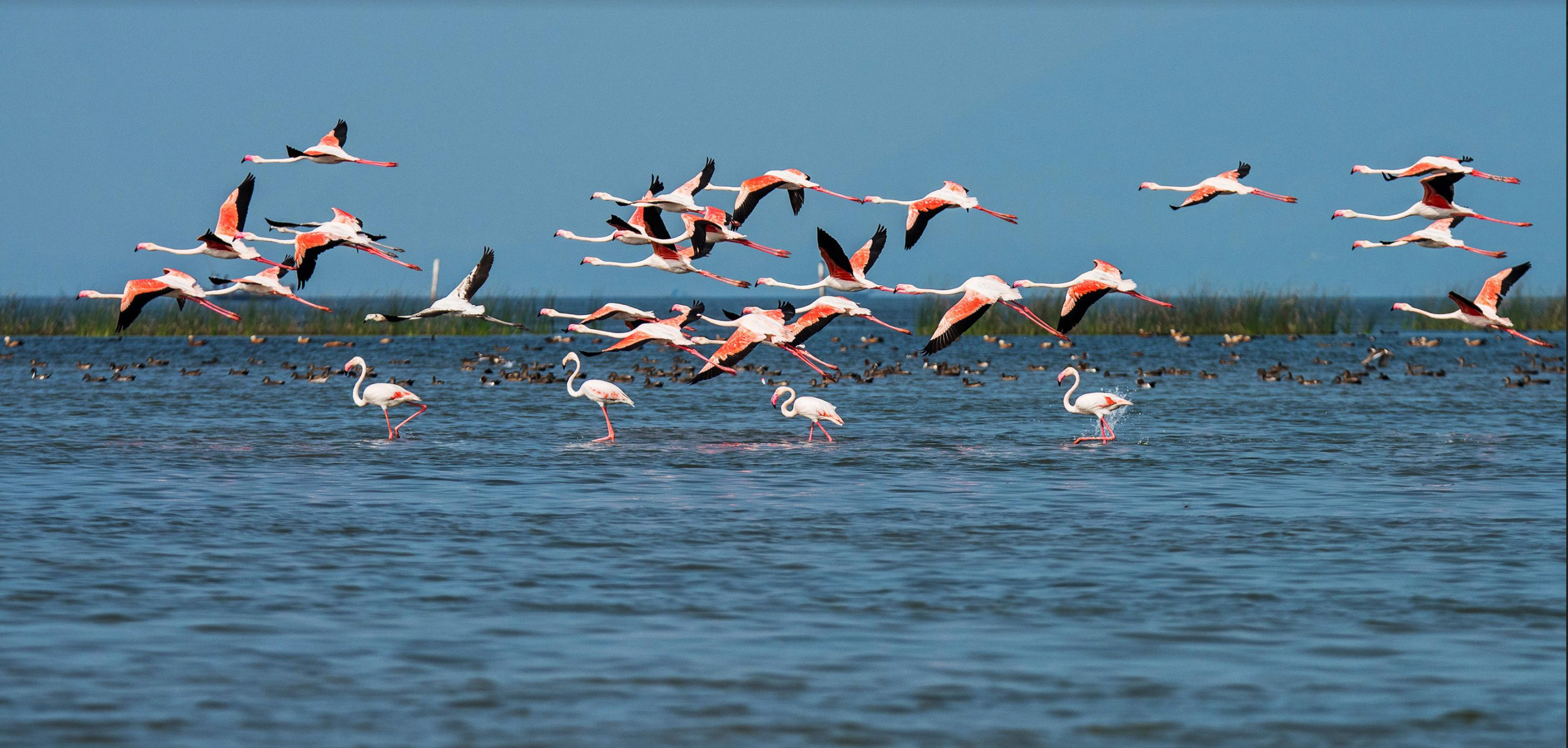
Spread over an area of 1100 sq km, the Chilika Lake Sanctuary is also one of the most visited sanctuaries in the state. The Chilika Lake attracts an array of birds that choose this spot as their winter stopover, and come to visit this lake from as far as Iran, Siberia and Central Asia. The graylag geese, purple moorhen, flamingo, Brahminy Kite, spot-billed pelican, bar-headed goose, open-billed stork, pintail, king fisher, Egret, Avocet, gulls, tern, herons and white-bellied sea eagles are found here in large populations. In fact, the Chilika Bird Sanctuary is home to one of the largest breeding colonies of flamingos in the world.

Some of the interesting and visited places in this area include Bird Island where ornithologists flock in large numbers to witness birds in their natural habitat and Nalabana which is a huge island in the centre of the lake that gets completely submerged during the monsoon months and a designated bird sanctuary. There is also Kalijai Island which is considered to be the abode of Goddess Kalijai. The temple located here has an interesting history to it – it is widely believed that a young girl named Kali, and her sister who later came here looking for her, were both drowned in this island and the residents vouch to have heard their cries. Upon the construction of a temple, the cries ceased, and since then, the place has had a significant religious value. The location is easily accessible via a boat from the Chilika Lake and is a must visit at the time of Makar Sankranti, when the Makar Mela takes place. Then there is Satapada Island which is surrounded by the lagoon on three sides and attracts visitors because it is home to the flagship species of the Chilika Lake, the Irrawaddy dolphins. This island is one of the only two lagoons in the world where this endangered species can now be found. You can easily reach this the island via boats arranged by the Odisha Tourism Development Corporation (OTDC). Other islands, including the Breakfast Island, Beacon Island and Honeymoon Island are also popular attractions that tourist love to visit. Please ensure that when you travel on boats in the lake, you only travel on the ones that have been provided by OTDC, since other local boats do not have life jackets.

The best time to visit the Chilika Lake is the winter months between October to March, when you can see the sheer variety of migratory birds coming there plus you had the added benefit of cooler weather and daytime temperature remains pleasant. Do avoid the monsoon season between June to September.

Tikarpada Wildlife Sanctuary
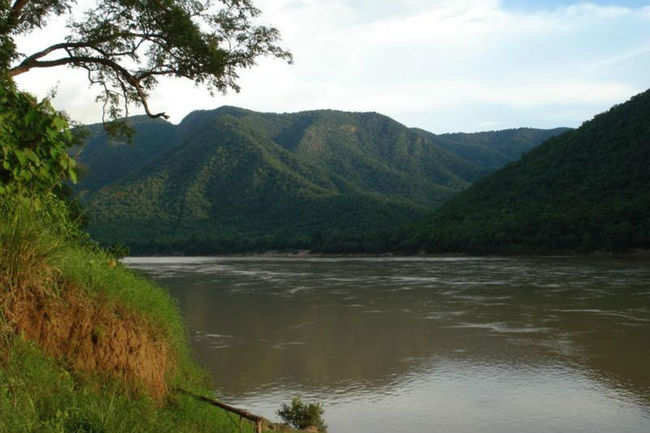
Spread across a lush 795.52 acress, the Tikarpada Wildlife Sanctuary enthrals visitors with its overwhelming beauty, lush green surrounding, the ever cherished rambling of River Mahanadi besides the very famous Satkosia gorge and the large variety of wild animals, birds and plants. The speciality of Tikarpada is its efforts towards bringing back the endangered gharials or crocodiles. The gharials that find their home here at the Gharial Sanctuary, who were reintroduced in the Mahanadi River ecosystem to increase the level of their population.

Sometimes thunderous and sometimes calm river Mahanadi renders the opportunity for fish angling, or to motor-boat or river rafting across it. You can choose to trek or camp in the sanctuary as well. This a perfect destination for the lovers of nature, wildlife and adventure.

Tikarpada has tropical climatic conditions and so the months between September to March are the best months to visit this place.

Satkosia Tiger Reserve
Satkosia spreads along the magnificent gorge over the mighty river Mahanadi in Odisha. Located around 160 km from Bhubaneswar, this sanctuary created in 1976 is home to tigers in the deciduous forests of the Eastern Ghats. The name Satkosia originates from two words; sat meaning seven and kos meaning two miles, indicating the length of the gorge as 14 miles or 22 km. The area was declared as Satkosia Tiger Reserve in 2007, comprising two adjoining wildlife sanctuaries; the Satkosia Gorge sanctuary and Baisipalli sanctuary. It is also home to elephants, birds and other animals that can be spotted in the wild. The reserve has an area of 963.87sq km with 523.61sq km as core area. The area is also a part of the Mahanadi elephant reserve. Satkosia is the meeting point of two bio-geographic regions of India; the Deccan Peninsula and the Eastern Ghats, contributing immense biodiversity.

When boating, one can spot the river-inhabitants being the Gharials or the Indian fish-eating crocodile. The Mahanadi River passes through a 14 mile long gorge, being the reason why the town was named Satkosia from Saat Kros, Kros being an old local measurement.

There are various lodging options operated by the Odisha Forest Development Corporation in Satkosia. You can also visit the neighbouring Kuanria Deer Park & Dam and the Kantilo Neelamadhav Temple.

Bhitarkanika National Park & Wildlife Sanctuary
Located at a distance of 120 km from Cuttack in Odisha, the Bhitarkanika Wildlife Sanctuary is a one of a kind sanctuary that sprawls over 650 sq. kms and boasts of rich marine vegetation, salt tolerant varieties of trees and plants, rivers and creeks. Home to some of the rarest species in the world both in terms of flora and fauna, the sanctuary is mainly known for its species of reptiles especially crocodiles, however, it also attracts a plethora of migrant species like Olive Ridley Sea Turtles, Asian Open Bill, Black Ibis, Egrets, and Darters etc. In the winter (which is the ideal migrating season for avifauna species), you can find as many as 215 species of migratory birds.

The highlight of the wildlife sanctuary is the rare white crocodile that can grow up to 23 feet. Another attraction of the region are the sprawling mangrove trees making it the second largest mangrove forest in India. There are several entrances available for the park, the most popular one of which is boating from Khola to Dangmal. This entrance allows you to walk through the dense forests and experience the rich ecosystem in all its glory. The visitors can also choose to stay at the forest guest houses if they want to spend the night maidst bounteous nature and rich wildlife.

Simlipal National Park
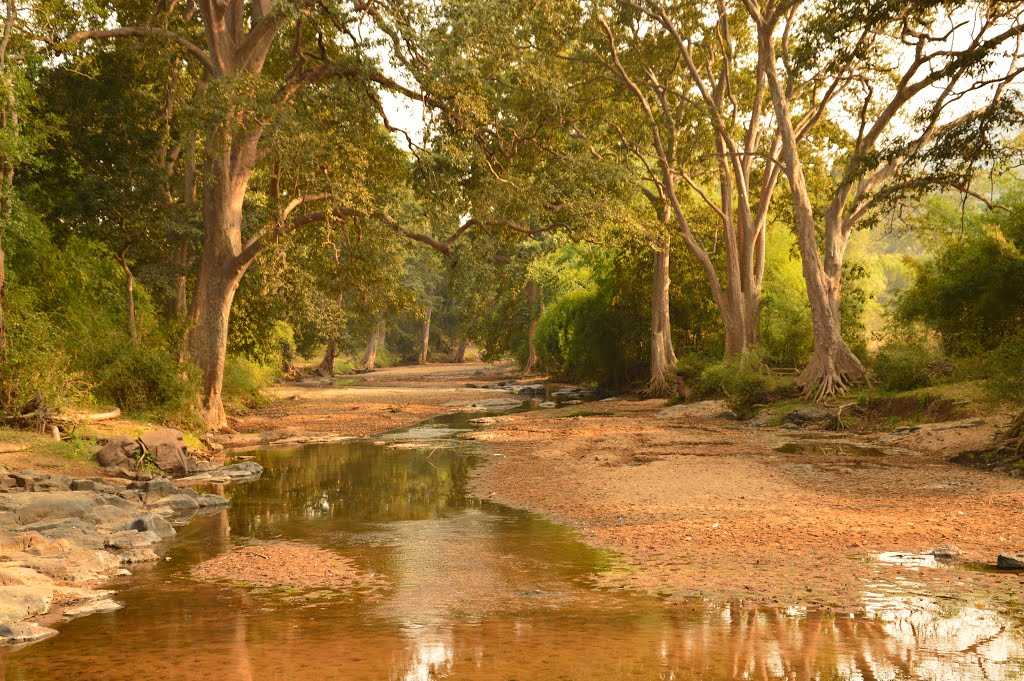
Reflecting the natural beauty of a bygone era, the Simlipal National Park is a beautiful and scenic place. Situated in Mayurbhanj, it once used to be a hunting ground for the rulers of the province. Simlipal is the largest wildlife sanctuary in India and is also considered as one of the principal tiger projects in India. It is part of the Mayurbhanj Elephant Reserve, which includes three protected areas — Similipal Tiger Reserve, Hadgarh Wildlife Sanctuary and Kuldiha Wildlife Sanctuary. The Simlipal National Park derives its name from the abundance of red silk cotton trees growing in the area and is the 7th largest national park in India. The area is rich with dense forests, striking meadows, startling waterfalls and beautiful rivers. It is blessed with great bio-diversity and huge varieties of fauna that make it a great place to engage in wildlife sightseeing! Simlipal Reserve is home to more than 1000 varieties of plants. It has around 96 species of orchids that are endemic to the forest. Baripada is the nearest town to Simlipal and can be considered a gateway to the same.

The park has some beautiful waterfalls like Joranda and Barehipani Falls. It is home to Bengal tiger, Asian elephant, gaur, and chausingha. Besides Simlipal provides habitat fo as well as an orchidarium. This protected area is part of the UNESCO World Network of Biosphere Reserves since 2009.

Duduma Waterfalls
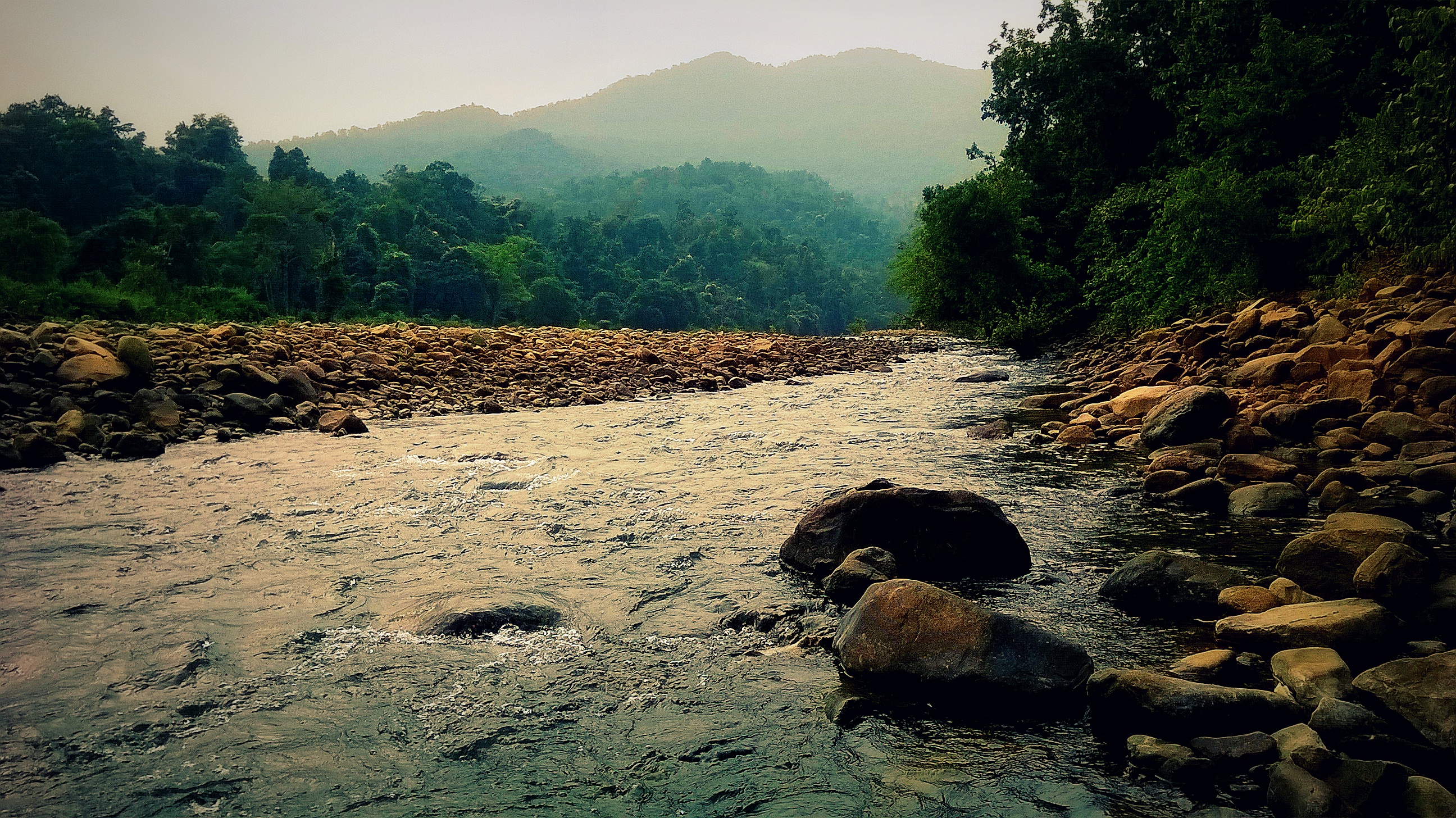
The 175-metre high horsetail type, single fall cascade of Duduma waterfall tears through the rugged rocks of the Eastern Ghats and the dark green deciduous forest that is so widespread in this region. It creates an exhilarating scene amidst the rustic greenery right along the border of Andhra Pradesh and Odisha. Formed by the Machkund river, which gets its name from the pilgrimage site Matsya Kunda near Paderu in Andhra Pradesh, the fall has two sub-waterfalls, one on the Odisha side and the other on the Andhra Pradesh side. The grandeur of the falls is at its full display especially during and after the monsoon. Along with the picturesque waterfall, there is also a hydel power project plant and a customary dam to facilitate it. With prior permission from the authorities, you can pay a visit to the powerhouse and get a first-hand experience of how this alternate source of energy is created. Located around 70 km from Jeypore, Duduma attracts those who love nature and want to explore places beyond the stereotypical boundary of tourism.

Chandaka Forest
The Chandka Elephant Sanctuary is a wildlife reserve located in the south fringe of Cuttack and is nestled on Khurdha uplands of the Eastern Ghats biotic region. The Chandaka Forest is spread over 175.79 sq km of rolling table land and small sprawling hillocks in the Khurdha and Cuttack districts. It was designated as an elephant reserve in December 1982. The floral diversity is distributed in six types and the Indian elephant is the flagship fauna species. There are a number of watch towers for visitors to observe wildlife. While the Kochilaberana, Pitagadia and Charichhak watch towers are excellent for observation of birds and animals, the ones at Kumarkhunti and Ambilo have the comfort of rest houses where one can make a night halt. There are also two water reservoirs, Deras Dam and Jhumka Dam, situated within the reserve. The cottages near Deras provide a scenic view of the Chandaka reserve and a chance to see wildlife.

Kotgarh Elephant Reserve
Situated in the Baliguda subdivision of the Kandhamal district the Kotgarh Wildlife Sanctuary is classified as an Eastern Highlands moist deciduous forest. Around 52 tribal villages such as Kutia Kondh and Desia Kondh inhabit the sanctuary. Designated and proposed reserve forests include Madagoda, Haripur, Lassery, Bonduru, Supamaha, Killangi, Subarnagiri and Guma. A known tiger habitat, the forest patch is adjacent to an old elephant corridor from Boudh, Karlapat and Lakhari valley in Gajapati district’s Gandahati waterfall region. The Kotgarh sanctuary is nominated to be a part of the proposed 14 elephant corridors for safe movement of the elephants which frequently come out of their habitation in search of food and water.

Karlapat Wildlife Sanctuary
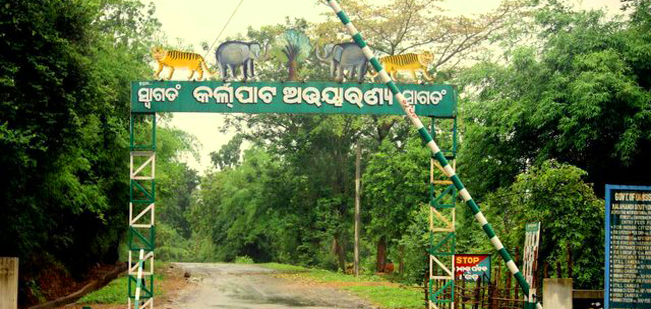
The Karlapat Wildlife Sanctuary is located in the Kalahandi district and a very popular tourist attraction Located around 12 km from Bhawanipatna, the district headquarters of the Kalahandi district, the sanctuary covers an area of 175 sq km and lies within the Eastern Highlands moist deciduous forests ecoregion. A beautiful waterfall, ‘Phurlijharan’ has been developed as a picnic spot for the local visitors and draws large number of visitors from far off places in and around Kalahandi District. The sanctuary is home to a plethora wildlife animals and birds.The sanctuary is rich in wildlife such as leopard, gaur, sambar, nilgai, barking deer, mouse deer,soft claws ottawa, a wide variety of birds and reptiles. The undulated topography of the sanctuary, with hills, valley, perennial streams and deep water pools give it an unique charm.

Travel Bucket List – India: Odisha Part 4

After seeing the inland towns and cities of Odisha, let’s turn to it’s coastal cities. With a long coastline and the eastern boundary of the state being the Bay of Bengal, there are some stunning beaches in this state.

Source

Konark
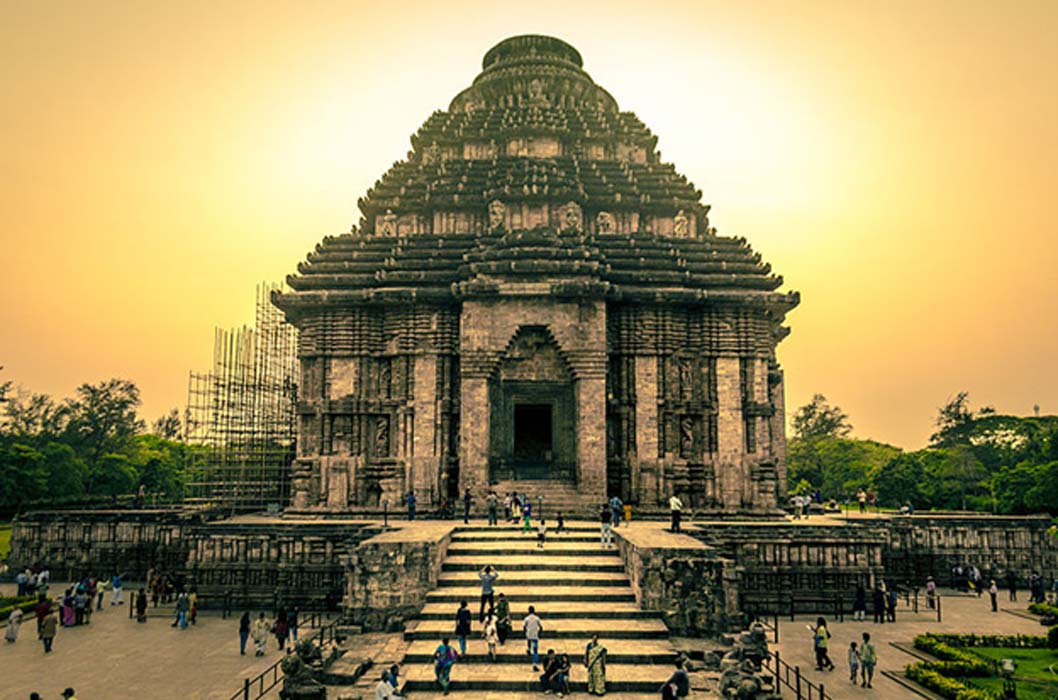
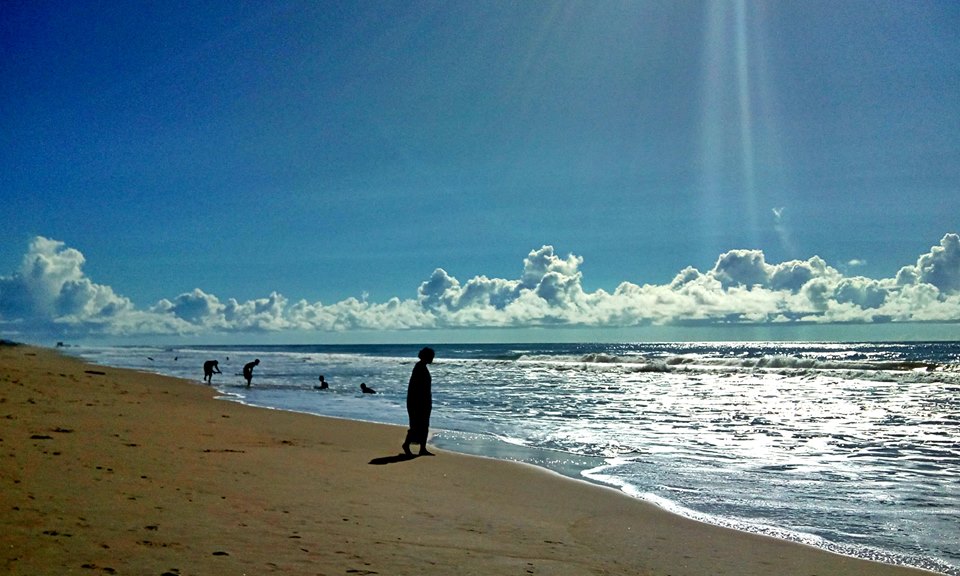
65 kms south of Bhubaneshwar, Konark is set like a jewel against the stunning backdrop of the Bay of Bengal. One of the wonders of India, the carvings of the Konark Sun Temple, a UNESCO World Heritage Site, attract large flocks of tourists throughout the year. Along with the marvelous temples, the city has a lovely beach and an engrossing archaeological museum to explore.

Source

The Konark Sun Temple is a UNESCO World Heritage site and one of the prime tourist attractions of Odisha along with the Puri Jagannath Temple. Built in the form of a giant rath or chariot of the Sun God, it depicts the chariot being pulled by a set of seven horses, four on the left side and three on the right. It has three deities dedicated to the Sun God on three different sides of the temple which catch the direct rays of sun in the morning, afternoon and evening. There is also a dedicated archaeological museum inside the temple complex. The temple transforms into a stage during The Konark Dance Festival, which is held every year usually in February for five days and attracts a lot of foreign and Indian tourists. The Sun Temple is one of the last standing structures from before the fifteenth century in the country. The sun rays reach the Nata Mandir from the coast and reflect through the diamond at the centre of the idol. The idol is believed to float mid-air due to arrangements of the magnets at the top of the temple but they were later removed due to the disturbance caused to ships and technology. An engineering and artistic masterpiece, the Sun Temple reflects the artistic genius of architects and sculptures of an ancient time despite the fact that much of the temple in ruins today. The Sun Temple complex also houses shrines, such as the Mayadevi Temple and Vaishnava Temple, which are popular among visitors.

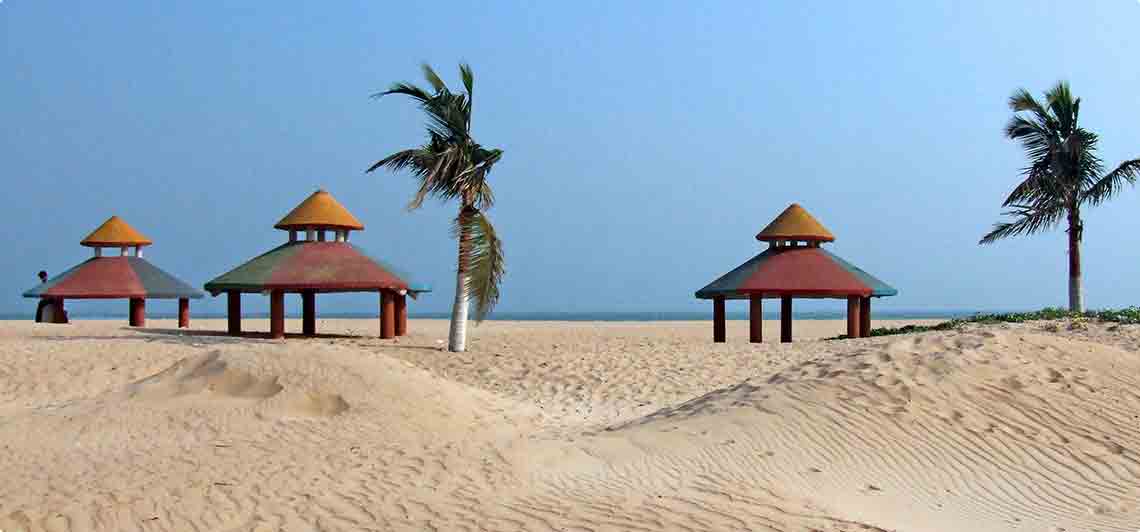
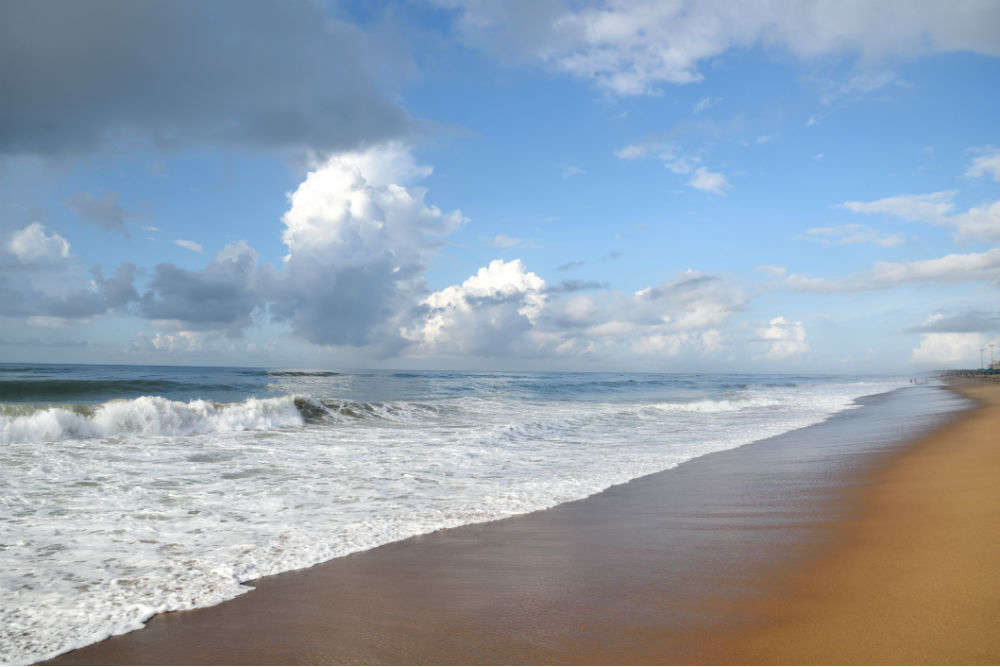
Situated 3 kms east of Sun Temple where the Chandrabhaga river joins the sea is the Chandrabhaga Beach, one of the most beautiful and pollution free beaches in the country. Owing to its immaculately clean shores and crystal clear waters, the beach has been awarded with the Blue Flag Certification by the Foundation of Environmental Education (FEE), a tag given to environmental friendly beaches which meet their stringent standards. Lined with tall trees and vast expanse of golden sands, the beach holds cultural and historical importance as well. Several cultural festivals and religious fairs are held here frequently which attract a lot of pilgrims and devotees to the beach. During the annual Chandrabhaga Fair, the beach takes on a very different look and comes alive with people, colours, light and activities. Go to the top of the lighthouse standing near the beach to take in the beach, sea, people and activities.

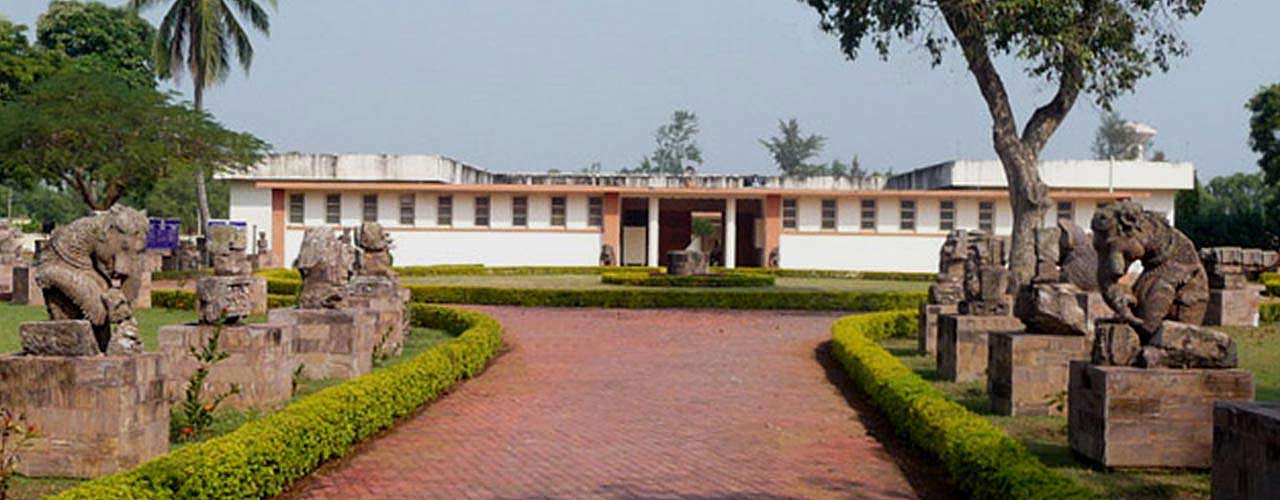
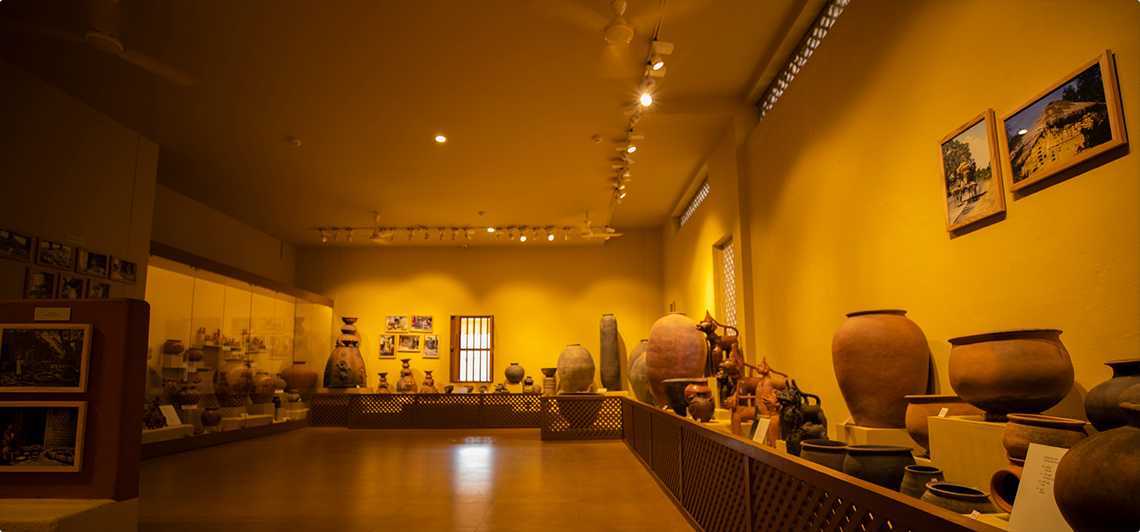
The Archaeological Museum is situated outside the Sun Temple and houses some unique artifacts which reflect the essence of Oriyan art form. The museum has 250 different kinds of antiques recovered from the Sun Temple. The museum started operating from its present location in 1968, when the fallen structures and archaeological remains of the Sun Temple were shifted to the present museum. The museum comprises of four galleries which preserve around 260 antiques that have been retrieved from the clearance work of the Sun Temple like carved stones, images of Surya Narayana and erotic sculptures. Besides these, the museum also displays images of various other monuments and archaeological sites of Odisha. The museum is open from 10 am to 5 pm everyday except Friday.

Source

Astaranga meaning “colourful sunset” is a magnificent beach located near the mouth of the Devi river at a distance of 19 km from Konark. As the name suggests this beach is famous for the picturesque views that it provides during the sunset. The sky takes on vivid hues and the blue water in juxtaposition of it makes the whole place look magical. The beach is also a famous fishing village and every morning a market is set up on the beach from where you can purchase the different varieties of fresh fish. During the winter months the beach becomes a safe haven for the Olive Ridley turtles who nest here in large numbers and can be seen crawling on the sand. The best time to visit this beach is in the winter between October and March. There is a sufi shrine located at the edge of the beach is which is dedicated to Saint Makhdum Jahanganst. Visited by people from all faiths, the umbrella and wooden shoes of the saint are kept as relics.

Chaurasi is small village situated on the right bank of river Prachi. This place is famous for its temples dedicated to Barahi, Amareshras and Laxminarayanan. Barahi, also known as Varahi, is the name of Mother Goddess whose temple was built in the first quarter of the 10th century. Goddess Barahi is depicted to have a boar face and a pot belly, holding a fish in one hand and a cup in the other. She has a third eye on her forehead and is worshipped according to the tantric rituals. The temple is lavishly decorated and has a rectangular porch at the superstructure level. Tourists flock to have a glimpse of the unique Barahi deity, who is offered fish everyday. The other two temples dedicated to Laxminarayan and Amareshwar also attract visitors.

The Kakatpur Temple is located in a small village called Kakatpur on the Puri-Astaranga road around 30 km from Konark on the banks of river Prachi. Goddess Mangala is the chief deity of the temple and this temple has a link to Puri’s famous Lord Jagannath Temple. On the occasion of the Nabakalebara or the festival of restoration of the idols, the priests from the Lord Jagannath Temple come to Goddess Mangala at the Kakatpur Temple and pray to her to help them find the sacred trees to create the new idols for Jagannath, Subhadra and Balabhadra. Jhamu Yatra is a popular festival celebrated in the Kakatpura Temple. It falls on the first Tuesday of the Hindu calendar month of Baisakh, during April 14 to May 15, every year.

Source

The Ramachandi Temple, located around 5 km from Konark is the temple of the reigning Lord of Konark, Ramachandi, on the banks of Kushabhadra river. The temple is famous as one of the Sakta Pithas of Puri. The main temple is built on a raised platform and has figures of the Sun God on three walls of the temple – the south, west and north walls. Goddess Chandi, the reining deity, remains seated on a lotus flower inside the temple. This temple is believed to be more ancient than the Sun Temple of Konark. There is a beach near the temple which is a popular picnic spot among locals, especially young couples.

A unique place near Konark, Kuruma is a small village about 8 km from the Sun Temple. This place gained fame after excavations were carried out in this small hamlet from 1971 to 1975. The findings include a high wall and antique images of Heruka or Dharma, Sun God and Buddha. This place then became popular as a Buddhist tourist spot. The excavated site was believed to be constructed in the 9th–10th centuries and is believed to have been a Buddhist monastery. The idol of Buddha discovered at this place is seated in a cross-legged position. The right hand of the idol is in Bhumisparsha mudra and it has the left hand resting on the left knee. The image is a decorated one, with a beautiful crown and a wonderfully engraved necklace.
Paradeep
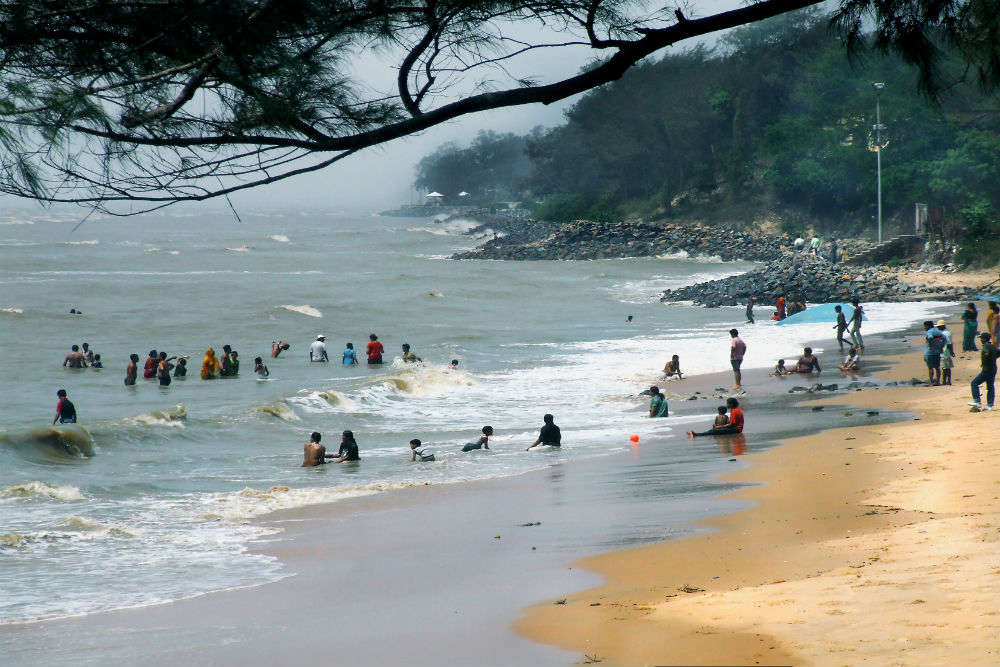
Paradip or Paradeep, is located at the confluence of Bay of Bengal and Mahanadi and is one of India’s busiest ports as well as the oldest and largest in the state. In addition to the busy dockyard, the city also has some amazing beaches that offer amazing views. Boasting of golden shimmering sands, indigo blue waters, lined with huge rock boulders, laced with emerald green forests and adorned with a quaint island is actually and estuary of the river Mahanadi. The dash of rocks at the side offers an amazing marine drive and make for an ideal day-out destination. Don’t forget to try the famous Paradeep Lassi, also known as the Gaveskar Lassi made from coconut. It is available both at the beach and in the town.

A towering light house is also situated on the beach which allows tourist to come have a look from the inside. The light house is only open from 5-5:30 pm so make sure you plan your visit to the lighthouse accordingly.

The Gahirmatha Beach located close to Paradeep beach is home to a rare species of white crocodiles, and is famous for white monitor lizards, sea turtles, migratory birds as well as deer. The Bhitarkanika National Park, a forest with mangroves criss-crossed by rivers and streams, can take you a hundred years back in history when man, nature and animals lived in harmony. The the beach has lately become a hub for nesting for olive Ridley sea turtles.

Source

The Paradeep Marine Aquarium houses an astonishing collection of vibrantly colourful fish. The in-house museum boasts of 28 splendid tanks with vast varieties of fresh water and marine species of fish and other aquatic animals.

The Smruti Udyan has been dedicated to the lives of thousands of people who died during the massive cyclone of 1999 that hit Odisha. The lush green garden at the front blooms with vibrant flowers ideal to spend an evening.

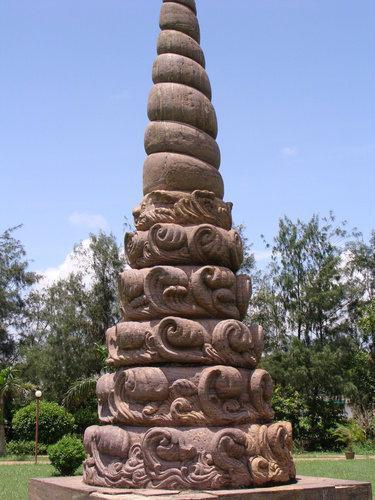
The Jagannath Temple is a tribute to India’s secular make-up. A 60-feet pillar called the Aruna Stambh is constructed at the entrance of the temple and has engraved holy symbols of Hinduism, Islam, Sikhism and Christianity. The most popular festival at the Jagannath Temple is the Car Festival where non-Hindus also take part enthusiastically in drawing the chariot and in other festivities.

Located at a short distance of 12 kms from the Paradeep Beach, Nehru Bangla is just the guest house where the first Prime Minister of India Pandit Jawaharlal Nehru stayed at when he came to inaugurate the Paradeep Port. The guest house has now also been converted into a tourism spot for people who want to go have a look.

The Hanuman temple is yet another prominent attraction here. Dedicated to Lord Hanuman, the tiny mandir invites pilgrims from the all over the city to pay homage. Tuesdays are the most crowded days of the week at the temple.

Gopalpur
A small coastal town around 15 km from Berhampur and close to the border with Andhra Pradesh, Gopalpur lies towards the south of the state. Gopalpur also has an ancient, commercial port, now lying in ruins. Under the ownership of the Soraine family the village grew in wealth, from an obscure little fishing village, Gopalpur became a prominent trading port. The family built the port, the lighthouse and the Albert Hotel and established both a local fishing industry and a trade route with Burma. What was once a bustling port city before being deserted, is today, one of the best beaches in the eastern coastline of the country. It is know for being an offbeat destination and a place for relaxation. The beaches are sparkling gold which along with the azure water of the Bay of Bengal providing a perfect place to relax and immerse yourself in nature.

The Gopalpur beach is a luxurious beach and is popular for being one of the few sites in India where Olive Ridley Turtles nest. Flanked with coconut and casuarina groves, it is a perfect outing for a languorous weekend. The beach, also known as ‘Gopalpur-on-Sea’ has a calm and soothing coast. It is famous for hosting the annual Gopalpur Beach Festival and offers up the possibility of experiencing a number of aqua sports.

One of the most popular landmarks of the beach is its lighthouse which offers a marvellous 360 degree view of the entire city of Gopalpur, the azure waters of the Bay of Bengal and some parts of the Chilika Lake. One can also see the exotic red crabs casually strolling on the beach’s lonely coast! The lighthouse is a great place for photographers, both professional and amateur, to capture amazing photos of the town and beach

Aryapalli Beach is an absolutely gorgeous beach during high tide at sunset. The coastline of Aryapalli Beach falls in the rain-shadow of the region, so the beach get a fair amount of rain during the monsoon season. The beach is a quiet and charming place where visitors can relax and refresh. It is a cherished experience that one gets by visiting the place. The best time to visit the beach is between the months of October and June. Surfing, sun bathing and swimming are a few leisure activities that are popular with visitors.

Sonepur Beach is considered by most of the tourists as one of the best beaches in the entire state of Orissa. Located on the borders of Andhra Pradesh and Orissa, this beach divides the sea from the main land along with the River Bahuda. Sonepur Beach is a natural beauty untouched by human civilization. This beach is quite close to Berhampur, just at a drive of around 11 km. You can take a motor boat services to the sangam or meeting point of the river and the Bay of Bengal.

The Maa Tara Tarini Hill Shrine is considered as one of the oldest shrines of Maa Tara in the entire country. It is situated on the Kumari Hills on the banks of the River Rushikulya, just a few kilometres away from the coastal town of Gopalpur and about 13 km away from Berhampur, the nearest railway station. Thousands of devotees visit the place on a regular basis in order to get the auspicious blessings of the Mother Goddesses. There are two Goddesses in the temple, Maa Tara and Maa Tarini beautifully ordained with gold and silver ornaments. They are believed by the locals to be the manifestations of Adi Shakti. The temple is also considered as one of the ancient Shakti Peethas of India.

Chandipur
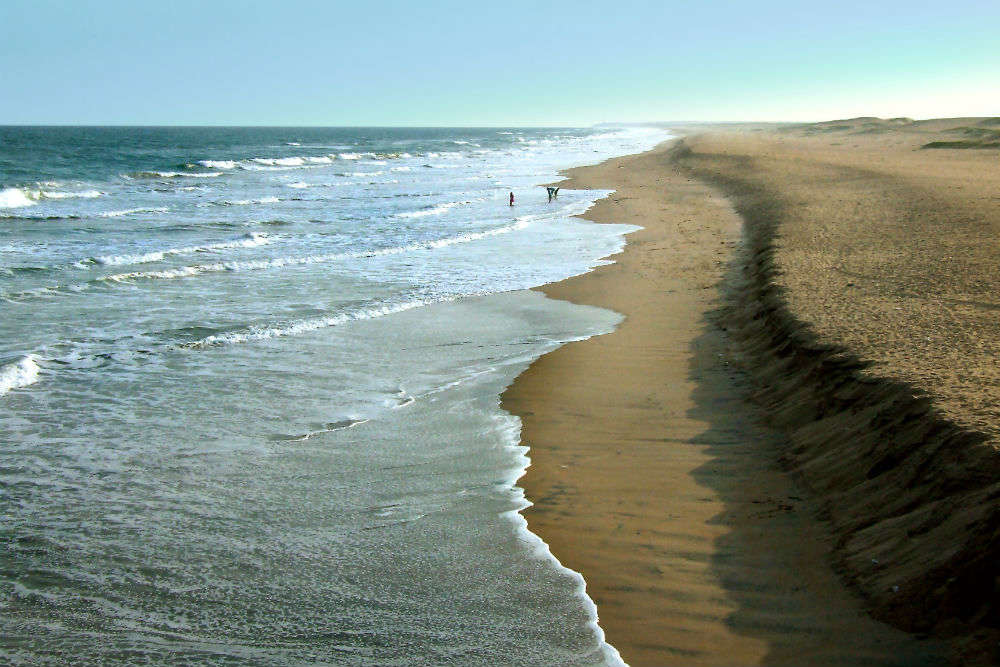
16 km from Baleswar railway station, Chandipur is famous for its disappearing sea. A quaint seaside town which offers complete serenity and tranquillity, this is the best place if you want to relax and spend some quality time either alone or with your loved ones. India’s missile testing launch pad is also located here and missiles like Agni, Prithvi, Akash and Shaurya can be seen here. You can visit this testing range by taking special visiting permission from the authorities. Chandipur is also famous for its sea food and sweets which are a huge hit with tourists. Chandipur is at its best during winters when the cool breeze by the beach hits you as you walk along the seashore.

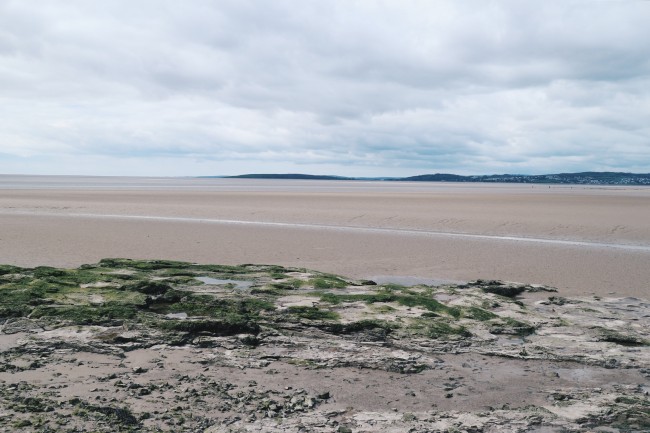
The Chandipur Beach’s unique specialty is the ebb tides that recede around 1 to 4 km during low tides and they tend to disappear rhythmically. The beach has spectacular views of the rising and setting sun. When the water disappears, you can even take jeep ride towards the sea. The sea disappears during the day in this beach and locals call this this the “Hide and Seek Sea”. Watching the sea disappear and miraculously reappear as it plays with you is an unforgettable experience that will leave you in awe of the miracles of nature. During the time when the sea receeds, you can walk deep into the actual seabed. In fact, when you walk on the beach when it has receded, only your feet get submerged into the shallow water and get surrounded by moist sand; so if you take a picture from afar, it looks as if you are actually walking on water.

The Panchalingeshwar Shrine, lies around 36 km from Chandipur and is located amidst the dense green vegetation and rocky hills of the Nilagiri Hills. It is popular for the Shiva shrine which is located on the hill top. Five Shiv Lingas which are born naturally in the middle of two large rocks with a stream flows over these Lingas. A temple has been built by the side where priests perform rituals and worship the deity. You need to climb 263 steps to get to the temple which start at the foot of the hill.

The town of Nilagiri or Blue Mountain is located around 32 km from Chandipur and where the Panchalineshwar temple is situated on one of the hills. The name comes from the apparent blue colour of the hills. The royal palace and the Jagannath temple adjacent to it are are must-vist places in this town. You can get to see the antique gold and diamond ornaments along with the royal clothes worn by the then Kings and Queens of Nilagiri kept for display inside the palace. The spectacular Khumkut Dam, close to the town can also be checked out.

Bhitarkanika, located at a distance of 206 km from Chandipur, lies at the delta of Bhramani, Baitarani and Dhamra rivers. Embellished with exotic wildlife and lush green forest, Bhitarkanika sees tourists pretty much throughout the year. Visitors have to take permission for entry from the Forest Authority of Bhitarkanika. To reach the place, one has to take a boat ride from Khola to Dangmal which is the only means of communication. The ride is very enthralling as one can witness the second-largest mangrove ecosystem in India. Bhitarkanika has a National Park encompassed by the Wildlife sanctuary. Gahira Matha beach lies nearby which acts as a separator between the jungle and the Bay of Bengal. Rich in flora and fauna, Bhitarkanika is home to exotic and endangered wild species like white crocodiles, saltwater crocodiles, monitor lizards, pythons, king cobra, darters and many more. Birds from Central Asia and Europe migrate here creating an added advantage for tourism

Travel Bucket List: India – Odisha Part 3

Moving on to more Odisha towns after the break last week, today’s places include

Puri
When you think of Odisha, the first thing that comes to mind is the Jaganath Temple at Puri and the annual Rathyatra. This ancient city is among the original Char Dhams that hold significance in the Hindu religion. The Char Dhams or four abodes are a set of four pilgrimage sites and Hindus believes that visiting these sites helps achieve Moksha or salvation. The four places are Badrinath, Dwaraka, Puri and Rameswaram, one on each nodal points in India. Hindus believe that one should visit these places a t least once in one’s lifetime. The highlight of Puri is the Chariot festival or the Rath Yatra which takes place during the months of June-July and should not be missed. Known as the resting place of Lord Shiva, this ancient city dates back to 3rd century BC.

Sri Jagannath Temple
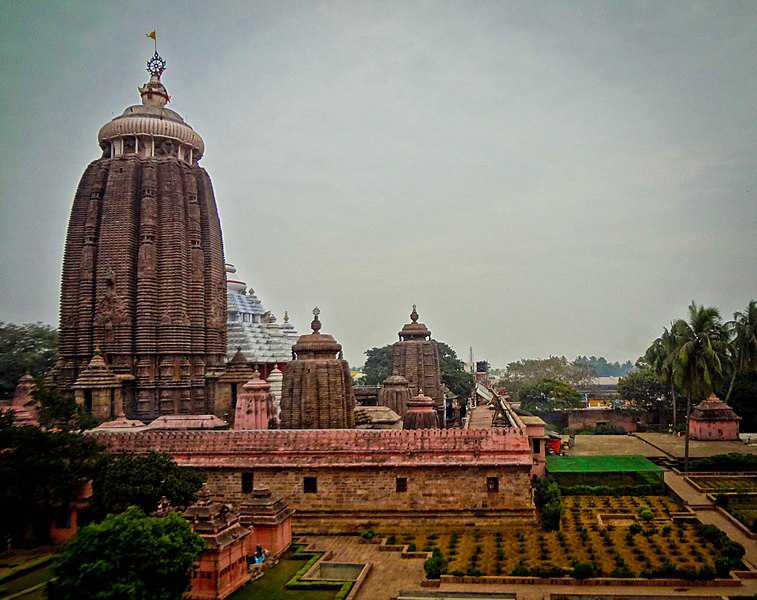
The Jagannath Temple was built in the 11th century by King Indradyumna. The present temple was rebuilt from the 10th century onwards, on the site of an earlier temple, and begun by King Anantavarman Chodaganga Deva, first of the Eastern Ganga dynasty. The earthly abode of Lord Jagannath, a form of Lord Vishnu, this temple is part of the Char Dham sites and is a very holy pilgrimage site for Hindus. The complex with it’s rich Oriyan architechture consists of the main shrine plys many minor temples. The four gates are beautifully designed with intricate carvings. This temple is famous for its annual Ratha yatra, or chariot festival, in which the three principal deities are pulled on huge and elaborately decorated temple cars. These gave their name to the English term ‘Juggernaut’. Unlike the stone and metal icons found in most Hindu temples, the image of Jagannath is made of wood and is ceremoniously replaced every twelve or nineteen years by an exact replica. The Mahaprasad in the temple is scrumptious and is something that should not be missed. In one of the largest kitchens of India, the lip-smacking food is cooked in earthen pots for thousands every day and offered to devotees.

Source

The Jagannath Rath Yatra is a festival much loved in the state and is dedicated to Lord Jagannath i.e. Lord Krishna, his sister Goddess Subhadra and his elder brother Lord Balabhadra. Commonly known as Gundicha Yatra, Dasavatara, Chariot Festival or Navadina Yatra, it is celebrated every year in the month of June or July. During the Rath Yatra, between 400-500 thousand devotees flock to Puri to get a glimse of the Lord as it is believed that those who manage to get a glimpse of the idols will have a prosperous year ahead. The Yatra begins when three richly decorated chariots resembling temple structures are pulled through the streets of Badadanda in Puri. Devotees from all over the world help pull the Lords’ chariots along with the priests. This is considered to be a pious deed, and people even risk their lives in the huge crowd for the chance to serve the Lord. This is the only day when devotees who are not allowed in the temple premises, such as non-Hindus and foreigners, can get their glimpse of the deities. The huge processions accompanying the chariots play devotional songs. The Ratha carts themselves are some approximately 45 feet (14 m) high and are pulled by the thousands who congregate at Puri for this annual event. There are three main chariots carrying three deities that are a part of the celebration. All the three chariots are made of wood and decorated by local artists. Lord Jagannath’s chariot is the biggest of the three having 16 massive wheels and a height of 44 feet. While Lord Balabhadra’s chariot has 14 wheels and a height of 43 feet followed by Goddess Subhadra’s chariot having 12 wheels and a height of 42 feet. Lord Balaram’s chariot is pulled first, then Goddess Subhadra’s followed by Lord Jagannath’s.

This festival has also been mentioned in the Puranas of Hinduism including Padma, Brahma, and Skanda Purana. The Rath Yatra is organized every year due to the belief that every year Lord Krishna visits his birth place Mathura for a few days. In order to fulfil the wishes of the Lord, every year this yatra is conducted with its starting point being Jagannath Temple. The procession’s last destination is the Gundicha Temple, where the wishes of Kanha are fulfilled. Once the raths reach the Gundicha Temple, the deities reside at the temple for a period of nine days where pilgrims are allowed darshan before taking it back to Puri in the same way. The return journey is called the Bahuda Yatra. On the way back, the procession halts at the Mausi Maa Temple (their aunt’s abode) where the deities are served with Poda Pitha (a kind of a sweet pancake). It is a said to be a poor man’s food which was a favourite of Lord Jagannath. The Jagannath Rath Yatra is one of the grandest and oldest festivals celebrated in India every year. The Jagannath Rath Yatra for 202o is scheduled for 23rd June.

Situated near the Jagannath Temple, the Lakshmi Temple is a very important temple owing to the beliefs around the history of this structure. It is believed that the marriage of Lord Shiva and Goddess Parvati happened on the sixth day of the fortnight of Jyeshta and they were invited to this temple by Goddess Lakshmi.

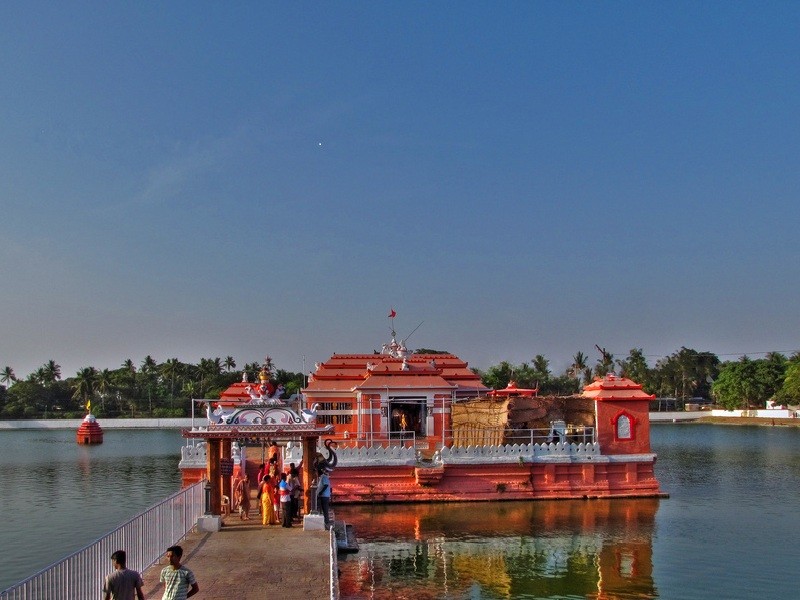
The Narendra Tank is one of the largest tanks in Odisha and is believed to have been built during the 15th century. This tank is considered holy and has a lot of small and big temples surrounding it. There is an island in the middle of the lake with a small temple called Chandana Mandapa.

Puri Beach is one of the finest coastlines in East India, bordering the Bay of Bengal and is located at a distance of 35 km from the Konark Sun Temple. It is often flocked by devotees visiting the beach for a purification dip who come to Puri to pay their homage to Lord Jagannath. The beach is also renowned for the sand sculptures made by internationally known sand artist Sudarshan Patnaik. The sculptures are usually inspired by the art covering the temple walls or other mythological character or episodes. Adorned with fine golden sand and gushing waves, Puri Beach is quite renowned for its peaceful and calm surroundings. The stretch on the Chakratirtha side is much more tranquil and pleasant for a long stroll.

Baripada
At a distance of 256 km from Bhubabeshwar and located closer to Kolkata than the state capital, Baripada is one of the cultural centres of Odisha, situated in the Mayurbhanj district. Its Rath Yatra is considered the biggest and oldest after Puri and thus Baripada is also known as Dwitiya Srikhetra or Second Puri. It is host to the world famous Car Festival (Rathyatra) which allows only women to pull the Rath of Maa Subhadra and gathers huge crowds. In this place, you can see some of the oldest temples in the state. The town also has its own dance form which is quite famous, known as the Chhau dance. Every year in mid April, there is a Chhau dance festival called Chaitra Parva festival for which people come from far and wide to witness. The Chhau dance is a dance form which is indigenous to the region and which has been inscribed in the UNESCO’s Representative List of the Intangible Cultural Heritage of Humanity list in 2010.

The Sri Jagannath Temple which is dedicated to the Lord of the Universe, or Lord Jagannath witnesses an inflow of a large number of pilgrims throughout the year. The temple is also known as the second Srikhetra of Orissa and boasts of being one of the oldest temples of Orissa. The Rathyatra that takes place here is also a grand affair and is the second largest after the Puri Rath Yatra. At the same time, the rituals and practices that are followed at the temple are unique and revolutionary. In the Baripada Rathyatra, women devotees are given more priority, and they are allowed to pull Maa Subhadra Ratha. This distinguishing feature separates the Sri Jagannath Temple from the remaining ones and attracts a large number of female worshippers from neighbouring areas as well. This temple which is also locally known as Bada Jagannath, is a beautiful 700-year-old structure believed to have been built by Raja Harihara Bhanja, who was also the founder of the capital city.

At the Jwala Mukhi Temple, there is a blue burning flame is kindled as Goddess Jwala, the goddess of light or fire. The dome of this temple is made of gold which was gifted by Akbar, the Mughal emperor. The temple is situated in lush green surroundings and is a good visit to not only soothe your senses but also your soul.

The Palace of Mayur Bhanj is a beautiful massive white building which depicts an amazing fusion of engineering and architecture and is one of the landmarks of the town. This beautiful palace belonged to the Maharajas of Mayurbhanj which was a princely state during British Raj but was sold to the Orissa government after the independence by the last ruler of Bhanj dynasty. The palace, however needs a lot of renovation and is now divided into two colleges.

At the Baripada Museum get stunned by the some of the rarest artifacts here, like stone sculptures, historical documents, terracotta art pieces and other aesthetic commodities. The musem also has a library which has guide books about the history of the artifacts.

Source

Sambalpur
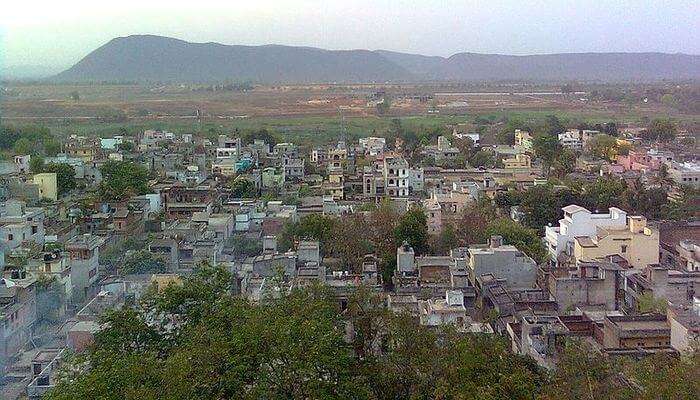
Known for its natural splendours, Sambalpur’s landscape is dotted with numerous waterfalls and plush green forests that beckon photography buffs, nature lovers, and adventure enthusiasts. Sambalpur is the gateway to the western part of Odisha and is the biggest city of this region. It abounds in rivers, hills, lush green forests and wildlife. The place also has a flourishing textile and handloom industry popular for its unique patterns and style, especially the Sambalpuri style of Saree. In addition to that, Sambalpur has a flourishing tribal life with an exquisite folk song and dance culture. Sambalpur got its name from Devi Samaleswari who is the main goddess of the region. One can also visit wildlife parks here to enjoy the beauty of nature that Sambalpur has in plenty. The area is known for the world famous Hirakud Dam which is the main attraction for the tourists here.

Source

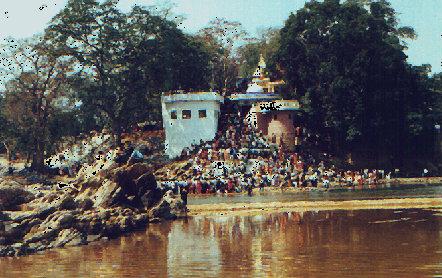
The Samaleswari temple is located on the banks of Mahanadi and is dedicated to Devi Samaleswari also known as Jagannath Adishakti, Mahalaxmi and Mahasawarswati. The name of the city is derived from this goddess, Samaleswari as she is the main goddess of the region. On the bank of the river Mahanadi the mother goddess Samaleswari is worshipped from ancient times as Jagatjanani, Adishakti, Mahalaxmi and Mahasaraswati. The temple is of Sandhara order. These types of temples have a square sanctum enclosed by a gallery of pillars meant for Pradakshina. The Idol of Shree Shree Samalai Devi consists of a large block of Granite rock with an inverted, trunk like projection at the bottom. A shallow cut on her ‘Baraha’ like face symbolises her mouth. Traditional Sambalpuri nose ornament of pure gold hangs down from her imaginary nose. Among the varieties of festivals observed before the goddess throughout the year, three festivals are observed prominently. The first two are navaratra puja during the months of March and April and during the months of September and October. Among these two navaratra pujas which are nine days of continuous worship of the goddess, the second one is observed with a great splendour and devotion. The third festival which is said to be the chief festival of the whole western Odisha region is ‘Nuakhai’. In this festival, the farmers offer the first produce from their lands to the goddess before using it for his personal use.

The Leaning Temple of Huma, dedicated to Lord Shiva was built in the 17th century and is the only leaning temple in the world. In this temple, only the top is leaning while the pinnacle is perpendicular to the ground. It is said that the reason for this could be either earthquake or the flood current in the river Mahanadi. There is a huge gathering specially during Shivratri festival during March.

The Ghanteswari Temple owes its name to the number of bells that hang in the temple premises. Rows of tiny bells that jingle at the slightest touch form the barricades on either side of the entrance to the temple. The steps leading to the temple are framed by bells all around. A gateway has thousands of bells hung in place by devotees. Within the inner sanctum, bells adorn every possible surface. Bunches of bells adorn the doorway to the inner sanctum sanctorum. The sheer number of bells is because devotees who have had their wishes and requests fulfilled by the Goddess, hang a bell in the premises. The bells in the temple helped navigate boats in unruly weather conditions when the shore was not clearly visible. It served the purpose of a lighthouse.

Constructed across the Mahanadi River the Hirakud Dam is the longest human-made dam in India. Stretching between the Burla and Hirakud hills, the dam is over 56km long was built in the year 1956. The dam irrigates 7,500,000 hectares of land and also generates hydroelectricity. One of the major attractions here is a drive-through road that you takes you 21km over the dam allowing one to admire nature’s bounty. Another striking feature of the dam is the wide expanse of the view that it offers from the Gandhi and Nehru Minarets that are located towards the Northern Facade of the dam. It is also a fantastic site for birdwatching as it is surrounded by abundant water and trees on all sides. Situated near the dam is a hill called Budharaja hill, which is well-known for the Budharaja Temple at its peak. Dedicated to Lord Shiva, this temple offers breathtaking views of the dam.

Source

Cattle Island is a submerged hill in the Hirakud reservoir. The island was a developed village prior to the construction of the Hirakud Dam. Once the dam reached completion, the villagers living in the surrounding area were asked to evacuate. The villagers when relocating left a few domesticated cattle behind which were a part of the livestock they owned. The cattle over time bred and created a wild species of cattle for which humans are the alien species. Nearly all the cattle are white or cream coloured, lending an ethereal quality to the entire island. The cattle, being wild, are significantly larger and more ferocious than their domestic counterparts. They are believed to be blindly fast and protective of their land. Attempts made by man to capture these wild beasts have been in vain so far. Visit the island to see the remnants of a village recaptured and fiercely protected by nature.

Vikramkhol is a rock shelter or cave dating back to the Mesolithic period (between 3000 and 4000 BC). The caves have some form of inscriptions or art engraved into the walls of the cave. Located 81 km outside Sambalpur within a forested area, the caves are believed to be 37 m long and nearly 8 m high. These caves are not very easy to get to as paved roads have not been put down in an attempt to preserve the area.

Rourkela
Known as ‘Steel City of India’, Rourkela is one of the largest cities of Odisha as well as its commercial capital. The stands nestled amongst natural surroundings, endowed with hills and enriched by rivers. This city is a part of the tribal hub of the Sundargarh district. This city came into focus for having the Rourkela Steel Plant, which introduced CCTV to the continent of Asia for the first time in 1984. It also holds great religious significance due to its prominence in epics like the Ramayana and Mahabharata.

15km from NH215 near Lahunipara is this beautiful surprise of nature. Falling from steep mountain from a height of 244 meters, the Kandahar Falls it emerges like the edge of the sword and hence is named so. These falls are the highest in Odisha. It is not easy to locate Khandadhar, but once here, you can feel your long and mostly uncomfortable journey was worth it.

By the NH23 towards Rajamunda, on the banks of Brahmani about 45 km from Rourkela is the small village of Darjingis. This is a local favourite picnic spot because the river bed at this point is a beautiful golden hue which makes the river glisten like gold. Darjin has a lovely Inspection Bungalow with an amazing garden that faces the river. Another popular spot is Deoghar which is three km ahead of Darjing.

Source

Earlier known as Parasara Munda, Vedavyas is regarded as a tirtha stal or holy place. It is situated at a place where the waters of rivers Koel, Shankha and Saraswati unite. Because of this, the place is also known as Tridhara Sangaam. Situated at a distance of about 9 km from the city of Rourkela, this place holds historic significance. The Gurukula and Vedic Ashram system of education is a well-known feature of this place. Legend says that the great saint, Maharishi Vyas had scripted the greatest Hindu epic, the Mahabharata, at this very spot. Here one can enjoy a tour of the Vyas Caves which can be toured using boats.

27km away from Rourkela and 25 km from Vedavyas, Ghogar is a gorge on the river Ib. There is also a naturally formed Shivalinga, made of black granite, this Shiva linga is extensively preached by the followers. The temple in this gorge has a history which can be traced back at least five centuries. The temple was constructed by the king of Sundargarh Raghunath Sekhar Deo. The uniqueness of the temple is that till date it is the priests appointed by the people of Bhuyan community that perform worship here.

Travel Bucket List – India: Odisha Part 2

After reading about the history and geography of Odisha as well as it’s capital city of Bhubaneshwar, let’s move on to to some of the other cities in the state.

Cuttack
The cultural capital of Odisha and the state’s former capital and its second largest city, is known as an ancient pilgrim centre. This place has forts, museums, lakes, and islands for your viewing pleasure. Make sure you check out the local silver handicrafts which Cuttack is famous for.

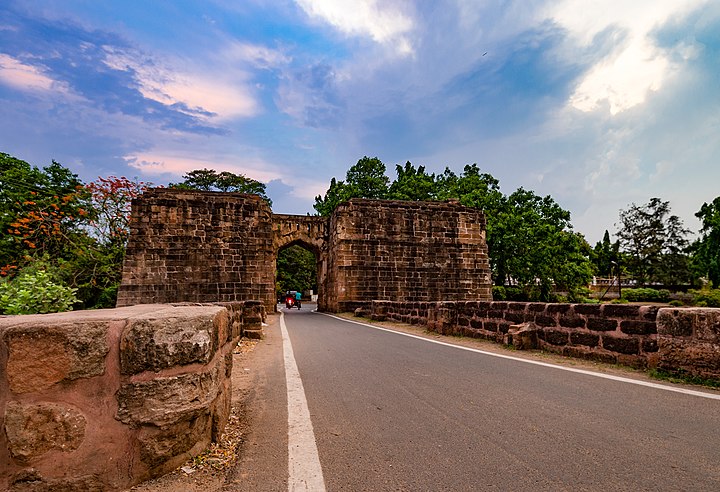
The Barbati Fort is a well known fort with carved gateway. Located around 8 km away from the city on the banks of the river Mahanadi, it is a 14th century fort built covering an area of about 102 acres during the Ganga dynasty. The way the fort has been buit means that it provides a beautiful and spectacular view of the modern Cuttack city. It is the earthen mound of the 9 storeyed palace. The monument was built with fortification to protect from enemy attacks. There is a also a temple dedicated to the Katak Chandi in the fort.

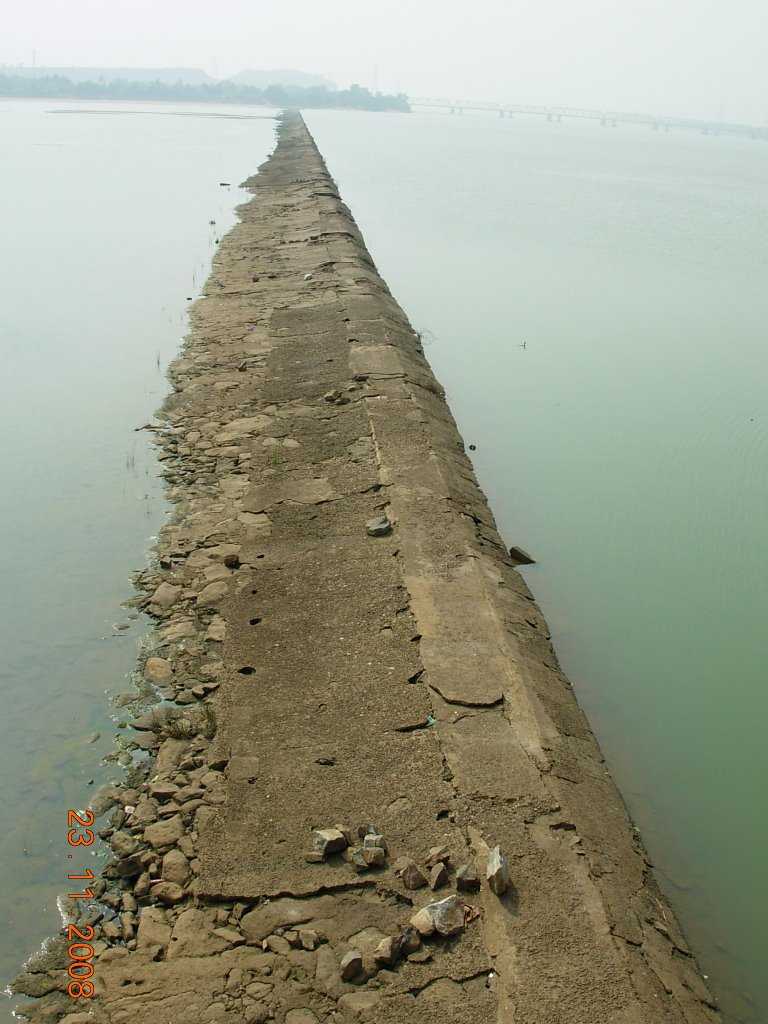
Situated on the banks of Kathjuri River, Stone Revetment is an engineering marvel created in the 11th century. These stone walls are constructed so as to obstruct flood water from entering the city. Remember this was built at a time when there was zero technology as we know today, hence is a brilliant example of the technical skills and logical thinking of the ancient Oriyans.

Dedicated to Lord Shiva, the Dhabaleshwar temple is located 37 km away from the main city. It lies on a river island on the river Mahanadi and serves as a popular weekend getaway for locals. This temple, established in 10th century is an important pilgrimage centre and provides a beautiful scenic spot with a serene ambience. You reach this temple from Cuttack using ferries ferries. There is also a foot-over bridge which people can use by paying a nominal fee.

The Odisha State Maritime Museum, overlooking the Mahanadi River, focuses on Odisha’s centuries-old maritime history of boat-building and trade, particularly with Bali, Indonesia. The displays walk you through the Kalingas’ maritime activities, rituals and tools, while the boat shed features river-boat, raft and coracle models from different parts of India. The Jobra workshop gallery introduces the world of sluice gates and boat repair, and an aquarium entertains visitors with marine life from Odisha and the Amazon River.

Rayagada
A district with a rich history and distinct culture, Rayagada has, over the years, mingled with the local tribal culture. This district has many historical places to visit and is known for its cuisine, crafts and handmade products. Located in the south-eastern border of the state close to Andhra radish, this area has not been commercialised with tourists so is still underrated and an undiscovered gem. This district offers dense forests, historical monuments, a peek into the lifestyle of tribal populations and authentic food. Rayagada has been inhabited since before the Mauryan empire controlled this region and has been an essential part of most empires due to its abundant natural resources.

An avatar of Goddess Durga, Majhighariani is accepted as the prime, most important deity in this region. The name originates from the placement of Shakti’s temple in the middle of the fourteenth-century Silavansi king Viswanath Dev’s palace and translates to the one seated in the central room. The Maa Majhighariani temple attracts worshippers from all over the state and the country, especially Madhya Pradesh, Andhra Pradesh and Chhattisgarh. The temple is open from 6 am to 1 pm and then reopens again from 4 pm till 9 pm. While entry is free, to arrange a special darshan can cost Rs. 20, or Rs. 100 for the VVIP darshan. Sundays and Wednesdays witness a more massive footfall, while evenings are generally much less crowded. The festival of Chaitra Parva, which falls in April, is the most crucial time of the year for worshippers of Shiva and Majhighariani, which is also the time this temple is the most crowded. Durga Pooja and Shivratri also see an abundant influx of pilgrims. From the Rayagada railway station, it is a short 20 minute drive away.

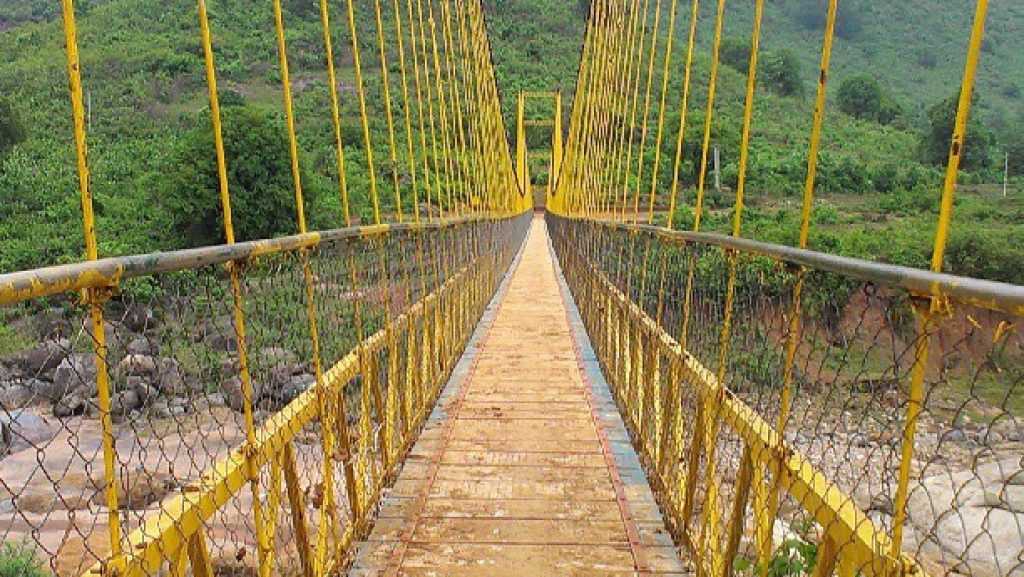
The Hanging bridge in the Chekaguda village is the second of its kind in Orissa. Built in 2012, the 151 meters long suspended bridge has brought about 20,000-odd tribal villagers residing in nine panchayats located at the outskirt of the town, closer to the central city, by bridging the two shores of the Nagavali river. Also called the Jhula Bridge, given its construction, it is accessible only by pedestrians, as no vehicles are allowed to go through it. The Nagavali river has since become a tourist spot, and the bridge a tourist attraction, as families come to enjoy the serene environment of the river, the mountains around the valley, and the relative peace. The bridge is accessible all year round without any entry or crossing fee. The bridge is about 3 kms west of the Rayagada railway station, and it takes about 15 minutes to reach there by road.

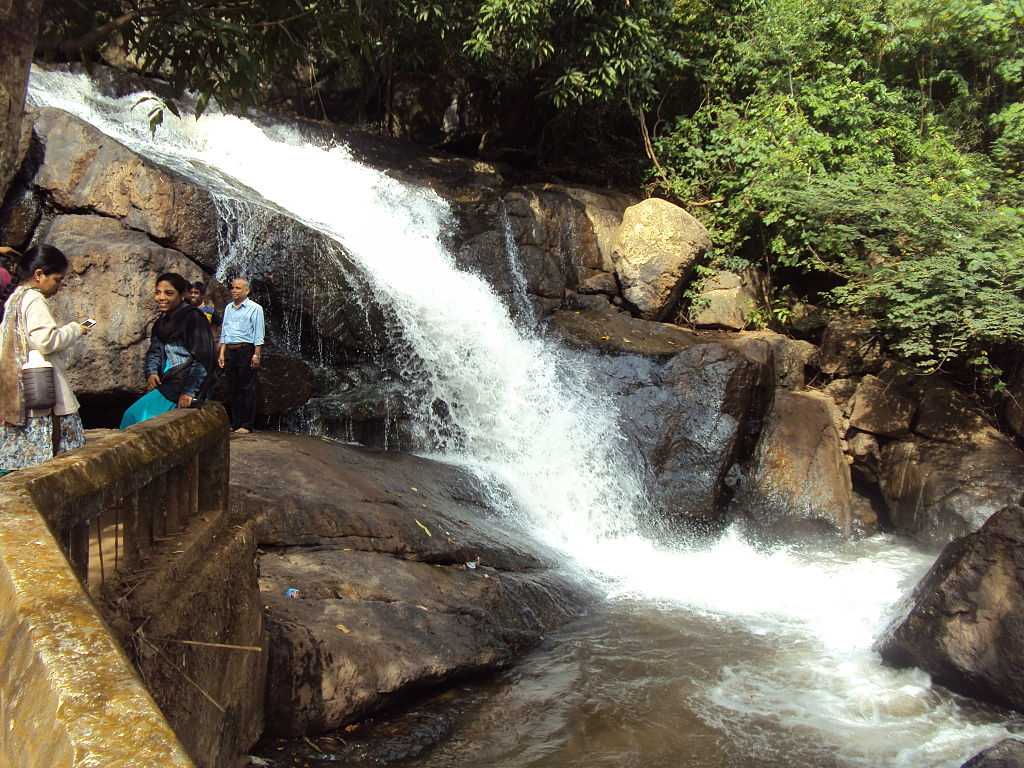
Chatikona is a small tribal village located around 40 kms north of Rayagada. It is surrounded by the Niyamgiri hills and offers tourists wonderful natural beauty complete with lush green foliage and a fantastic waterfall. Chatikona is a Dongria Kondh tribal village, and one can get to see marketplaces full of tribal arts and handicrafts. The Chatikona Falls attracts a large number of tourists and picnickers, and the Shiva temple near it draws pilgrims from all over Odisha, especially during the period of Shivratri, when it can be very crowded. While it is an all-weather destination, it is advised to skip the rainy seasons as well as the Shivratri month to avoid congestion. There is no entry fee to view the falls. Chatikona is rather easily accessible by road and if you want to take the train, the nearest railway station is Bissamcuttack.

A pilgrim and tourist spot which is slightly further away, around 134 km north-east from the main town of Rayagada, Minajhola is a beautiful confluence of nature and religion. It houses a Shiva temple; at the meeting of 3 state rivers: Vamsadhara, Chauladhua, and Phalaphalia, where the idol is in the form of a fish called Minaketan, hence the name. It is a major pilgrim spot, given that Shivratri here is celebrated with much gusto. Due to its natural beauty, Manijhola attracts a lot of tourists also, to see the confluence of rivers, bathe in them, and picnic along the shore. The road to Minajhola is not very friendly and all-weather and the nearest railway station is Rayagada.

Located around 25 kms from the main town of Rayagada, the Laxminarayan Temple was built by the the Indian Metals and Ferro Alloys Ltd., near their factory in Therubali. It was built around 2004 as a place of worship of Vishnu and Laxmi, but also houses Jagannath, Hanuman, Balabhadra, and Shiva idols. Visitors abound from all over, especially more so for Shivratri festivities. A few kilometres further toward Paikapada, one can witness over one lakh Shivling at the Paikapada shrine. These two temples are also crowded during the Jagannath Rath Yatra season that takes place in the humid month of July. The Laxminarayan Temple is usually more crowded on Tuesdays.

Located just 3 kms from Rayagada, Hatipathar is a picnic spot much loved by tourists. It is named so because the Nagavali river flows here through a deep-cut valley, and the two boulders atop these waterfalls look like elephants perched on a hill. October to February are the best time to visit these falls, as temperatures are cooler and rainy season has passed. Surrounded by dense forests, these falls make for the perfect tea-time picnic spots for family and friends.

Daringbadi
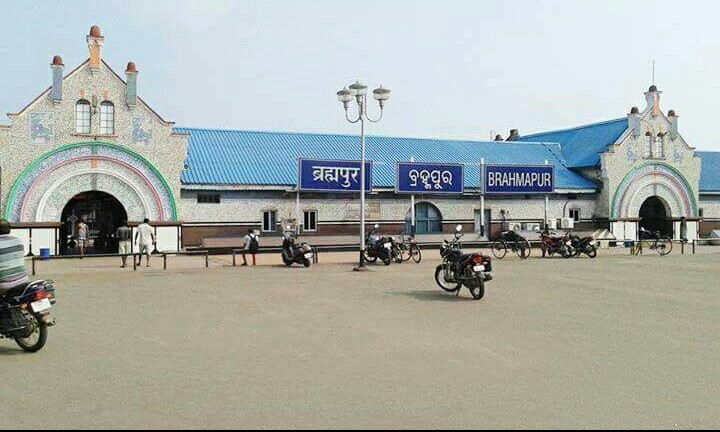
If you are wondering if Odisha has any hill stations, then Daringbadi is the place to go to. Hidden a state famous for beaches and temples, this hill station lies peacefully at an elevation of 3000 feet waiting to be explored. Replete with pine trees, coffee gardens and splendid valleys, Daringbadi is known as the “Kashmir of Odisha”. A place where you can stay in quaint cottages amidst trees and valleys, the weather is inviting – beating the heat in summers and offering snow in the winter. The place does not only have verdant and thick forests, but is also bountiful in flora and fauna. The best part about this hill station is that you can visit this place throughout the year. The nearest railhead is at Brahmapur from where one can take the bus to the city. This town can be visited anytime of the year, though if you want to catch snow, then check the weather reports between December to February and go around this period when snow is predicted. The key attractions here are the Doluri River, Putudi Waterfalls, Dasingbadi waterfalls, Badangia waterfalls and Hill view Park.

Berhampur
Also known as Brahmapur, Berhampur close to the eastern coast Brahmapur is known as the home of Lord Brahma and is usually known as the silk city- the city which is famous for the lustrous ikkat silk sarees in different colours and patterns. Bomokei patta, named after the village Bomokei where excellent work out of brass and metal is created also is an attraction to the tourists here. Besides these beautiful handicrafts, handlooms and jewelery this city offers some of the best Papads (popadum), pickles, badis and fruits specially mangoes.

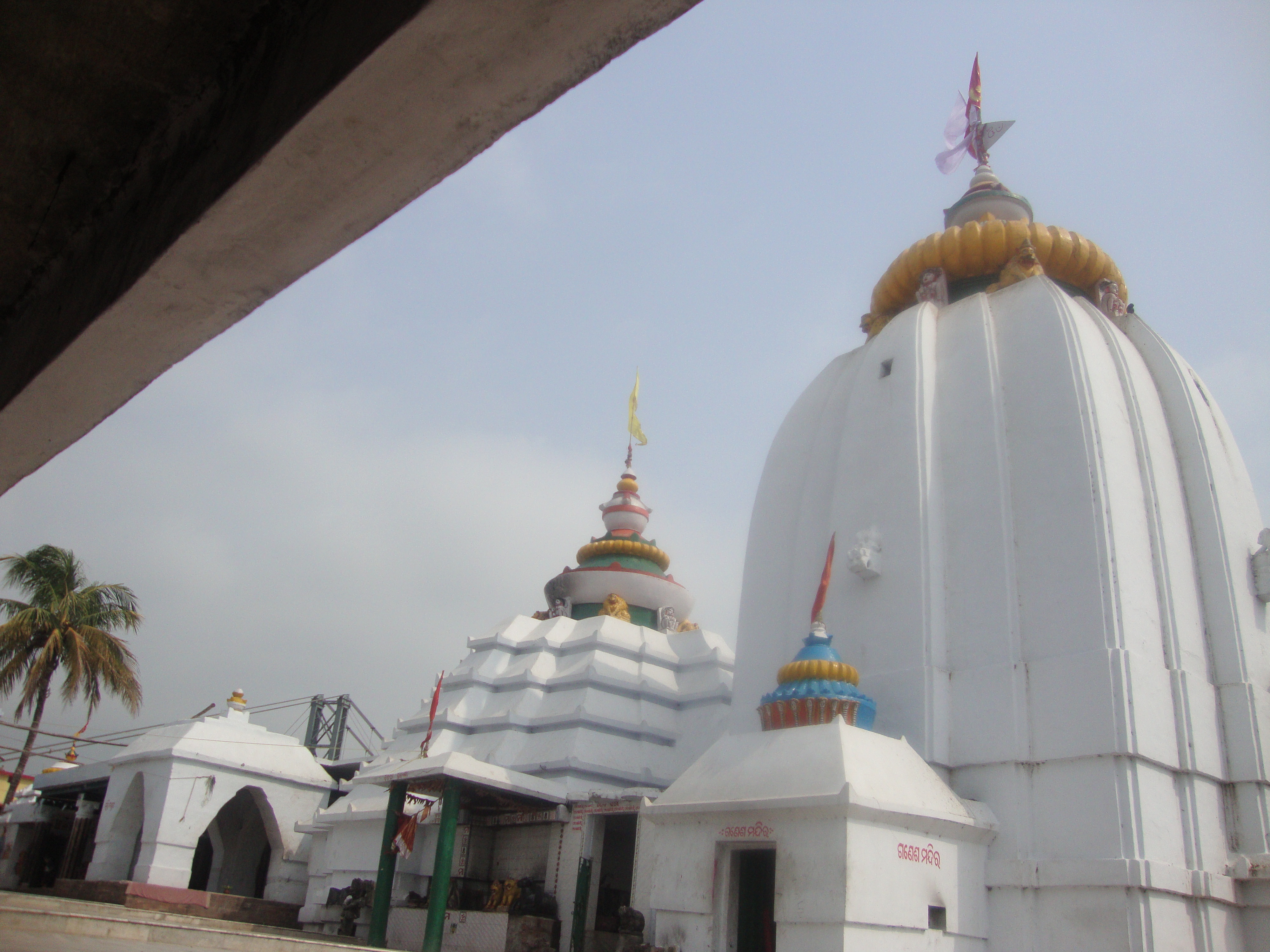
Potagarh fort is also known as “the buried fort” as the length of the wall is somewhere between 18 to 20 feet in height and looks dug. This historic specimen of architecture left with the remains of fort houses and buried tunnel specks, has deep water streams on three sides. This fort is on the the river Rasikulya and the Bay of Bengal. Locals say that the fort is haunted and the story is related to the goddess of the fort attacking the King and the King escaping through the tunnels.

Situated around 30 Km away from the main city the Taratarini temple is recognized to be one of the four major Shakti pitha or centre according to mythological texts of Satyuga. This 6000-year-old temple has historical connections and also finds a mention in the Puranas.

Jeypore
Another under-rated town in Odisha, Jeypore which is located in the southern part of the state, is known for offering spellbinding views of rocky outcrops, picturesque waterfalls, and lush green biosphere reserves. Jeypore is the second largest city after Berhampur of South Odisha and locally is pronounced as ‘Joypur’ is the literal meaning of the town is ‘City of Victory’. The highest peak in the state, Deomali, is a popular picnic spot located not very far from Jeypore. This town is home to about 62 affiliated communities such as Gond, Dhruba, Paraja, Koya.

The Gupteswar Temple meaning ‘Hidden God’ is a temple dedicated to Lord Shiva temple beautifully hidden amidst caves set atop a huge limestone hill, around 55 km away from Jeypore. The main attraction at this temple is a gigantic Shiva Linga which is said to increase in size each year. According to mythology, the lingam was first discovered by Lord Rama when he was roaming in the then Dandakaranya forest with wife Sita and brother Laxman, and later worshipped it calling it ‘Gupteswar’. Pilgrims from all over the country come here during the Sravana period, because the yearly Bol Bam yatra is held at this place. Devotees walk to the Gupteshwar during Bol Bam yatra to bath in the maha kund, and then chant near the Shiva Linga. The prime anniversary, Shivratri is celebrated by the locals at Gupteshwar.

Source

Another famous waterfall, the Bagara waterfall is a favourite picnic spot for locals. You walk along the ravines and densely vegetated slopes of the winding hills and then suddenly come across the Bagara waterfall which falls from three different waterfalls, descending from a height of 30 ft. in the River Kolaban and is milky white in colour. It is a heavenly sight, especially when you are here for a picnic. This waterfall is easily accessible from Jeypore and you can take a bus, taxi or autorickshaw to get there.

The 157.5 metres high glittering waterfall that has been formed by the Machhakund River is known as the Duduma Waterfall. The site of the waterfall abounds in dense deciduous type forests and the beautiful topography made all the more beautiful by the gurgling stream. An enormous hydroelectricity project has been built around the falls and as a consequence a township can now be seen in Duduma. Machhakund is also an important place for pilgrimage and is known as ‘Matsya Tirtha’. These falls are located at a distance of 92 km from Koraput town and can be easily reached from both Koraput and Jeypore. The best time to visit the waterfalls around Jeypore is just after the monsoon season when you can see them in full bloom. September to November is therefore the best time to visit the waterfalls since the streams shrink considerably with the coming of winter.