
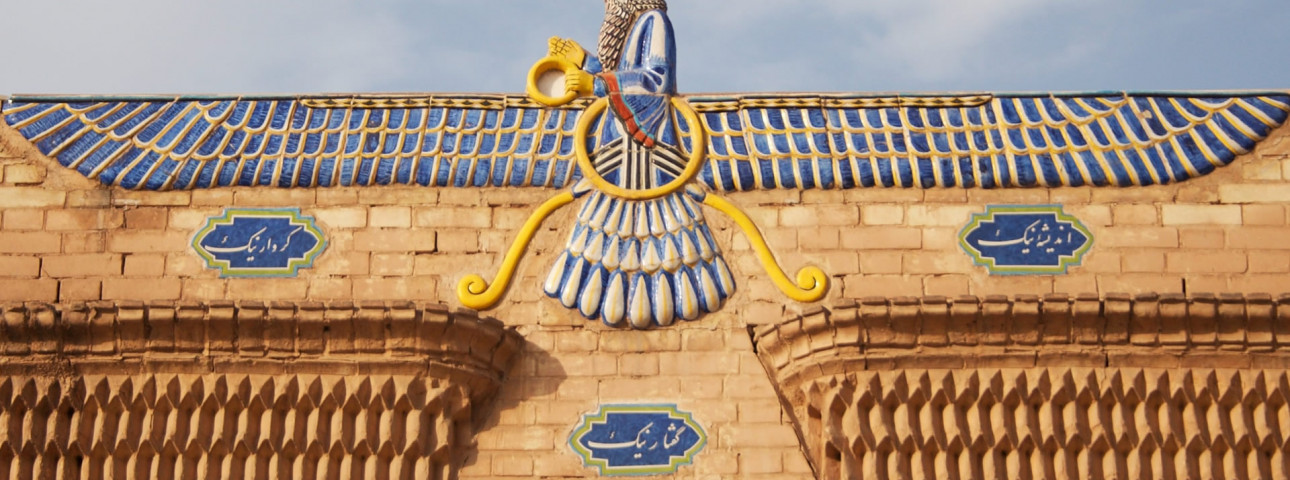
Yesterday was Navroze which marked the beginning of the Persian calendar, and which in India, the Parsis celebrated as their new year! Navroz which comes from the combination of two words – ‘nav’, meaning new and ‘roz’, which means day means a new day. Cries of Navroz Mubarak and Saal Mubarak must have echoed across agriaries or fire temples across the country. This tradition began more than 3000 years ago, and is also known as Jamshed-i-Nouroz after the Persian King, Jamshed, who introduced the Parsi calendar. Legend has it that Jamshed saved the world from an apocalypse, a winter that was destined to kill everyone; by using a throne studded with gems and rising to the heavens on the shoulders of demons he shone brighter than the sun and gave birth to a new day, Navroz.
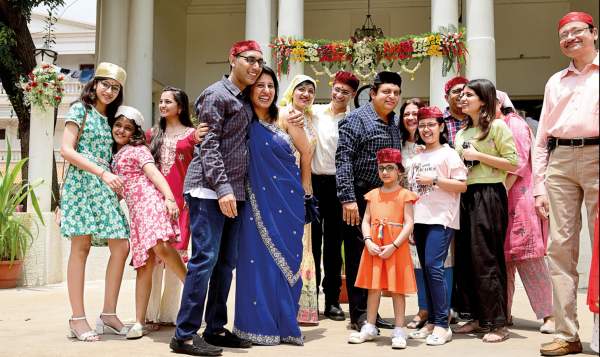
Navroze marks a new beginning and is celebrated with much fervour. The eve before Navroz is also known as Pateti, when Parsis rigorously go into cleaning mode externally too and get rid of all their unwanted belongings and possessions, in the hopes of cleansing themselves. People clean and decorate their homes, dress up in traditional attires, and visit fire temples to pray for prosperity and seek forgiveness for their sins.
I have written about the Parsis and Navroz also previously, so hop there to read more on some legends about this wonderful community!

The Parsis follow the religion of Zoroastrianism, one of the oldest known monotheistic religions. It was founded by the Prophet Zarathustra in ancient Iran approximately 3,500 years ago. One of the ancient world’s most important religions for over 1000 years, it was the official religion of ancient Persia from 650 BCE until the rise of Islam in the 7th century. When the Islamic armies invaded Persia, many Zoroastrians migrated, and a many of them landed in Gujarat in India. Today, there are an estimated 2.6 million Zoroastrians worldwide, with the Parsis in India being the largest single group.
In Iran and other parts of the Middle East, Zoroastrians celebrated the Persian New Year using the Fasli/Bastnai calendar, which fixed the first day of the year on the Spring Equinox, usually March 21st. To this day, this remains a popular festival, known as Nowruz, celebrated by many peoples and cultures in the region, despite not being Zoroastrians. The Parsis however, observe the new year using the Shahenshahi calendar which does not account for leap years, meaning this holiday has now moved by 200 days from its original day of the vernal equinox.
Growing up and studying in a Parsi school means that we had friends and classmates who celebrated this festival. Another unique feature of Parsi schools is that we used to get something called Gatha holidays. This used to a weeklong holiday just before the Parsi New Year. In our larger area, it was usually just our school and an another Parsi school nearby which had this holiday and I remember other friends who didn’t have this holiday being very jealous of us. Of course, this didn’t mean we got more holidays than others. We used to pay back the five days we got as holidays by having our Christmas holidays much later than the mission schools and also a few days before the Diwali holidays and the summer holidays. Other schools had a week-long break for other festivals which we didn’t have, so school holidays generally adjusted themselves.
The Gatha days are the five intercalary or timekeeping days which span the last month of the year and the first month of the new year. The Frawardigan, also known as Hamaspathmaidyem Gahambar, mukhtad or panji is a 10-day period during which the souls of the dead or the fravashi are commemorated. The ten days of Frawardigan span the last five days of the last month of the year, plus the five intercalary or Gatha days between the last month of the year and first month of the next year. Among Indian Zoroastrians, an extended mukhtad of eighteen days is also observed and this is the holiday we used to get. I also remember calling the Parsi New Year as Pateti, which I understand means a day of penitence which comes from the patet meaning confession. This is actually a day of introspection, and originally occurred on the last day, or on the last 5 days of the calendar year. For reasons related to single day occasions being observed over six days, Pateti came to fall on the first day of the New Year’s Day celebrations, and in India which folloed the Shahenshahi calendar, Pateti came to be celebrated on New Year’s Day itself. Although the name has been retained, Pateti is no longer a day of introspection.
To all those who celebrate the Parsi New Year, here’s wishing you Saal Mubarak and Navroze Mubarak!
 Memories and Such