In My Hands Today…

Coming Out as Dalit: A Memoir – Yashica Dutt

Dalit student Rohith Vemula’s tragic suicide in January 2016 started many charged conversations around caste-based discrimination in universities in India. For Yashica Dutt, a journalist living in New York, this was the moment to stop living a lie, and admit to something that she had hidden from friends and colleagues for over a decade—that she was Dalit.

In Coming Out as Dalit, Dutt recounts the exhausting burden of living with the secret and how she was terrified of being found out. She talks about the tremendous feeling of empowerment she experienced when she finally stood up for herself and her community and shrugged off the fake upper-caste identity she’d had to construct for herself. As she began to understand the inequities of the caste system, she also had to deal with the crushing guilt of denying her history, the struggles of her grandparents, and the many Dalit reformers who fought for equal rights.

In this personal memoir that is also a narrative of the Dalits, she writes about the journey of coming to terms with her identity and takes us through the history of the Dalit movement, the consequences of her community’s lack of access to education and culture, the need for reservation, the paucity of Dalit voices in mainstream media, Dalit women’s movements and their ongoing contributions, and attempts to answer crucial questions about caste and privilege. Woven from personal narratives from her own life as well as that of other Dalits, this book forces us to confront the injustices of caste and also serves as a call to action.

In My Hands Today…

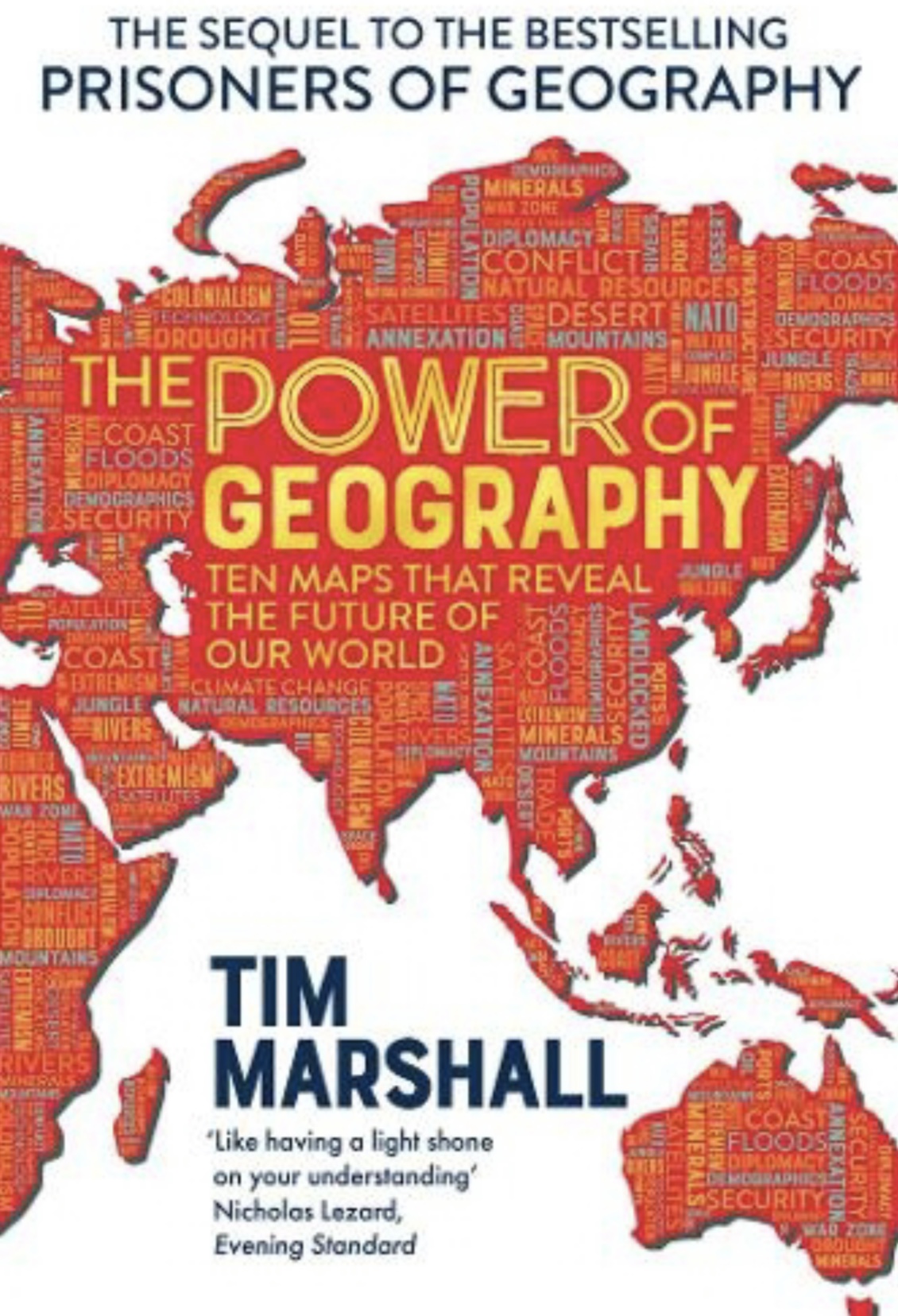
The Future of Geography: How Power and Politics in Space Will Change Our World – Tim Marshall

Spy satellites are orbiting the moon. Space metals are worth more than most countries’ GDPs.

People on Mars within the next ten years.

This isn’t science fiction. It’s astropolitics.

Humans are heading up and out, and we’re taking our power struggles with us. Soon, what happens in space will shape human history as much as the mountains, rivers and seas have on Earth. It’s no coincidence that Russia, China and the USA are leading the way. The next fifty years will change the face of global politics.

In this gripping book, bestselling author Tim Marshall lays bare the new geopolitical realities to show how we got here and where we’re going, covering the new space race, great-power rivalry, technology, economics, war, and what it means for all of us down here on Earth. Written with all the insight and wit that have made Marshall the UK’s most popular writer on geopolitics, this is an essential read on power, politics and the future of humanity.

In My Hands Today…

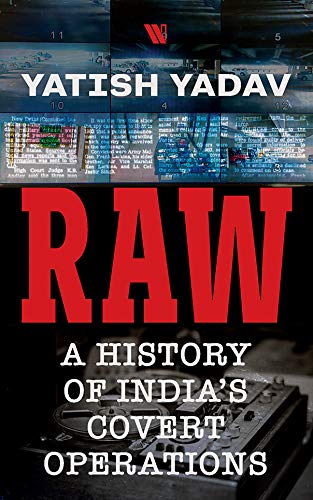
The Mind of a Terrorist: David Headley, the Mumbai Massacre, and His European Revenge – Kaare Sørensen, translated by Cory Klingsporn

David Headley, the American-Pakistani also known as Daood Gilani, lived a double life. One day he would stroll through Central Park in his tailored Armani suit as a true New Yorker, and the next he would browse in the bazaar in Lahore wearing traditional Pakistani clothes. One day he would drink champagne at the most extravagant clubs; on another, he would prostrate himself in prayer in remote Pakistan and pledge fidelity to Allah.

Born in 1960, the son of an American mother and Pakistani father, with one blue eye and one brown, Headley grew up between East and West. He was attracted to both worlds, even working as an informant for the US government, until one day he found he had to choose between the place of his birth and a radical form of Islam preaching global jihad. This is the disturbing story of the mastermind behind the 2008 attacks in Mumbai that killed 166 people—who two months later flew to Copenhagen to plan another act of terror with the help of al-Qaeda sleeper cells in Europe.

Veteran journalist Kaare Sørensen has reconstructed his movements and planning in a tense feat of reportage. His account, based on extensive reporting, eyewitness interviews, and documentation including wiretaps, court transcripts, and emails by Headley accessed from a chat room cache of nine thousand messages, offers unprecedented insight into the mind of the terrorist. The author has provided updates and a new preface for the English-language edition.

In My Hands Today…

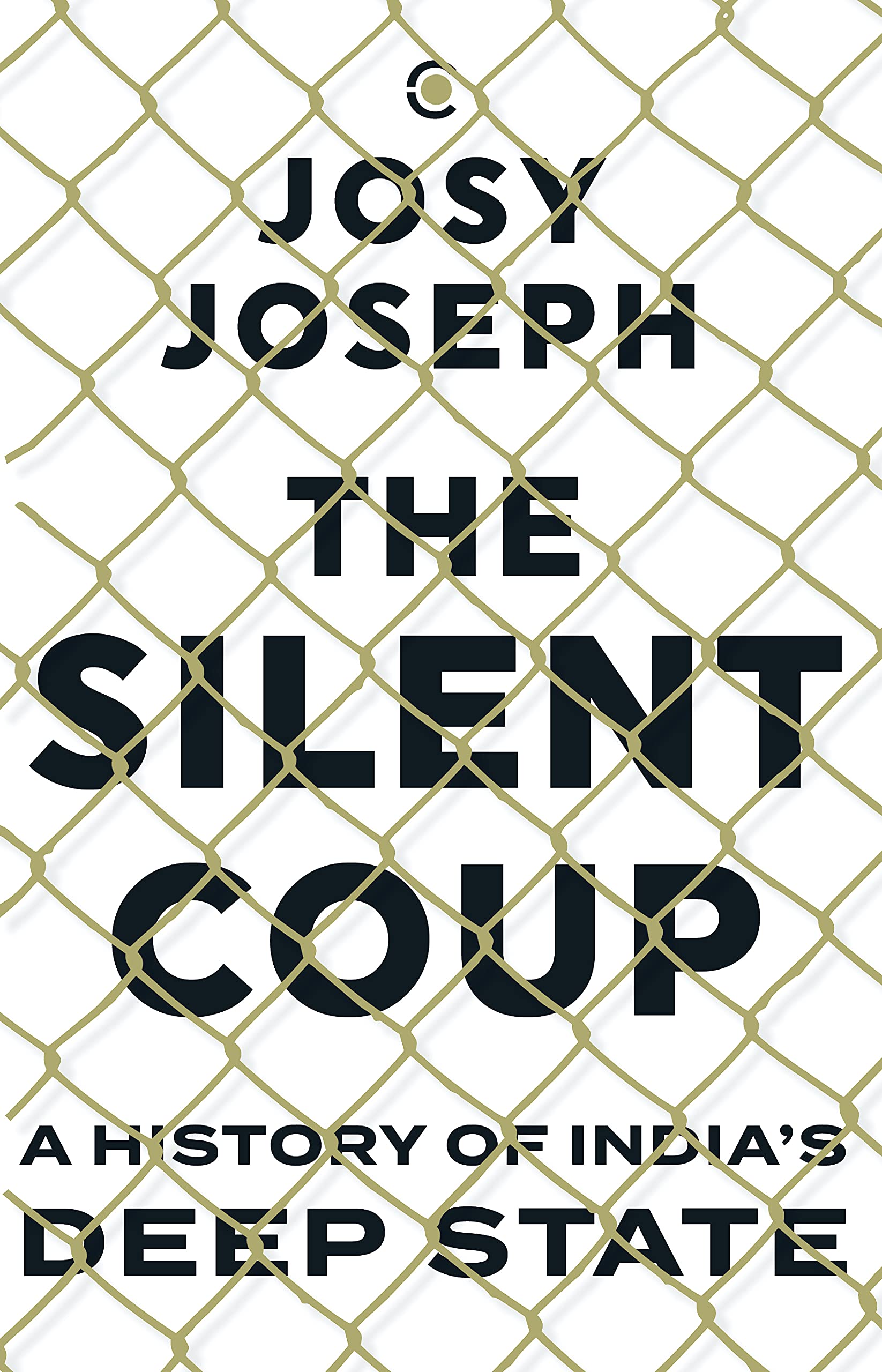
Magnificent Delusions: Pakistan, the United States, and an Epic History of Misunderstanding – Husain Haqqani

The relationship between America and Pakistan is based on mutual incomprehension and always has been. Pakistan—to American eyes—has gone from being a quirky irrelevance to a stabilizing friend, an essential military ally, and a seedbed of terror. America—to Pakistani eyes—has been a guarantee of security, a coldly distant scold, an enthusiastic military enabler, and is now a threat to national security and a source of humiliation.

The countries are not merely at odds. Each believes it can play the other—with sometimes absurd, sometimes tragic, results. The conventional narrative about the war in Afghanistan, for instance, has revolved around the Soviet invasion in 1979. But President Jimmy Carter signed the first authorization to help the Pakistani-backed mujahedeen covertly on July 3—almost six months before the Soviets invaded. Americans were told, and like to believe, that what followed was Charlie Wilson’s war of Afghani liberation, with which they remain embroiled to this day. It was not. It was General Zia-ul-Haq’s vicious regional power play.

Husain Haqqani has a unique insight into Pakistan, his homeland, and America, where he was ambassador and is now a professor at Boston University. His life has mapped the relationship of the two countries, and he has found himself often close to the heart of it, sometimes in very confrontational circumstances. This has allowed him to write the story of a misbegotten diplomatic love affair, here memorably laid bare.

In My Hands Today…

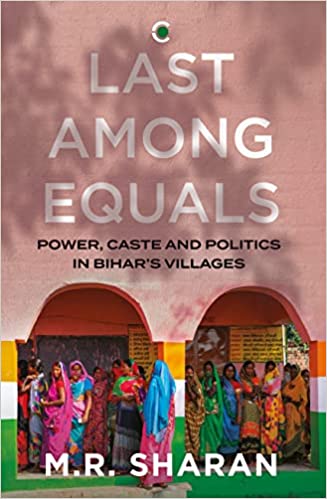
Whole Numbers and Half Truths – Rukmini S.

How do you see India?

Fuelled by a surge of migration to cities, the country’s growth appears to be defined by urbanisation and by its growing, prosperous middle class. It is also defined by progressive and liberal young Indians who vote beyond the constraints of identity and, paradoxically, by an unchecked population explosion and rising crimes against women. Is it, though?

In 2020, the annual population growth was down to under 1 percent. Only 31 out of 100 Indians live in a city today, and just 5 percent live outside the city of their birth.

As recently as 2016, only 4 percent of young, married respondents in a survey said their spouse belonged to a different caste group. Over 45 percent of voters said in a pre-2014 election survey that it was important to them that a candidate of their own caste win elections in their constituency. A large share of reported sexual assaults across India are actually consensual relationships criminalised by parents. And staggeringly, spending more than Rs 8,500 a month puts you in the top 5 percent of urban India.

In Whole Numbers and Half Truths, data-journalism pioneer Rukmini S. draws on nearly two decades of on-ground reporting experience to piece together a picture that looks nothing like the one you might expect. There is a mountain of data available on India, but it remains opaque, hard to access, and harder yet to read, and it does not inform public conversation. Rukmini marshals this information—some of it never before reported—alongside probing interviews with experts and ordinary citizens to see what the numbers can tell us about India. As she interrogates how data works and how the push and pull of social and political forces affect it, she creates a blueprint to understand the changes of the last few years and the ones to come—a toolkit for India.

This is a timely and wholly original intervention in the conversation on data, and with it, India.