

In the labyrinth of the human mind, there exists a curious phenomenon—a tug at the strings of consciousness, urging us to return to unfinished tasks, unresolved puzzles, and incomplete stories. This phenomenon, known as the Zeigarnik Effect, offers a fascinating glimpse into the workings of memory, motivation, and cognitive persistence.
The Zeigarnik Effect, named after Lithuanian-Soviet psychologist Bluma Zeigarnik, sheds light on our peculiar tendency to remember uncompleted or interrupted tasks more vividly than their completed counterparts It suggests that incomplete tasks create a state of cognitive tension or “psychological itch,” prompting individuals to seek closure or resolution.

Imagine a bustling café where a diligent waiter takes orders from a myriad of patrons. Each order is meticulously noted down, and the waiter’s mental notepad becomes a canvas for unfinished business. But here’s the twist: once the bill is settled, the waiter’s memory seems to hit a roadblock. The details of the paid orders fade into oblivion, leaving only a faint trace. What sorcery is at play here? Professor Kurt Lewin, a Gestalt psychologist, observed this peculiar memory quirk in the aforementioned waiter. Bluma Zeigarnik, intrigued by Lewin’s observation, embarked on a scientific quest to unravel the underlying processes. In 1927, her research report emerged in the journal Psychologische Forschung, illuminating the phenomenon that now bears her name.
At the heart of the Zeigarnik Effect lies the principle of cognitive dissonance—the discomfort or tension that arises from holding contradictory beliefs or engaging in inconsistent behaviours. Unfinished tasks create a state of cognitive dissonance, driving individuals to seek resolution and restore psychological equilibrium.
Here’s how it works: when we interrupt a task, the tension remains suspended like a musical note waiting for resolution. Our brains, ever the composers of memory, keep this content readily accessible. The unfinished symphony plays on, and we find ourselves recalling these half-done tasks with surprising clarity. It’s as if our minds whisper, “Remember this; it’s not over yet.”
Unfinished tasks capture our attention and occupy our thoughts, leading us to devote mental resources to planning, problem-solving, and goal pursuit. This selective attention enhances memory encoding and retrieval, making incomplete tasks more salient and memorable than completed ones.
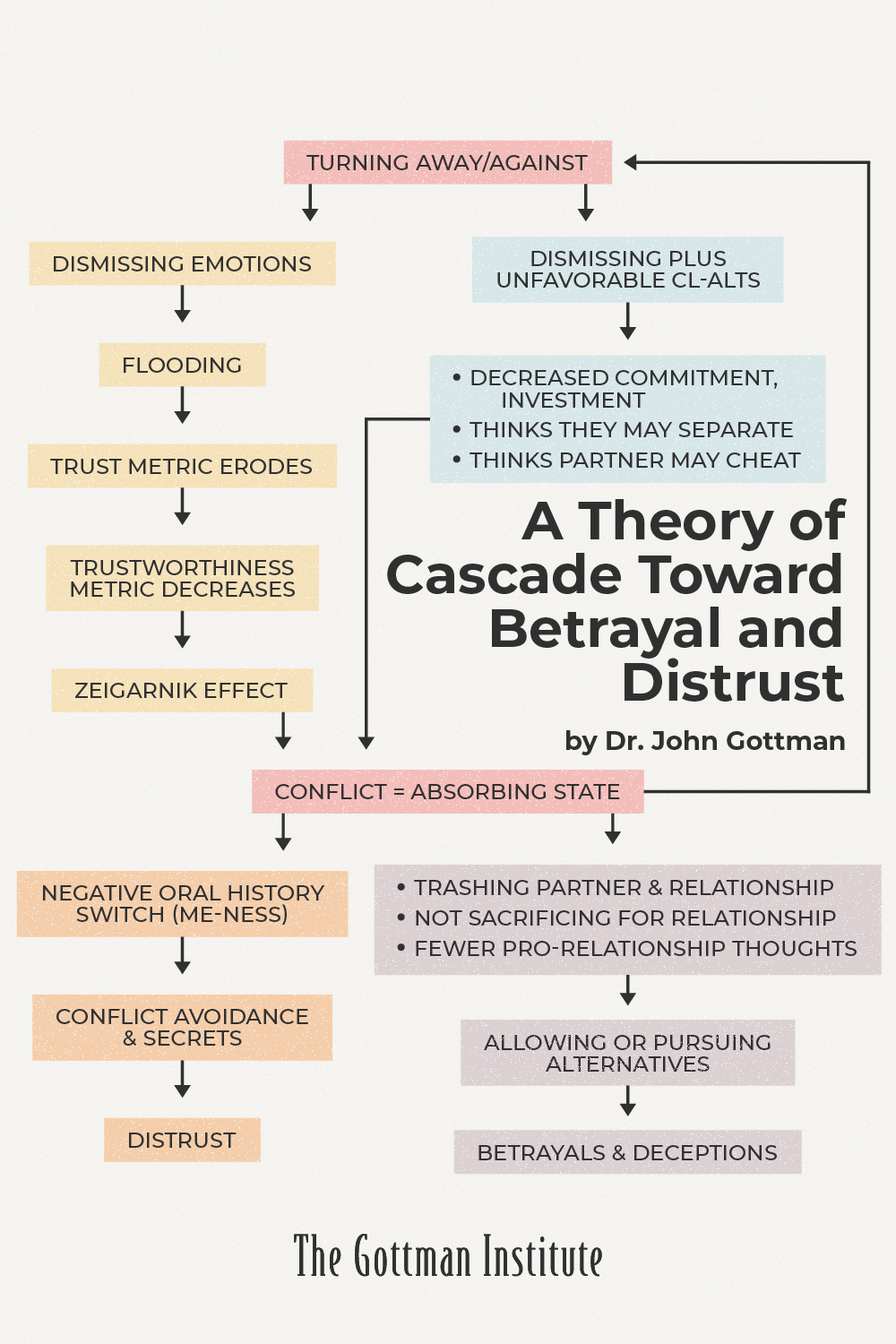
The Zeigarnik Effect has significant implications for productivity and motivation, as it suggests that maintaining a “to-do” list or task backlog can enhance focus, engagement, and persistence in goal pursuit. Unfinished tasks serve as potent motivators, driving us to take action and achieve closure.
On the flip side, the Zeigarnik Effect can also contribute to procrastination and task avoidance, as individuals may become overwhelmed by the sheer volume of unfinished tasks and struggle to prioritize or complete them. Understanding the dynamics of the Zeigarnik Effect can help individuals develop strategies to overcome procrastination and enhance task management skills.
In the realm of academia, the Zeigarnik Effect can be effectively deployed. Students who intersperse their study sessions with unrelated activities—whether it’s studying another subject or indulging in a game—receive information better. The cognitive tension created during the study session lingers, making the material more accessible. So, to any student reading this post, take a break, it’s not procrastination—it’s cognitive enhancement.
The Zeigarnik Effect extends its tendrils beyond cafés and classrooms. In the world of sports, it even influenced a rule change. Enter the Harden Rule, named after basketball superstar James Harden. Picture a player repeatedly “chucking it up” whenever an opponent approaches—a strategic interruption. The resulting cognitive bias against this move led to a rule penalising such behaviour.
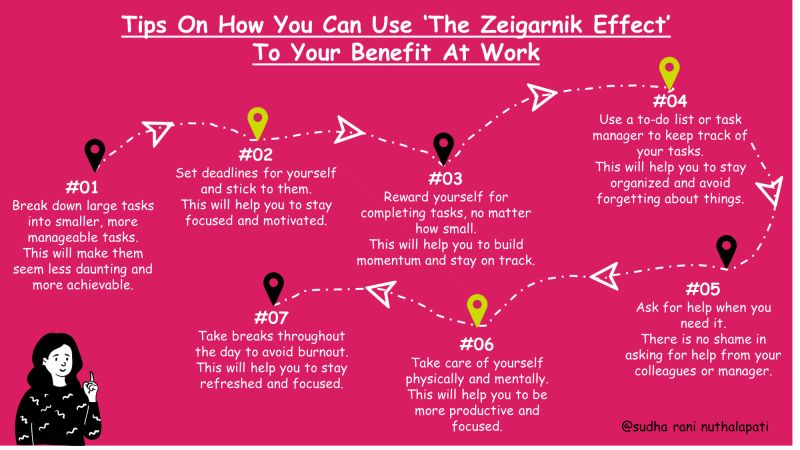
So how can the Zeigarnik Effect be applied in the real world?
The Zeigarnik Effect has been leveraged in marketing and advertising campaigns to capture consumers’ attention and drive engagement. By creating a sense of anticipation or suspense, marketers can pique interest and encourage consumers to learn more or take action. Advertisers often use cliffhangers or incomplete narratives to capture attention. Think of TV shows that end an episode with a suspenseful scene—our brains itch to know what happens next. Brands can employ the Zeigarnik Effect in marketing campaigns by leaving audiences curious and engaged.
Educators can harness the Zeigarnik Effect to enhance learning and retention in the classroom. By breaking lessons into manageable segments and leaving tasks or questions unanswered, teachers can stimulate curiosity and encourage active participation among students. Students can leverage the Zeigarnik Effect by intentionally interrupting their study sessions. Taking short breaks or switching to a different subject creates cognitive tension, making the material more memorable.
To boost productivity, one can create a to-do list with incomplete tasks. The tension associated with unfinished items motivates one to revisit and complete them. Project managers can strategically leave certain tasks partially undone, ensuring team members remain focused on project completion.

UX designers can apply this principle to create engaging interfaces. For example, progress bars that show incomplete tasks encourage users to continue until the task is finished. Video games often use quests or achievements to trigger the Zeigarnik Effect, motivating players to explore and complete challenges.
When handling customer inquiries, leaving a conversation unresolved: like telling them they will get back, keeps customers engaged and more likely to follow up. Chatbots and automated systems can use this effect to encourage users to return for further assistance.
In negotiations, intentionally leaving certain points unresolved can create cognitive tension. The other party remains curious and open to further discussion. Persuasive communication can benefit from the Zeigarnik Effect. Presenting incomplete information can pique interest and encourage deeper exploration.
When one is stuck on a creative project or problem, take a break. The unresolved tension may lead to sudden insights or solutions. Brainstorming sessions can benefit from intentionally leaving ideas partially developed, sparking curiosity and collaboration.
As with any psychological phenomenon, controversy brews. Some studies failed to replicate Zeigarnik’s initial findings, questioning the reliability of the effect. Yet, like an unfinished melody, it persists in our collective memory.
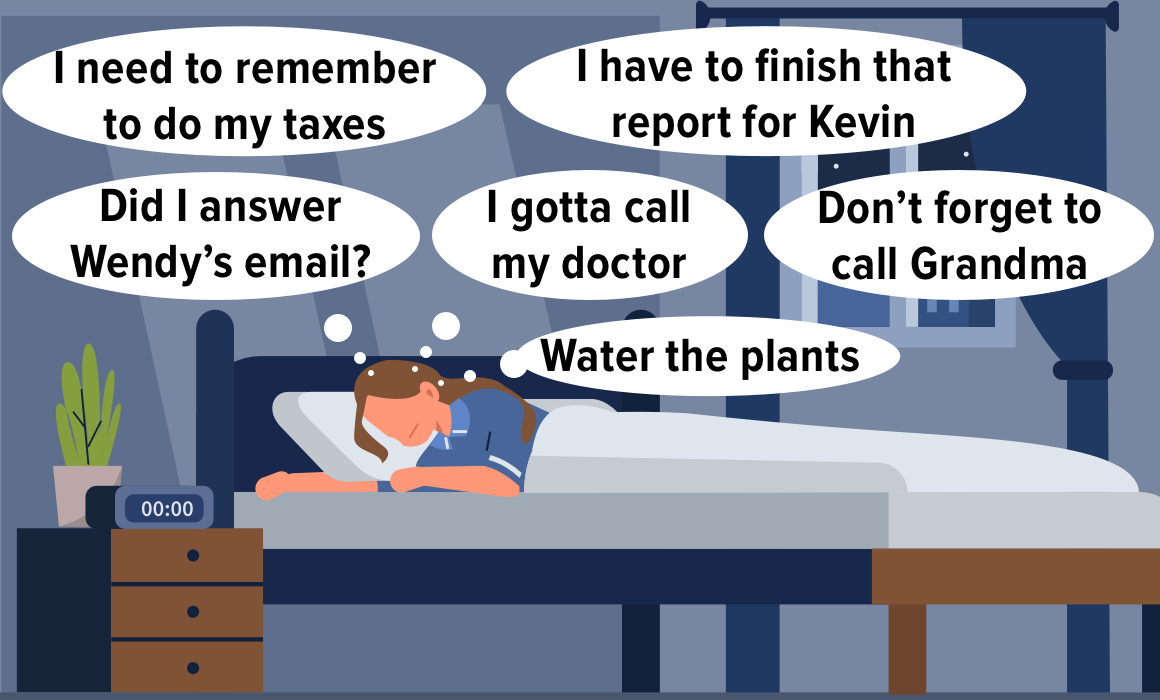
Ultimately, the Zeigarnik Effect highlights the human desire for closure and resolution in our lives. Whether it’s completing a project, resolving a conflict, or achieving a long-held goal, closure brings a sense of satisfaction, fulfilment, and peace of mind.
While closure is important, it’s also essential to embrace the journey and appreciate the process of growth, discovery, and self-improvement along the way. By recognizing the inherent value of both completion and continuation, we can navigate the complexities of life with grace and resilience.
In the grand tapestry of human experience, the Zeigarnik Effect serves as a reminder of the intricate interplay between memory, motivation, and meaning-making. It invites us to embrace the unfinished stories, unresolved questions, and uncharted territories of our lives with curiosity, courage, and creativity. Whether one is designing an app, writing a novel, or negotiating a deal, it’s worth considering harnessing this cognitive quirk to engage minds and leave symphonies unfinished—until the final note.


 Memories and Such