Unconscious Bias

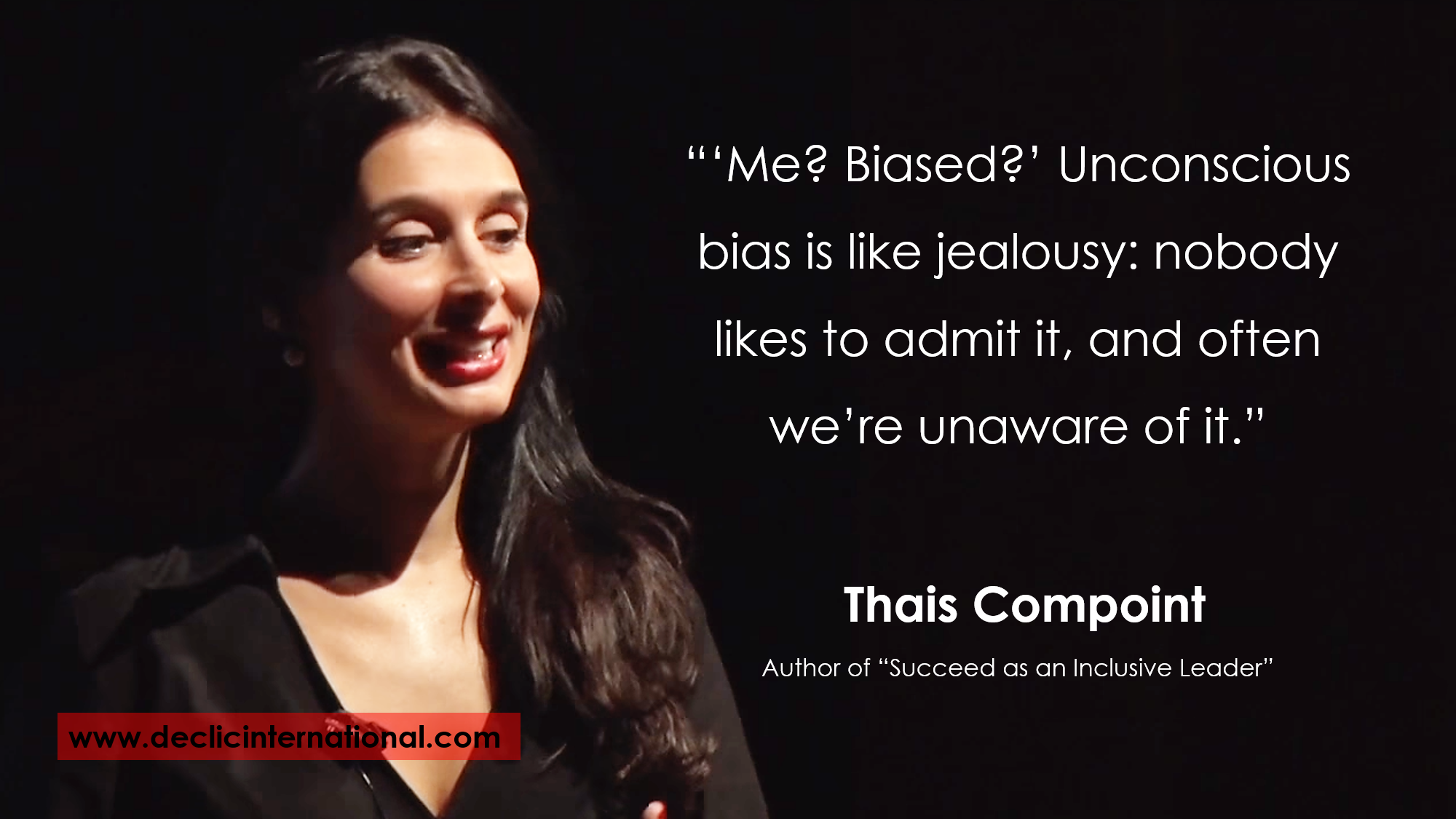
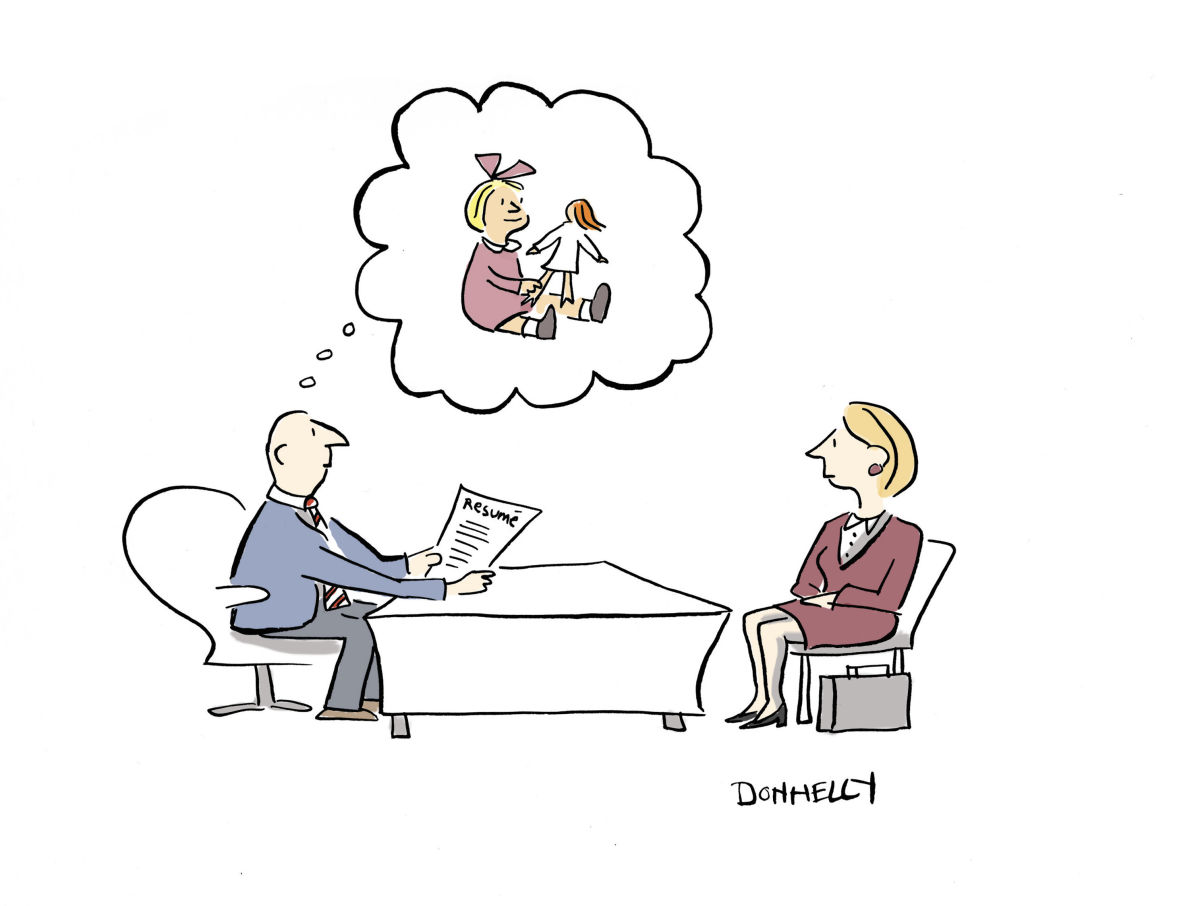
No matter how much we might not want to admit it, unconscious biases influence a vast majority of our decisions. This is due to the fact that our brains can consciously process 40 pieces of information per second, while we unconsciously process 11 million pieces. So, in order to keep up with all of the stimuli around us, we create mental shortcuts that ostensibly make decision-making easier. Unfortunately, many of these shortcuts do more harm than good. A Yale study found that when given the choice between two similar candidates, one from each sex, college faculty preferred hiring male candidates who they perceived to be more competent and worthy of commanding higher salaries. It didn’t matter whether faculty members were male or female; all were biased against women applicants.

Implicit biases or implicit stereotypes are the pre-reflective attributions of particular qualities by an individual to a member of some social out groups. They are thought to be shaped by experience and based on learned associations between particular qualities and social categories, including race and/or gender. Individuals’ perceptions and behaviours can be influenced by the implicit stereotypes they hold, even if they are sometimes unaware, they hold such stereotypes.

Unconscious or implicit bias is an aspect of implicit social cognition, the phenomenon that perceptions, attitudes, and stereotypes can operate prior to conscious intention or endorsement. This bias was first defined by psychologists Mahzarin Banaji and Anthony Greenwald in 1995 and its existence is supported by a variety of scientific articles in psychological literature.

Unconscious biases are thought to be the product of associations learned through past experiences and can be activated by the environment and operate prior to a person’s intentional, conscious endorsement. For example, a person may unwittingly form a bias towards people of a certain race or country because of an unpleasant experience in the past, but the source of association may be misidentified, or even unknown. Here, the unconscious bias may manifest itself as someone being rude to a person of that race or country without actually understanding the reason behind the response. Unconscious bias can persist even when an individual rejects the bias explicitly. These biases can be both positive and negative, and influence the vast majority of our decisions by affecting our behaviour.

Unconscious bias offers a new explanation for why, despite equalities apparently being enshrined in law, society still looks so unfair. Many studies have confirmed the power of racial biases to shape everyday decisions in almost every aspect of life. Neuroscientists have uncovered brain regions involved in racial and gender stereotyping and shown that such stereotypes begin to form early in childhood. Recent work found that the brain responds more strongly to information about ethnic groups who are portrayed unfavourably, suggesting that the negative depiction of minorities in the media can fuel bias. Scientists believe that stereotypes in general serve a purpose because clustering people into groups with expected traits help us navigate the world without being overwhelmed by information. The downside is that the potential for prejudice is hard-wired into human cognition. The evidence is overwhelming that unconscious bias seeps into decisions that affect recruitment, access to healthcare and outcomes in criminal justice in ways that can disadvantage people from ethnic minorities. However, at the individual level, the extent to which such biases are internalised and acted on varies widely and in complex ways. Life experience, such as dating outside your racial group or having a boss from a minority group, can strongly protect against holding negative stereotypes. And there is dispute about the extent to which such biases are truly unconscious.

There are many kinds of unconscious biases we use in our daily lives. Some of the common biases we encounter commonly include the gender bias which is more prevalent in office culture than one may like to admit and occurs when certain traits such as assertiveness or confidence are seen as negative in one gender, and positive in another. A negative gender bias usually leans to the side of women, which can cause the female employees of an office to feel less appreciated and less engaged. Companies that are influenced by gender bias can miss out on many opportunities because of this. The horn or halo effect is one of the most common examples of unconscious bias and occurs when someone’s performance or character is generalised based on just one trait or event. If the trait is a positive one, it’s called the halo effect, and if it’s a negative one, it’s called the horn effect. The similarity bias essentially states that we like working with people similar to us. This could be graduates from specific schools, people who have worked at certain companies, and more. A less common example of unconscious bias, the right-hand bias refers to aspects of the workplace being designed specifically for right-handed people. A well-known example of this was when YouTube first launched the video-upload feature for their app, 5-10% of videos were uploaded upside down. They had failed to take into account that left-handed people would hold their phones differently than right-handed people. This bias can make life more difficult for some people. Another common example of unconscious bias is confirmation bias which exists not only at work, but in everyday life as well. Confirmation bias occurs when we make a decision about something, then actively look for information that supports that decision, while also overlooking any opposing facts and viewpoints. Age bias occurs when assigning tasks to people based on their age. A common example would be a tech-heavy project – the unconscious bias may cause a manager to assume that a younger person would be more apt to handle this job as opposed to an older one. In this case, assuming ones experience or proficiency is based entirely on an opinion that isn’t backed up on fact is a perfect example of unconscious bias. After all, many older people are technologically savvy, so it would be unfair to assume they wouldn’t be right for the job.

If unconscious biases aren’t kept in check, organisations and the employees that power them might let these biases influence their decisions in a way that holds them back. These biases do not have to be permanent and while it is impossible to completely eradicate these biases, we can take steps to reduce the chance that our decisions are less influenced by these biases. So, what can we do to counter these biases, especially in a work environment?

Learn what unconscious biases are. The first step of limiting the impact unconscious biases have is making sure everyone is aware that they exist. Assess which biases are most likely to affect you as an individual by taking tests like the Harvard’s Implicit Association Test to figure out which individual perceptions are most likely to be governed by unconscious biases. Armed with that information, one can take proactive steps to address them on a personal basis. Figure out where biases are likely to affect the organisation as biases tend to affect who gets hired, promoted, get raises and who gets what kind of work, among other things. By knowing where bias is most likely to creep in, management can take steps to ensure that biases are considered when important decisions are made in those areas. In order to make sure that unconscious biases don’t adversely impact hiring decisions, some big changes with respect to hiring would need to be made. Have diversity especially in upper management to have more minority voices so that everyone is represented and multiple viewpoints and voices heard. Encourage employees to speak up about biases because the more people are involved in a decision and the more transparent the decision-making process is, the less likely an organisation will be to be affected by unconscious biases. Creating a culture that encourages open dialogue will go a long way in making sure that when employees realise a decision might have been influenced by unconscious biases, they won’t be afraid to speak up and set the record straight. Hold employees accountable because actions speak louder than words. While someone should not be punished for making a decision influenced by unconscious biases, a track should be kept if such decisions are being made because of such biases. If data reveals bias, someone may need to intervene.

There are. If they aren’t addressed, they can be detrimental to a company. By recognizing them and actively working towards reducing their impact, you can ensure unconscious biases don’t negatively affect your decisions.

All of us are affected by unconscious biases and there are many examples of unconscious bias prevalent in the workplace. The sooner this reality is realised and proactive steps taken to actively working towards reducing their impact and overcome the biases, individuals and organisations become stronger and don’t let such unconscious biases negatively affect decisions.

So which unconscious bias are you guilty of harbouring? I’d love to hear in the comments.

In My Hands Today…

Born on a Blue Day: Inside the Extraordinary Mind of an Autistic Savant – Daniel Tammet

This unique first-person account offers a window into the mind of a high-functioning, 27-year-old British autistic savant with Asperger’s syndrome.

Tammet’s ability to think abstractly, deviate from routine, and empathize, interact and communicate with others is impaired, yet he’s capable of incredible feats of memorization and mental calculation. Besides being able to effortlessly multiply and divide huge sums in his head with the speed and accuracy of a computer, Tammet, the subject of the 2005 documentary Brainman, learned Icelandic in a single week and recited the number pi up to the 22,514th digit, breaking the European record.

He also experiences synesthesia, an unusual neurological syndrome that enables him to experience numbers and words as “shapes, colors, textures and motions.” Tammet traces his life from a frustrating, withdrawn childhood and adolescence to his adult achievements, which include teaching in Lithuania, achieving financial independence with an educational Web site and sustaining a long-term romantic relationship.

As one of only about 50 people living today with synesthesia and autism, Tammet’s condition is intriguing to researchers; his ability to express himself clearly and with a surprisingly engaging tone (given his symptoms) makes for an account that will intrigue others as well.

In My Hands Today…

The Subtle Art of Not Giving a F*ck: A Counterintuitive Approach to Living a Good Life – Mark Manson

In this generation-defining self-help guide, a superstar blogger cuts through the crap to show us how to stop trying to be “positive” all the time so that we can truly become better, happier people.

For decades, we’ve been told that positive thinking is the key to a happy, rich life. “Fk positivity,” Mark Manson says. “Let’s be honest, shit is fked and we have to live with it.” In his wildly popular Internet blog, Manson doesn’t sugarcoat or equivocate. He tells it like it is—a dose of raw, refreshing, honest truth that is sorely lacking today. The Subtle Art of Not Giving a F**k is his antidote to the coddling, let’s-all-feel-good mindset that has infected American society and spoiled a generation, rewarding them with gold medals just for showing up.

Manson makes the argument, backed both by academic research and well-timed poop jokes, that improving our lives hinges not on our ability to turn lemons into lemonade, but on learning to stomach lemons better. Human beings are flawed and limited—”not everybody can be extraordinary, there are winners and losers in society, and some of it is not fair or your fault.” Manson advises us to get to know our limitations and accept them. Once we embrace our fears, faults, and uncertainties, once we stop running and avoiding and start confronting painful truths, we can begin to find the courage, perseverance, honesty, responsibility, curiosity, and forgiveness we seek.

There are only so many things we can give a fk about so we need to figure out which ones really matter, Manson makes clear. While money is nice, caring about what you do with your life is better, because true wealth is about experience. A much-needed grab-you-by-the-shoulders-and-look-you-in-the-eye moment of real-talk, filled with entertaining stories and profane, ruthless humor, The Subtle Art of Not Giving a Fk is a refreshing slap for a generation to help them lead contented, grounded lives.

Introverts, Extroverts and Ambiverts

For as long as I remember, I have been an introvert, preferring books and my own company to other people. But as I grew older and started appreciating people, I realised that I actually like engaging with people some of the time, especially when we are having an interesting conversation. This made me realise while I will never be an extrovert who likes being the centre of attraction, I was not the introvert I was growing up. That’s when I learnt that I may be an ambivert instead.

So, what are all the definitions of such people?

Extroverts are those who tend to enjoy human interactions and to be enthusiastic, talkative, assertive, and gregarious. Extroverts are energised and thrive off being around other people, taking pleasure in activities that involve large social gatherings, including activities like parties, community activities, public demonstrations and business or political groups. They also tend to work well in groups and is more likely to enjoy time spent with people and find less reward in time spent alone as they tend to be energized when around other people, and they are more prone to boredom when they are by themselves.

Extroverts are wired for enthusiasm. Research has found that extroverts are more likely to associate pleasurable feelings with their current environment, according to one analysis of neurological differences between introverts and extroverts. They are more likely to be a leader with research findings showing that most leaders self-identify as extroverts. They are great in groups, large rooms and often have no problem building rapport with anyone. Extroverts are anti-boring and great at pulling out the best from people, be it conversation, energy and confidence as well as more likely to have lots of interesting adventures, fun activities and socialising in their calendars which gives them lots to talk about. Extroverts also tend to be happier with research that found that extroverts tend to be more optimistic, cheerful and better at mood regulation, which means that in a given situation someone can control their moods or emotional responses more easily and allowing them to be social fixers.

Famous extroverts include politicians like Winston Churchill, Margaret Thatcher, Bill Clinton and sports personalities like Muhammed Ali.

Introverts are typically perceived as being more reserved or reflective and some popular psychologists have characterised introverts as people whose energy tends to expand through reflection and dwindle during interaction. Introverts often take pleasure in solitary activities like reading, writing, or meditating and is likely to enjoy time spent alone and find less reward in time spent with large groups of people. Introverts are easily overwhelmed by too much stimulation from social gatherings and engagement, with introversion defined by some in terms of a preference for a quiet, more minimally stimulating external environment. They prefer to concentrate on a single activity at a time and like to observe situations before they participate and are more analytical before speaking. Mistaking introversion for shyness is a common error as introversion is a preference, while shyness stems from distress. While introverts prefer solitary to social activities, they do not necessarily fear social encounters like shy people do.

Studies have found that introverts are humbler than extroverts, an incredibly important and hard to learn trait which makes them more perceptive, more open and less bogged down by ego making them wonderful leaders, managers and friends. Why, because they are wonderful observers who can pick up on social nuances, hidden emotions and team dynamics better than anyone. When they speak, people listen and take their words seriously because they tend to think carefully before speaking and use words carefully. Introverts also make some of the best employees because they are incredible listeners, great at asking the right questions and think before they speak and are very observant so often give the best input.

Some of the most talented people in history have been introverts from Apple co-founder Steve Wozniak to the greatest genius of the 20th century, Albert Einstein. Other super successful introverts include J.K Rowling, Bill Gates and Mahatma Gandhi

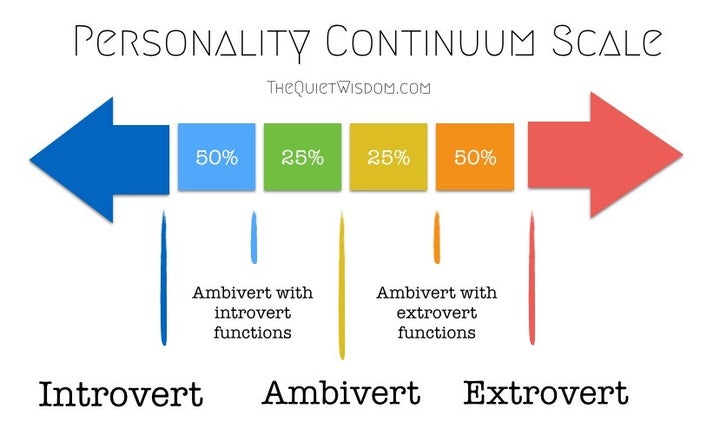
While most people view being introverted or extraverted as mutually exclusive, it is actually part of a single, continuous dimension of personality, with some scoring near one end, and others near the halfway mark. Ambiverts falls more or less directly in the middle. Ambivert are moderately comfortable with groups and social interaction, but also relish time alone, away from a crowd. In simpler words, an ambivert is a person whose behaviour changes according to the situation they are in. In the face of authority or in the presence of strangers, the person may be introverted. However, in the presence of family or close friends, the person may be highly energetic or extroverted.

It is commonly accepted that extroverts excel in jobs that require interaction with people, the best in sales, in leading people and being successful at work, but this fallacy was turned in its head during an analysis by Adam Grant, an associate professor at the Wharton School of the University of Pennsylvania, who analysed 35 separate studies and found the statistical relationship between extroversion and income was basically zero. He conducted a personality survey and collected three-month sales records for more than 300 salespeople, both male and female. The people who ranked right in the middle for extroversion and introversion–ambiverts–turned out to be the best salespeople. Grant theorised that ambiverts seem to strike a balance between the two more extreme personality traits theorising that the ambivert advantage stems from the tendency to be assertive and enthusiastic enough to persuade and close, but at the same time, listening carefully to customers and avoiding the appearance of being overly confident or excited.

There is nothing wrong in being an introvert, extrovert or an ambivert. Each type has its strengths and weaknesses and knowing what personality type you are (and most people know this by the time they get to their teens or latest by their early twenties) will help you amplify your strengths and help you overcome weaknesses.

If you want to know where on the spectrum you lie, here’s a short, ten question quiz from TED to help you find out.

And here are some TED videos about these personality traits. Watch and learn more…

In My Hands Today…

Burnout to Breakthrough: Building Resilience to Refuel, Recharge, and Reclaim What Matters – Eileen McDargh

It’s official. For the first time, the World Health Organization has classified burnout as a health problem. Renowned motivational speaker Eileen McDargh proposes that to tackle it, we must learn to break out of energy-draining thoughts and behaviors.

Resilience, she argues, is strictly a matter of energy management–by better managing your energy, you can both build resiliency and overcome burnout. Breakthrough happens when our energy is consciously distributed to what matters most in our lives. So after a short survey that will tell you where you fit in a burnout and resiliency profile, McDargh helps pinpoint the causes of your burnout and examine the energy demands that keep you from refueling and recharging. She provides an in-depth energy analysis and gives you the keys to master the four dimensions that can give you a resilience breakthrough: head, heart, hands, and humor.

McDargh guides the reader through the process of identifying energy drains and implementing strategies for handling them, whatever phase of life you are in. Her intention is to help you not only to successfully manage work and life demands but also make even larger strides in understanding how to put together a life by design and not by default.