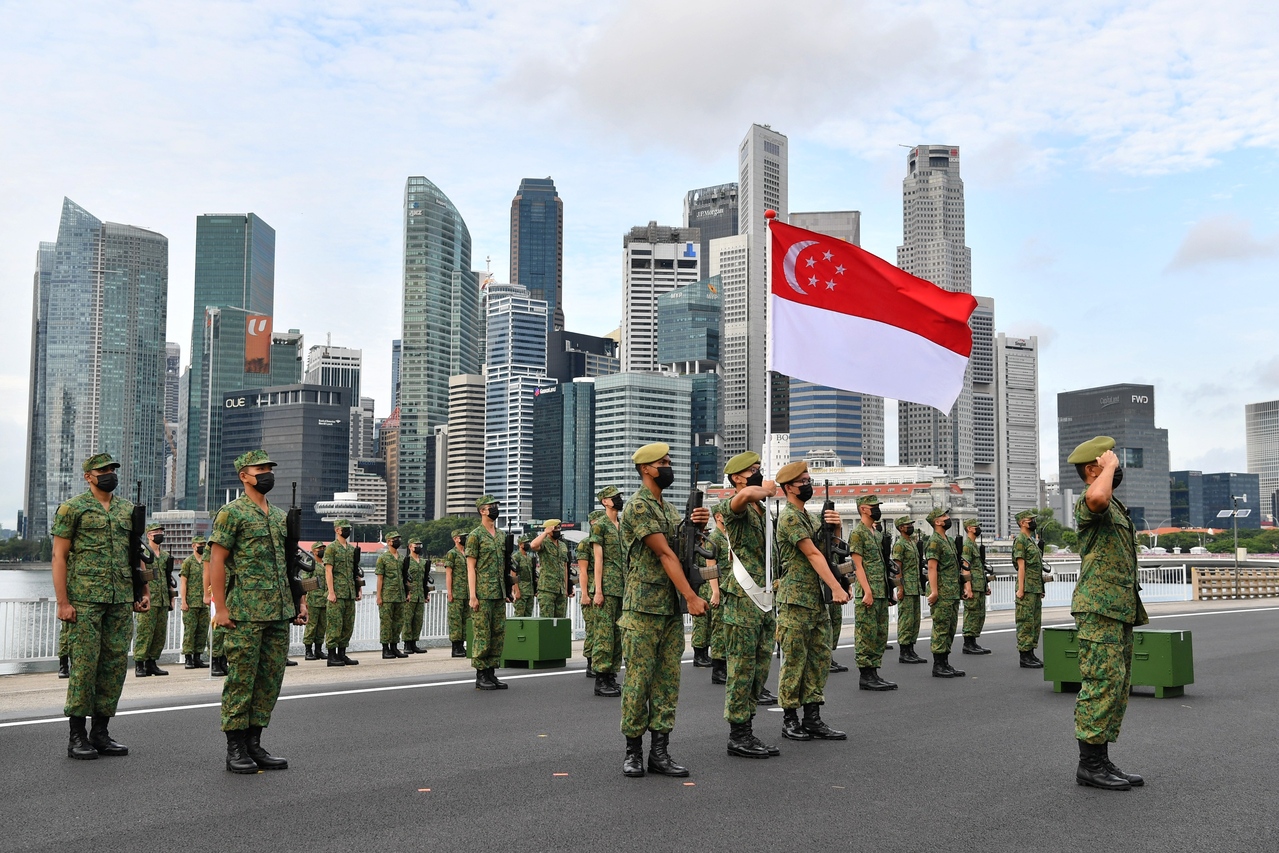
A Parent’s Guide to National Service: What My Son’s Journey Taught Me

If you’re reading this, chances are you’re a parent with a son about to enlist, or you’re someone who just wants to understand what National Service really looks like behind the uniforms, the acronyms and the countless rumours floating around online. When my son enlisted, I searched desperately for honest, grounded stories. I wanted to know what he might feel, how he might cope, and what camp life really looked like. Most of what I found was either too dramatic or too vague to be helpful.

So now that he’s completed his two years and had a largely positive, growth-filled experience, I wanted to put together the article I wish someone had written for me. To write this, I sat down with BB and asked him everything. What helped, what scared him, what changed him and what he wishes every parent knew. His answers shaped this entire piece.

Pre Enlistment
In the days leading up to enlistment, he told me he felt both nervous and excited. Not exactly a surprise, but hearing it in his own words reminded me that at 18 or 19, or even 20, big emotions show up quietly. He said he didn’t have strong expectations about NS, which is probably the healthiest way to enter something everyone has an opinion about.

His main worries were simple but real: Would he adapt? Would the physical demands overwhelm him? Would he cope?

I remember worrying about the same things, except with the added layer of parental imagination. The truth is, adapting to NS is almost universal; boys who start out unsure usually settle in within days. And while the physical training is demanding, the system is designed to condition them, not break them. He didn’t have a list of items he regretted packing or wished he knew beforehand, a reminder that sometimes parents over-prepare while the boys just take things as they come.

Enlistment Day
Every parent I’ve spoken to remembers enlistment day like a blur. The neat queues, the happy-sad families, the brisk announcements. My son doesn’t remember much of the briefing, except that when we said goodbye, he felt a small sadness knowing he wouldn’t see us for about two weeks. Those first hours shocked him in a good way. He said he didn’t expect to connect so quickly with the guys around him. Within a few hours, he had discovered how much they all had in common. It’s funny, they go in strangers, but almost instantly they form their own tribe.

Basic Military Training
I thought he would talk endlessly about the physical strain, the field camp, the discipline, the new routines. But what stood out most was how tiring the constant physical training became, especially around the halfway mark.

What surprised him? How easily he adapted to the daily schedule. The structure, the routine, the predictability, iit all became normal quickly. What helped him cope, he said, was the reminder that BMT was only a small part of NS. This perspective made the tough moments manageable. As a parent, this was something I wish someone had told me, most boys don’t crumble under pressure; they adjust faster than we expect.

His commanders also played a huge role. He described them as encouraging, present, and willing to spend time with the recruits after hours, even when they didn’t have to. Often, the people make or break BMT, and he was lucky to be surrounded by leaders who cared.

If he had to choose three words to describe BMT, he picked: Fun. Exhausting. Interesting. Honestly, I don’t think anyone can summarise it better.

Vocation
When he first received his posting as an Armour Technician, he admitted he felt a bit apprehensive. He had read online that the experience could be tough. The internet isn’t always kind, and NS forums are a special beast of their own.

But once training began, everything shifted. The pace was slower, the trainers were patient, and safety was emphasised even more strongly. And the environment felt more focused and hands-on.

He enjoyed the practical work, even when it was physically demanding. Working inside and around armoured vehicles isn’t the glamorous part of the army, but it’s the backbone. He described days spent using a wide variety of tools, coordinating tasks with his team and making sure maintenance was done properly, not just quickly. What surprised him most was how tiring it could be to work inside vehicles for long periods. It’s cramped, it’s warm, and it requires focus. But he liked being part of something technical and tangible.

The regulars he worked with left a strong impression on him. Not because they were strict, but because they were hardworking, committed and often stayed back to meet deadlines even when the NSF guys could book out. He saw responsibility up close, not as an idea, but as a lived example.

Growth You Don’t Notice Until You Do
One of my favourite parts of our conversation was when he told me that NS made him more confident working with others. He described moments on the train home, looking at younger boys in school uniforms and quietly realising how much he had changed. He had become more independent, more assertive, more willing to take responsibility. Parents often hear these words thrown around, but there’s something different when it comes from your own child. You realise NS didn’t just take time, it gave something back.

Routine, Mental Health and the Quiet Rhythm of NS Life
I thought he might talk about burnout or emotional fatigue, but his description sounded surprisingly balanced. The long days were manageable because there were breaks. The monotony was broken by conversations with friends. When he felt overwhelmed, rest helped more than anything: rest after work, rest on weekends, rest during book-outs.

He said the thing he missed most was the freedom to be with family and friends. That tug between camp life and home life is something every NSF feels. And yes, weekend book-outs were “quite important”, which is teenage understatement for “absolutely essential for sanity.”

The Social Side
He described the workshop culture as relaxed but responsible. A soft balance between humour and deadlines. He felt supported by peers and sergeants alike, and he never felt left out, something many parents quietly worry about.

On boring or long days, they passed the time talking about random things or just resting together in the office. It reminded me that joy in NS is simple: conversation, shared struggles, inside jokes and the comfort of knowing someone else understands exactly what you’re going through.

Safety, Workload and What Parents Really Want to Know
Like most parents, I worried about safety. He reassured me that open reporting was taken seriously. If something looked unsafe, they said it, and people listened. He also won a couple of awards for safety, which he was quite proud of.

Some maintenance work could get stressful, especially tasks involving heavy tools like sledgehammers, but that stress came from the nature of the job, not from negligence or pressure.

He also said something every parent needs to hear: The workload is far less than people imagine. Preventive maintenance keeps things running smoothly, and the Hollywood image of “army life = nonstop chaos” is largely inaccurate.

His biggest takeaway? NS isn’t just being a foot soldier. There are countless roles, each with depth, skill and purpose.

Operation Wallaby
Operation Wallaby was one of the highlights of his NS journey. It’s the kind of overseas exercise most boys talk about for years. He described it as a final test of everything they’d learned, tiring, hectic and packed with more vehicles than usual, but manageable with good time management.

It was also the longest period he’d ever spent away from home. That distance, that independence, that daily grind in a foreign setting, it shapes them in ways small daily routines never can.

The Bigger Picture
When I asked him what NS ultimately gave him, he said it gave him stability and a chance to mature. The experience was worth two years, and he would redo his vocational training in a heartbeat because it was fun and informative.

For a teenager enlisting soon, he had simple advice: “Go with the flow and make your own fun”. Straightforward, but spot-on.

For parents, his message was even more comforting: “Your children are extremely well taken care of, and they’ll come out more mature”. That is exactly the reassurance I had wished for two years ago.

Operationally Ready NSMan
The day he completed his service, he felt both relieved and a little sad. No one tells you that ORD can feel bittersweet, yes, it’s freedom, but it’s also the end of a shared chapter with people who saw you at your best, worst and sweatiest.

Post-ORD life feels lighter. No more 8–10 hour camp days. No more last-minute tasks. But he secretly misses the interactions with his fellow NSFs. What doesn’t he miss? BMT. One round was enough.

He believes NS will help him in future group work and professional settings. He’s more assertive now and more comfortable collaborating, skills that matter everywhere.

So, What Should Parents Take Away From This?
If you’re preparing to send your son off to NS, here’s what I wish someone had told me:

  1. They adapt faster than you expect. Even the quietest, gentlest boys find their footing.
  2. The commanders truly care. BB’s experience was filled with supportive leaders who treated him with respect.
  3. Camp life isn’t as intimidating as it sounds. Most days are structured, calm and manageable.
  4. They grow in ways you only notice later. Independence and confidence don’t appear overnight; they build slowly and steadily.
  5. Weekends matter. A lot. Not just for rest, but for emotional grounding.
  6. They come out stronger, steadier and more self-aware. And they often surprise themselves.

Closing Thoughts
National Service is a shared journey, not just for the boys, but for families too. As parents, we’ll worry, we’ll search for answers, and we’ll imagine the worst. But more often than not, our sons will come out of NS kinder, more disciplined and more capable than when they went in. My son’s experience wasn’t dramatic or traumatic. It was steady, meaningful, human and ultimately positive. And that’s exactly the kind of story I want other parents to find when they start Googling late at night, wondering what lies ahead.
Short Story: Kites and Mangoes

9 August, Singapore

You don’t sound Indian,” the boy had said at the kopitiam when Kavya ordered her teh c kosong. He’d grinned, like it was a compliment.

Kavya had smiled tightly, thanked him, and walked away. She was used to it.

Born and raised in Singapore, she knew the National Day Parade theme song by heart and could switch between English, Tamil, and a sprinkle of Mandarin like a linguistic gymnast. But somewhere between “pure” Singaporean and “actual” Indian, she felt like she belonged everywhere and nowhere at once.

She’d grown up visiting temples on weekends, dancing Bharatanatyam at community festivals, and eating prata after tuition class. But whenever she visited Little India, there was always someone who’d ask, “You from here or there?” and she never had a clear answer.

This year, she wanted something more. Something beyond tidy traditions and carefully curated heritage trails. She booked a solo trip to India, to Madurai, the city where her grandmother had been born.

Why now?” Amma had asked, frowning over her glasses.

I want to feel where I come from,” Kavya replied. “I want to be in India on Independence Day.”

Her mother had sighed but said nothing. That night, she slipped an old photograph into Kavya’s bag: a black-and-white picture of a young woman in a half-saree standing in front of the Meenakshi Temple.

11 August, Madurai, India

The heat struck like a drumbeat. Everything in Madurai pulsed: the honks, the temple bells, and the jasmine sellers with their hypnotic chants.

Kavya stayed in a modest homestay just off a street flanked by banana trees and walls stained with old film posters. The house had creaky wooden shutters, a courtyard with a mango tree, and an old woman who insisted Kavya eat second helpings of everything.

The rhythm of life was different here. Slower, louder, more chaotic, and strangely comforting. Kavya spent her mornings walking to temples and her afternoons scribbling in a notebook she carried everywhere. She didn’t know what she was writing—just thoughts, feelings, and fragments of herself.

12 August, Madurai

On her second morning, Kavya heard a ruckus in the alley. She stepped out and saw a girl, barefoot, dust-streaked, and laughing, chasing a runaway calf down the narrow lane. The girl caught it by the rope, scolded it gently in Tamil, and looked up to see Kavya watching.

You look like you’re from here but also… not,” the girl said, grinning.

Kavya laughed. “That’s not the first time I’ve heard that. I’m Singaporean. My grandma was from here.”

Then you’re one of us,” the girl declared. “I’m Meenal. Come. We’re painting flags today. For August 15. Want to help?

Kavya blinked. “Me? I don’t really paint…”

That’s okay. You’ll learn. We’re not picky about strokes, only spirit.

And just like that, she was pulled into a swirling circle of colours, cloth, and conversation.

13 August, Madurai

They sat under a neem tree, painting tiny Indian flags on scraps of cloth. Children swirled around them, cheeks smeared with green and orange.

What’s National Day like in Singapore?” Meenal asked, dabbing white onto a fabric square.

There’s a huge parade. Fireworks. Everyone wears red and white. But… it feels curated. Clean.”

You miss mess?” Meenal teased.

I miss… rawness. My identity feels like a fusion dish sometimes. Indian, but diluted. Singaporean, but never quite full-blooded.

Meenal paused and dipped her brush into green. “Being Indian isn’t about passports. It’s about stories. Smells. The way your body remembers mangoes even when your tongue forgets.”

Kavya looked at her. “You make it sound like poetry.

It is. We’re both translations of something old and beautiful.”

They sat in silence for a while. A small girl brought them sliced raw mango with chilli salt. Kavya bit into it, eyes watering from the tang.

This,” she said, “tastes like my grandmother’s kitchen. I didn’t even know I remembered.”

Meenal smiled. “See? That’s the thing about home. It sneaks up on you.”

14 August, Madurai

That evening, Meenal took her to a rooftop near the temple.

We come here every year to light paper lanterns,” she said. “Some say they carry prayers. Others say they chase away the shadows.”

As the sky dimmed, they lit small lanterns and watched them rise. Kavya stood quietly, fingers curled around her wrist.

My parents wanted me to study engineering. I chose literature instead,” Meenal said suddenly. “They said it was a waste. But I like words. Words are how I remember who I am.”

Kavya looked at her. “You’re lucky you even knew. I feel like I’m always translating what I want, who I am, who people think I should be.”

“Maybe identity isn’t about choosing one version. Maybe it’s about collecting them, like shells. Some smooth, some cracked. But all real.”

15 August, Madurai

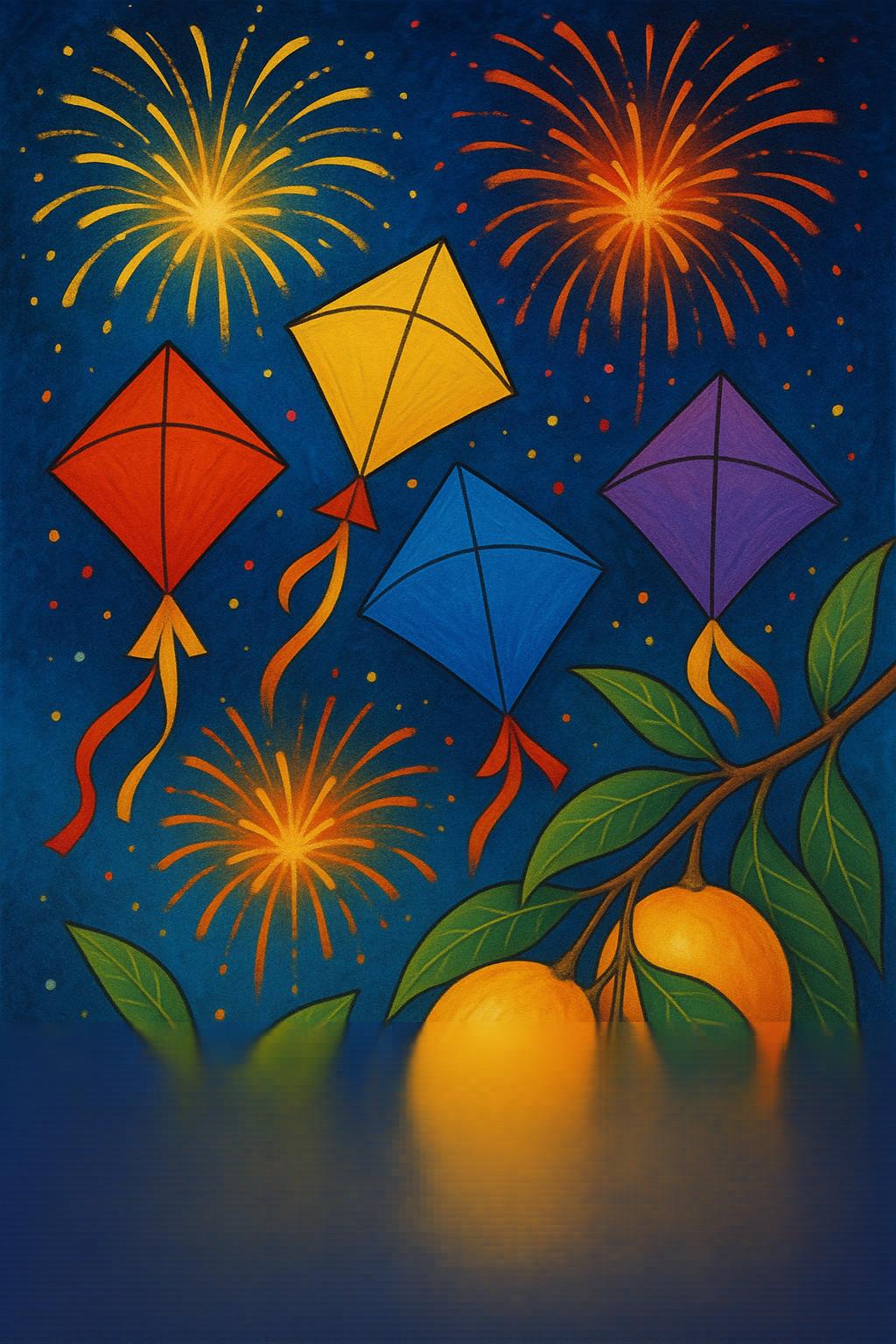
The morning was thick with saffron skies and fried vadai. Children marched barefoot with tricolour kites and hand-painted flags. The air buzzed with pride, promise, and powdered colours.

Meenal tugged Kavya to the rooftop.

Here. Yours.

Kavya took the spool and launched her kite into the air.

It wobbled at first, then caught the wind. Higher, stronger.

Below, loudspeakers blared patriotic songs. Kavya felt the strings burn gently against her fingers.

You know,” she said softly, “In Singapore, we sing ‘One People, One Nation, One Singapore.’ But I never understood how to be one thing.”

Meenal grinned. “Maybe we aren’t meant to be one thing. Maybe we’re meant to be many.”

They watched the sky fill with colour. Saffron, white, green, and somewhere, Kavya imagined, red and white too.

I came here to find roots,” she said. “But I think I’ve found mirrors.”

One Week Later, Back in Singapore

Back in Singapore, the sky was cleaner, the traffic neater, and the air-conditioning colder.

On her desk sat a jar of Madurai earth, still smelling faintly of turmeric and dust.

On the wall: two flags. Side by side. Equal in colour, different in rhythm.

She opened her journal and flipped to the back.

A new note from Meenal had arrived by post.

Dear Kavya,

Happy National Day (again)! Mango season starts in March. Your kite is still flying, by the way.

We saved the spot on the rooftop for you.

Kavya smiled and picked up her pen.

Dear Meenal,

Tell the mangoes I’m coming. And this time, I’m bringing chilli salt.

In My Hands Today…

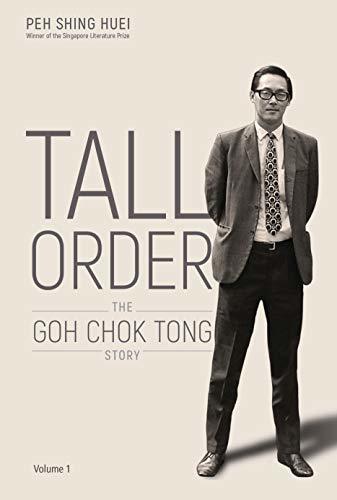
Tall Order: The Goh Chok Tong Story Volume 1 – Shing Huei Peh

Goh Chok Tong was an improbable Prime Minister for an unlikely country. He had neither the connections nor the cunning to rise to the top, and was even once famously derided by his mentor Lee Kuan Yew for being ‘wooden’ in his communication skills. Except for an imposing height most unusual in this part of the world, he was an ordinary man.

He lost his father at a young age, lived in a two-bedroom public flat with his mother and four siblings and needed a government bursary to complete university.Yet somehow he succeeded.

Tall Order tells the extraordinary story of his life and career over half a century, revealing how Singapore’s second Prime Minister rose through a combination of strength, wit and a political nous which many, including himself, did not know he had.

In this first of two volumes, Goh navigated years of a challenging apprenticeship to Lee, scoring numerous policy successes but also suffering political blows and humiliation. He was the man who first made Neptune Orient Lines, Singapore’s national carrier, profitable, before entering politics. The stellar corporate stint was followed by his many novel policies and institutions that have since become household names in the Medisave, Total Defence, Residents’ Committee and Nominated Member of Parliament. But the highlights were counterposed by setbacks, including overseeing the People’s Action Party’s first electoral defeat after independence at the Anson by-election.

In the hands of acclaimed author and journalist Peh Shing Huei, this authorised biography reveals the private deliberations and negotiations between Goh and Lee before the maiden leadership transfer of independent Singapore. Tall Order is the first biography of Goh. This riveting book offers rare insights into Singapore’s biggest and most important political and economic stories. .

In My Hands Today…

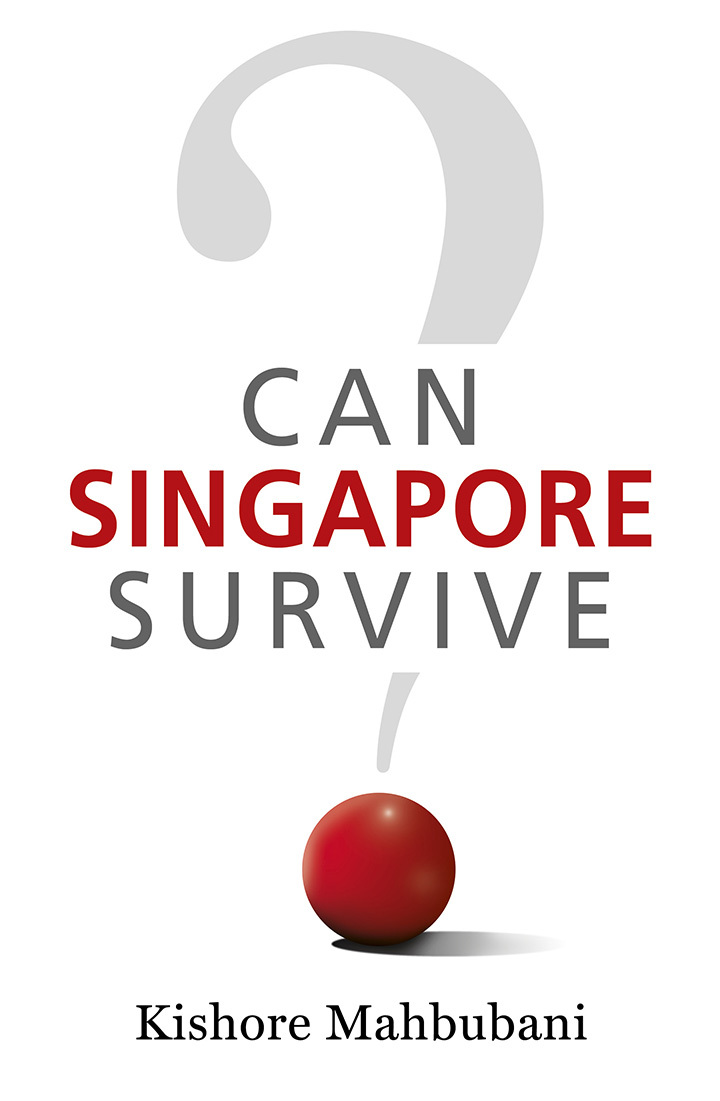
Can Singapore Survive? – Kishore Mahbubani

This book poses the question that Singaporeans must wrestle with: can we survive as an independent city-state? Kishore Mahbubani believes that Singaporeans must always ask the question because constant reflection and self-examination should be a part of the core DNA of all Singaporeans. His goal in this book is to create and enhance this culture of reflection among all Singaporeans.

He gives three answers in this book: Yes, No & Maybe.

With these three answers, he attempts to sketch three different scenarios for Singapore’s future. There is logic behind this, as we cannot predict the future. We can, however, prepare for the future by telling stories about what the future could be like.

Besides his substantive Introduction, this book offers some of Kishore’s best essays on Singapore, taken from his Think-Tank and Opinion columns in The Straits Times, as well as contributions to Guardian News, The New York Times, The New York Review of Books, Davos World Economic Forum’s Forum News Daily, and the “Innovations for Successful Societies” Oral History Project of Princeton University.

Celebrating SG60

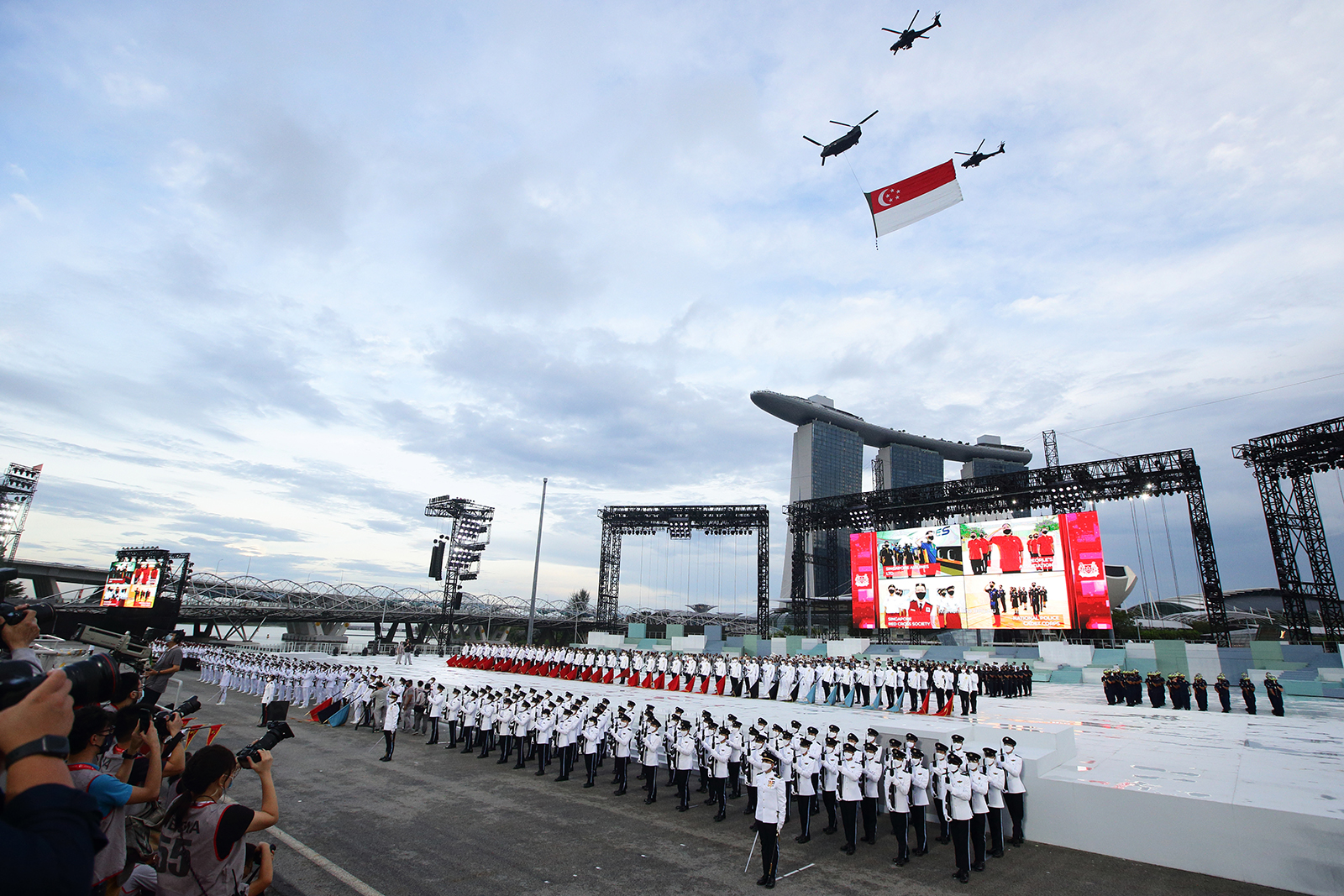
On Saturday, Singapore marks a momentous milestone: its 60th year of independence. SG60 is not just a commemoration of the nation’s birth but a celebration of its remarkable transformation from a fledgling city-state to a global metropolis. 

Singapore’s journey began on August 9, 1965, with the Proclamation of Independence. The document, drafted by Minister for Law Edmund Barker and signed by Prime Minister Lee Kuan Yew, announced Singapore’s separation from Malaysia and its emergence as a sovereign, democratic, and independent nation. The proclamation declared Singapore’s commitment to justice, equality, and the welfare of its people, a vision that has guided the nation for six decades.

“Now I LEE KUAN YEW Prime Minister of Singapore, DO HEREBY PROCLAIM AND DECLARE on behalf of the people and the Government of Singapore that as from today the ninth day of August in the year one thousand nine hundred and sixty-five Singapore shall forever be a sovereign democratic and independent nation, founded upon the principles of justice and ever seeking the welfare and happiness of her people in a more just and equal society.”

SG60 is more than a birthday; it is a national moment to reflect on Singapore’s journey, celebrate its achievements, and reaffirm the values that have shaped its identity. As Prime Minister Lawrence Wong emphasised, SG60 is a time for all Singaporeans to reflect on the values that brought the country this far—resilience, unity, multiculturalism, and openness—and to look ahead to the future.

The theme for SG60, “Building Our Singapore Together,” highlights the importance of collective effort in shaping the nation’s next chapter. It is a call for every Singaporean to connect, care, and contribute, fostering a sense of shared responsibility and community spirit.

SG60 is marked by a vibrant calendar of events that span the arts, sports, family, and community engagement. These include the SG60 Homecoming Concert at Jewel Changi Airport on August 1, featuring homegrown stars like Stefanie Sun, Kit Chan, and Regina Song. The event is part of Changi Airport Group’s “Together, We Make Magic” series, which also includes horticultural displays and a spectacular outdoor light-up along Airport Boulevard.

The National Family Festival on May 31 was a large-scale event promoting family values and intergenerational bonding, reinforcing the importance of strong family ties in Singapore’s social fabric. On June 24, the International Conference on Cohesive Societies brought together local and global leaders, fostering interfaith and multicultural dialogue, reflecting Singapore’s commitment to harmony and inclusivity. Between July 11 to 20, Singapore hosted the World Aquatics Championships with the world’s top aquatic athletes participating. This event showcased Singapore’s status as a global sporting hub and the World Aquatics Masters Championships also offered opportunities for local participation. 

GetActive! Singapore in July and August is a nationwide movement encouraging Singaporeans to celebrate National Day through sports and active living, with companies and communities hosting their own activities. The Purple Parade is Singapore’s largest disability inclusion movement, promoting awareness and support for persons with disabilities, a testament to the nation’s commitment to inclusivity.

At the Changi Airport SG60 Outdoor Light-Up and Floral Displays, iconic locations like the Merlion, Toa Payoh Dragon Playground, and Gardens by the Bay will be illuminated, while floral installations across Changi’s terminals and Jewel Changi Airport feature the national flower, Vanda Miss Joaquim, and a six-metre-high floral Merlion made from 60 plant types. The Arts and Heritage Triple Bill is a series of special arts and heritage events that invites Singaporeans to explore the nation’s history and identity, fostering reflection and unity.

Singapore’s progress over the past 60 years is a testament to its people’s resilience and determination. From its early struggles with unemployment, housing shortages, and limited resources, the nation has become a global financial centre, a leader in education and healthcare, and a model of multicultural harmony.

Key milestones include:

  • Economic Transformation: From a trading port to a diversified economy driven by innovation and technology.
  • Housing and Urban Development: The Housing and Development Board (HDB) provided affordable homes, transforming the cityscape and improving living standards.
  • Education and Workforce: Investments in education created a skilled workforce, powering Singapore’s economic growth.
  • Multiculturalism and Social Cohesion: Policies promoting racial and religious harmony have fostered a stable, inclusive society.

SG60 is not just a look back; it is a rallying call to shape the next chapter of the Singapore story. The celebrations emphasise the need for Singaporeans to stay united, embrace change, and continue building a society that is open, resilient, and caring. The Forward Singapore exercise, which informs the SG60 theme, encourages citizens to participate in shaping policies and initiatives, ensuring that Singapore remains a place of opportunity and hope for future generations.

At the core of SG60 are the values that have defined Singapore’s journey. These include multiculturalism, which is celebrated through events like the Chingay Parade and the International Conference on Cohesive Societies, reinforcing the importance of diversity and harmony; resilience, which honours stories of overcoming adversity, from the early days of independence to the challenges of a fast-changing world; openness and boldness, which are reflected in Singapore’s embrace of globalisation, innovation, and new ideas; and care and contribution, which are encouraged through community initiatives, volunteerism, and efforts to support the vulnerable.

As Singapore turns 60, the nation pauses to celebrate not just its achievements, but the spirit of its people. From grand concerts and sporting events to community festivals and acts of kindness, SG60 is a reminder that Singapore’s greatest strength lies in its unity and collective resolve. Whether you are attending a concert at Jewel Changi Airport, participating in a community walkathon, or simply reflecting on the nation’s journey, SG60 offers every Singaporean a chance to be part of something bigger, a shared story of hope, progress, and togetherness.

As the red and white flags fly high and familiar songs fill the air, Singaporeans are reminded that the journey continues, powered by the same values and spirit that have always defined this remarkable city-state. 

Happy birthday, Singapore! Happy SG60! And Majulah Singapura!