In today’s fast-paced world, where productivity and efficiency are often prioritised over rest, taking an afternoon nap might seem counterintuitive. However, science and tradition both suggest that this simple practice can offer profound benefits for physical health, mental acuity, emotional well-being, and overall productivity.
The need for an afternoon nap varies among individuals due to biological, lifestyle, and environmental factors. Some key reasons are:
Circadian rhythms: Human circadian rhythms naturally dip in the early afternoon, leading to a decrease in alertness and energy levels. This phenomenon is often referred to as the “post-lunch dip” or “afternoon slump.” The release of melatonin, a hormone that regulates sleep, occurs not only during nighttime but also slightly after lunch, biologically programming many people to feel drowsy during this time.
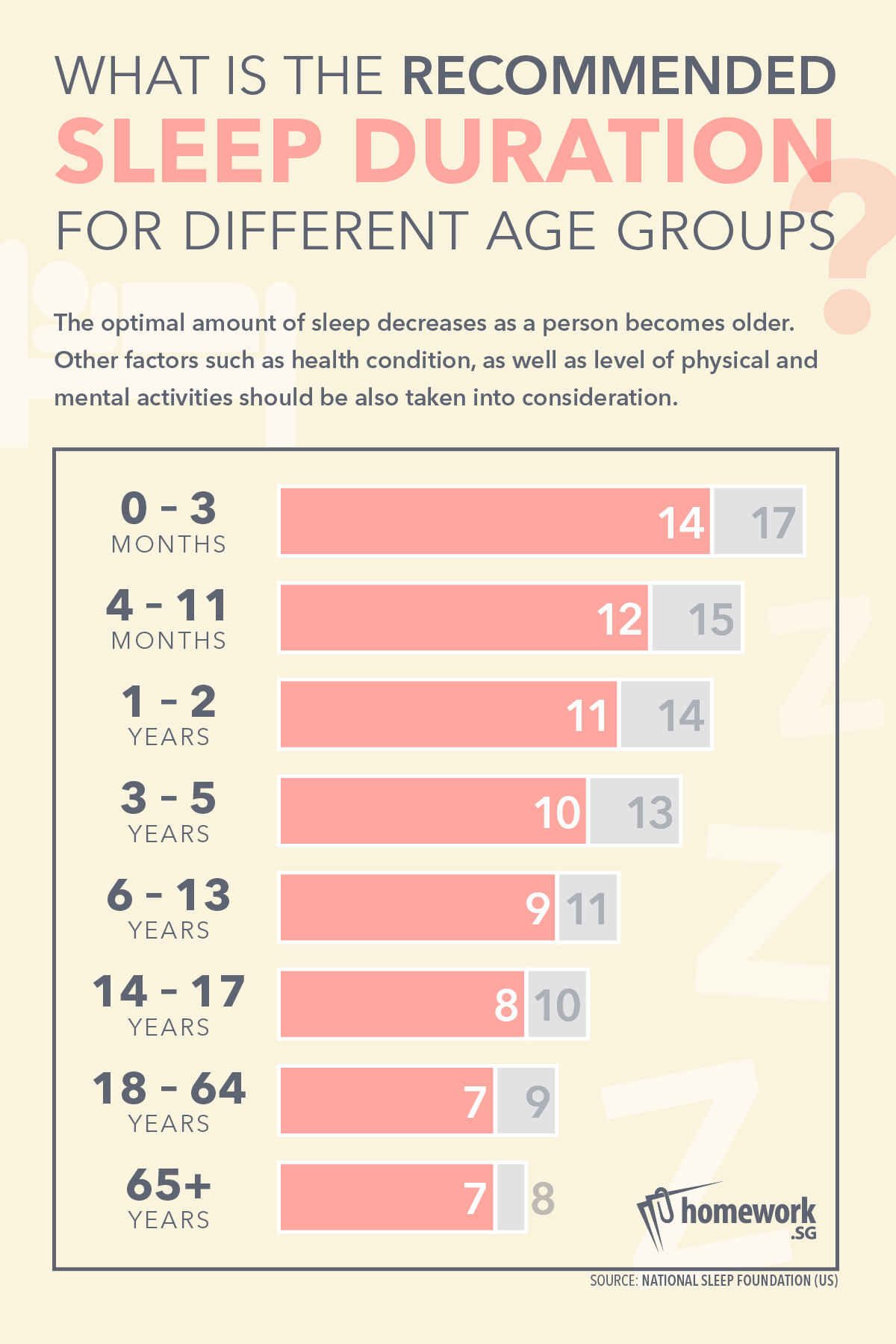
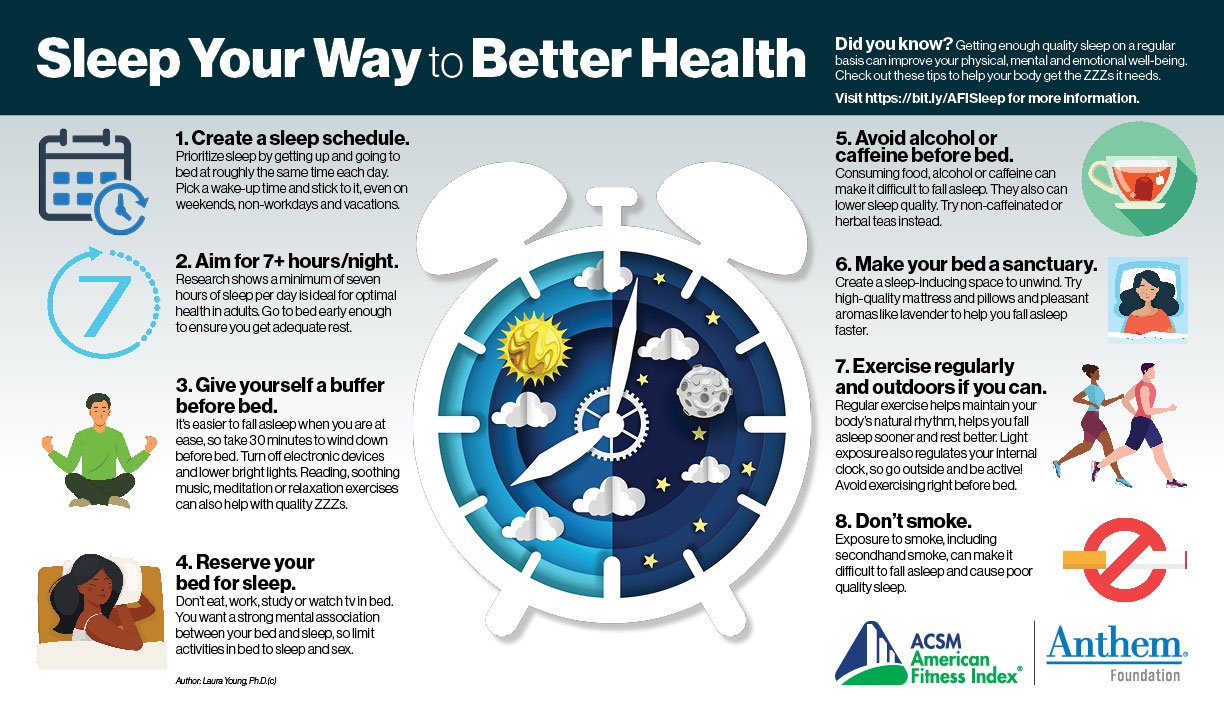
Sleep deficiency: People who do not get adequate sleep at night often feel the need for a nap during the day. Adults require seven or more hours of sleep per night to maintain optimal health; insufficient sleep can lead to fatigue, impaired cognitive function, and mood disturbances.
Age-related changes: Older adults frequently experience changes in their sleep patterns due to aging. They may sleep less at night and rely on daytime naps to compensate for reduced nighttime rest.
Lifestyle factors: High-stress jobs, irregular work schedules (e.g., shift work), or physically demanding activities can increase the likelihood of daytime sleepiness. For these individuals, an afternoon nap serves as a restorative break.
Health conditions: Certain medical conditions such as sleep apnea or chronic fatigue syndrome may necessitate daytime naps as part of managing symptoms.

To understand why an afternoon nap is beneficial, it’s essential to examine the ideal sleep schedule for adults. Sleep experts recommend a combination of nighttime rest and occasional daytime naps for optimal health.
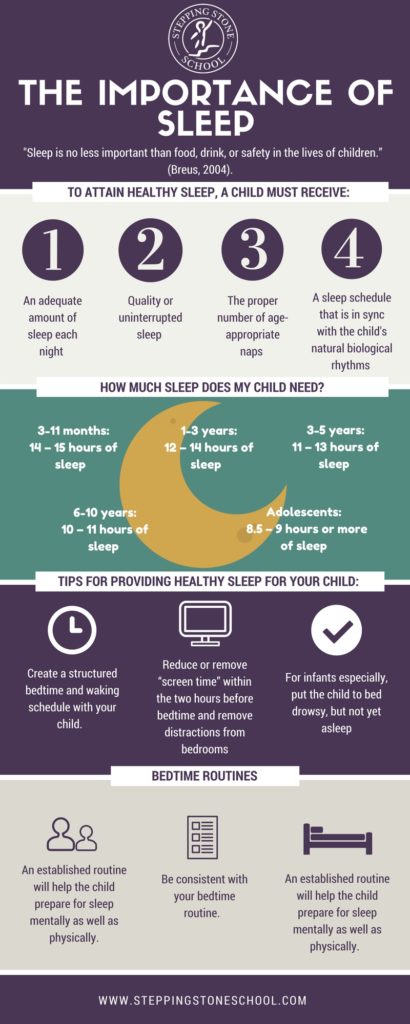
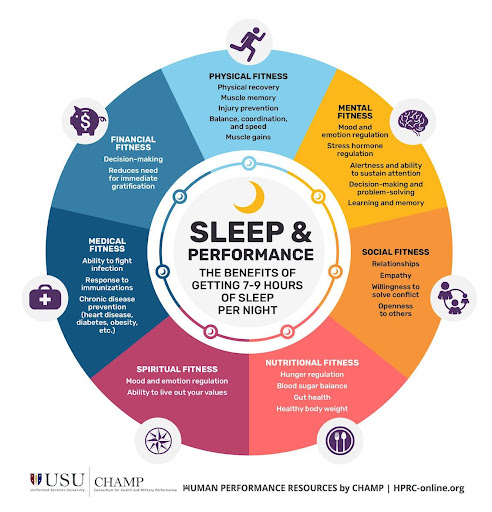
Adults should aim for 7–9 hours of uninterrupted sleep per night. This duration is critical for maintaining physical health, cognitive function, and emotional balance. Sleep occurs in cycles comprising light sleep, deep sleep, and REM (rapid eye movement) sleep, all of which serve distinct purposes. Research indicates that naps taken early in the afternoon before 3 pm are most effective. Napping later in the day can disrupt nighttime sleep patterns. The ideal nap length is 20–30 minutes for a quick energy boost without entering deep sleep stages that may cause grogginess upon waking. For individuals recovering from significant sleep debt or engaging in intense physical activity, longer naps may be appropriate. Maintaining regularity in both nighttime sleep and napping schedules is crucial for long-term health benefits. Irregular sleeping patterns can lead to circadian rhythm disruptions.

Why is an afternoon nap essential for productivity? An afternoon nap offers numerous benefits that directly impact productivity and overall performance during the second half of the day.
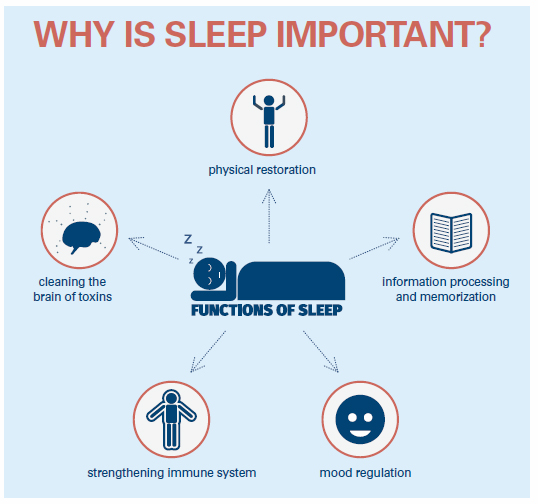
A short power nap can significantly improve alertness, concentration, and decision-making abilities. Studies show that napping enhances memory consolidation by transferring information from short-term to long-term storage. This is particularly useful for professionals who need to retain complex information or solve problems creatively.
Napping has been shown to elevate mood by reducing stress hormones like cortisol while increasing serotonin levels. Well-rested individuals are less likely to experience irritability or emotional fatigue, making them better equipped to handle challenges later in the day.
Chronic stress can impair productivity by affecting focus and motivation. Afternoon naps provide a mental reset by promoting relaxation and reducing anxiety levels. For individuals engaged in physical activities or sports, napping enhances reaction times, coordination, and stamina. It also aids muscle recovery after intense workouts.
Creative professionals often find that napping stimulates imagination and problem-solving skills by allowing neural connections in the brain to realign during rest periods. Fatigue is a major contributor to workplace errors and accidents. A brief nap improves alertness and reaction times, reducing risks associated with drowsiness.
Beyond productivity gains, afternoon naps contribute significantly to overall health. Regular napping has been linked to lower blood pressure and a reduced risk of heart disease. Naps promote heart health by decreasing stress levels and inflammation. Adequate rest strengthens immune function by regulating cytokine production, proteins essential for fighting infections. Naps complement nighttime sleep in ensuring immune resilience. Cultures where napping is common often report longer life expectancies due to the improved physical and mental well-being associated with regular midday rest.

To maximise the benefits of an afternoon nap while avoiding potential downsides like grogginess or disrupted nighttime sleep, keep it short and limit naps to 20–30 minutes unless recovering from severe fatigue, nap early and aim to nap before 3 pm. Create a comfortable environment by using a quiet space with dim lighting and avoid caffeine before napping, as stimulants can interfere with the ability to fall asleep. Lastly, perhaps the most important tip is to listen to your body and pay attention to signs of fatigue or reduced focus as cues for when a nap might be beneficial.
An afternoon nap is far more than just a luxury; it’s a scientifically supported practice with wide-ranging benefits for cognitive function, emotional well-being, physical health, and productivity. While not everyone may feel the need for daytime rest due to individual differences in lifestyle or biology, incorporating a short nap into your routine can be transformative, especially during periods of high stress or fatigue.
By understanding your body’s natural rhythms and optimising your sleep schedule with both nighttime rest and strategic napping, you can unlock greater energy levels and efficiency throughout your day while promoting long-term health benefits that extend far beyond just feeling refreshed after lunch.








 Memories and Such