World Health Day

An annual event celebrated globally today or April 07, World Health Day was initiated by the World Health Organization or WHO in 1948 as a means to raise awareness about health issues and to promote better health practices around the world. Every year, a different theme is selected to highlight a specific health concern that needs to be addressed.

This year, the World Health Organisation will observe its 75th birthday. World Health Day is one of 11 official global health campaigns marked by the WHO, along with World Tuberculosis Day, World Immunization Week, World Malaria Day, World No Tobacco Day, World AIDS Day, World Blood Donor Day, World Chagas Disease Day, World Patient Safety Day, World Antimicrobial Awareness Week and World Hepatitis Day.

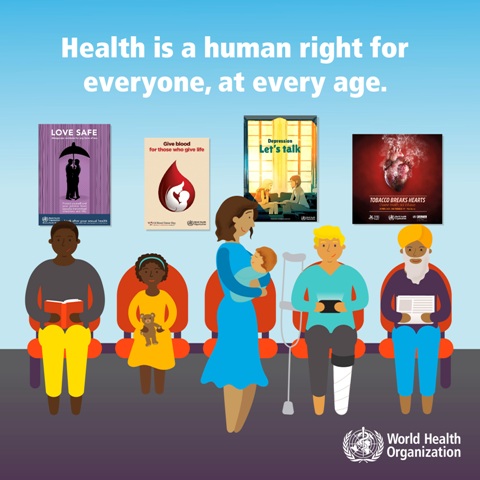
This year, World Health Day 2023 will be focusing on the theme of Health for All. This theme is an opportunity to look back at public health successes that have improved the quality of life during the last seven decades. It is also an opportunity to motivate action to tackle the health challenges of today and tomorrow and to emphasise the importance of health equity and how it can be achieved through a collective effort.

The right to health is a basic human right. Health equity refers to the idea that everyone should have equal access to quality health services regardless of race, ethnicity, gender, socioeconomic status, or location. However, in many countries, certain populations face disparities in health outcomes and access to health services, making it difficult for them to achieve optimal health. These disparities are often caused by systemic inequalities, such as poverty, lack of education, and inadequate access to healthcare. 30% of the global population is not able to access essential health services and almost two billion people face catastrophic or impoverishing health spending, with significant inequalities affecting those in the most vulnerable settings. Universal health coverage offers financial protection and access to quality essential services, lifts people out of poverty, promotes the well-being of families and communities, and protects against public health crises.

COVID-19 set back every country’s journey to universal health. Along with this and other health emergencies, overlapping humanitarian and climate crises, economic constraints, and war, the journey for every human being’s access to healthcare has become more urgent. The COVID-19 pandemic has further highlighted the stark differences in health outcomes between different populations. Research has shown that communities of colour, people living in poverty, and those in rural areas have been disproportionately affected by the virus. This disparity is due to a combination of factors, including a higher prevalence of underlying health conditions, inadequate access to healthcare, and limited resources to protect themselves from the virus.

To achieve health equity, we must address these underlying factors that contribute to health disparities. This can be done by implementing policies and programs that aim to reduce poverty, increase access to education and healthcare, and improve living conditions. It is also important to address systemic inequalities, such as racism and discrimination, which can have a significant impact on health outcomes.

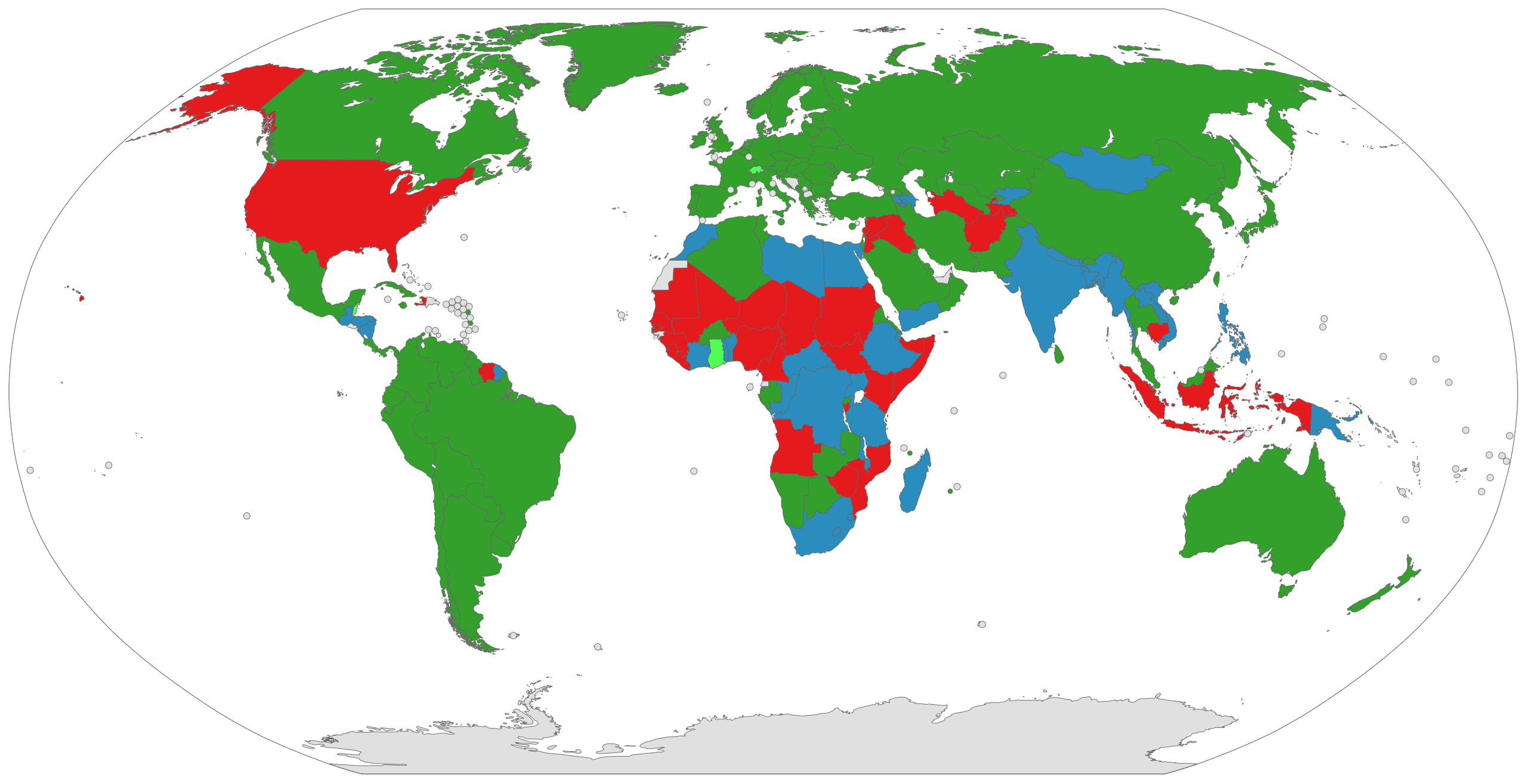
Universal Healthcare across the world Source

One of the key ways to build a fairer and healthier world is through universal health coverage or UHC. UHC means that everyone should have access to quality health services without facing financial hardship. This can be achieved by providing access to essential health services, such as preventive and curative care, and by ensuring that everyone has access to affordable medicines and vaccines. By implementing UHC, we can help reduce health disparities and improve health outcomes for all populations. It can also help to address the issue of “medical impoverishment,” where individuals and families face financial hardship due to high medical expenses. In addition, UHC can also help to improve overall health outcomes, reduce the burden of disease, and enhance economic growth and development.

Another important factor in building a fairer and healthier world is investing in research and development. This includes investing in the development of new and innovative treatments, as well as improving existing health technologies and medical practices. Research and development can also help to identify and address the root causes of health disparities, leading to more effective and equitable solutions. Additionally, strengthening health systems is also crucial in achieving health equity. This involves improving access to quality healthcare, increasing the availability of healthcare workers, and strengthening the management of health systems. By strengthening health systems, we can ensure that everyone has access to the care they need, regardless of where they live or their socioeconomic status.

Finally, it is important to prioritise the health of vulnerable populations, such as women, children, and the elderly. This involves addressing the specific health needs of these populations and ensuring that they have access to quality health services and adequate care. By prioritizing the health of vulnerable populations, we can help to reduce health disparities and improve health outcomes for all. Evidence shows that health systems powered by primary health care or the PHC approach are the most effective and cost-effective way to bring services for health and well-being closer to people.

World Autism Awareness Day

Yesterday was World Autism Awareness Day, a day which tries to raise awareness about autism, its symptoms, causes, and the challenges faced by individuals with autism and their families. The day was designated by the United Nations General Assembly, passed on November 1, 2007, and adopted on December 18, 2007. World Autism Day is one of only seven official health-specific UN Days.

The terms Autism Awareness Day and Autism Awareness Month are often contested by autism rights advocates, who claim that they feed into perceived ableism against autistic people. Such groups advocate using the term Autism Acceptance Day as an alternative for both events under the belief that it promotes overcoming anti-autism prejudice rather than simply increasing awareness of autism.

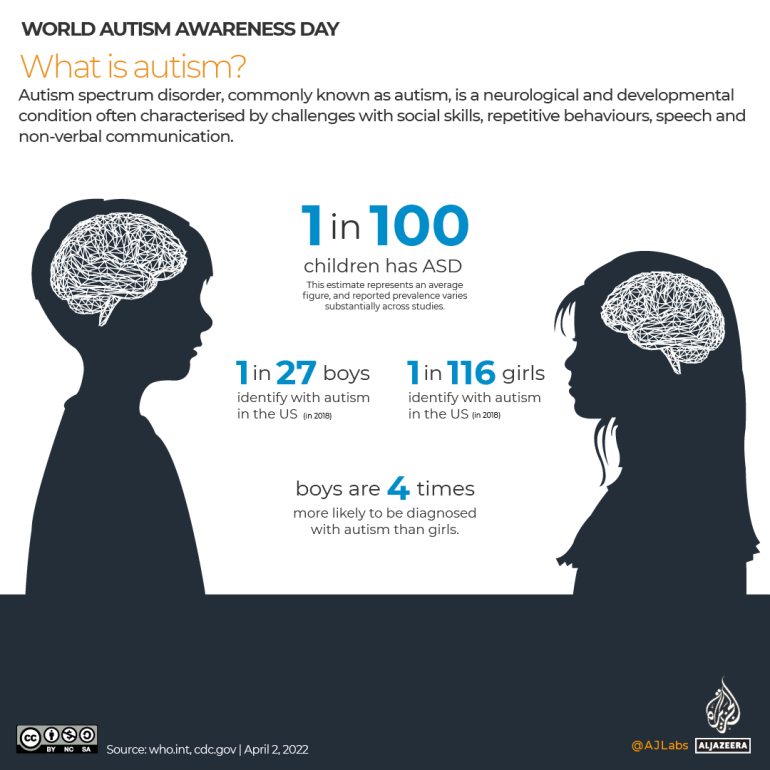
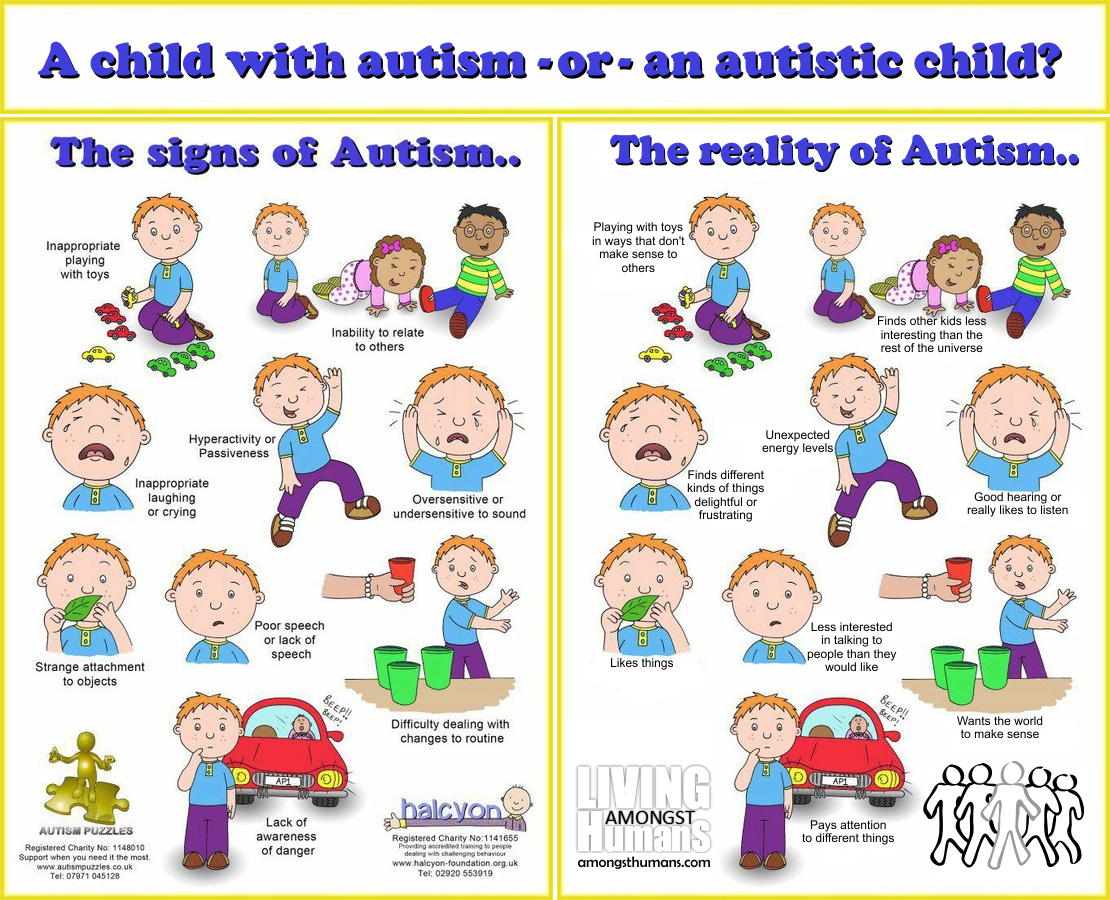
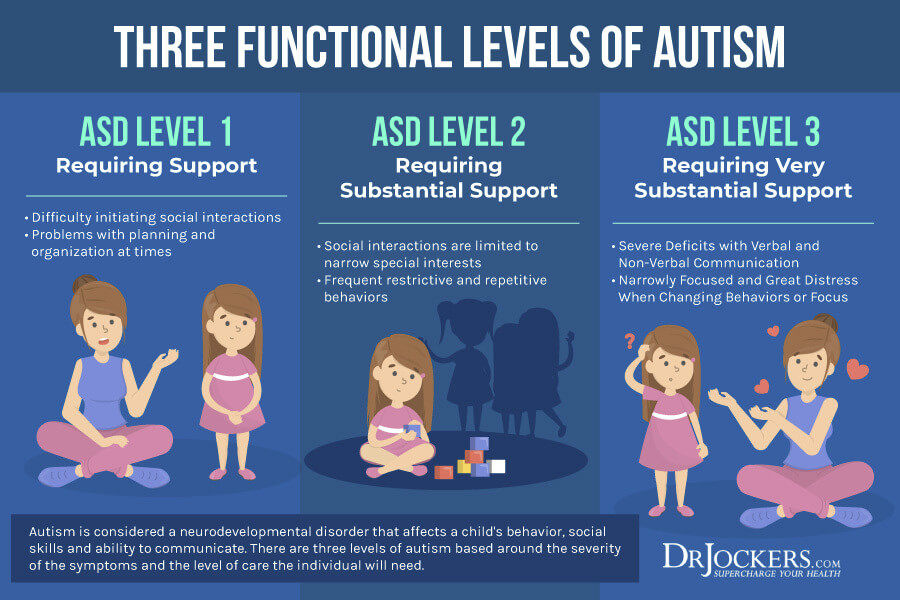
Autism Spectrum Disorder or ASD is a complex developmental condition that affects communication, social interaction, and behaviour. ASD is characterised by challenges with social skills, repetitive behaviour and speech and nonverbal communication. It is estimated that approximately 1 in 54 children are diagnosed with autism, and that number continues to grow. Although autism is a life-long condition, early diagnosis and intervention can greatly improve outcomes for individuals with autism.

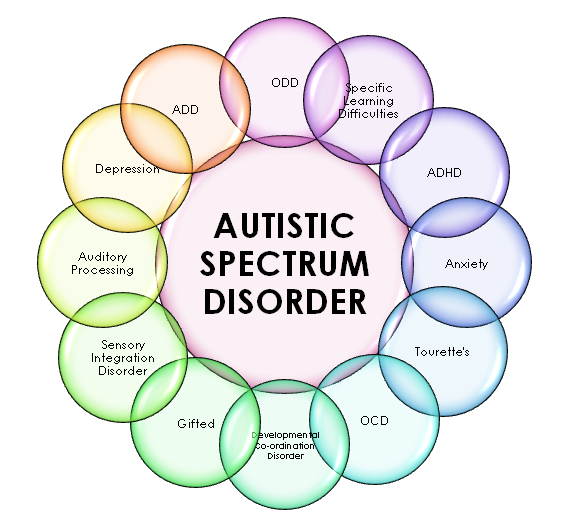
There is not one autism but many subtypes, most influenced by a combination of genetic and environmental factors. Because autism is a spectrum disorder, each person with autism has a distinct set of strengths and challenges. How people with autism learn, think and problem-solve can range from highly skilled to severely challenged. Some people with ASD may require significant support in their daily lives, while others may need less support and, in some cases, live entirely independently. Several factors may influence the development of autism, and it is often accompanied by sensory sensitivities and medical issues such as gastrointestinal or GI disorders, seizures or sleep disorders, as well as mental health challenges such as anxiety, depression and attention issues.

Autism is mainly characterised by its unique social interactions, non-standard ways of learning, keen interests in specific subjects, inclination to routines, challenges in typical communications and particular ways of processing sensory information. Autism is a lifelong neurological condition that manifests during early childhood, irrespective of gender, race or socio-economic status. Signs of autism usually appear by age 2 or 3. Some associated development delays can appear even earlier, and often, they can be diagnosed as early as 18 months. Research shows that early intervention leads to positive outcomes later in life for people with autism. The symptoms of autism can vary greatly from one individual to another and can range from mild to severe. Some common symptoms of autism include difficulty with social interaction, communication, and repetitive behaviours. Individuals with autism may also have sensory sensitivities, such as being oversensitive to sounds, light, or touch. They may also have difficulty with communication, including nonverbal communication, and may have trouble understanding the social cues and emotions of others. The exact causes of autism are not yet known, but it is believed to be a combination of genetic and environmental factors. Research has shown that there is a strong genetic component to autism and that certain genes may increase a person’s risk of developing the condition. However, the exact genes involved are still being studied. In addition to genetics, environmental factors, such as exposure to toxins during pregnancy, can also play a role in the development of autism.

The rate of autism in all regions of the world is high and the lack of understanding has a tremendous impact on individuals, their families and communities. The stigmatisation and discrimination associated with neurological differences remain substantial obstacles to diagnosis and therapies, an issue that must be addressed by both public policymakers in developing nations, as well as donor countries.

Living with autism can be a challenge for individuals with the condition, as well as their families. Individuals with autism may have trouble fitting in with their peers and may struggle with social interactions and communication. They may also have difficulty with everyday tasks, such as shopping, cooking, and personal care. Additionally, they may have trouble adapting to change, which can make life even more difficult. For families of individuals with autism, the journey can be a difficult one. They may face challenges such as finding appropriate educational and healthcare services, navigating the complex healthcare system, and providing emotional support to their loved ones with autism. They may also face stigma and discrimination from society, which can be isolating and difficult to overcome.

However, despite these challenges, there is hope. With early diagnosis and intervention, individuals with autism can lead fulfilling lives and reach their full potential. Many organisations and support groups offer resources and support to individuals with autism and their families. Additionally, many schools and workplaces are becoming more inclusive and accommodating of individuals with autism, making it easier for them to live, work, and play in their communities.

In recognition of World Autism Awareness Day, it is important to continue to raise awareness about autism and to work towards creating a more inclusive and supportive world for individuals with autism and their families. This can be done by educating others about the condition, volunteering with organizations that support individuals with autism, and advocating for better resources and support for individuals with autism and their families. World Autism Awareness Day serves as a reminder of the importance of continuing to work towards a world that is inclusive and supportive of individuals with autism and their families. Through awareness, advocacy, and support, we can help individuals with autism lead fulfilling lives and reach their full potential. So let us all do our part to spread awareness and support those with autism in our communities.

World Down Syndrome Day       

Last week, on 21 March, the world celebrated World Down Syndrome Day, a day dedicated to raising awareness about Down syndrome and promoting the rights and well-being of individuals with Down syndrome. First celebrated in 2006, 21 March was selected as it was the 21st day of the third month of the year which signifies the uniqueness of the triplication (trisomy) of the 21st chromosome which causes Down syndrome.

Down syndrome is a genetic disorder that occurs when an individual has an extra copy of the 21st chromosome, resulting in intellectual and developmental challenges. Down syndrome affects people of all ages, races, and ethnicities, and it is estimated that over 250 million people are living with this condition worldwide. Chromosomes are “packages” of genes in the body. They determine how a baby’s body forms and functions as it grows. Around 1 in every 800 babies will be born with Down syndrome which occurs naturally as there is no known cause. Down syndrome usually causes varying degrees of intellectual and physical disability and associated medical issues. Despite this, many people are still misinformed about Down syndrome and individuals with the syndrome often face discrimination and stigma. World Down Syndrome Day provides an opportunity to educate the public and promote a better understanding of Down syndrome, and celebrate the unique contributions and achievements of individuals with Down syndrome.

One of the main goals of World Down Syndrome Day is to raise awareness about the rights and needs of individuals with Down syndrome. This includes ensuring that individuals with Down syndrome have access to the same opportunities and services as their peers, including education, employment, healthcare, and independent living. It is important to recognise that individuals with Down syndrome have the same aspirations and dreams as everyone else, and it is our responsibility as a society to provide them with the support and resources they need to achieve their full potential. This day also celebrates the accomplishments and achievements of individuals with Down syndrome. The day showcases the talents and abilities of individuals with Down syndrome and highlights the contributions they make to their communities.

The theme for the 2023 edition of World Down Syndrome Day is “With Us Not For Us”. The message of With Us Not For Us is key to a human rights-based approach to disability. It is based on moving away from the outdated charity model of disability, where people with disability were treated as objects of charity, deserving of pity and relying on others for support to a human rights-based approach that views people with disabilities as having the right to be treated fairly and having the same opportunities as everyone else, working With others to improve their lives.

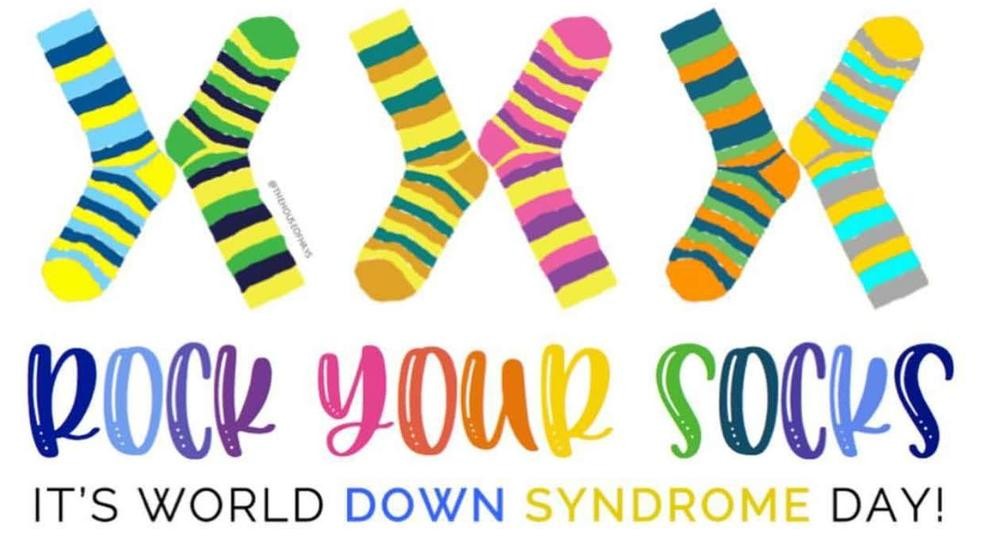
World Down Syndrome Day is a day to celebrate the diversity of individuals with Down syndrome and to remind us all that we are all more alike than we are different. In addition to raising awareness and celebrating the accomplishments of individuals with Down syndrome, World Down Syndrome Day is also an opportunity to advocate for change. This includes advocating for policies and practices that support the rights and needs of individuals with Down syndrome, as well as working to remove barriers and promote inclusion in all areas of life. A common activity on this day is to wear colourful or mismatched socks, to show support for people with Down syndrome because socks are shaped somewhat like chromosomes. An animated short, Freebird, was created to recognize World Down Syndrome Day in 2021. The film, set to a song, Freedom by Jordan Hart, won the Chicago International Children’s Film Festival the same year.

World Down Syndrome Day is a day to raise awareness, celebrate the accomplishments of individuals with Down syndrome, and advocate for change. It is a day to recognise the unique contributions and strengths of individuals with Down syndrome and to remind us all that with the right support and opportunities, anything is possible. On this day, let us all come together to celebrate the diversity of individuals with Down syndrome and to work towards a world that is more inclusive, supportive, and empowering for everyone.

International Day of Happiness

That elusive state of mind we are all searching for, happiness has multiple meanings and each meaning is different for each of us. Celebrated all over the year each year on 20 March, the International Day of Happiness was established by the United Nations General Assembly on 28 June 2012 and aims to make people around the world realize the importance of happiness in their lives.

Before the establishment of the International Day of Happiness, the President of the World Happiness Foundation, Jayme Illien, along with Luis Gallardo founded Happytalism. Illien ran a campaign at the United Nations from 2006 to 2012 to encourage and advance the primacy of happiness, well-being, and democracy. In 2011, Jayme Illien proposed the idea of the International Day of Happiness at the United Nations General Assembly to promote happiness economics around the world by improving the economic development of all countries. The idea was adopted by the United Nations General Assembly on 19 July 2011 at the initiative of then-Prime Minister Jigme Thinley of Bhutan, a country that has famously pursued the target of Gross National Happiness since the 1970s.

The International Day of Happiness was officially established in 2012 and first commemorated in 2013. Building on the concept of Jayme Illien, the United Nations has taken a step forward with World Happiness Day to inform people about the importance of happiness in people’s lives and the need to incorporate happiness into public policies. On World Happiness Day, the United Nations General Assembly calls for people to make more continuous progress and the small things that continue to make their lives better.

The pursuit of happiness is a fundamental human goal and happiness plays an important role in addressing the many challenges the world faces, both complex and interrelated. The world needs a new economic paradigm that recognises the parity between the three pillars of sustainable development. Social, economic, and environmental well-being are indivisible and together they define gross global happiness. Happiness should not be a luxury for a few with the pursuit of happiness being universal and fundamental.

In the steps to Global Happiness, we learn that happiness is a fundamental human right and goal for all, happiness is a universal aspiration in the lives of all with happiness being a way of living, being, and serving communities and society. Happiness is a north star for individuals, communities, governments, and society and the path to happiness leads toward achieving sustainable development goals. Happiness is a new paradigm for human development and the worldwide celebration of the international day of happiness is democratic, diverse, organic, and inclusive.

The World Happiness Report is published by the Sustainable Development Solutions Network, a global initiative of the United Nations. This report ranks the different countries on national happiness, based on respondent ratings of the lives of their citizens, the report also correlates with various quality of life factors and the report primarily uses data from the Gallup World Poll.

On this International Happiness Day, while you’re enjoying the things that bring you happiness, please think about sharing your happiness with others. Be grateful, share your blessings and give back as much as you can and share happiness.

World Oral Health Day

Organised annually on 20 March, World Oral Health Day is observed to raise global awareness of the issues around oral health and the importance of oral hygiene so that governments, health associations and the general public can work together to achieve healthier mouths and happier lives. World Oral Health Day aims to recognise the importance of good oral health and unite to reduce the burden of oral diseases which affect individuals, health systems, and economies everywhere. It also aims to empower people with the knowledge, tools, and confidence to secure good oral health

Oral diseases are a major health concern for many countries and negatively impact people throughout their lives. 90% of the world’s population will suffer from oral diseases in their lifetime, many avoidable. Oral diseases lead to pain and discomfort, social isolation, and loss of self-confidence, and they are often linked to other serious health issues. And yet, there is no reason to suffer – most oral health conditions are largely preventable and can be treated in their early stages. 

Oral hygiene is the practice of keeping one’s mouth clean and free of disease and other problems by regular brushing of the teeth and cleaning between the teeth. Oral hygiene must be carried out regularly to enable the prevention of dental disease and bad breath. The most common types of dental disease are tooth decay which includes cavities, and dental caries and gum diseases, including gingivitis, and periodontitis. General guidelines for adults suggest brushing at least twice a day with fluoridated toothpaste and brushing last thing at night and at least on one other occasion. Cleaning between the teeth is called interdental cleaning and is as important as tooth brushing. This is because a toothbrush cannot reach between the teeth and therefore only removes about 50% of plaque from the surface of the teeth. There are many tools to clean between the teeth, including floss, tape and interdental brushes; it is up to each individual to choose which tool they prefer to use. Sometimes white or straight teeth are associated with oral hygiene. However, a hygienic mouth can have stained teeth or crooked teeth. To improve the appearance of their teeth, people may use tooth whitening treatments and orthodontics.

More than 130 countries take part in World Oral Health Day which is organised by the FDI World Dental Federation. World Oral Health Day was launched on 20 March 2013 by the FDI World Dental Federation which also marks the launch of a year-long campaign to raise awareness of oral health and the prevention of oral diseases. Since 2013 these campaigns have featured a specific theme. Since 2014 and in collaboration with its daughter organisation, the International Association of Dental Students or IADS, FDI organises an annual worldwide competition for best awareness and prophylactic activities held by dental student organizations in celebration of World Oral Health Day.

The campaign theme for the years 2021 to 2023 is Be Proud of Your Mouth. This theme that spans three years sends out a simple but powerful message to value and take care of our mouths. This year, the campaign wants to inspire change by focusing on the importance of oral health at every stage of life, because no matter what age one is, caring for the mouth and looking after oral health is important.

So take care of your oral health,  because establishing good oral hygiene and dietary habits have proven to be essential to achieving and maintaining, overall physical and emotional well-being throughout life.