World Food Day

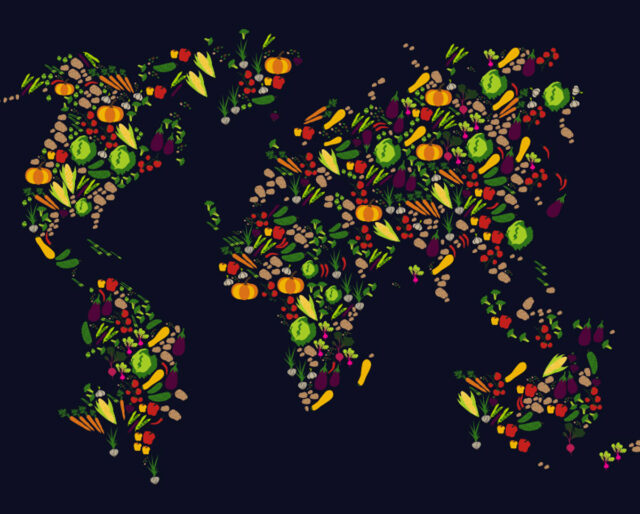
Yesterday was World Food Day. This is an international day celebrated every year worldwide on 16 October to commemorate the date of the founding of the United Nations Food and Agriculture Organization or the UN FAO in 1945. The day is celebrated widely by many other organisations concerned with hunger and food security, including the World Food Programme, the World Health Organization and the International Fund for Agricultural Development. WFP received the Nobel Prize in Peace for 2020 for their efforts to combat hunger, contribute to peace in conflict areas, and for playing a leading role in stopping the use of hunger in the form of a weapon for war and conflict.  

World Food Day (WFD) was established by FAO’s Member Countries at the Organization’s 20th General Conference in November 1979. The Hungarian Delegation, led by the former Hungarian Minister of Agriculture and Food Dr Pál Romány, played an active role at the 20th Session of the FAO Conference and suggested the idea of celebrating the WFD worldwide. It has since been observed every year in more than 150 countries, raising awareness of the issues behind poverty and hunger.
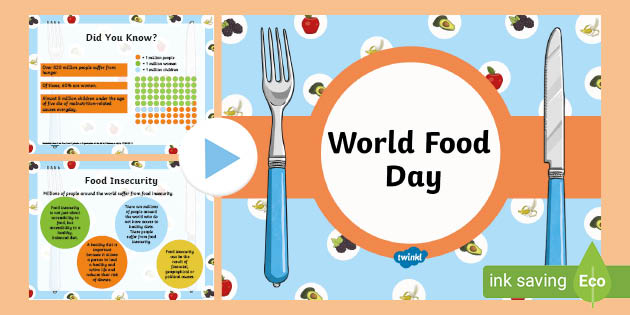
Millions of people around the world cannot afford a healthy diet, putting them at high risk of food insecurity and malnutrition. But ending hunger isn’t only about supply. Enough food is produced today to feed everyone on the planet. The problem is access and availability of nutritious food, which is increasingly impeded by multiple challenges including the COVID-19 pandemic, conflict, climate change, inequality, rising prices and international tensions. People around the world are suffering the domino effects of challenges that know no borders.

Worldwide, 75% of poor and food-insecure people rely on agriculture and natural resources for their living. They are usually the hardest hit by natural and man-made disasters and are often marginalised due to their gender, ethnic origin, or status. It is a struggle for them to gain access to training, finance, innovation and technologies. Our globalised world is one where our economies, cultures, and populations are becoming increasingly interconnected. Some of us are vulnerable because of who we are or where we live, but the reality is that we are all fragile. When someone is left behind, a chain is broken. This impacts not only the life of that person but also ours.
In the face of global crises, global solutions are needed more than ever. By aiming for better production, better nutrition, a better environment, and a better life, we can transform agrifood systems and build forward better by implementing sustainable and holistic solutions that consider development in the long term, inclusive economic growth, and greater resilience.

The theme for 2022 is “Safer food, better health” which stresses that the production and consumption of safe food have immediate and long-term benefits for people, the planet, and the economy. Safe food is essential to human health and well-being and is one of the most critical guarantors of good health. The benefits of safe food include improved nutrition and reduced absenteeism in schools and the workplace. Foodborne diseases affect 1 in 10 people worldwide each year. There are over 200 of these diseases, ranging from diarrhoea to cancers.

On this day, WHO calls for a set of specific actions in multiple sectors to make food safer. Policymakers need to support policy measures to strengthen national food safety systems and ensure they comply with food safety standards, as well as engage in multi-sectoral collaboration at the local, national, regional and global levels. Food businesses must comply with international food standards and engage employees, suppliers and other stakeholders to grow and develop a food safety culture. At the same time, educational institutions and workplaces need to promote safe food handling and support food safety. And consumers need to practice safe food handling at home and keep informed and promote food safety.

Every year, a large number of events – from marathons and hunger marches to exhibitions, cultural performances, contests and concerts – are organised in around 150 countries across the world to celebrate World Food Day. To take part in World Food Day, spread the word, take part in some food tastings or cooking demonstrations or just make something in your kitchen and be creative.

World Mental Health Day

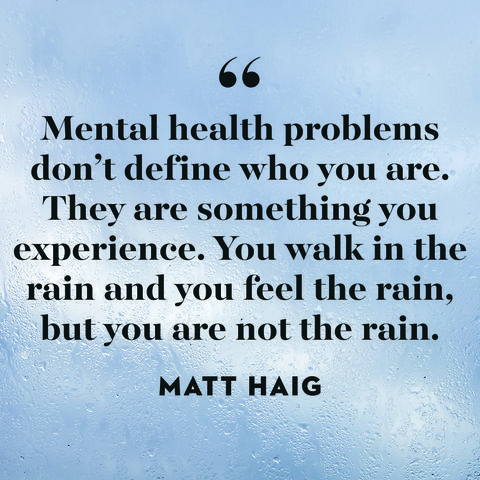
A term that includes our emotional, psychological, and social well-being, mental health affects how we think, feel, and act and also helps determine how we handle stress, relate to others, and make healthy choices. Mental health is important at every stage of life, from childhood and adolescence through adulthood. Although the terms are often used interchangeably, poor mental health and mental illness are not the same. A person can experience poor mental health and not be diagnosed with a mental illness. Likewise, a person diagnosed with a mental illness can experience periods of physical, mental, and social well-being. Mental health is important for overall health because mental and physical health are equally important components of overall health. 

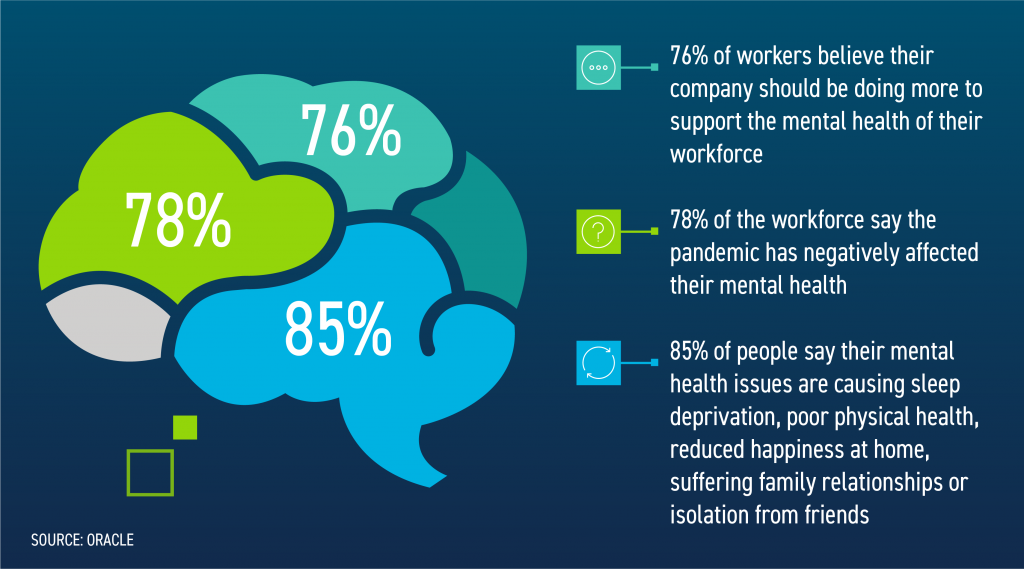
During the COVID-19 pandemic, mental health has come to the fore and I am glad that the millennials and the gen Z know that they have to make their mental health their priority. A 2017 study estimated that 792 million people lived with a mental health disorder. This is slightly more than one in ten people globally or 10.7%. In low- and middle-income countries, more than 75% of people with mental, neurological and substance use disorders receive no treatment for their condition at all.

Today, there has been increasing acknowledgement of the important role mental health plays. People with severe mental health conditions die prematurely – as much as two decades early – due to preventable physical conditions. Despite the progress in some countries, people with mental health conditions often experience severe human rights violations, discrimination, and stigma. Many mental health conditions can be effectively treated at relatively low cost, yet the gap between people needing care and those with access to care remains substantial. Effective treatment coverage remains extremely low.

To commemorate mental health, the World Health Organisation has declared today, 10 October as World Mental Health Day. The overall objective of World Mental Health Day is to raise awareness of mental health issues around the world and to mobilize efforts in support of mental health. The Day provides an opportunity for all stakeholders working on mental health issues to talk about their work, and what more needs to be done to make mental health care a reality for people worldwide. Celebrated since 1992, World Mental Health Day began at the initiative of the World Federation for Mental Health, a global mental health organization with members and contacts in more than 150 countries.

The theme for the 2022 edition is “Make mental health & well-being for all a global priority”.  The pandemic continues to take its toll on our mental health and our ability to reconnect with each other. Many aspects of mental health have been challenged and already before the pandemic in 2019, an estimated one in eight people globally were living with a mental disorder. At the same time, the services, skills and funding available for mental health remain in short supply and fall far below what is needed, especially in low and middle-income countries. The COVID-19 pandemic has created a global crisis for mental health, fueling short- and long-term stresses and undermining the mental health of millions. Estimates put the rise in both anxiety and depressive disorders at more than 25% during the first year of the pandemic. At the same time, mental health services have been severely disrupted and the treatment gap for mental health conditions has widened. Growing social and economic inequalities, protracted conflicts, violence and public health emergencies affect whole populations, threatening progress toward improved well-being with a staggering 84 million people worldwide forcibly displaced in 2021. 

On the occasion of World Mental Health Day, all of us must deepen the value and commitment we give to mental health as individuals, communities and governments and match that value with more commitment, engagement and investment by all stakeholders, across all sectors.  We must strengthen mental health care so that the full spectrum of mental health needs is met through a community-based network of accessible, affordable and quality services and supports. Stigma and discrimination continue to be a barrier to social inclusion and access to the right care; importantly, we can all play our part in increasing awareness about which preventive mental health interventions work. Let’s try and envision a world in which mental health is valued, promoted and protected; where everyone has an equal opportunity to enjoy mental health and to exercise their human rights; and where everyone can access the mental health care they need.

World Oceans Day

Aptly nicknamed the Blue Planet, Earth is approximately 71% water of which 96.5% are the Earth’s oceans. The ocean is the principal component of Earth’s hydrosphere, and therefore integral to life on Earth. Acting as a huge heat reservoir, the ocean influences climate and weather patterns, the carbon cycle, and the water cycle. Earth is separated into five oceans, of which the Pacific is the largest, the Atlantic, the Indian, the Southern or the Antarctic and the Arctic Ocean which is the smallest.

Oceans are essential to food security and the health and survival of all life. They power our climate and are a critical part of the biosphere and support humanity’s sustenance. It is the life source of every other organism on earth producing at least 50% of the planet’s oxygen, is home to most of the earth’s biodiversity, and is the main source of protein for more than a billion people around the world. Not to mention, the ocean is key to our economy with an estimated 40 million people being employed by ocean-based industries by 2030.

With 90% of big fish populations depleted, and 50% of coral reefs destroyed, we are taking more from the ocean than can be replenished. To protect and preserve the ocean and all it sustains, we must create a new balance, rooted in the true understanding of the ocean and how humanity relates to it. We must build a connection to the ocean that is inclusive, innovative, and informed by lessons from the past.

Even though all its benefits, the ocean is now in need of support. World Oceans Day is an opportunity to raise global awareness of the current challenges faced by the international community in connection with the oceans. This day reminds everyone of the major role that the oceans have in everyday life.

The purpose of the Day is to inform the public of the impact of human actions on the ocean, develop a worldwide movement of citizens for the ocean, and mobilise and unite the world’s population on a project for the sustainable management of the world’s oceans. The concept for World Oceans Day was originally proposed in 1992 by Canada’s International Centre for Ocean Development (ICOD) and the Ocean Institute of Canada (OIC) at the Earth Summit in Rio de Janeiro, Brazil and in December 2008, the UN General Assembly declared June 08 officially as World Oceans Day.

The 2022 theme is Revitalization: Collective Action for the Ocean. The ocean connects, sustains, and supports us all. Yet its health is at a tipping point and so is the well-being of all that depends on it. As the past years have shown us, we need to work together to create a new balance with the ocean that no longer depletes its bounty but instead restores its vibrancy and brings it new life.

On World Ocean Day, decide to take action for our shared blue planet, with one ocean and one climate, that connects us all to create a better future. By working together, we can — and will — protect and restore our shared ocean and climate.

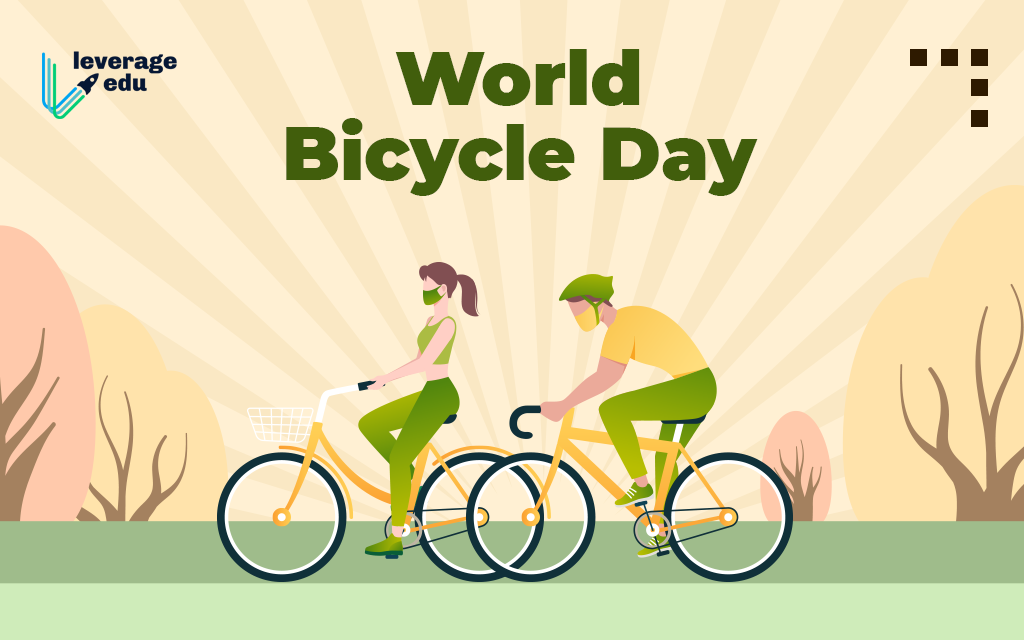
World Bicycle Day

Also called a pedal cycle, bike or cycle, a bicycle is a human-powered or motor-powered assisted, pedal-driven, single-track vehicle, having two wheels attached to a frame, one behind the other. First introduced in the 19th century in Europe, by the early 21st century, more than 1 billion bicycles were in existence and these numbers far exceed the number of cars, both in total and ranked by the number of individual models produced. Bicycles are the principal means of transportation in many regions and also provide a popular form of recreation and have been adapted for use as children’s toys, general fitness, military and police applications, courier services, bicycle racing, and bicycle stunts. The basic shape and configuration of a typical upright or safety bicycle, has changed little since the first chain-driven model was developed around 1885, but many details have been improved, especially since the advent of modern materials and computer-aided design. These have allowed for a proliferation of specialized designs for many types of cycling.

The bicycle’s invention has had an enormous effect on society, both in terms of culture and of advancing modern industrial methods. Several components that played a key role in the development of the automobile were initially invented for use in the bicycle, including ball bearings, pneumatic tires, chain-driven sprockets and tension-spoked wheels. Although bike and cycle are used interchangeably to refer mostly to two types of two-wheelers, the terms still vary across the world. In India, for example, a cycle refers only to a two-wheeler using pedal power whereas the term bike is used to describe a two-wheeler using an internal combustion engine or electric motors as a source of motive power instead of a motorcycle or motorbike.

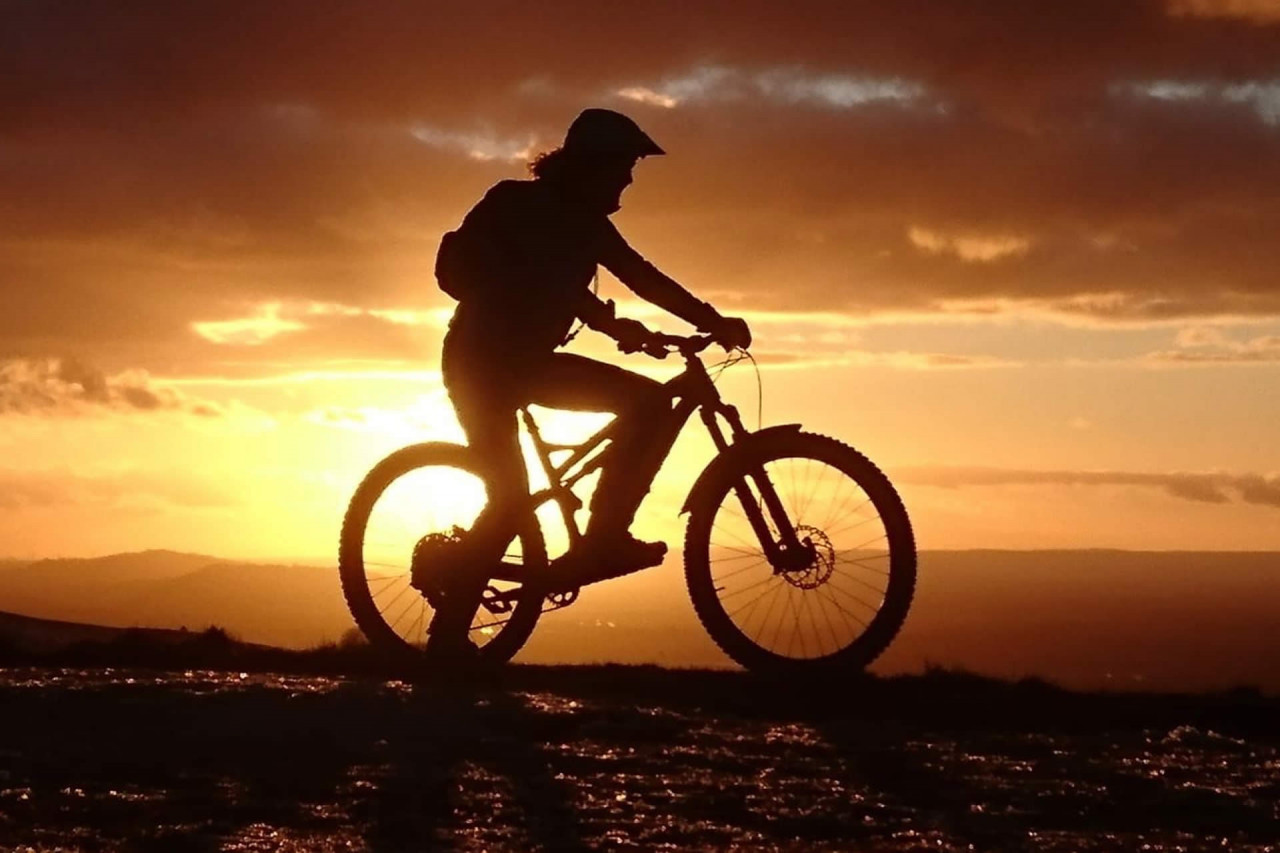
In today’s hustle and bustle, bicycling allows us to exercise our muscles, cut back on fuel consumption as an alternative to driving a car and feel the wind in our hair. Providing a simple and sustainable means of transportation, riding a bicycle rejuvenates our physical and mental health, is good for the economy, and helps the environment. Regular physical activity of moderate intensity – such as walking, cycling, or doing sports – has significant benefits for health. At all ages, the benefits of being physically active outweigh potential harm, for example through accidents. Some physical activity is better than none. By becoming more active throughout the day in relatively simple ways, people can quite easily achieve the recommended activity levels.

According to the World Health Organization or the WHO, safe infrastructures for walking and cycling is also a pathway for achieving greater health equity. For the poorest urban sector, who often cannot afford private vehicles, walking and cycling can provide a form of transport while reducing the risk of heart disease, stroke, certain cancers, diabetes, and even death. Accordingly, improved active transport is not only healthy; it is also equitable and cost-effective. Meeting the needs of people who walk and cycle continues to be a critical part of the mobility solution for helping cities de-couple population growth from increased emissions, and improve air quality and road safety. The COVID-19 pandemic has also led many cities to rethink their transport systems.

Source

Acknowledging the uniqueness, longevity and versatility of the bicycle, which has been in use for two centuries, and that it is a simple, affordable, reliable, clean and environmentally fit sustainable means of transportation, fostering environmental stewardship and health, the United Nations General Assembly decided to declare 3 June World Bicycle Day. World Bicycle Day draws attention to the benefits of using the bicycle — a simple, affordable, clean and environmentally fit sustainable means of transportation. The bicycle contributes to cleaner air and less congestion and makes education, health care and other social services more accessible to the most vulnerable populations. A sustainable transport system that promotes economic growth and reduces inequalities while bolstering the fight against climate change is critical to achieving the Sustainable Development Goals. Countries are encouraged to emphasise and advance the use of the bicycle as a means of fostering sustainable development, strengthening education, including physical education, for children and young people, promoting health, preventing disease, promoting tolerance, mutual understanding and respect and facilitating social inclusion and a culture of peace.

So ride a bicycle today and celebrate this day in a fun and eco-friendly manner.

World Menstrual Hygiene Day

Tomorrow is World Menstrual Hygiene Day. Initiated by the German non-profit WASH United in 2014, the day is a global day of action with more than 830 partner organisations working together to create awareness and action toward a world without period poverty and stigma. The date of 28 May represents the menstrual cycle which has an average duration of 28 days, with an average of five days of bleeding.

For some, menstruation may be an inconvenience they don’t give much thought to. But for millions of others, this most natural of reproductive cycle functions can equate to abuse because the onset of menstruation may lead to child marriage and sexual violence as well as violations of bodily autonomy; stigma which includes banishment to menstruation huts; missed opportunities where many girls skip school because of pain, discomfort and/or the lack of personal hygiene products; and loss of dignity due to the lack of supplies in humanitarian and refugee settings where even the basics like soap and water are in short supply or unavailable. Poor menstrual hygiene caused by a lack of education on the issue, persisting taboos and stigma, limited access to hygienic menstrual products and poor sanitation infrastructure undermines the educational opportunities, health and overall social status of women and girls around the world. As a result, millions of women and girls are kept from reaching their full potential.

World Menstrual Hygiene Day promotes good menstrual health and hygiene for all women and girls. More specifically, the day breaks the silence, raises awareness and changes negative social norms around menstrual health and hygiene and engages decision-makers to increase the political priority and catalyse action for menstrual health and hygiene at global, national and local levels.

Recently, countries have made sanitary supplies free or tax-free to help fight period poverty. New Zealand, France and Namibia are the latest countries to announce such initiatives after Scotland became the first country to provide period products free to anyone who needed them last year. 

The theme of this year’s Menstrual Hygiene Day is Action and Investment in Menstrual Hygiene and Health. The Menstruation Bracelet is a global symbol for menstruation which stands for the commitment to create a world, by 2030, where no woman or girl is kept from realising her full potential because she menstruates. A world where menstruation is just a normal fact of life.

Today, millions of women and girls around the world are stigmatised, excluded and discriminated against simply because they menstruate. In 2022, it’s no longer acceptable that a natural bodily function prevents women and girls from getting an education, earning an income and fully and equally participating in everyday life. On this day, we should break the taboos and end the stigma surrounding menstruation and raise awareness about the challenges regarding access to menstrual products, education about menstruation and period-friendly sanitation facilities.