International Men’s Day

Just like we celebrate the accomplishments and contributions of women on International Women’s Day, it’s equally important to recognise and celebrate the achievements, challenges, and roles of men in our society. Yesterday, as we celebrated International Men’s Day, let’s discuss why dedicating a day to celebrate men is crucial.

Let’s take a moment to understand what this day represents. International Men’s Day, observed on November 19th each year, is a day dedicated to celebrating men and promoting positive masculinity. It’s an occasion to raise awareness about men’s health, gender equality, and the important contributions men make to their families, communities, and society as a whole.

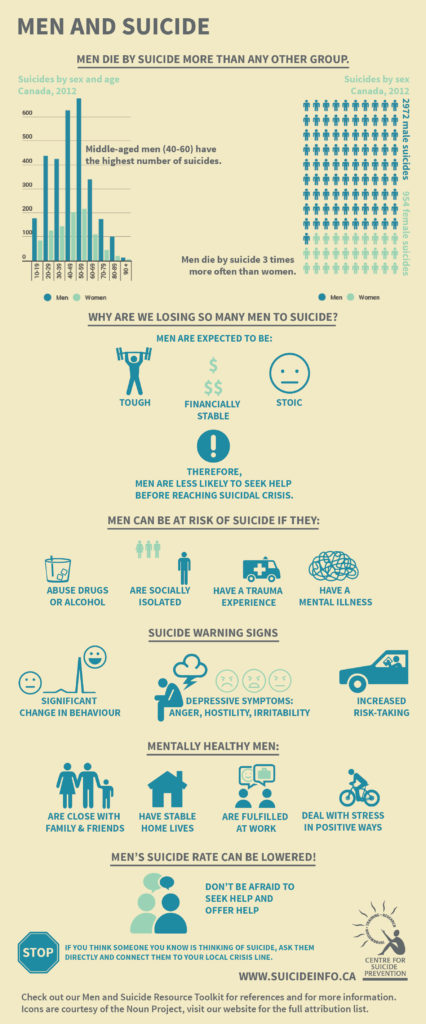
The theme for International Men’s Day in 2023 is “Zero Male Suicide”. This theme highlights the critical importance of addressing men’s mental health and the alarming rates of suicide among men worldwide. It calls for increased awareness, open dialogue, and support systems to prevent male suicides. By striving for zero male suicide, the focus is on destigmatising seeking help, encouraging early intervention, and fostering a culture of emotional well-being where men can reach out without fear or shame. This theme underscores the urgent need to create a world where every man knows that his life is valued and that he is not alone in his struggles.

The theme draws attention to the critical issue of men’s mental health, which is often overlooked or stigmatised. By emphasising the need to prevent male suicide, it encourages society to acknowledge and address the mental health challenges that men face. Men have disproportionately higher suicide rates than women in many parts of the world. This theme underscores the urgency of the issue and highlights the need for targeted interventions and support to reduce these rates. Suicide is often associated with shame and stigma, which can deter individuals, especially men, from seeking help. “Zero Male Suicide” aims to destigmatize mental health issues and promote an environment where men feel comfortable seeking assistance when needed. Encouraging early intervention and providing accessible mental health services is crucial for preventing suicides. The theme emphasizes the importance of identifying signs of distress and providing timely support to those at risk. It also challenges traditional notions of masculinity that discourage emotional expression and seeking help by encouraging a more inclusive and positive definition of masculinity that embraces emotional well-being.

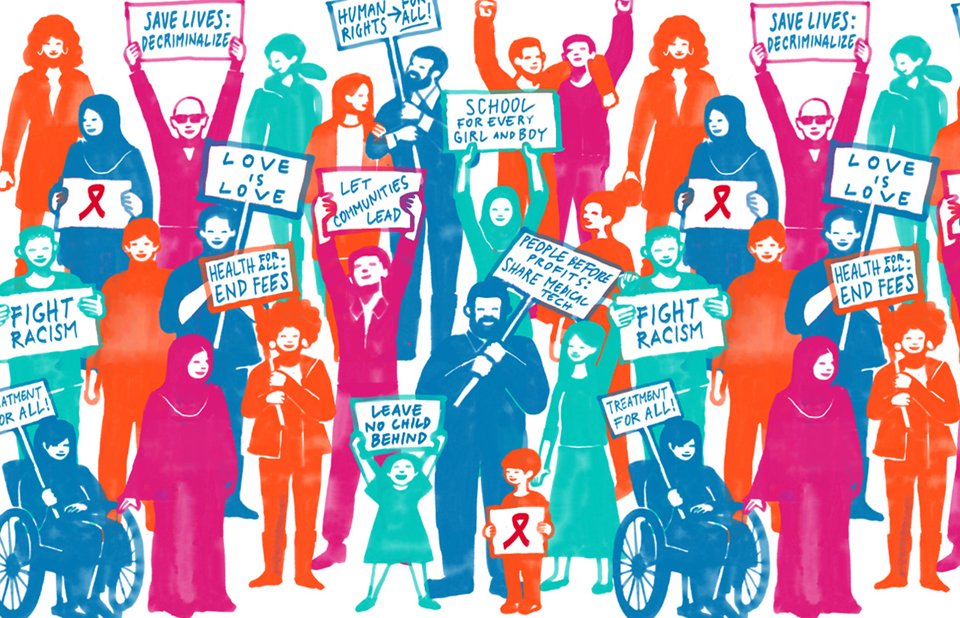
So, why do we need a day dedicated to celebrating men in the first place? International Men’s Day complements International Women’s Day by promoting gender equality. It acknowledges that both men and women face unique challenges and encourages dialogue on achieving equity for all. Traditional notions of masculinity can sometimes be limiting and harmful. International Men’s Day provides an opportunity to redefine masculinity positively and inclusively, encouraging men to express their emotions, seek help when needed, and be nurturing caregivers. Celebrating men who contribute positively to their communities and society at large provides role models for younger generations. It encourages boys and young men to aspire to be compassionate, empathetic, and responsible individuals. Just as women’s issues are important, so are men’s issues. International Men’s Day shines a light on topics like men’s health, fatherhood, and workplace challenges that men may face, helping to address and rectify these issues. This day encourages open conversations about men’s experiences, challenges, and needs. It fosters understanding and empathy among individuals of all genders, ultimately strengthening relationships and communities.

Why can’t we celebrate men every day? The truth is, we should celebrate and support men every day. However, by having a specific day, the day provides a dedicated space to focus on specific issues and challenges that men face. It ensures that these topics are not overlooked amidst the busyness of daily life. The observance of International Men’s Day generates global awareness and participation. It encourages individuals, communities, and organisations worldwide to come together, creating a collective impact that is hard to achieve daily.

The day serves as an inspiration for initiatives and conversations that extend beyond November 19. It offers an educational platform to learn more about men’s issues and how to address them effectively. It also promotes a sense of unity and solidarity among men and their allies. It reminds us that we are all part of a global community committed to addressing gender-related challenges.

In a world that increasingly recognizes the importance of diversity and gender equality, International Men’s Day stands as a meaningful occasion to honour and support men from all walks of life. The day reminds us that men’s well-being, both physical and mental, is a vital part of the gender equality conversation. While we should strive to celebrate and support men every day, having a dedicated day amplifies our efforts and sends a powerful message: that men’s experiences, contributions, and challenges matter.

So, on yesterday, today, and every day beyond, let’s celebrate International Men’s Day by fostering understanding, empathy, and positive change in our communities and across the globe.

World Menopause Day

Held annually on 18 October, World Menopause Day aims to raise awareness about menopause and its impact on women’s health and well-being.

Menopause is a natural biological process that marks the end of a woman’s reproductive years. It is defined as the cessation of menstruation for a consecutive 12 months, usually occurring between the ages of 45 and 55, though it can occur earlier or later. Menopause is a part of the aging process and signifies a decrease in the production of reproductive hormones like estrogen and progesterone.

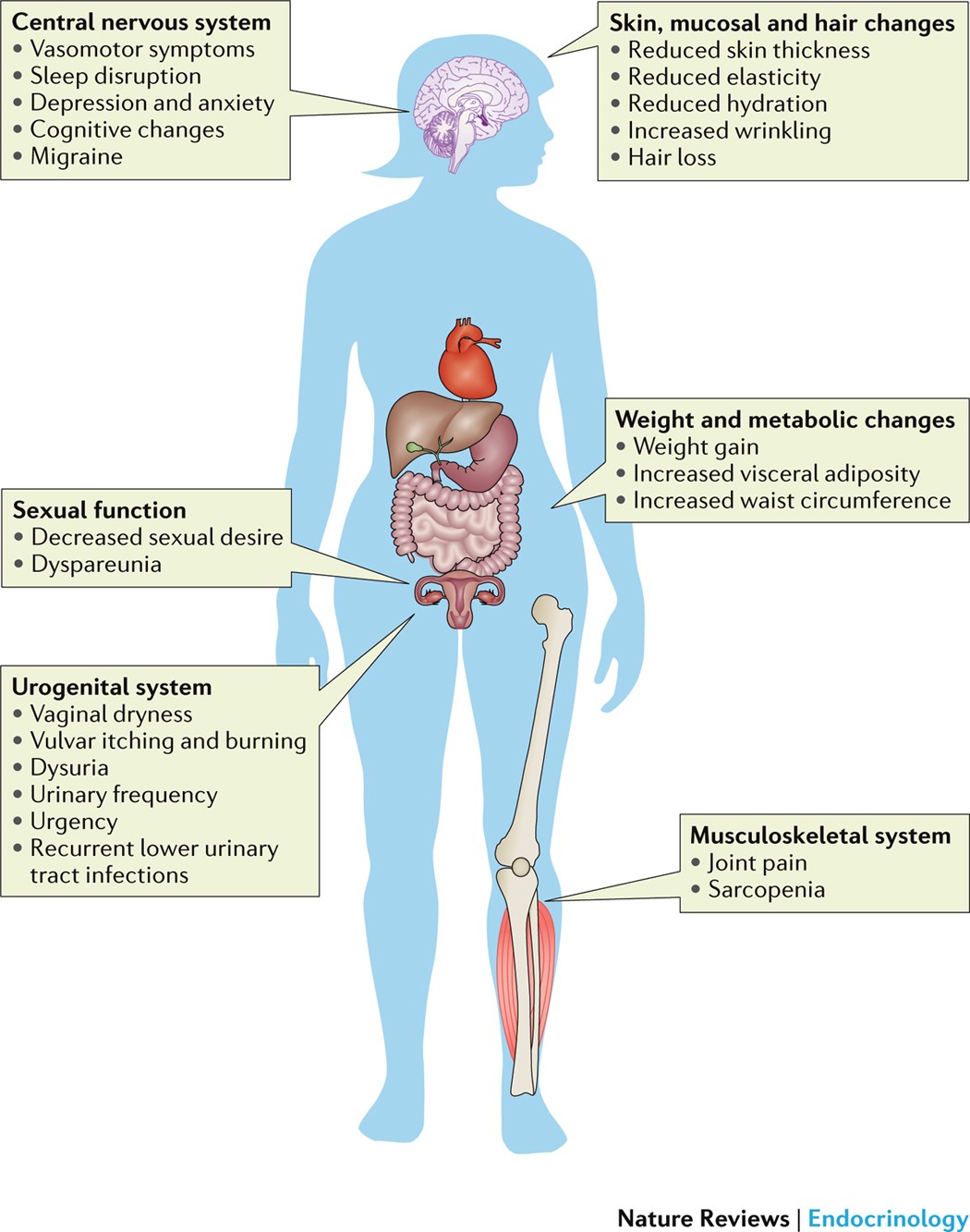
Perimenopause, the transitional phase leading up to menopause, often starts several years before the final menstrual period. During this time, women may experience irregular periods, hot flashes, night sweats, mood swings, and other symptoms as their hormone levels fluctuate. Menopause itself is not a medical condition but rather a natural phase of life, and it is essential to understand and normalize this process to support women adequately.

World Menopause Day holds immense significance as it brings attention to the physical, emotional, and psychological changes women undergo during this critical life stage. Menopause affects women globally, and by promoting awareness and understanding, we can create a more supportive and compassionate society for women transitioning through this phase.

Menopause is a time of change—a shift from the reproductive phase of life to a new chapter that holds infinite possibilities. Women must embrace this transformation positively. Society can play a vital role in reshaping the narrative surrounding menopause, dispelling myths, and celebrating this natural process as a beautiful and empowering journey. By encouraging open conversations about menopause, we can foster a supportive environment where women feel understood and accepted. For many years, menopause has been surrounded by silence and stigma. Women often felt uncomfortable discussing their experiences, and this lack of open dialogue hindered the spread of awareness and access to accurate information. Women should be encouraged to break this silence and share their menopause stories without fear or shame. When women speak up and share their experiences, it helps others understand that they are not alone and that menopause is a shared experience, that transcends cultural and geographical boundaries.

Knowledge is power, and empowering women with accurate information about menopause is vital for their physical and mental well-being. Understanding the physiological changes, symptoms, and potential treatments available can make a significant difference in how women navigate through menopause. Menopause affects women in diverse ways, and its impact goes beyond physical symptoms. It can have emotional and psychological repercussions as well. Support from family, friends, employers, and healthcare providers plays a crucial role in women’s menopause journey.

The theme for World Menopause Day 2023 is Cardiovascular Disease. According to the World Health Organisation, cardiovascular disease or CVD, also called heart and circulatory disease, is an umbrella name for conditions that affect the heart or circulation. Depending on the Source or DotS this umbrella may include Cardiovascular Conditions; Cardiovascular Diseases or CVD/CVDs; Cardiovascular Disorders; Diseases or Disorders of the Heart and Blood Vessels, Diseases or Disorders of the Heart and Circulatory System, Heart Diseases, Heart and Circulatory Diseases, and Stroke. These also include coronary heart disease which is a disease of the blood vessels supplying the heart muscle; cerebrovascular disease, a disease of the blood vessels supplying the brain; peripheral arterial disease which is a disease of blood vessels supplying the arms and legs; rheumatic heart disease which is damages to the heart muscle and heart valves from rheumatic fever, caused by streptococcal bacteria; congenital heart diseases that are birth defects that affect the normal development and functioning of the heart caused by malformations of the heart structure from birth; and deep vein thrombosis and pulmonary embolism which are blood clots in the leg veins, which can dislodge and move to the heart and lungs.

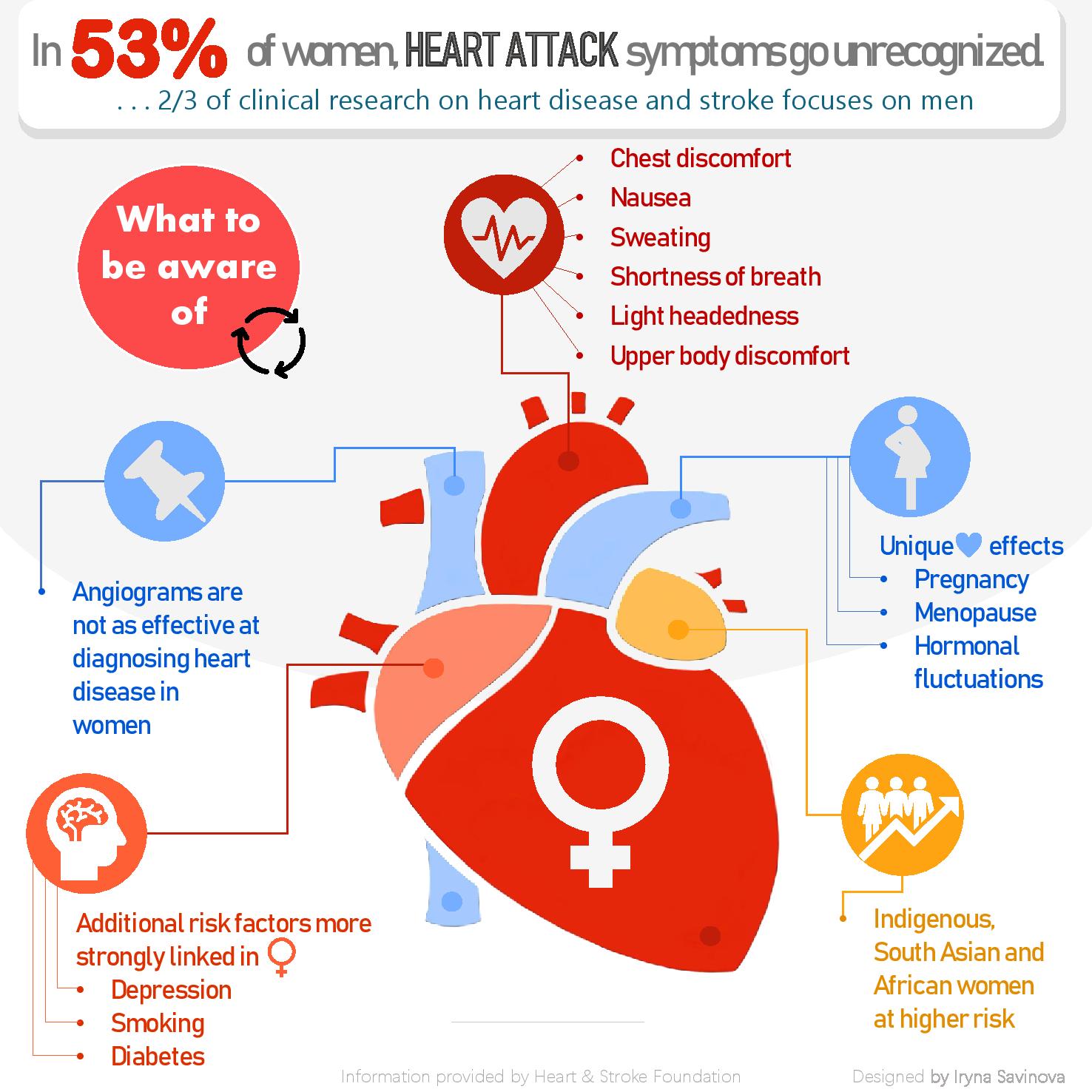
Before menopause, women have a lower risk of heart disease than men. However, as women age and their oestrogen levels fall, their risk of cardiovascular disease increases. Though heart disease is often thought of as a man’s disease, cardiovascular diseases often account for more than half of the deaths of women over 55 years old. There are several risk factors for CVD, including smoking, stress, alcohol, high blood pressure, high blood cholesterol, being physically inactive, being overweight or obese, diabetes, a family history of heart disease, the ethnic background, gender, age, and prevention.

To Prevent heart disease and stroke, one should know their risk, eat a healthy diet, be physically active, watch their weight, live tobacco-free, manage conditions, take necessary medicines, and be a team player. The cardiovascular risk factors that every woman should know about include age at the time of menopause, the cause and timing of menopause, estrogen levels, hot flashes and night sweats, depression and sleep problems, increased visceral fat, and cholesterol levels and metabolic syndrome risk.

World Menopause Day 2023 encourages the creation of supportive environments where women feel comfortable discussing their concerns and seeking help. Employers should consider providing flexible work arrangements to accommodate menopause-related challenges, and healthcare providers should offer personalised care and treatment options tailored to each woman’s needs. By breaking the silence, promoting knowledge, and fostering supportive environments, we can ensure that women navigate menopause with dignity and grace, embracing the change it brings and empowering themselves to lead healthy and fulfilling lives. Let us stand together on this day and beyond, championing the cause of women’s health and celebrating the beauty of menopause.

World Tourism Day

Celebrated annually on 27 September, World Tourism Day is celebrated to promote awareness and the importance of tourism worldwide. This day serves as a platform to highlight the social, cultural, political, and economic contributions of tourism to global development. Since 1980, the United Nations World Tourism Organization has celebrated World Tourism Day as an international observance. This date was chosen as, on that day in 1970, the Statutes of the UNWTO were adopted, the adoption of which is considered a milestone in global tourism. The purpose of this day is to raise awareness of the role of tourism within the international community and to demonstrate how it affects social, cultural, political and economic values worldwide. World Tourism Day plays a crucial role in promoting sustainable tourism practices, fostering dialogue between nations, and encouraging responsible travel among tourists.

At its Twelfth Session in Istanbul, Turkey, in October 1997, the UNWTO General Assembly decided to designate a host country each year to act as the Organization’s partner in the celebration of World Tourism Day. At its Fifteenth Session in Beijing, China, in October 2003, the Assembly decided the following geographic order to be followed for World Tourism Day celebrations: 2006 in Europe; 2007 in South Asia; 2008 in the Americas; 2009 in Africa and 2011 in the Middle East.

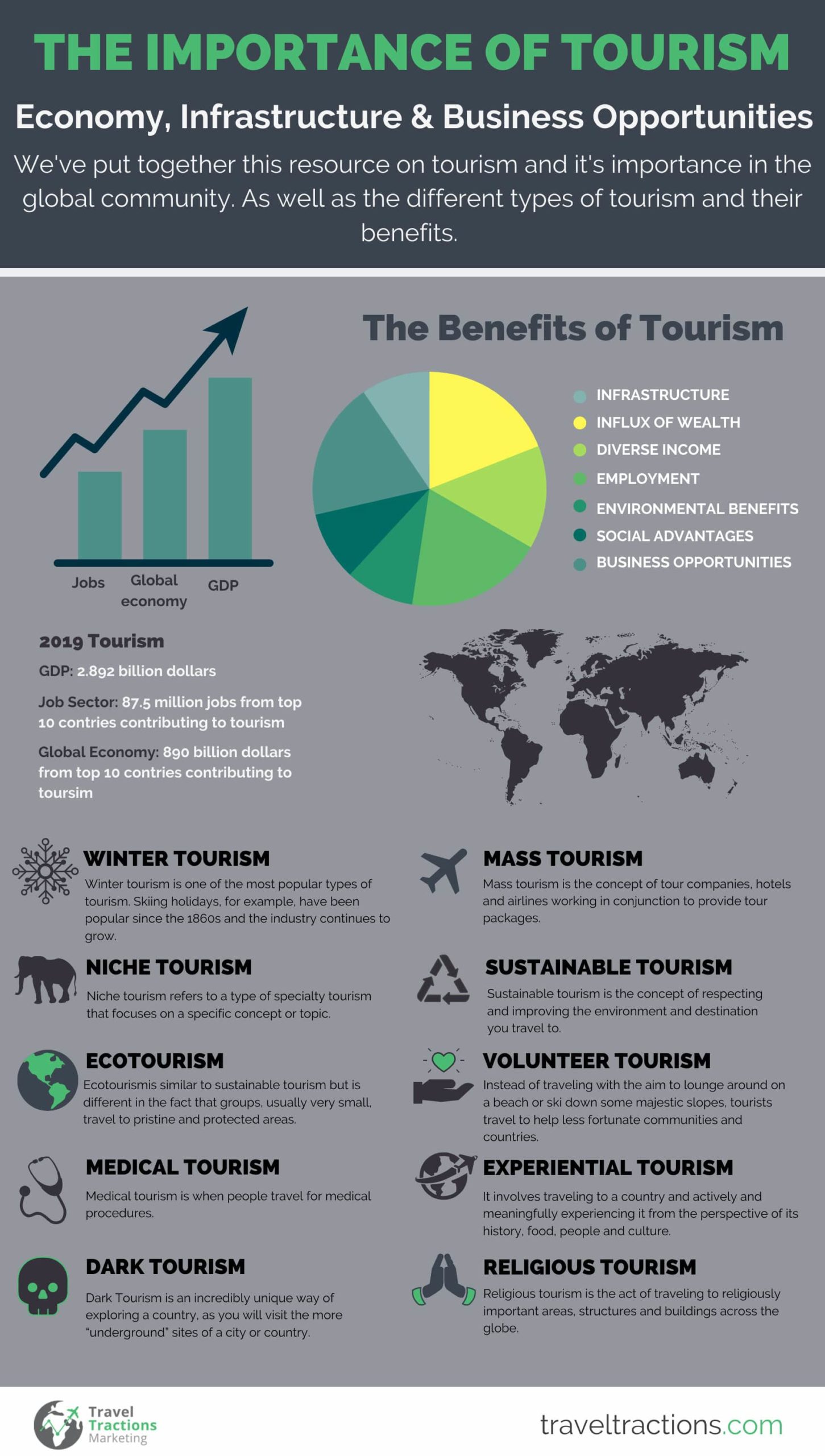
Tourism has become one of the fastest-growing industries globally, contributing significantly to job creation, economic growth, and cultural preservation. However, the rapid expansion of tourism also poses challenges such as environmental degradation, cultural commodification, and unequal distribution of benefits. ‎Modern tourism is closely linked to development and encompasses a growing number ‎of new destinations. These dynamics have turned tourism into a key driver for socio-economic progress.‎ Today, the business volume of tourism equals or even surpasses that of oil exports, ‎food products or automobiles. Tourism has become one of the major players in ‎international commerce and represents, at the same time, one of the main income ‎sources for many developing countries. This growth goes hand in hand with ‎increasing diversification and competition among destinations.‎ This global spread of tourism in industrialised and developed states has produced ‎economic and employment benefits in many related sectors – from construction to ‎agriculture or telecommunications.‎

In 2023, the official World Tourism Day celebrations will be hosted in Riyadh, Saudi Arabia, under the theme “Tourism and Green Investments”. World Tourism Day 2023 will highlight the need for more and better-targeted investments for people, for the planet and for prosperity. The time has come for new and innovative solutions, not just traditional investments that promote and underpin economic growth and productivity. The day will highlight the vital need to deliver investment for projects that work for people by investing in education and skills, for the planet by investing in sustainable infrastructure and accelerating green transformation and for prosperity by investing in innovation, technology and entrepreneurship.

Sustainable tourism requires sustainable investments. However, due to the pandemic, announced foreign investment in the tourism sector fell from US$48.5 billion in 2019 to just US$12.6 billion in 2020. This sudden and unexpected drop has been felt at all levels of the sector and pressed pause on projects designed to advance tourism’s climate action efforts and build more resilience. Additionally, in 2020 and 2021, job creation in the tourism sector fell by 70%, a direct consequence of falling investment levels.

One investment area that has remained strong, however, is investment in tourism start-ups and technology, highlighting the resilience of the startup ecosystem. But even here, the impact of the pandemic has been significant: funding levels fell to their lowest level in four years in 2022, and the number of tourism tech ‘unicorns’, which are start-ups valued at US$1 billion or more, has fallen. More and better-targeted investment is therefore required to enable tourism to deliver on its massive potential to provide opportunities for people, build resilient economies, accelerate climate action and greater sustainability for the planet, and deliver inclusive prosperity around the pillars of innovation and entrepreneurship.

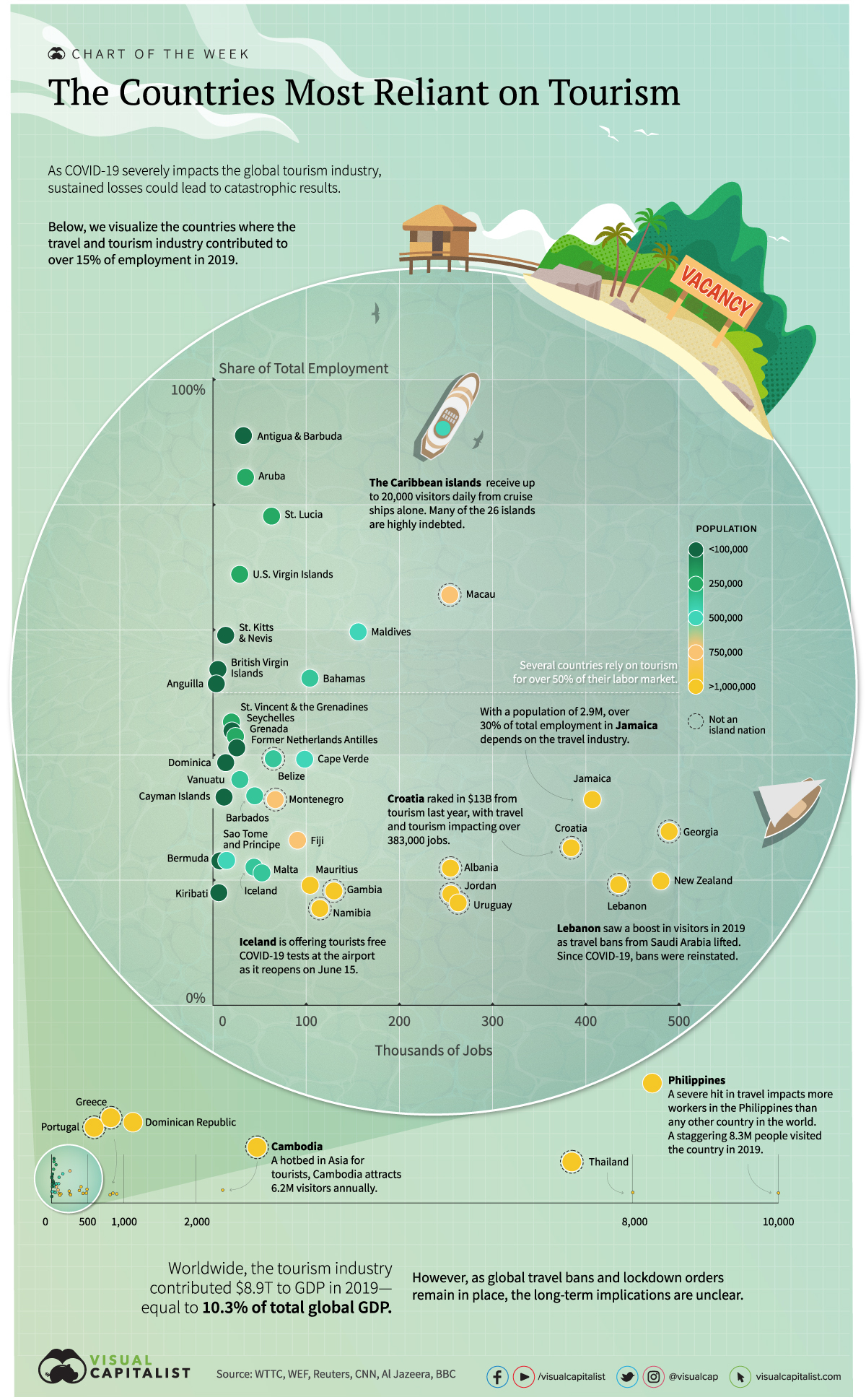
Tourism is one of the world’s leading employers. In 2019, the sector employed one in 10 people worldwide, with high levels of opportunity for women and youth. However, in emerging destinations, 50% of young people are unable to work in tourism due to a lack of opportunity, resources or access to academic training. Current education and training opportunities are unbalanced, with a heavy emphasis on hotel management. The global tourism workforce will require millions of hospitality graduates annually between now and 2030, and a further 800,000 jobs a year will require specific vocational training.

Through tourism, investment in infrastructure can deliver better services while also advancing the Sustainable Development Goals or SDGs. However, infrastructure has suffered from chronic underinvestment for decades. Tourism infrastructure, in particular, has a crucial role to play. Hotels account for 1% of global emissions and rising and are heavy consumers of energy and water. At the same time, funding for climate tech start-ups is not at the level needed to truly transform the sector. Investments that integrate sustainability measures into tourism operations will have an effect on most of the drivers of the sector’s growth: cost efficiency, city policies, internal sustainability goals, brand image, and guest satisfaction.

This World Tourism Day will try to address topics about public and private investments in this sector and what steps the private sector can take to address the emerging investment needs of the tourism sector vis-a-vis education. They will also deliberate on how to motivate policymakers and investors to support increased investment in greening the tourism sector as well as how to accelerate climate innovation, invest in new technologies, business models, and practices to facilitate the emergence of new climate solutions. Other topics will include the financial investment mechanisms and instruments available to support innovation, technology and entrepreneurship and also how to promote ease of doing business, develop better investment policies and embrace new innovative financial mechanisms and solutions to address emerging and complex challenges. Lastly, the day will focus on trying to close the financing gender gap and accelerate access to capital in both domestic and international markets for women entrepreneurs.

World Tourism Day 2023 will be a call to action for the international community, governments, multilateral financial institutions, development partners and private sector investors to unite around a new tourism investment strategy. As travellers, it is our responsibility to make conscious choices that support sustainable tourism, respecting the environment, preserving cultural heritage, and benefiting local communities. By embracing the principles of sustainability, we can collectively create a tourism industry that is not only economically viable but also environmentally and socially responsible. Let us celebrate World Tourism Day 2023 by recognising the immense potential of tourism as a force for positive change and committing to making travel a transformative and sustainable experience for all.

International Yoga Day

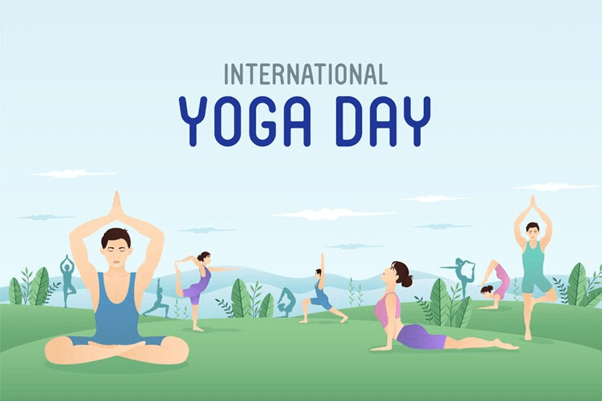
A practice originating in ancient India, yoga today is popular worldwide because of the physical, mental and spiritual benefits it provides to its practitioners. The word yoga is derived from Sanskrit and means to join or to unite, symbolising the union of body and consciousness. Yoga promotes a holistic approach to health and well-being.

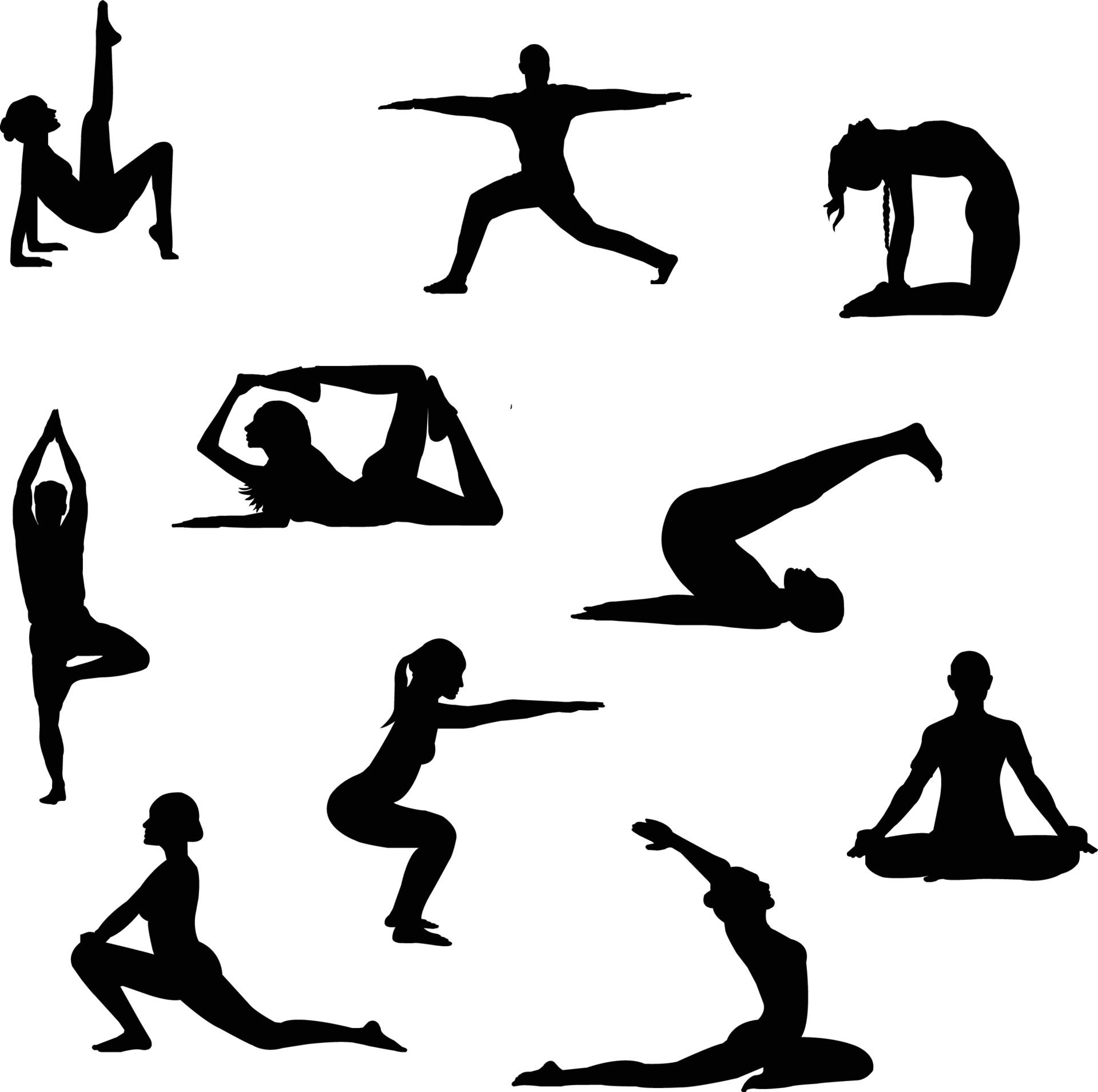
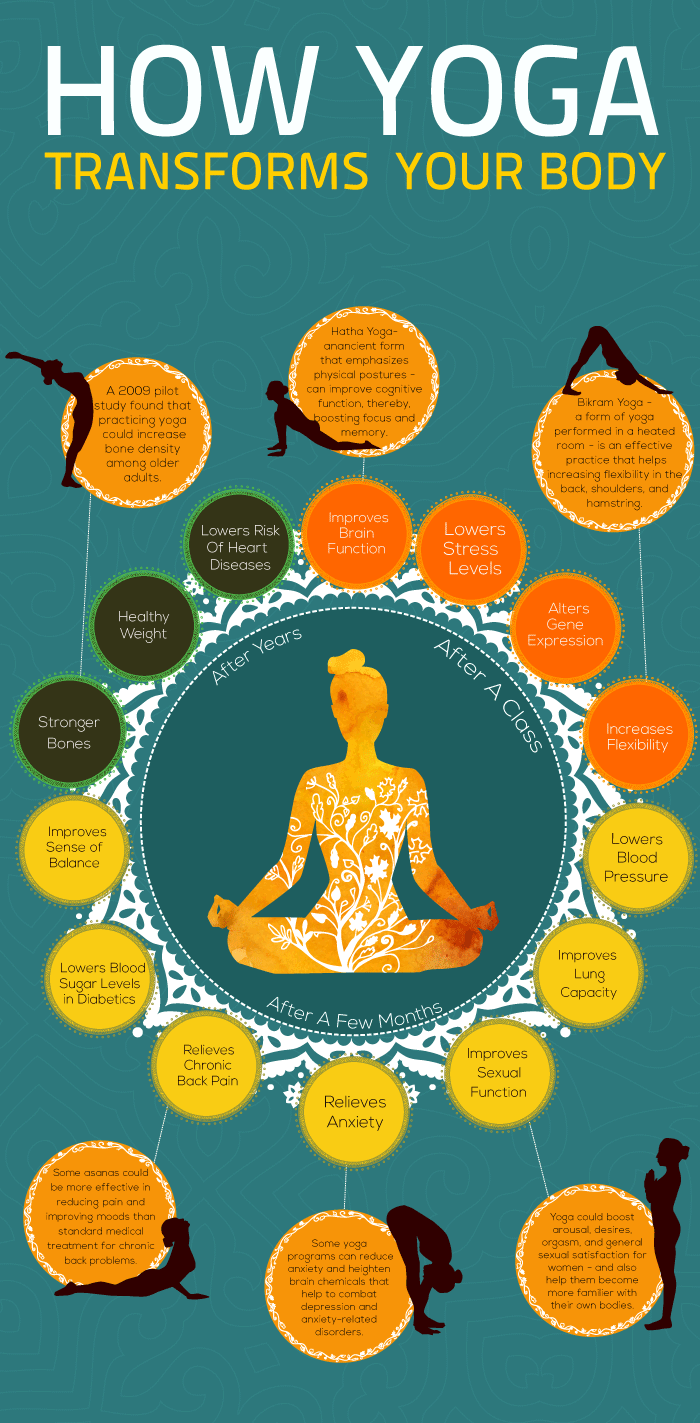
Yoga is a low-impact form of exercise that promotes flexibility, strength, and balance. The practice of yoga involves a series of physical postures or asanas that help improve muscle tone, increase range of motion, and improve overall physical health. Regular practice of yoga can also help improve cardiovascular health and reduce the risk of chronic diseases such as diabetes, heart disease, and obesity. Yoga is known for its ability to promote mental clarity, reduce stress, and improve overall mental health. The practice of yoga involves deep breathing exercises and meditation that can help calm the mind and reduce stress levels. Yoga can also help improve mood, reduce symptoms of anxiety and depression, and promote overall mental well-being. Yoga is deeply rooted in spirituality and promotes a connection with the inner self. The practice of yoga involves developing self-awareness, compassion, and gratitude, which can help promote spiritual growth and well-being. Yoga can also help individuals develop a sense of purpose and meaning in their lives. The practice of yoga promotes a holistic approach to health and well-being, which encompasses physical, mental, and spiritual health. Yoga can help individuals develop a healthier lifestyle, including healthier eating habits, improved sleep quality, and reduced stress levels. The practice of yoga can also help individuals develop stronger social connections and a sense of community.

In addition to the above benefits, yoga is also a highly accessible practice that can be adapted to suit individuals of all ages, fitness levels, and abilities. Yoga can be practised at home, in a studio, or outdoors, making it a highly flexible and convenient form of exercise. Other than the obvious physical benefits, yoga is also known to promote mental clarity, reduce stress and anxiety, and improve overall mental well-being. The deep breathing exercises used in yoga help calm the mind and reduce stress levels and make the practitioner sleep well. Yoga also helps improve cognitive function and mental clarity as the practice involves focusing the mind on the present moment, helping to improve concentration and focus as well as memory and cognitive flexibility, essential for mental health and well-being.

Yoga is also known to boost the immune system, which is crucial in these trying times. A strong immune system plays a vital role in protecting the body against infections and can help prevent or reduce the severity of infections. Yoga can help boost the immune system by reducing stress, improving sleep quality, and promoting overall physical health.

The importance of yoga has been recognised by the United Nations, which declared June 21 as International Yoga Day in 2014. The idea of June 21 came from Indian Prime Minister Narendra Modi, who, in his UN address in 2014, suggested the date June 21, as it is the longest day of the year in the Northern Hemisphere and shares a special significance in many parts of the world. In Indian calendars, the summer solstice marks the transition to Dakshinayana. The second full moon after the summer solstice is known as Guru Poornima. In Hindu mythology, Shiva, the first yogi or Adi Yogi, is said to have begun imparting the knowledge of yoga to the rest of mankind on this day and became the first guru Adi Guru.

To achieve a healthy life, the theme for the 8th World Yoga Day 2023 is Humanity. This theme is relevant in the current pandemic where the practice of yoga is very beneficial in promoting mental, physical and spiritual health and well-being. COVID-19 has impacted millions of people, both physically and mentally. Daily routines have been disrupted and stress and anxiety levels have skyrocketed and so in these times, yoga can be an effective tool to promote mental and physical health.

World Refugee Day

A refugee is someone who leaves their country due to the ramifications of war, conflict persecution and violence that they have faced within their home country. Through undertaking the process of crossing international borders, some refugees often leave everything behind carrying only minimal clothing and possessions; with the plan to find safety and haven in a different country.

World Refugee Day which took place yesterday is an international day organised every year on 20 June by the United Nations and is designed to celebrate and honour refugees from around the world. The day was first established on 20 June 2001, in recognition of the 50th anniversary of the 1951 Convention Relating to the Status of Refugees. The 1951 Refugee Convention acknowledges a refugee as an individual who is unable to return to their country of origin owing to the founded fear of being affected by their race, religion, participation of a social group or in different political opinions.

The number of refugees worldwide has been steadily increasing over the past few years. According to the United Nations High Commissioner for Refugees (UNHCR), there were over 103 million forcibly displaced people worldwide by mid 2022. This includes over 32.5 million refugees, 4.9 million asylum seekers, 53.2 million internally displaced persons (IDPs) and 5.3 million others in need of international protection. 72% of all refugees originate from just five countries with Syria at the top and Venezuela, Ukraine, Afghanistan and South Sudan, the other four countries. 36% of all refugees are hosted in five countries with Türkiye hosting the largest number of refugees, at 3.7 million people and Colombia is second with more than 2.5 million, Germany with 2.2 million, Pakistan with 1.5 million and Uganda hosting 1.5 million refugees. At the end of 2021, of the 89.3 million forcibly displaced people, an estimated 36.5 million or 41% are children below the age of 18. 1.5 million
children were born as refugees and between 2018 and 2021, an average of between 350,000 and 400,000 children were born into a refugee life per year. 204,500 refugees returned or were resettled with some 162,300 refugees returned to their countries of origin during the first six months of 2022 while 42,300 were resettled. 74% of refugees were hosted in low and middle-income countries with the least developed countries providing asylum to 22% of the total. Data on some 4.3 million stateless people residing in 95 countries were reported as at mid-2022. The true global figure is estimated to be significantly higher. 69 per cent of refugees and other people in need of international protection lived in countries neighbouring their countries of origin.

The event aims to recognise the strength of the refugees who have fled the conflict and persecution of their country in hope of finding sanctuary and living a better life. World Refugee Day builds the concept of understanding their plight which shows one’s resilience and courage in rebuilding their future. The day is seen as an opportunity for everyone to experience, understand and celebrate the rich diversity of the communities of refugees. World Refugee Day is also celebrated through World Refugee Week and is designed to provide an important chance for asylum seekers and refugees to be seen, listened to and valued by the community they are living.

This year’s World Refugee Day comes at a time when the global refugee crisis is at its worst. The COVID-19 pandemic has made the situation for refugees even direr. Many refugee camps are overcrowded, making it nearly impossible to practice social distancing and other measures to prevent the spread of the virus. Refugees are also more vulnerable to the economic impact of the pandemic, as many of them rely on informal and low-wage jobs that have been affected by lockdowns and other restrictions. The theme for Refugee Week 2023 is Healing and hopes to help imagine a world where healing replaces harm, and care becomes the world’s shared currency.

In addition to education, refugees also need access to healthcare, housing, and other basic needs. Many refugees live in overcrowded and unsanitary conditions, which can lead to the spread of diseases. Providing refugees with access to healthcare can help prevent and treat illnesses and improve their overall quality of life. Housing is another important issue for refugees. Many refugees live in temporary shelters such as tents or shipping containers, which are not suitable for long-term living. Providing refugees with safe and affordable housing can help them feel more secure and stable, and can also improve their chances of finding work and integrating into their new communities. Refugees often face discrimination and prejudice when trying to settle in new countries. Integration programs can help refugees learn the language and customs of their new home and find work and housing. These programs can also help to educate the local community about refugees and promote greater understanding and acceptance.

Refugees play an important role in the globe as when they have access to legal employment opportunities in their host country, they can utilise their knowledge to assist in filling the gap in the country’s labour market. These inclusions in society create a more diverse culture and multiculturalism which provides the community with the opportunity to learn from each other. The majority of refugees come from backgrounds where they have been formally employed and can assist their new country in contributing to the security of the country as well as their revenue. They are also able to create the ability to contribute to society by acting as a mediator in different intercultural exchanges, and the host country will be able to experience more effective socio-cultural diversity within the community.

Despite the many challenges they face, refugees are some of the most resilient people in the world. They have survived war, persecution, and other forms of violence, and have often been forced to flee their homes with little more than the clothes on their backs. On World Refugee Day 2023, it is important to remember that refugees are not just statistics, but individuals with unique stories, talents, and aspirations.