Adulting 101: The Importance of Networking

As young adults transition from university to the workforce, they often encounter a myriad of challenges. One of the most crucial skills they can develop during this time is networking. Networking is not just about exchanging business cards or connecting on LinkedIn; it’s about building meaningful relationships that can support one’s career growth and personal development.

What is networking? Networking can be defined as the process of establishing and nurturing professional relationships with individuals in one’s industry or field of interest. It involves connecting with peers, mentors, industry leaders, and others who can provide support, guidance, and opportunities for career advancement.

Networking can take place in various forms, including casual chats with friends, family, or acquaintances that may lead to valuable connections; conferences, seminars, workshops, and networking events designed for professionals to meet and exchange ideas; and social media sites like LinkedIn that facilitate professional connections and discussions. The essence of networking lies in creating a mutually beneficial relationship where both parties can share knowledge, resources, and opportunities.

Why is networking important for young adults?
One of the most significant advantages of networking is gaining access to job opportunities that may not be publicly advertised. Many positions are filled through referrals or internal recommendations. By building a strong network, young adults increase their chances of hearing about job openings before they are posted online.

Networking allows young professionals to learn from others’ experiences and insights. Engaging with industry peers can provide valuable information about trends, best practices, and challenges within their field. This knowledge can be instrumental in making informed career decisions and staying competitive in the job market.

Networking opens the door to mentorship relationships. Experienced professionals can offer guidance, advice, and support as young adults navigate their careers. A mentor can provide invaluable insights into industry expectations, career paths, and personal development.

For many young adults, networking can be intimidating. However, stepping out of one’s comfort zone to connect with others can significantly boost confidence. As young professionals engage in conversations and build relationships, they become more comfortable in professional settings.

A strong professional network serves as a support system during challenging times. Whether facing job loss, seeking career advice, or navigating workplace conflicts, having a network of supportive contacts can provide encouragement and assistance.

Networking is not just about immediate benefits; it’s an investment in long-term career growth. The connections made early in one’s career can lead to future opportunities and collaborations as individuals progress in their professions.

Why should one network at university and during one’s early career years?
University is an ideal time for young adults to start building their networks. Engaging with professors, classmates, and industry professionals lays the groundwork for future connections that can be beneficial when entering the workforce.

Networking while still in school allows students to gain insights into their chosen fields before graduation. Attending industry events or connecting with alumni can provide valuable perspectives on career paths and job expectations.

Young adults who actively network during their studies often develop essential soft skills such as communication, interpersonal skills, and emotional intelligence. These skills are highly valued by employers and can enhance job readiness upon graduation.

Early networking helps young adults expand their professional circles quickly. The more connections they make during university or their first jobs, the more resources they have at their disposal when seeking opportunities or advice.

In today’s competitive job market, having a robust network can set candidates apart from others vying for the same positions. Employers often prefer candidates who come recommended by trusted sources within their networks.
So what should one do to network if one is an introvert?
Networking can be particularly challenging for introverted individuals who may feel uncomfortable in social situations or large groups. However, introverts possess unique strengths that can be advantageous in networking scenarios:

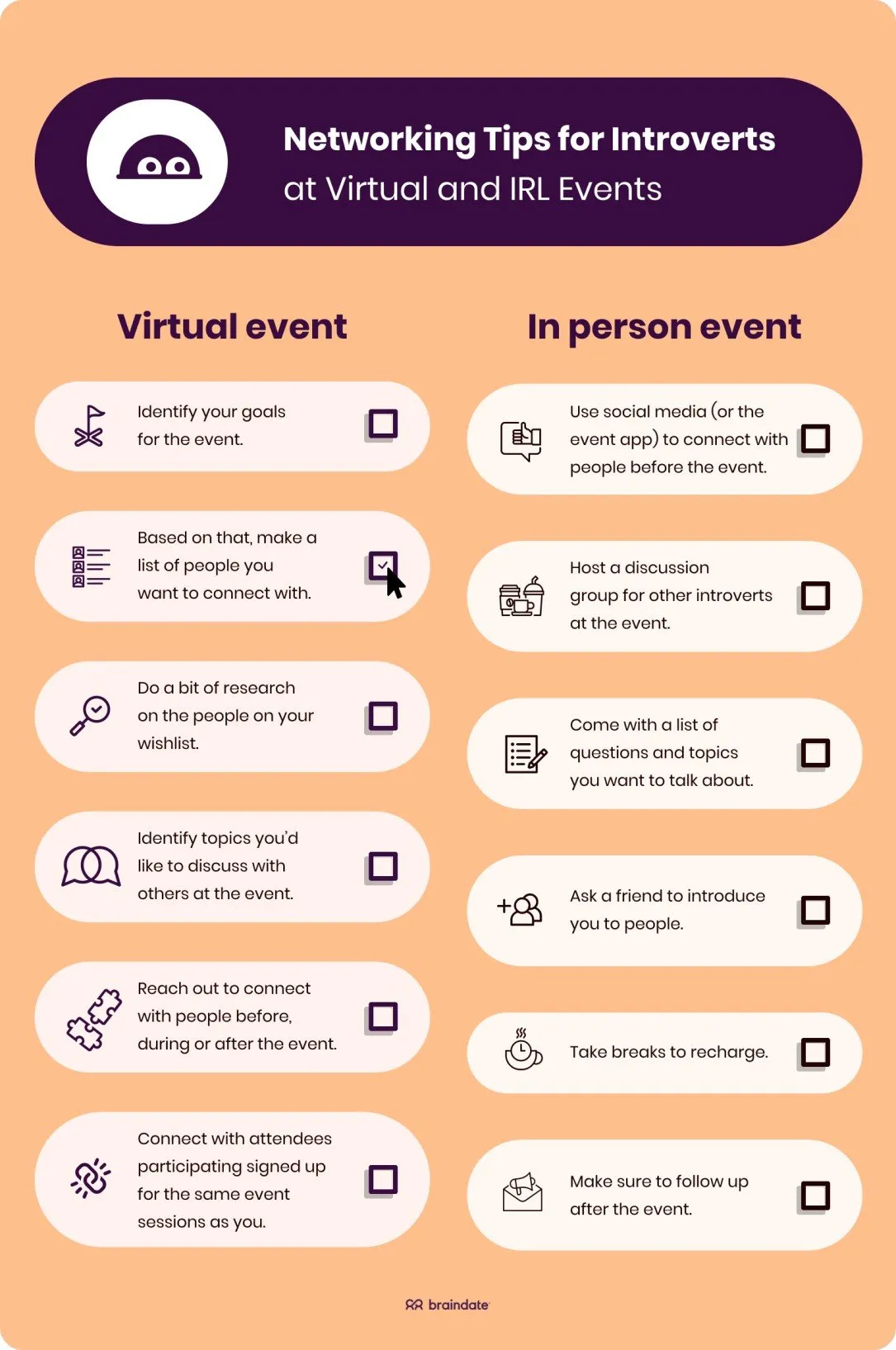
Introverts often excel in one-on-one conversations where they can build deeper connections without the pressure of large group dynamics. Focus on initiating meaningful conversations with individuals rather than trying to connect with everyone at once.

Before attending networking events or meetings, prepare a few talking points or questions to help ease anxiety during interactions. Having a plan can make conversations feel more structured and less daunting.

Social media platforms like LinkedIn offer excellent opportunities for introverts to connect with others without the pressure of face-to-face interactions. Introverts can take their time crafting thoughtful messages and engaging with content online.

Seek out smaller networking events or workshops where the atmosphere may feel less overwhelming than larger conferences or gatherings. Smaller settings often facilitate more intimate conversations.

Introverts are often great listeners—use this strength to your advantage when networking! Engage actively by asking open-ended questions and showing genuine interest in what others have to say.

Practical Tips for Effective Networking

  • Set clear goals: Before attending any networking event or meeting someone new, set clear goals for what one hopes to achieve from the interaction—whether it’s gaining insights into a specific industry or finding potential mentors.
  • Be authentic: Authenticity is key when building relationships; people appreciate genuine interactions over forced small talk. Be yourself and let your personality shine through during conversations.
  • Follow up after meetings: After meeting someone new, make sure to follow up with a thank-you email or message expressing your appreciation for their time and insights shared during your conversation.
  • Attend industry events regularly: Make it a habit to attend industry-related events regularly—this could include conferences, seminars, workshops, or local meetups related to your field of interest.
  • Join professional organisations: Consider joining professional organisations relevant to your career interests; these groups often host networking events that provide excellent opportunities for connecting with like-minded individuals.
  • Utilise social media wisely: Use platforms like LinkedIn strategically by sharing relevant content related to your field while also engaging with others’ posts through comments or shares—this helps build visibility within your network!
  • Volunteer your time: Volunteering for causes related to your profession allows you not only to give back but also to meet people passionate about similar issues while expanding your network organically!
  • Practice active listening: During conversations, focus on truly listening rather than thinking about what you’ll say next—this helps foster deeper connections while also providing valuable insights into others’ perspectives!

Networking is an essential skill that young adults must develop as they transition from university into their careers; it opens doors not only professionally but personally too! By understanding its importance—and implementing effective strategies—young professionals will position themselves favourably within competitive job markets while also cultivating meaningful relationships along the way!

Whether one is an introvert looking for ways to connect authentically or someone eager to expand their professional circle—remember that every interaction counts! Embrace opportunities presented through networking; after all—the people you meet today could very well shape your tomorrow!

Poem: New Year, New Hopes, New Aspirations 

It’s a new year; like everyone else, for me too, it is a time for new hopes, resolutions, and aspirations. Today’s poem is about what this new year means to me, and perhaps others too.

New Year, New Hopes, New Aspirations 

A new year dawns, with skies painted bright,
A canvas of dreams in the soft morning light.
The past fades behind us, like shadows at dawn,
And with every new breath, a new hope is born.

We carry our wishes, like stars in the sky,
For joy, for love, for our spirits to fly.
To chase after moments, to live without fear,
To embrace all the promise that waits in this year.

May we find the courage to follow our dreams,
To flow with the current, like rivers and streams.
To rise when we falter, and stand tall again,
To meet every challenge, to dance in the rain.

May peace fill our hearts, may kindness abound,
In each step we take, may grace be found.
May we build bridges, where walls once stood,
And see the beauty in all that is good.

For each door that opens, for each goal in sight,
Let us walk forward, with hope burning bright.
In the quiet of night, when stars shimmer clear,
We welcome the promise of this brand new year.

So here’s to new chances, to laughter, to cheer,
To the hopes and the dreams that will shape this year.
With open hearts and eyes full of grace,
We step into tomorrow, ready to embrace.

Happy New Year!

It’s 2025! Happy New Year…

As the calendar turns and we welcome a new year, it’s a moment filled with promise and opportunity. The transition into a new year is not just a celebration of time passing; it’s a chance to reflect on our journeys, set intentions, and cultivate a mindset that fosters growth and positivity.

So what will 2025 bring to this space?

For starters, it will take a couple of weeks for me to type the year correctly. After a year of tying 2024, it will take me a few weeks to get used to typing 2025!

I have some ideas on where I want to take my blog this year. I am going to consolidate all my memory posts into one that I will call Mumbai Memories. This will be all about my childhood memories, my reflections on growing up, and my memories of my grandparents. I hope to be able to share memories of growing up in Mumbai that were both rooted in the past and were looking forward to the future.

After a short hiatus, I will restart my travel bucket list series with Nepal. I am going to deep dive into the country and try to go to the distant corners of the country. And I am super excited about this.

I am also planning another series based on my resurgent interest in Hindu spirituality, more details later in the year.

My Adulting 101 series will continue with information and tips for young adults. This series is aimed at late teens and those in their early twenties who are either in university or starting their first jobs. This series aims to give them a leg-up in their career they wouldn’t really know until they’ve had experience.

I will continue to write more stories and poems as well as try and find interesting festivals from India. And of course more interesting blog posts on personal development.

So once again, thank you to everyone who supports me and makes me want to write more. If you have any ideas on what I should be writing, please share them with me, and I will try and incorporate your suggestions. So stay tuned for interesting posts in 2025!

Looking Back at 2024

Today is the penultimate day of the year, and as always, here’s my wrap-up of the year.

2024 started on a very positive note for me. I was gainfully employed, enjoying what I was doing and looking forward to the year. I also made a trip to India to celebrate my father’s 80th birthday and met my sister after almost eight years. The week we spent in Bangalore was probably the highlight of the year for me. 

Then, by the end of the first quarter, I was let go from my job citing structural changes to the organisation. This hit me hard, I was finally starting to feel productive, but letting go made me go into a mild depression. I felt useless, but then after a period of not feeling like a productive member of society, I decided to start looking for something. I also found a career coach who is working with me to finetune my resume and working with me on interview techniques, so a huge thanks to her. 

Then, about mid-year, a friend, who was an ex-colleague reached out to ask if I was interested in writing commissioned pieces. This friend shared my interest in writing and we bonded on our shared love for books and writing. I tried a couple of articles and was hooked on it. I loved that I could earn money from doing something that I loved. This was my Ikigai moment and in 2025, I will explore this further. Maybe I can make a living from writing?

I have been meditating consistently for a few years now and my mental health has been the best it has in a long time. Even when I was laid off, it didn’t take long for me to bounce back, full credit goes to my meditation. I also evolved spiritually this year, learning more about Hinduism and going deep into myself to commune with my Ishtadev. 

My health and fitness levels are the same as last year, though I’ve had a couple of health scares this year. I am getting old and my body is more than eager to let me know this. Other than my diabetes which is somewhat in check, other parts of my body decided to remind me of my age including my neck and shoulders and my leg. But like everything else, that also passed. My goal for 2025 is to be a healthier version of myself and the first step will be to give up on fried snacks and street food. That’s going to be a hard one, but I am going to try this for myself.

GG has been in school this year and is thriving, for which I am very happy since she is doing something she enjoys studying about. She is very ambitious and wants to do more in her life and has a five, ten and even a twenty-year plan for herself. BB, on the other hand, is still trying to find himself. He started 2024 by completing his Basic Military Training and then was posted to his unit where he is doing something he enjoys – working in the engineering field. This year, he was also sent for a driving course where he learnt to drive cars and heavy vehicles. This is a Singapore Armed Forces license, but hopefully, he can easily convert it to a civilian license. My hope for him is that in 2025, he will figure out what he wants in life and start planning to reach there once he ends his national service around the last quarter of 2025.

I am happy with the way this blog is taking shape. I started writing more than a decade back and after a few years of not writing regularly, for the past eight or nine years, I have been very consistent. And this year I breached the 4 figure mark and am happy that more people are liking and reacting to my posts. So a huge thank you to all of you for reading what I write. I have plans for 2025 which I will share in the next post.

I want to show my gratitude to all those who came into my life this year and enriched it. Even if they did not do me good, the lessons I learned in those interactions will stand me in good stead. And to those who came into my life with positivity, I have immense respect for them and their teachings.

So happy New Year, and may 2025 be a better year than 2024!

Festivals of India: Ranakpur Jawai Bandh Festival

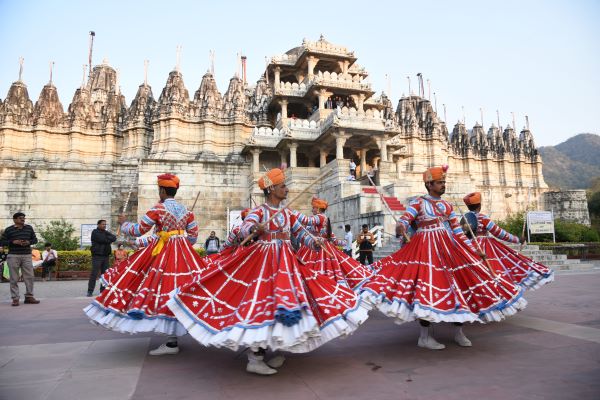
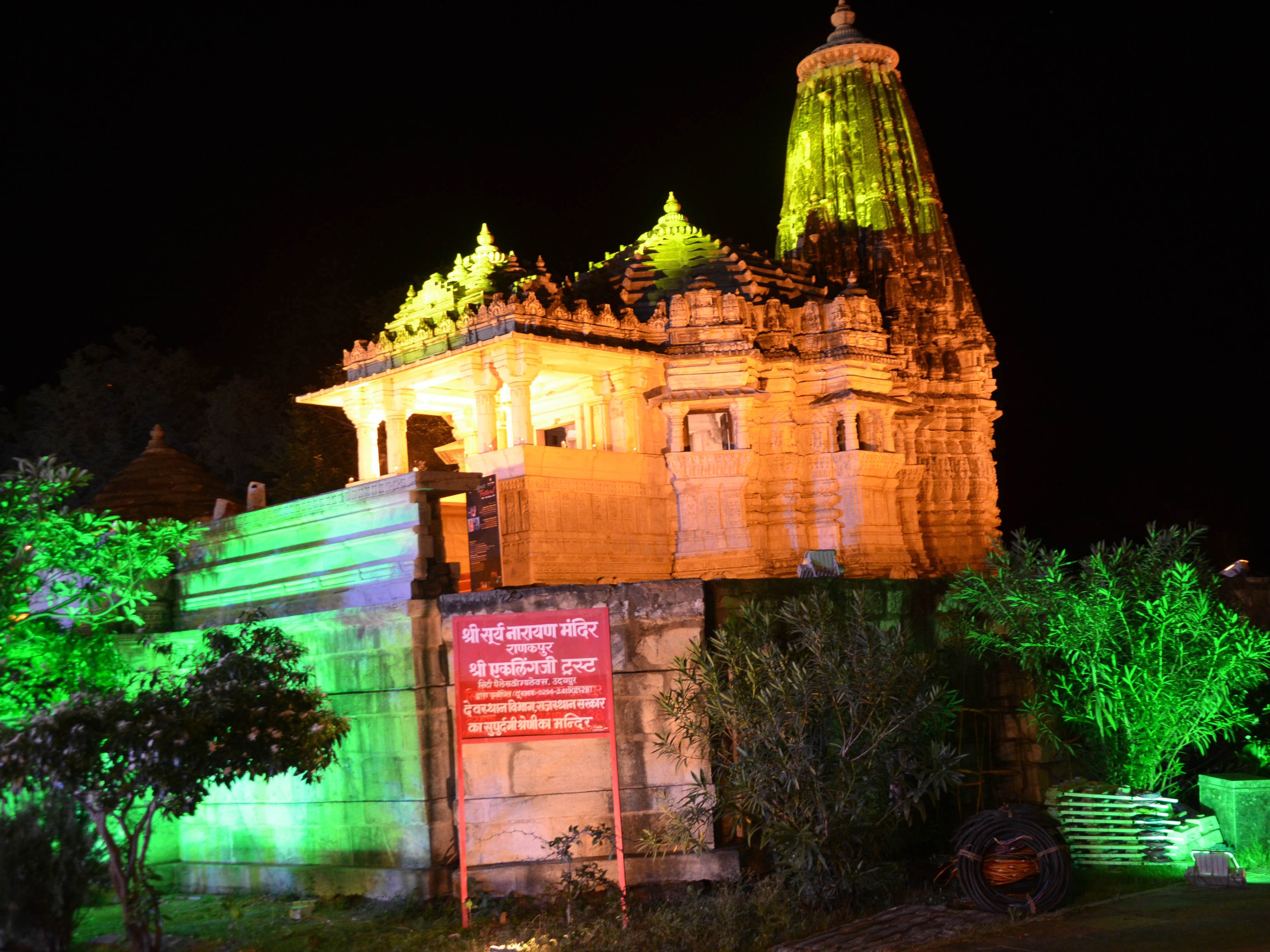
The Ranakpur Jawai Bandh Festival is a vibrant celebration that showcases the rich cultural heritage, natural beauty, and artistic traditions of Rajasthan. Held annually in the Pali district of Rajasthan, this two-day festival has become a significant event on the state’s cultural calendar, attracting visitors from across India and beyond. The festival takes place in the picturesque settings of Ranakpur, known for its stunning Jain temples, and the Jawai region, famous for its unique landscape and wildlife. Organised by the Department of Tourism, Government of Rajasthan, the Ranakpur Jawai Bandh Festival aims to provide visitors with an immersive experience of Rajasthan’s diverse cultural tapestry. 

The Ranakpur Jawai Bandh Festival is a relatively new addition to Rajasthan’s festival calendar, having been initiated by the state government as part of its efforts to promote cultural tourism and showcase lesser-known regions of Rajasthan. While the festival itself doesn’t have ancient roots, it draws upon centuries-old traditions, art forms, and natural heritage of the region.

The idea behind the festival was to create a platform that could highlight the unique offerings of the Ranakpur and Jawai areas. Ranakpur, with its magnificent 15th-century Jain temples, represents the architectural and spiritual heritage of Rajasthan. On the other hand, the Jawai region, with its distinctive rocky landscape and thriving leopard population, showcases the state’s natural beauty and wildlife conservation efforts.

The festival was conceptualised to bridge these two aspects – the cultural and the natural – providing visitors with a holistic experience of Rajasthan. By doing so, it aims to promote sustainable tourism in the region, benefiting local communities while preserving the area’s cultural and natural heritage. Since its inception, the festival has grown in scale and popularity. What started as a local event has now become a much-anticipated annual celebration, drawing visitors from various parts of India and abroad. The festival’s program has expanded over the years, incorporating more activities and performances to cater to a diverse audience.

The Ranakpur Jawai Bandh Festival typically takes place in December, marking the onset of the winter tourist season in Rajasthan. The cool, pleasant weather of December provides an ideal backdrop for the outdoor activities and performances that form a significant part of the festival. 

The festival is spread across two locations:

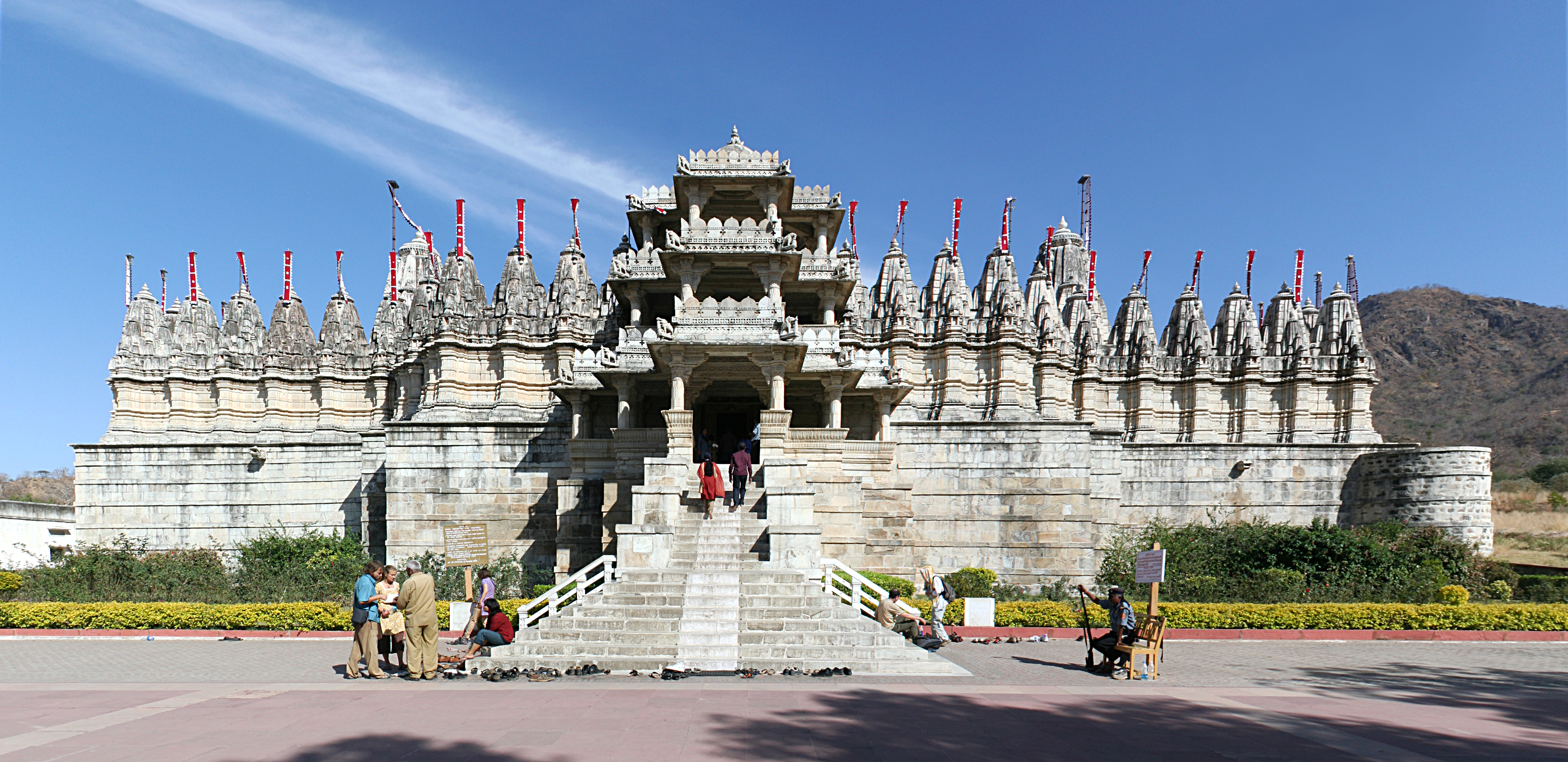
Ranakpur: Located in the Pali district of Rajasthan, Ranakpur is renowned for its stunning Jain temples. The main temple, dedicated to Adinath, is a marvel of architecture with its 1444 intricately carved marble pillars. The serene surroundings of Ranakpur, nestled in the Aravalli range, provide a perfect setting for the cultural and spiritual aspects of the festival.

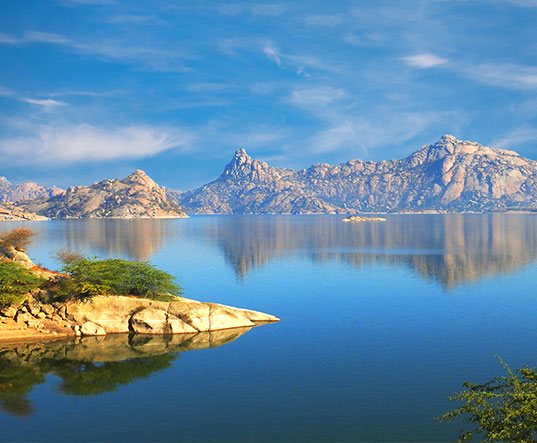
Jawai: The Jawai region, named after the Jawai River and the Jawai Bandh or dam, is known for its unique landscape characterized by granite rock formations. This area is famous for its thriving leopard population and offers a stark yet beautiful contrast to the architectural splendor of Ranakpur.

The dual location of the festival allows visitors to experience two distinct facets of Rajasthan – its rich cultural heritage and its raw natural beauty – within a single event.

The Ranakpur Jawai Bandh Festival offers a diverse range of activities that cater to various interests. The festival begins each day with early morning yoga and meditation sessions. These sessions are typically held in the serene surroundings of Ranakpur, with the majestic Jain temples providing a stunning backdrop. Experienced yoga instructors guide participants through various asanas and meditation techniques, allowing visitors to start their day in a peaceful and rejuvenating manner. Guided nature walks are organized in both Ranakpur and Jawai. In Ranakpur, these walks often focus on the local flora and fauna found in the Aravalli range. In Jawai, the nature walks offer an opportunity to explore the unique rocky landscape and learn about the region’s ecology. One of the most exciting activities of the festival is the jeep safari in the Jawai region. These safaris offer visitors a chance to explore the rugged terrain and potentially spot the elusive leopards that the area is famous for. The safaris are led by experienced local guides who share their knowledge about the region’s wildlife and conservation efforts. As evening falls, the festival area is illuminated with thousands of earthen lamps or diyas, creating a magical atmosphere. This Deepotsav or a festival of lights is a visual spectacle that adds a touch of spiritual beauty to the festivities.

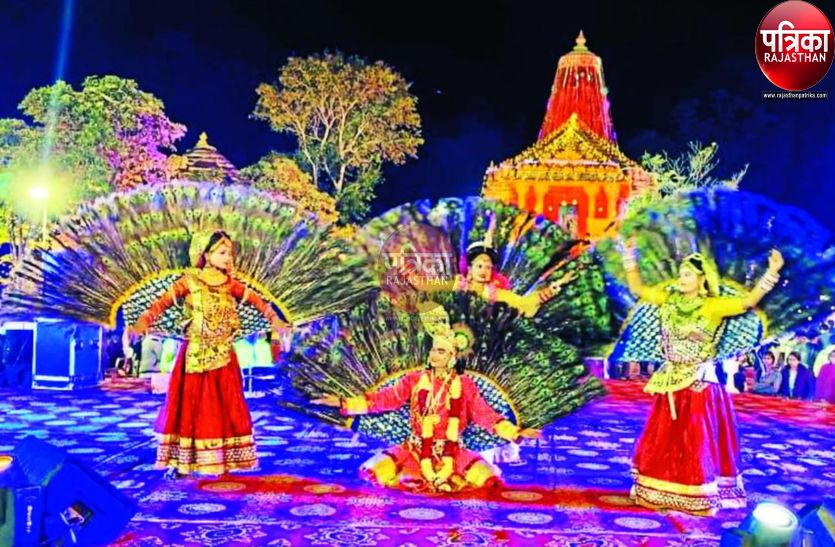
The evenings are dedicated to cultural performances that showcase the rich artistic heritage of Rajasthan. These performances include traditional Rajasthani folk music, including genres like Manganiyar and Langa, that fill the air with soulful melodies, energetic performances of Rajasthani folk dances such as Ghoomar, Kalbelia, and Bhavai that enthral the audience, and traditional Rajasthani puppet shows, known as Kathputli, that narrate folk tales and legends.

Local artisans demonstrate their skills in various traditional Rajasthani crafts such as block printing, tie-and-dye, pottery, and miniature painting. Visitors can watch the artisans at work and even try their hand at some of these crafts. Given the picturesque locations of Ranakpur and Jawai, the festival organises photography tours. These tours are led by professional photographers who guide participants on capturing the best shots of the temples, landscapes, and wildlife. Food stalls offering a variety of Rajasthani delicacies are set up during the festival. Visitors can savour authentic dishes like Dal Baati Churma, Gatte ki Sabzi, and Ker Sangri, getting a taste of traditional Rajasthani hospitality. For the more adventurous visitors, activities like rock climbing and rappelling are organized in the Jawai region, taking advantage of the area’s unique geological features. The clear night skies of the Jawai r. egion offer excellent conditions for stargazing. Astronomy enthusiasts guide visitors through constellations and share stories related to celestial bodies.

While the Ranakpur Jawai Bandh Festival is a relatively new event, it draws upon and celebrates cultural elements that have deep roots in Rajasthani tradition. The festival serves as a platform to showcase and preserve various aspects of Rajasthan’s rich cultural heritage. The stunning Jain temples of Ranakpur, which form a backdrop to many festival activities, are a testament to the architectural prowess of ancient India. Built in the 15th century, these temples, with their intricate marble carvings, represent the pinnacle of Maru-Gurjara architecture. The festival draws attention to this architectural marvel, promoting awareness and appreciation of India’s architectural heritage. The cultural performances during the festival play a crucial role in preserving and promoting Rajasthan’s folk arts. Many of these art forms, passed down through generations, face the risk of being lost in the face of modernization. By providing a platform for folk musicians, dancers, and puppeteers, the festival contributes to keeping these traditions alive. 

The art and craft demonstrations during the festival showcase the skills of local artisans. Crafts like block printing, tie-and-dye, and miniature painting are integral to Rajasthan’s cultural identity. The festival not only provides exposure to these artisans but also helps in passing these skills to younger generations. The focus on traditional Rajasthani cuisine during the festival helps in preserving and promoting the state’s rich culinary heritage. Many of the dishes served at the festival have been part of Rajasthani cuisine for centuries, each with its own cultural significance and stories. 

The festival, with its focus on both cultural heritage and natural beauty, emphasizes the traditional Rajasthani ethos of living in harmony with nature. This is particularly evident in the Jawai region, where local communities have coexisted with leopards for generations. The yoga and meditation sessions, as well as the Deepotsav, reflect the spiritual traditions that have long been a part of Rajasthani culture. These elements of the festival provide visitors with a glimpse into the spiritual practices that have shaped the region’s cultural landscape.

According to local legend, the construction of the main Ranakpur temple was inspired by a divine vision. It is said that a Jain businessman named Dharna Shah had a dream in which he saw a celestial vehicle. Following this vision, he commissioned the construction of the temple. The intricate design of the temple, with its numerous halls and 1444 pillars, is said to have been inspired by this divine vision.

The Jawai region is known for its unique coexistence between humans and leopards. Local folklore is rich with stories of the leopards being protectors of the land. Many villagers consider the leopards as guardians and believe that sighting a leopard is auspicious. These beliefs have contributed to the conservation efforts in the region.

Local legends speak of the construction of the Jawai Dam as a feat of human perseverance blessed by divine intervention. Stories tell of how the initial attempts to build the dam failed until local deities were propitiated, after which the construction was completed successfully.

The Aravalli range, which forms the backdrop of both Ranakpur and Jawai, features in many mythological tales. One legend states that the Aravalli range was formed when Lakshman, brother of Lord Rama, drew a line with an arrow to protect Sita during their exile.

Near the Ranakpur temples stands an ancient banyan tree that is the subject of many local legends. Some believe that the tree has healing properties, while others consider it a wishing tree. During the festival, many visitors pay their respects to this tree.

The Ranakpur Jawai Bandh Festival plays a significant role in promoting environmental awareness and conservation efforts in the region. The Jawai region is known for its successful conservation of leopards. The festival helps raise awareness about the importance of wildlife conservation and the unique ecosystem of the area. During the jeep safaris and nature walks, guides educate visitors about the local flora and fauna and the conservation efforts underway.

The festival promotes sustainable tourism practices. By showcasing the natural beauty of the region, it encourages a form of tourism that is respectful of the local environment and wildlife. The festival organisers emphasise responsible behavior during wildlife safaris and nature walks. The Jawai Dam, which gives the festival part of its name, is crucial for water management in the region. The festival draws attention to the importance of water conservation in this semi-arid region of Rajasthan. Through interactions with local communities, the festival helps highlight traditional ecological knowledge. This includes local practices of water harvesting, sustainable agriculture, and coexistence with wildlife. The festival has adopted a plastic-free policy, encouraging the use of eco-friendly materials. This initiative not only helps keep the festival area clean but also spreads awareness about reducing plastic usage.

The Ranakpur Jawai Bandh Festival has a significant positive economic impact on the local communities. The festival attracts tourists from various parts of India and abroad, providing a boost to the local tourism industry. Hotels, guesthouses, and homestays in the region see increased bookings during the festival period. The festival creates temporary employment opportunities for local residents. This includes jobs in event management, hospitality, transportation, and as guides for various activities. The art and craft demonstrations during the festival provide a platform for local artisans to showcase and sell their products. This direct interaction with customers often leads to increased sales and sometimes long-term business relationships. Local restaurants, shops, and service providers see increased business during the festival. The influx of visitors benefits various sectors of the local economy. By showcasing the attractions of Ranakpur and Jawai, the festival contributes to long-term tourism promotion for the region. Many first-time visitors during the festival often plan return trips, contributing to sustained tourism growth.

While the Ranakpur Jawai Bandh Festival has been successful in promoting the region’s cultural and natural heritage, it also faces certain challenges. One of the primary challenges is maintaining a balance between promoting tourism and ensuring the conservation of the region’s natural resources and wildlife. The increased footfall during the festival period needs to be managed carefully to minimize the impact on the local ecosystem. The growing popularity of the festival puts pressure on the local infrastructure. There’s a need for sustainable development of tourism infrastructure that can cater to the increased number of visitors without compromising the region’s natural beauty. As the festival grows, there’s a challenge in maintaining the authenticity of cultural presentations. There’s a need to ensure that commercialisation doesn’t lead to dilution of traditional art forms and practices. Ensuring meaningful involvement of local communities in the planning and execution of the festival is crucial for its long-term success and sustainability. While the festival provides a significant boost during its duration, there’s a need to leverage its popularity for year-round tourism development in the region.

Looking to the future, the Ranakpur Jawai Bandh Festival has significant potential for growth and evolution. There are discussions about extending the duration of the festival to allow for more activities and to spread the tourist influx over a longer period. Future editions of the festival could have an increased focus on eco-tourism, promoting responsible travel practices and environmental education. The festival could evolve to include cultural exchange programs, inviting artists and performers from other parts of India and abroad to participate. The use of technology, such as virtual reality experiences of wildlife safaris or temple architecture, could be incorporated to enhance the visitor experience. The festival could serve as a platform for launching and showcasing research and conservation initiatives related to the region’s wildlife and ecology.

The Ranakpur Jawai Bandh Festival stands as a vibrant celebration of Rajasthan’s rich cultural heritage and natural beauty. By bringing together the architectural splendor of Ranakpur’s temples and the raw, rugged beauty of the Jawai landscape, the festival offers visitors a unique and comprehensive experience of Rajasthan. More than just a tourist event, the festival plays a crucial role in preserving and promoting various aspects of Rajasthani culture – from its folk arts and traditional crafts to its culinary heritage and spiritual practices. It serves as a platform for local artists and artisans to showcase their skills and find new audiences. Economically, the Ranakpur Jawai Bandh Festival has become a significant event for the local communities, providing various opportunities for employment and business.