Short Story: Lavender Love

The delicate purple buds swayed gently in the breeze, their calming scent wafting through the air. Amelia bent down and carefully plucked a few sprigs of lavender from the garden, running her fingers along the soft, fuzzy leaves. She inhaled deeply, letting the familiar fragrance fill her senses and soothe her frazzled nerves.

At 22, Amelia was navigating the uncharted waters of adulthood, and it wasn’t always easy. The pressure to have it all figured out, and make the “right” choices, weighed heavily on her mind. She often found herself lying awake at night, consumed by anxiety about the future.

But whenever the worries became too much to bear, Amelia would turn to her trusty companion – the violet lavender. She kept a bundle of the dried flowers on her nightstand, ready to be crushed and inhaled whenever she needed a moment of peace. The scent had a magical way of calming her racing thoughts, grounding her in the present moment.

As Amelia grew older, the lavender became a symbol of resilience and self-care. Whenever she felt overwhelmed, she would take a few deep breaths, reminding herself that she had weathered storms before and would continue to do so. The lavender was a tangible reminder that even in the darkest moments, there was always a glimmer of hope.

Amelia’s love affair with lavender began at a young age. Her grandmother, Violet, had a sprawling garden filled with fragrant purple flowers. As a child, Amelia would spend hours exploring the garden, mesmerised by the gentle sway of the lavender in the breeze.

Violet was a kind and nurturing woman, always ready with a warm hug and a soothing word. She would often pluck a few sprigs of lavender and tuck them into Amelia’s hair, telling her that the flowers would bring her peace and happiness. Amelia would giggle and twirl around the garden, feeling like a fairy princess in a magical lavender kingdom.

As Amelia grew older, she would visit her grandmother’s garden whenever she needed comfort. The familiar scent of lavender would instantly transport her back to those carefree childhood days, reminding her of the unconditional love and support that Violet provided.

When Violet passed away, Amelia was devastated. She felt like she had lost her anchor, her guiding light in a world that was becoming increasingly complex and overwhelming. The transition into adulthood was not an easy one, and Amelia often found herself struggling to find her footing.

One day, while sorting through her grandmother’s belongings, Amelia stumbled upon a small bundle of dried lavender. She brought it to her nose and inhaled deeply, and suddenly, she was back in the garden, Violet’s warm embrace enveloping her. At that moment, Amelia realised that the lavender was more than just a flower—it was a connection to her grandmother, a tangible reminder of the love and strength that she had instilled in her.

From that day on, Amelia made it a point to keep a bundle of dried lavender with her at all times. Whenever she felt overwhelmed or uncertain, she would take a few deep breaths, letting the calming scent wash over her. It was as if Violet was there with her, whispering words of encouragement and reminding her that she had the strength to face whatever challenges came her way.

As Amelia navigated the ups and downs of adulthood, she found herself drawn back to her grandmother’s garden. There was something about the peaceful, serene atmosphere that instantly calmed her nerves and lifted her spirits. She would spend hours tending to the lavender plants, pruning and watering them with a gentle touch.

One particularly challenging day, Amelia found herself in her favourite spot in the garden, surrounded by calming purple hues. She sat cross-legged on the grass, crushing a few sprigs of lavender between her fingers. As she inhaled the soothing scent, she felt a sense of clarity wash over her.

In that moment, Amelia realized that the challenges she faced were not obstacles, but growth opportunities. She may not have all the answers, but she had the strength and resilience to navigate whatever life threw her way. With a renewed sense of purpose, she stood up, brushed off her jeans, and headed back inside, ready to face the world with a little help from her violet companion.

As Amelia continued to navigate the challenges of adulthood, she found that her love for lavender was not just a personal passion, but also a professional one. She decided to pursue a degree in horticulture, determined to learn everything she could about the plant that had brought her so much comfort over the years.

During her studies, Amelia discovered the many benefits of lavender, from its calming properties to its use in natural skincare products. She became fascinated by the science behind the plant’s therapeutic effects, and she knew that she wanted to share her knowledge with the world.

After graduating, Amelia opened her lavender farm and apothecary. She spent her days tending to the fragrant purple plants, harvesting the flowers and creating a range of products that she hoped would bring joy and comfort to others. From lavender-infused bath salts to soothing essential oils, Amelia poured her heart and soul into every creation.

As her business began to thrive, Amelia found herself surrounded by a community of like-minded individuals who shared her passion for lavender and natural wellness. She made new friends and forged strong connections with her customers, many of whom had their own stories of how lavender had helped them through difficult times.

One day, while attending a local farmers’ market, Amelia met a charming young man named Ethan. He was immediately drawn to her infectious enthusiasm and warm smile, and he couldn’t resist buying a bundle of her lavender-scented soap. As they chatted, Amelia felt a spark of connection that she hadn’t felt in a long time.

Over the next few weeks, Ethan became a regular customer at Amelia’s stall, and their casual conversations soon blossomed into a budding romance. Amelia found herself falling for Ethan’s kind heart, quick wit, and genuine interest in her work. He, in turn, was captivated by her strength, resilience, and unwavering dedication to her passion.

As Amelia’s relationship with Ethan deepened, she found herself dreaming of a future filled with lavender and love. She imagined a cosy cottage surrounded by a lush garden, where she and Ethan would grow old together, tending to the plants that had brought them so much joy and comfort over the years.

One evening, as they sat together on a bench in Amelia’s garden, watching the sunset paint the sky in shades of violet and gold, Ethan turned to her and said, “Amelia, you are the most amazing woman I’ve ever met. You’ve overcome so much, and you’ve done it with grace, strength, and a whole lot of lavender.”

Amelia laughed, her eyes sparkling with tears of joy. “It’s true,” she said, “lavender has been my constant companion through it all. But you, Ethan, you’ve become a part of that story. You’ve brought so much light and love into my life, and I can’t imagine my future without you.”

Ethan smiled and pulled a small box from his pocket. “Then let’s make that future official,” he said, opening the box to reveal a delicate silver ring with a single amethyst stone. “Amelia, will you marry me?”

Amelia’s heart swelled with love and happiness as she nodded, unable to speak through her tears of joy. As Ethan slipped the ring onto her finger, she knew that this was just the beginning of a new chapter in her life, one that would be filled with the comforting scent of lavender and the unwavering love of her soulmate.

From that day on, whenever Amelia caught a whiff of lavender, she would be reminded of the strength, resilience, and love that had carried her through the challenges of adulthood. As she and Ethan built their lives together, surrounded by the calming purple hues of the lavender garden, Amelia knew that she had found her true happily ever after.

Navigating the Minefield: Cancel Culture in the Digital Age

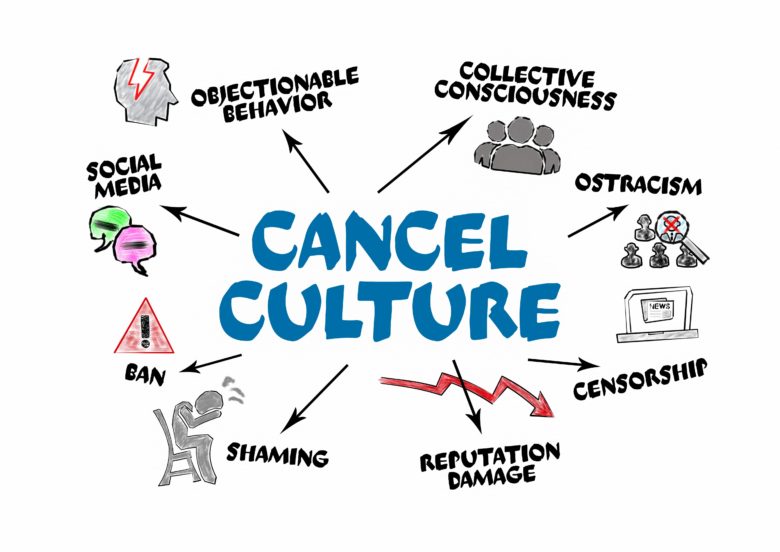
Cancel culture has become a highly debated and polarising phenomenon in recent years, fueled by the rise of social media and shifting societal norms. At its core, cancel culture refers to the collective withdrawal of support or association from an individual, organisation, or brand due to perceived offensive or unethical behaviour.

Cancel culture is a form of modern-day ostracization, where individuals or entities are “cancelled” or boycotted for their actions, statements, or associations deemed unacceptable by a significant portion of the public. It often manifests through coordinated social media campaigns, calls for boycotts, and the withdrawal of support or endorsements. It has become increasingly prevalent in recent years, driven by the rise of social media and the amplification of outrage.

The reasons for cancel culture can vary widely, from legitimate concerns about harmful behaviour to more subjective disagreements over political or social views. The intensity and speed with which cancel culture can unfold, often fueled by the viral nature of social media, can have significant consequences for the targets, ranging from reputational damage to professional and financial repercussions.

The rise of cancel culture can be attributed to several factors, including:

  • Increased social media usage and amplification of outrage: Social media platforms have provided a powerful tool for individuals and groups to quickly mobilize and voice their disapproval, leading to a culture of “call-out” and heightened sensitivity to controversial statements or actions.
  • Shifting societal values and norms: As societal attitudes and norms evolve, particularly around issues of social justice, diversity, and inclusion, there is a growing intolerance for behaviours or statements perceived as insensitive or discriminatory.
  • Lack of nuance and context: The rapid nature of social media discourse often leads to a lack of nuance and context, with complex issues being reduced to simplistic narratives, resulting in disproportionate responses.
  • Cancel culture has been both praised and criticized for its effectiveness in holding individuals and organizations accountable for their actions. Proponents argue that it has been a powerful tool for combating systemic issues such as sexism, racism, and other forms of discrimination or abuse.

By amplifying marginalised voices and drawing attention to problematic behaviour, cancel culture has facilitated important conversations and prompted positive changes in various industries and institutions. For instance, the #MeToo movement effectively “cancelled” high-profile individuals accused of sexual misconduct, leading to their removal from positions of power and influencing broader cultural shifts.

However, critics argue that cancel culture has gone too far, often targeting individuals for minor transgressions or past mistakes without allowing for growth, redemption, or nuanced discussions. They contend that the fear of being “cancelled” has stifled free speech and open discourse, creating an environment of self-censorship and perpetual outrage.

Teens and young adults, who are often at the forefront of social media activism and cancel culture campaigns, are particularly impacted by this phenomenon. While their engagement in social justice issues is commendable, the intense and unforgiving nature of cancel culture can have negative consequences for their mental health and personal development.

  • Mental health challenges: Being the target of the cancel culture can lead to feelings of isolation, depression, anxiety, and a sense of shame, potentially exacerbating existing mental health conditions.
  • Lack of nuance and empathy: The binary nature of cancel culture, where individuals are either “cancelled” or not, can foster a lack of nuance and empathy, hindering the ability to engage in constructive dialogue and understand different perspectives.
  • Perpetuation of outrage culture: The constant cycle of outrage and cancellation can desensitize young people to the severity of issues, leading to a normalisation of extreme reactions and a diminished ability to engage in meaningful discourse.
  • Stunted personal growth: Cancel culture’s unforgiving nature can discourage personal growth and learning from mistakes, as individuals may fear being permanently ostracised for past transgressions.

Navigating the challenges of cancel culture requires a balanced and thoughtful approach. Here are some dos and don’ts:

Dos:

  • Stay calm and avoid reacting impulsively or emotionally.
  • Listen to the criticism and consider if there is any merit to the concerns being raised.
  • Apologise sincerely and take concrete steps to address the issues, if appropriate.
  • Seek support from trusted friends, family, or professionals to manage the emotional toll.
  • Continue to act with integrity and stay true to your values.
  • Maintain business continuity plans and ensure the safety of employees.

Don’ts:

  • Dismiss or downplay the concerns of those calling for accountability.
  • Retaliate or engage in cancel culture tactics against others.
  • Become a hypocrite or fail to uphold the principles you claim to represent.
  • Assume that you are immune to the effects of cancel culture.
  • Neglect to plan for the potential consequences of controversial statements or actions.

Cancel culture has impacted individuals and organisations across various industries and sectors. Here are a few notable examples:

  • Entertainment industry: Celebrities such as Harvey Weinstein, Kevin Spacey, and Louis C.K. were effectively “cancelled” due to allegations of sexual misconduct, leading to the termination of their projects and a significant loss of public support. In India, Tanushree Dutta, a Bollywood actress, accused veteran actor Nana Patekar of sexual harassment on a film set in 2008. Her allegations reignited the #MeToo movement in India and led to Patekar being dropped from several projects and facing widespread backlash. Alia Bhatt faced calls for boycott and cancellation after her comments on the Kashmir issue were perceived as insensitive by some. She later clarified her stance, but the controversy highlighted the sensitivity around the Kashmir conflict. Singaporean social media influencer, Xiaxue (real name Wendy Cheng) faced backlash and lost several brand deals after making insensitive comments about an alleged victim of sexual assault.
  • Politics: Raeesah Khan, a former member of parliament in Singapore, faced calls for resignation and was eventually expelled from her party after admitting to lying about accompanying a sexual assault victim to a police station. Ivan Lim, a former candidate for the ruling People’s Action Party, was forced to withdraw his candidacy just days before the general election due to allegations of elitist behaviour and bullying surfacing on social media.
  • Sports: Professional athletes like Colin Kaepernick and Naomi Osaka have faced backlash and calls for cancellation due to their political stances and advocacy for social justice issues.
  • Corporate world: Brands like Dolce & Gabbana and Pepsi have faced intense backlash and boycotts for insensitive advertising campaigns or perceived missteps, leading to significant reputational and financial consequences.

While some of these examples highlight the potential positive impact of cancel culture in holding individuals and organisations accountable, others demonstrate the potential for overreach and the stifling of diverse perspectives.

As cancel culture continues to shape public discourse, it is crucial to strike a balance between accountability and nuanced understanding. Here are some strategies for navigating this complex phenomenon:

  • Promote open and respectful dialogue: Encourage open and respectful discussions that allow for the exploration of different perspectives, rather than immediate condemnation or cancellation.
  • Seek context and nuance: Avoid oversimplifying complex issues and strive to understand the full context and nuances surrounding controversial statements or actions.
  • Allow for growth and redemption: Recognise that individuals and organizations can learn and grow from their mistakes, and provide opportunities for genuine accountability, apology, and corrective action.
  • Foster empathy and understanding: Cultivate empathy and seek to understand the perspectives of those who may hold different views or come from different backgrounds.
  • Prioritise education and awareness: Rather than immediate cancellation, prioritise education and awareness campaigns that can foster greater understanding and promote positive change.

By adopting a more nuanced and empathetic approach, individuals and organizations can navigate the challenges of cancel culture while still holding themselves and others accountable for harmful or unethical behaviour.

In conclusion, cancel culture is a complex and multifaceted phenomenon that has both positive and negative implications. While it has been effective in amplifying marginalised voices and holding individuals and organisations accountable, it has also been criticised for its potential to stifle free speech, lack nuance, and negatively impact mental health, particularly among teens and young adults. As society continues to grapple with this issue, it is crucial to strike a balance between accountability and understanding, promoting open dialogue, empathy, and opportunities for growth and redemption.

World Press Freedom Day 2024: Empowering Journalists to Uphold Truth and Accountability

World Press Freedom Day is an annual observance celebrated on May 3rd to highlight the fundamental principles of press freedom and honour journalists who have lost their lives in the line of duty.

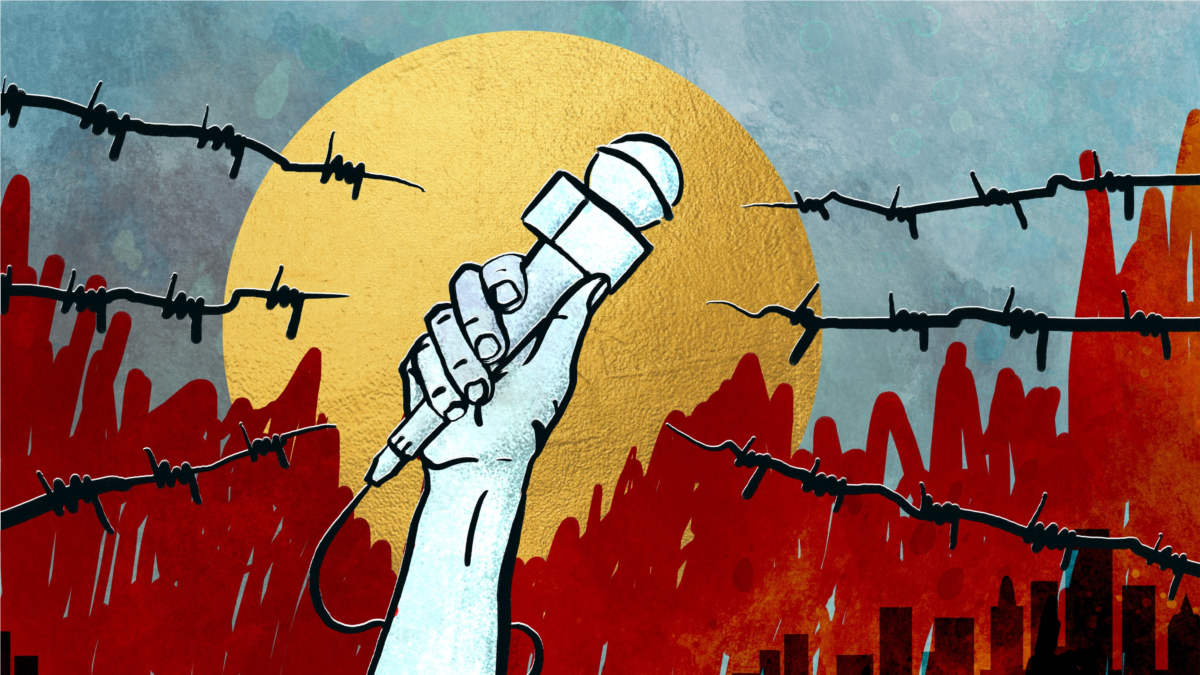
A free and independent press is the cornerstone of a healthy democracy. Journalists play a crucial watchdog role, holding those in power accountable and shedding light on issues that impact the public. When press freedom is restricted, it erodes the public’s access to accurate, unbiased information and enables the spread of misinformation and propaganda.

As the world grapples with the proliferation of “fake news” and the erosion of trust in media institutions, the need for robust, ethical journalism has never been greater. World Press Freedom Day serves as a reminder that press freedom is a fundamental human right and a necessary condition for sustainable development, peace, and justice.

World Press Freedom Day was established by the United Nations General Assembly in December 1993, following a recommendation from UNESCO’s General Conference. The day is observed annually on May 3rd to celebrate the fundamental principles of press freedom, evaluate press freedom around the world, defend the media from attacks on their independence, and pay tribute to journalists who have lost their lives in the line of duty.

The origins of World Press Freedom Day can be traced back to the “Windhoek Declaration,” a statement of free press principles put together by African newspaper journalists in Windhoek, Namibia, in 1991. This declaration affirmed that “a free press is essential to the development and maintenance of democracy in a nation and for economic development.”.

In 1993, the United Nations General Assembly declared May 3 as World Press Freedom Day, based on a recommendation from UNESCO. The first World Press Freedom Day was celebrated in 1994. Since then, UNESCO has taken the lead in organising the global commemoration of World Press Freedom Day each year, bringing together media professionals, press freedom organisations, and UN agencies to assess the state of press freedom worldwide and discuss solutions to the challenges facing journalists. The annual observance has featured a different theme related to press freedom.

World Press Freedom Day also serves as an occasion to honour journalists who have lost their lives in the line of duty, through the UNESCO/Guillermo Cano World Press Freedom Prize, named after the Colombian journalist who was assassinated in 1986. This is awarded annually to an individual or organization that has made an outstanding contribution to the defence and promotion of press freedom. In 2024, the prize will be an opportunity to honour the memory of the journalists who have made the ultimate sacrifice in their pursuit of the truth and to reaffirm the global commitment to protecting media professionals and ensuring their safety.

This year’s theme, “Empowering Journalists to Uphold Truth and Accountability,” underscores the critical role of journalists in promoting transparency, exposing corruption, and holding those in power accountable. In an era of increasing digital threats, misinformation, and political interference, journalists must be equipped with the resources, skills, and legal protections to fulfil their vital function in society. The UNESCO World Press Freedom Day conference will be hosted in Santiago, Chile.

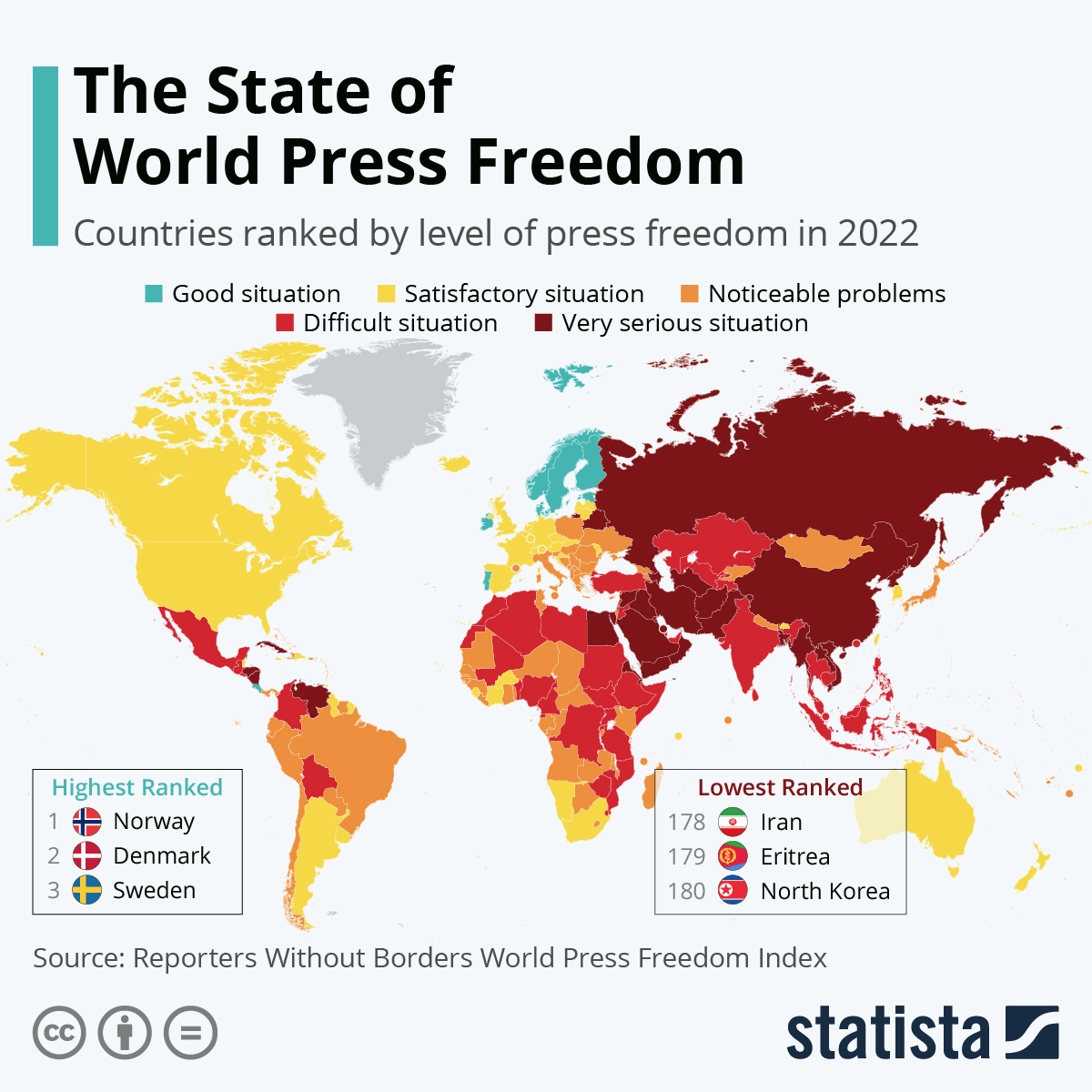
The World Press Freedom Index, published annually by Reporters Without Borders (RSF), provides a comprehensive assessment of the state of press freedom globally. In the 2023 edition, the top-ranked countries for press freedom were Norway, Finland, Sweden, Denmark, and Costa Rica, while the bottom-ranked countries included Eritrea, Turkmenistan, North Korea, and China.

The index measures factors such as media pluralism, media independence, the quality of the legal framework, and the safety of journalists. It highlights the alarming trend of increasing restrictions on press freedom, with more than 73% of the 180 countries assessed as having “problematic,” “difficult,” or “very serious” situations for journalists.

One of the most pressing challenges to press freedom is the ongoing persecution and targeting of journalists around the world. According to the Committee to Protect Journalists (CPJ), at least 67 journalists were killed in 2022 while carrying out their work. Countries with the highest numbers of journalist fatalities include Mexico, Ukraine, and Haiti.

In addition to physical violence, journalists also face other forms of repression, such as arbitrary arrests, imprisonment, and online harassment. The 2023 World Press Freedom Index found that journalism is completely or partly blocked in 73% of the countries assessed, with the COVID-19 pandemic further exacerbating the challenges faced by reporters in the field.

World Press Freedom Day 2024 serves as a critical reminder of the vital role that a free and independent press plays in upholding the principles of democracy, transparency, and accountability. The day is not just a celebration for media professionals; it is also an opportunity to engage the broader public and raise awareness about the importance of press freedom. UNESCO encourages the organisation of events, workshops, and discussions to educate the public about the role of the media in a democratic society and the challenges faced by journalists worldwide.

By participating in World Press Freedom Day activities, citizens can learn to identify and combat the spread of misinformation, support ethical journalism, and advocate for the protection of press freedom in their communities and around the world.

Festivals of India: Agni Keli

In Spain, giant effigies are set alight. In China, molten iron is sprayed on city walls. And in Scotland, a replica Viking ship is lit by a thousand torches. All over the world – and despite the obvious dangers – fire means festivities. But in South India, there’s a fire festival that might just be the wildest of the lot.

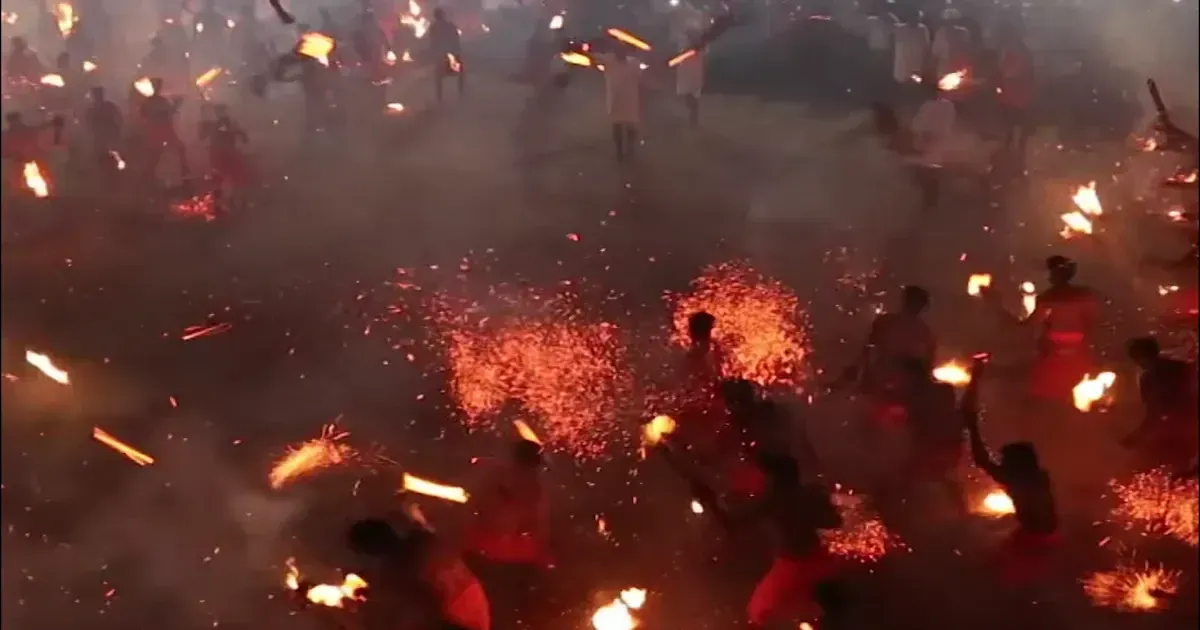
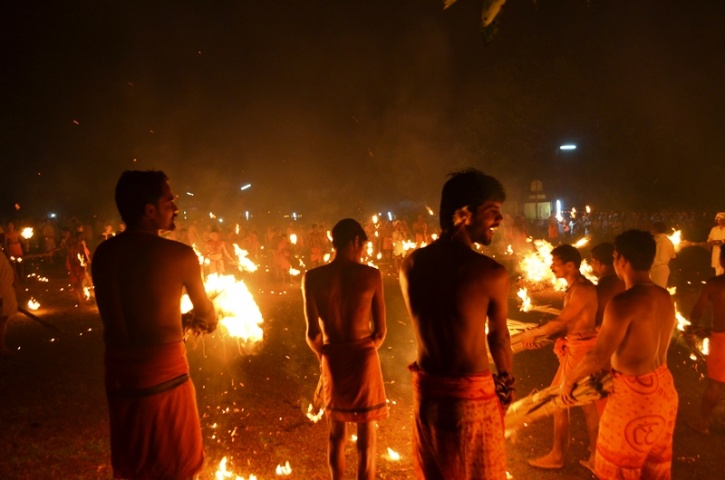
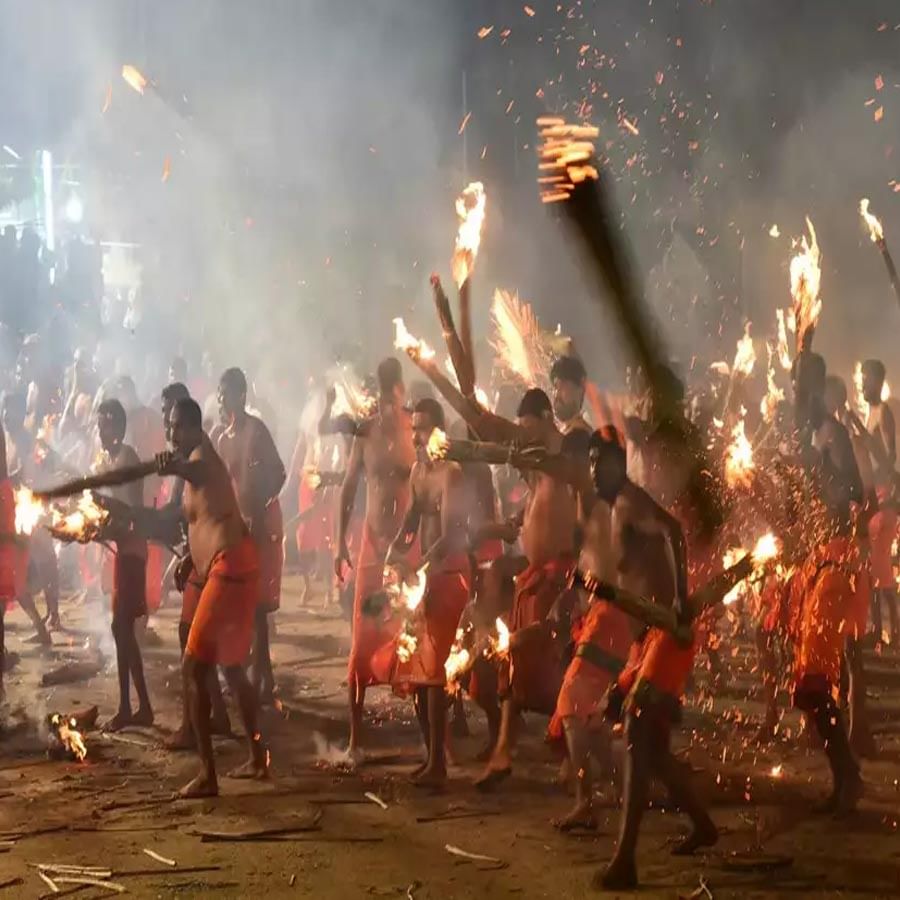
Agni Keli, also known as Agni Khela, is an eight-day-long event held every April in Mangalore, Karnataka. It features an all-out fire brawl, in which participants fling flaming branches straight at each other. Imagine a genuine battle – branches flying through the night sky, sparks falling around the participants, who pick up more branches and throw again. The neat line of men breaks up into chaos, creating a mesmerising spectacle.

It takes part as part of the grand festival of Thoothedhara at the Kateel Durga Parameswari Temple. This temple, also known as Kateelu, lies in Dakshin Kannada on an islet formed naturally in the middle of the sacred Nandini River. The surroundings are adorned with lush greenery and panoramic views, creating a serene and spiritual atmosphere. The temple is dedicated to Goddess Durga Parameswari, who manifests as a Udbhava Moorthi or a naturally formed deity. The goddess is also known as Bhramare, which translates to a big, furious bee. Kateel is considered one of the holiest Hindu temple towns in India.

Agni Keli is a fire-throwing festival in honour of Goddess Durga, the Hindu goddess of war. She is often pictured riding a lion or tiger, bearing weapons in her many arms as she fights demons. Followers believe that Durga is appeased by wild and adventurous rituals like Agni Keli. She is also honoured during the Durga Puja festivities, which take place across South Asia in September and October.

The Agni Keli festival runs over eight days every April. The fire-throwing itself takes place by the Kateel Durga Parameswari Temple, just outside Mangalore. During Agni Keli, participants are divided into two groups, facing each other. They engage in an all-out fire brawl, throwing burning palm fronds at each other from a distance. This fiery exchange symbolises devotion, courage, and the triumph of good over evil.

Agni Keli brings together devotees from various backgrounds. Regardless of caste, creed, or social status, participants engage in this fiery battle with fervour. The shared experience fosters unity and a sense of community. Participants believe that engaging in Agni Keli cleanses them of impurities and negative energies. Agni Keli is a spiritual journey through flames, akin to a baptism by fire, with the fire symbolising purification and renewal.

Agni Keli requires courage and trust in the divine. Participants surrender to the flames, knowing that they are part of a sacred tradition, with their devotion to Goddess Durga fueling their determination. Despite the risks, Agni Keli continues to thrive, preserving its cultural heritage and ancient traditions. The festival ignites the flames of tradition, reminding us of our roots and shared humanity.

Despite the risks, Agni Keli continues to thrive. It reminds us of our ancient roots, our connection to the divine, and the power of collective rituals. In a rapidly changing world, festivals like Agni Keli preserve cultural heritage and ignite the flames of tradition. Agni Keli is not just a fire festival; it is a testament to human resilience, faith, and the enduring spirit of celebration. As the flames dance, they carry the echoes of centuries, reminding us that sometimes, the wildest celebrations are the ones that warm our souls.

World Book and Copyright Day

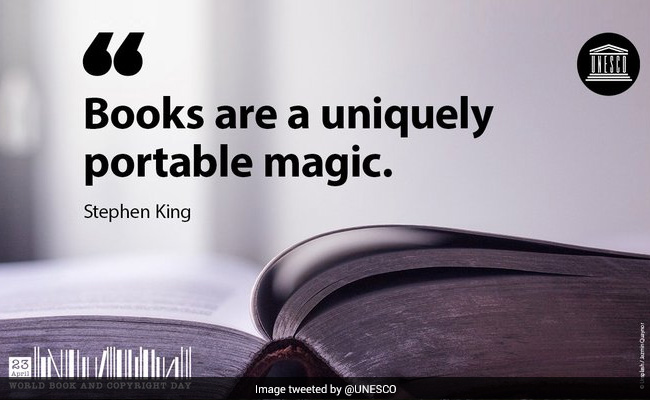
Tomorrow is World Book and Copyright Day. Celebrated annually on April 23rd, the day celebrates the joy of books and reading. It serves as a bridge between the past and the future, connecting generations and cultures. On this day, people across the globe come together to appreciate the role of books in shaping our lives and understanding the world around us.

World Book and Copyright Day was first established by UNESCO in 1995 to be celebrated on April 23rd each year. The date was chosen to honour the passing of prominent authors such as William Shakespeare, Miguel de Cervantes, and Inca Garcilaso de la Vega. This day highlights the importance of books as a source of knowledge, creativity, and cultural enrichment, as well as to promote the publishing industry and protect intellectual property through copyright. It is seen as a link between the past and the future, a bridge between generations and across cultures. While UNESCO coordinates the global celebration, some countries observe World Book Day on different dates, such as the UK and Ireland, which celebrate it on March 2nd.

In the 2024 edition, amidst global challenges and technological advancements, the celebration takes on a renewed significance, emphasising the resilience of literature, the promotion of reading, and the preservation of cultural diversity.

The theme for World Book and Copyright Day 2024 is “Read Your Way.”. This theme emphasises the importance of choice and enjoyment in fostering a love of reading. It encourages both children and adults to find ways to engage with books that resonate with them, regardless of format or genre.

Last year marked the start of the International Decade of Indigenous Languages (2022-2032), where UNESCO prioritises the upholding and promoting linguistic diversity and multilingualism. For the 2024 edition, UNESCO will spotlight indigenous languages. Of the nearly 7,000 existing languages, many are spoken by indigenous peoples who represent the world’s cultural diversity. Recognising oral traditions and various forms of literature, UNESCO aims to celebrate and preserve these languages through books. Literary sessions amplify the Sustainable Development Goals. SDG 5, or gender equality, happens when literature amplifies the voices of countless women, and SDG 10, or reduced inequality, can be fought when books serve as tools to fight against inequalities.

The 2024 edition places a special emphasis on the role of digital innovation in democratizing access to literature. With the proliferation of e-books, audiobooks, and online libraries, readers can now engage with literary content in more accessible and interactive ways. This year’s celebration highlights the opportunities presented by digital platforms to reach broader audiences and promote literacy worldwide. Amidst the digital age, protecting copyright remains crucial for sustaining creativity and ensuring fair compensation for authors and creators. World Book and Copyright Day 2024 reaffirms the importance of copyright laws in safeguarding intellectual property rights and fostering a conducive environment for literary production. It encourages dialogue on copyright issues, piracy prevention, and the equitable distribution of royalties in the digital era. Recognizing the enduring value of reading in fostering imagination, critical thinking, and lifelong learning, World Book and Copyright Day 2024 advocates for initiatives that promote reading culture at all levels of society. From literacy programs in schools to community libraries and book clubs, efforts are underway to cultivate a passion for reading and empower individuals with the skills necessary to navigate the complexities of the modern world.

UNESCO, along with international organizations representing publishers, booksellers, and libraries, selects a World Book Capital each year. The chosen city which holds the title for a year, hosts initiatives and events to promote books, literary culture and reading throughout the year. Strasbourg, in France, has been designated as the World Book Capital for 2024. Strasbourg impressed UNESCO and the World Book Capital Advisory Committee with its strong focus on books to address social tensions and climate change. The city’s program “Reading for the Planet” emphasises books’ role in encouraging discussions about environmental concerns and scientific knowledge, particularly among young people. Strasbourg’s literary heritage and its diverse artistic activities, spanning music, theatre, and illustration, were also commendable. As the twenty-fourth city to bear this title since 2001, Strasbourg follows a distinguished lineage of previous World Book Capitals, including Madrid, Alexandria, Buenos Aires, Kuala Lumpur, and Accra.

Many countries and organisations around the world will organise events and activities to promote reading, publishing, and the protection of intellectual property through copyright. These may include book fairs, author talks, reading challenges, and book donation drives. In Spain, the traditional celebration of Diada de Sant Jordi or Saint Jordi’s Day on April 23rd will coincide with World Book and Copyright Day. This involves the gifting of books and roses. The National Literacy Trust in the UK will provide a range of teaching resources, booklists, and activity ideas to help schools and communities celebrate a love of books and reading. World Book Day is working with 20 libraries in high-deprivation areas to create a legacy around reading, including events to inspire local families.

As we commemorate World Book and Copyright Day 2024, let us reaffirm our commitment to literature as a catalyst for positive change. By embracing diversity, promoting equity, and safeguarding intellectual property rights, we can harness the full potential of literature to build a more inclusive and enlightened society. Through reading, writing, and sharing stories, we contribute to a global culture of creativity, empathy, and mutual understanding.