Festivals of India: Ramanavami

India, a land steeped in mythology and spirituality, celebrates a multitude of festivals. Among these, Rama Navami holds a special place—a day that reverberates with devotion, storytelling, and vibrant traditions. Let us delve into the origins, legends, and unique customs associated with this auspicious occasion.

The tale of Lord Rama begins in the ancient city of Ayodhya, where King Dasharatha and Queen Kausalya longed for an heir. Their prayers bore fruit when the celestial sage Rishyasringa conducted a yajna or sacrifice, leading to the divine appearance of Rama. Born at noon, Rama embodied virtue, righteousness, and compassion. His life would become a beacon for humanity.

Rama, the seventh avatar of Lord Vishnu, symbolises dharma, or righteousness and duty. His unwavering commitment to truth, justice, and love for all beings makes him an enduring icon. The epic Ramayana, attributed to the sage Valmiki, narrates Rama’s journey—his exile, the abduction of his wife Sita by the demon king Ravana, and the eventual triumph of good over evil.

Rama’s marriage to Sita is a pivotal moment. To win her hand, suitors must string the divine bow of Lord Shiva. Rama effortlessly lifts and breaks the bow, signifying his destiny as Sita’s husband. The cunning demon Maricha transforms into a golden deer to distract Rama and Lakshmana. While they chase the deer, Ravana abducts Sita, leading to the epic quest for her rescue. Rama’s battle against Ravana, the ten-headed demon king of Lanka, culminates in the victory of virtue. The burning of Lanka, the rescue of Sita, and the return to Ayodhya are celebrated during Rama Navami.

Ayodhya, Rama’s birthplace, becomes a pilgrimage site during Rama Navami. Devotees throng the Ram Janmabhoomi temple, where Rama’s birth is commemorated. The Sarayu River witnesses devotees taking a purifying dip before offering prayers. In various cities, grand chariot processions depict Rama, Sita, Lakshmana, and Hanuman. These yatras symbolise Rama’s triumphant return to Ayodhya after defeating Ravana. Temples resonate with spiritual discourses, narrating episodes from the Ramayana. Devotees sing bhajans or devotional songs in praise of Rama’s valour and compassion. In some regions, Rama is revered like an infant. Devotees place an image of baby Rama in a cradle, symbolizing his divine birth. Charitable events and community feasts exemplify Rama’s compassion. Sharing food and resources with others is a way to honour his legacy.

Not just when it was written, the Ramayana continues to hold immense significance in today’s world. The epic promotes moral and ethical values that remain relevant even in contemporary society. Through the characters and their actions, it depicts virtues such as righteousness, loyalty, duty, and sacrifice. The story serves as a guide, providing ethical guidelines for individuals to lead virtuous lives.

Life is akin to a game of chess or a battlefield. The Ramayana teaches the threefold Dharma, the code of conduct about the individual, family, and society. It emphasises the importance of understanding our duties in these realms. Lord Rama’s character exemplifies compassion and love, which are essential for navigating the complexities of modern life. The epic delves into the true identity of the individual, the significance of family bonds, and the sanctity of society. In an era where corruption prevails in various fields—business, education, and politics—the principles of the Ramayana offer guidance. It outlines relationships between brothers, fathers and sons, and preceptors and disciples, emphasising mutual respect and duty.

The Ramayana reminds us of our shared existence on this earth. Despite apparent multiplicity, we all breathe the same air and drink the same water. Ignoring this underlying unity leads to the mistaken perception of division.

The festival of Rama Navami holds immense importance and relevance in today’s world and continues to resonate with millions of people. It invites introspection. As we celebrate Lord Rama’s birth, we reflect on our paths—our choices, virtues, and struggles. The festival reminds us that goodness prevails, even in the face of adversity.

Rama Navami transcends time, connecting generations through devotion and storytelling. As we chant “Jai Shri Ram,” we honour not just a historical figure, but an eternal truth—the victory of light over darkness, of love over hatred. May Rama’s grace guide us, and may our hearts echo the timeless chant: Raghupati Raghava Raja Ram, Patita Pavana Sita Ram. Here’s the uncomparable MS Subbalakshmi with the song. Rama Navami celebrates not just a historical figure, but an eternal truth—the victory of light over darkness, love over hatred. Lord Rama’s teachings continue to guide us, inspiring courage, sacrifice, and devotion.

Design Thinking: Unlocking Creativity and Innovation in All Aspects of Life

Design thinking is a powerful problem-solving approach that has gained significant traction in recent years. Originating from the design field, this methodology has evolved to become a versatile tool applicable across various domains, from business and education to personal life. At its core, design thinking emphasises empathy, creativity, and a user-centric mindset, enabling individuals and organizations to tackle complex challenges in innovative and impactful ways.

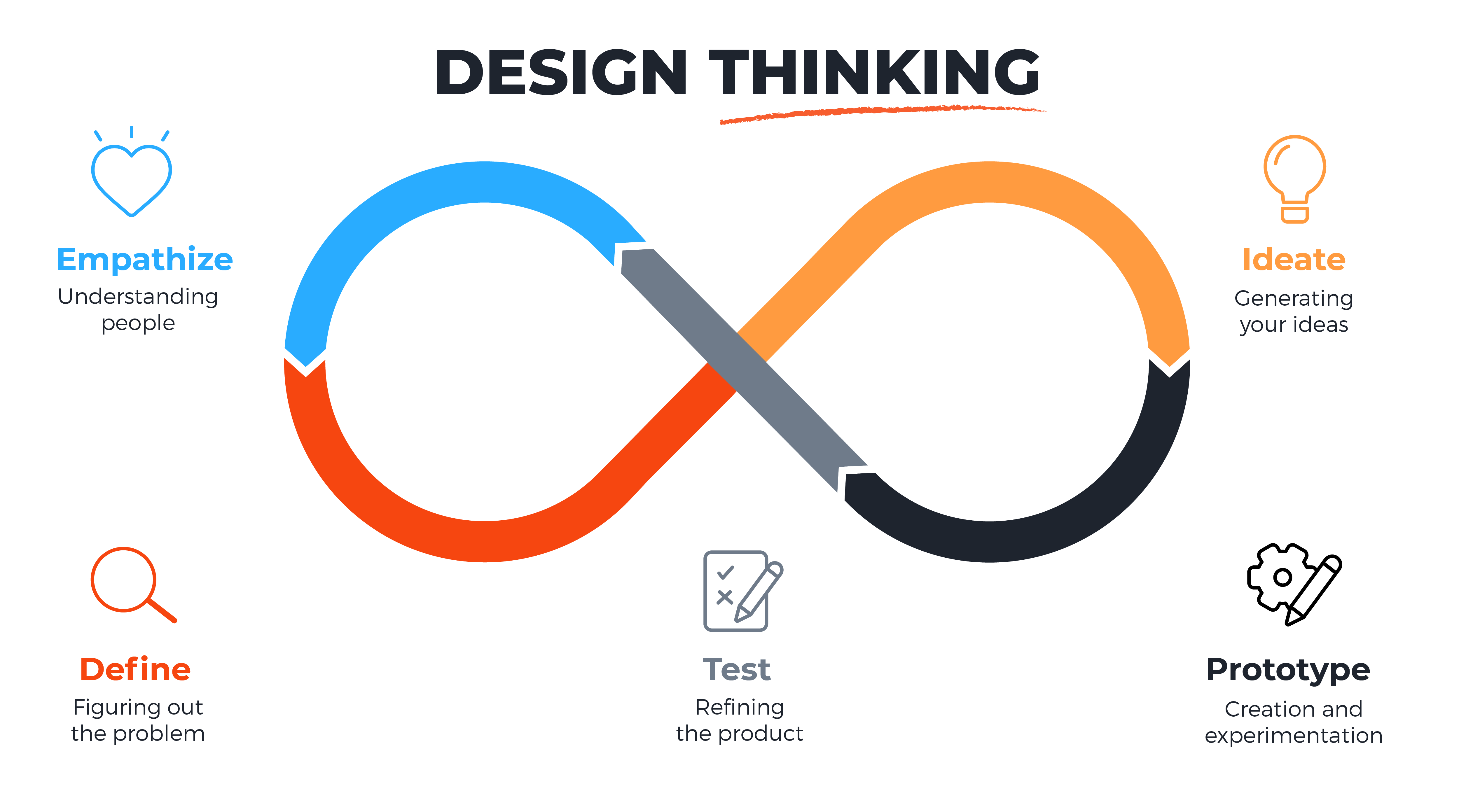
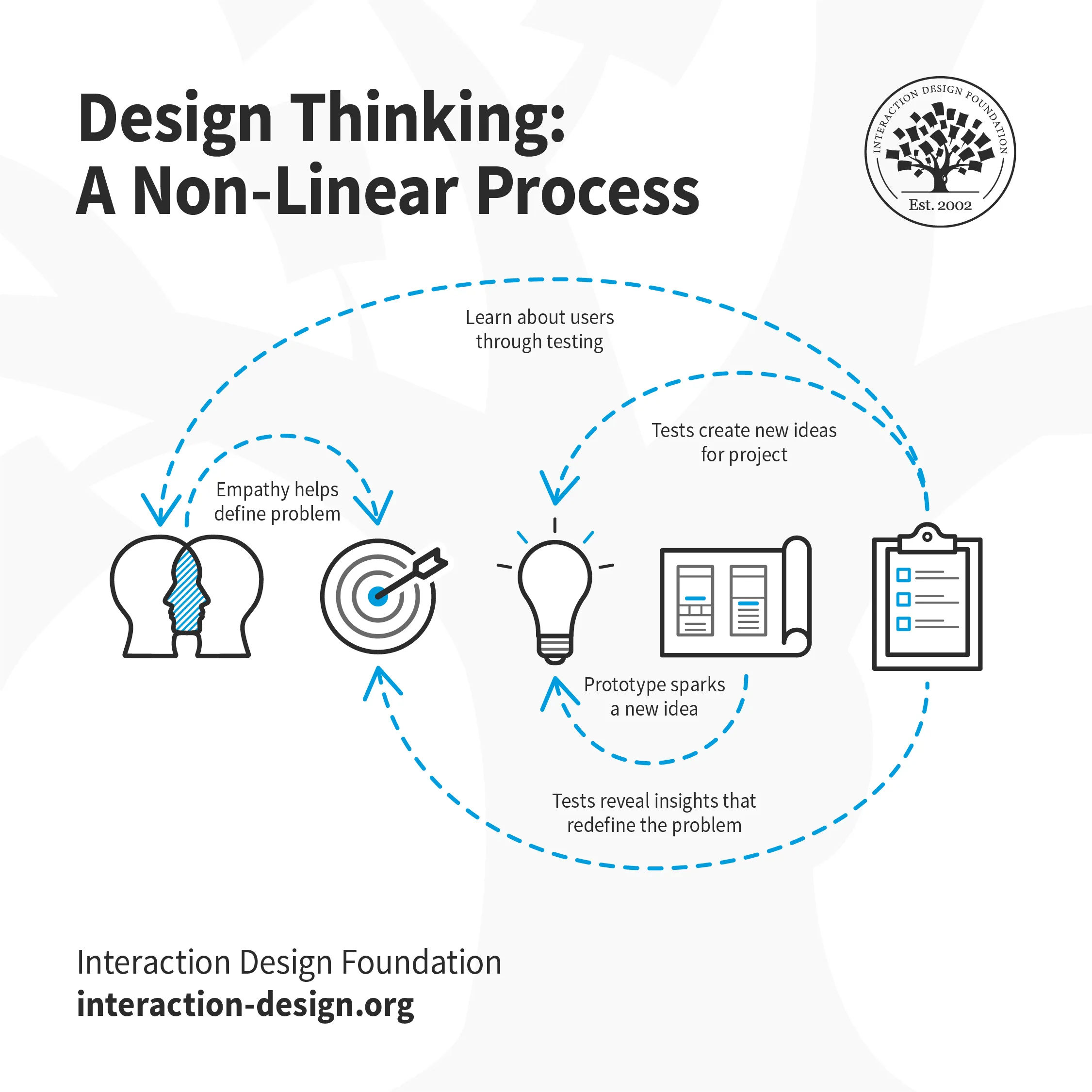
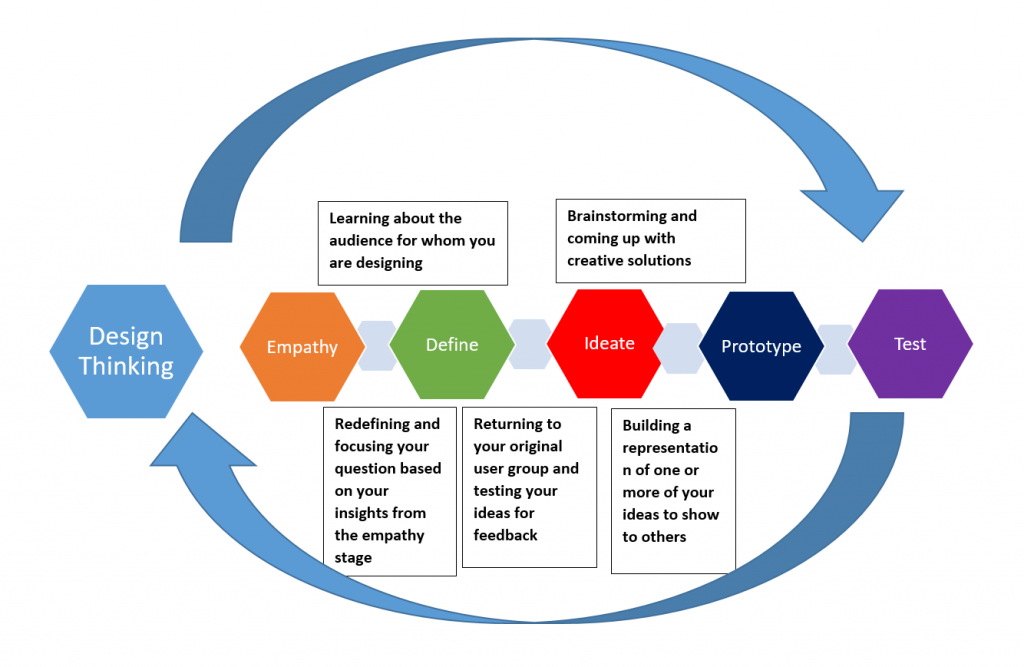
Design thinking is a human-centred approach to problem-solving that involves a deep understanding of the user’s needs, the exploration of multiple solutions, and the iterative testing and refinement of those solutions. It is a non-linear process that typically consists of five key stages:

Empathise: The first step is to develop a deep understanding of the user’s needs, pain points, and motivations. This involves observing, engaging with, and immersing oneself in the user’s experience.

Define: Based on the insights gathered during the empathise stage, the problem or challenge is clearly defined, often through the creation of a user-centric problem statement.

Ideate: This stage encourages the generation of a wide range of creative ideas and solutions, often through techniques like brainstorming, mind mapping, and lateral thinking.

Prototype: Selected ideas are then transformed into tangible prototypes, which can be tested and refined to gather feedback and insights.

Test: The prototypes are tested with users, and the feedback is used to further refine and improve the solutions.

The design thinking process is iterative, allowing for continuous learning and improvement. It encourages a mindset of experimentation, embracing failure as a valuable learning opportunity, and a willingness to adapt and evolve solutions based on user feedback.

Applications of Design Thinking

Design thinking has found applications in a wide range of domains, from business and innovation to education and personal development. Here are some examples of how design thinking can be leveraged in different contexts:

Business and Innovation: Design thinking has become a powerful tool for businesses and organisations seeking to drive innovation and create products or services that truly resonate with their customers. By focusing on the user’s needs and pain points, companies can develop solutions that are more relevant, user-friendly, and competitive in the market.

Many leading companies, such as Apple, IDEO, and Airbnb, have successfully integrated design thinking into their product development and business strategies. This approach has enabled them to identify new opportunities, create innovative solutions, and stay ahead of the curve in their respective industries.

Education: Design thinking has also found a strong foothold in the education sector, where it is being used to enhance teaching and learning experiences. Educators are incorporating design thinking principles into their classrooms, empowering students to tackle real-world problems, develop critical thinking skills, and foster a culture of creativity and innovation.

Through design thinking, students learn to empathise with their target users, define relevant challenges, generate creative ideas, and prototype and test their solutions. This process not only enhances their problem-solving abilities but also helps them develop essential skills like collaboration, communication, and adaptability.

Personal Development: Design thinking can also be applied to personal life, helping individuals navigate various challenges and unlock their creative potential. By adopting a design thinking mindset, people can approach personal goals, such as career development, lifestyle changes, or personal relationships, with a more empathetic and iterative approach.

For example, individuals can use design thinking to better understand their own needs, define personal challenges, explore creative solutions, and prototype and test new approaches to personal growth and fulfilment. This can lead to more meaningful and impactful changes in one’s life.

Applying Design Thinking at Home, School, and Work

So how can one incorporate this powerful approach into their daily life, whether at home, in school, or in the workplace?

At Home

Design thinking can be a valuable tool for tackling various challenges and improving one’s personal life. Here are some ways one can apply design thinking at home:

Improving Household Routines: Use design thinking to analyse the daily household routines, such as meal planning, cleaning, or family activities. Observe the family’s needs, define pain points, ideate solutions, and prototype and test new approaches to streamline these processes.

Enhancing Home Spaces: Apply design thinking to reimagine and optimize the living spaces. Empathise with how one and their family use different rooms, define areas for improvement, ideate creative design solutions, and prototype and test new layouts or furnishings.

Solving Personal Challenges: Leverage design thinking to address personal challenges, such as managing stress, improving work-life balance, or developing new hobbies. Empathise with own needs, define the problem, explore creative solutions, and prototype and test new approaches to personal growth and well-being.

Fostering Family Collaboration: Engage the family in design thinking exercises to solve shared challenges, such as planning family vacations, organising family events, or addressing sibling conflicts. Encourage everyone to contribute their ideas and perspectives, and work together to prototype and test solutions.

In School

Design thinking can be a powerful tool for enhancing the educational experience, both for students and educators. Here are some ways to apply design thinking in a school setting:

Student-Centred Learning: Incorporate design thinking into the curriculum, empowering students to tackle real-world problems and develop essential skills like critical thinking, creativity, and collaboration. Encourage students to empathise with the needs of their target users, define relevant challenges, ideate solutions, and prototype and test their ideas.

Improving the Learning Environment: Use design thinking to analyse and enhance the physical and digital learning environments. Observe how students and teachers interact with the space, define areas for improvement, ideate creative solutions, and prototype and test new designs for classrooms, libraries, or online learning platforms.

Addressing Educational Challenges: Apply design thinking to tackle systemic challenges in the education system, such as improving student engagement, enhancing teacher professional development, or addressing educational inequities. Engage stakeholders, including students, teachers, and administrators, to empathise with their needs, define the problems, and collaboratively develop and test innovative solutions.

Fostering Interdisciplinary Collaboration: Encourage cross-disciplinary collaboration among students and educators, leveraging design thinking to tackle complex, multifaceted challenges. This can help break down silos, promote holistic problem-solving, and prepare students for the interdisciplinary nature of the real world.

At Work

Design thinking can be a valuable asset in the workplace, helping organisations and employees alike to drive innovation, improve processes, and enhance the employee and customer experience. Here are some ways to apply design thinking in a professional setting:

Product and Service Development: Integrate design thinking into the product or service development process, ensuring that the result truly meets the needs and expectations of the target customers. Empathize with the user, define the problem, ideate solutions, prototype, and test to create innovative and user-centric offerings.

Organisational Transformation: Apply design thinking to drive organisational change and transformation. Observe and empathize with the needs of employees, customers, and other stakeholders, define the challenges, ideate solutions, and prototype and test new processes, policies, or structures to improve the overall organizational experience.

Workplace Optimisation: Use design thinking to analyse and optimise the work environment, from physical office spaces to digital tools and workflows. Empathize with the needs of employees, define areas for improvement, ideate creative solutions, and prototype and test new designs or processes to enhance productivity, collaboration, and job satisfaction.

Employee Development: Incorporate design thinking into employee training and development programs, empowering individuals to tackle their professional challenges and unlock their creative potential. Encourage employees to empathise with their own needs, define personal goals, ideate solutions, and prototype and test new approaches to career growth and skill development.

By embracing design thinking in personal, academic, and professional life, one can unlock a world of creativity, innovation, and problem-solving. Whether one is tackling a complex challenge or simply seeking to improve their daily routines, the design thinking approach can help develop a more empathetic, user-centric, and iterative mindset, leading to more meaningful and impactful solutions.

In a world marked by complexity, uncertainty, and rapid change, design thinking offers a beacon of hope—a pathway to innovation, creativity, and human-centred solutions. By embracing empathy, creativity, and collaboration, individuals, organizations, and communities can unlock new possibilities, drive positive change, and shape a better future for all.


Poem: Random Things

This poem is an ode to the randomness in our lives

Random Things

In the kaleidoscope of existence,
Where chaos pirouettes with chance,
Randomness dons its polka-dot gown,
And life unfolds its curious dance.

Stars collide in cosmic rhapsody,
Their celestial whispers echo:
Embrace the serendipitous tango,
For in chaos lies magic’s glow.

Coffee rings on forgotten notebooks,
Lost keys hiding in coat pockets,
They conspire to lead us astray,
Yet reveal secrets when least expected.

Raindrops tap-dance on umbrellas,
Sunbeams chase shadows away,
The universe giggles, mischievous,
As we twirl through unpredictable ballet.

Socks rebel, mismatched and defiant,
Left foot in stripes, right in polka dots.
We laugh, for perfection is overrated,
And joy blooms in delightful oddities.

Library aisles whisper forgotten tales,
Dog-eared pages hold whispered dreams.
We stumble upon wisdom like lost coins,
And the universe nods, pleased.

A butterfly flutters its fragile wings,
Setting off ripples across oceans.
Tiny choices, like cosmic brushstrokes,
Paint our destinies in hues unknown.

In crowded subways, love notes bloom,
Written on crumpled receipts and napkins.
Strangers read them, hearts skipping beats,
And for a moment, the world aligns.

Perhaps randomness is our shared secret,
The quantum quirk that binds us.
In chaos, we find each other—
Two stardust souls, entangled.

So let’s waltz, my fellow wanderer,
Through this random, beautiful existence,
For in the unplanned steps, we discover
The poetry of life’s sweet happenstance.

The Paradox of Not Caring: A Hidden Catalyst for Excellence

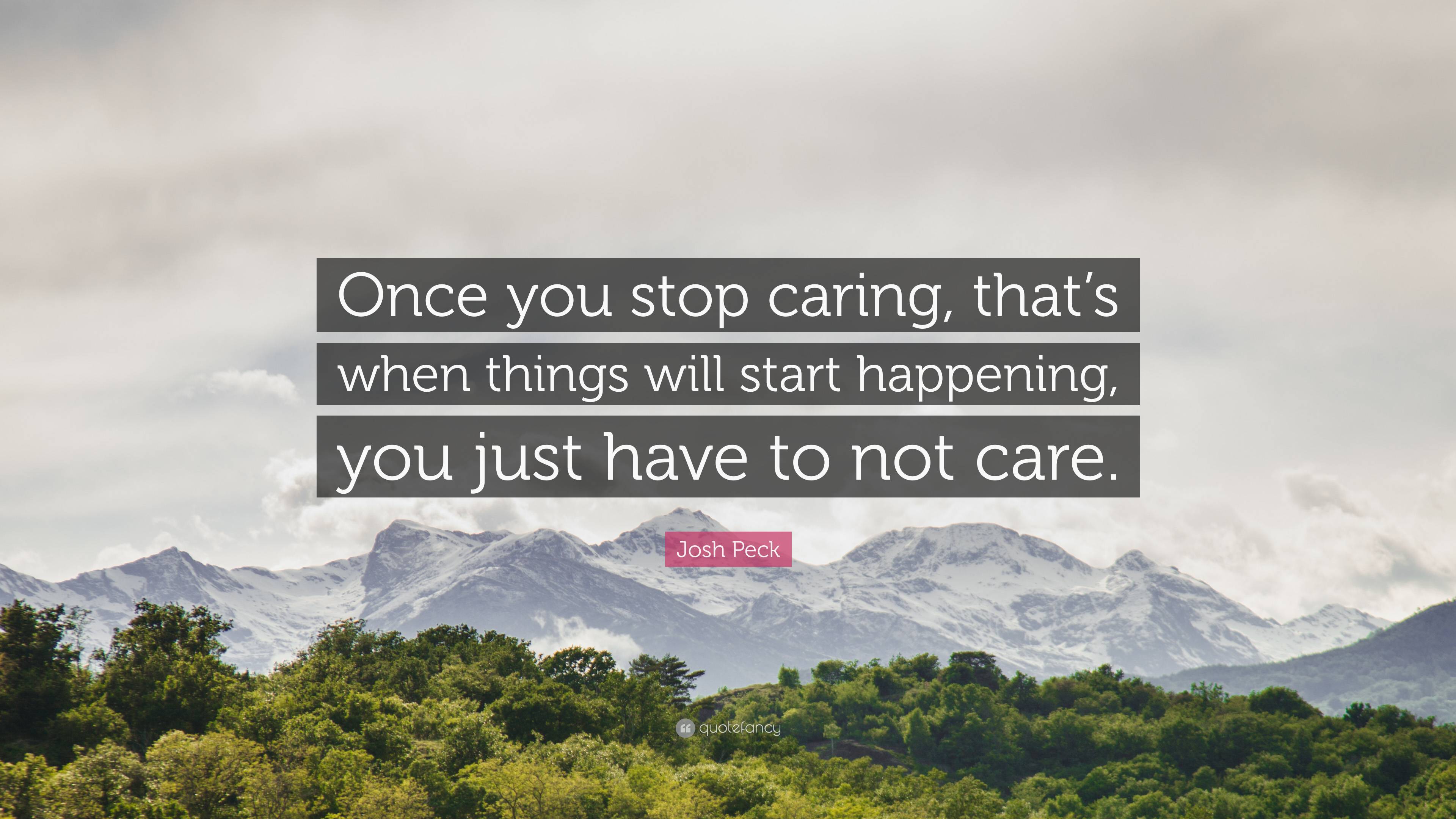
A couple of weeks ago, I came across this phrase and it instantly intrigued me.

To care usually guides our actions, shapes our relationships, and defines our sense of purpose and meaning. Yet, there lies a paradox, a curious interplay between indifference and significance, detachment and engagement. However, when we stop caring about something we previously wanted, sometimes it just comes up in front of us. This paradox of not caring, often dismissed as apathy or indifference, belies a complex web of psychological, social, and philosophical dynamics that merit closer examination.

Apathy, often described as a lack of interest, enthusiasm, or concern, represents a state of emotional detachment and disengagement from the world around us. It manifests as a pervasive sense of indifference or indifference towards one’s own life, relationships, and responsibilities. At first glance, apathy may seem inconsequential—a mere absence of caring or concern. However, upon closer examination, it reveals itself as a paradoxical state wherein the absence of caring paradoxically holds profound significance, shaping our perceptions, decisions, and actions in subtle yet profound ways.

Apathy often stems from psychological factors such as depression, burnout, or trauma, which can dampen one’s ability to experience emotions and engage with the world. It may serve as a coping mechanism for overwhelming stress or emotional pain, offering a refuge from the demands and pressures of daily life. Social and cultural norms can also contribute to apathy, shaping our attitudes towards success, ambition, and achievement. In societies that prioritise individualism and materialism, apathy may arise as a response to societal pressures to conform to rigid expectations and standards.

At the individual level, apathy manifests as a lack of motivation, initiative, or interest in pursuing personal goals and aspirations. It may lead to feelings of emptiness, meaninglessness, and existential despair, as individuals struggle to find purpose and fulfillment in their lives. On a broader societal level, apathy can manifest as social indifference or complacency towards pressing issues such as inequality, injustice, and environmental degradation. It may result in a collective numbness or resignation, as people become desensitised to the suffering and injustices that pervade the world.

For individuals, apathy can have profound consequences, undermining their mental health, relationships, and overall well-being. It may lead to feelings of isolation, alienation, and disconnection from others, as well as a sense of futility or hopelessness about the future. On a societal level, apathy can perpetuate systems of inequality, oppression, and injustice by fostering a culture of complacency and inaction. It may hinder efforts to address pressing social and environmental challenges, exacerbating existing disparities and marginalizing vulnerable populations.

But here lies the paradox’s magic: In not caring, we discover hidden reservoirs of strength. How does this paradox make us better at things? When we release the burden of excessive concern, our minds are clear. Like a painter wiping the canvas, we see the essential strokes. At work or school, this clarity allows us to prioritise, solve problems, and make decisions with precision. Paradoxically, indifference breeds courage. When we stop fearing failure or judgment, we leap into the unknown. Fearlessness fuels creativity, innovation, and bold actions. It’s the artist, unafraid of the blank canvas and the student, unafraid of the unanswered question.

Not caring about trivial distractions streamlines our efforts. We channel energy into what truly matters. At work, it means focusing on impactful tasks. In school, it means studying purposefully rather than drowning in anxiety. The heartache of not caring tempers our resilience. We learn that setbacks don’t define us. Instead, they propel us forward. Like a phoenix rising from ashes, we emerge stronger, ready to face challenges head-on.

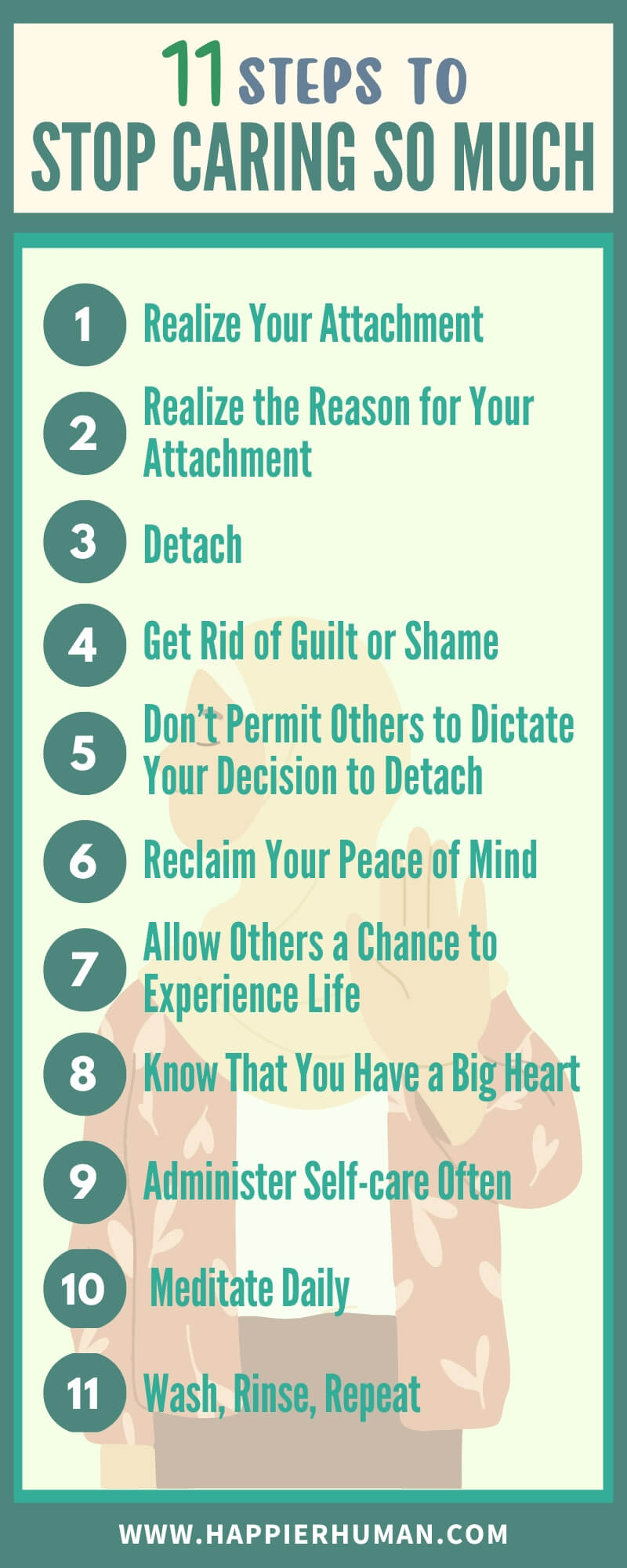
So, how do we harness this paradox? It’s not about becoming indifferent automatons. Instead, care deeply about what aligns with your purpose. Let go of the rest. Be aware of when you’re pretending not to care. Is it a shield or a genuine choice? Use detachment as fuel. Let it ignite your curiosity and your hunger for growth.

In the quiet spaces where love and loss entwine, we find the delicate beauty of a heart that refuses to be indifferent. So, embrace the paradox. Dance it, stumble through it, and emerge wiser. For in not caring, we discover the art of caring deeply—for the right things.

The Zeigarnik Effect: Unraveling Tasks and Our Memory

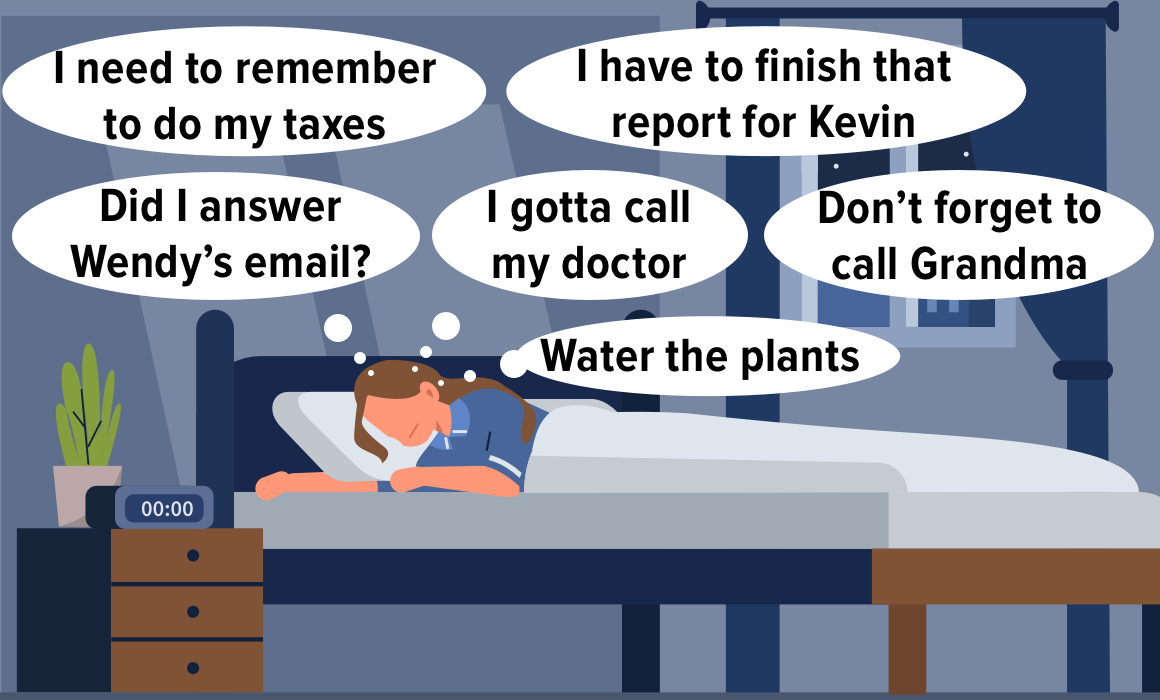
In the labyrinth of the human mind, there exists a curious phenomenon—a tug at the strings of consciousness, urging us to return to unfinished tasks, unresolved puzzles, and incomplete stories. This phenomenon, known as the Zeigarnik Effect, offers a fascinating glimpse into the workings of memory, motivation, and cognitive persistence.

The Zeigarnik Effect, named after Lithuanian-Soviet psychologist Bluma Zeigarnik, sheds light on our peculiar tendency to remember uncompleted or interrupted tasks more vividly than their completed counterparts It suggests that incomplete tasks create a state of cognitive tension or “psychological itch,” prompting individuals to seek closure or resolution.

Imagine a bustling café where a diligent waiter takes orders from a myriad of patrons. Each order is meticulously noted down, and the waiter’s mental notepad becomes a canvas for unfinished business. But here’s the twist: once the bill is settled, the waiter’s memory seems to hit a roadblock. The details of the paid orders fade into oblivion, leaving only a faint trace. What sorcery is at play here? Professor Kurt Lewin, a Gestalt psychologist, observed this peculiar memory quirk in the aforementioned waiter. Bluma Zeigarnik, intrigued by Lewin’s observation, embarked on a scientific quest to unravel the underlying processes. In 1927, her research report emerged in the journal Psychologische Forschung, illuminating the phenomenon that now bears her name.

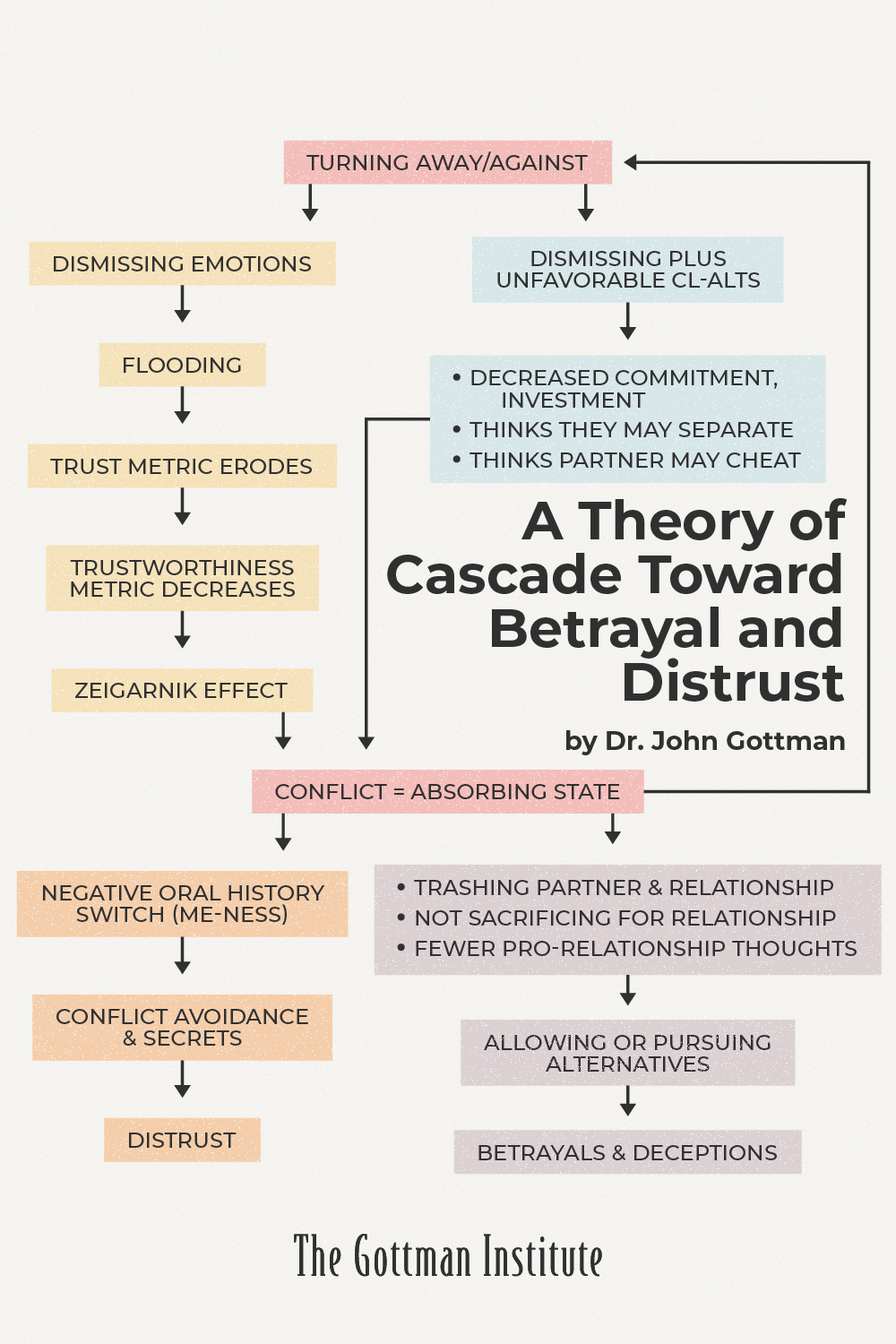
At the heart of the Zeigarnik Effect lies the principle of cognitive dissonance—the discomfort or tension that arises from holding contradictory beliefs or engaging in inconsistent behaviours. Unfinished tasks create a state of cognitive dissonance, driving individuals to seek resolution and restore psychological equilibrium.

Here’s how it works: when we interrupt a task, the tension remains suspended like a musical note waiting for resolution. Our brains, ever the composers of memory, keep this content readily accessible. The unfinished symphony plays on, and we find ourselves recalling these half-done tasks with surprising clarity. It’s as if our minds whisper, “Remember this; it’s not over yet.”

Unfinished tasks capture our attention and occupy our thoughts, leading us to devote mental resources to planning, problem-solving, and goal pursuit. This selective attention enhances memory encoding and retrieval, making incomplete tasks more salient and memorable than completed ones.

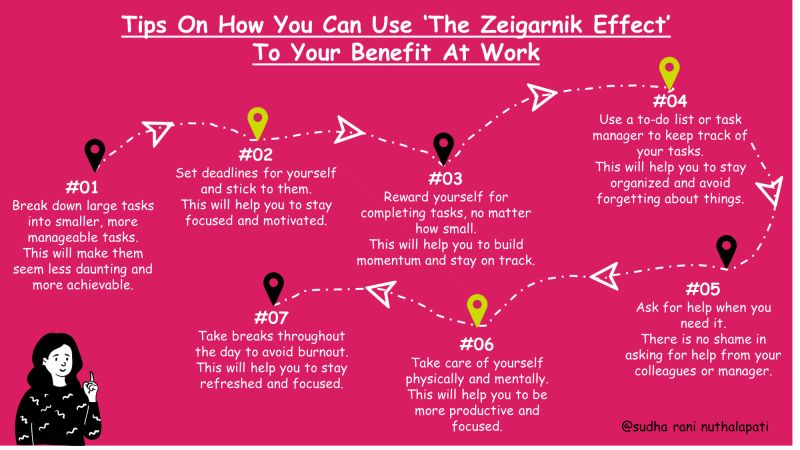
The Zeigarnik Effect has significant implications for productivity and motivation, as it suggests that maintaining a “to-do” list or task backlog can enhance focus, engagement, and persistence in goal pursuit. Unfinished tasks serve as potent motivators, driving us to take action and achieve closure.

On the flip side, the Zeigarnik Effect can also contribute to procrastination and task avoidance, as individuals may become overwhelmed by the sheer volume of unfinished tasks and struggle to prioritize or complete them. Understanding the dynamics of the Zeigarnik Effect can help individuals develop strategies to overcome procrastination and enhance task management skills.

In the realm of academia, the Zeigarnik Effect can be effectively deployed. Students who intersperse their study sessions with unrelated activities—whether it’s studying another subject or indulging in a game—receive information better. The cognitive tension created during the study session lingers, making the material more accessible. So, to any student reading this post, take a break, it’s not procrastination—it’s cognitive enhancement.

The Zeigarnik Effect extends its tendrils beyond cafés and classrooms. In the world of sports, it even influenced a rule change. Enter the Harden Rule, named after basketball superstar James Harden. Picture a player repeatedly “chucking it up” whenever an opponent approaches—a strategic interruption. The resulting cognitive bias against this move led to a rule penalising such behaviour.

So how can the Zeigarnik Effect be applied in the real world?

The Zeigarnik Effect has been leveraged in marketing and advertising campaigns to capture consumers’ attention and drive engagement. By creating a sense of anticipation or suspense, marketers can pique interest and encourage consumers to learn more or take action. Advertisers often use cliffhangers or incomplete narratives to capture attention. Think of TV shows that end an episode with a suspenseful scene—our brains itch to know what happens next. Brands can employ the Zeigarnik Effect in marketing campaigns by leaving audiences curious and engaged.

Educators can harness the Zeigarnik Effect to enhance learning and retention in the classroom. By breaking lessons into manageable segments and leaving tasks or questions unanswered, teachers can stimulate curiosity and encourage active participation among students. Students can leverage the Zeigarnik Effect by intentionally interrupting their study sessions. Taking short breaks or switching to a different subject creates cognitive tension, making the material more memorable.

To boost productivity, one can create a to-do list with incomplete tasks. The tension associated with unfinished items motivates one to revisit and complete them. Project managers can strategically leave certain tasks partially undone, ensuring team members remain focused on project completion.

UX designers can apply this principle to create engaging interfaces. For example, progress bars that show incomplete tasks encourage users to continue until the task is finished. Video games often use quests or achievements to trigger the Zeigarnik Effect, motivating players to explore and complete challenges.

When handling customer inquiries, leaving a conversation unresolved: like telling them they will get back, keeps customers engaged and more likely to follow up. Chatbots and automated systems can use this effect to encourage users to return for further assistance.

In negotiations, intentionally leaving certain points unresolved can create cognitive tension. The other party remains curious and open to further discussion. Persuasive communication can benefit from the Zeigarnik Effect. Presenting incomplete information can pique interest and encourage deeper exploration.

When one is stuck on a creative project or problem, take a break. The unresolved tension may lead to sudden insights or solutions. Brainstorming sessions can benefit from intentionally leaving ideas partially developed, sparking curiosity and collaboration.

As with any psychological phenomenon, controversy brews. Some studies failed to replicate Zeigarnik’s initial findings, questioning the reliability of the effect. Yet, like an unfinished melody, it persists in our collective memory.

Ultimately, the Zeigarnik Effect highlights the human desire for closure and resolution in our lives. Whether it’s completing a project, resolving a conflict, or achieving a long-held goal, closure brings a sense of satisfaction, fulfilment, and peace of mind.

While closure is important, it’s also essential to embrace the journey and appreciate the process of growth, discovery, and self-improvement along the way. By recognizing the inherent value of both completion and continuation, we can navigate the complexities of life with grace and resilience.

In the grand tapestry of human experience, the Zeigarnik Effect serves as a reminder of the intricate interplay between memory, motivation, and meaning-making. It invites us to embrace the unfinished stories, unresolved questions, and uncharted territories of our lives with curiosity, courage, and creativity. Whether one is designing an app, writing a novel, or negotiating a deal, it’s worth considering harnessing this cognitive quirk to engage minds and leave symphonies unfinished—until the final note.