Festivals of India: Medaram Jatara

The world’s largest festival for tribals, the Medaram Jatra, is held every two years over four days and, in the last decade, has become a major pilgrimage. The festival is held in the Medaram village of Tadvai Mandal, deep in the heart of the thick forests of the Mulugu district in the state of Telangana. Declared a state festival in 1998, the Jathra will take place between February 21 and 24 this year.

Pilgrims make their way to this tiny village whose population otherwise does not exceed 300, but during the jathra, it swells to almost ten million from Telangana, Andhra Pradesh, Orissa, Maharashtra and Madhya Pradesh to pay their respects and pray to the deities Sammakka and Saralamma.

The origins of the Medaram Jatara are shrouded in legend and mythology, tracing back to the valiant tale of Sammakka and Saralamma—the revered tribal deities of the region. The Jathara commemorates the fight of a mother and daughter, Sammakka and Saralamma, with the reigning rulers against an unjust law. According to folklore, Sammakka, a fearless warrior queen of the Koya tribe, waged a fierce battle against injustice and tyranny, ultimately sacrificing her life to protect her people. In her honour, a grand temple was erected in Medaram, where pilgrims flock to seek blessings and offer prayers to this day. It is believed that after the Kumbha Mela, the Medaram Jathara attracts the largest number of devotees in the country. It is celebrated in Medaram during the time the goddesses of the tribals are believed to visit them. Medaram is a remote place in the Eturnagaram Wildlife Sanctuary, a part of Dandakaranya, the largest surviving forest belt in the Mulugu.

There are many legends about the miraculous powers of Sammakka. According to a tribal story, in the 13th century, some tribal leaders who went hunting found a newborn girl, aka Sammakka, emitting enormous light while playing amidst tigers. She was taken to their home. The head of the tribe adopted her and brought her up as a chieftain. When she came of age, she was married to Pagididda Raju, a feudatory tribal chief of the Kakatiyas, who ruled the country of Andhra from Warangal City between 1000 AD and 1380 AD. She was blessed with two daughters and one son, namely Sarakka, Nagulamma and Jampanna, respectively.

The festival has no Vedic or Brahmanic influence. Until 1998, the only way to reach Medaram was by a bullock cart. In 1998 the state government declared the 1000-yr-old festival official and laid down a motorable road. In recent times the gatherings in the Jathara are roughly near 10 million. The traffic jam during the festival sometimes goes as far as 60 km on the Warangal highway.

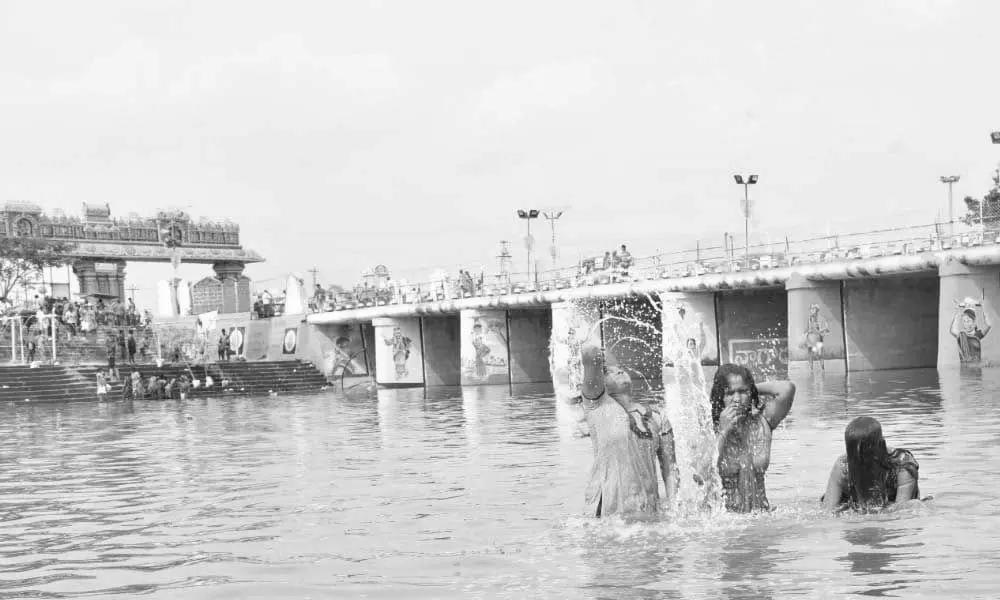
Jampanna Vagu is a tributary of the River Godavari. According to history, Jampanna is the tribal warrior and the son of the tribal goddess Sammakka. Jampanna Vagu took his name as he died in a battle fighting against the Kakatiyan army in the stream. The Jampanna vagu is still red, marked with the blood of Jampanna, though scientifically the red colour of the water is attributed to the soil composition. Tribals believe that taking a holy dip in the red water of Jampanna Vagu reminds them of the sacrifice of their Gods who will save them and also induces courage into their souls. There is a bridge constructed on top of Jampanna Vagu, known as Jampanna Vagu Bridge.

At the heart of the Medaram Jatara are the sacred rituals and traditions that define the festival’s essence. From the ceremonial installation of the gaddelu—wooden poles adorned with sacred symbols—to the ritualistic offering of jaggery and bangaram (jaggery and gold) at the feet of the deity, each gesture is imbued with deep spiritual significance.

The first day of the festival is celebrated as the arrival of Saralamma onto the Medaram Gaddhe or platform. Saralamma was the daughter of Sammakka. Saralamma is installed in a temple at Kannepalli, a small village near Medaram. In the morning pujaris perform pujas secretly. The unmarried women and men, those who want to have children and those who are suffering from diseases perform special pujas to Saralamma on this day. The villages of Kannepalli perform Aarti and organise a grand farewell to Saralamma. From there, the idol of Saralamma is brought to Medaram Gaddhe through the Jampanna Vaagu and after arriving at the Gaddhe, Saralamma is worshipped with special pujas and other rituals.
Day 2 of the Jathra is celebrated as the arrival of Sammakka on the Medaram Gaddhe. Sammakka is welcomed amidst the official homage from the police and government. On this day, pujaris bring bamboo sticks and place them on the Gaddhe. Amidst the protection and official homages of police, Pujaris bring Sammakka to the Gaddhe. Sammakka is usually installed at Chilukala Gutta in the form of a Kumkuma Bharina. Sammakka is the presiding deity of Medaram Sammakka Saralamma Jathara At Chilukala Gutta, as the indication of the arrival of Sammakka, the district Superintendent of Police fires his gun thrice in the air and inaugurates the bali to please Sammakka. Amidst the slogans praising Sammakka, pujaris bring the deity onto Gaddhe.

On the 3rd day of the Medaram Jathara, devotees and pilgrims can finally have a glimpse of their beloved deities. After taking a bath in the Jampanna Vaagu, devotees visit the Goddesses and offer various offerings to Sammakka and Saralamma. Women offer Odi Biyyam or sacred rice and saare which is a combination of necessary daily items to the Goddesses. The third day is the busiest one among the four festival days. The important offering in Sammakka Sarakka Jathara is Bangaram or jaggery which is offered as gold to the Goddesses.

The 4th day, which is the last day of the jathra is celebrated as Vana Pravesham of Sammakka and Sarakka. After getting worshipped the goddesses return to the forest. The day marks the conclusion of the 4-day Sammakka Saralamma Jathara. The same security and the official homage they have got while arriving on the platform are paid to the Goddesses while returning to the forest.

The Medaram Jatara is not just a religious pilgrimage but a celebration of Telangana’s rich cultural heritage. Traditional folk dances, music performances, and theatrical presentations captivate audiences, transporting them to a bygone era of rustic charm and rural splendour. In recent years, efforts have been made to promote environmental sustainability and conservation during the festival. Initiatives such as waste management, water conservation, and tree plantation drives aim to mitigate the ecological impact of the massive congregation while preserving the natural beauty of the surrounding landscape.

With the growing influx of pilgrims and visitors, there is a pressing need for infrastructure development to accommodate the increasing footfall. Investments in road networks, sanitation facilities, and accommodation options can enhance the pilgrim experience while ensuring the sustainable growth of the festival. As the Medaram Jatara embraces modernity, there is a delicate balance to be struck between tradition and innovation. Efforts must be made to preserve the authenticity of the festival’s rituals and traditions while embracing opportunities for cultural exchange and enrichment.

The Medaram Jatara stands as a symbol of faith, resilience, and cultural identity. In an era of rapid change and upheaval, the festival stands as a testament to the enduring spirit of the tribals of not just Telangana, but also the neighbouring states.

Short Stories: The Red Rose – A Valentine’s Day Reunion

Eliza sat on the edge of her bed, her fingers tracing the worn pages of her old school yearbook. It was Valentine’s Day, a day that held bittersweet memories of love lost and dreams deferred. As she flipped through the pages, a pressed red rose fluttered to the floor, its vibrant petals a stark contrast against the faded memories of her youth.

Her thoughts drifted back to James, her high school sweetheart, and the tumultuous relationship they shared. Their love had been passionate and intense, a whirlwind of emotions that swept them both off their feet. But with passion came turbulence, and their journey together had been punctuated by countless fights and tearful reconciliations.

Eliza sighed as she recalled the final days of their relationship. It had been a decision born out of necessity—a choice to break free from the cycle of heartache and uncertainty. As she graduated from high school, she made the difficult decision to part ways with James, hoping that time and distance would heal the wounds of their fractured love.

Years passed, and life carried Eliza forward, leaving behind the echoes of her past. She built a career, forged new friendships, and found solace in the rhythm of everyday life. Yet, the memory of James lingered like a faint whisper, a reminder of a love that had once consumed her heart.

On that fateful Valentine’s Day, two decades later, Eliza found herself drawn back to the remnants of her youth. The pressed red rose, a relic of a bygone era, stirred something deep within her soul. With a sense of nostalgia tinged with longing, she decided to embark on a journey to find James, to seek closure or perhaps the possibility of a second chance at love.

With trembling hands, Eliza typed James’s name into the search bar, her heart pounding with anticipation. To her surprise, his profile appeared on the screen, a testament to the passage of time and the interconnectedness of fate. They were both in the same town, separated by mere miles yet worlds apart.

Gathering her courage, Eliza reached out to James, her fingers hesitating over the send button. Would he remember her? Would he be open to reconnecting after all these years? The questions lingered like a lingering fog, obscuring the path ahead.

To her relief, James responded with warmth and sincerity, his words a beacon of hope in the darkness of uncertainty. They agreed to meet for coffee, a tentative step towards reconciliation and rediscovery.

As Eliza entered the quaint café, her heart fluttered with nervous anticipation. Would James still be the same person she remembered from her youth? Would the years have softened the rough edges of their past, paving the way for a new beginning?

Her questions were soon answered as James walked through the door, his smile as bright as the sun on a summer’s day. Time seemed to stand still as they embraced, the years melting away in the warmth of their reunion.

Their conversation flowed effortlessly, each word a bridge connecting their shared past to the present moment. They laughed over shared memories and reminisced about the innocence of their youth. For a brief moment, it felt as if no time had passed at all, and they were once again the young lovers who had dared to dream of forever.

As the afternoon sun dipped below the horizon, Eliza and James found themselves lost in each other’s gaze. It was a moment of clarity, a realization that despite the trials and tribulations of their past, their love had endured, resilient and unwavering.

In the days that followed, Eliza and James embarked on a journey of rediscovery, exploring the depths of their shared history and the possibilities of their future. They laughed, they cried, and they navigated the complexities of love with grace and understanding.

With each passing day, their bond deepened, a testament to the transformative power of forgiveness and redemption. They learned to embrace the imperfections of their past, understanding that it was through their struggles that they had grown stronger, both individually and as a couple.

And so, on a bright and beautiful Valentine’s Day, one year from the day they reunited, Eliza and James stood hand in hand, surrounded by the ones they loved most. It was a day of celebration, the culmination of their journey from heartache to happiness, from separation to unity. And of course, Eliza had a bouquet of red roses, which reminded them both of their long journey to get there.

As they exchanged vows beneath a canopy of blooming roses, their love blossomed like the petals of a flower, vibrant and full of promise. Their hearts beat as one, a testament to the enduring power of love to heal, transform, and bring two souls together in a journey of everlasting devotion.

In that moment, as they sealed their love with a kiss, Eliza and James knew that their story was just beginning. For in the garden of their hearts, the seeds of their love had taken root, destined to bloom and flourish for all eternity. And as they danced beneath the stars, surrounded by the fragrance of roses and the whispers of the wind, they knew that their love would always be their guiding light, illuminating the path ahead with the promise of endless possibilities.

Total Defence Day

The date was February 15, 1942. After a week of intense fighting, the British colonial administration finally gave in and surrendered to the Japanese invaders. At the Ford Motor Factory, Lieutenant-General Arthur Percival formally surrendered to Japanese General Tomoyoki Yamashita shortly after 6:15 p.m. That day has been commemorated annually since 1984 to remind Singaporeans that every aspect of society contributes to the collective defence of the state.

The strategy behind Total Defence was adopted from the national defence strategies of Sweden and Switzerland. It initially consisted of five key tenets: military, civil, economic, social, and psychological, with the sixth, digital, being introduced in 2019.

The Singapore Government has justified Total Defence on several factors: the island city-state’s small size and marginal population; lack of natural resources; and a racial and religiously diverse population. It states that these factors make Singapore vulnerable to threats such as international terrorism, natural disasters, pandemics and disinformation campaigns that could result in an economic slowdown.

Military Defence: At the heart of Total Defence lies Singapore’s robust military capability—a deterrent against external aggression and a guarantor of national sovereignty. The Singapore defence budget is ranked among the highest in the ASEAN region. Through a policy of deterrence and diplomacy, Singapore maintains a formidable defence force capable of safeguarding its territorial integrity and protecting its people. A capable armed force is seen as a necessity to deter potential aggressors. In addition to two years of national service, the onus is placed on reservist troops to maintain their physical fitness through annual individual physical proficiency tests (IPPT) and in-camp training (ICT). Corporate companies are encouraged to create “pro-NS” policies for reservists, such as training spaces, monetary incentives and flexible working hours, and are recognised at an annual awards ceremony.

Civil Defence: Civil Defence encompasses a range of measures aimed at enhancing preparedness and response capabilities in the face of natural disasters, pandemics, and other emergencies and broadly refers to the activities of the Singapore Police Force and Singapore Civil Defence Force to restore a sense of normalcy during a national crisis with the aid of active civilian participation. Civilians are trained in first aid, urban survival, and the management of blood, water and food resources. Donating blood to national blood banks, volunteering, and being a medical frontline worker are also activities seen as contributing to civil defence.

Economic Defence: Economic resilience forms the bedrock of Singapore’s prosperity and stability and relates to governmental efforts to sustain and develop Singapore’s economy with a policy undertaken by the government for workers to upgrade their skill sets. The Singaporean government also stockpiles essential supplies of food, medication and personal protective equipment, in addition to pursuing secondary supply chains, to offset potential disruptions. The conservation of essential resources, including water, is placed under economic defence. Total Defence underscores the importance of diversification, innovation, and adaptability in navigating the complexities of the global economy. Through prudent fiscal policies, strategic investments, and a skilled workforce, Singapore fortifies its economic defenses against external shocks and disruptions.

Social Defence: A cohesive and resilient society is the linchpin of Singapore’s national identity. Social defence stems from official policies to maintain social cohesion among Singapore’s diverse population through multiculturalism. It emphasises the importance of unity, inclusivity, and social cohesion in fostering a resilient community. From grassroots initiatives to national campaigns promoting racial harmony and social cohesion, Singaporeans stand united in the face of adversity. Improving relations between neighbours is also listed as part of social defence.

Psychological Defence: Psychological defence refers to the Singapore Government’s programme to strengthen “resolve and resilience” amongst its citizens to face unexpected crises; it is also cited as necessary to combat fake news. Psychological Defence instils in Singaporeans a sense of national pride, identity, and purpose—a steadfast commitment to upholding Singapore’s core values and principles. Through education, awareness, and civic engagement, Singapore nurtures a resilient mindset capable of withstanding the psychological challenges of an uncertain world. The government views psychological resilience as the bedrock of a “social compact” and seeks to emulate Finland’s example. Efforts to improve mental health in Singapore are also placed under psychological defence.

Digital Defence: Digital defence refers to efforts to increase awareness of online security threats, including misinformation, cyberattacks and phishing scams. The threat is seen as particularly acute due to the country’s “open and connected” nature and governmental plans to orient the country around a digital economy and the Smart Nation concept. All civil servants are mandated to undergo cybersecurity training, with the government also increasing audits of state infrastructure.

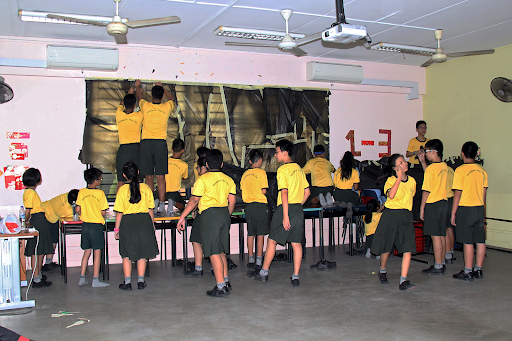
Total Defence Day is a national observance, a time for reflection, remembrance, and reaffirmation of Singapore’s commitment to resilience. Total Defence Day was added to the list of dates for schools to commemorate in 1997 and was commemorated in schools in 1998. On this day, the Singapore Civil Defence Force sounds the Important Message Signal through the island-wide Public Warning System sirens and local radio stations for a minute. At its inception, the siren was sounded at 12:05 pm Singapore Standard Time; this was changed to 6:20 pm in 2015 to mark the actual time of the surrender in 1942. Schools conduct emergency preparedness drills, food and electricity rationing, and may organise tours to government exhibitions. A memorial service has been held annually at the War Memorial Park since 1967 to recognise civilians who lost their lives during the Japanese occupation. 2024 will mark 40 years of commemorating Total Defence Day.

Today, the principles of Total Defence remain as relevant as ever. In an era defined by rapid technological advancement, geopolitical shifts, and global pandemics, the need for resilience, unity, and preparedness has never been greater. Total Defence calls for agility and adaptability in the face of evolving threats and challenges. In an interconnected world, partnerships and alliances are essential in safeguarding the country’s interests and promoting regional stability. Total Defence encourages a culture of innovation, entrepreneurship, and creativity to address emerging threats and opportunities.

Total Defence is more than a strategy; it is a mindset, a way of life, and a testament to the indomitable spirit of a nation united in purpose and resolve. As Singapore navigates the complexities of the 21st century, the principles of Total Defence will continue to guide its journey—a steadfast commitment to safeguarding its sovereignty, prosperity, and future generations.

Safer Internet Day

Today, it is impossible to think of a life without the internet. Tomorrow is Safer Internet Day and this day is more than important in fostering a secure online environment. This day, observed annually on the second Tuesday of February, serves as a global call to action, urging individuals, organisations, and governments to reflect on the evolving challenges of digital safety and work collaboratively towards a safer cyberspace.

Since its inception in 2004, Safer Internet Day has evolved into a cornerstone event, transcending geographical boundaries to address the multifaceted aspects of online safety. Facilitated by the joint efforts of governments, NGOs, industry leaders, and individuals, the day seeks to raise awareness, promote responsible digital behaviour, and ignite conversations around the ever-expanding frontier of the internet.

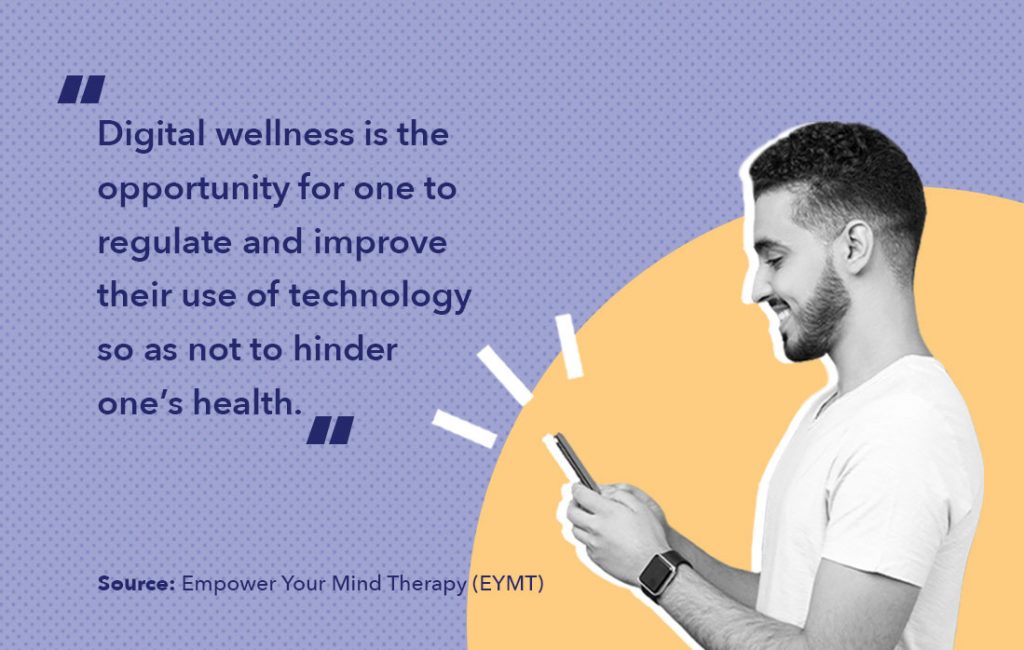
The theme for Safer Internet Day 2024, Empowering Digital Wellness, reflects a nuanced understanding of the Internet’s role in our lives. It goes beyond traditional notions of safety, encompassing a holistic approach that considers not only the avoidance of harm but also the cultivation of positive, healthy online experiences.

Cyber threats today are becoming more of a norm than they were previously. From sophisticated phishing attacks to ransomware campaigns targeting critical infrastructure, the arsenal of cyber threats continues to expand. Safer Internet Day serves as a rallying point to fortify our virtual defences and elevate cybersecurity awareness. The accumulation of personal data by tech giants and the subsequent concerns over data privacy have become central issues in the digital discourse. As individuals navigate the online landscape, safeguarding privacy is paramount, and Safer Internet Day prompts us to scrutinize the implications of our digital footprints.

The propagation of misinformation and the manipulation of online narratives pose significant threats to the integrity of digital spaces. Safer Internet Day underscores the importance of media literacy and critical thinking as bulwarks against the tide of disinformation. The younger generation, digital natives in their own right, face unique challenges in the online sphere. Safer Internet Day directs attention towards fostering a digital environment where young minds can explore, learn, and socialize without succumbing to the perils of cyberbullying, predatory behaviour, or exposure to inappropriate content.

So what is digital wellness?

Digital wellness transcends the binary perspective of safety versus danger. It delves into the qualitative aspects of our online experiences, urging us to strike a balance between connectivity and mental well-being. On Safer Internet Day, we are prompted to reflect on the impact of our digital habits on overall health. A key tenet of digital wellness is the cultivation of positive interactions. This day encourages individuals to contribute to a culture of respect, empathy, and constructive dialogue online. From social media etiquette to responsible commenting, the goal is to create a virtual space that mirrors the values of the physical world. An empowered user is a resilient user. Safer Internet Day emphasises the need for robust digital literacy initiatives that equip individuals with the skills to navigate the internet safely, discern reliable information from misinformation, and fortify themselves against cyber threats. Beyond individual efforts, the responsibility also lies with the tech industry to design platforms and services that prioritise user safety and well-being. Safer Internet Day calls for ethical considerations in the development and deployment of digital technologies.

Governments around the world use Safer Internet Day as an opportunity to announce new policies, launch initiatives, and engage in collaborative efforts to enhance online safety. The day acts as a catalyst for cross-border cooperation in addressing global digital challenges. Tech giants and corporations leverage Safer Internet Day to showcase their commitment to user safety. From releasing transparency reports to implementing enhanced security features, these initiatives contribute to a safer online ecosystem. You can also find non-governmental agencies that advocate for digital rights and online safety, amplifying their voices on this day. Safer Internet Day provides a platform for awareness campaigns, educational programs, and policy advocacy.

Educational institutions worldwide leverage Safer Internet Day to integrate digital safety into their curricula. From primary schools to universities, students are educated on topics such as online ethics, privacy protection, and cybersecurity. Workshops, seminars, and awareness programs are conducted to engage students, parents, and educators in discussions about responsible digital behaviour. The goal is to create a shared understanding of the challenges and opportunities presented by the digital landscape.

As we navigate the complex and ever-evolving digital terrain, Safer Internet Day serves as a call to action—a collective summons to become guardians of the virtual realm. It prompts us to scrutinise our digital habits, advocate for digital wellness, and actively contribute to the creation of a safer, more resilient internet. As individuals, we are also encouraged to reflect on our digital behaviours, assess our online footprint, and consider the impact of our actions on the broader online community. A conscious and informed user is the first line of defence in the digital realm.

Safer Internet Day is not merely a commemoration but a call to arms—an acknowledgement of the collective responsibility we bear in safeguarding the virtual commons. It challenges us to transcend the dichotomy of utopia and dystopia, recognizing that the internet, like any realm of human interaction, reflects our collective values, aspirations, and shortcomings.

In the quest for a safer internet, the journey begins with individual choices, extends through community engagement, and converges in the halls of policy and technology design. As we traverse the intricate web of the digital realm, let us be the architects of a virtual space that mirrors the principles of justice, equity, and shared humanity. In the hands of the global community, the internet can become a beacon of enlightenment, collaboration, and progress—a testament to the triumph of the human spirit in the face of the unprecedented challenges of our digital age.

Singapore: The World’s most Expensive City in 2023

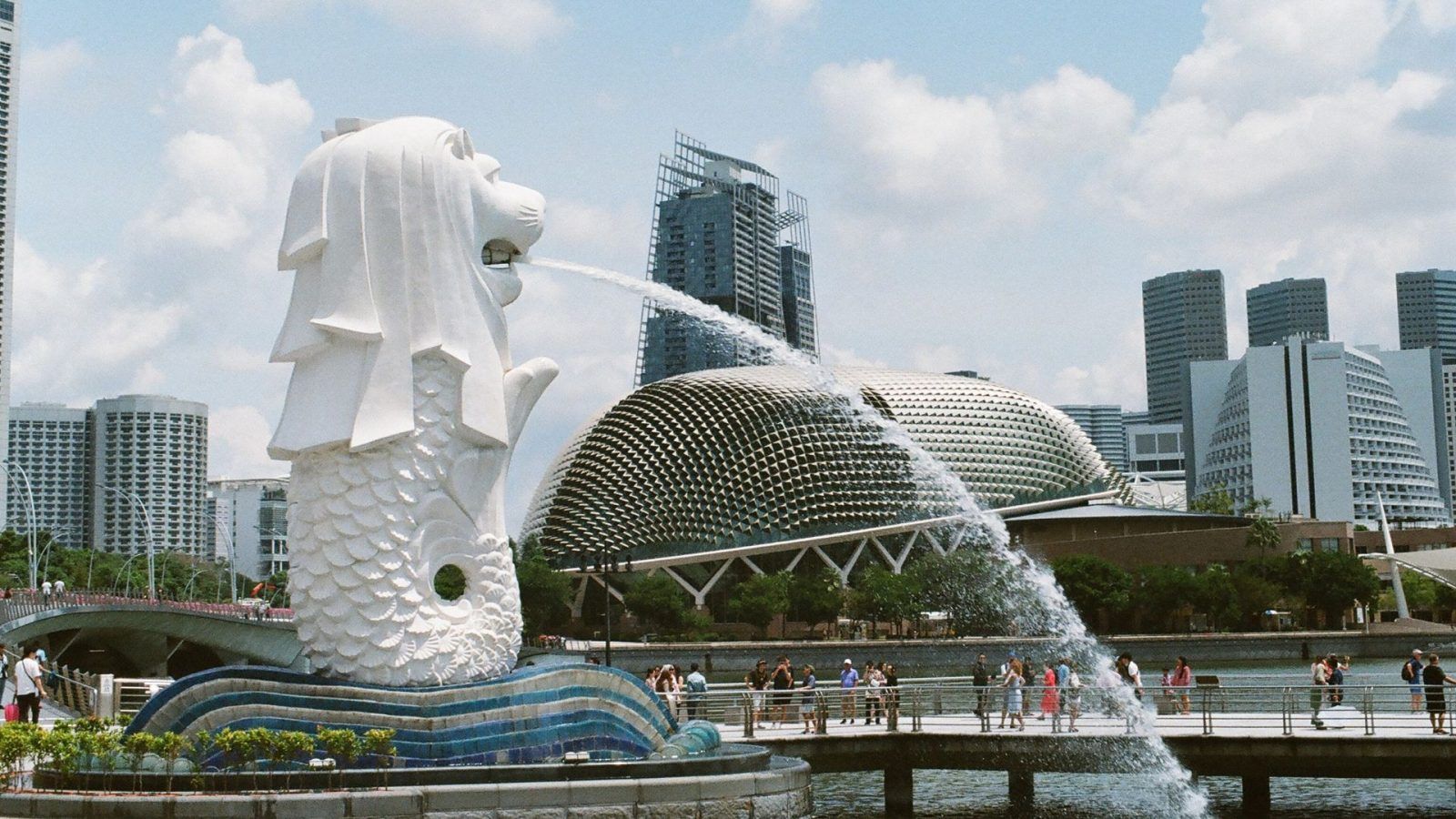
For the ninth time in eleven years, Singapore has made its way to the top of the global cost-of-living charts, sharing the crown with Zurich in Switzerland in 2023 and overtaking New York in the US, which fell to third place this year. This was reported based on the Economist Intelligence Unity’s (EIU’s) twice-yearly Worldwide Cost of Living survey. The survey was conducted from August 14 to September 11, 2023, comparing over 400 individual prices across more than 200 products and services in 173 cities.

Zurich moved up from sixth place to join Singapore at the top, bumping New York, which tied with Singapore for first place last year, down to third place. Zurich, which is back at the top after three years, moved up due to the strength of the Swiss franc as well as high prices for groceries, household goods and recreation. Overall, the top ten this year consist of two Asian cities—Singapore and Hong Kong; four European cities—Zurich, Geneva, Paris and Copenhagen; three US cities—New York, Los Angeles and San Francisco; and Tel Aviv in Israel. This survey was conducted before the start of the Israel-Hamas war, which has affected the exchange rates in Israel and may have made it harder to procure some goods in Tel Aviv, thereby affecting prices.

At the heart of this unwanted fame lies the global inflationary wave. The pandemic and subsequent supply chain disruptions have wreaked havoc on economies worldwide, and Singapore, despite its robust financial system, couldn’t escape the ripple effects. Grocery prices, a crucial indicator of everyday affordability, have seen a 7.4% increase for over 200 commonly used goods and services, with everyday essentials like cooking oil and meat bearing the brunt of the impact. Transportation, another significant contributor to the high cost of living, saw even steeper increases, particularly in car ownership due to strict government control on car numbers. This marks a decline from the record 8.1% increase reported last year, but price growth remains significantly higher than the trend in 2017–21. Although this year’s survey covers 173 of the world’s major cities, the global average has been calculated by excluding Kyiv (which was not surveyed in 2022) and Caracas (which continues to face hyperinflation), as was the case last year.

But inflation isn’t the sole culprit. The strength of the Singapore Dollar further inflates the cost of living for foreigners and tourists. This currency appreciation, driven by positive economic growth and foreign investment, makes imports pricier, impacting everything from consumer goods to restaurant bills. Singapore has the world’s highest transport prices, owing to strict government controls on car numbers. It is also amongst the most expensive for clothing, groceries and alcohol.

Globally, utility prices that included household energy and water bills, witnessed the slowest inflation of the ten categories covered in the survey. This was the fastest-rising category in 2022 and the moderation suggests an easing of the energy price shocks caused by Russia’s invasion of Ukraine. Grocery, on the other hand, saw the fastest pace of price growth. Food inflation has been sticky across the world as many manufacturers and retailers have passed on higher costs to consumers and the increasing frequency of extreme weather events continues to keep supply-side risks elevated.

Among the biggest decliners in the EIU list were Chinese and Japanese cities that were dragged down by the weakening Chinese yuan and Japanese yen. Chinese cities Nanjing, Wuxi, Dalian and Beijing all dropped more than 25 spots, while Tokyo and Osaka in Japan plummeted 23 and 27 spots, respectively.

However, it’s crucial to recognise that while Singapore’s price tag might induce sticker shock, it comes with a flip side: a high standard of living. The city-state boasts world-class infrastructure, a top-notch public healthcare system, and a safe and secure environment. Educational institutions consistently rank among the best, and career opportunities abound, particularly in finance, technology, and logistics. For high-income earners and global corporations, Singapore’s exorbitant costs are offset by its efficiency, security, and unparalleled quality of life.

So, what do you think? Is Singapore’s tag of being the most expensive city to live in correct? Let me know in the comments below.