World Food Day

World Food Day is observed annually on October 16th to commemorate the founding of the Food and Agriculture Organisation (FAO) of the United Nations in 1945. This day serves as a platform to raise awareness about global hunger, food security, and the importance of sustainable agriculture. 

World Food Day was established by the FAO’s Member Countries during the Organisation’s 20th General Conference in November 1979. The Hungarian delegation, led by Dr. Pál Romány, proposed the idea of celebrating World Food Day to raise awareness about hunger and food security issues globally. The day was officially recognised and celebrated for the first time on October 16, 1981.

The establishment of World Food Day came at a time when the world was facing significant challenges related to hunger and malnutrition. The post-World War II era saw a growing recognition of the need for coordinated efforts to address food insecurity and improve agricultural practices. The FAO was created to lead these efforts, focusing on eradicating hunger and promoting sustainable agriculture.

The significance of food security is also intertwined with the Universal Declaration of Human Rights, adopted by the United Nations in 1948. Article 25 states that everyone has the right to a standard of living adequate for health and well-being, including food, clothing, housing, and medical care. This declaration underscores the importance of ensuring all individuals have access to sufficient and nutritious food.

World Food Day serves several important purposes. The day helps educate the public about the global hunger crisis and the importance of food security and highlights the challenges faced by millions of people who don’t have access to sufficient food. World Food Day encourages individuals, communities, and governments to take action to combat hunger and malnutrition. It serves as a call to mobilise resources and support initiatives at improve food security. The day recognises the progress in addressing hunger and promoting sustainable agricultural practices. It celebrates the efforts of organisations, governments, and individuals working to improve food security. World Food Day fosters collaboration among various stakeholders, including governments, NGOs, businesses, and communities, to address the complex challenges of food security. The day provides a platform for advocating for policies that support sustainable agriculture, food security, and the rights of marginalised communities.

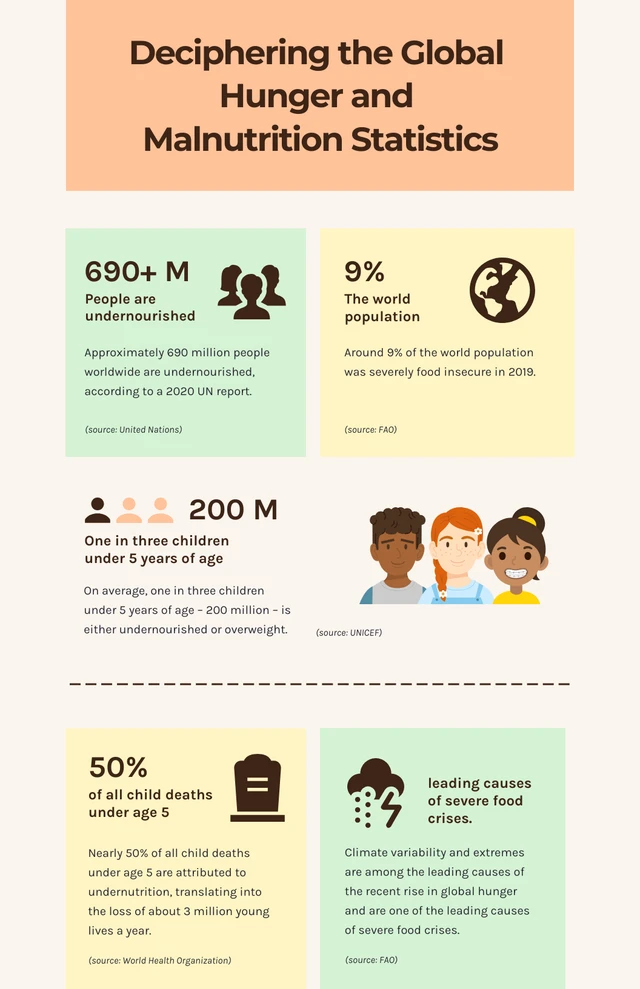
The theme for World Food Day 2024 is “Right to foods for a better life and a better future.” The world’s farmers produce enough food to feed more than the global population yet, hunger persists. Up to 783 million people face hunger due to conflict, repeated weather shocks and economic downturns. This impacts the poor and vulnerable most severely, many of whom are agricultural households, reflecting widening inequalities across and within countries.

Food is the third most basic human need after air and water – everyone should have the right to adequate food. Human rights such as the right to food, life and liberty, work and education are recognised by the Universal Declaration of Human Rights and two legally binding international covenants. emphasises the critical role of agriculture and food systems in addressing global hunger and ensuring that everyone has access to sufficient and nutritious food.

‘Foods’ stands for diversity, nutrition, affordability, accessibility and safety. A greater diversity of nutritious foods should be available in our fields, fishing nets, markets, and on our tables, for the benefit of all. Over 2.8 billion people in the world are unable to afford a healthy diet. Unhealthy diets are the leading cause of all forms of malnutrition – undernutrition, micronutrient deficiencies and obesity, which now exist in most countries, cutting across socio-economic classes. Yet today, too many people suffer from hunger and are unable to afford healthy diets. More vulnerable people are often forced to rely on staple foods or less expensive foods that can be unhealthy, while others suffer from the unavailability of fresh or varied foods, lack the information they need to choose a healthy diet, or simply opt for convenience.
Hunger and malnutrition are further exacerbated by protracted or prolonged crises that are driven by a combination of conflict, extreme weather events and economic shocks. Agrifood systems, as a whole, are vulnerable to disasters and crises, particularly the impacts of climate change, but at the same time, they are generating pollution, degrading soil, water and air, contributing to greenhouse gas emissions, and causing biodiversity loss. By transforming agrifood systems, there is great potential to mitigate climate change and support peaceful, resilient and causing inclusive livelihoods for all.

Despite progress in addressing hunger, significant challenges remain. According to the FAO, nearly 690 million people were undernourished in 2020, and millions suffer from micronutrient deficiencies. The COVID-19 pandemic has exacerbated food insecurity, pushing more people into hunger. Climate change poses a significant threat to food security, impacting agricultural productivity and increasing the frequency of extreme weather events. Farmers are facing challenges such as droughts, floods, and changing growing seasons.

Armed conflicts and political instability disrupt food production and distribution, leading to increased hunger. Displaced populations often lack access to food and essential services. Economic disparities and poverty limit access to food for many individuals and families. Addressing the root causes of poverty is essential for improving food security. Approximately one-third of all food produced globally is wasted, contributing to hunger and environmental degradation. Reducing food waste is crucial for improving food security.
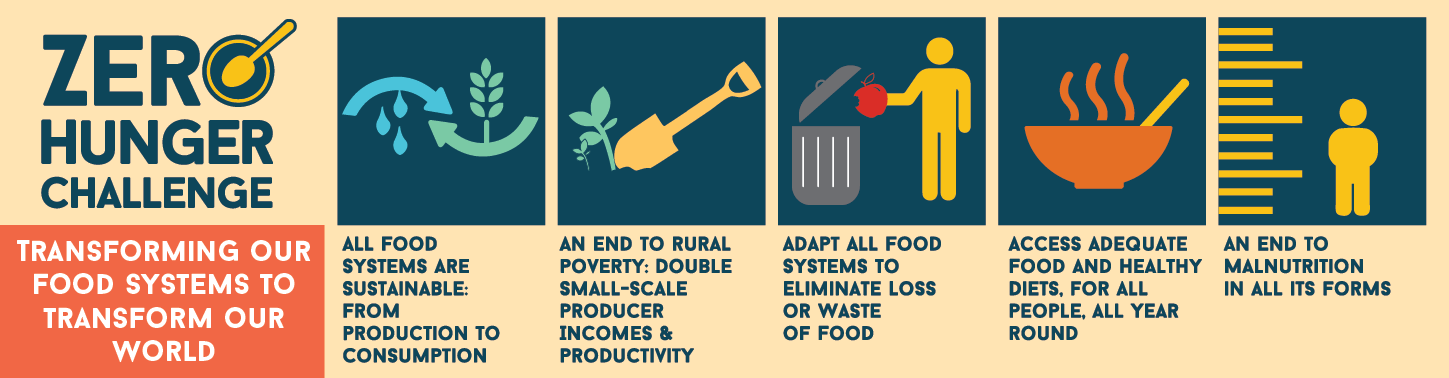
World Food Day is celebrated in over 150 countries, with various events and activities aimed at raising awareness and promoting action. The FAO plays a crucial role in addressing global food security challenges. Established in 1945, the organization works to eliminate hunger, improve nutrition, and promote sustainable agriculture. Launched by the UN Secretary-General, the Zero Hunger Challenge calls for a world where no one suffers from hunger. It aims to promote sustainable food systems and eliminate food waste. The Scaling Up Nutrition or SUN movement brings together governments, civil society, and the private sector to improve nutrition and address malnutrition in all its forms. The Global Agriculture and Food Security Program or GAFSP initiative provides funding to support agricultural investments in developing countries, aiming to improve food security and reduce poverty. The International Fund for Agricultural Development, IFAD focuses on rural development and poverty reduction by supporting smallholder farmers and promoting sustainable agricultural practices.

Innovations in agriculture and food systems are essential for addressing the challenges of food security. Key areas of innovation include agroecology, which promotes sustainable farming practices that enhance biodiversity, improve soil health, and increase resilience to climate change. Precision agriculture uses technology, such as drones and sensors, that allows farmers to optimise resource use, reduce waste, and improve crop yields. Vertical farming is an innovative farming method that involves growing crops in stacked layers, often in urban environments, maximising space and minimising resource use. The development of plant-based and lab-grown proteins provides sustainable alternatives to traditional livestock farming, reducing environmental impact. Innovations in food preservation, packaging, and distribution can help reduce food waste and improve food security.

Education and awareness are critical for promoting food security and sustainable agriculture. Integrating food education and nutrition programs into school curricula can help children develop healthy eating habits and understand the importance of sustainable food systems. Organising workshops and training sessions for farmers and community members can promote sustainable agricultural practices and improve food production. Launching campaigns to raise awareness about food security issues, healthy eating, and sustainable practices can engage the public and promote action. Partnering with media outlets to share stories and information about food security challenges can help raise awareness and inspire action. Involving young people in food security initiatives and encouraging their participation in advocacy efforts can help create a new generation of advocates for sustainable agriculture.

World Food Day serves as a vital reminder of the ongoing challenges related to hunger and food security. It is essential to recognise the critical role that sustainable agriculture plays in addressing these challenges. Through collective action, innovative practices, and a commitment to promoting food security for all, one can work towards a world where everyone has access to sufficient, nutritious food. World Food Day provides an opportunity for individuals, communities, and organisations to come together, raise awareness, and take meaningful action to combat hunger and promote sustainable agriculture. Food is not just a basic human right; it is also a vital component of health, well-being, and social stability. By prioritising food security and sustainable agricultural practices, a more equitable and sustainable future for all can be created.
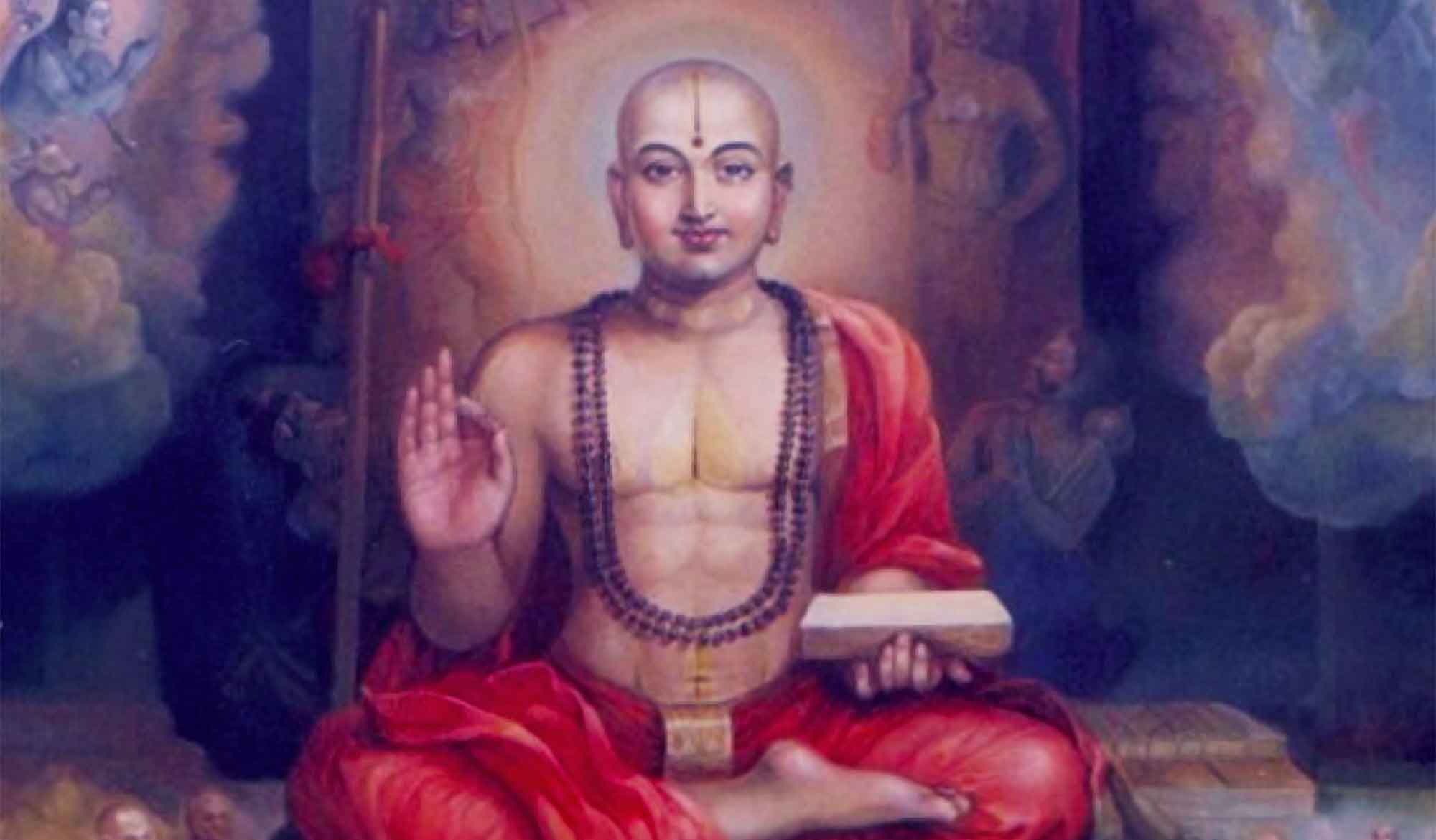
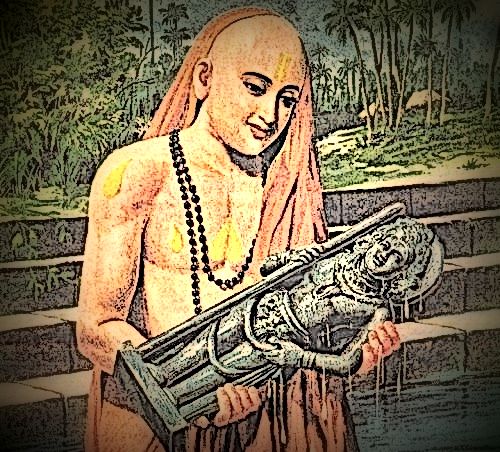
Festivals of India: Madhvacharya Jayanti

Commemorating the birth anniversary of Sri Madhvacharya, one of India’s most influential philosophers and theologians, Madhvacharya Jayanti typically falls in September or October according to the Gregorian calendar, marks the birth of a man who profoundly impacted Hindu philosophy and continues to inspire millions of followers worldwide.

Sri Madhvacharya, also known simply as Madhva, was born in 1238 in Pajaka, a small village near Udupi in the present-day state of Karnataka. He is renowned as the founder of the Dvaita or dualism school of Vedanta philosophy, which he called Tattvavada, meaning “arguments from a realist viewpoint”. 

Madhvacharya’s life was marked by extraordinary events from the very beginning. According to hagiographies, his birth was accompanied by divine signs and miracles. His parents, Madhyageha Bhatta and Vedavati had long yearned for a child and considered his birth a blessing from Lord Vishnu. Even as a young boy, Madhvacharya displayed remarkable intelligence and spiritual inclination. At the tender age of five, he received spiritual initiation, and by twelve, he had already accepted sannyasa, the most renounced order of spiritual life. This early renunciation set the stage for his lifelong dedication to spiritual pursuits and philosophical inquiry.

Madhvacharya’s contributions to Indian philosophy and theology are vast and enduring. His accomplishments can be broadly categorized into philosophical, literary, and social reforms.

Madhvacharya’s most significant contribution was the formulation and propagation of the Dvaita or dualism school of Vedanta. This philosophy stands in contrast to the Advaita or non-dualism philosophy of Adi Shankara and the Vishishtadvaita or qualified non-dualism of Ramanuja. The Dvaita philosophy asserts that there are fundamental differences between the individual soul or jiva, matter or prakriti, and God or Ishvara.

Madhvacharya propounded the concept of five-fold differences or pancha bheda. The pancha bheda is was the difference between God and the individual soul; the difference between God and matter; the difference between individual souls; the difference between soul and matter; and the difference between various forms of matter.

Madhvacharya identified Vishnu as the Supreme Being, equating Him with Brahman as described in the Upanishads. Unlike some other Indian philosophical schools that viewed the world as an illusion, Madhvacharya asserted that the world is real and not merely an illusion or maya. Controversially, Madhvacharya proposed that some souls are eternally destined for hell, a concept not commonly found in Hindu philosophy.

Madhvacharya was a prolific writer, authoring numerous works that expounded his philosophy and interpreted sacred texts. His literary output is impressive, with thirty-seven works attributed to him. Some of his most important works include commentaries on the thirteen principal Upanishads, offering his unique interpretations of these ancient texts. His commentary on the Brahma Sutras, the foundational text of Vedanta philosophy, is considered one of his most important works. Madhvacharya’s commentary on the Bhagavad Gita provides insights into his understanding of karma yoga and bhakti yoga and the Mahabharata Tatparya Nirnaya presents his interpretation of the Mahabharata, emphasising its spiritual and philosophical aspects. The Bhagavata Tatparya Nirnaya is a commentary on the Bhagavata Purana, this work elucidates Madhvacharya’s views on devotion to Vishnu while the Anu-Vyakhyana, considered his masterpiece, is a supplement to his commentary on the Brahma Sutras.

Madhvacharya was not just a philosopher but also a social reformer. He challenged prevailing social norms and worked towards making spiritual knowledge accessible to all. Madhvacharya declared that the path to salvation was open to all, regardless of caste or birth. This was a revolutionary idea in medieval India, where spiritual knowledge was often restricted to upper castes. He established the Ashta Mathas or Eight Monasteries in Udupi, which became centres of learning and spiritual practice. Madhvacharya emphasized bhakti or devotion as a means of spiritual realisation, making spirituality more accessible to the common people.

The life of Madhvacharya is replete with stories of miraculous events and divine interventions. While these stories may be viewed as hagiographical embellishments, they form an integral part of the tradition and reflect the reverence in which Madhvacharya is held by his followers.

According to tradition, Madhvacharya’s birth was not ordinary. It is said that his parents had been childless for many years and prayed fervently to Lord Ananteshwara, a form of Lord Vishnu for a son. Their prayers were answered, and Madhvacharya was born as an incarnation of Vayu, the wind god.

Several miraculous events are associated with Madhvacharya’s childhood. It is said that Madhvacharya’s father had accumulated many debts. To help repay these, young Madhva miraculously converted tamarind seeds into gold coins. Near Madhvacharya’s house lived a demon named Maniman in the form of a snake. The young Madhva is said to have killed this demon with the big toe of his left foot. Stories tell of Madhvacharya’s ability to appear instantly before his mother whenever she felt anxious, jumping from wherever he was playing. As a child, Madhvacharya is said to have consumed 4,000 bananas and thirty large pots of milk in one sitting, demonstrating his divine nature.

Madhvacharya is believed by his followers to be the third incarnation of Vayu, the wind god. According to this belief, the first incarnation was Lord Hanuman, the devoted servant of Lord Rama, the second was Bhima, one of the Pandava brothers in the Mahabharata while Madhvacharya was the third and final incarnation. This belief in Madhvacharya’s divine origin adds to his authority as a spiritual leader and philosopher in the eyes of his followers.

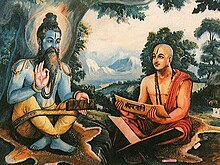
One of the most significant mythological stories associated with Madhvacharya is his supposed encounter with Vyasa, the legendary author of the Vedas and Puranas. According to tradition, Madhvacharya travelled to Badrikashrama in the Himalayas, where he met Vyasa in person. This meeting is said to have lasted for several days, during which Vyasa imparted advanced spiritual knowledge to Madhvacharya and confirmed the correctness of his philosophy.

Madhvacharya Jayanti is celebrated with great devotion and enthusiasm, particularly in South India where his influence is strongest. The festival typically falls on the Vijaya Dashami day in the month of Ashwin, typically between September and October according to the Gregorian calendar.

Madhvacharya Jayanti serves multiple purposes. It’s a day to remember and honour the life and teachings of Madhvacharya. For followers of the Dvaita philosophy, it’s a time for spiritual introspection and renewal of their commitment to Madhvacharya’s teachings. The festival provides an occasion to educate people, especially the younger generation, about Madhvacharya’s philosophy and contributions to Indian thought. It brings together the community of Madhvacharya’s followers, strengthening their bonds and shared spiritual heritage.

The celebration of Madhvacharya Jayanti involves various rituals and activities. Temples dedicated to Madhvacharya or those belonging to the Dvaita tradition conduct special pujas or worship ceremonies on this day. Devotees often engage in the recitation of Madhvacharya’s works or texts that he commented upon, such as the Bhagavad Gita. Scholars and spiritual leaders give discourses on Madhvacharya’s philosophy and its relevance in contemporary times. Many communities organise cultural programs featuring devotional music and dance performances. Following Madhvacharya’s teachings on social reform, many followers engage in charitable activities on this day. Some devotees observe a fast on this day as a form of spiritual discipline and many try to visit Udupi, the centre of Madhvacharya’s activities, or other places associated with his life.

Madhvacharya’s influence extends far beyond his immediate followers. His ideas have had a lasting impact on Indian philosophy and spirituality. Madhvacharya’s philosophy significantly influenced later Vaishnava thinkers. The founder of Gaudiya Vaishnavism, Chaitanya Mahaprabhu, and his followers thoroughly studied Madhvacharya’s works before developing their philosophy. The prominent Gaudiya Vaishnava theologian, Jiva Goswami, drew heavily from Madhvacharya’s writings in composing his works. 

Madhvacharya’s emphasis on devotion or bhakti as a means of spiritual realisation contributed to the broader Bhakti movement in India. His teachings helped make devotional practices more accessible to common people, regardless of their caste or social status. Madhvacharya established a strong tradition of disciplic succession. Notable scholars in this lineage include Jayatirtha, Vyasatirtha, and Raghavendra Tirtha, who further developed and propagated Dvaita philosophy.

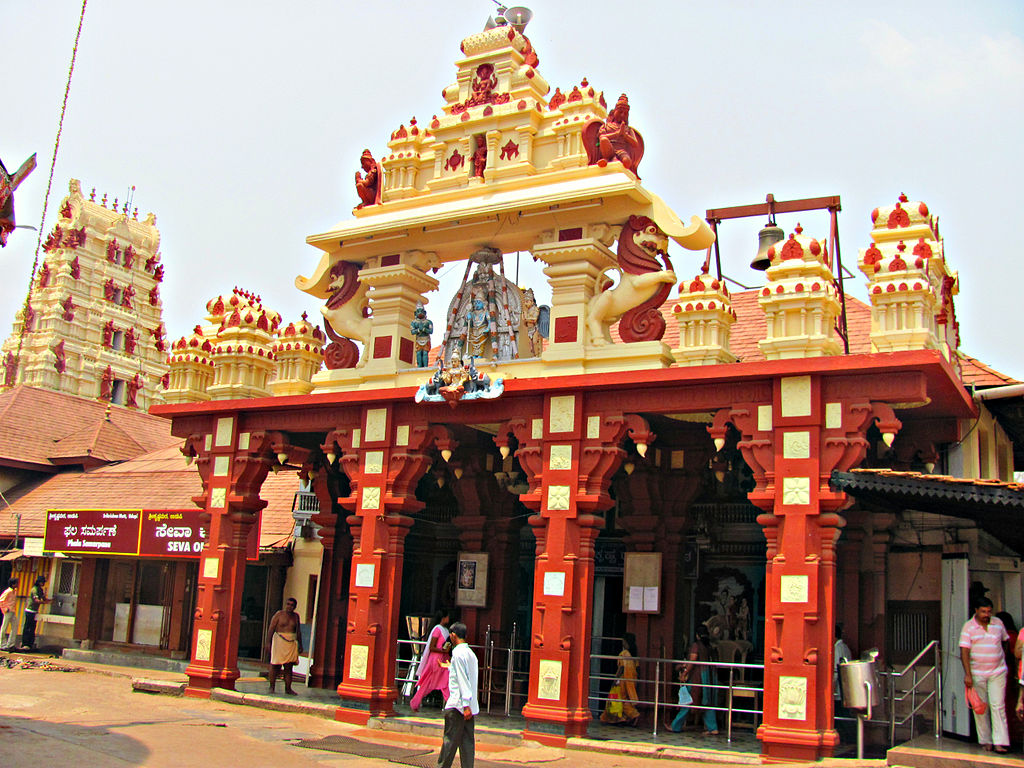
The eight mathas or monasteries established by Madhvacharya in Udupi continue to be important centres of learning and spiritual practice. The most famous among these is the Udupi Krishna Matha, known for its unique tradition of Krishna worship. 

Madhvacharya identified Vishnu as the Supreme Being, possessing infinite auspicious qualities. He taught that God is independent and self-existent; the world is dependent on God for its existence and functioning; God is the efficient and material cause of the universe; and divine grace is essential for salvation.

Regarding the individual soul or jiva, Madhvacharya taught that souls are eternal and innumerable, each soul is unique and maintains its individuality even after liberation, the soul is inherently dependent on God, and knowledge of one’s true nature as a servant of God is crucial for spiritual progress.

Unlike some Indian philosophical schools that view the world as an illusion, Madhvacharya asserted that the world is real, not illusory, the diversity we see in the world is real and not merely an appearance, and the world is subject to God’s control and exists for His pleasure.

Madhvacharya outlined a clear path to spiritual liberation. These are Knowledge or Jnana which is understanding the nature of God, soul, and the world; devotion or Bhakti which means cultivating loving devotion to Lord Vishnu; detachment or Vairagya by which one develops dispassion towards worldly pleasures, and divine grace because ultimately, liberation depends on God’s grace.

A unique aspect of Madhvacharya’s philosophy is the concept of gradation among souls. He proposed that souls are categorised based on their inherent qualities and potential for liberation and some souls are destined for eternal liberation, some for eternal bondage, and others which will oscillate between the two states. This concept of gradation and eternal damnation for some souls has been one of the more controversial aspects of Madhvacharya’s philosophy.

While Madhvacharya lived and taught in the 13th century, his ideas continue to be relevant in the modern world. His emphasis on the reality of difference resonates with modern ideas of pluralism and diversity. The concept of each soul being unique underscores the importance of individual worth and potential. Madhvacharya’s emphasis on righteous living and devotion provides a framework for ethical behavior in daily life. His approach to critically examining existing philosophies encourages intellectual inquiry and debate. The view of the world as real and valuable can foster a sense of responsibility towards the environment. 

Like any philosophical system, Madhvacharya’s Dvaita has faced challenges and criticisms. The idea that some souls are eternally condemned has been difficult for many to accept. Critics argue that Madhvacharya’s conception of God is too anthropomorphic. Some scholars have questioned Madhvacharya’s interpretations of Vedic texts, arguing that they are sometimes forced to fit his philosophical framework. Critics have pointed out perceived logical inconsistencies in some aspects of Dvaita philosophy. Despite these challenges, Madhvacharya’s philosophy continues to thrive and evolve, with modern scholars offering new interpretations and defences of his ideas.

While Madhvacharya Jayanti is primarily celebrated in India, particularly in the southern states, it has gained recognition globally due to the spread of Hinduism and the growing interest in Indian philosophy. The epicentre of Madhvacharya Jayanti celebrations is Udupi, Karnataka, where Madhvacharya established his primary matha. The Krishna Temple here becomes a focal point of festivities. Throughout Karnataka, especially in coastal regions, temples and mathas organise special pujas, discourses, and cultural programs. Tamil Nadu, Andhra Pradesh, and Kerala also see significant celebrations, particularly in areas with a strong Madhva following. While celebrations are less prominent in North India, some Vaishnava communities do observe the day with devotional activities.

Madhvacharya Jayanti is more than just a birthday celebration; it’s a testament to the enduring impact of a philosopher who lived over 700 years ago. Madhvacharya’s life, teachings, and legacy continue to inspire millions, offering a unique perspective on the nature of reality, the divine, and the human condition. His emphasis on the reality of difference, the supremacy of Vishnu, and the path of devotion has left an indelible mark on Hindu philosophy and practice. The annual celebration of Madhvacharya Jayanti serves as a reminder of his contributions and an opportunity for spiritual renewal for his followers.

We’re reminded of the rich philosophical traditions of India and their continued relevance in our modern world. Whether one agrees with all aspects of his philosophy or not, there’s no denying the profound impact Madhvacharya has had on Indian thought and spirituality. 

Festivals of India: Sindoor Khela

Source

Sindoor Khela, also known as Sindur Khela or Vermilion Play, is a vibrant and joyous Bengali Hindu tradition that takes place on the final day of Durga Puja, known as Vijayadashami. This colourful ritual is primarily celebrated by married women and is a beautiful expression of feminine energy, marital bliss, and sisterhood. As the grand festivities of Durga Puja come to a close, Sindoor Khela serves as a fitting finale, filled with laughter, camaraderie, and the vibrant red hue of sindoor or vermilion powder.

The exact origins of Sindoor Khela are not precisely documented, but the tradition is believed to have evolved over centuries as part of the broader Durga Puja celebrations in Bengal. Durga Puja itself has a rich history dating back to the late 16th and early 17th centuries, gaining prominence during the Bengal Renaissance of the 18th and 19th centuries.

Sindoor Khela likely emerged as a way for women to come together and celebrate their marital status, fertility, and the divine feminine energy embodied by Goddess Durga. The use of sindoor in Hindu traditions has ancient roots, with references in texts dating back to the Vedic period, around 1500–500 BCE.

In Bengali culture, sindoor holds great significance for married women. It is applied along the parting of their hair, known as sindoor daan, as a visible symbol of their married status. The red color of sindoor is associated with the strength and power of Shakti, the primordial cosmic energy represented by the divine feminine.

The tradition of Sindoor Khela may have originated as a way for women to reaffirm their marital bonds and seek the blessings of Goddess Durga for a long and prosperous married life. Over time, it evolved into a more inclusive celebration, embracing the spirit of sisterhood and female empowerment.

While there isn’t a specific mythological story directly tied to the origin of Sindoor Khela, several legends and beliefs associated with sindoor and Goddess Durga provide context for the ritual’s significance. According to Hindu mythology, Durga Puja celebrates the annual visit of Goddess Durga to her maternal home on Earth. On Vijayadashami, she prepares to return to her abode in Mount Kailash, where her husband Lord Shiva resides. Sindoor Khela is seen as a way for mortal women to bid farewell to the Goddess and seek her blessings before she departs.

In one version of the Sati legend, when Lord Shiva carried the lifeless body of his wife Sati after she immolated herself, parts of her body fell at different locations, creating Shakti Peethas. It is said that at the Kalighat temple in Kolkata, Sati’s right toe fell, and the sindoor from her forehead touched the ground. This story connects the use of sindoor to the divine feminine energy of Shakti. Some folklore suggests that Lord Krishna applied sindoor on Radha’s forehead as a symbol of their eternal love. This tale emphasises the romantic and devotional aspects associated with sindoor. In Hindu tradition, sindoor is considered a symbol of saubhagya or marital bliss and good fortune. It is believed that applying sindoor invokes the blessings of the divine for a long and happy married life.

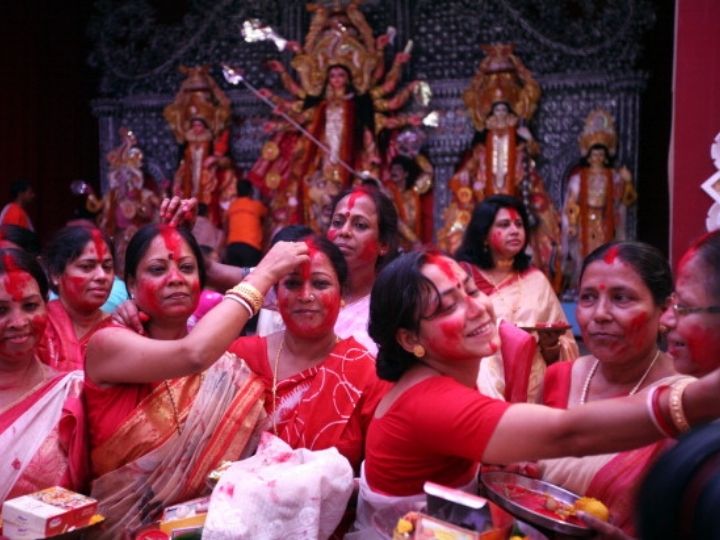
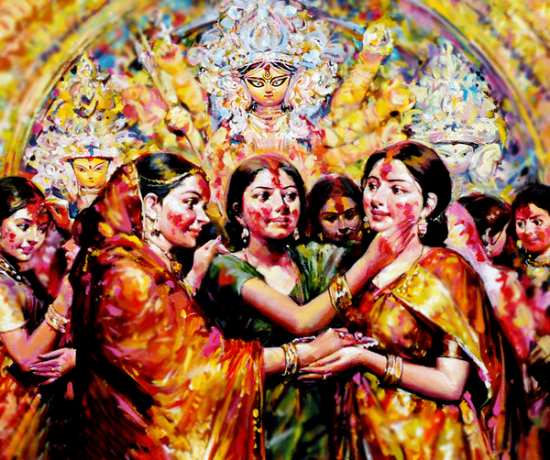
Sindoor Khela typically takes place on the afternoon of Vijayadashami, after the formal rituals of Durga Puja have concluded. The celebration unfolds in several stages – married women gather at the Durga Puja pandal, a temporary structure housing the Durga idol dressed in traditional Bengali attire, usually white sarees with red borders. The women first offer prayers to Goddess Durga, seeking her blessings and expressing gratitude for the festivities. As part of the ritual, women apply sindoor to the feet and forehead of the Durga idol, symbolically preparing her for her journey back to Mount Kailash. The main event begins as women start applying sindoor to each other’s foreheads and along the parting of their hair. This is done with great enthusiasm, often resulting in faces, necks, and parts of the saree being covered in the red powder. Women exchange sweets and bless each other, wishing for happiness, prosperity, and longevity in their married lives. The ritual often culminates in dancing and singing, with women forming circles and enjoying the festive atmosphere. While traditionally limited to married women, in many communities, Sindoor Khela has become more inclusive, allowing widows, divorced women, and even unmarried women to participate in the spirit of sisterhood and celebration.

Sindoor Khela holds deep significance in Bengali culture and Hindu traditions. The ritual celebrates the power and beauty of womanhood, emphasising the strength and grace embodied by Goddess Durga. For married women, it’s a way to reaffirm their marital status and seek blessings for a happy married life. The communal nature of the celebration fosters a sense of sisterhood and unity among women. The red colour of sindoor is associated with fertility and prosperity, symbolizing the life-giving power of women. During Sindoor Khela, social barriers often dissolve as women from different backgrounds come together in celebration. The ritual is an important marker of Bengali cultural identity, preserving traditions and passing them on to future generations. For many women, Sindoor Khela provides a rare opportunity for uninhibited joy and expression, offering emotional release and bonding.

While Sindoor Khela is primarily associated with Bengali Hindu culture, similar traditions can be found in other parts of India, albeit with regional variations. In Odisha, a similar ritual called “Aparajita” is performed during Kumar Purnima, where women play with powdered rice and flowers. During Gudi Padwa celebrations, Maharashtrian women participate in “Haldi Kumkum,” exchanging turmeric and vermilion as symbols of auspiciousness. In some North Indian communities, women exchange sindoor during Karva Chauth festivities.

As society evolves, so does the celebration of Sindoor Khela. Many communities now welcome women of all marital statuses to participate, promoting a more inclusive celebration of womanhood. With growing environmental awareness, some groups are opting for eco-friendly, organic sindoor or even using flower petals as a colorful alternative. Bengali communities worldwide now celebrate Sindoor Khela, adapting the tradition to local contexts while preserving its essence. The vibrant visuals of Sindoor Khela have made it popular on social media platforms, increasing awareness and appreciation of the tradition globally. Contemporary artists and photographers often capture the essence of Sindoor Khela, creating powerful imagery that celebrates feminine energy and cultural heritage.

While Sindoor Khela is largely celebrated as a joyous tradition, it has faced some criticism and controversy in recent years. The traditional focus on married women has been criticized for excluding other women, though many communities are now becoming more inclusive. Some argue that the emphasis on marital status perpetuates patriarchal norms and reduces women’s identity to their marital roles. The use of synthetic sindoor, which may contain harmful chemicals, has raised health and environmental concerns, prompting a shift towards natural alternatives. Like many traditional festivals, Sindoor Khela has seen increased commercialisation, which some feel dilutes its spiritual and cultural significance. As the tradition gains global attention, there are concerns about potential cultural appropriation and misrepresentation. Despite these critiques, many participants and cultural experts argue that the essence of Sindoor Khela lies in its celebration of feminine energy, community bonding, and cultural heritage, which transcends its association with marital status.

Sindoor Khela stands as a vibrant testament to the enduring power of cultural traditions and their ability to adapt to changing times. This colorful celebration encapsulates the joy, strength, and unity of women, while also serving as a bridge between ancient customs and modern sensibilities. Rooted in the rich tapestry of Bengali Hindu culture, Sindoor Khela has grown from a ritual celebrating marital status to a more inclusive festival of womanhood and sisterhood. Its evolution reflects broader societal changes, demonstrating how traditions can remain relevant by embracing new interpretations while preserving their core essence. 

The festival’s growing popularity and adaptations across different communities highlight its universal appeal. The images of women laughing, dancing, and covered in vibrant red sindoor have become powerful symbols of joy, freedom, and female bonding, transcending cultural and geographical boundaries. As we look to the future, Sindoor Khela has the potential to play an important role in cultural preservation, women’s empowerment, and community building. Ultimately, Sindoor Khela reminds us of the importance of celebrating life, honoring traditions, and coming together in joyous harmony. As it continues to evolve, this beautiful tradition will undoubtedly remain a cherished part of cultural heritage, spreading its message of love, unity, and feminine power for generations to come.

Short Story: Virtually in Love

This story is in the form of emails exchanged by the protagonists. It’s something I have tried for the first time. Let me know how the story progressed and if this is something you enjoyed reading. So happy reading!

Subject: Hey there!

From: Rishi_Swaminathan@nda.edu.in
To: Radhika_Mehta@bits.edu.in
Date: August 15, 2016

Hey Radhika,

Happy Independence Day! I came across your profile on that student forum and couldn’t help but reach out. You seem really interesting, and I think we might have a lot in common. I’m Rishi, by the way, a first-year cadet at the National Defence Academy. It’s my first time away from home, and I’m still getting used to the whole military life thing.

How’s life at BITS Pilani treating you? I hear it’s a pretty intense place for computer engineering. I’ve always been fascinated by technology, but I’m more of a hands-on person. What made you choose that field?

Looking forward to hearing from you!

Best,
Rishi


Subject: Re: Hey there!

From: Radhika_Mehta@bits.edu.in
To: Rishi_Swaminathan@nda.edu.in
Date: August 16, 2016

Hi Rishi,

Thanks for reaching out! It’s great to hear from someone at the NDA. I can only imagine how different life must be there! BITS is definitely challenging, but I love it. I chose computer engineering because I’ve always been fascinated by how things work. Plus, I want to create software that can make a difference in people’s lives.

How are you finding the training at NDA? I’ve heard it’s quite rigorous. Do you get any free time to relax or pursue hobbies?

Can’t wait to hear more about your experiences!

Cheers,
Radhika


Subject: Life at NDA

From: Rishi_Swaminathan@nda.edu.in
To: Radhika_Mehta@bits.edu.in
Date: October 20, 2016

Hey Radhika,

Life at NDA is intense, to say the least! The training is rigorous, and we have a packed schedule. But I’ve managed to squeeze in some time for my hobbies. I love reading and playing sports, especially basketball. It’s a great way to unwind after a long day.

I also enjoy learning about strategy and leadership. It’s fascinating how much planning goes into everything, whether it’s a military operation or a group project.

What about you? What do you do to unwind after classes? Any favourite books or shows?

Looking forward to your reply!

Best,
Rishi


Subject: Re: Life at NDA

From: Radhika_Mehta@bits.edu.in
To: Rishi_Swaminathan@nda.edu.in
Date: December 22, 2016

Hi Rishi,

Sorry for the late reply. I was busy with exams and project submissions! Now I am back home, just chilling and enjoying life.

After a long day of classes, I usually dive into some coding projects or binge-watch a series. Right now, I’m hooked on “Stranger Things.” It’s such a great mix of nostalgia and suspense!

I also love reading fiction, especially sci-fi. It’s amazing how authors envision the future. Do you have any favourite books?

I think it’s cool that you’re into strategy. Have you ever thought about how those skills might apply outside the military?

Can’t wait to hear more!

Cheers,
Radhika


Subject: Books and Strategy

From:Rishi_Swaminathan@nda.edu.in
To: Radhika_Mehta@bits.edu.in
Date: March 25, 2017

Hey Radhika,

I’m just back from a camp. It was so intense. We could practically use all that we learned in school over the last six months. It was so much fun! I can’t wait to graduate and go out into my unit.

I’m a huge fan of fiction too! I recently read “The Alchemist” by Paulo Coelho, and it resonated with me. It’s all about following your dreams and listening to your heart. I think those themes are universal, whether in the military or life.

As for strategy, I believe it’s essential in any field. Whether you’re leading a team in a project or navigating personal challenges, having a plan can make all the difference. I’m sure you’ll find that in your engineering projects too!

What’s your dream job after graduation? I’m curious to know what you envision for your future.

Best,
Rishi


Subject: Future Aspirations

From: Radhika_Mehta@bits.edu.in
To: Rishi_Swaminathan@nda.edu.in
Date: August 30, 2017

Hi Rishi,

Second year is so hard! It takes everything inside of me to just keep up! How do others do it. How are you doing?

That’s a great question about my future! I’m passionate about using technology for social good. I’d love to work on projects that help improve education or healthcare in underserved communities. There’s so much potential for tech to make a difference, and I want to be part of that change.

What about you? What are your aspirations after NDA? I imagine you have some exciting plans ahead!

Looking forward to hearing from you!

Cheers,
Radhika


Subject: Aspirations and Dreams

From: Rishi_Swaminathan@nda.edu.in
To: Radhika_Mehta@bits.edu.in
Date: December 5, 2017

Hey Radhika,

I admire your passion for using technology to make a difference. It’s inspiring to see someone so dedicated to creating positive change. As for me, I’m aiming to become an officer in the Indian Armed Forces. I want to serve my country and lead a team, making strategic decisions that can impact lives.

I think we both have a desire to contribute to society in our own ways. It’s pretty cool how our paths are different, yet we share similar values.

Let’s keep this conversation going. I really enjoy our exchanges!

Best,
Rishi


Subject: Re: Aspirations and Dreams

From: Radhika_Mehta@bits.edu.in
To: Rishi_Swaminathan@nda.edu.in
Date: April 10, 2018

Hi Rishi,

I love how our conversations flow! It’s refreshing to talk to someone who understands the importance of making a difference. I’m excited to see where our paths take us.

I’m almost done with my second year at BITS and am halfway through my course. You must be almost done right?

By the way, I’ve been thinking about how we can support each other through this journey. Maybe we can share resources or tips related to our fields? I’d love to hear about your experiences at NDA and share some of my projects too.

Looking forward to your thoughts!

Cheers,
Radhika


Subject: Supporting Each Other

From: Rishi_Swaminathan@nda.edu.in
To: Radhika_Mehta@bits.edu.in
Date: July 15, 2018

Hey Radhika,

Yup! Third year just started a week back and I got back to the academy after a good trip home.
That sounds like a fantastic idea! I’d love to share insights from my training, and I’m eager to learn more about your projects at BITS. We can create a little knowledge exchange!

I think it’s great that we have this connection. It’s nice to have someone who understands the challenges we face while pursuing our dreams.

Let’s make this a regular thing! I can’t wait to hear more about your projects.

Best,
Rishi


Subject: A New Chapter

From: Radhika_Mehta@bits.edu.in
To: Rishi_Swaminathan@nda.edu.in
Date: October 1, 2018

Hi Rishi,

I’m so glad we decided to connect like this! I’ve been working on a project for my software engineering class that focuses on developing an app for mental health support. I’d love to get your feedback on it once it’s ready!

How’s everything going at NDA? Any exciting training exercises or experiences you’d like to share?

Looking forward to hearing from you!

Cheers,
Radhika


Subject: Project Update

From: Rishi_Swaminathan@nda.edu.in
To: Radhika_Mehta@bits.edu.in
Date: November 5, 2018

Hey Radhika,

Your project sounds amazing! Mental health is such an important topic, and I’m glad you’re working on something that can help people. I’d be more than happy to provide feedback once you have a prototype.

Things at NDA are going well. We recently had a field training exercise that was both challenging and rewarding. It’s incredible how teamwork plays a crucial role in everything we do. I’ll share more details in my next email.

Can’t wait to see your app!

Best,
Rishi


Subject: Growing Together

From: Radhika_Mehta@bits.edu.in
To: Rishi_Swaminathan@nda.edu.in
Date: February 15, 2019

Hi Rishi,

I appreciate your support! I’m working hard on the app and hope to have a prototype ready soon. I’ll definitely send it your way!

It’s inspiring to hear about your experiences at NDA. I can only imagine how much you’ve grown since you started. I feel the same way about my journey at BITS. Every challenge pushes me to become better.

Let’s keep pushing each other to grow!

Cheers,
Radhika


Subject: Graduation

From: Rishi_Swaminathan@nda.edu.in
To: Radhika_Mehta@bits.edu.in
Date: May 20, 2019

Hey Radhika,

I have some exciting news! I graduated from NDA last week and was commissioned as a lieutenant. It feels surreal to finally achieve this milestone after three years of hard work.

I’m getting ready for my first posting, and I can’t wait to see where this journey takes me. How’s everything going with you? Any updates from BITS?

Best,
Rishi


Subject: Re: Graduation from NDA

From: Radhika_Mehta@bits.edu.in
To: Rishi_Swaminathan@nda.edu.in
Date: August 1, 2019

Hi Rishi,

Congratulations! That’s an amazing achievement, and I’m so proud of you. It must feel incredible to be a lieutenant now.

I’m in my final year now and am super busy with final year projects and also getting my portfolio ready for campus placements. Super excited to see where I end up in.

Let’s keep supporting each other as we navigate these new chapters in our lives.

Cheers,
Radhika


Subject: First Posting

From: Rishi_Swaminathan@gmail.com
To: Radhika_Mehta@bits.edu.in
Date: April 20, 2020

Hey Radhika,

I’ve been posted to a border area, and it’s quite different from NDA. The training is even more intense, and I’m learning a lot about leadership and teamwork in real-life situations.

I miss our chats, but I’m excited about the challenges ahead. How’s school treating you? Any interesting projects? Did you manage to get a placement?

Best,
Rishi


Subject: Re: First Posting
From: Radhika_Mehta@gmail.com
To: Rishi_Swaminathan@gmail.com
Date: July 25, 2020

Hi Rishi,

It sounds like you’re doing great! I can only imagine how intense it must be at the border. I admire your dedication and commitment to serving our country.

I graduated from BITS last month and joined a tech company in Bangalore. It’s been a whirlwind of learning and adapting to the corporate world. I’m excited about the projects I’ll be working on!

Let’s keep supporting each other as we navigate these new chapters in our lives.

Cheers,
Radhika


Subject: Life Update
From: Rishi_Swaminathan@gmail.com
To: Radhika_Mehta@gmail.com
Date: October 10, 2020

Hey Radhika,

I wanted to let you know that I was involved in a skirmish last week. Thankfully, I’m okay, but I did sustain a minor injury. It’s a reminder of how unpredictable this job can be.

I’m recovering well and will be back on duty soon. Your support means a lot to me during times like these. How’s everything on your end?

Best,
Rishi


Subject: Re: Life Update
From: Radhika_Mehta@gmail.com
To: Rishi_Swaminathan@gmail.com
Date: October 20, 2020

Hi Rishi,
I’m relieved to hear you’re okay! It must have been a terrifying experience. Please take care of yourself and rest as much as you can.

Work has been busy, but I’m enjoying the challenges. I recently got a promotion, which I’m excited about. It feels good to see my hard work paying off!

I’ll give you a call soon. Let’s keep supporting each other through these ups and downs.

Cheers,
Radhika


Subject: Promotion to Major
From: Rishi_Swaminathan@gmail.com
To: Radhika_Mehta@gmail.com
Date: February 10, 2021

Hey Radhika,

I have some news! I was promoted to major after my recovery. It feels great to be recognised for my efforts, especially after everything that’s happened.

I’m now stationed in Delhi, which is a big change from the border. I’m excited about the new opportunities here. How’s everything going with you? Now that I am stationed in a non sensitive area, how about we both meet up for the first time?

Best,
Rishi

Subject: Offsite Opportunity
From: Radhika_Mehta@gmail.com
To: Rishi_Swaminathan@gmail.com
Date: May 15, 2021

Hi Rishi,

Congratulations on your promotion! That’s a huge achievement, and I’m so proud of you. I knew you could do it!

I’ve been working hard at my job, and I’m currently leading a project that focuses on developing software for educational institutions. It’s fulfilling to see our work making a difference.

I also have news for you – as part of my project, I have been deputed to our headquarters in the US for a year. So we will have to move our meeting forward, at least until I am back.

However, let’s continue our video calls, but not stop writing emails to each other. I enjoy reading your emails. Let’s keep pushing each other to grow!

Cheers,
Radhika


Subject: Re: Offsite Opportunity

From: Rishi_Swaminathan@gmail.com
To: Radhika_Mehta@gmail.com
Date: July 5, 2021

Hey Radhika,
That’s fantastic news! I’m proud of you for taking this step. I know it will be a great experience for your career.

As for me, I’m settling into my new role in Delhi. It’s busy, but I’m enjoying the challenges. Let’s make sure to keep our conversations going, no matter the distance!

Best,
Rishi


Subject: Back Home
From: Radhika_Mehta@gmail.com
To: Rishi_Swaminathan@gmail.com
Date: June 30, 2023

Hi Rishi,
My deputation is done and I will finally be back home! It would feel surreal to be home again. I can’t wait to catch up in person after all this time.

I arrive around midnight of July 15 and will be landing in Mumbai to catch up with family for a month before going back to Bangalore. Can we finally meet? I’ll call you once I am back in Indian soil and we can figure out where we can meet – either Delhi or Mumbai.

Looking forward to seeing you!

Cheers,
Radhika


Subject: The Day Has Come
From: Rishi_Swaminathan@gmail.com
To: Radhika_Mehta@gmail.com
Date: July 5, 2023

Hey Radhika,

Welcome back to the motherland! I have a surprise for you when we finally meet.

Best,
Rishi


Subject: Our First Meeting
From: Radhika_Mehta@gmail.com
To: Rishi_Swaminathan@gmail.com
Date: July 10, 2023

Hi Rishi,

I can’t believe you did what you did!

It’s taken me the last four days to process all this – the way you waited at the airport for me to come out, with that huge bouquet of my favourite flowers – red roses and white lilies. And then going down on one knee to propose to me!! That too in front of my parents, your parents and all those onlookers….

I know I don’t say this more – I love you to the moon and back and can’t wait to spend the rest of my life with you…

Love,
Radhika


Subject: A lifetime together
From: Radhika_Mehta@gmail.com
To: Rishi_Swaminathan@gmail.com
Date: December 15, 2023

Hi Rishi,

As I sit here in our hotel room in Manali on our honeymoon, I can’t help but reflect on our journey together. From the first email we exchanged to our wedding day, every moment has been filled with love and growth.

I’m so grateful for the connection we built over the years. It’s incredible to think about how two strangers became partners in life. I can’t wait to see what the future holds for us.

I am going to continue to send you emails, so I can cherish our love and look back on our life together and before we were us.

Here’s to our forever!

Love,
Radhika


Subject: Forever Together
From: Rishi_Swaminathan@gmail.com
To: Radhika_Mehta@gmail.com
Date: December 16, 2023

Radhika my love,

I’m so glad we’re on this journey together. I can’t imagine my life without you. Thank you for being my partner, my love, and my best friend.

Here’s to many more adventures together!

Love you always,
Rishi

And so, Rishi and Radhika embarked on their beautiful journey together, cherishing the love that had blossomed through words and experiences, leading them to a lifetime of happiness.

Common Everyday Superstitions

The other day, when I was getting ready for a meeting, I found myself wearing a dress in the colour green. This is my superstition: I wear something in green when I have something important to do, be it an exam, an interview or a client meeting. This is probably irrational, but something that gives me that little burst of confidence. Other superstitions we follow in my family include not going to take a bath immediately after someone leaves the house, touching a book or any paper with your hands and bringing your hands to your eyes if you accidentally touch it with your feet, and not wearing or using anything new on a Saturday.

Superstitions are an intriguing aspect of human culture, reflecting our desire to find meaning and control in an unpredictable world. They often arise from historical beliefs, cultural traditions, and psychological needs, manifesting in various forms across different societies. 

Superstitions are beliefs or practices that stem from a fear of the unknown or a desire to influence future events. They often involve rituals, charms, or specific behaviors intended to bring good luck or ward off misfortune. While some superstitions may seem irrational, they provide comfort and a sense of control in uncertain situations. 

Psychologically, superstitions can serve as coping mechanisms. During times of stress or anxiety, individuals may turn to superstitious practices to alleviate their fears. Studies have shown that engaging in superstitious behaviour can enhance performance and reduce anxiety, as belief in the efficacy of these rituals can lead to a more positive mindset.

Superstitions vary significantly from one culture to another, yet many share common themes. 

In many Western cultures, Friday the 13th is considered an unlucky day. This superstition is rooted in the belief that both Friday and the number 13 are associated with bad luck. The fear of this day is so widespread that it has its own term: “paraskevidekatriaphobia.” Breaking a mirror is believed to bring seven years of bad luck. This superstition originates from the idea that mirrors reflect not only physical appearances but also the soul. Thus, breaking a mirror is seen as damaging one’s soul. In some cultures, particularly in the United States and parts of Europe, a black cat crossing one’s path is considered a bad omen. This belief likely stems from historical associations between black cats and witchcraft. Walking under a ladder is thought to be rooted in Christian symbolism, where a ladder leaning against a wall forms a triangle, representing the Holy Trinity. Walking under it is believed to break this sacred symbol, leading to misfortune. The saying “Find a penny, pick it up, and all day long you’ll have good luck” reflects the belief that finding money, no matter how small, is a sign of good fortune.

Over in Asia, in China and Japan, sticking chopsticks upright in a bowl of rice is a taboo practice, as it resembles incense sticks used at funerals. This act is believed to invite death and is considered disrespectful. In many East Asian cultures, burning ghost money is a common practice during festivals to honour deceased ancestors. This act is believed to provide comfort and support to the spirits in the afterlife. In countries like Japan and the Philippines, whistling at night is thought to attract evil spirits. This superstition reflects a broader cultural belief in the supernatural and the need to protect oneself from malevolent forces. In Chinese culture, the number four is associated with death, as the word for “four” sounds similar to the word for “death,” or sǐ. As a result, many buildings skip the fourth floor, and people avoid using the number in various contexts. In Vietnam, it is believed that during a thunderstorm, one should hide their belly button to prevent it from being struck by lightning. This superstition showcases the unique ways cultures interpret natural phenomena.

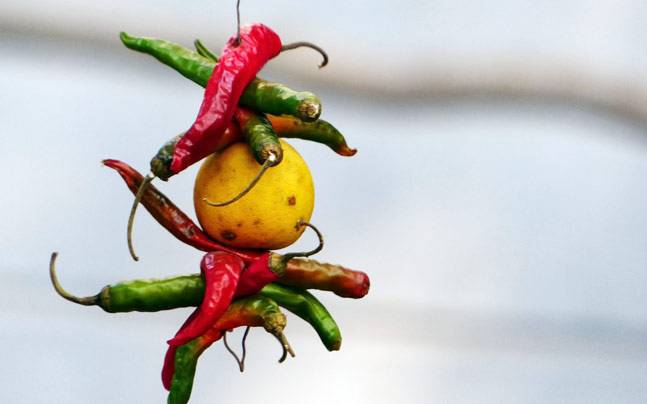
In India, similar to beliefs in many Western cultures, a black cat crossing one’s path is considered an omen of bad luck. This superstition is linked to the association of black cats with Lord Shani, the deity representing misfortune. To counteract this bad luck, people often wait for another person to pass before continuing on their way. It is common to see a string of lemons and seven green chillies hung at the entrances of homes and businesses. This practice is believed to ward off the evil eye, specifically the goddess Alakshmi, who embodies misfortune. The sourness of the lemon and the heat of the chillies are thought to appease her, preventing her from entering the premises. Many Indians believe that sweeping the house after sunset will drive away Goddess Lakshmi, the deity of wealth and prosperity. This superstition is rooted in the idea that cleaning at night could lead to the accidental disposal of valuables, as visibility is limited. Eye twitching is interpreted differently across cultures. In India, the twitching of the right eye is often considered a good omen, while the left eye twitching is viewed as inauspicious. This belief varies by gender; for example, it is considered good luck for men but bad for women. The practice of putting a dot of kohl on a child’s forehead is common in India to protect them from the evil eye. This superstition is based on the belief that the evil eye can cause harm or misfortune, and the dot serves as a protective charm. It is customary to add one rupee to monetary gifts, especially during weddings. This practice is believed to bring good luck and symbolises that the gift will not return to the giver. The number one is considered auspicious, and making the total an odd number is thought to ensure prosperity for the recipients. Many people refrain from cutting their nails or hair on Saturdays, as it is believed to bring bad luck. This superstition may stem from cultural associations with certain days being more auspicious than others.

The concept of the evil eye is prevalent in many Middle Eastern cultures. It is believed that envy or malice from others can cause harm, and various talismans, such as the Nazar, are used to ward off this negative energy. In some cultures, spitting three times after mentioning something bad is a way to ward off misfortune. This act is believed to protect against the evil eye and negative energies. In certain Middle Eastern traditions, breaking bread with someone is seen as a sign of friendship and trust. However, if the bread falls, it is considered a bad omen, indicating that the friendship may be in jeopardy. 

While many superstitions are shared across cultures, some are unique to specific regions or communities. These unique beliefs often reflect the historical, environmental, and social contexts of the cultures they originate from. In Iceland, it is believed that knitting outside can prolong winter. This superstition highlights the connection between cultural practices and the environment, as Icelandic culture is deeply intertwined with its harsh climate. In Afghanistan, if a broom touches someone’s feet while sweeping, it is believed that one of their parents will die. This superstition underscores the cultural significance of family and the fear of losing loved ones. In Germany, toasting with water is seen as wishing death upon the people you are drinking with. This superstition reflects the cultural importance of toasting and the associated rituals of camaraderie and celebration. After attending a wake, many Filipinos make a pitstop at a restaurant or café to “shake off” bad spirits before returning home. This practice illustrates the cultural belief in the influence of spirits and the importance of rituals in daily life.

Certain superstitions have transcended geographical boundaries, becoming widely recognised across cultures. These shared beliefs often reflect universal human concerns about luck, fate, and the unknown. The use of lucky charms is a common practice worldwide. Whether it’s a rabbit’s foot in the United States, a four-leaf clover in Ireland, or a horseshoe in various cultures, these objects are believed to bring good fortune and protect against misfortune. The belief that bad luck occurs in threes is prevalent in many cultures. This superstition highlights the human tendency to seek patterns and meaning in random events. The notion of “beginner’s luck,” where novices experience unexpected success, is a common belief across cultures. This superstition reflects the psychological phenomenon of confirmation bias, where individuals remember instances that support their beliefs. The practice of knocking on wood to ward off bad luck is widespread. This superstition is thought to have originated from ancient beliefs in tree spirits, and it serves as a way to invoke protection against misfortune. 

Several studies have explored the impact of superstitions on human behaviour, revealing that certain superstitions can indeed have a positive effect on performance and mental well-being. Research published in *Psychological Science* indicates that engaging in good-luck-related superstitions can significantly improve performance across various tasks. For instance, participants who activated superstitions—through familiar sayings or actions, such as crossing fingers or using lucky charms—demonstrated better outcomes in tasks involving motor dexterity, memory, and problem-solving. This improvement is attributed to increased self-efficacy and confidence, which are essential for tackling challenging tasks.

Superstitions often serve as coping mechanisms, providing individuals with a sense of control in unpredictable situations. For example, athletes frequently rely on personal superstitions or rituals to manage anxiety and enhance focus before competitions. These rituals can help ground them in the moment and alleviate pressure, ultimately leading to improved performance. Belief in superstitions can foster a positive mental attitude. Studies have shown that individuals who hold superstitious beliefs often exhibit higher levels of optimism and motivation. This positive mindset can lead to goal-oriented behaviour and increased persistence in the face of challenges.

Some research suggests that the effects of superstitions may vary by gender. For instance, a study indicated that inducing beliefs in good luck helped improve self-efficacy among female participants, leading to better performance in cognitive tasks. However, the same induction did not yield the same benefits for male participants, suggesting that the impact of superstitions may be context-dependent. The placebo effect is another mechanism through which superstitions can yield positive outcomes. The belief that a particular charm or ritual will bring good luck can enhance an individual’s performance simply because they believe it will. This psychological boost can be powerful, reinforcing the idea that superstitions, while not scientifically grounded, can have real-world effects on behaviour and outcomes. In summary, while superstitions may seem irrational on the surface, they can have beneficial effects on performance and mental health by enhancing confidence, providing comfort, and serving as effective coping mechanisms in uncertain situations.

Despite advances in science and rational thought, superstitions continue to play a significant role in many people’s lives. They often serve as coping mechanisms, providing comfort and a sense of control in uncertain situations. In contemporary society, superstitions can be seen in various contexts, from sports rituals to personal habits. Moreover, superstitions can be found in everyday decision-making. People may avoid certain actions or make specific choices based on their superstitious beliefs, such as avoiding the number 13 in hotel rooms or refraining from making significant decisions on Friday the 13th.

Superstitions are a fascinating aspect of human culture, reflecting our desire for control and meaning in an unpredictable world. From common beliefs like avoiding black cats and walking under ladders to unique practices found in specific cultures, superstitions offer insight into the values and fears of societies worldwide.

While some may view superstitions as irrational, they serve important psychological and cultural functions, providing comfort and a sense of security in uncertain times. As we navigate the complexities of modern life, these everyday superstitions remind us of our shared humanity and the enduring power of belief. Whether consciously or unconsciously, we all engage with these rituals, illustrating the intricate tapestry of human experience that transcends geographical boundaries.

I’d love to hear from you all. Do you have any superstition you consciously or unconsciously do? Let me know in the comments below.