

Thirukudanthai Temple, Kumbakonam, Tamil Nadu
Also known as the Sarangapani Temple, the Thirukudanthai Temple, located in Kumbakonam, is renowned for its dedication to Lord Vishnu in the reclining posture as Sarangapani, “the one with the bow.” Not only is the temple a vital part of the religious and cultural fabric of South India, but it also boasts rich historical significance and architectural grandeur that have captivated devotees and historians alike.
The mythology surrounding the temple is interwoven with grand cosmic stories and deep spiritual symbolism. According to legend, the sage Bhrigu once sought to determine the most dutiful of the Trimurti: Brahma, Vishnu, or Shiva. He visited them and, in annoyance at Vishnu’s initial silence while with Goddess Lakshmi, kicked Vishnu on the chest, the very seat of Lakshmi. This act angered the goddess, leading her to descend to earth in the form of Sita. Vishnu followed, hiding beneath the earth in the form called Pathala Srinivasa, an aspect worshipped in this temple’s subterranean shrine. The grand story of the cosmic nectar (Amrita) held in a pot by Brahma that slipped during the Pralaya (great deluge) and scattered pieces of itself across Kumbakonam shapes the lore of the region and the temple’s religious context. The temple features shrines echoing this narrative, including the sacred Potramarai tank, symbolising the lotus where Lakshmi’s penance took place, thereby completing the cosmic cycle of separation and reunion.

Historically, the temple can be traced back to the 7th century, with Pallava king Mahendravarman initiating some of the earliest structures. The temple expanded under Chola rulers and later saw significant renovations by Vijayanagara kings like Krishnadeva Raya. The ancient inscriptions, temple architecture, and cultural practice reflect layers of patronage, religious evolution, and the continuous importance of this shrine. The temple’s association with key saints like Thirumangai Alvar and its place in Tamil devotional literature further consolidate its spiritual prominence.
Architecturally, the temple is a masterpiece of Dravidian design. It famously appears as a colossal stone chariot, drawn by elephants and horses, that is intricately carved and dominates its surroundings. The sanctum houses the reclining Sarangapani Lord with a graceful, serene posture, symbolising divine rest and cosmic tranquillity. The vimana and gopurams exhibit vivid sculptural depictions of divine narratives, celestial beings, and sacred symbols that invite devotees to journey visually through Hindu mythos. The temple includes multiple halls, corridors, and subsidiary shrines, including a unique subterranean shrine honouring the Pathala Srinivasa aspect of Vishnu. Surrounding temple tanks are integral to rituals and symbolically connect with the cosmic origin myths.
Daily worship at Sarangapani Temple is an elaborate affair, involving six pujas from dawn till dusk. Each follows traditional agamic rites with stages of decoration, food offerings, lamp waving, and musical accompaniment featuring nagaswaram and tavil drums. Major festivals such as the Brahmotsavam in the Tamil month of Panguni, Vaikunta Ekadasi, and float festivals bring throngs of devotees. These festivals not only enliven the religious calendar but also cement community bonds through annadhanam (community feasting), ritual performances, and processions where the deity tours the town.

Pilgrimage to the temple is a richly sensory experience. Kumbakonam, known as the temple city, is accessible from major Tamil Nadu cities by road and rail. Upon reaching Sarangapani Temple, the confluence of sacred geography, bustling market stalls, fragrant flower vendors, and rhythmic temple music creates an immersive atmosphere. The temple stands towering amidst crowded lanes yet offers calm within its precincts. Pilgrims often combine this visit with other nearby sacred spots within Kumbakonam’s religious circuit, appreciating each shrine’s unique history and spiritual offering.
The temple’s cultural impact is far-reaching. As a core setting for devotional Tamil literature and poetry, particularly in the Nalayira Divya Prabandham, Sarangapani Temple shapes the devotional identity of millions. Its architectural grandeur inspired art and temple design across South India. Music and dance festivals here preserve classical traditions while creating a living culture grounded in myth and ritual. Locally, the temple forms a central hub for religious and social gatherings, festivals, and rites of passage, influencing daily life and regional identity.

In modern times, Sarangapani Temple is under the management of the Tamil Nadu Hindu Religious and Charitable Endowments Department. Restoration and conservation activities safeguard the temple’s ancient sculptures, paintings, and structures, balancing heritage protection with the needs of growing pilgrim numbers and tourism. Technological advancements have been embraced, with digital darshan and festival streams extending the temple’s reach beyond physical boundaries.
The Thirukudanthai Sarangapani Temple stands as a beacon of spiritual heritage, architectural excellence, and living tradition, anchoring the Divya Desam circuit in Tamil Nadu. It invites devotees and visitors to reflect on cosmic stories, participate in community devotion, and experience the divine at the intersection of myth, history, and culture. Its continuous worship, artistic wealth, and symbolic narratives make it a pivotal site, affirming the enduring vibrancy of India’s sacred landscapes.

Thiruvinnagar Temple, Tirunageswaram, Tamil Nadu
Thiruvinnagar Temple, also known as Uppiliappan Temple, located in Tirunageswaram near Kumbakonam, is a renowned Divya Desam dedicated to Lord Vishnu. Revered for its distinctive theological and cultural heritage, the temple is noted especially for its unique tradition of offering unsalted prasadam, aligning closely with its rich body of legends and devotional practices that emphasize purity, penance, and grace.
The mythology of Thiruvinnagar centres on Lord Vishnu as Uppiliappan, an avatar who is believed to have appeared to sage Markandeya and other deities, including Bhudevi, Brahma, and Shiva. A principal legend involves the sage’s thousand-year penance leading to the manifestation of Lakshmi as a baby beneath the Tulasi plant, symbolising purity and devotion. Another narrative linked to the temple explains why no salt is used in offerings: it is said that Vishnu accepted only unsalted food during his appearance here, a practice honouring his compassion and an ancient vow. This abstention from salt symbolises spiritual cleansing, distancing from worldly impurities and karmic burdens.
Historically, the temple’s foundation lies in the medieval Chola period, with the Pallavas potentially marking its earliest structures. The Vijayanagara and Nayak dynasties contributed significant architectural and ritual enhancements. The temple complex, consisting of a towering rajagopuram, engraving-filled mandapams, and expansive temple tanks, reflects classical Dravidian architecture symbolising both divine majesty and human devotion. Its scale, though grand, maintains an intimate atmosphere conducive to continuous worship. Notably, the temple accommodates a hallowed bed chamber, Tiruppalliarai, filled with ornamental mirrors where the deity rests, symbolising divine presence and cosmic reflection.

Ritualistic practices follow the Vaishnava Pancharatra Agama traditions and adhere to the Vadakalai sect’s nuances. Six daily pujas choreograph the temple’s spiritual rhythm, involving elaborate adornment, food offerings (prepared without salt), and lamp waving accompanied by nagaswaram and tavil. Major festivals like Brahmotsavam during Panguni and Vaikunta Ekadashi punctuate the temple calendar, infusing the sacred rhythms with vibrant communal participation. The temple also hosts monthly events such as Sravanam, highlighting the lighting of the Shravana deepam as an auspicious ritual believed to aid spiritual progress.
Pilgrimage to Thiruvinnagar is intertwined with journeys to nearby prominent temples in Kumbakonam and Tiruchirappalli, fostering a network of sacred sites along the Kaveri. The approach, through fertile fields and serene rural landscapes, shifts visitors into contemplative moods before reaching the solemn sanctum. Local hospitality, with its flower vendors and small eateries, balances the spiritual with the mundane, enriching the pilgrimage experience. Devotees often partake in sacred dips in temple tanks and observe rituals aimed at familial harmony, fertility, and relief from ancestral curses.
Culturally, Thiruvinnagar Temple’s impact pervades devotional music, literature, and local customs. Its unique emphasis on unsalted prasadam links myth to everyday practice, folding physiological abstention into spiritual aspiration. Alvar hymns dedicated to Uppiliappan echo in rituals, preserving ancient Tamil devotional legacies. The temple’s festivals influence local arts, including classical music and dance, anchoring community identity in shared heritage and collective spirituality.
Modern governance of the temple by the Tamil Nadu Hindu Religious and Charitable Endowments Department ensures its upkeep, ritual continuity, and social engagement. Conservation projects preserve sculptures and murals, balancing heritage needs with the influx of pilgrims and tourists. Advances like live streaming of festivals and online booking have expanded the temple’s accessibility while retaining its traditional charm. Visitor demographics remain diverse, with predominantly local and regional devotees and an increasing number of heritage tourists drawn by the temple’s storied past and unique practices.

The Thiruvinnagar Temple stands as a unique confluence of myth, history, and devotion within the Divya Desam circuit. Its narratives of penance and grace, intertwined with distinctive practices like unsalted offerings, invite reflection on purity, humility, and cosmic balance. The temple’s architectural beauty and ritual vitality continue to foster deep spiritual engagement, making it a vibrant centre for Hindu faith and Tamil cultural heritage. For pilgrims and visitors alike, Thiruvinnagar offers a profound encounter with divine compassion and the enduring human quest for spiritual renewal.

Thirunaraiyur Temple, Nachiyar Kovil, Tamil Nadu
Thirunaraiyur Temple, commonly known as Nachiyar Kovil, is a celebrated Divya Desam located about 10 kilometres from Kumbakonam. Dedicated to Lord Vishnu as Narayur Nambi or Srinivasa Perumal and his consort Lakshmi as Vanchulavalli Thayar or Neela Devi Nachiyar, this temple holds a special place in the Vaishnavite tradition. Renowned for its unique representation of the goddess taking precedence over the god, it is a spiritual beacon where devotion, mythology, and architecture blend gracefully to create a profound religious experience.
The temple derives much of its significance from its rich mythology. According to tradition, the sage Medhavi was performing intense penance by the banks of the Manimuthar River. During his ritual bath, he found a divine image of Chakratalvar, Vishnu’s discus, entwined with Yoga Narasimha. Inspired by a celestial voice, the sage established this image in his hermitage and consecrated it. Simultaneously, the goddess Lakshmi, in the form of Neela Devi, chose to manifest herself as a charming young girl, appealing to the sage to become her guardian. In time, Lakshmi was married to Vishnu with the sage’s blessing, with the condition that the goddess would always be honoured first in worship, reflecting the temple’s unique ritual stance. This precedence of the goddess ensures the temple is often referred to as ‘Nachiyar Koil’ or ‘Temple of the Goddess’.
The temple also has associations with King Kochengat Cholan, a prominent ruler of the early 3rd century CE, notable for his devotion and architectural contributions across Tamil Nadu. Unique among his constructions, the Thirunaraiyur Temple is the only Vishnu temple built by him among seventy Shiva temples. The temple architecture reflects layers of permission, patronage, and renovation from later Chola and Vijayanagara dynasties, blending Dravidian architectural styles with regional influences. Inscriptions document contributions and the temple’s continuous significance in religious and social spheres.
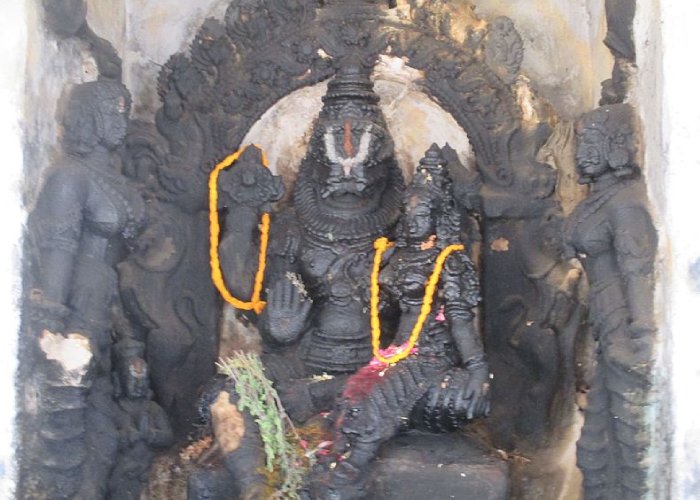
Architecturally, the temple impresses with its intricate design. The five-tiered Rajagopuram towers over the eastern entrance, leading devotees into the serene Neenila Mutram hall, which houses the dvajasthamba (flagstaff) and balipeeda (sacrifice altar). The main sanctum houses Narayur Nambi in a standing posture, accompanied by Vanjulavalli Thayar. The amalgamation of sculptures around the temple portrays various forms of Vishnu, the Alvars, and celestial beings, intricately carved to reflect mythological narratives. The temple also boasts the famous ‘Kal Garuda’ idol, linked to a local legend where the sculptor’s frustration led to the Garuda’s flight whenever a new image was created, epitomising the living energy of divine art.
Daily rituals at Thirunaraiyur Temple adhere to the Pancharatra Agama, under the Vadakalai tradition. Six carefully timed pujas throughout the day involve adorning the deities, offering meals, and performing lamp ceremonies, all orchestrated to maintain a continuous devotional atmosphere. Music played on traditional instruments like the nagaswaram and tavil reverberates within the temple precincts, accompanied by devotional singing of the Nalayira Divya Prabandham hymns. Annual festivals such as Brahmotsavam during Margazhi and special celebrations for the goddess highlight the temple’s vibrant religious calendar, engaging devotees in communal participation and shared spiritual renewal.
Pilgrimage to Thirunaraiyur is often integrated within the broader temple circuit of Kumbakonam, facilitating an enriched pilgrimage experience amid the lush green landscapes of Tamil Nadu’s riverine plains. Accessible by well-maintained roads with transport facilities, the temple welcomes pilgrims who often recount stories of the goddess’s compassion and power, as well as the unique position she holds within the sanctuary. The peaceful ambience offers devotees moments for reflection amidst ritualistic chanting and temple bells, reaffirming a living connection to ancient traditions.

Culturally, the temple heavily influences Tamil Vaishnava liturgy and arts through its celebrated Alvar hymns. It holds a special place in devotional music with compositions sung during rituals and festivals, thus weaving sacred literature into the fabric of daily worship. The precedence given to the goddess over the male deity challenges conventional temple hierarchies, highlighting inclusivity and balance in spiritual practice. This dynamic has left an imprint on local social customs, inspiring tales, art, and performances that celebrate divine feminine power.
In contemporary times, the temple operates under the administration of the Tamil Nadu Hindu Religious and Charitable Endowments Department, which oversees its maintenance, rituals, and festival coordination. Restoration projects have preserved its architectural grandeur and sculptures, ensuring the temple’s heritage is safeguarded against time and environmental factors. Visitor profiles range from local devotees seeking blessings and spiritual solace to cultural tourists exploring the temple’s rich history and artistry. Efforts to modernise operations through digital platforms have increased accessibility while retaining the temple’s traditional sanctity.
The Thirunaraiyur Temple embodies the harmonious blend of devotion, cultural depth, and historical resilience within the Divya Desam circuit. Its unique mythologies, anchored in the precedence of the goddess and profound spiritual teachings, invite visitors to experience a nuanced facet of Hindu worship that balances reverence, equality, and divine grace. As an enduring symbol of Tamil Nadu’s living spiritual heritage, it offers both pilgrims and scholars insight into the complex interplay of faith, art, and community in shaping sacred spaces.

Thirucherai Temple, Tirucherai, Tamil Nadu
Thirucherai Temple stands as one of the revered Divya Desams, situated in the serene village of Tirucherai near Kumbakonam in Tamil Nadu. Dedicated to Lord Vishnu in his form as Saranatha Perumal and his consort Saranayaki, the temple holds deep spiritual significance for devotees. Located between the flowing waters of the Cauvery and the Kollidam rivers, it is celebrated as a “Sara Kshetram” or sacred sand place, part of the Pancha Sara Kshetrams known for offering relief from debts and spiritual burdens. The temple’s association with Nammalvar’s hymns elevates it as a site of intense devotion and spiritual renewal.
The mythology behind the Thirucherai Temple is rich with cosmic significance. As the Kali Yuga’s end approached, Brahma faced the daunting task of preserving the Vedas, life seeds, and the sacred implements needed for creation’s rebirth. Guided by Lord Vishnu, Brahma sought the strength of sand from Tirucherai to fashion a pot to safeguard these sacred essentials. Attempts with clay from other regions failed, but the sand at Tirucherai proved resilient, forming an indestructible vessel that carried the essence of creation through the pralaya, a cosmic deluge, returning intact to this sacred land. Vishnu appeared here as Saranatha, the protector, to guard the pot and safeguard cosmic order.
The narrative intertwines with the story of the river Cauvery, which, feeling less sacred than the Ganges, performed penance for 3,000 years at this location. Pleased by her devotion, Vishnu blessed her with equal sanctity, a ritual celebrated annually during the Tamil month of Tula. The temple also narrates the tale of King Satyakeerthi, whose devout worship here granted him a son after years of longing. His minister, Narasa Boopalan, famously repurposed materials meant for another temple, building a shrine here overnight. Despite the king’s initial wrath, a divine vision persuaded him to forgive, underscoring themes of grace and reconciliation embedded within the temple’s history.
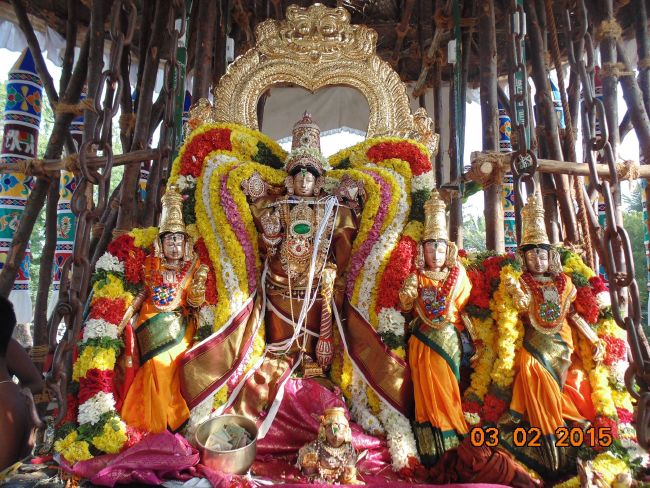
Historically, the temple’s foundation reflects the architectural patronage of the 9th-century Cholas, with evidence of contributions from Vijayanagara and Nayak dynasties. Floods common to the riverine landscape posed repeated challenges but were met with determined restoration. The temple’s intricate design and spiritual functions reflect its standing as a hub for ritualistic debt relief and cosmic preservation. Unique elements such as the pranava vimana, a rising structure symbolising the mystic syllable Om, alongside shrines dedicated to Rama’s footprints and sacred cows Kamadhenu and Nandini, entwine the spiritual with the tangible, capturing the temple’s layered significance.
Architecturally, Thirucherai Temple manifests exquisite Dravidian craftsmanship. The imposing five-tier Rajagopuram welcomes devotees from afar, signalling entry into a sacred realm. Granite walls encircle the complex, which houses multiple prakaram corridors, mandapams adorned with carvings of Vishnu’s avatars, floral motifs, and celestial beings. The sanctum mesmerises with its depiction of Saranatha reclining on Adisesha, calmly overseeing creation. The temple tank, named Potramarai, symbolises the amrita kalasa from the deluge story and supports ritual baths, merging natural and spiritual purification.
Devotional routines at Thirucherai are rigorous and immersive. The six daily pujas mark cycles of adorning the deities, offering cooked food sans salt, and ceremonial lamp rituals. Traditional instruments like nagaswaram and tavil accompany priestly chants of Vedic hymns and Divya Prabandham verses. The Brahmotsavam festival during the Tamil month of Chittirai draws large crowds, enlivening the temple precincts with music and procession. Vaikunta Ekadashi and Tula month festivities honour cosmic blessings and river sanctity. Local involvement ensures the temple remains a vibrant heart of community and faith through annadhanam and ritual participation.
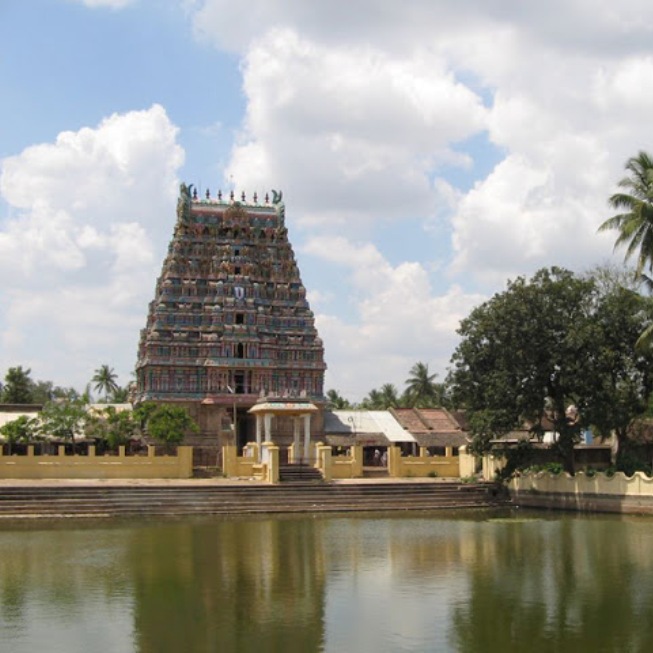
Pilgrims access Thirucherai through Kumbakonam, travelling along lush fields nourished by the rivers. The village atmosphere is peaceful, inviting reflection before entering the temple’s sanctified precincts. Stores lined with flowers and puja items welcome visitors who often perform ritual bathing in Potramarai tank, contemplating rebirth and cosmic continuity. Stories of the minister’s temple-building adventure and flood defences circulate among locals, enriching the spiritual aura. The temple’s intimacy encourages deeper worship away from the crowds often found in major pilgrimage hubs.
Culturally, the temple’s echo in Tamil devotional literature sustains its vibrant identity. The Nalayira Divya Prabandham hymns sung here forge a living link between past and present. Folklore embedded in its legends informs community values, emphasising righteousness, restoration, and prosperity. While it may not command the spotlight of grander shrines, Thirucherai profoundly influences local identity and religious practice, inspiring festival dances, devotional music, and temple arts.
Today, administration by the Tamil Nadu Hindu Religious and Charitable Endowments Board ensures ongoing conservation amid increasing pilgrim activity. Restoration of the gopurams and protective walls reflects respect for heritage balanced with practicality. Technology opens new pathways for worship through online platforms, extending the temple’s reach beyond regional devotees. Visitors, both local and afar, come seeking spiritual refreshment, drawn by its stories of preservation and grace.
The Thirucherai Temple is a testament to the enduring power of faith and tradition. Its mythology narrates survival, devotion, and divine protection amid cosmic upheaval. The architecture embodies centuries of craftsmanship and layered history. Ritual and community life breathe vitality into the ancient stones. As a part of the Divya Desam circuit, the temple connects devotees to a deeper understanding of balance between preservation and change, justice and mercy, earth and the divine. Visiting Thirucherai invites one to witness a vibrant spiritual heritage gracefully balancing cosmic cycles with human devotion.

