

There is a strange contradiction at the heart of modern life. In so many practical ways, life is easier than it has ever been. We have washing machines, food delivery, ride-hailing apps, digital banking, online shopping, Google Maps, YouTube tutorials, WhatsApp, household appliances, remote work, medical technology, easier travel, and more information than any generation before us could have imagined. And yet everyone is tired.
Not just physically tired, though there is plenty of that, too. This is a different kind of tiredness. Mental tiredness. Emotional tiredness. Social tiredness. Decision fatigue. Digital exhaustion. Financial stress. The kind of tiredness where nothing is exactly wrong, but everything feels like too much. The kind of tiredness that does not always go away after one night of sleep, because it does not come only from the body. It comes from the mind being permanently switched on.
We are tired even when life is easier because convenience has not given us rest. It has given us more things to manage. This is not to romanticise the past. I have no desire to return to a world without washing machines, online banking, reliable transport apps, or medical advances. Some things are genuinely easier now. Compared with my childhood, and certainly compared with my parents’ generation, everyday life has become convenient in countless ways. We can order groceries from our phones, transfer money in seconds, find directions anywhere, learn how to fix almost anything online, and speak to family across countries without waiting for expensive trunk calls or letters. These are not small things. They matter.
But ease is not the same as rest. Comfort is not the same as peace. Convenience is not the same as lightness. In fact, many conveniences have removed one kind of labour while adding another. Food delivery means we do not have to cook, but now we must scroll through two hundred options, compare prices, check delivery fees, wonder if it is too expensive, and feel mildly guilty for not making something at home. WhatsApp makes communication instant, but now everyone can reach us instantly. Online shopping saves time, but it also creates endless comparisons. Digital banking saves a trip to the bank but adds passwords, OTPs, app updates, portals, and the quiet fear of scams. Google Maps helps us navigate, but perhaps also makes us less patient when the journey is not optimised.
The work has changed shape. It has moved from our hands into our heads. Maybe this is why so many of us feel tired in a way that is hard to explain. We are not always doing more physically, but we are thinking more constantly. Remembering more, comparing more, deciding more, tracking more, responding more, planning more, and worrying more.

I feel this myself. Some days I am more tired than others, but the tiredness is there. I am tired of trying to be a productive member of society. Tired from job searching, tired from managing health, tired from overthinking, tired from always being the planner, tired from long-distance caregiving, tired from ageing, and tired from holding too many tabs open in my head.
The sentence that describes it best is this: I am not tired because I do too much, but because I am always thinking about what still needs to be done. That is the modern condition, isn’t it? The unfinished list follows us everywhere. Even when we sit down, the list sits beside us. Even when we sleep, it waits. Even when we rest, part of us is scanning the horizon for what we have forgotten.
When I am tired, I become irritable and cranky. Sometimes I dissociate from things and simply want to be left alone. I lose interest even in things I love, including writing. I watch mindless content, not because it truly rests me, but because real rest feels too difficult. This too is a modern pattern. We choose fake rest because it asks less of us. Scrolling, watching videos, online browsing, half-reading, half-listening, half-existing. It distracts us, but it does not restore us. Real rest is harder. Real rest requires us to stop performing usefulness, even to ourselves.
Our parents’ generation was tired too, though perhaps in different ways. Their lives were physically harder. Fewer appliances, less convenience, more social obligations, fewer choices, and more rigid roles. Women, especially were expected to ignore tiredness. They carried on. They cooked, cleaned, cared, hosted, remembered, and swallowed exhaustion because saying “I am tired” was not always allowed. Tiredness could be dismissed as weakness. Weakness could be called laziness.
Children, too were not usually allowed to be tired. We were told to study, help, behave, and stop complaining. “Don’t waste time” was a common enough message. “Do something useful” was another. The idea that rest could be necessary rather than indulgent did not always exist in the language we grew up with.
But while the older generations had fewer conveniences, they may also have had less mental clutter in certain ways. There was no social media feed carrying the world into their minds every morning. No constant news alerts. No endless comparison with everyone’s holidays, homes, children, careers, bodies, meals, and achievements. No apps telling them to track every step, calorie, rupee, dollar, hour, and habit. Their lives were not easy. But perhaps their attention was less fragmented.

Today, information overload is part of our tiredness. We know too much, all the time. News, wars, elections, scams, climate anxiety, health advice, job market changes, school admissions, university pathways, investment options, AI developments, parenting opinions, diet debates, productivity hacks, skincare routines, travel warnings, and the latest thing we are apparently supposed to worry about.
Knowing more can be empowering. It can help us make better decisions. But it can also be exhausting. I often feel that the human brain was not designed to carry the whole world before breakfast. And yet many of us begin the day by reaching for the phone and doing exactly that.
The phone is both a tool and a tormentor. It helps us communicate, read, plan, bank, order, check health data, navigate, work, and stay connected. I would not want to give it up. But it also makes us reachable, distracted, anxious, comparative, and unable to fully switch off. Most of us reach for it first thing in the morning and keep it near us until we sleep. It sits beside us like a demanding little rectangle of obligation and temptation.
Work has also changed. Modern work expects too much emotional and mental availability. Emails, WhatsApp messages, Teams chats, “quick calls,” urgent requests, meetings, follow-ups, performance reviews, networking, personal branding, upskilling, and the unspoken expectation that one should be responsive at all times. Work follows people home now. It travels in pockets and handbags. It lights up on screens at dinner. It enters weekends disguised as something that will “only take five minutes.”
For those of us managing multiple streams, this becomes even more tiring. Work, freelancing, job searching, writing, family, health, and organisational responsibilities do not sit neatly in separate boxes. They overlap. A job application is mentally different from paid work, but it is tiring in its own way. The tailoring of resumes, the cover letters, the online forms, the silence, the ghosting, and the sense of wondering whether there is any point in applying anymore. It is not only effort. It is emotional exposure repeated again and again.
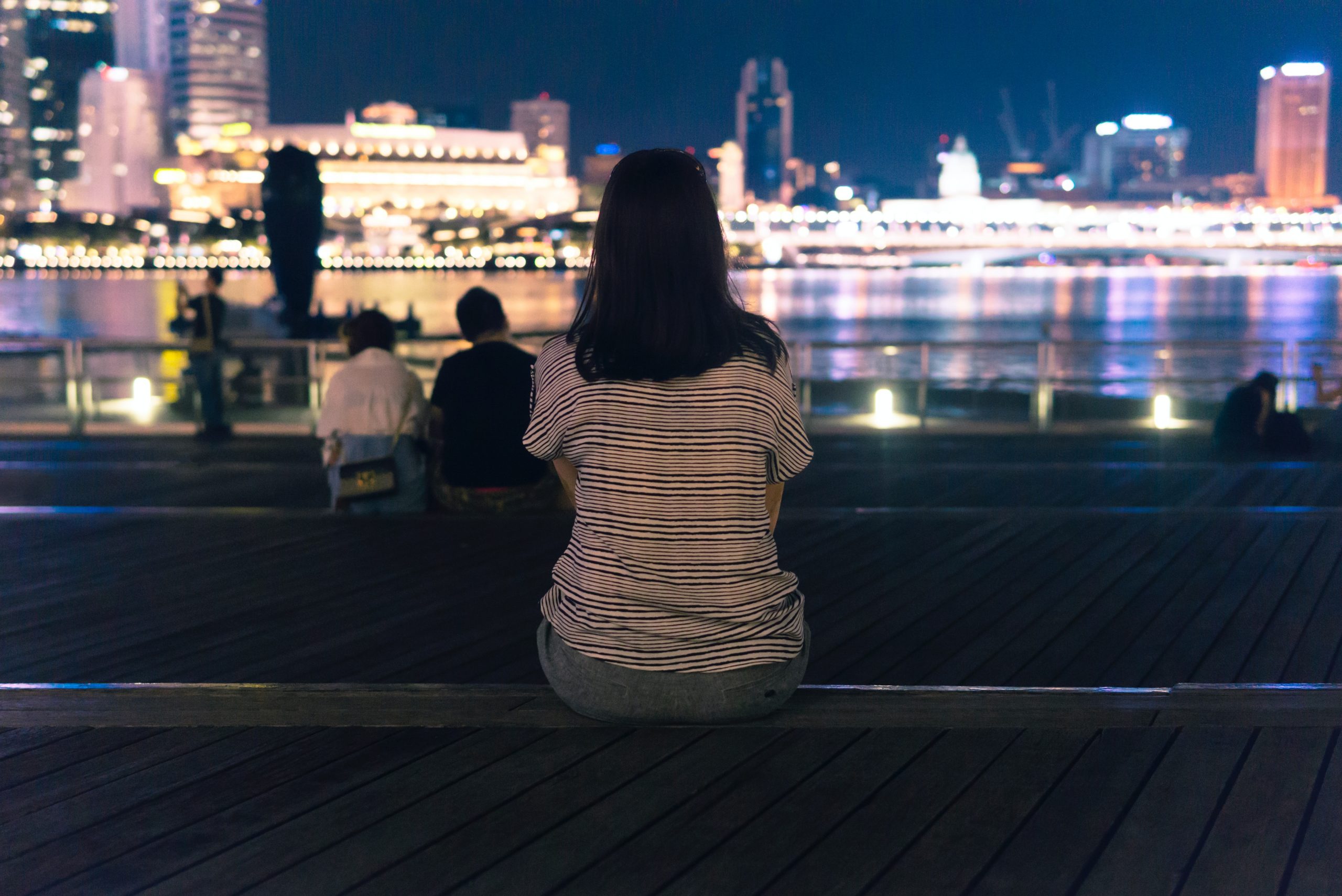
Then there is the achievement treadmill. Singapore makes this especially visible. It is efficient, safe, connected, and convenient, and I am grateful for many of those things. But it is also tiring. The cost of living, work expectations, school pressure, comparison, crowds, commuting, and the constant sense that everyone is progressing, upgrading, investing, studying, planning, and optimising can make life feel practically easier but mentally heavier. Everything works, but everyone is running.
India, in contrast, is tiring in different ways. The India I grew up in may have been physically harder but emotionally more spacious in some ways. But it was also noisy, bureaucratic, socially demanding, and full of gendered expectations and family interference. When I visit India now, I initially feel rested, perhaps because of memory and familiarity. But then the noise, pollution, chaos, and sheer effort of moving through daily life begin to exhaust me. Bangalore, especially, can be an exercise in patience. Travelling across the city is not a commute so much as a character-building programme nobody signed up for. So no, the answer is not that one place is restful and another is not. Modern tiredness has many geographies.
A large part of this tiredness is emotional labour, and here gender cannot be ignored. Women are often more tired than they admit because they are not only doing tasks but also managing emotional labour. They are remembering, anticipating, planning, noticing, soothing, managing moods, maintaining relationships, and keeping family life moving. Appliances may have made housework easier, but they did not remove the responsibility of noticing what has to be done.
Someone still has to know that the groceries are running low, the appointment needs booking, the child needs a form signed, the parent needs checking on, the helper needs instructions, the birthday needs remembering, the meal needs planning, the message needs replying to, the festival needs preparing for, and the family rhythm needs holding together. In many families, that person is still a woman.
I know this in my own life. I am the planner in the family and perhaps also the natural doer, so many things fall to me. Some of this is personality. Some of it is habit. Some of it is patriarchy, wearing comfortable home clothes and pretending it’s common sense.
Parenting adds another layer. Parenting today is mentally tiring in ways previous generations may or may not have experienced to the same degree. There is more information now, and with information comes anxiety. School choices, tuition, enrichment, screen time, food, safety, identity, mental health, university admissions, careers, social media, friendships, independence. Every decision feels loaded.

Parenting BB and GG was more mentally tiring than I expected, especially because they are twins. When children are young, tiredness is physical: feeding, bathing, school runs, homework, logistics. When they grow older, the tiredness changes. It becomes emotional. You worry about choices, studies, jobs, relationships, independence, and the future. You are less physically needed but not necessarily less mentally involved. The work moves inward.
Ageing changes tiredness too. Things I could do even five years ago feel harder now. Energy is no longer something I can assume will appear on command. I try to rest more willingly, but I also push myself at times. Midlife brings its own strange combination of urgency and fatigue. There is still so much one wants to do, but the body is no longer willing to be treated like an unpaid intern.
Health adds another background hum. Managing diabetes, using a CGM, thinking about food, readings, walking, sleep, stress, medical appointments, and how the body is responding. None of these may seem dramatic on their own, but together they create a constant layer of awareness. It is another form of invisible daily management. The body becomes one more thing to monitor, interpret, and negotiate with.
And then, as if all this were not enough, we live in an age of relentless self-improvement. We are told to eat better, sleep better, move more, earn more, invest smarter, build a brand, write more, declutter, meditate, journal, network, learn AI, regulate our emotions, have a side hustle, age well, dress well, parent well, rest well, and become the best version of ourselves. It is exhausting just listing it. The pressure to improve turns life into a permanent project. We are never simply people living our lives. We are always under renovation.
Even rest becomes something to do correctly. This is where comparison enters. I try not to compare myself with others, but sometimes it creeps in. Someone else seems to have the career sorted, the children sorted, the house sorted, the health sorted, the holidays sorted, the face glowing, the meals plated, and the life beautifully arranged. Of course, we know social media is curated. We know this intellectually. But emotionally, the comparison still slips through. We look at our ordinary, unfinished, slightly messy lives and wonder why everyone else seems to be managing better.
Perhaps they are not. Perhaps they are tired too. Maybe everyone is tired because nothing ever feels finished anymore. In the past, many tasks had clearer endings. Wash the clothes, cook the meal, clean the house, and finish the errand. Today, so much of life is endless. Email never ends, messages never end, news never ends, content never ends, job applications never end, self-improvement never ends, health tracking never ends, financial planning never ends, and social obligations never end. There is always more. The endlessness is tiring.
What people need less of, I think, is pressure, comparison, pretending, and the expectation of constant availability. Less noise. Less optimisation. Less of the idea that every moment must be useful and every person must be improving. What people need more of is sleep. Real sleep, not revenge bedtime scrolling until the brain gives up. More meaningful work, because meaningless work exhausts the spirit in a way even physical labour does not. More kindness, because a tired world becomes harsher when kindness disappears. And perhaps more boredom, too. Boredom gives the mind room to wander. It creates space where not everything is input, output, or performance.

For me, the rest that actually helps is simple. Sleep first, then reading and writing. Being alone in silence, meditating, praying, and talking to the divine. These things restore rather than merely distract. They return me to myself. The problem is that we often treat tiredness as a personal failure. If we are tired, we assume we are not organised enough, disciplined enough, resilient enough, grateful enough, or productive enough. But perhaps tiredness is also information. It tells us that the load is too heavy, even if parts of the load are invisible. It tells us that convenience has not solved the deeper problem. It tells us that human beings were not meant to be reachable, measurable, comparable, and improvable every waking minute.
Life is easier now, but it is also harder because everyone is stressed, worried, and overall tired. The tools have improved. The pressure has multiplied. The physical load may have reduced, but the mental load has expanded to fill the space convenience created.
So what do we do? I do not think the answer is to reject modern life. I like my washing machine; I like online banking, being able to order groceries, messaging my family, checking a map, reading on my phone, and monitoring my health. The answer is not to pretend the past was better. It was not, at least not for everyone.
But perhaps we need to stop confusing efficiency with ease. We need to stop assuming that because something is convenient, it is restful. We need boundaries around phones, work, comparison, and self-improvement. We need to see women’s invisible labour before we can share it. We need workplaces that do not treat constant availability as commitment. We need families where planning is not silently assigned to one person. We need to stop treating tiredness as weakness.
Most of all, we need permission to be ordinary human beings. Not always optimised. Not always productive. Not always reachable. Not always improving. Not always strong. Not always cheerful. Not always holding everything together. Maybe what we need is not another app, hack, system, or productivity method. Maybe what we need is the courage to admit that being human was never meant to be this constantly managed.
So perhaps the next time tiredness arrives, instead of asking, “What is wrong with me?”, we can ask a better question. What am I carrying? And perhaps, even more importantly, what can I finally put down?

