Yesterday was World Autism Awareness Day, a day which tries to raise awareness about autism, its symptoms, causes, and the challenges faced by individuals with autism and their families. The day was designated by the United Nations General Assembly, passed on November 1, 2007, and adopted on December 18, 2007. World Autism Day is one of only seven official health-specific UN Days.
The terms Autism Awareness Day and Autism Awareness Month are often contested by autism rights advocates, who claim that they feed into perceived ableism against autistic people. Such groups advocate using the term Autism Acceptance Day as an alternative for both events under the belief that it promotes overcoming anti-autism prejudice rather than simply increasing awareness of autism.
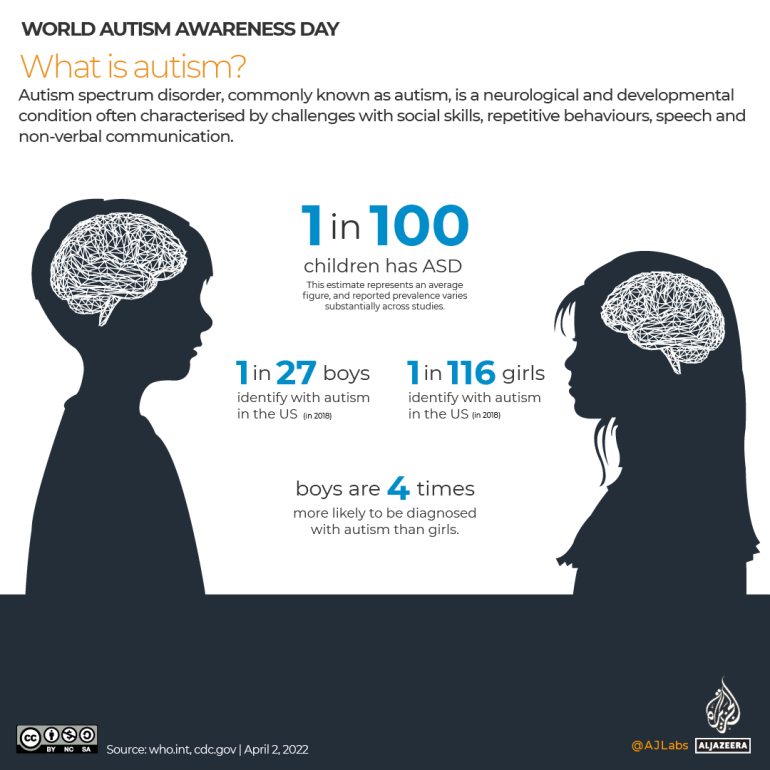
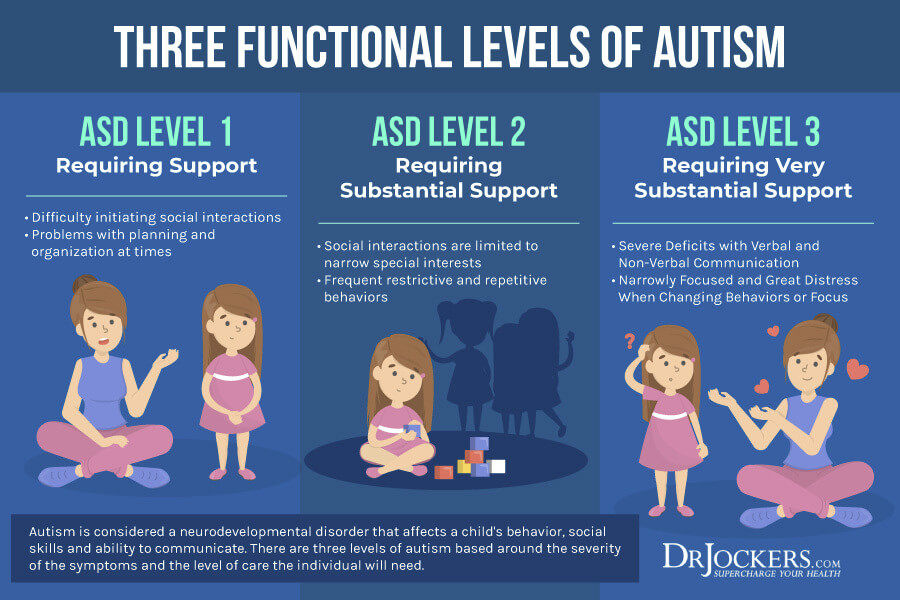
Autism Spectrum Disorder or ASD is a complex developmental condition that affects communication, social interaction, and behaviour. ASD is characterised by challenges with social skills, repetitive behaviour and speech and nonverbal communication. It is estimated that approximately 1 in 54 children are diagnosed with autism, and that number continues to grow. Although autism is a life-long condition, early diagnosis and intervention can greatly improve outcomes for individuals with autism.
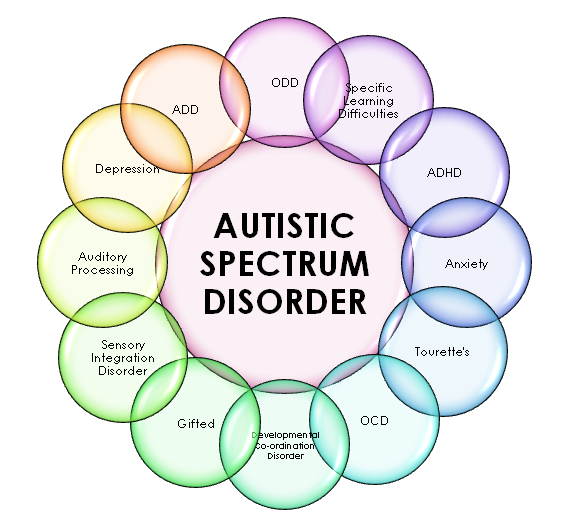
There is not one autism but many subtypes, most influenced by a combination of genetic and environmental factors. Because autism is a spectrum disorder, each person with autism has a distinct set of strengths and challenges. How people with autism learn, think and problem-solve can range from highly skilled to severely challenged. Some people with ASD may require significant support in their daily lives, while others may need less support and, in some cases, live entirely independently. Several factors may influence the development of autism, and it is often accompanied by sensory sensitivities and medical issues such as gastrointestinal or GI disorders, seizures or sleep disorders, as well as mental health challenges such as anxiety, depression and attention issues.
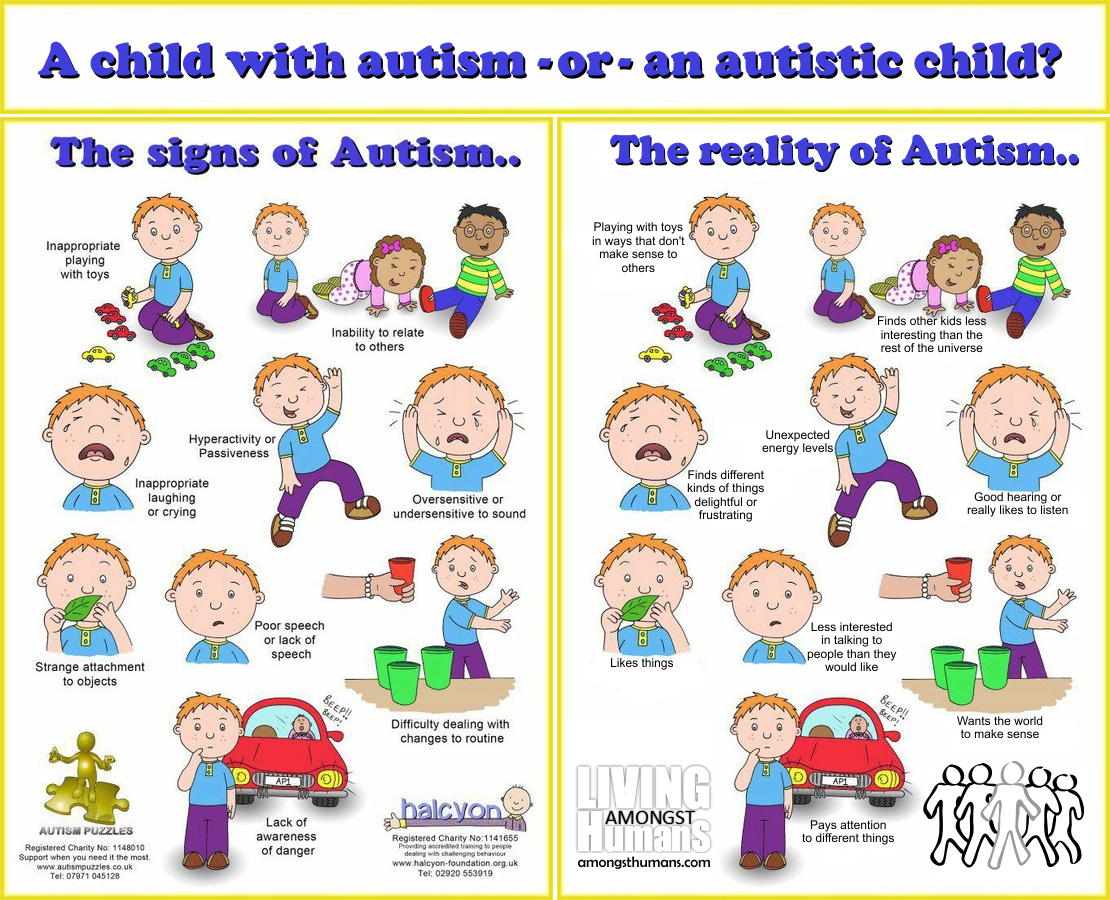
Autism is mainly characterised by its unique social interactions, non-standard ways of learning, keen interests in specific subjects, inclination to routines, challenges in typical communications and particular ways of processing sensory information. Autism is a lifelong neurological condition that manifests during early childhood, irrespective of gender, race or socio-economic status. Signs of autism usually appear by age 2 or 3. Some associated development delays can appear even earlier, and often, they can be diagnosed as early as 18 months. Research shows that early intervention leads to positive outcomes later in life for people with autism. The symptoms of autism can vary greatly from one individual to another and can range from mild to severe. Some common symptoms of autism include difficulty with social interaction, communication, and repetitive behaviours. Individuals with autism may also have sensory sensitivities, such as being oversensitive to sounds, light, or touch. They may also have difficulty with communication, including nonverbal communication, and may have trouble understanding the social cues and emotions of others. The exact causes of autism are not yet known, but it is believed to be a combination of genetic and environmental factors. Research has shown that there is a strong genetic component to autism and that certain genes may increase a person’s risk of developing the condition. However, the exact genes involved are still being studied. In addition to genetics, environmental factors, such as exposure to toxins during pregnancy, can also play a role in the development of autism.
The rate of autism in all regions of the world is high and the lack of understanding has a tremendous impact on individuals, their families and communities. The stigmatisation and discrimination associated with neurological differences remain substantial obstacles to diagnosis and therapies, an issue that must be addressed by both public policymakers in developing nations, as well as donor countries.
Living with autism can be a challenge for individuals with the condition, as well as their families. Individuals with autism may have trouble fitting in with their peers and may struggle with social interactions and communication. They may also have difficulty with everyday tasks, such as shopping, cooking, and personal care. Additionally, they may have trouble adapting to change, which can make life even more difficult. For families of individuals with autism, the journey can be a difficult one. They may face challenges such as finding appropriate educational and healthcare services, navigating the complex healthcare system, and providing emotional support to their loved ones with autism. They may also face stigma and discrimination from society, which can be isolating and difficult to overcome.
However, despite these challenges, there is hope. With early diagnosis and intervention, individuals with autism can lead fulfilling lives and reach their full potential. Many organisations and support groups offer resources and support to individuals with autism and their families. Additionally, many schools and workplaces are becoming more inclusive and accommodating of individuals with autism, making it easier for them to live, work, and play in their communities.
In recognition of World Autism Awareness Day, it is important to continue to raise awareness about autism and to work towards creating a more inclusive and supportive world for individuals with autism and their families. This can be done by educating others about the condition, volunteering with organizations that support individuals with autism, and advocating for better resources and support for individuals with autism and their families. World Autism Awareness Day serves as a reminder of the importance of continuing to work towards a world that is inclusive and supportive of individuals with autism and their families. Through awareness, advocacy, and support, we can help individuals with autism lead fulfilling lives and reach their full potential. So let us all do our part to spread awareness and support those with autism in our communities.