World Coffee Day

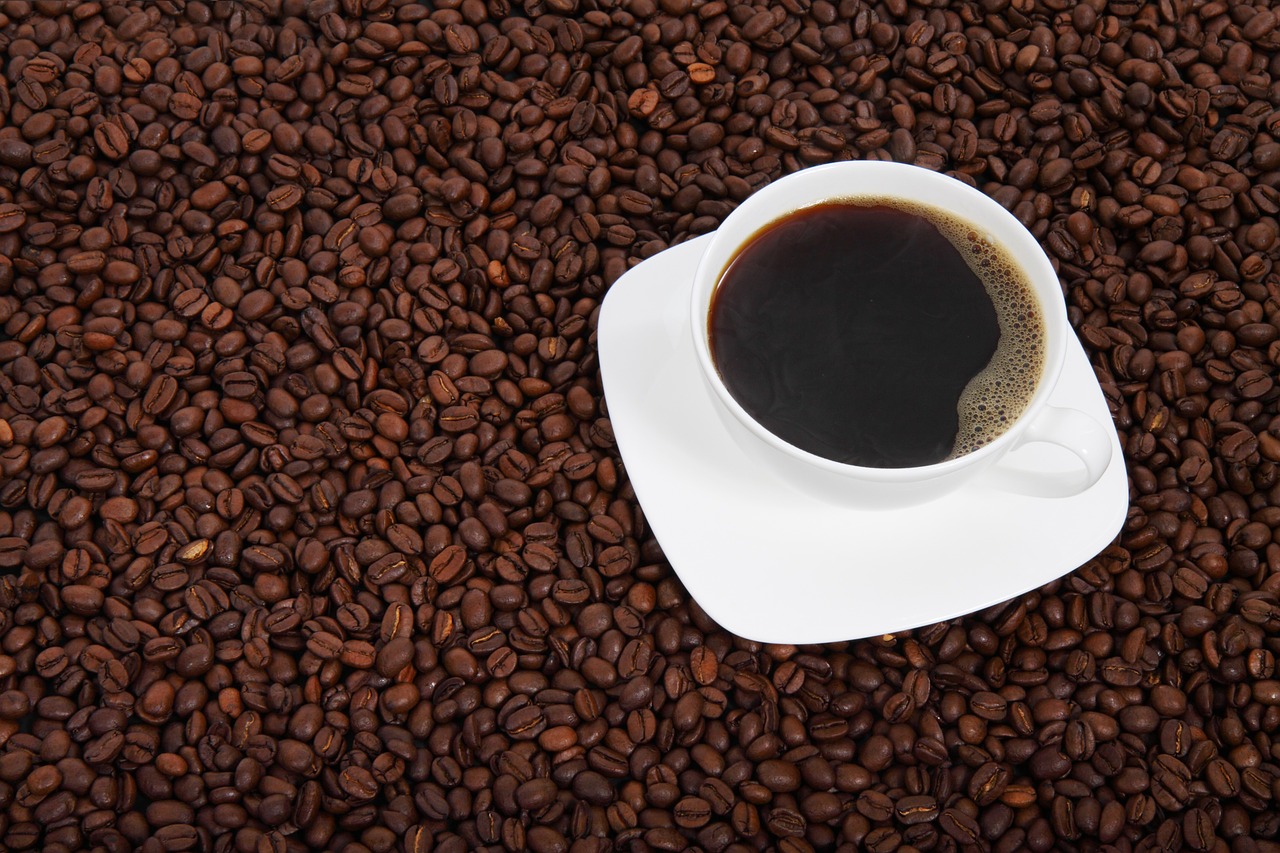
I love coffee as it is evident from my posts and poem on this wonderful drink. And when I heard today was World Coffee Day, I had to write a post.

The International Coffee Day is a celebration of the coffee sector’s diversity, quality and passion as well as an opportunity for coffee lovers to share their love of the beverage and support the millions of farmers whose livelihoods depend on the aromatic crop. The day has been used as an an occasion to promote and celebrate coffee as a beverage, with events occurring across the world. Many countries around the world celebrate their own national coffee days at various dates throughout the year. In March 2014, the member states of the International Coffee Organisation agreed to organise International Coffee Day on 1 October to create a single day of celebration for coffee lovers around the world and the first celebration was celebrated in 2015 in Milan as part of the Expo 2015. The day is also used to promote fair trade coffee and to raise awareness for the plight of the coffee growers with many businesses offering free or discounted cups of coffee.
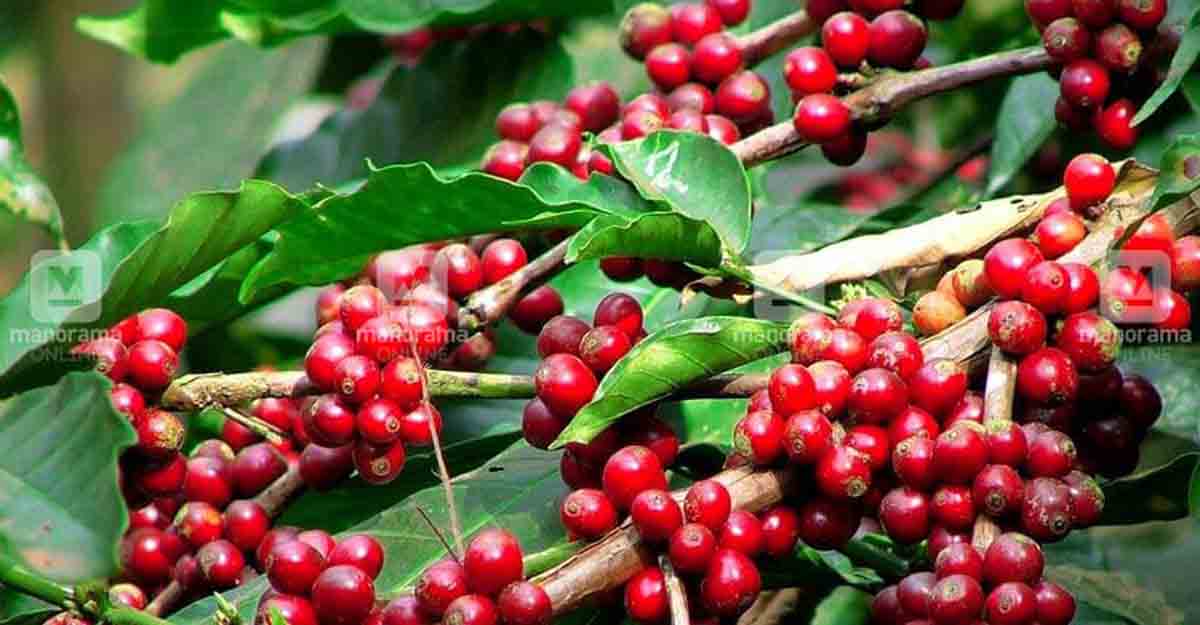
According to one legend, coffee was discovered by the ancestors of today’s Oromo people in a region of Kaffa in Ethiopia who recognised the energizing effect of the coffee plant. However, no direct evidence that has been found earlier than the 15th century indicating who among the African populations used it as a stimulant, or where coffee was first cultivated. Another legend attributes the discovery of coffee to a Sheikh Omar. According to an old chronicle preserved in the Abd-Al-Kadir manuscript. Omar, who was known for his ability to cure the sick through prayer, was once exiled from Mocha in Yemen to a desert cave near Ousab in modern-day Wusab. Starving, Omar chewed berries from nearby shrubbery but found them to be too bitter. He tried roasting the seeds to improve the flavor, but they became hard. He then tried boiling them to soften the seed, which resulted in a fragrant brown liquid. Upon drinking the liquid Omar was revitalized and sustained for days. It was in Arabia that coffee seeds were first roasted and brewed, in a similar way to how it is prepared now and used used by Sufi mystics to stay awake. Shortly after, coffee became well known in Egypt, Persia, and Turkey as the wine of Araby and coffee houses started to open as the schools of the wise. Coffee farming on a large scale started in southern India and in 1560 coffee made its way through Europe and quickly became popular, until Pope Clement VIII decided that the drink must be satanic though under inspection, he gave in and baptised the drink and declared it a Christian drink. By the 1600s coffee houses sprung up all over Europe and the beans found themselves in America.

And today, this bean makes a daily journey from plantations to breakfast mugs across the world. Us humans have been preparing coffee for many presentations as drinks, candies, medicine, and some ancient civilizations even used it as currency! Coffee can energize you, warm you up, refresh you, keep you awake, and even catch you up with your loved ones.
The theme of International Coffee Day 2021 highlights the mistreatment of coffee farmers, the danger they are facing for their living and the ultimate need to take collective actions. The money that coffee farmers are compensated for the beans they create is at an all-time low. The modern-day coffee farmers aren’t earning enough to supply themselves and fulfill the needs of their families and may need to switch away from making coffee altogether- putting the production of this beverage at risk. Today there is a worldwide oversupply of coffee which is pushing down the market price. At the same time the expense of coffee-production has increased which means farmers do not make enough income to survive. Though we are paying more for a cup of coffee, farmers are compensated just around USD 0.01 or one penny for a cup of coffee.

Caffeine is a stimulant that increases activity in the central nervous system. It can increase energy levels and alertness, plus it improves mental performance. According to a study in Harvard, coffee drinkers tend to live longer, plus they have a reduced risk of cardiovascular disease. Coffee is the second largest traded commodity right after crude oil, and the most consumed beverage, after water. Every society has its own coffee tradition.

Grab a cup of your favourite coffee and celebrate this wonderful and addictive drink!

In My Hands Today…

The Glass Castle – Jeannette Walls

Jeannette Walls grew up with parents whose ideals and stubborn nonconformity were both their curse and their salvation. Rex and Rose Mary Walls had four children. In the beginning, they lived like nomads, moving among Southwest desert towns, camping in the mountains. Rex was a charismatic, brilliant man who, when sober, captured his children’s imagination, teaching them physics, geology, and above all, how to embrace life fearlessly. Rose Mary, who painted and wrote and couldn’t stand the responsibility of providing for her family, called herself an “excitement addict.” Cooking a meal that would be consumed in fifteen minutes had no appeal when she could make a painting that might last forever.

Later, when the money ran out, or the romance of the wandering life faded, the Walls retreated to the dismal West Virginia mining town — and the family — Rex Walls had done everything he could to escape. He drank. He stole the grocery money and disappeared for days. As the dysfunction of the family escalated, Jeannette and her brother and sisters had to fend for themselves, supporting one another as they weathered their parents’ betrayals and, finally, found the resources and will to leave home.

What is so astonishing about Jeannette Walls is not just that she had the guts and tenacity and intelligence to get out, but that she describes her parents with such deep affection and generosity. Hers is a story of triumph against all odds, but also a tender, moving tale of unconditional love in a family that despite its profound flaws gave her the fiery determination to carve out a successful life on her own terms.

For two decades, Jeannette Walls hid her roots. Now she tells her own story.

The Elixer of Life: My Water Stories

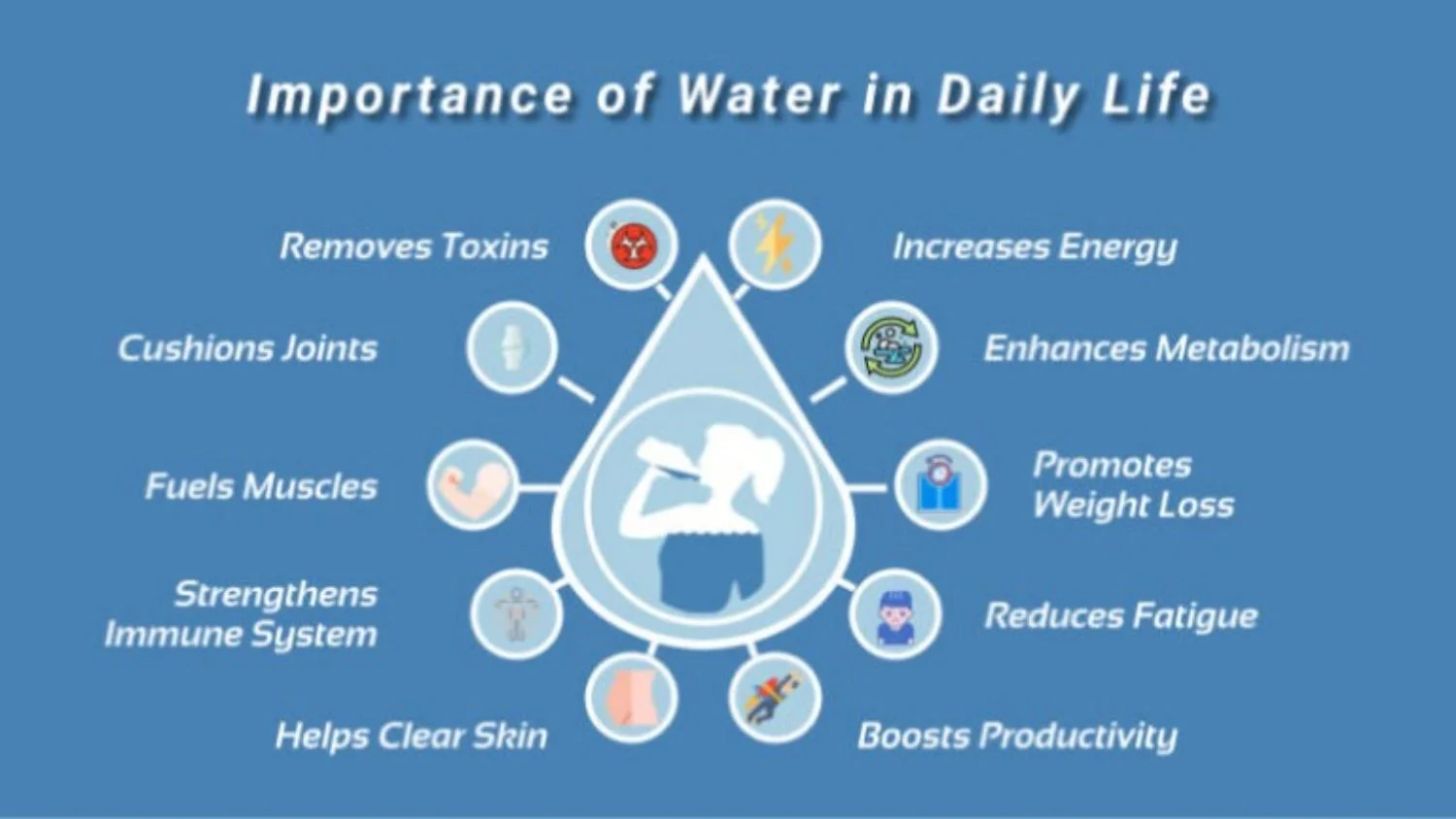
Water is essential for human beings to survive. Water carries nutrients to all cells in our body and oxygen to our brain. allows the body to absorb and assimilate minerals, vitamins, amino acids, glucose, and other substances, flushes out toxins and waste and helps to regulate body temperature. As a general rule of thumb, a human being can survive without water for roughly 72 hours or three days. And many experts have predicted that the next major world crises will be over water and suggest that growing water scarcity will drive violent conflict as access to water dries up for certain communities.

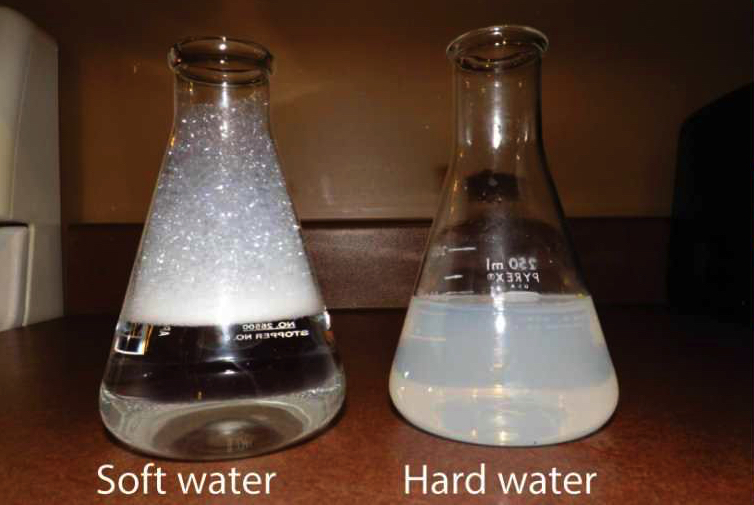
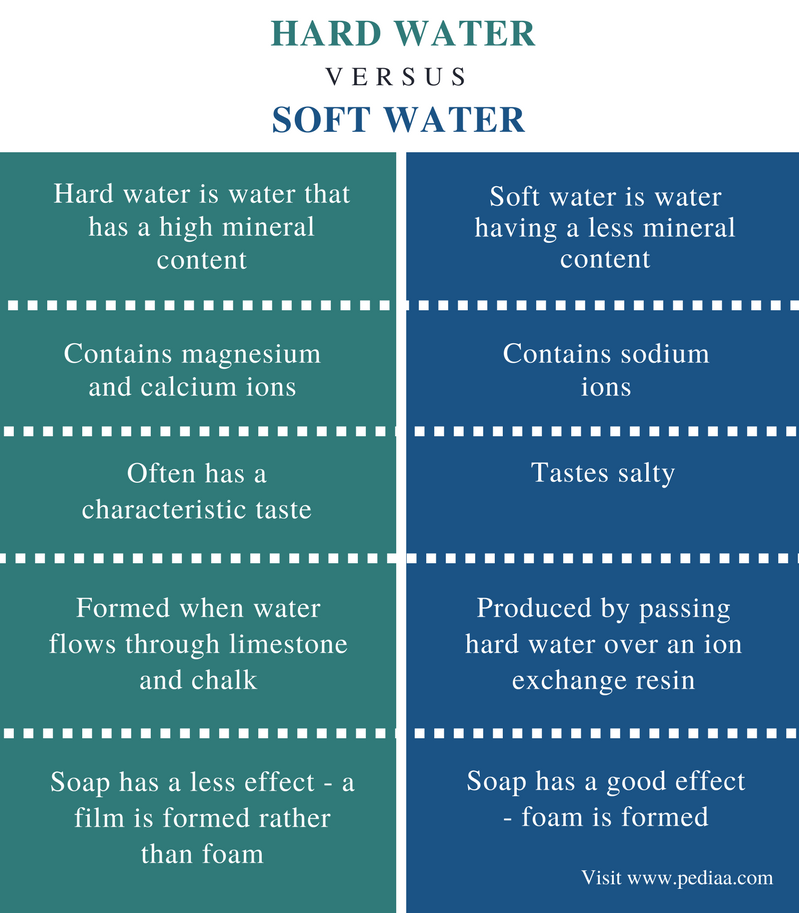
So with all the importance of water, it is certianly an essential part of our lives. In many parts of the world, water can be hard or soft and most water that is piped is usually soft water, which is treated and only has chorine and sodium. I am super finicky about the taste of water and probably because of the water I am used to, both while growing up in Mumbai and now in Singapore, which is treated chrolinated water, I can’t drink or find it hard to drink any other type of water. So here are some water stories from my life.

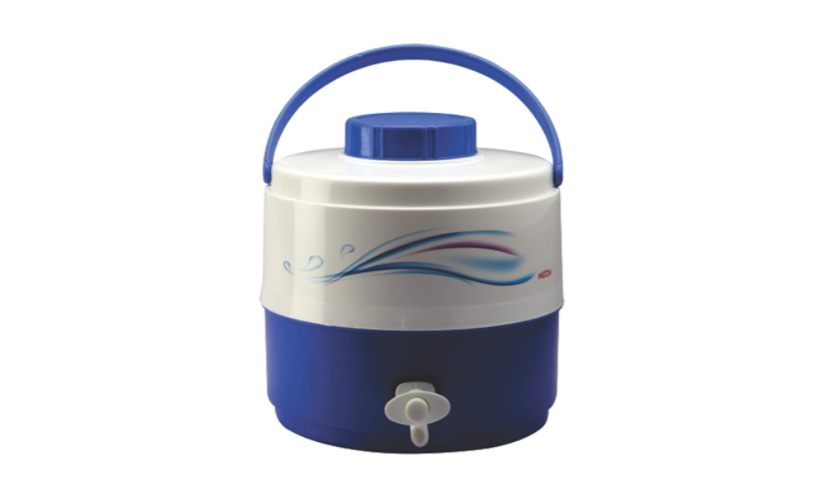
A representation of the water cooler we used to carry. Source

When we were younger, we used to travel by train during our summer holidays to visit our grandparents, first only to Bengaluru and then to Chennai first and then to Bengaluru. This is way before bottled water flooded the Indian market and on a train travel, the only water you had was either the water you carried with yourself in large cans or coolers or what you were able to refill in stations enroute. So we would carry as much water as we could from home in large five or 10 litre cans and this was common with pretty much everyone doing the same. This water would finish up roughly about halfway into the journey and we would have to fill it up from one of the stations, usually in Andhra Pradesh. The water would usually be hard and have a brackish taste to it and I would stop drinking water. If I was very thirsty, I would badger my mother to buy me a drink or something else to quench my thirst and if nothing was available, then a sip or two would all that I could stomach. Luckily the period of low to no water would not be too long and we would reach Bengaluru soon and as soon as we reached home, I would gulp water from the largest glass available.

In fact in our home in Bengaluru or Bangalore as it used to be called then, we had two sources of water – one from the well in the house which was slightly hard and the second which was piped in by the city from the Kaveri. I always preferred the Kaveri water and would always tell my grandmother to keep that water for drinking. This water would come in once every other day and when it came in, it would be a process to ensure it was pumped up to the holding tanks so it could be used for cooking eating and drinking while the well water was used for other needs. In fact, on our most recent trip to Bengaluru, my aunt’s house also had some kind of semi-hard water and I just could not bring myself to drink it. This trip was a very short one and we spent a fair amount of time outside visiting family in the city, so I didn’t have to drink it a lot, but the relief I felt when coming back to Bombay and drinking normal water was so immense that everyone who saw me rush to the kitchen to drink water as soon as we reached home had a hearty laugh at my expense.

Source

My maternal grandparents house in Chennai was another matter and there was no source of any soft water. So holidays there used to be a torture for me because there was no alternative source of water I could use. I soon learnt that if the water was ice cold, the taste could be masked and I could drink it, so that’s exactly what I did. Now, I am someone who normally does not drink cold water, but when in Chennai, I would ensure that there was sufficient cold water available so I could use that cold water for drinking and for even brushing my teeth! Our trip to Chennai used to be for a week, after which we would travel to Bangalore for the rest of the holiday, so it was not too bad.

Another story, similar to the above comes from the time when I was around 15. We were on a school trip to the beach town of Bordi which lies almost at the border between the states of Maharashtra and Gujarat. The whole class X cohort was on the trip, and was a combined Girl Guides and Social Services service trip. In Bordi the water was so bad that pretty much none of us drank the water. And this was the late eightees, so we didn’t have much in terms of pocket money and would restrict ourselves to one bottle of a soft drink a day which we would empty into our water bottles. Girls with a larger amount of pocket money would have purchased more than one and all of us were so glad to be back in Bombay where we could drink water to our heart’s content. This three day trip has been in my memories for more than three decades now because I can still remember the feeling of thirst and now being able to drink water because it was so bad. Like what I used to do in Chennai, when the thirst got too much to bear, we would drink a couple of sips of the hard water and then stop.

Source

So these were my water stories. Water is the true elixir of life, with over 71% of our planet and up to 60% of our bodies made up of water. Without water, life will cease to exist and for this reason, we must learn to preserve it for the future generations.

In My Hands Today…

Life’s Amazing Secrets: How to Find Balance and Purpose in Your Life – Gaur Gopal Das

While navigating their way through Mumbai’s horrendous traffic, Gaur Gopal Das and his wealthy young friend Harry get talking, delving into concepts ranging from the human condition to finding one’s purpose in life and the key to lasting happiness.

Whether you are looking at strengthening your relationships, discovering your true potential, understanding how to do well at work or even how you can give back to the world, Gaur Gopal Das takes us on an unforgettable journey with his precious insights on these areas of life.

Das is one of the most popular and sought-after monks and life coaches in the world, having shared his wisdom with millions. His debut book, Life’s Amazing Secrets, distils his experiences and lessons about life into a light-hearted, thought-provoking book that will help you align yourself with the life you want to live.

World Tourism Day

Today, more than ever, tourism across world has been devastated. Today is World Tourism Day, a day dedicated global tourism. The day has been celebrated since 1980 on September 27 because it was on this date in 1970 that the Statutes of the United Nations World Tourism Organisation or the UNWTO were adopted. Considered a milestone for global tourism, the purpose of the day is to raise awareness on the role of tourism within the international community and to demonstrate how it affects social, cultural, political and economic values worldwide.

In 1997 at its 12th session in Istanbul, the UNWTO General Assembly decided to designate a host country each year to act as the Organization’s partner to celebrate World Tourism Day. In 2003, in Beijing, it was decided to follow a geographical order starting from 2006 and it would be rotated between Europe, South Asia, Americas, Africa and the Middle East. The idea of the World Tourism Day was mooted by the late Ignatius Amaduwa Atigbi, a Nigerian who was finally recognised for his contribution in 2009. The timing of World Tourism Day is particularly appropriate in that it comes at the end of the high season in the northern hemisphere and the beginning of the season in the southern hemisphere. The colour of World Tourism Day is Blue.

Over the decades, tourism has experienced continued growth and deepening ‎diversification to become one of the fastest growing economic sectors in the world. ‎Modern tourism is closely linked to development and encompasses a growing number ‎of new destinations. These dynamics have turned tourism into a key driver for socio-‎economic progress.‎ Today, the business volume of tourism equals or even surpasses that of oil exports, ‎food products or automobiles. Tourism has become one of the major players in ‎international commerce, and represents at the same time one of the main income ‎sources for many developing countries. This growth goes hand in hand with an ‎increasing diversification and competition among destinations.‎ This global spread of tourism in industrialised and developed states has produced ‎economic and employment benefits in many related sectors – from construction to ‎agriculture or telecommunications.‎

The contribution of tourism to economic well-being depends on the quality and the ‎revenues of the tourism offer. Tourism has the potential to contribute, directly or indirectly, to all of the Sustainable Development Goals. In particular, it has been included as targets in Goals 8, 12 and 14 on inclusive and sustainable economic growth, sustainable consumption and production and the sustainable use of oceans and marine resources, respectively. Sustainable tourism is firmly positioned in the 2030 Agenda. Achieving this agenda, however, requires a clear implementation framework, adequate financing and investment in technology, infrastructure and human resources.

Source

The COVID-19 pandemic has had a massive social and economic impact. Both developed and developing economies have been hit. And marginalized groups and the most vulnerable have been hit hardest of all. The restart of tourism will help kickstart recovery and growth. It is essential that the benefits this will bring are enjoyed widely and fairly. International tourist arrivals have dropped drastically in 2021, down 85% from data sourced between January and May this year.

Therefore, the theme of the 2021 World Tourism Day has been to focus on Tourism for Inclusive Growth. This is an opportunity to look beyond tourism statistics and acknowledge that, behind every number, there is a person. The host country for 2021 is Cote d’Ivoire who will be celebrating tourism’s ability to drive inclusive development and the role it plays in promoting respect while generating opportunities for many millions across the globe.

I for one, am waiting for the end in sight and can’t wait to start travelling again, as I am sure almost everyone reading this is. So, let’s all do our part so we can start getting our fix again!