In My Hands Today…

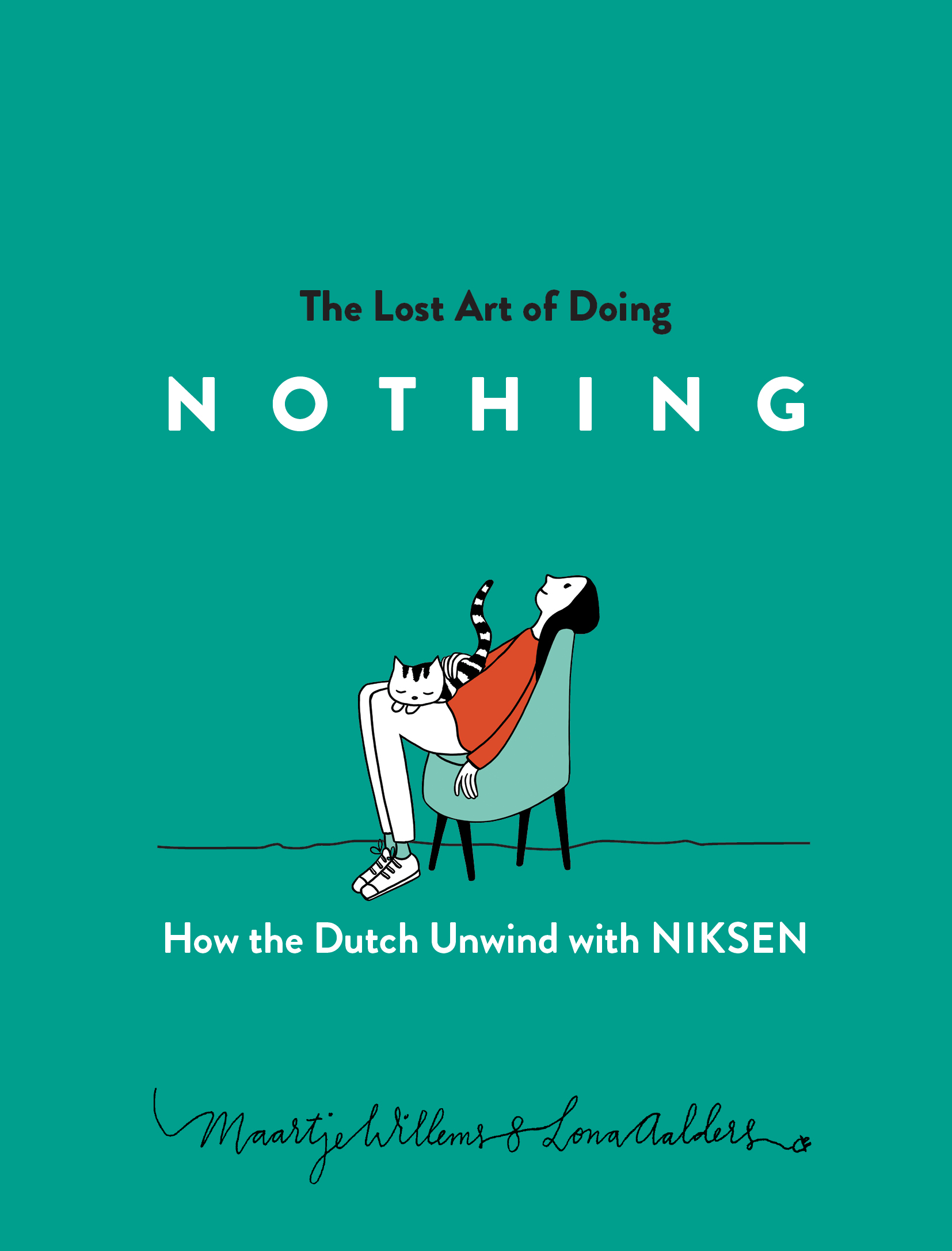
The Lost Art of Doing Nothing: How the Dutch Unwind with Niksen – Maartje Willems, Illustrated by Lona Aalders

“The best thing about niksen is the absence of a goal. It doesn’t serve a purpose, but it’s wonderful.”

Don’t you think it’s time for a break? Plagued—as we are!—by nonstop pings and notifications, we have lost the knack of zoning out. Kicking back. Slacking off . Even when pandemic-induced lockdowns forcibly cleared our calendars, many who thought I’m free! filled their days with Netflix and doomscrolling. How can we reclaim our free time (planned or not) to truly rest and reset?

The Dutch have it figured with niksen. Perhaps their best-kept lifestyle secret, niksen is the art of doing, well, nothing .

It’s the opposite of productivity, and it’s incredibly good for your . . . If you’re waiting for an invitation to go lie down in the sunshine, this book is it.

In My Hands Today…

Magnificent Delusions: Pakistan, the United States, and an Epic History of Misunderstanding – Husain Haqqani

The relationship between America and Pakistan is based on mutual incomprehension and always has been. Pakistan—to American eyes—has gone from being a quirky irrelevance to a stabilizing friend, an essential military ally, and a seedbed of terror. America—to Pakistani eyes—has been a guarantee of security, a coldly distant scold, an enthusiastic military enabler, and is now a threat to national security and a source of humiliation.

The countries are not merely at odds. Each believes it can play the other—with sometimes absurd, sometimes tragic, results. The conventional narrative about the war in Afghanistan, for instance, has revolved around the Soviet invasion in 1979. But President Jimmy Carter signed the first authorization to help the Pakistani-backed mujahedeen covertly on July 3—almost six months before the Soviets invaded. Americans were told, and like to believe, that what followed was Charlie Wilson’s war of Afghani liberation, with which they remain embroiled to this day. It was not. It was General Zia-ul-Haq’s vicious regional power play.

Husain Haqqani has a unique insight into Pakistan, his homeland, and America, where he was ambassador and is now a professor at Boston University. His life has mapped the relationship of the two countries, and he has found himself often close to the heart of it, sometimes in very confrontational circumstances. This has allowed him to write the story of a misbegotten diplomatic love affair, here memorably laid bare.

In My Hands Today…

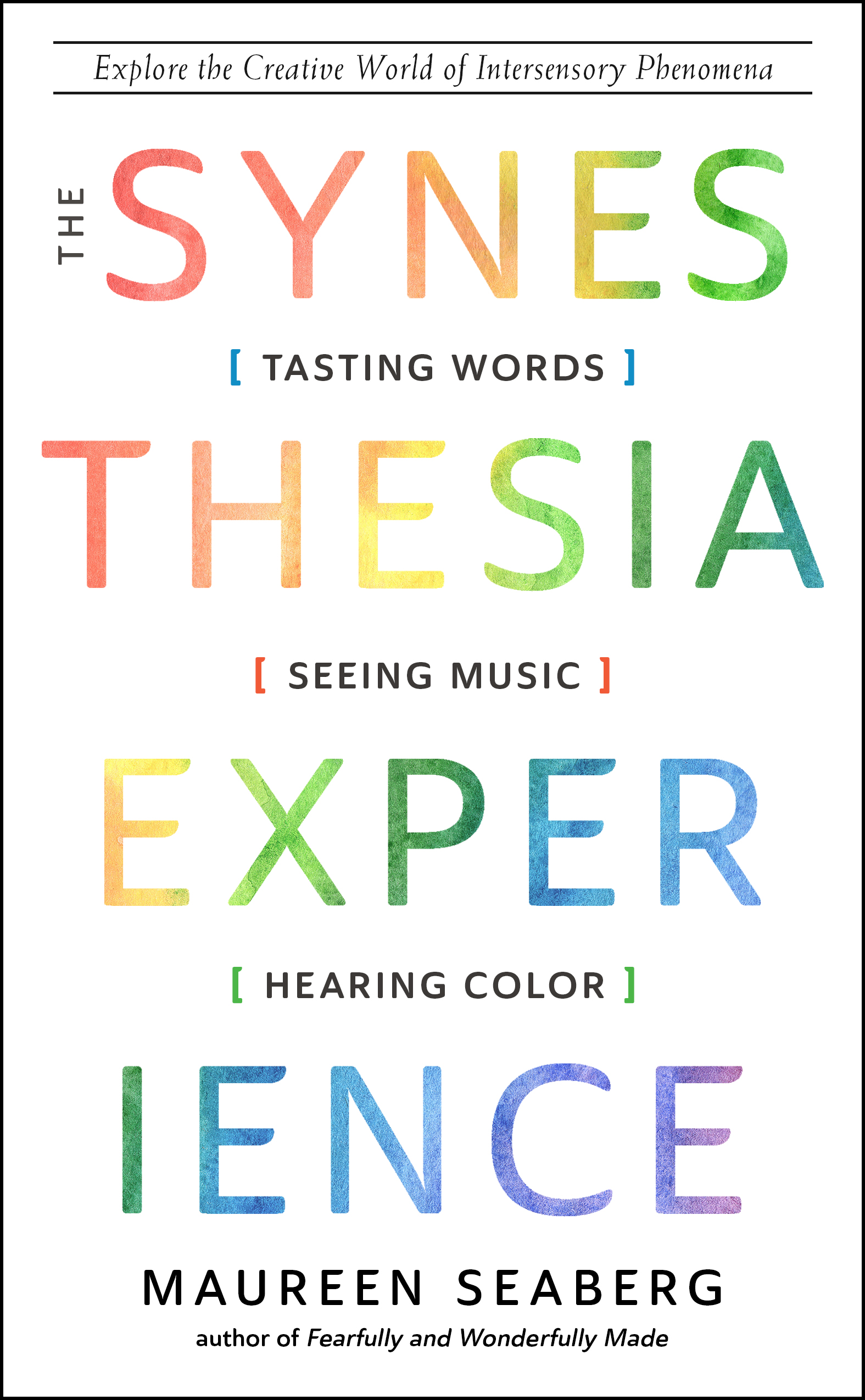
The Synesthesia Experience: Tasting Words, Seeing Music, and Hearing Color – Maureen Seaberg

What does blue taste like to you?

A violinist sees a scarlet form when he plays a certain note; a rock star sees waves of blue and green as he composes a ballad; an actress tastes cake when she utters the word “table.”

Described by some as a superpower, this mingling of the senses is called synesthesia, and the people who possess this amazing gift are called synesthetes.

What happens when a journalist turns her lens on a mystery happening in her own life? Maureen Seaberg did just that and spent a year exploring her synesthesia. What she learned is that synesthesia is not an idle “brain tick” but a unique ability to tap into and reveal a greater creative universe and even the divine.

Join her as she visits top neuroscientists, rock stars, violinists, other synesthetes, philosophers, savants, quantum physicists, and even Tibetan lamas on her journey toward the truth. Genres
Nonfiction
Psychology

In My Hands Today…

Mental Health and Wellbeing in the Workplace: A Practical Guide for Employers and Employees – Gill Hasson and Donna Butler

The importance of good mental health and wellbeing in the workplace is a subject of increased public awareness and governmental attention. The Department of Health advises that one in four people will experience a mental health issue at some point in their lives. Although a number of recent developments and initiatives have raised the profile of this crucial issue, employers are experiencing challenges in promoting the mental health and wellbeing of their employees. Mental Health & Wellbeing in the Workplace contains expert guidance for improving mental health and supporting those experiencing mental ill health.

This comprehensive book addresses the range of issues surrounding mental health and wellbeing in work environments – providing all involved with informative and practical assistance. Authors Gill Hasson and Donna Butler examine changing workplace environment for improved wellbeing, shifting employer and employee attitudes on mental health, possible solutions to current and future challenges and more. Detailed, real-world case studies illustrate a variety of associated concerns from both employer and employee perspectives. This important guide:

Explains why understanding mental health important and its impact on businesses and employees Discusses why and how to promote mental health in the workplace and the importance of having an effective ‘wellbeing strategy’ Provides guidance on managing staff experiencing mental ill health Addresses dealing with employee stress and anxiety Features resources for further support if experiencing mental health issues Mental Health & Wellbeing in the Workplace is a valuable resource for those in the workplace wanting to look after their physical and mental wellbeing, and those looking for guidance in managing staff with mental health issues.

In My Hands Today…

Whole Numbers and Half Truths – Rukmini S.

How do you see India?

Fuelled by a surge of migration to cities, the country’s growth appears to be defined by urbanisation and by its growing, prosperous middle class. It is also defined by progressive and liberal young Indians who vote beyond the constraints of identity and, paradoxically, by an unchecked population explosion and rising crimes against women. Is it, though?

In 2020, the annual population growth was down to under 1 percent. Only 31 out of 100 Indians live in a city today, and just 5 percent live outside the city of their birth.

As recently as 2016, only 4 percent of young, married respondents in a survey said their spouse belonged to a different caste group. Over 45 percent of voters said in a pre-2014 election survey that it was important to them that a candidate of their own caste win elections in their constituency. A large share of reported sexual assaults across India are actually consensual relationships criminalised by parents. And staggeringly, spending more than Rs 8,500 a month puts you in the top 5 percent of urban India.

In Whole Numbers and Half Truths, data-journalism pioneer Rukmini S. draws on nearly two decades of on-ground reporting experience to piece together a picture that looks nothing like the one you might expect. There is a mountain of data available on India, but it remains opaque, hard to access, and harder yet to read, and it does not inform public conversation. Rukmini marshals this information—some of it never before reported—alongside probing interviews with experts and ordinary citizens to see what the numbers can tell us about India. As she interrogates how data works and how the push and pull of social and political forces affect it, she creates a blueprint to understand the changes of the last few years and the ones to come—a toolkit for India.

This is a timely and wholly original intervention in the conversation on data, and with it, India.