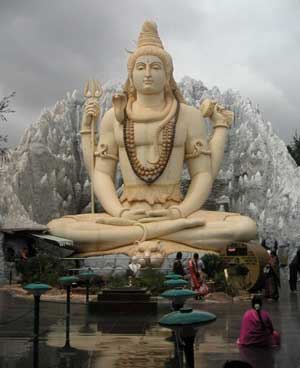
Festivals of India: Maha Shivaratri

This year, I have decided to blog about all the major Hindu festivals as well as those of other faiths which are celebrated in Singapore. This will serve mainly as a repository of knowledge for GG & BB, when I am not around…

So yesterday, Hindus across the world celebrated Maha Shivratri. This is an annual festival which is celebrated in honor of one of the triumvirate of the Hindu pantheon of Gods – Lord Shiva. This day, celebrated as the convergence of Shiva and Shakti (male and female) is the day Lord Shiva married the Goddess Parvati. It is also said this is the day when Lord Shiva performed the Tandava dance, a dance which is the source of the cycle of creation, preservation and dissolution.

Devotees celebrate this festival principally by fasting all day and offering bael leaves to the Lord as well as staying up the whole night in prayer and contemplation. It is said that the planetary positions in the Northern Hemisphere on this day act as a potent catalyst to help a person raise their spiritual energy. The benefits of powerful ancient Sanskrit mantras such as Maha Mrityunjaya Mantra increase greatly on this night.

This Wikipedia link has some nice stories on this day which is a nice read.

The holiest of the Shiva temples in India are called the Jyotirlingas. There are 12 such temples, spread across the country. More information is here

Personally, though Lord Shiva is the kuladevta (or family deity) of S’s family, we don’t really do anything special on this day. There are no special prayers or dishes we make to commemorate this day.

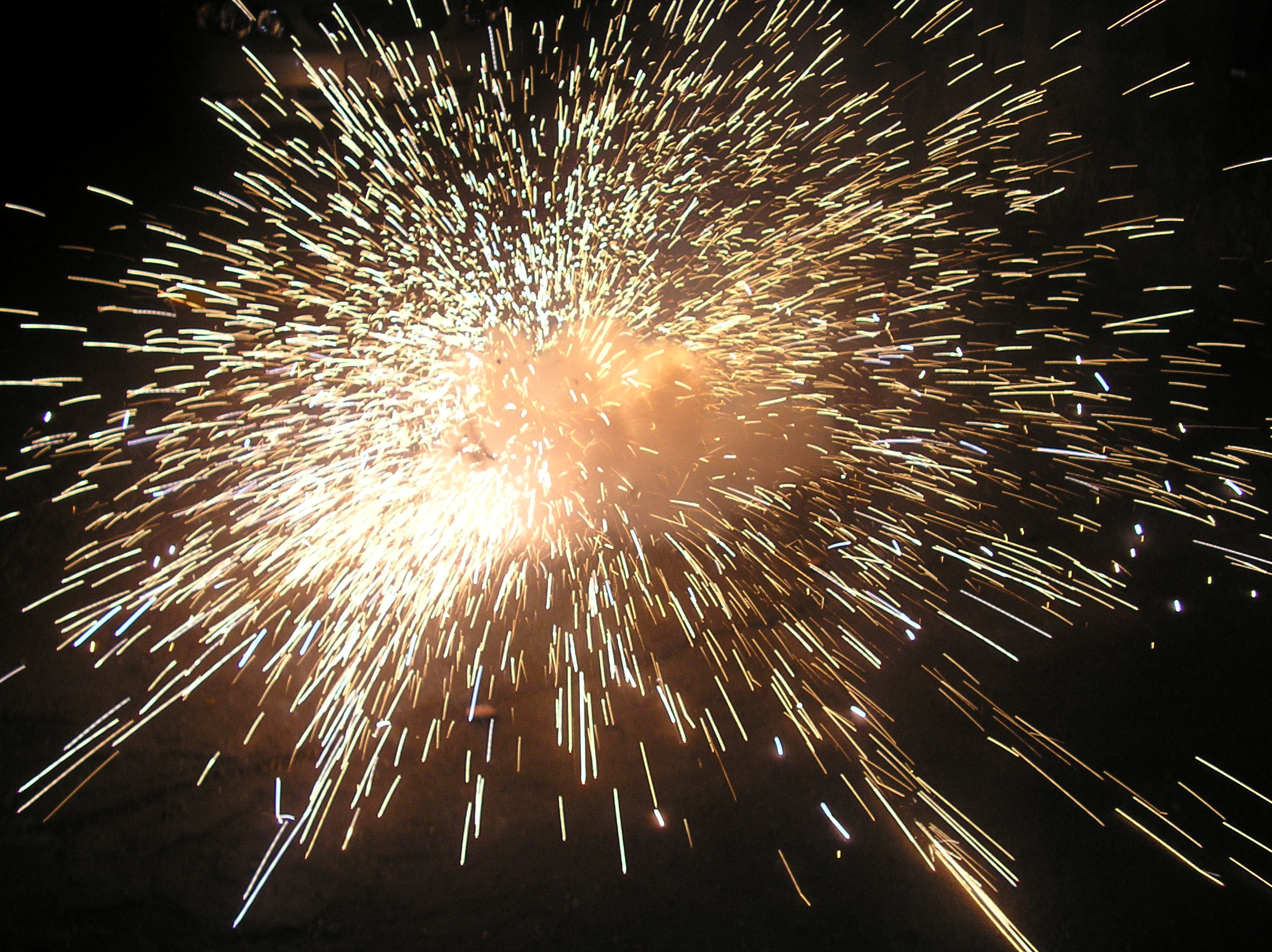
Festivals of India: Pongal O Pongal

This week all over India, various communities will be celebrating/would have celebrated their Harvest festivals. In the southern part of India, specifically Tamil Nadu, today is the day that is celebrated as Pongal.

Not to be confused with the yummy sweet and salt Pongal dishes, the festival of Pongal is a harvest festival celebrated by Tamil people all over the world around 13-16 January each year. This is a four day festival which is according to the Gregorian calendar, unlike most Hindu festivals, which are based on the lunar calendar and marks the start of the sun’s six-month long journey northwards or Uttarayan as it’s called in Sanskrit. This is also celebrated as Makar Sankranti in other parts of India.

The word Pongal in Tamil means ‘overflowing’ and signifies abundance and prosperity. The celebrations for the four day festival start with ‘Bhogi Pongal’ with the worship of Lord Indra, the ruler of clouds and rains to thank him for a season of good rainfall and to make sure he blesses the farmer with just enough rain to ensure abundant harvest. The next day is ‘Thai Pongal’ which is the main festival day. People wake up before sunrise and bathe and get ready and at the time of sunrise, ritually boil fresh milk and let it overflow the earthern pot it is being boiled in. When the boiling happens, people shout “Pongalo Pongal” which means “Let there be prosperity and abundance everywhere”.  The third day is set aside for the animals in the household called ‘Mattu Pongal‘ to give them thanks for the work they do helping the farmer with his harvest. The farm animals, specifically the bulls and cows are scrubbed up and decorated and treated with goodies. The last day is a time for family reunions, called ‘Kaanum Pongal‘ where brothers give their married sisters special gifts and employers gift their employees. This marks the end of the Pongal festivities for the year.

Other harvest festivals celebrated in India include Bihu in Assam, Lohri in Punjab and Makar Sankranti in Gujarat, my home state of Maharashtra and other states in India

This is basically a festival meant to thank the Sun God  for a good harvest and has been celebrated for more than 1000 years, though some historians say it’s older than that.

Culture is important for a human being. You need to know where you come from, what your values are, so that, as custodians of the next generation, you are able to pass it on. This post is so BB & GG know where they come from and are able to pass it to their children and grand-children!

Diwali: Festival of Lights

Tomorrow is a festival, which as a child, I used to wait for. Diwali or Deepavali as it called sometimes is also known as the ‘Festival of Lights’.’ This festival is one of the most important Hindu festivals in the year and is celebrated by Hindus all across the world. Deepavali literally means ‘row of lamps’ in Sanskrit and all households – whether rich or poor would have a few lamps outside the door. The lamps are to welcome Goddess Lakshmi, the goodess of wealth into homes. It is said that on this day, she will roam around earth and where she sees lamps lit to welcome her, she will bless that home with prosperity for the coming year.

There are many stories which are told for the origins of Diwali. In the northern part of India, this festival is celebrated to welcome Lord Rama, his wife, Goddess Sita and his brother Lord Laxman to Ayodhya after their 14 years of exile. Dusshera is celebrated as the victory of good over evil when Lord Rama vanquished the demon king Ravan in what is modern day Sri Lanka. The time between Dusshera and Diwali (approximately 2 weeks) is the time taken by the trip to reach Ayodhya in Northern India from Sri Lanka.

In Southern and Western India, this day is celebrated as the day Lord Krishna defeated the demon Narakasura. Therefore, when Diwali comes on an Amavasaya or a new moon night, we have to wake up early (4:30 – 5:00 am) and take a bath before sun-rise to commemorate this occasion. This day is called Naraka Chaturdasi

As for me, I’m almost done with my preparations. Made some savories and sweets and have tidied the house a bit. Exams are going on, so papers and assessment books are all over the place. We will wake up early and take an oil bath. Then wear new clothes and light the lamps. The children will play with crackers (only the simple ones as the others are banned here) and then visit a temple. Then home for a scrumptious lunch and then…..Study! GG & BB have English on Friday, followed by Maths on Monday and Chinese on Tuesday.

So here’s wishing everyone a very Happy Diwali and may the festival of lights be the harbinger of joy and prosperity in your lives…

Saraswati Puja

Today is the last day of the Navaratri festival with the Saraswati Puja and Dusshera tomorrow. Then it’s the anticipation of Diwali!


Saraswati Puja is celebrated all over India and across the world today with the day being dedicated to Goddess Saraswathi. In Hinduism, Saraswathi is the goddess of knowledge, wisdom, studies, science and technology, music, arts etc. She is also said to be the consort of Lord Brahma, who is said to be the creator of the world in Hindy mythology. Goddess Saraswati is depicted as a beautiful woman wearing a spotless white saree symbolising the purity of knowledge with four hands embodying mind, intellect, ego and alertness. She is usually seated on a white lotus or a white swan which is also her vehicle of transport, with a peacock close to her. She also holds the following in her four hands – a book, which is usually the vedas representing universal, eternal and true knowledge as well as her power over knowledge and the sciences; a rudrashka or rosary representing the power of spirituality, a veena, which is a musical intrument representingin her perfection in all arts and sciences and a pot of gangajal or sacred water which represent creative adn purification powers. Unlike most Goddesses in Hindu mythology, she is usually dressed very simply and not adorned with loads of jewellery showing that she prefers the intellectual and the artistic over the material.

Saraswati is also the main goodess of the Sringeri Sarada Peetham, which is what my family has been following for generations and the Jagadguru Shankaracharya at the Sarada Peetham is whom we consider our guru. I’ll post more about this later, just is just a teaser.

In South India and our brahmin community, we worship the Goddess on the ninth day of Navaratri. On that day, after bath, we keep books and some new clothes at her feet and worship her. I made a payasam today as the prasad. On this day, children also do not look at their books since she is supposed to be sitting on them and to use them is to disrespect her. The next day, we have to read a couple of pages from each book that was kept at the pooja so that she blesses us with good intellect and the most important thing for children – marks!

I’ve kept BB & GG’s books at the altar and asked them to pray to Saraswati Ummachi (God) so that she can bless them. They both prayed “Ummachi, please bless us so that that we can study well and get good marks in our exams“.

One of the first shlokas that I learnt from my ammama and have taught GG & BB is the one about Goddess Saraswati. It goes like this:

Saraswati namasthubiyam, varade kamarupini
Vidyarambham karishyaami, siddhir bhavatume sadaa

O Goddess Saraswati, salutations to you, the giver of boons, the one who fulfills all desires. I begin my studies. May there always be accomplishments for me.

The picture in this post is the picture of Goddess Saraswati in my pooja.

Catching up with friends

On Sunday evening, we went to my inlaws place for haldi Kumkum and it was a fun evening. BB & GG got to meet up with some old friends whom they hardly see these days since they’ve moved away and are in different schools. At one point there was so much noise, we couldn’t hear ourselves talk – there were about 9 kiddos in the house, including two little ones. It was funny seeing how they split themselves gender-wise – the boys playing with their cars in one room and roaring with laughter at bodily functions, something that only little boys are capable of finding humour in and the girls playing god knows what but which included loads of shouting, dancing and singining in one room. The two little ones shuttled between both rooms, somtimes scared as they saw the noise levels there.

Image source - Wikipedia

It was really fun catching up with friends like this and we have decided to do it once again soon (after the exams). While talking about the different activities our kiddos do I was stuck by something. Most of their friends who came visiting on Sunday were learning Indian things (classical music, classical dance etc) since they learn they non-Indian things in school, something which every self-respecting tambrahmkid does, but BB & GG are different. BB & GG have been

Image from Wikipedia

learning Indian classical Carnatic music for about a year now and GG as a counterpoint to this has been learning Ballet since the time she was around three years old. She enjoys ballet, but is not very good at it. It’s not something that she’ll be doing as a career, but it is something that gives her pleasure. I enjoy this dischotomy and it gives me pleasure that GG is blending the traditional with the modern, just like this world that is all hers!

Now I have to get BB to take something that complements what GG is doing – but BB is alll boy and so I am unsure if he will enjoy it. Well, there’s always hope. Next year, when they go to Primary 3, they need to take up some compulsary Co-Curricular Activities. Since BB is always at home – on the iPhone, on the computer or on the TV, both S and me want him to take up some physical activity like soccor, wushu or chookball!