Believed to be Persian in origin, Spinach had spread across Europe by the 12th century and is a storehouse of nutrients and antioxidents. Belonging to the amaranth family and related to beets and quinoa, spinach is well known for its nutritional qualities and has always been regarded as a plant with remarkable abilities to restore energy, increase vitality and improve the quality of the blood. Rich in iron which plays a central role in the function of red blood cells which help in transporting oxygen around the body, in energy production and DNA synthesis, spinach is also an excellent source of vitamin K, vitamin A, vitamin C and folate as well as being a good source of manganese, magnesium, iron and vitamin B2. Eating spinach may benefit eye health, reduce oxidative stress, help prevent cancer, and reduce blood pressure levels.
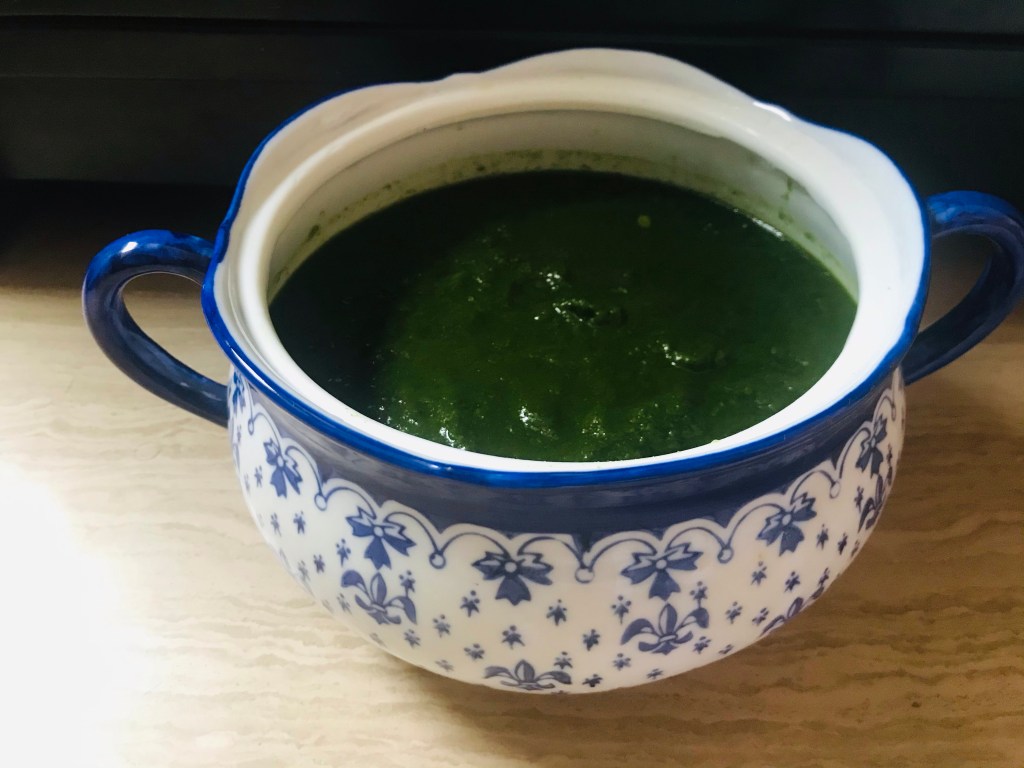
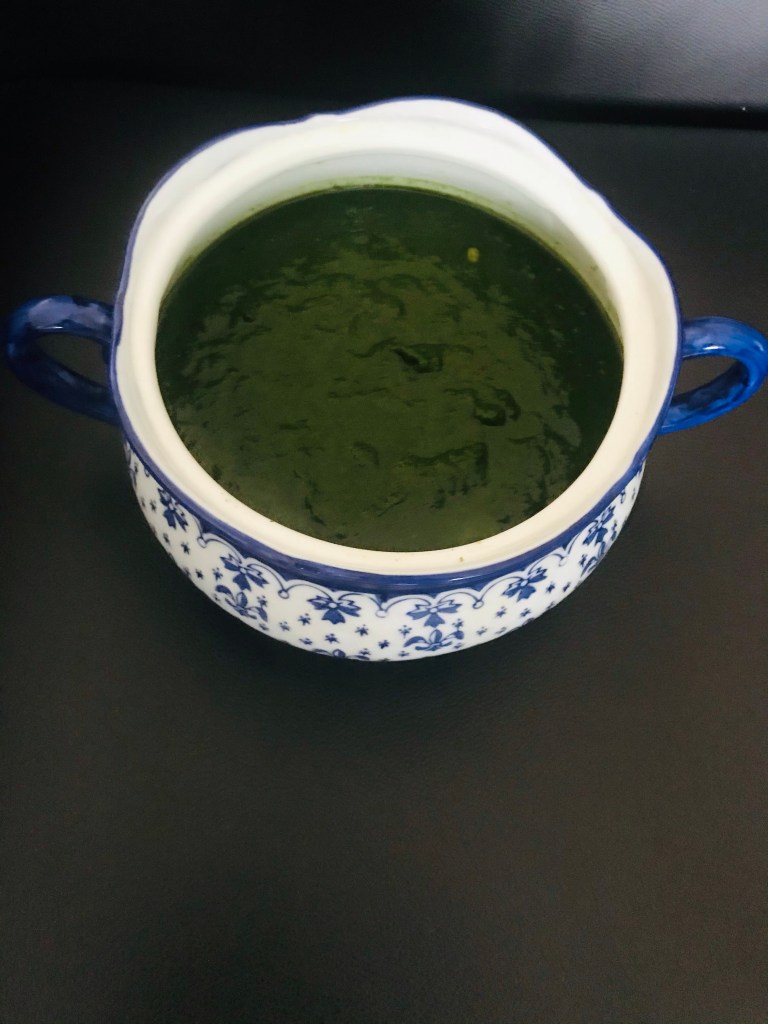
My go-to recipes for spinach are usually Spinach Dal, Palak Paneer or Mor Keerai. But the other day, I had a some fresh spinach and a hankering for a good old-fashioned Masiyal which is a coarse blended paste of spinach mixed with a minimum of spices. This masiyal is a very healthy dish and is common in Tamil cooking and most households will have their own version of this dish. The version I make is the tambram version which does not use onions and garlic and is also very satvic in nature. This is a very quick recipe if you have spinach handy and can be made in 15-20 minutes and with other greens also.
Keerai Masiyal aka Spinach Mash
Ingredients:
2 cups chopped spinach
4 small green chillies
1 tsp oil or ghee
1 tsp mustard seeds
1 tsp broken urad dal
¼ tsp asafoetida
1 tsp sugar
2 dried red chillies
Salt to taste
Method:
Chop the spinach and wash them in a large pan and drain.
Heat 1-2 cups of water and salt slightly. When the water boils, add the chopped spinach and the green chillies.
Let it boil till the spinach is cooked, which should not take long, about 5-6 minutes. Remove and drain the spinach and transfer it to a bowl with cold water. This will help preserve the colour of the spinach.
Once the spinach is cool, blend to a coarse paste and keep aside. You can also use a handheld blender or a buttermilk churn to blend the spinach. You can keep the texture as smooth or coarse as you like. Remove this to the pan and keep aside.
Heat the ghee or oil in a small skillet. When it warms, add the mustard seeds and let them pop. Once the mustard seeds pop, add the urad dal, asafoetida and broken dried red chillies and stir until the urad dal is a nice golden colour. Pour this seasoning over the blended spinach.
Reheat the spinach and check for seasoning and add the sugar, if you are using it. Let it come to a boil and remove from the gas. Serve hot with rice and a sambar or kozambu of your choice.
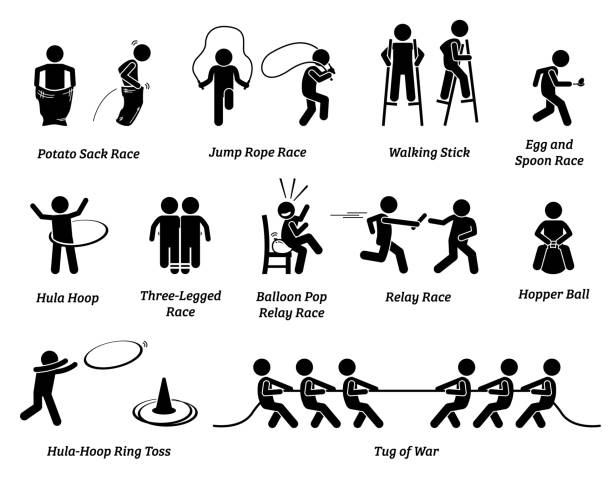
A couple of weeks back, in our class WhatsApp chat, we started talking about our school days and the conversation veered towards our sports day. I enjoyed that conversation so much that I decided to take a trip down memory lane to reminisce about those days.
Our school sports day was the highlight of the second term, which happened after the Diwali holidays in the second term. The main sports day would happen sometime in December/early January before the class X students had their prelims.
Our school was divided into four houses and this was only for the secondary section. Unlike other schools, we didn’t have house named for flowers, national leaders or even landmarks. Since my school is a Parsi school, our houses were named for ancient Persian princesses. Selection of students to the different houses was completely random and we’ve tried to think of the various ways they may have done the choosing, but other than randomness, we have never been able to figure it out. In one family, you would have sisters in different houses, as it was in my house and also in my neighbour’s place where all the sisters were in different houses. I was in the green house while my sister was in the yellow house. As part of our school uniform, along with our school badge which was pinned on the top left of our uniform, above our hearts, we had to pin our house badge to the left of the school badge.
For a few months before the actual day, we would have what was known as indoor games as well as sports for which the school did not have the facilities to play and which needed to be played at a nearby gymkhana. These included sports like carrom, chess, badminton and table tennis. We also had some games like square ball and volley ball, which we played in our school grounds, competing with each other. The sports day was held in a small stadium not very close to the school, but in a centrally located area. A month or so before the actual sports day, we all trooped to the stadium for our heats. This was usually a half day and those of us who were not so inclined, used that half day to just chill and gossip with friends and cheer those who are competing. For children in the primary and kindergarten sections, they had their heats in a small garden behind the school.
In the days leading to the sports day, while the other events were held, we would anxiously keep track of the wins of each house and at the same time start the practice for the march past. Usually the class five students will be super eager to take part in the march past and would audition for the same. By the time we reached class eight, it was the other way around – we had to be forced to go down and take part. The march past contingent was made up of one girl who would carry the placard with the name of the house followed by the house captain who carried the house flag who would be followed by the march past contingent made up of 30 girls in 10 rows of three girls each. Every one on the field will be in white shorts and the school shirt which was our PE uniform and anyone representing a house will have a length of silk ribbon in the colour of the house stitched down both sides of their shorts.
The primary, kindergarten sections and any guests and parents sit together, but the secondary girls sit in their houses. This means that we would get very noisy, especially when we are cheering for our team and booing the opposition. The day’s finale was the march past and the house which scored the highest number of points aka the winner for the year had the honour of leading the march past. During my school years, it had always been the green house which led the march past with usually the red house coming second, the blue house at third position and the yellow house bringing up the rear. And usually, it would be the yellow house which would win the march past trophy. I only remember one year when I was probably in class 6, when there was a three-way tie for first position. Green, red and blue houses all tied and there was a toss to determine who would lead the march past and who would walk in second. I remember red house winning the toss and the captain of the house, who later became famous, was screaming and jumping with joy, because under her captaincy, the red house led the march past.
Our sports day would always be on a Sunday afternoon and would usually start around 2 pm and end around 6ish in the evening. We would go home tired but happy that day, especially since the next day used to be school holiday to help us (and more likely the teachers) recuperate from a hectic day.
This blog post was a blast to write as memories all kept flooding in and I wrote this post with a huge smile on my face. For most of us, our school days are the golden days which we remember fondly, with all the bad parts edited out. Maybe it’s our way of keeping our innocent and young years in our heart?
After unwittingly helping her mother poison King Louis XIV, seventeen-year-old alchemist Mirabelle Monvoisin is forced to see her mother’s Shadow Society in a horrifying new light: they’re not heroes of the people, as they’ve always claimed to be, but murderers. Herself included. Mira tries to ease her guilt by brewing helpful curatives, but her hunger tonics and headache remedies cannot right past wrongs or save the dissenters her mother vows to purge.
Royal bastard Josse de Bourbon is more kitchen boy than fils de France. But when the Shadow Society assassinates the Sun King and half of the royal court, he must become the prince he was never meant to be in order to save his injured sisters and the petulant dauphin. Forced to hide in the sewers beneath the city, Josse’s hope of reclaiming Paris seems impossible―until his path collides with Mirabelle’s.
She’s a deadly poisoner. He’s a bastard prince. They are sworn enemies, yet they form a tenuous pact to unite the commoners and former nobility against the Shadow Society. But can a rebellion built on mistrust ever hope to succeed?
Aves Island Beach: A a public island beach for individuals wishing to spend some time away from crowds and in their own solitary company, the The Aves Island Beach is an uninhabited beach, which automatically makes it isolated. Easily accessible with crystal clear, calm waters that add to the serene ambience of the beach, the beach is also known as coconut island due to the organic coconut plantations on the island.
North Andaman Island Diglipur: A large island located in the North Andaman area, Diglipur is an ecological paradise. The island houses rows of tropical forests, mangroves, and lovely beaches rich in exotic marine life. Kalipur Beach, Ross & Smith Islands, Ramnagar Beach, and Pathi Level Beach are all located in Diglipur, which makes it a favourite destination among tourists. The highest point of the Andaman and Nicobar Islands, Saddle peak, is located at this island, accessible through the Saddle Peak National Park. One can also find the Kalpon river here, the only river to flow through the Andamans. The Ross and Smith islands, a mysterious mud volcano, and the Saddle Peak National Park are all located within the confines of Diglipur. The Alfred Caves, an elaborate labyrinth of 42 caves spread across Diglipur can satisfy the desires of the adventurous who are willing to undertake the challenging task of exploring and trekking through these caves. This largest town in the Andaman islands, does not heat up beyond 31-degree Celsius and also does not freeze below 23-degrees Celsius. For the tourists looking for a relaxing vacation, the shores of Diglipurs offer many wondrous beaches where one can get lost in the beauty of the sea all day long. Visitors to Diglipur can get there from Port Blair by car which is a 12-hour journey approximately. The waterway is another exciting option to cover this 325km distance. There are boat services available twice a week as a night long cruise. If money is not an issue, you can fly there in one of the helicopter services, or choose other special planes that fly you to Diglipur. If neither of these work, you may hop on to one of the buses available in the nights. The Sea Planes are a one-of-a-kind experience.
Lamiya Bay Beach: Located in Diglipur on the foothills of Saddle Peak, the dazzling Lamiya Bay Beach has polished pebbles laid down on the shoreline which further accentuates the beauty of the beach. A favourite amongst the honeymooners, this beach has become a highly instagrammed beach what with the shrubs and trees that contrast the sand and sea. The beach is surrounded by beautiful rock structures that add to the beauty. You can witness a magnificent sunset with the sky turning crimson and reflecting the last rays on the polished pebbles.
Kalipur Beach: Located in Diglipur, the Kalipur Beach is a beautiful beach with an endless number of turtles. These include several rare ones that come here to nest, including the Olive Ridley, the Green turtles, the Hawksbill and the Leather Black who come to the beach to lay their eggs during the winter months. The best time to visit the beach is from October to March as this is also the turtle nesting season. Kalipur Beach can be easily reached from Diglipur and the beach is at a distance of 18 km from the town.
Stewart Island Beach: This quaint little Island situated on the north of Port Blair has an isolated beach amidst the middle of an uninhabited Island. This Island has a long narrow strip of immaculate white sandy beach located in the middle of the sea. The Island has a stunning shoreline with clear water ideal for snorkelling and gentle waves lashing against the sun-kissed sandy shore. Situated between Dotrel Island and Curlew Island, it is considered to be one of the most photographed Island beaches in Andaman by tourists in this part of the country with the sky changing colours very often. A long strip of coconut groves swaying gently to the tune of the breeze is not only soothing for the eyes but also gives relief during mid-afternoon when the sun is at its peak.
Ross and Smith Island: Located just 2 kilometres east of Port Blair, Ross Island is an island which was once the administrative headquarters of the British, but today is an uninhabited island that is known solely for its beauty and scenic views. Following an earthquake that hit the island in 1941, the British left the island and shifted their settlement to Port Blair and the island became abandoned. If you go to the island, you can still see traces of a prosperous past in the rubbles of the church, swimming pool and the chief commissioner’s home with its extensive gardens and magnificent ballrooms. There is also a cemetery and a small museum managed by the Indian Navy. Connected to the island by a sand bar is the Smith Island and the two islands are together known as the twin islands. From Smith Island, you can trek in the nature trails in the island which extend till Ross Island through the green tropical forests and breathe in the calm air of nature. A Marine Sanctuary on the island is the biggest highlight and it is considered to be the ideal place for watching the rare collection of invigorating coral reefs and colourful fish species. Both the islands are home to Olive Ridley turtles and the turtle nesting season is a sight to be seen. Sometimes, visitors can also see wild elephants which live in the dense forests come to play!
Jolly Buoy Island: Nestled away in a small corner of Andaman and Nicobar is the Jolly Buoy Island, an uninhabited and ecologically preserved island known for its clear waters and beautiful coral reefs that make it one of the most sought-after sports in the Andaman for scuba diving and snorkelling, and truly being able to experience the beauty of nature that has been unaffected by man-made dirt and pollution. It is a part of Mahatma Gandhi National Park and it takes some time to get to the island as you need to take a boat ride of some 30 minutes from Wandoor Beach. Visitors will be able to explore the rich marine life including colourful corals reefs and fishes when you do water activities. The Jolly Buoy Island is only a day’s visit as the jetty that transport people here starts from 9 am and returns at 2 pm as people are not allowed to stay here post-sundown. There is a very strict no plastic policy on the island and people who visit the island are all required to make a list of all the plastic items in their possessions as they enter the island, and make sure that they show the same plastic covers to the authorities at the time of departure. There are also heavy fines charged for loitering on the island, so make sure to be extremely careful with your belongings and make sure not to litter on the island. The island is also famous for its rich underwater life. A lot of colourful corals and fishes habitat in the sea which can be seen easily. Acropora, Pacillopora, Montipora, Fungia, Leptoseris, Forties, gorgonians and tubipora are the important corals that can be seen in Jolly buoy Island. Beautiful starfishes, ocellaris clownfish , False Percula Clownfish, butterfly fishes, parrot fishes and Angel fishes are the ones that can be easily spotted and are a treat for the eyes because of their vibrant colours and fluid motions. There is a beautiful jungle filled with trees for tourists to explore and seek some shade from the sunny beach.
Havelock Island Named after a British General and comprising of Ritchie’s Archipelago and a collection of five villages, Havelock Island is one of the largest and most popular islands in the Andaman and Nicobar archipelago and is a paradise of silky white sand beaches, crystal blue water, rich corals and verdant forests. Officially named Swaraj island, the island is spread over a massive area of 113.93 square kilometres and is situated 57 km north-east of the capital city Port Blair. The long stretches which have been declared among the best beaches in the world are here, all closely connected to the island’s main boat jetty. The lighthouse established in 2005 at the northern part of the island gives a wonderful place to catch the sunrises and sunsets. You also have a a wide options of accommodation in the island.
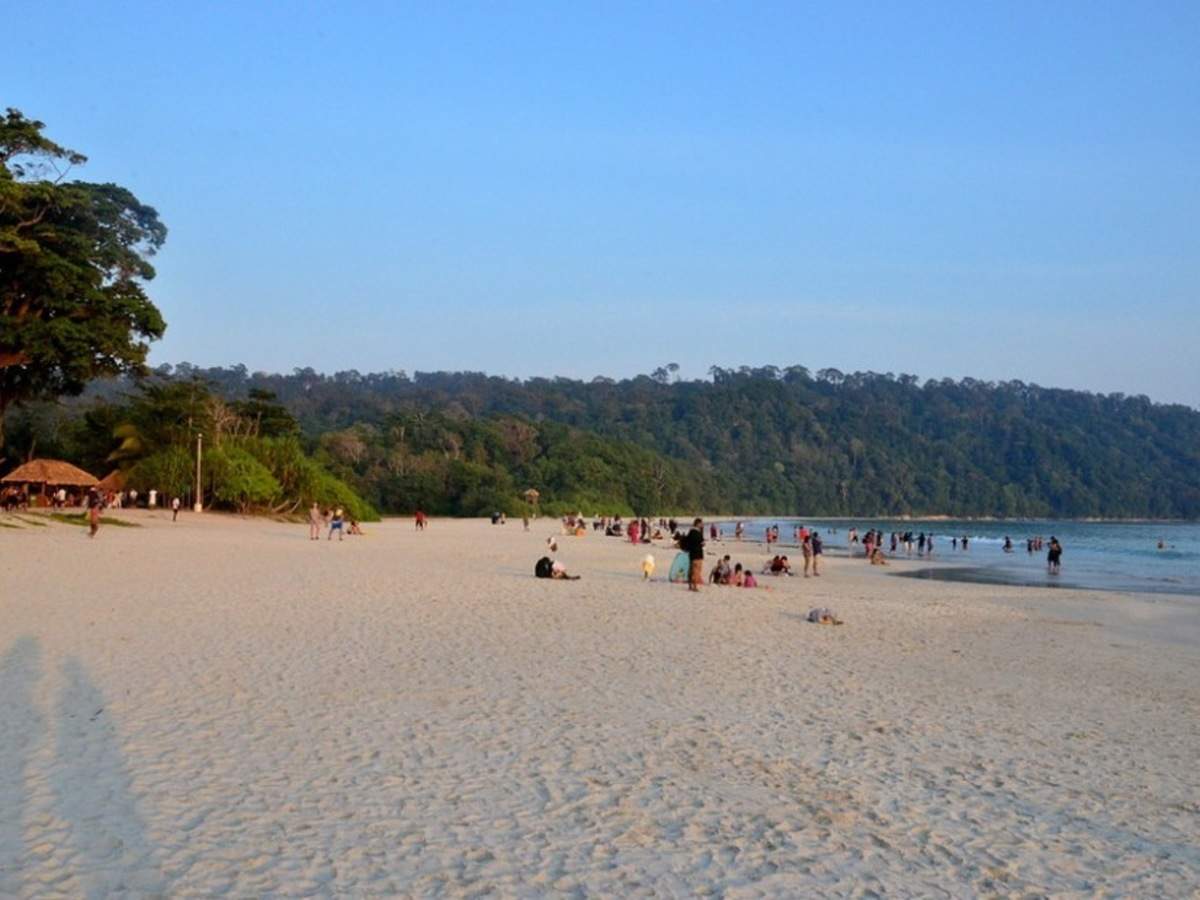
Radhanagar Beach: Crowned Asia’s best beach in 2004 by the Times Magazine, the Radhanagar Beach on the western coast of Havelock Island with its turquoise blue waters and powdery white sands lives up to the moniker even today. Its vast shores of endless white grains stretch across 2 kilometres, making it a prime attraction of the Andaman and Nicobar Islands. This crescent shaped 2 kilometers long beach is known for its soft silver sand with high carrying capacity. Located at a distance of a mere 7 kilometres from the much-adored Vijaynagar Beach and approximately 10 kms from the Havelock Jetty, this beach is the prime attraction of Havelock Island. Swimming is a popular activity here. Neil’s cove on one side of the beach offers a fantastic snorkelling experience in its freshwater streams. Apart from enjoying the spectacle of the beach and the melange of colours, visitors can also enjoy water sports like boating, parasailing, and scuba divingYou can also book beach beds, parasols, and umbrellas while they spend hours merely lounging at this exquisite wonderland. It also very common for tourists to spot some elephants on the beach, so make sure you keep your eyes open and cameras ready! The beach tends to get crowded with visitors around late mornings and afternoons usually between 10 am to 4 pm. The best time of the day at the beach has to be the early mornings as you get time to enjoy the beach in its rawest, most secluded form. Sunsets at this beach are stupendous as well, but the forests guards might not let you stay past 6 pm, as it starts growing darker by the minute. Swimming in the waters is also not allowed post 5 pm due to high tides that might prove to be dangerous.
Elephant Beach: Located close to the Radhanagar Beach, the Elephant Beach can be reached after a twenty minute ferry ride. One of the more popular beaches in the islands, the beach attracts many visitors every year. The beach is famous for the bright coral reefs that one can find at a depth as shallow as one meter. Note that the beach doesn’t stay open for the whole day so you must plan your visit during the first half of the day, with the beach opening from early in the morning, and ferries arriving from around 7 am nd then last ferry leaving the beach at 3:30 pm with the entire beach shutting down around 4 pm. Some of the most popular attractions around the beach include swimming, fishing, kayaking and an array of other super exciting water sports that are famous in Andaman.
Vijaynagar Beach: Also known as Beach #5, Vijayanagar Beach on Havelock Island is said to be paradise on this planet. Not as frequented by the other beaches on the island, the beach boasts of a palm-fringed coastline which creates a stunning contrast to the green and blue of the sea. Unlike the other rocky beaches, the Vijaynagar Beach is a rolling beach which makes it a perfect relaxing haven to experience stunning sunrises and sunsets across the vanishing point of the Bay of Bengal. Some of the common activities you can indulge yourself in are beach hiking, snorkelling, swimming, bird watching, wildlife photography, fishing and trekking.
Kalapathar Beach: A long stretch of white silky sand with black rocks beside the blue sea, Kalapathar Beach which literally means Black Stone Beach is located on the tip of Havelock Island. The beach is named after a black road which runs parallel to the seashore. A small beach with mesmerising views of the sunset makes it a perfect destination to spend some alone time as this beach is usually not very crowded. The black rocks the lie along the seashores make a bright contrast with silver sand and green dense forests surround the beach from all the sides. Being a relatively isolated and protected beach, Kalapathar does not have the usual shacks and resorts that other beaches do and hence can be visited as a stopover attraction.
There are more islands waiting for you, so keep watching this space…
Two Wings of a Nightingale: Persian Soul, Islamic Heart – Jill Worrall
Iran is probably the most misunderstood country on Earth, and one of the most fascinating. Few people in the West know anything about Iranian people beyond their current politics and religion. In this book, award-winning travel writer Jill Worrall, with her friend Reza Mirkhalaf, a leading tour manager from Tehran, describe an Iran the world has forgotten about. Using the threads of Iran’s silk road heritage as a basis for a road trip travelogue, they visit places both ancient and modern, many rarely written about by westerners. Jill’s vivid observations are complemented by Reza’s expert knowledge of Iran’s history, religion, culture and architecture.
During their journey, Jill and Reza explore the caravanserai that were once a vital part of the silk routes that once crossed Persia, while also encountering many ordinary Iranians. The result is a picture of Iran that offers a detailed insight into the landscapes, landmarks and people of the country at a grassroots level. The title reflects the dual nature o Iranian life and also the fact Jill and Reza are two people of different sexes, different religions and cultures travelling together, yet keeping their travels harmoniously on course. Together they visit the holiest city in Iran, Mashhad, paddle in the Persian Gulf, pass close by the borders of both Afghanistan and Iraq, stay with local families, play in the snow near Mt Ararat, pray in mosques, read poetry in Shiraz and eat ice creams in Isfahan.










 Memories and Such