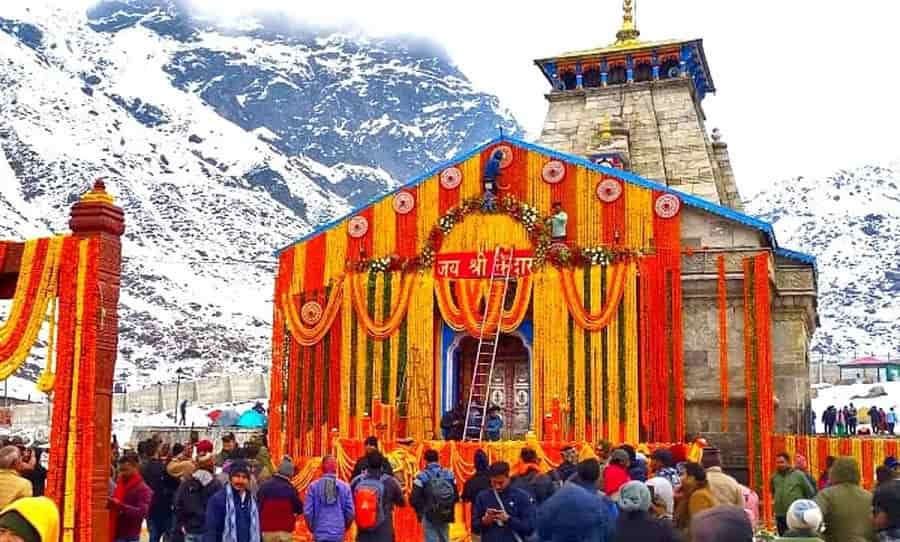
Festivals of India: Losoong

Also known as Namsoong, Losoong is one of Sikkim’s most significant and vibrant celebrations. This joyous festival marks the beginning of the Sikkimese New Year and commemorates the end of the harvest season. Beyond its agricultural significance, Losoong has evolved into a grand cultural showcase, highlighting the unique traditions and heritage of Sikkim. 

The roots of Losoong can be traced back to the agrarian lifestyle that has long been the backbone of Sikkimese society. Initially, the festival was primarily celebrated by the Bhutia community, one of the major ethnic groups in Sikkim. However, over time, Losoong has transcended its original cultural boundaries and is now embraced by various communities in the region.

The festival’s expansion reflects the cultural diversity and integration that characterizes Sikkim. Today, Losoong is celebrated not only by the Bhutias but also by the Lepchas and other smaller tribes across Sikkim, Darjeeling, and even parts of Nepal. This widespread adoption of the festival speaks to its universal themes of gratitude, renewal, and community celebration.

The evolution of Losoong from a community-specific celebration to a widely observed festival also mirrors the historical changes in Sikkim. As the region saw increased interaction and cultural exchange between different communities, festivals like Losoong became platforms for shared celebration and cultural expression.

Losoong’s timing is intricately linked to the Tibetan Lunar Calendar, typically falling on the 18th day of the 10th lunar month. In the Gregorian calendar, this usually corresponds to a date in December. The festival’s alignment with the lunar calendar underscores its connection to natural cycles and agricultural rhythms, which have long guided the lives of Sikkimese people.

The celebration of Losoong is not confined to a single day but extends over four days. This extended duration allows for a rich tapestry of events, rituals, and festivities to unfold. The multi-day celebration also reflects the importance of the festival in Sikkimese culture, providing ample time for both religious observances and communal festivities.

During these four days, the entire region of Sikkim comes alive with a festive atmosphere. Streets are adorned with colourful flags and decorations, creating a striking contrast against the backdrop of snow-capped mountains. Monasteries and monks prepare for elaborate celebrations, while local communities organize various events and competitions.

The festival serves as a platform for showcasing traditional folk dances, religious rituals, and ceremonies that have been passed down through generations. At the heart of the cultural celebrations are the ancient monasteries of Sikkim, particularly the renowned Rumtek Monastery and Tsuklakhang Palace. These sacred spaces become focal points for cultural events, hosting a variety of performances that bring together the spiritual and artistic elements of Sikkimese culture.

One of the most captivating aspects of Losoong is the performance of traditional dances. These dances are not merely entertainment but serve as living repositories of Sikkimese history, mythology, and cultural values. Each movement and gesture in these dances carries deep symbolic meaning, often narrating stories of historical events, spiritual beliefs, or moral teachings.

Among the various dance performances, the Black Hat dance holds a special place in the Losoong celebrations. This dance is a powerful reminder to the locals of the eternal victory of good over evil. Through its intricate choreography and symbolic costumes, the Black Hat dance encapsulates key elements of Sikkimese spiritual beliefs and historical narratives.

The festival also provides a platform for local artisans, musicians, and performers to showcase their talents. This not only helps in preserving traditional art forms but also allows for their evolution and adaptation in contemporary contexts. The coming together of various artistic expressions during Losoong creates a rich, multifaceted cultural experience that reflects the diversity and creativity of Sikkimese society.

The rituals and ceremonies of Losoong are deeply rooted in Sikkimese spiritual traditions, many of which share close ties with Tibetan Buddhist practices. This connection is evident in the similarities between Losoong and Losar, the Tibetan New Year celebration. The proximity of Sikkim to Tibet has led to a natural assimilation of many Tibetan rituals and customs into Sikkimese culture.

One of the most significant and visually striking rituals of Losoong is the performance of Cham dances by Buddhist monks. These sacred dances are not merely performances but are considered a form of meditation in motion and a means of spiritual teaching. The dancers, adorned in elaborate costumes and masks, perform precise movements that symbolize various aspects of Buddhist philosophy and mythology.

The Cham dances are characterised by their vibrant colours, intricate masks, and the rhythmic accompaniment of traditional music. Each dance tells a specific story or represents a particular deity or concept from Buddhist teachings. The masks worn by the dancers are particularly significant, often depicting various deities, demons, or animals, each with its symbolic meaning.

Another important ritual is the offering of Chi-Fut to the deities. Chi-Fut is a type of locally brewed alcohol that holds special significance in Sikkimese culture. The offering of Chi-Fut is believed to please the deities and seek their blessings for the coming year. This ritual underscores the blend of spiritual practices and local traditions that characterize Losoong celebrations.

A key symbolic ritual during Losoong is the burning of an effigy representing a demon king. This act symbolizes the destruction of evil forces and the purification of the community as it enters the new year. The ritual burning is often accompanied by prayers and chants, creating a powerful atmosphere of spiritual renewal.

Archery contests are another integral part of Losoong celebrations. These competitions not only showcase the traditional skills valued in Sikkimese culture but also serve as a form of community bonding and friendly competition. The archery contests often draw large crowds and are accompanied by cheering, music, and a festive atmosphere.

Throughout the festival, monasteries play a crucial role in conducting various religious ceremonies. Monks engage in extended prayer sessions and perform rituals aimed at blessing the community and warding off misfortunes for the coming year. These religious observances provide a spiritual foundation to the festivities, reminding participants of the deeper meanings behind the celebrations.

Losoong holds profound religious significance, deeply rooted in the spiritual beliefs and practices of Sikkim. The festival is not merely a cultural celebration but a time of spiritual renewal and rededication for the Sikkimese people. Central to the religious aspect of Losoong is the belief in the power of ritual and prayer to cleanse negative energies and invite positive forces for the new year. The various ceremonies conducted during the festival are believed to eliminate bad luck and misfortunes. Monks play a crucial role in this spiritual cleansing, conducting rigorous rituals and ceremonies to seek blessings from gods and goddesses for the upcoming year.

The religious aspects of Losoong also reflect the syncretic nature of Sikkimese spirituality, which blends elements of Buddhism, Hinduism, and indigenous beliefs. This spiritual diversity is evident in the various rituals and practices observed during the festival, each contributing to a rich tapestry of religious expression.

The spiritual significance of Losoong extends beyond the formal rituals. It is seen as a time for personal reflection and renewal, where individuals can reflect on the past year and set intentions for the new one. This personal spiritual dimension adds depth to the communal celebrations, making Losoong a holistic experience that addresses both individual and collective spiritual needs.

No celebration in Sikkim is complete without indulging in the local cuisine, and Losoong is no exception. The festival provides a perfect opportunity to showcase the rich culinary heritage of Sikkim, with a wide array of traditional dishes prepared and shared during the celebrations. Some of the traditional dishes consumed during Losoong include Aalum, a traditional Sikkimese dish made from boiled potatoes mixed with spices and herbs, Babar which is a type of bread made from fermented rice batter, often served as a staple during festive meals, Furaula, a sweet dish made from rice flour, often shaped into various forms and deep-fried, and Gundruk, a fermented leafy green vegetable, considered a delicacy in Sikkimese cuisine.

In addition to these traditional dishes, Losoong also sees the preparation of special festive foods. Families often prepare elaborate meals to share with relatives and friends, fostering a sense of community and hospitality. The communal sharing of food during Losoong is seen as a way of strengthening social bonds and expressing gratitude for the abundance of the harvest.

Beverages also play an important role in Losoong celebrations. Traditional drinks like Chang, a millet-based alcoholic beverage, are often consumed during the festivities. These drinks are not just refreshments but are often imbued with cultural and sometimes spiritual significance.

Losoong’s impact extends far beyond its religious and cultural significance, playing a crucial role in the social fabric of Sikkimese society. The festival serves multiple important functions in the community. Losoong brings together people from various backgrounds, strengthening social ties within the community. The shared experiences of celebration, ritual, and feasting create a sense of unity and belonging among participants. Through its rituals, dances, and customs, Losoong plays a vital role in preserving and transmitting Sikkimese cultural heritage. It provides a platform for younger generations to learn about and engage with traditional practices.

The festival attracts tourists and visitors, providing an economic boost to local businesses. Artisans, performers, and food vendors often find increased opportunities during the festival period. As a festival celebrated by various ethnic groups, Losoong fosters inter-community understanding and harmony. It serves as a reminder of the shared cultural heritage that unites different communities in Sikkim. For the Sikkimese people, Losoong is an important marker of cultural identity. It allows them to celebrate their unique heritage and affirm their place in the diverse cultural landscape of India. The festival serves as an important marker in the agricultural and social calendar of Sikkim, helping to structure the year’s activities and providing a sense of cyclical renewal.

While Losoong itself is not associated with a specific mythological story, it is deeply connected to the broader mythological and spiritual beliefs of Sikkim. These beliefs, which blend Buddhist, Hindu, and indigenous elements, provide a rich backdrop to the festival celebrations. One of the key mythological elements reflected in Losoong is the concept of cosmic renewal. Many of the rituals and practices during the festival symbolize the cyclical nature of time and the eternal struggle between good and evil. The burning of the effigy of the demon king, for instance, represents the triumph of positive forces over negative ones, a theme common in many mythological narratives.

The Black Hat dance, performed during Losoong, is steeped in legend. According to some accounts, this dance commemorates the assassination of King Langdarma, a 9th-century Tibetan king who was opposed to Buddhism. The dance is said to reenact how a Buddhist monk, disguised as a Cham dancer, assassinated the king to protect the dharma.

Another mythological element present in Losoong celebrations is the worship of local deities and nature spirits. Sikkim’s indigenous beliefs include a pantheon of local gods and spirits associated with mountains, rivers, and forests. During Losoong, offerings and prayers are often made to these entities, reflecting the deep connection between the Sikkimese people and their natural environment. The concept of karma and its cyclical nature is also reflected in many Losoong rituals. The idea that actions in one year can influence the fortunes of the next is a driving force behind many of the purification and blessing ceremonies conducted during the festival.

While not directly related to Losoong, the legend of Guru Padmasambhava, who is said to have introduced Buddhism to Sikkim, forms an important part of the spiritual backdrop against which the festival is celebrated. Many of the monasteries that play a central role in Losoong celebrations trace their spiritual lineage back to Guru Padmasambhava. These myths and legends, while not always explicitly narrated during Losoong, form the spiritual and cultural foundation upon which the festival is built. They provide depth and meaning to the various rituals and practices, connecting the present-day celebrations to a rich tapestry of historical and spiritual narratives.

While Losoong continues to be a vibrant and significant festival in Sikkim, it faces several challenges in the modern era. As more young people move to cities for education and employment, there’s a risk of losing connection with traditional practices. The influence of global popular culture can sometimes overshadow traditional cultural expressions. There’s a delicate balance between promoting the festival for tourism and maintaining its authentic cultural significance. The increased footfall during the festival period can put pressure on local ecosystems, especially in ecologically sensitive areas. As farming methods modernize and change, there’s a risk of losing the deep connection between the festival and traditional agricultural cycles. 

In response to these challenges, various preservation efforts are underway. Efforts are being made to document the rituals, songs, and dances associated with Losoong to ensure their preservation for future generations. Schools and cultural organizations in Sikkim are working to educate younger generations about the significance of Losoong and other traditional festivals. The Sikkim government has recognized the importance of preserving cultural heritage and provides support for traditional festivals like Losoong. Local communities are taking active roles in organizing and promoting Losoong celebrations, ensuring that the festival remains relevant and meaningful. Efforts are being made to promote responsible tourism during Losoong, balancing economic benefits with cultural and environmental preservation. While maintaining core traditions, there’s also an effort to adapt certain aspects of the festival to make them more relevant and engaging for younger generations.

In the 21st century, Losoong has evolved to meet the changing needs and contexts of Sikkimese society while still maintaining its core cultural significance. The festival now serves multiple roles. Losoong has become a showcase of Sikkimese culture for visitors from other parts of India and abroad, helping to promote cultural tourism in the state. In an era of rapid social change, Losoong provides an important anchor for community identity and cohesion. The festival’s agricultural roots are being leveraged to promote awareness about sustainable farming practices and environmental conservation. As a festival celebrated by people of different faiths, Losoong serves as a model for interfaith harmony and cultural integration. The festival period provides economic opportunities for local artisans, performers, and small businesses. For the younger generation of Sikkimese, Losoong serves as an immersive educational experience in their cultural heritage.

Losoong, the Sikkimese New Year festival, is a vibrant testament to the rich cultural heritage of Sikkim. From its origins as an agricultural celebration to its current status as a major cultural event, Losoong has evolved while maintaining its core essence of community,

Short Story: The Friendship

In the sun-kissed state of Goa, where the waves kissed the golden sands and the air was filled with the scent of salt and spice, lived an 80-year-old retiree named Thomas. A widower for the past five years, Thomas had settled into a quiet routine in his modest home, a small villa adorned with memories of his late wife, Maria. Their children had moved away, pursuing careers and families of their own, leaving Thomas to navigate the twilight of his life alone.

Every morning, Thomas would sit on his porch, sipping his tea while watching the world go by. The vibrant colours of the flowers in his garden brought him some solace, but the silence of the house often echoed with loneliness. He missed the laughter and warmth that Maria had brought into his life, and though he tried to fill the void with hobbies, nothing seemed to replace her presence.

One day, as he was tending to his garden, Thomas noticed a new family moving into the house next door. Curiosity piqued; he watched as a young girl, no more than ten, helped her parents unpack boxes. She had a bright smile and an infectious energy that reminded him of his grandchildren.

“Hello!” she called out, waving enthusiastically. “I’m Jennifer! What’s your name?”

Thomas hesitated for a moment, surprised by her openness. “I’m Thomas,” he replied, a smile creeping onto his face. 

“Nice to meet you, Thomas!” Jennifer beamed. “Do you have any pets?”

“No, just my plants,” he said, gesturing to the flowers around him.

“Plants are cool! I love flowers!” she exclaimed, bounding over to inspect the blooms. 

As the days passed, Thomas found himself looking forward to Jennifer’s visits. She would come over after school, eager to learn about gardening and share stories about her day. Her laughter filled the air, and for the first time in years, Thomas felt a spark of joy.

Jennifer’s family settled in quickly, and her parents, Pauline and Ryan, often invited Thomas over for tea. The three of them would sit on the porch, sharing stories of their lives, while Jennifer played in the garden, her laughter echoing through the air.

One afternoon, as Thomas and Pauline chatted, Jennifer came running up to them, her face flushed with excitement. “Guess what! We’re going to have a school play, and I want to be the princess!”

“That sounds wonderful, Jennifer!” Thomas said, his eyes twinkling. “What’s the play about?”

“It’s about a brave princess who saves her kingdom!” she replied, her enthusiasm infectious. “I’m going to practice my lines every day!”

Thomas couldn’t help but smile. “You’ll be the best princess they’ve ever seen!”

As the weeks turned into months, Thomas and Jennifer’s bond deepened. She became a regular fixture in his life, and he found himself looking forward to her visits. In turn, he shared stories of his life with her—tales of his youth, his love for Maria, and the adventures they had shared.

One day, as they were planting new flowers together, Jennifer looked up at Thomas and asked, “Do you miss your wife?”

Thomas paused, the question catching him off guard. “Every day, Jennifer,” he admitted, his voice softening. “But I also cherish the memories we made together.”

Jennifer nodded, her eyes thoughtful. “I wish I could have met her. She sounds amazing.”

“She was,” Thomas replied, a smile breaking through his sadness. “She had a way of making everything brighter.”

As the monsoon season approached, dark clouds loomed over Goa, and the winds began to howl. One evening, as Thomas sat on his porch, he noticed the sky darkening ominously. He felt a sense of unease, knowing that storms could be fierce in the region.

“Thomas!” Jennifer called out, running towards him. “Is it going to rain?”

“Yes, it looks like a big storm is coming,” he replied, glancing at the sky. “You should head inside.”

But Jennifer shook her head, her determination evident. “I want to help you with your garden! We can cover the plants!”

Together, they hurried to gather tarps and ropes to protect the flowers. As the wind picked up and the first raindrops began to fall, they worked side by side, laughter mingling with the sound of the storm.

Suddenly, a loud crack echoed through the air, followed by a flash of lightning. Thomas instinctively grabbed Jennifer’s hand, pulling her close. “It’s okay, just stay close to me,” he reassured her.

As the storm raged on, they took shelter on the porch, watching the rain pour down. Thomas felt a sense of calm wash over him, realising how much he had come to care for this young girl. In that moment, he understood that their friendship had become a source of strength for both of them.

After the storm passed, the sun emerged, casting a golden glow over the garden. Thomas and Jennifer stepped outside, marveling at the beauty that followed the chaos. The flowers glistened with raindrops, and the air was fresh and fragrant.

“Thank you for helping me today, Jennifer,” Thomas said, his heart full. “You’re braver than you know.”

Jennifer smiled, her cheeks flushed with pride. “I just wanted to make sure your flowers were safe!”

As they walked through the garden, Thomas turned to her. “You know, you remind me a lot of my wife. She had a spirit like yours—full of life and courage.”

Jennifer’s eyes widened. “Really? What was she like?”

Thomas took a deep breath, recalling the memories that had shaped his life. “She was kind, always finding ways to help others. She loved nature and would spend hours tending to our garden, just like we did today.”

Jennifer listened intently, her heart swelling with empathy. “I wish I could have known her. She sounds wonderful.”

“She was,” Thomas said, his voice softening. “But you know, Jennifer, life goes on. I’ve learned that it’s important to cherish the memories while also embracing new friendships.”

Jennifer smiled, understanding the weight of his words. “I’m glad we’re friends, Thomas.”

As the months passed, Thomas and Jennifer’s friendship blossomed. They spent countless afternoons in the garden, sharing stories, laughter, and dreams. Jennifer often spoke about her aspirations of becoming a doctor, inspired by her desire to help others.

“Thomas, I want to make a difference in the world,” she declared one day, her eyes shining with determination. “I want to help people heal.”

“You will, Jennifer,” Thomas encouraged. “With your heart and spirit, I have no doubt you’ll achieve great things.”

One evening, as they sat on the porch watching the sunset, Thomas turned to Jennifer. “You know, you’ve brought so much joy into my life. I was feeling lost after losing my wife, but you’ve helped me find hope again.”

Jennifer beamed, her heart swelling with happiness. “I’m glad, Thomas. You’ve taught me so much too. You’re like a grandfather to me.”

Their bond deepened as they shared dreams of the future. Thomas found himself feeling alive again, inspired by Jennifer’s youthful spirit and resilience.

One day, Thomas received a phone call from his daughter, who lived in another city. “Dad, I’m coming to visit next week! I can’t wait to see you!”

Thomas felt a mix of excitement and anxiety. He hadn’t seen his children in years, and he worried about how they would react to the changes in his life. Would they understand the bond he had formed with Jennifer?

When his daughter arrived, she was surprised to find Jennifer at the house. “Dad, who is this?” she asked, her eyebrows raised.

“This is Jennifer, my neighbor and friend,” Thomas replied, his voice steady. “She’s been a wonderful companion to me.”

As they spent time together, Thomas’s daughter began to see the positive impact Jennifer had on her father’s life. They shared stories and laughter, and soon, the initial tension faded.

“I’m glad you have someone like Jennifer in your life, Dad,” she said, her voice warm. “It seems like she brings you joy.”

“She does,” Thomas agreed, feeling a sense of relief. “She’s helped me find hope again.”

As the festive season approached, Thomas and Jennifer decided to organise a small Christmas celebration in the neighbourhood. They wanted to spread joy and bring the community together. 

Together, they decorated the garden with lights, transforming it into a vibrant space filled with warmth and laughter. Thomas felt a sense of purpose as he worked alongside Jennifer, sharing ideas and planning the festivities.

On Christmas Eve, the garden came alive with colors and sounds. Neighbours gathered to celebrate, and the air was filled with the aroma of delicious sweets and savory snacks. Thomas watched as Jennifer interacted with everyone, her infectious energy bringing smiles to their faces.

As the night progressed, Thomas took a moment to reflect on how far he had come. He had found a new family in the community and a deep friendship with Jennifer that had reignited his spirit. 

As the celebrations continued, Thomas and Jennifer stood together, watching the fireworks light up the night sky. “This is beautiful,” Jennifer said, her eyes sparkling with wonder.

“It is,” Thomas replied, his heart full. “Just like life, it’s a mix of light and darkness. But it’s the moments of joy that make it all worthwhile.”

Jennifer nodded, understanding the depth of his words. “You’ve taught me so much about resilience, Thomas. I hope I can be as strong as you when I face challenges.”

“You already are strong, Jennifer,” Thomas said, placing a reassuring hand on her shoulder. “Life will throw obstacles your way, but remember that you have the power to overcome them.”

As the last firework burst in the sky, Thomas felt a sense of peace wash over him. He had found hope in the most unexpected places, and he was grateful for the journey that had brought him to this moment.

Months turned into years, and Thomas and Jennifer’s friendship continued to flourish. Jennifer excelled in her studies, and Thomas became a mentor to her, guiding her through challenges and celebrating her successes.

One day, as they sat in the garden, Jennifer shared her plans for the future. “I’ve decided to apply to medical school,” she announced, her eyes shining with determination.

“That’s wonderful, Jennifer! I’m so proud of you,” Thomas replied, his heart swelling with pride. “I couldn’t have done it without your support,” she said, her voice sincere. “You’ve always believed in me.”

As the seasons changed, Thomas realised that he had become a part of Jennifer’s journey, just as she had become a part of his. They had both learned the importance of resilience, hope, and the power of connection.

Years later, as Thomas sat in his garden, he reflected on the journey he had taken. Jennifer had grown into a remarkable young woman, pursuing her dreams of becoming a doctor, and their friendship had remained strong. He remained an important part of the community, with many children making him an honorary grandpa. 

“Grandpa, tell us a story!” one of the children exclaimed, breaking Thomas from his reverie. Alright, gather around,” he said, a smile spreading across his face. “Let me tell you about the power of hope and resilience.”

As he shared stories of his life, Thomas felt a deep sense of fulfillment. He had learned that love and connection could heal even the deepest wounds and that every moment of joy was a gift to be cherished.

Human Rights Day

Held annually on December 10th to commemorate the adoption of the Universal Declaration of Human Rights (UDHR) by the United Nations General Assembly in 1948, Human Rights Day was established to mark the adoption of the landmark document, drafted in the aftermath of World War II, set out for the first time the fundamental human rights to be universally protected.

The horrors of World War II, including the Holocaust and other atrocities, highlighted the need for a universal framework to protect human rights. The Universal Declaration of Human Rights set out, for the first time, fundamental human rights to be universally protected.

The UDHR consists of 30 articles affirming an individual’s rights. These include the right to life, liberty, and security of person; freedom from torture and degrading treatment; the right to equality before the law; freedom of belief and religion; freedom of opinion and expression; the right to work and education; and the right to health and well-being. The declaration has been translated into over 500 languages, making it the most translated document in the world.

Human Rights Day serves several important purposes. The day helps educate the public about human rights issues and challenges around the world. It provides a platform for human rights advocates to push for policy changes and improved protections. Human Rights Day celebrates the progress made in advancing human rights globally. It encourages reflection on the state of human rights and areas where improvement is needed. The day unites people worldwide in the cause of promoting and protecting human rights.

Understanding the current state of human rights globally provides context for the importance of Human Rights Day. While progress has been made since the adoption of the UDHR, significant challenges remain. Many countries still struggle with issues such as freedom of expression, assembly, and fair trials. Poverty, lack of access to education and healthcare, and cultural discrimination persist in many parts of the world. Gender inequality, violence against women, and discrimination continue to be global issues. Child labour, lack of access to education, and child marriage remain significant problems in many regions. Many countries still criminalise same-sex relationships, and discrimination against LGBTQ+ individuals is widespread. The global refugee crisis and treatment of migrants continue to pose human rights challenges. Indigenous peoples often face discrimination and struggle to protect their lands and cultures. Issues of privacy, surveillance, and online freedom of expression are growing concerns. Climate change and environmental degradation increasingly impact human rights, particularly for vulnerable populations.

The United Nations plays a crucial role in promoting and protecting human rights globally. Established in 1993, the Office of the High Commissioner for Human Rights (OHCHR) is the leading UN entity on human rights. It supports the work of UN human rights mechanisms, including the Human Rights Council and the core treaty bodies. Created in 2006, the Human Rights Council is an inter-governmental body responsible for strengthening the promotion and protection of human rights around the world.

Despite progress, numerous challenges to human rights persist globally. The rise of authoritarian regimes in various parts of the world threatens civil and political rights. Economic inequality continues to undermine social and economic rights. Various forms of discrimination based on race, gender, sexual orientation, and other factors persist. Ongoing conflicts in various regions lead to severe human rights violations. Environmental degradation and climate change increasingly impact human rights, particularly for vulnerable populations. The misuse of technology for surveillance and control threatens privacy and freedom of expression. The spread of misinformation and hate speech online poses challenges to human rights. The COVID-19 pandemic has highlighted and exacerbated existing human rights issues.

Human rights education is crucial for creating a culture that respects and promotes human rights. These include integrating human rights education into school curricula at all levels, providing human rights training for professionals such as law enforcement officers, healthcare workers, and educators, conducting campaigns to educate the general public about human rights, implementing community-based programs that promote human rights awareness and activism, and developing and disseminating online resources for human rights education.

Human Rights Day serves as a powerful reminder of the universal values enshrined in the Universal Declaration of Human Rights and the ongoing struggle to realise these rights for all people. As we face complex global challenges, from climate change to technological disruption, the principles outlined in the Universal Declaration of Human Rights remain as relevant as ever. Human Rights Day reminds us that respect for human dignity, equality, and justice must be at the core of our responses to these challenges. By promoting human rights education, supporting civil society organizations, engaging businesses in human rights responsibilities, and leveraging technology for positive change, we can work towards a world where the rights of all individuals are respected and protected.

Human Rights Day is not just a day of commemoration, but a call to action. It challenges each of us to stand up for our rights and the rights of others, to speak out against injustice, and to work towards a world where the principles of the Universal Declaration of Human Rights are realized for everyone, everywhere.

Singapore is the World’s Safest Destination for Tourists

In a world where safety and security are paramount concerns for travellers, a recent study by Forbes Advisor has crowned Singapore as the safest city for tourists in 2024. The comprehensive analysis, which evaluated 60 major cities across the globe, placed the island nation at the top of the list, thanks to its exceptionally low risks in areas such as crime, healthcare, infrastructure, and digital security.

As the world gradually recovers from the challenges posed by the COVID-19 pandemic, the tourism industry is poised for a resurgence. Travellers, more than ever, are prioritising safety and security when planning their trips. Forbes Advisor’s study, which delved into key metrics such as health security, crime risk, infrastructure security, digital security, personal safety, travel safety, and natural disaster risk, provides valuable insights for those seeking the most secure destinations for their next adventure.

Singapore’s top ranking in the Forbes Advisor study is a testament to its unwavering commitment to maintaining a safe and secure environment for its citizens and visitors alike. The city-state’s strict laws, low crime rates, and geographical location near the equator contribute significantly to its exceptional safety record.

One of the most notable factors in Singapore’s favour is its remarkably low risk of natural disasters. As an island nation, Singapore is largely shielded from the threat of typhoons, earthquakes, and other natural calamities that often plague other regions. This stability provides a sense of reassurance for travellers, who can explore the city without the constant worry of unexpected disruptions. Singapore’s healthcare system is widely regarded as one of the best in the world. The country’s hospitals are equipped with state-of-the-art facilities and staffed by highly skilled medical professionals. This robust infrastructure ensures that visitors can access quality medical care if needed without compromising their safety or well-being. In addition to its physical security, Singapore also excels in digital safety. The study assessed digital security risks based on the ability to use the internet without fear of online threats or privacy breaches. Singapore ranked second in this category, reflecting its strong measures to protect online users and maintain digital privacy.

While Singapore undoubtedly shines as the safest destination for tourists, it is not alone in its commitment to providing a secure environment for travelers. The Forbes Advisor study also recognised Tokyo and Toronto as the next safest cities in the world.

Tokyo, Japan’s capital, secured the second spot on the list. The city’s top ranking in health security highlights the exceptional quality of its healthcare services, while its fifth-lowest infrastructure security risk further supports its status as a safe destination. Tokyo’s strong performance in these areas, combined with its vibrant culture and rich history, make it an attractive choice for tourists seeking a balance of safety and excitement.

Toronto, Canada’s largest city, rounds out the top three safest destinations. The city’s overall safety is bolstered by its robust infrastructure and low crime rates. Toronto also received the highest travel safety rating from the U.S. Department of State, indicating that it is a secure and stable destination for visitors.

While Singapore, Tokyo, and Toronto stand out as the top three safest cities for tourists, the Forbes Advisor study also highlighted several other destinations that excel in providing a secure environment for travellers. Sydney, Australia, and Zurich, Switzerland, ranked fourth and fifth, respectively, on the list. Sydney’s low digital security risk and strong infrastructure make it an appealing choice for tech-savvy travellers, while Zurich’s low natural disaster risk and crime rates contribute to its overall safety.

Copenhagen, Denmark, and Seoul, South Korea, also made it into the top 10, showcasing the commitment of Scandinavian and Asian nations to ensuring the safety and well-being of their visitors. Osaka, Japan, and Melbourne, Australia, rounded out the list, demonstrating the strong performance of Japan and Australia in providing secure destinations for tourists.

While the Forbes Advisor study highlighted the safest cities for tourists, it also revealed the stark contrast between the most secure and least secure destinations. At the bottom of the list, Caracas, Venezuela, emerged as the riskiest city for travellers. Caracas faces a multitude of challenges that contribute to its high risk status. The city grapples with severe health and crime risks, further exacerbated by inadequate healthcare services and infrastructure. The U.S. Department of State has issued a Level 4 travel advisory for Caracas, strongly discouraging travel to the city due to the high risks of crime, civil unrest, and poor medical facilities.

Karachi, Pakistan, follows closely behind Caracas as the second most dangerous city for tourists. The city faces a high personal security risk, with the U.S. Department of State issuing a Level 3 travel advisory that urges travellers to reconsider visiting due to the threat of terrorism and ongoing violence from extremist groups. Yangon, Myanmar, ranked third among the riskiest cities for tourists, followed by Lagos, Nigeria, and Manila, Philippines. These cities face a combination of challenges, including political instability, high crime rates, and poor infrastructure, making them less attractive destinations for travellers seeking a safe and secure experience.

The Forbes Advisor study highlights the critical importance of safety and security in the tourism industry. As travellers become more discerning and conscious of the risks associated with their destinations, cities that prioritise safety and security are likely to attract more visitors and thrive in the post-pandemic era. Safety is not only a key factor in attracting tourists but also in ensuring their overall satisfaction and well-being during their stay. When travellers feel secure and confident in their surroundings, they are more likely to fully immerse themselves in the local culture, engage in activities, and create lasting memories. A city’s reputation for safety can have far-reaching economic implications. Tourists who feel safe and secure are more likely to spend more money on local businesses, contributing to the city’s economic growth and development. Conversely, destinations with a poor safety record may struggle to attract visitors, leading to a decline in tourism revenue and investment.

The Forbes Advisor study provides valuable insights for the tourism industry, highlighting the need for cities to prioritise safety and security in their development strategies. As the world emerges from the COVID-19 pandemic, travellers are likely to be more cautious and selective in their choices, making safety a top priority. For destinations looking to attract more tourists, investing in robust safety measures, such as improved infrastructure, enhanced security protocols, and better healthcare facilities, can be a game-changer. By demonstrating a commitment to safety, cities can differentiate themselves from their competitors and appeal to a wider range of travellers.

The study underscores the importance of collaboration between governments, tourism boards, and local communities in ensuring the safety and security of visitors. By working together, these stakeholders can develop comprehensive strategies that address the unique challenges faced by their destinations and provide a seamless and secure experience for tourists.

Singapore’s top ranking in the Forbes Advisor study is a testament to its ongoing success in the tourism industry. The city-state has long been recognised as a safe and stable destination, attracting millions of visitors each year with its diverse attractions, world-class infrastructure, and vibrant culture. As Singapore continues to navigate the challenges posed by the pandemic, its commitment to safety and security will undoubtedly be a key factor in its recovery and future growth. By maintaining its high standards and adapting to the evolving needs of travellers, Singapore can solidify its position as the premier destination for tourists seeking a safe and enjoyable experience. Singapore’s success can serve as a model for other cities aspiring to create safe and secure environments for their visitors. By learning from Singapore’s best practices and adapting them to their unique contexts, destinations around the world can work towards creating a more equitable and sustainable tourism industry that prioritises the well-being of both travellers and local communities.

In a world where safety and security are paramount concerns for travellers, the Forbes Advisor study serves as a valuable resource for those seeking the safest destinations for their next adventure. By ranking Singapore as the world’s safest city for tourists, the study highlights the importance of prioritising safety in the tourism industry and provides a roadmap for other cities looking to create secure environments for their visitors. As the tourism industry continues to evolve in the wake of the COVID-19 pandemic, the need for safe and secure destinations will only become more pressing. Cities that invest in robust safety measures, collaborate with stakeholders, and adapt to the changing needs of travellers will be well-positioned to thrive in the years to come.

The Power of Music: Transforming Lives Through Sound

Music is an integral part of human culture, transcending boundaries and connecting people across different backgrounds and experiences. Its influence is profound, shaping our emotions, enhancing our cognitive abilities, and even promoting healing. 

Music uniquely evokes emotions and memories, often transporting us back to specific moments in our lives. This emotional connection is one of the most powerful aspects of music, allowing us to experience joy, sadness, nostalgia, and even catharsis.

Research has shown that music can significantly influence our mood. Listening to uplifting songs can trigger the release of dopamine, a neurotransmitter associated with pleasure and reward. This biochemical response can help alleviate feelings of sadness or anxiety, making music an effective tool for mood regulation. Creating playlists of favourite songs or upbeat tracks can serve as a quick remedy for low spirits.

Music has been found to enhance memory recall, particularly in individuals with cognitive impairments such as dementia and Alzheimer’s disease. Familiar songs can evoke vivid memories and emotions, allowing individuals to reconnect with their past. Programs like “Music & Memory” utilise personalised playlists to stimulate memories and promote engagement among those with cognitive challenges, demonstrating the profound impact of music on memory and identity.

For many, music serves as a means of emotional expression. Composing, performing, or even listening to music can provide an outlet for feelings that may be difficult to articulate. This form of self-expression can be particularly beneficial for adolescents and young adults navigating the complexities of identity and emotional development. Music allows individuals to explore their emotions and communicate their experiences in a way that words alone may not capture.

Beyond its emotional impact, music also offers numerous cognitive benefits that can enhance learning, creativity, and productivity. Listening to music while working or studying can improve focus and concentration. Studies have shown that certain types of music, particularly classical or instrumental genres, can create an optimal environment for cognitive tasks. The “Mozart Effect,” a term coined from research suggesting that listening to Mozart can enhance spatial-temporal reasoning, highlights the potential of music to boost cognitive performance.

Music can stimulate creativity by encouraging divergent thinking and inspiring new ideas. Many artists, writers, and innovators use music as a backdrop while working, finding that it helps them tap into their creative flow. Creating a personalised playlist that resonates with your creative process can enhance inspiration and facilitate the generation of new ideas.

Music has been shown to support language development in children. Songs and rhymes can enhance vocabulary, phonemic awareness, and overall language skills. Educational programs often incorporate music to engage young learners, making the acquisition of language more enjoyable and effective. 

Music therapy has emerged as a recognised therapeutic approach, harnessing the power of music to promote healing and well-being. This field utilises music interventions to address physical, emotional, cognitive, and social needs. Listening to calming music can significantly reduce stress levels. Research indicates that music can lower cortisol levels, the hormone associated with stress, leading to a more relaxed state. Incorporating soothing music into daily routines, such as during meditation or yoga, can enhance relaxation and promote a sense of calm.

Music has been found to be effective in pain management, particularly in clinical settings. Studies suggest that listening to music can reduce the perception of pain and discomfort, making it a valuable adjunct to traditional pain relief methods. Hospitals often use music therapy to help patients cope with pain during recovery.

Music therapy provides a safe space for individuals to explore and process their emotions. It can be particularly beneficial for those dealing with trauma, grief, or mental health challenges. Through songwriting, improvisation, and active listening, individuals can express their feelings and work towards emotional healing.

Music serves as a powerful tool for social connection and cultural expression. It brings people together, fosters community, and provides a sense of belonging. Music unites individuals from diverse backgrounds. Concerts, festivals, and communal music-making events create opportunities for social interaction and connection. Shared musical experiences can foster a sense of belonging and community, bridging gaps between people and cultures. Music plays a vital role in cultural identity and expression. Different genres and styles reflect the values, traditions, and histories of various communities. Whether through folk songs, hip-hop, or classical compositions, music serves as a medium for cultural storytelling and preservation. Throughout history, music has been a catalyst for social change. Protest songs and anthems have inspired movements, giving voice to marginalized communities and advocating for justice. Music has the power to raise awareness, mobilise action, and create solidarity among individuals fighting for a common cause.

To harness the power of music in your daily life, consider the following practical tips:

  1. Create Playlists for Different Moods: Curate playlists that align with your emotional states. Have uplifting playlists for when you need motivation, calming playlists for relaxation, and nostalgic playlists for moments of reflection.
  2. Engage in Music-Making: Whether through singing, playing an instrument, or composing, engaging in music-making can enhance your emotional well-being and foster creativity. Consider joining a local choir, taking music lessons, or simply jamming with friends.
  3. Attend Live Music Events: Experiencing live music can be incredibly uplifting. Attend concerts, festivals, or local performances to immerse yourself in the communal energy of music.
  4. Use Music for Relaxation: Incorporate calming music into your daily routine, especially during moments of stress. Create a relaxing environment by playing soothing music while meditating, practising yoga, or unwinding after a long day.
  5. Explore New Genres: Broaden your musical horizons by exploring different genres and cultures. Discovering new music can introduce you to fresh perspectives and inspire creativity.
  6. Incorporate Music into Family Activities: Make music a part of family bonding time. Sing together, play instruments, or have dance parties to create joyful memories and strengthen connections.
  7. Utilise Music for Focus: Experiment with background music while working or studying. Find instrumental tracks that enhance your concentration and productivity.

The power of music is undeniable, influencing our emotions, enhancing cognitive abilities, and fostering connections with others. As we navigate the complexities of life, music serves as a source of comfort, inspiration, and healing. By incorporating music into our daily routines, we can harness its transformative potential to enrich our lives and promote well-being. Whether through listening, creating, or sharing music, we can cultivate a deeper appreciation for this universal language that unites us all. Embrace the power of music and let it be a guiding force in your journey toward a more fulfilling and connected life.