The melody that snagged Elara’s attention on that wintry eve wasn’t just any tune. It was a lament, both mournful and strangely beautiful, weaving through the wind and the waves like a thread of moonlight. Driven by an inexplicable pull, she followed the music’s invisible path, her heart drumming a counterpoint to the ocean’s rhythm.
The path led her down a meandering trail, past gnarled trees that stretched skeletal fingers towards the sky and dunes whispering secrets in the salt-laced breeze. Finally, it opened up to a hidden cove, a crescent of sand cradled by towering cliffs. And there, bathed in the silver glow of the moon, stood a solitary figure.
He was as rugged and windswept as the landscape itself, his face etched with the stories of a thousand storms and his eyes the color of the winter sky. His hair, streaked with salt and sun, danced in the breeze, framing a smile that was both shy and radiant. He held a violin, its wood worn smooth by time, and as he played, the music spun around them, a spellbinding tapestry of joy and sorrow, of memories and new beginnings.
Elara found herself drawn to him, not just by the captivating music but by the spark in his eyes, a reflection of the same ember that had flickered to life within her own heart. They talked that night under the vast, star-studded canopy, his words as captivating as the melodies he played. He spoke of faraway lands, of vibrant cultures and ancient wisdom, of mountains that sang and of deserts that whispered tales of forgotten times.
Each day that followed became a canvas woven with the threads of their connection. They explored hidden coves and sun-drenched meadows, Finn teaching Elara the language of the wind and the waves and the secrets etched in the weathered faces of the cliffs. He brought laughter back into her life, a sound that had been dormant for far too long. In turn, Elara shared the island’s secrets with him: the symphony of gulls at dawn, the fiery sunsets bleeding into the sea, and the hidden poetry in the sway of the windswept grasses.
The island, once a haven of solitude, became a crucible of transformation. They sat by crackling driftwood fires, sharing stories of love and loss, of dreams and disappointments. Elara spoke of Thomas, of the love that still bloomed in the garden of her memories, and the weight of grief that had threatened to consume her. Finn listened with a heart as vast as the ocean, his presence a balm to her wounds.
As the wind rustled through the holly bushes, and the first snow dusted the cliffs, a seed of something new blossomed in Elara’s heart. It wasn’t a replacement for the love she’d lost, but a different melody, a harmony that resonated with the echoes of the past. It was a love born not from forgetting, but from acceptance, from carrying the weight of grief alongside the glimmer of hope.
On Christmas Eve, under a sky glittering with a million diamond stars, Finn led Elara back to the hidden cove. He had built a bonfire, its flames dancing like playful tongues against the night sky. In his hands, he held a single, wind-polished seashell, a pearl nestled within its pearly embrace.
“This island,” he said, his voice husky with emotion, “has whispered your name to me since the moment I arrived. You, Elara, are just as much a part of its song as the crashing waves and the singing gulls.”
He placed the shell in her hand, the warmth of the pearl seeping into her palm. And in that moment, tears brimming in her eyes, Elara knew. This wasn’t just a Christmas miracle; it was a testament to the enduring power of love, a promise of a future where joy and sorrow could coexist, where new melodies could rise from the ashes of the past.
Together, they decorated the cottage with seashells and driftwood, stringing tiny fish bones as makeshift fairy lights. They sang carols, their voices rough but joyous, a chorus against the lonely symphony of the island. And as the first rays of Christmas morning painted the sky, Elara, hand in Finn’s, felt a warmth bloom in her heart.
Life on the island would never be the same. But amidst the whispers of the waves and the cries of the gulls, a new melody had begun. Elara and Finn became an integral part of the island’s tapestry, their love story interwoven with the whispers of the sea and the rustling palms.
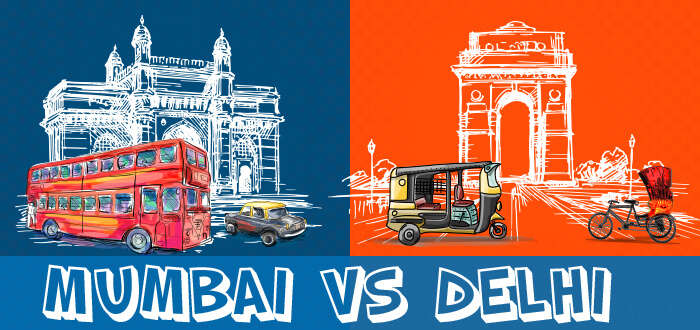
Growing up in Mumbai, there was always this sense of rivalry between my city and India’s commercial capital, Mumbai and India’s capital, New Delhi. Introduction. This rivalry is age-old, one that has sparked countless debates, friendly banter, and good-natured arguments across India—the rivalry between Delhi, the nation’s capital, and Mumbai, its bustling commercial hub.
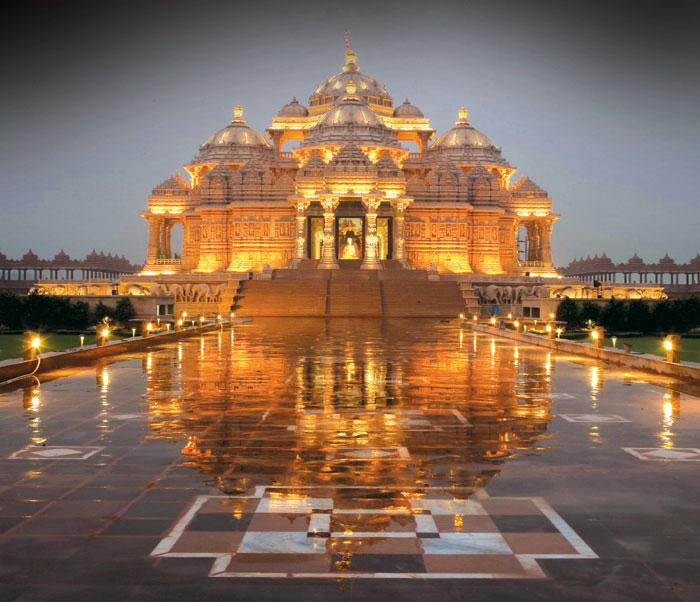
A city steeped in history and heritage, Delhi, because it is the nation’s capital, carries the weight of the nation’s past, present, and future on its broad shoulders. Delhi’s historical significance is undeniable. From the grandeur of the Mughal Empire to the colonial legacy of the British Raj, the city’s architecture and monuments reflect a rich and diverse tapestry of history. The Red Fort, Humayun’s Tomb, and Qutub Minar stand as testaments to Delhi’s regal past.
Delhi’s cultural diversity is another hallmark of the city. With residents hailing from all corners of India, Delhi is a melting pot of languages, cuisines, and traditions. The street food here is legendary, from mouthwatering chaats to the delectable kebabs of Old Delhi.
As the political heart of the nation, Delhi houses India’s key government institutions, including the Parliament and the Rashtrapati Bhavan (Presidential Residence). The city’s grand boulevards and iconic landmarks serve as symbols of India’s democratic ideals and governance.
Now, let’s make our way to western India, to India’s commercial and financial capital, Mumbai. This city is synonymous with opportunity, dreams, and an unstoppable spirit. Often dubbed as “Mayanagari” or the “City of Illusions” and “Maximum City”, Mumbai is home to India’s Hindi film industry or Bollywood, where dreams come to life on the silver screen. The Indian Hindi film industry, centred in Mumbai, produces thousands of films each year, enchanting audiences across the globe. It’s a city where stars are born and legends are made.
Mumbai is the economic powerhouse of India. The city’s thriving financial district houses the Bombay Stock Exchange (BSE), the Reserve Bank of India (RBI), and numerous multinational corporations. Its bustling streets and markets are a testament to India’s entrepreneurial spirit.
One of Mumbai’s defining features is its stunning coastline, overlooking the Arabian Sea. The Marine Drive, often referred to as the “Queen’s Necklace,” is a breathtaking promenade offering panoramic views of the city’s iconic skyline.
Delhiites, known for their love of history and tradition, often think that Mumbai is all about glamour and showbiz, lacking the depth of Delhi’s cultural heritage. On the other hand, Mumbaikars argue that their city’s cultural diversity and open-mindedness make it a true melting pot of ideas and creativity. I think this point goes to Mumbai because of the sheer diversity found in the city, where people mind their own business and no one cares where the other is from.
Delhi’s residents often pride themselves on their city’s measured pace of life, where history is savoured at every turn. In contrast, Mumbaikars, famous for their fast-paced lifestyle, appreciate the efficiency and dynamism of their city. This point could go either way, depending on what kind of lifestyle one prefers.
Delhiites claim their city as the culinary capital of India, with its rich array of traditional dishes and street food. Mumbaikars, on the other hand, tout their street food scene as unmatched, with delectable vada pavs and pav bhajis. This one belongs to Delhi. The food scene in Delhi is unmatched elsewhere in India and even Mumbai’s famed street food can’t beat the food and ambience in the capital.
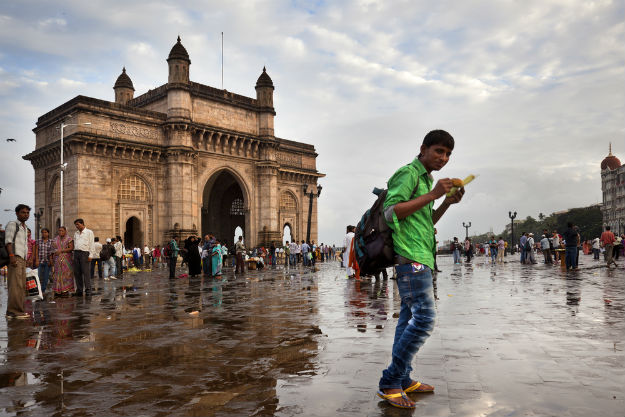
The rivalry even extends to the monsoon season. While Delhi welcomes the rain with open arms, appreciating the respite from scorching summers, Mumbaikars are known for their resilience during the annual deluge, continuing with their daily lives regardless of the downpour. This point belongs to Mumbai. The entire state of Maharashtra becomes lush and green during the monsoon season and the Mumbai monsoon is a thing of beauty (but not when the streets get flooded and life stops). A stroll at the Gateway of India or on Marine Drive during the rains is something that must be done while visiting the city during this season.
In the grand tapestry of India’s cultural diversity, the rivalry between Delhi and Mumbai holds a special place. It’s a lighthearted competition that keeps both cities striving for excellence. It sparks creativity, encourages healthy debate, and celebrates the unique identities of each city. Ultimately, the rivalry between Delhi and Mumbai is a microcosm of India’s broader cultural diversity and unity. These two cities, though different in many ways, represent the essence of India’s motto, “Unity in Diversity.” They coexist, thrive, and contribute to the nation’s progress in their unique ways.
Delhi, with its regal heritage and political prominence, stands as a testament to India’s storied past. Mumbai, the bustling metropolis of dreams and commerce, symbolizes India’s entrepreneurial spirit and dynamism.
So, here’s to Delhi and Mumbai, two cities that may have their differences, but together, they represent the vibrant and diverse spirit of India. In the end, it’s not a matter of which city is better; it’s about celebrating the unique charms, contributions, and friendly rivalry that make both Delhi and Mumbai exceptional in their own right.
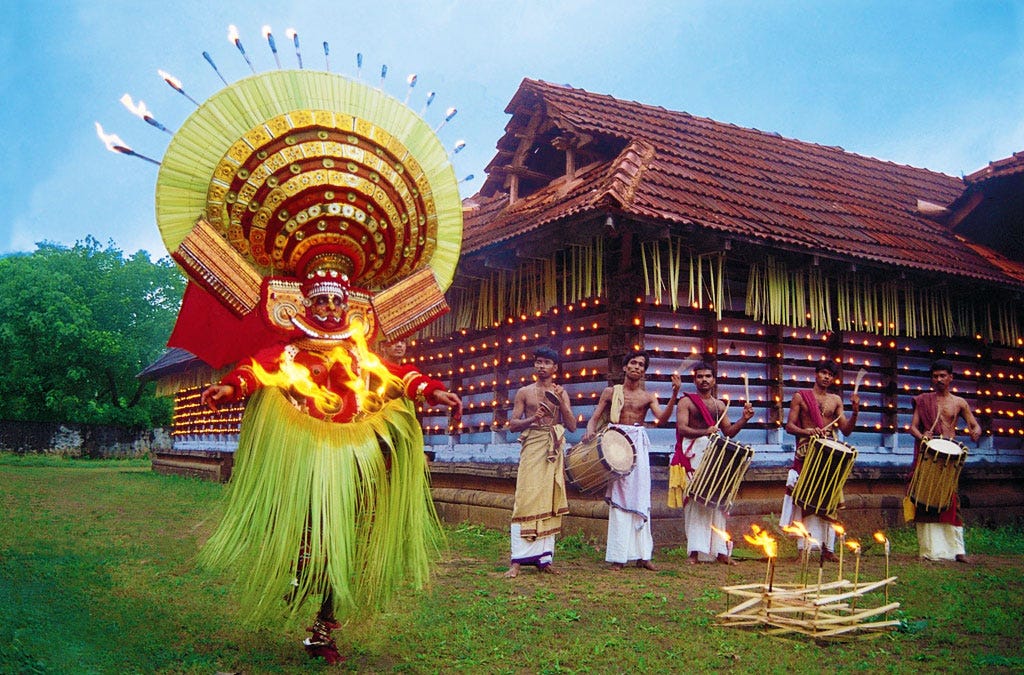
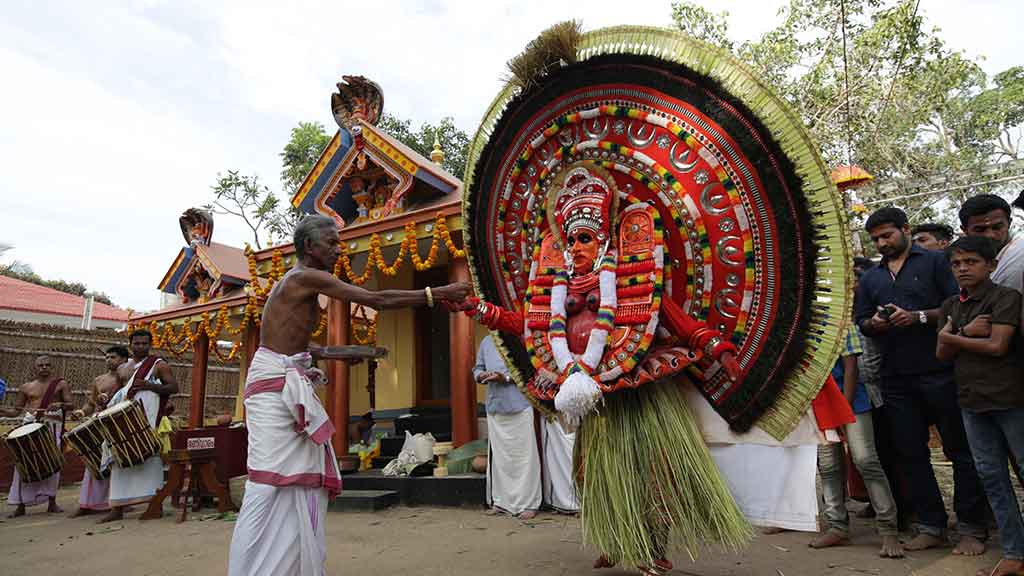
Rooted in some parts of Karnataka and Northern Kerala’s folklore and traditions, Theyyam is an ancient ritualistic dance form that transcends the boundaries between the divine and the earthly and is performed to honour the heroes and ancestral spirits. Also known as Kaliyattam or Tira, the dance is performed in various places in North Malabar annually between December and April. In Kerala, Theyyam is performed predominantly in the North Malabar region, consisting of present-day Kasargod, Kannur Districts, Mananthavady Taluk of Wayanad and Vadakara and Koyilandy Taluks of Kozhikode. A similar custom known as Bhuta Kola is followed in the Tulunadu region of neighbouring Karnataka. It is also performed each day at the Parassini Kadava Sri Muthappan Temple in Kannur. The people of the region consider Theyyam itself a channel to a god and they thus seek blessings from Theyyam.
Theyyam, believed to have been derived from the word Daivam, meaning God, is based on the belief that immortal spirits enter mortal bodies to perform a ritual dance of divine revelation. Theyyam may have its origins from ancestor worship. It has been observed that a vast majority of the Theyyam deities have their origin from people who were in the backward castes of the Kerala’s caste system. The ancestor worship ritual was later evolved into the elaborate dance ritual that is seen nowadays. Incorporating many other local beliefs. The spectacular varieties of Theyyam performances are possible using elaborate facial make-up, captivating headgear, special costumes, and unique ornaments. Theyyams are staged in various temples of Malabar, usually in front of the village shrine, with regularity each year. As performances are on an open stage, they can also be showcased in traditional Malabar households during festive or special occasions.
One fascinating aspect of Theyyam is its year-round occurrence, with different deities taking center stage during specific seasons. The festival follows a cyclical pattern, aligning with the agricultural calendar and reflecting the symbiotic relationship between nature and culture. This perpetual celebration ensures that the spirit of Theyyam is woven into the fabric of daily life. Theyyam season starts from the tenth day of the Malayalam month of Thulam that usually falls during October, and known as paththaam-udayam and lasts up to seven months till the middle of Edavam month, typically late May and June. The last Kaliyaattam for the season is performed at Madayi Kavu and Kalarivathukkal Bhagavathy Temple, both being the family shrines of the Kolathiri royal family. The performers, known as Theyyam artists or Vellattam, transform into deities, donning elaborate costumes, vibrant makeup, and intricate headgear. Through their mesmerizing movements, the artists channel the spirit of the gods, embodying them for a brief yet profound interaction with the community.
The dance form incorporates dance, music, and mime and is believed to be distinguished into 400 forms, each with its own unique style, make-up, costumes, songs, and choreography. The most prominent Theyyams are the Pottan, Gulikan, Bhagavati, Kari Chamundi, and Raktha Chamundi. The ornamental decorations, size, and appearance of the performers are also worth noticing. The festival dates to the Dravidian age and is said to be part of the ancient tribal culture of Kerala.
There are about 456 types of Theyyams documented. Theyyam is mainly performed by males, except for the Devakkoothu Theyyam; the Devakkoothu is the only Theyyam ritual performed by women. Devakoothu is performed only in the Thekkumbad Kulom temple. In Kasaragod and Kannur districts, this ritual art is mainly performed in the kavus, or temples or ancestral houses, of the Thiyyar, Nambiar, Vaniyar, and Maniyani communities.
The preparation for a Theyyam performance is an elaborate process that involves various rituals and ceremonies. The artists, traditionally belonging to specific communities, undergo a period of purification and isolation before embodying the deity. The ritual begins with the invocation of the divine, accompanied by traditional music and chanting. As the rhythm intensifies, the Theyyam artist enters a trance-like state, connecting with the deity’s spirit. This transformative process is a sacred and highly respected undertaking, emphasizing the spiritual essence of Theyyam. The makeup, a vital aspect of Theyyam, transforms the artists into divine beings. The striking red and black hues, coupled with bold facial expressions, bring the gods to life in a way that captivates the audience and communicates the deity’s energy and character.
According to some experts, all the prominent characteristics of primitive, tribal, and religious worship had widened the stream of Theyyam, where even the followers of Islam are associated with the cult in its functional aspect and made it a deep-rooted folk religion of millions. Besides this, practices like spirit worship, ancestor worship, hero worship, masathi worship, tree worship, animal worship, serpent worship, the worship of the goddesses of disease and the worship of Gramadevata or the village deity, are included in the mainstream of the Theyyam. Along with these gods and goddesses, there exist innumerable folk gods and goddesses. Most of these goddesses are known as Bhagavathy. Theyyam showcases a diverse pantheon of deities, each with its own unique attributes, stories, and rituals. Some of the prominent deities include Vishnumoorthy, Muchilottu Bhagavathi, Raktha Chamundi, and Kari Chamundi, among many others. Each deity represents different aspects of the divine, from benevolence and protection to power and ferocity. Different branches of mainstream Hindu religion, such as Shaktism, Vaishnavism and Shaivism, now dominate Theyyam. However, the forms of propitiation and other rituals are continuations of a very ancient tradition.
Music is an integral part of the Theyyam performance, enhancing the immersive experience for both the artists and the audience. Traditional instruments like Chenda, Elathalam, and Kuzhal contribute to the rhythmic and melodic accompaniment, creating an atmosphere charged with spiritual energy. The beats of the chenda resonate deeply, complementing the dancers’ movements and adding a layer of intensity to the ritual.
Out of devotion, ruling clans established their own shrines and Kavus for Theyyam deities, where non-Sattvic rituals and customs are observed. The goddesses like Rakteshwari, Chamundi, Someshwari, and Kurathi, and the gods like Vishnumoorthi, are propitiated in these household shrines. There, the Theyyam dancers appear during the annual festivals of gods and goddesses. The rituals in such shrines are different from those of the Brahmanical temples. The impact of this cultural fusion could be traced to social organisation based on the caste system and agrarian relations. The invitation of Brahmin Thanthri to consecrate the idols of Kavu is a recent development.
The dance or invocation is generally performed in front of the village shrine. It is also performed in the houses as ancestor-worship with elaborate rites and rituals. There is no stage or curtain or other such arrangements for the performance. The devotees would be standing or some of them would be sitting on a sacred tree in front of the shrine. In short, it is an open theatre. Performance of a particular deity according to its significance and hierarchy in the shrine continues for 12 to 24 hours with intervals. The chief dancer who propitiates the central deity of the shrine must reside in the rituals. After sunset, this dancer would not eat anything for the remainder of that day. His make-up is done by specialists and other dancers.
The first part of the performance is usually known as Vellattam or Thottam. It is performed without proper make-up or any decorative costume. Only a small, red headdress is worn on this occasion. The dancer along with the drummers recites the ritual song, which describes the myths and legends, of the deity of the shrine or the folk deity to be propitiated. This is accompanied by the playing of folk musical instruments. After finishing this primary ritualistic part of the invocation, the dancer returns to the green room. Again, after a short interval, he appears with proper make-up and costumes. There are different patterns of face painting. Some of these patterns are called vairadelam, kattaram, kozhipuspam, kottumpurikam, and prakkezhuthu. Mostly primary and secondary colours are applied with contrast for face painting. The dancer comes in front of the shrine and gradually metamorphoses into the deity of the shrine. The performance signifies the transitional inversion, reversal, and elevation of status denoting the anti-structural homogeneity of Theyyam. He, after observation of certain rituals places the head-dress on his head and starts dancing.
In the background, folk musical instruments like chenda, tudi, kuzhal and veekni are played in a certain rhythm. All the dancers take a shield and kadthala or sword, in their hands as a continuation of the weapons. The dancer then circumambulates the shrine, runs into the courtyard and continues dancing there. The Theyyam dance has different steps known as akalaasamsms. Each Kalasam is repeated systematically from the first to the eighth step of footwork. A performance is a combination of playing of musical instruments, vocal recitations, dance, and peculiar makeup, usually predominantly orange, and costumes. The Kathivanoor Veeran Theyyam is one of the most famous Theyyams in Kerala.
As with many traditional art forms, Theyyam faces challenges in the modern era. Economic pressures, changing social dynamics, and the impact of globalisation pose threats to the sustainability of this ancient ritual. However, efforts are underway to preserve and promote Theyyam, both within India and on the global stage. Cultural enthusiasts, scholars, and artists collaborate to ensure that Theyyam’s flame continues to burn brightly.
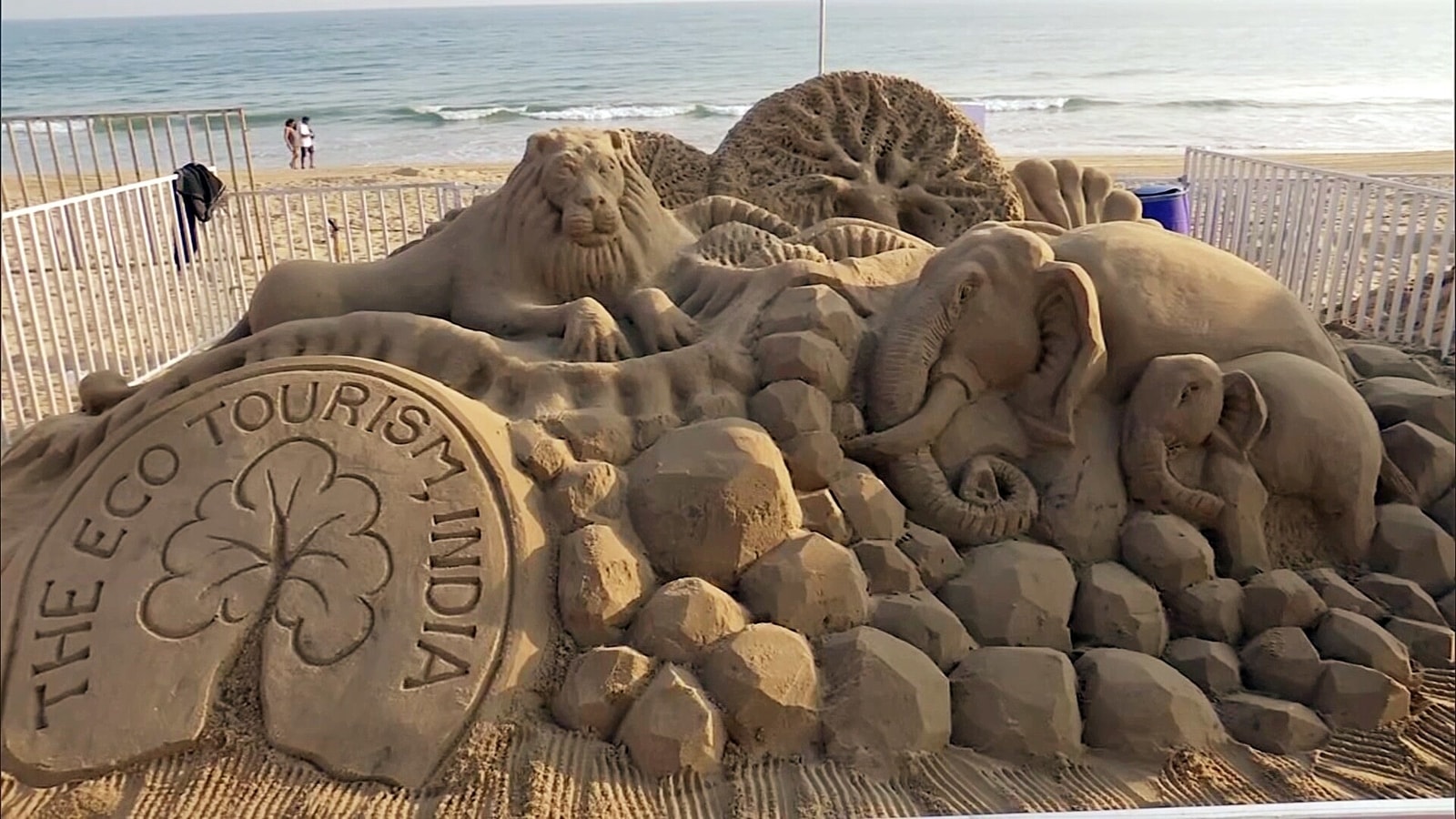
The International Sand Art Festival, held annually from November 24 to December 1, in Odisha, is a testament to the boundless creativity of artists who craft delicate sculptures from the most humble of materials—sand. This unique festival, which takes place on the shores of Chandrabhaga Beach in Konark, has been captivating the hearts of visitors and art enthusiasts from around the world since its inception. This annual event transforms ordinary grains of sand into magnificent masterpieces of creativity and imagination.
The festival is set against a stunning backdrop—Chandrabhaga Beach. Known for its pristine beauty and tranquil ambience, this beach, nestled in the coastal town of Konark with its golden sands, provides the perfect canvas for the artists’ sand sculptures to come to life.
At the heart of the International Sand Art Festival lies the legacy of one man, Sudarsan Pattnaik. A renowned sand artist hailing from Odisha, Pattnaik has not only earned international acclaim for his sand sculptures but has also been a driving force behind the festival’s inception and continued success.
The International Sand Art Festival began as a modest local event in Puri, Odisha, in the early 1990s, primarily showcasing the talents of Sudarsan Pattnaik and his students. Over the years, it grew in stature, attracting sand artists from India and beyond. In 2011, the festival found its current home on Chandrabhaga Beach, offering artists a larger canvas and a stunning coastal backdrop.
Each year, the festival adopts a specific theme, guiding artists to create sculptures that resonate with the chosen motif. Themes have ranged from environmental conservation to cultural heritage, and artists draw inspiration from a wide array of sources.
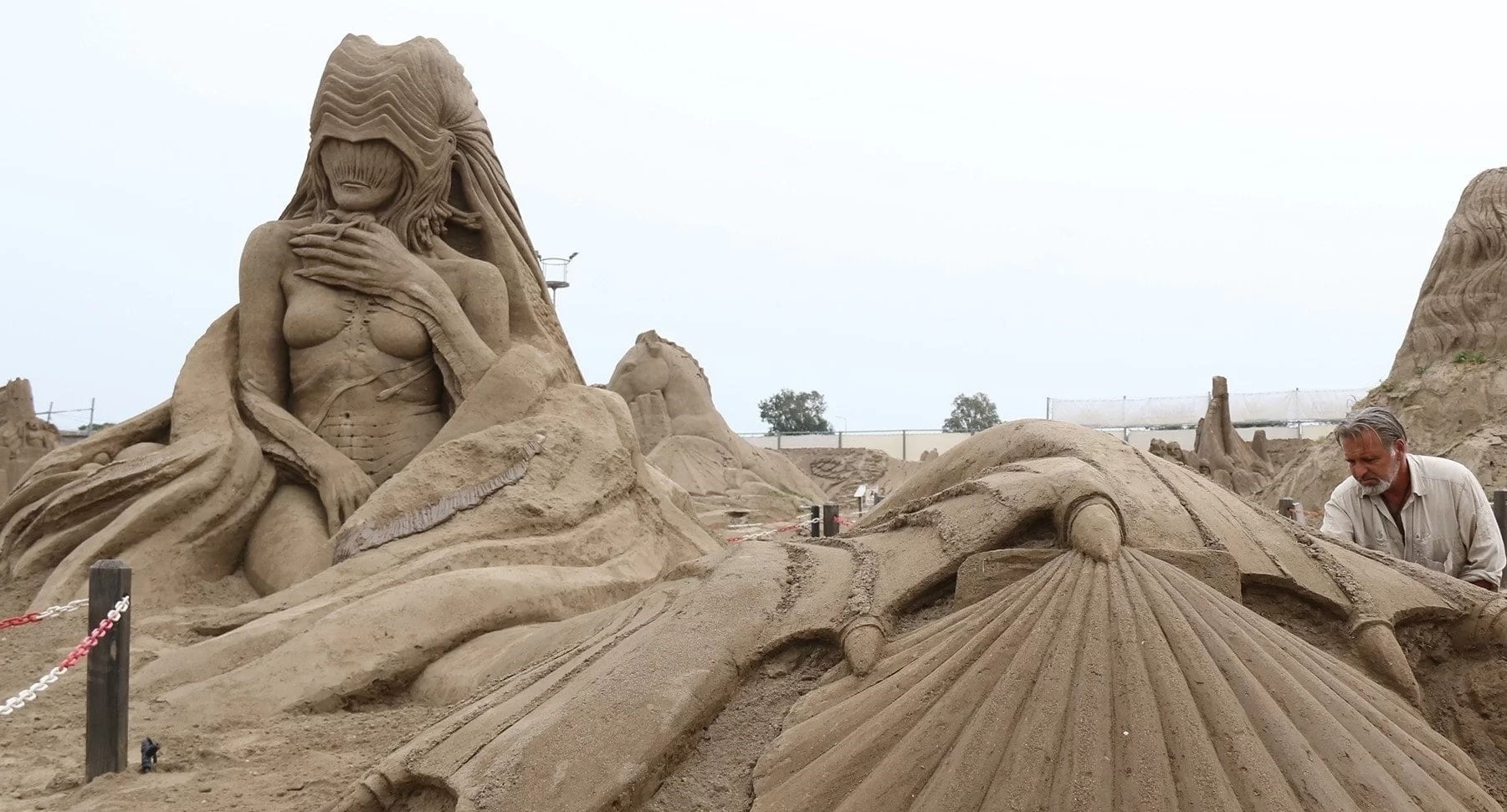
Artists begin with an empty patch of sand, meticulously sculpting their visions using only sand and water. The delicate nature of the medium demands precision and patience, as sculptors must work quickly before the sand dries. The festival showcases a diverse range of sculptures, from intricate figurines and lifelike portraits to towering structures that seem to defy gravity. The level of detail that artists achieve with grains of sand is nothing short of awe-inspiring. Alongside local talents like Sudarsan Pattnaik, the festival often attracts renowned sand artists from around the world. Their participation adds an international flair to the event, fostering cross-cultural exchange and artistic collaboration.
In 2023, the International Sand Art Festival will embrace the theme of “Celebrating Cultural Heritage.” This theme invites artists to explore and depict the rich tapestry of cultural diversity that defines India and the world. Through their sand sculptures, artists pay homage to the traditions, rituals, and artistic expressions that have shaped our collective heritage.
The theme highlights the importance of preserving and celebrating cultural heritage in a rapidly changing world. It serves as a reminder that our past informs our present and shapes our future. By showcasing the cultural heritage of different regions and communities, the festival encourages dialogue and understanding among people from diverse backgrounds. It fosters an appreciation for the beauty of our shared human heritage. Sand art transcends language barriers, allowing artists to communicate complex cultural narratives through their sculptures. It demonstrates the power of art to convey messages and emotions across cultures. The theme inspires artists and visitors alike to reflect on the significance of their cultural backgrounds and the contributions of diverse cultures to our global society.
The festival plays a pivotal role in promoting art and culture, not only in Odisha but on a global scale. It showcases the immense artistic talent of sand sculptors and fosters an appreciation for the arts. The festival draws tourists from all over the world, benefiting the local economy and supporting tourism-related businesses in Odisha. It serves as a platform for cultural exchange, allowing artists from different parts of India and the world to come together, share their perspectives, and learn from one another. The festival engages the local community in various ways, from providing opportunities for local artisans to showcase their crafts to offering art workshops for children.
The International Sand Art Festival, with its mesmerizing sculptures and cultural celebrations, reminds us of the power of art to bridge divides, celebrate diversity, and inspire generations. In the delicate grains of sand sculpted into intricate forms, we find not only beauty but also a profound message – that creativity knows no bounds and that cultural heritage is a treasure to be cherished and shared.
The aroma of brewing coffee provided a fleeting moment of solace as Alice moved through the kitchen. She found herself mechanically going through the motions, preparing breakfast for her family. The weight in her chest mirrored the heaviness in the atmosphere. Today marked the beginning of a significant chapter in Daniel’s life, and Alice couldn’t shake the mix of emotions coursing through her.
As the family gathered around the breakfast table, the usual lively chatter felt subdued. Daniel, normally brimming with energy, seemed quieter today. His younger sister, Chloe, glanced at him with wide, worried eyes. Simon, Alice’s husband, attempted to lighten the mood with small talk, but the unspoken tension hung in the air.
After the simple family breakfast, the car ride to the Pasir Ris Bus Interchange was marked by intermittent silence. Daniel stared out the window, his thoughts known only to him. Alice couldn’t help but steal glances at her son, marvelling at the young man he had become. Memories of his childhood flashed through her mind, and she couldn’t believe how quickly time had passed.
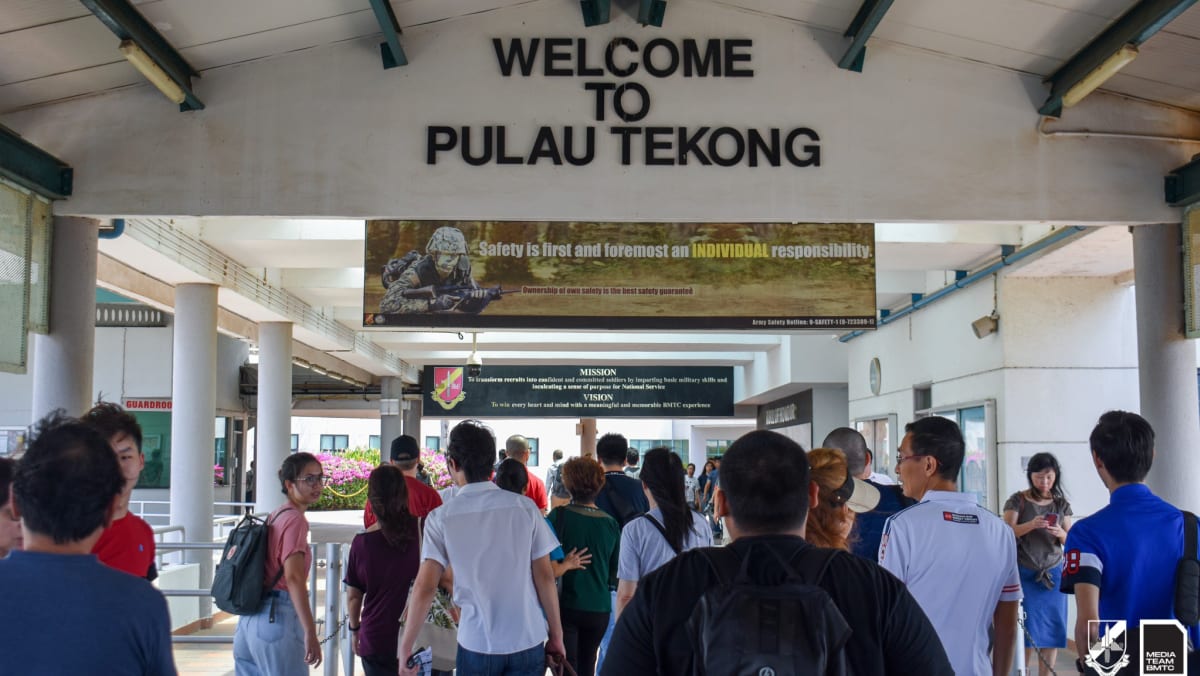
Upon reaching the bus interchange, the gravity of the moment became tangible. Alice’s heart felt as if it were in her throat as they navigated through the procedural steps of enlistment. Soon it was time to board the ferry to reach Pulau Tekong. After the oath-taking ceremony, the family had one last meal together and then it was time.
As they stood in the waiting area, families embracing their loved ones, Alice took a deep breath, willing herself to be strong for Daniel. She held back tears, knowing that this was a day he had been anticipating, a day that marked his entry into adulthood and service to his nation.
Finally, the time arrived for the recruits to bid farewell to their families. Alice hugged Daniel tightly, fighting back tears. “Make us proud, Daniel,” she whispered into his ear. His response was a determined nod, a silent promise that he took with him as he joined the ranks of his fellow recruits.
The initial two weeks passed like a blur for Alice. The silence at home was deafening, and the absence of Daniel’s laughter was a constant reminder of his newfound commitment. Phone calls and video calls between Daniel and his family brought comfort to both of them. He spoke about the challenges of Basic Military Training, BMT, the camaraderie with his platoon, and the physical demands that were pushing him to his limits.
Soon, it was time for Daniel’s Passing Out Parade or POP. Daniel had already told his family about the route march and where they would stop for breaks. Alice, Simon and Chloe made their way to where they would hope to see Daniel. While waiting with other parents and families, Alice could not help but share in their son’s journeys with the other mothers.
As Daniel’s platoon approached, Alice’s heart swelled with emotion. She spotted her son, his face adorned with a mix of exhaustion and pride. Their eyes met, and in that moment, Alice saw not just a soldier but a resilient young man who had embraced the challenges of National Service and emerged stronger.
The cheers of the families, the pride in their eyes, and the shared joy among the recruits created an atmosphere of celebration. The route march symbolized the completion of a significant milestone, a collective achievement that resonated beyond the parade ground.
As Daniel passed by, he gave his family a quick salute, a gesture that spoke volumes. Alice, Simon, and Chloe cheered loudly, their voices blending with the chorus of families expressing their pride. Tears welled in Alice’s eyes, but this time, they were tears of joy and triumph.
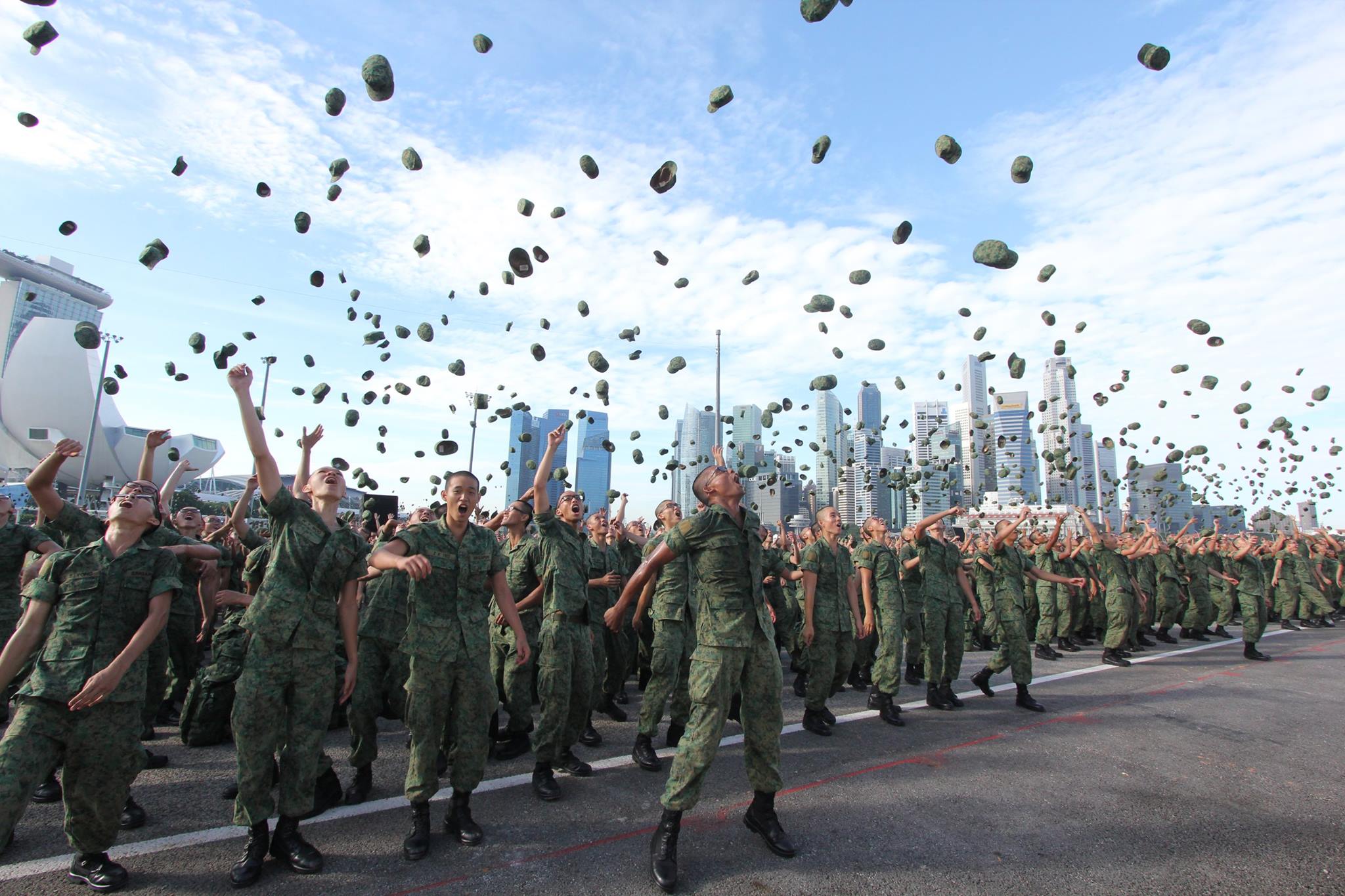
Alice, along with Simon and Chloe, attended the Basic Military Training Passing Out Parade at the Floating Platform with a mixture of anticipation and pride. The parade ground was a sea of crisp uniforms and polished boots. The rhythmic sound of marching feet echoed in the air, each step symbolizing the resilience and discipline instilled during the training.
As Daniel’s platoon marched onto the parade ground, Alice’s heart swelled with pride. She spotted him among the young soldiers, standing tall and confident. The transformation from the day he enlisted was evident in his bearing, a testament to the rigours of BMT.
The Passing Out Parade unfolded with precision and pride. The recruits showcased their newly acquired skills in a display of drills, marches, and physical exercises. Alice couldn’t help but marvel at the cohesion of Daniel’s platoon; their movements synchronized as if they were one collective force.
The Passing Out Parade route march marked the end of Daniel’s Basic Military Training, a journey that had begun with uncertainty and separation. As the platoons dispersed, families gathered around their loved ones, and Alice embraced Daniel with a newfound sense of appreciation. He was not just her son; he was now a soldier, a defender of their nation, and Alice couldn’t have been prouder.
Together, they walked away from the parade ground, the weight in Alice’s heart replaced with an overwhelming sense of pride and gratitude. The National Service experience had transformed Daniel, and as a family, they had weathered the challenges and celebrated the triumphs. The journey continued, but now, they walked it with the knowledge that Daniel had emerged from his Basic Military Training stronger, more disciplined, and ready for the adventures that lay ahead.











 Memories and Such