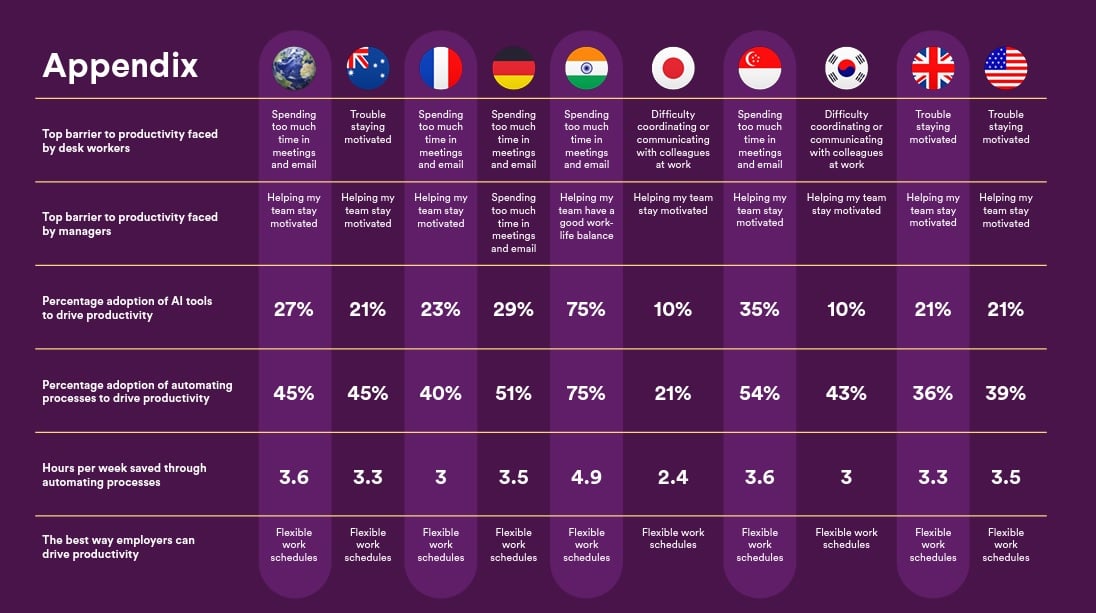
A few months ago, I chanced upon an article about a survey that mentioned that Singaporeans were ranked third globally for appearing busy but not necessarily productive. Now, what does this ranking mean, and how should we interpret it?
In a world that glorifies busyness, it’s no surprise that we Singaporeans find ourselves near the top of the list when it comes to appearing busy. Our lives are filled with work commitments, family responsibilities, social engagements, and more. It’s not uncommon for conversations to revolve around how busy we are, almost like a badge of honour.
But here’s the catch: appearing busy doesn’t always translate into being productive. The survey highlighted that while Singaporeans might look swamped with tasks, the actual output may not match their perception. This raises an essential question: Are we optimising our time and efforts effectively?
Singapore’s culture of busyness can be traced back to several factors. Our fast-paced lifestyle, coupled with high expectations at work and in our personal lives, often leads to a constant need to appear busy. The fear of falling behind or not measuring up to societal standards can push us to overcommit, making us look busy without necessarily achieving more.
We are known for our work ethic and commitment to excellence. However, this drive can sometimes result in individuals juggling too many tasks simultaneously. The pressure to perform at our best can inadvertently lead to a frantic appearance of busyness, but not necessarily an increase in productivity.
So, how can we strike a balance between appearing busy and being productive? It’s essential to recognise that looking busy doesn’t equate to success or fulfilment. Instead, let’s focus on achieving a healthy work-life balance, setting realistic goals, and using our time efficiently.
Here are a few practical tips to help us shift our focus from appearances to productivity:
Prioritise tasks: Identify your most important tasks and focus on completing them first.
Time management: Use techniques like the Pomodoro method to work in focused bursts, followed by short breaks.
Delegate when possible: Don’t be afraid to delegate tasks to others to free up your time for more important responsibilities.
Learn to say no: Politely decline additional commitments when your plate is already full.
Self-care: Make time for self-care to recharge and maintain your physical and mental well-being.
While it’s interesting to see Singaporeans ranked third globally for appearing busy, this survey should serve as a wake-up call. Let’s not be content with the illusion of busyness; instead, let’s strive for genuine productivity and a balanced, fulfilling life. By prioritising our tasks, managing our time wisely, and practising self-care, we can redefine success on our terms.
Remember, it’s not about how busy we appear to be; it’s about the impact we create with our actions and the quality of life we lead. So, let’s break free from the busy illusion and embrace a more meaningful and productive journey ahead.
As regular readers know, I am a voracious reader. I have been teased about this all my school life because I used to prefer going to the library to playing with my friends.
My school had two libraries: the bigger one, which was located in the secondary section, and a smaller one in the primary section. The primary section was meant for the younger readers, and I had outgrown this library by the time I reached grade three.
I was what I now know to be hyperlexic. Hyperlexia is a syndrome characterized by a child’s precocious ability to read. Children with hyperlexia have a significantly higher word-decoding ability than their reading comprehension levels and also show an intense fascination for written material at a very early age. Hyperlexic children are characterised by word-reading ability well above what would be expected given their age.
Because the books in the primary school library were below my reading ability, I used to use the lunch hour to go to the secondary school library to read. Our lunch hour was divided into two, and even if I was put in the second half, I used to eat quickly in the first half, return my lunch box to my mom, and then run to the secondary school library to read. The way my school was constructed, the primary and kindergarten sections were in one building, then we had our school hall with the laboratories, and then the secondary building with the library on level 2 of that building. To get to my class from the library, walking at a normal pace would take about five minutes. So the minute the bell would ring to indicate the end of lunch, I would get up and make a run to my class. During the monsoon season, there have been many instances where I have slipped and gotten my uniform dirty, and I have also been late to class countless times and would have gotten a scolding from my teacher. If I were lucky, I would reach the class just before the teacher and escape the scolding, but those times were few and far between.
Once I reached secondary school, life became slightly easier. I used to still go to the main library, and because this library catered to students from the secondary section, we used to go there as a class once a week to borrow books. Again, because I was already reading way above my level, I also became the librarian’s favourite. And I was given a privilege that I don’t think anyone else until then had received. I was allowed to borrow books from the adult section. So while still in school, when my peers were still reading Nancy Drew and Hardy Boys, I had graduated to reading unabridged versions of Shakespeare and George Orwell. It used to be so much fun because when it was our class’ turn to visit the library, while the others used to use the age-appropriate shelves, I would go to the librarian and get the key to the locked cupboard, which the teachers and other adults used, and borrow books from there. I was also the unofficial book consultant for my class and used to advise them on books to read based on what they wanted to read.
After eighth grade, our weekly visits to the library ended as they were replaced by other subjects as we got closer to our version of the O levels, but I continued to visit the library during my lunch break and read so many wonderful books. In fact, at some point in time, I wanted to become a librarian when I grew up, but after I realised the practicalities of life, I gave up that dream. But my love for books, which was ignited in that little school library, has never gone away, if anything, it has increased, and I am forever reading and espousing the love of reading to everyone I meet.
The sun had just begun its ascent, painting the sky in hues of orange and pink. Baga Beach in North Goa came alive with the arrival of tourists eager to soak in its beauty. Amongst the bustling crowd was Ramesh, a cheerful middle-aged man with a ready smile, running a small seafood stall near the shoreline. Besides selling mouth-watering delicacies, he had another source of income – renting out his prized possession, the vibrant yellow umbrella adorned with intricate embroidery and playful tassels.
“Welcome, welcome! Come try the best seafood on the beach,” Ramesh called out, his voice filled with warmth. “And for those looking to sunbathe, I have the most beautiful umbrellas to keep you shaded.”
Ramesh had many beautiful umbrellas from which tourists could choose, but the yellow umbrella stood out amongst the regular ones. It had become a symbol of delight and an Instagram-worthy prop for tourists. Its bright and cheerful appearance brought joy to anyone sitting underneath it.
Aria and Marco were a young couple, in Goa for their honeymoon. As they approached Ramesh’s stall, Aria’s eyes sparkled at the sight of the yellow umbrella. “Marco, look at that beautiful umbrella! Let’s rent it for the day,” she suggested, excitement lacing her voice. Marco couldn’t resist his wife’s enthusiasm and agreed. They settled under the yellow umbrella, sipping coconut water and holding hands as they watched the waves playfully dance along the shore. They shared their dreams, and fears, and promised to love each other through thick and thin.
Later that day, a group of college friends from different cities decided to spend their summer break in Goa. Among them was Kabir, a reserved but charming young man. As they explored the beach, they stumbled upon Ramesh’s stall and the magnificent yellow umbrella. “Hey, guys! Let’s get this umbrella. It’s so cool!” Kabir suggested, hoping it might help break the ice among the friends. They agreed, and soon laughter filled the air as they played games, sang songs, and created unforgettable memories under the yellow umbrella. As the sun dipped below the horizon, they knew that this trip would strengthen their bond, and the yellow umbrella would forever hold a special place in their hearts.
The next morning, a solo traveller named Emily, an artist from a far-off country, arrived at Baga Beach with her sketchbook and paints. The yellow umbrella caught her eye like a beacon of inspiration. “Could I possibly rent that marvellous umbrella?” she asked Ramesh, her eyes wide with excitement. “Of course, my dear! It’s yours for the day,” Ramesh replied with a smile. Emily spent the day capturing the essence of Goa in her artwork. The rhythmic sound of the waves and the laughter of children playing in the sand infused life into her creations. The yellow umbrella became the focal point of her painting, representing the joy and vibrancy she had experienced that day.
The next day brought a sudden change in the weather. Dark clouds loomed over the horizon, threatening to rain on everyone’s parade. However, it was also the day that Ramesh received a call from his son, who was studying in a different state. “Baba, I’ll be coming home soon. I can’t wait to see you and Aai,” his son said, his voice filled with affection.
Ramesh’s heart leapt with joy upon hearing this news. He decided to celebrate by offering a free rental of the yellow umbrella for the rest of the day. Tourists and locals alike huddled under the umbrella as the rain poured down, creating an impromptu community of strangers brought together by their shared desire to stay dry.
Among them was Sofia, an elderly woman with a gentle smile, who had been visiting Goa for years. She had seen the yellow umbrella before and felt its magic drawing her towards it. “May I sit here, young man?” she asked Ramesh, her eyes gleaming with gratitude. “Of course, Aunty! It’s all yours,” Ramesh replied, touched by her sweetness.
As they sat together, Sofia shared stories of her adventures and the beautiful memories she had made on this very beach. Her tales spanned decades and touched the hearts of everyone sitting under the yellow umbrella that day. They listened, captivated by her words, and realized that life was about embracing every moment, just like Sofia had done throughout her life.
As the sun dipped below the horizon, the rain ceased, leaving behind a sense of tranquillity. Sofia bid farewell to the yellow umbrella, and Ramesh knew that this day had been a gift not just for him but for everyone present.
The tourist season continued, and more stories unfolded under the yellow umbrella. Each person who rented it left a piece of their heart behind, and Ramesh cherished every interaction. From newfound friendships to profound realizations and rekindled love, the yellow umbrella was a witness to it all.
As the season drew to a close, Ramesh felt a sense of bittersweet happiness. The yellow umbrella had brought him joy, new friends, and a deeper appreciation for the beauty of life. It had become more than just a means of income; it was now a symbol of hope, love, and human connection.
With a grateful heart, Ramesh carefully folded the yellow umbrella, ready to store it away until the next tourist season. As he looked out at the sea, he knew that its magic would live on forever, etched in the hearts of those who had shared their stories under its bright and colourful canopy.
Held annually on 18 October, World Menopause Day aims to raise awareness about menopause and its impact on women’s health and well-being.
Menopause is a natural biological process that marks the end of a woman’s reproductive years. It is defined as the cessation of menstruation for a consecutive 12 months, usually occurring between the ages of 45 and 55, though it can occur earlier or later. Menopause is a part of the aging process and signifies a decrease in the production of reproductive hormones like estrogen and progesterone.
Perimenopause, the transitional phase leading up to menopause, often starts several years before the final menstrual period. During this time, women may experience irregular periods, hot flashes, night sweats, mood swings, and other symptoms as their hormone levels fluctuate. Menopause itself is not a medical condition but rather a natural phase of life, and it is essential to understand and normalize this process to support women adequately.
World Menopause Day holds immense significance as it brings attention to the physical, emotional, and psychological changes women undergo during this critical life stage. Menopause affects women globally, and by promoting awareness and understanding, we can create a more supportive and compassionate society for women transitioning through this phase.
Menopause is a time of change—a shift from the reproductive phase of life to a new chapter that holds infinite possibilities. Women must embrace this transformation positively. Society can play a vital role in reshaping the narrative surrounding menopause, dispelling myths, and celebrating this natural process as a beautiful and empowering journey. By encouraging open conversations about menopause, we can foster a supportive environment where women feel understood and accepted. For many years, menopause has been surrounded by silence and stigma. Women often felt uncomfortable discussing their experiences, and this lack of open dialogue hindered the spread of awareness and access to accurate information. Women should be encouraged to break this silence and share their menopause stories without fear or shame. When women speak up and share their experiences, it helps others understand that they are not alone and that menopause is a shared experience, that transcends cultural and geographical boundaries.
Knowledge is power, and empowering women with accurate information about menopause is vital for their physical and mental well-being. Understanding the physiological changes, symptoms, and potential treatments available can make a significant difference in how women navigate through menopause. Menopause affects women in diverse ways, and its impact goes beyond physical symptoms. It can have emotional and psychological repercussions as well. Support from family, friends, employers, and healthcare providers plays a crucial role in women’s menopause journey.
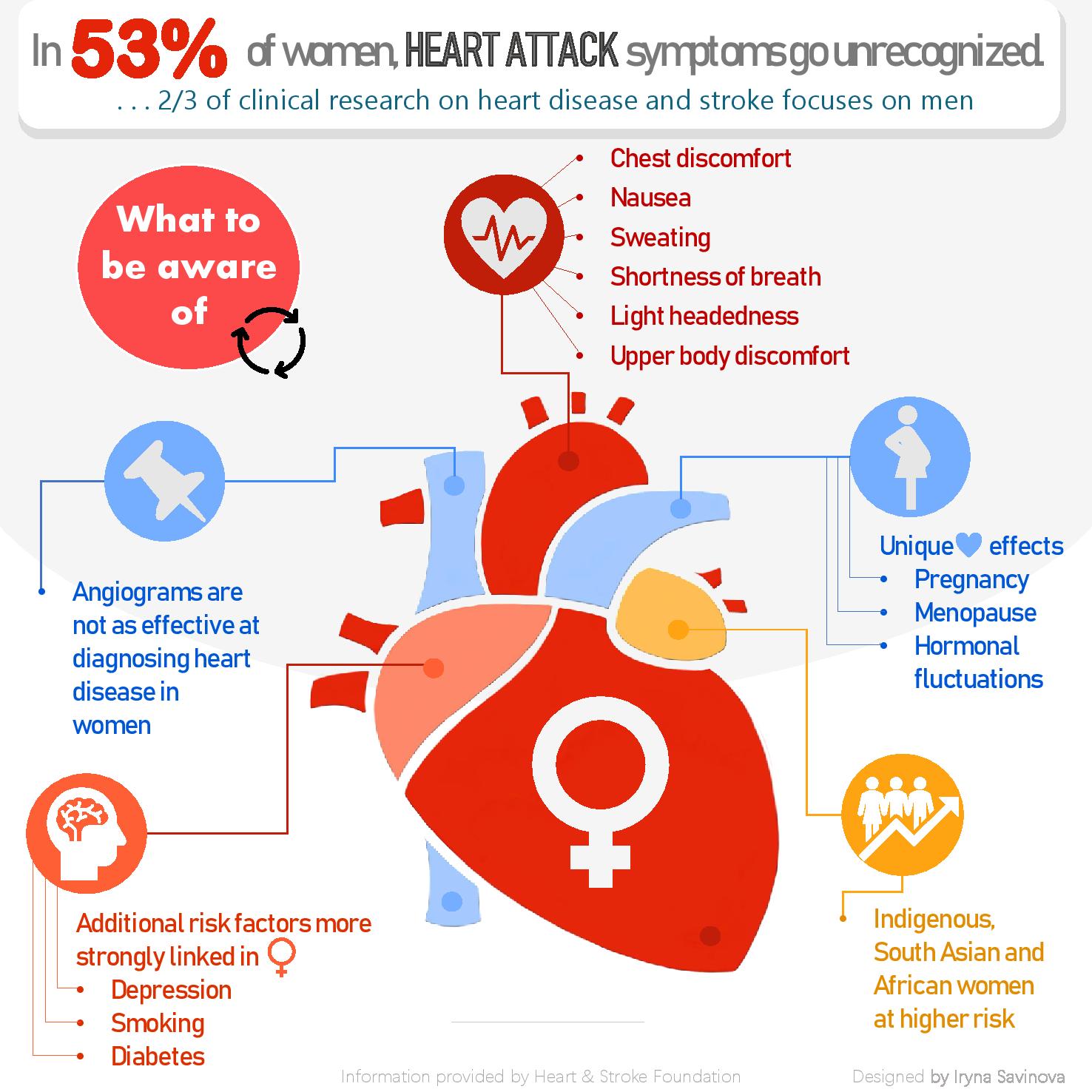
The theme for World Menopause Day 2023 is Cardiovascular Disease. According to the World Health Organisation, cardiovascular disease or CVD, also called heart and circulatory disease, is an umbrella name for conditions that affect the heart or circulation. Depending on the Source or DotS this umbrella may include Cardiovascular Conditions; Cardiovascular Diseases or CVD/CVDs; Cardiovascular Disorders; Diseases or Disorders of the Heart and Blood Vessels, Diseases or Disorders of the Heart and Circulatory System, Heart Diseases, Heart and Circulatory Diseases, and Stroke. These also include coronary heart disease which is a disease of the blood vessels supplying the heart muscle; cerebrovascular disease, a disease of the blood vessels supplying the brain; peripheral arterial disease which is a disease of blood vessels supplying the arms and legs; rheumatic heart disease which is damages to the heart muscle and heart valves from rheumatic fever, caused by streptococcal bacteria; congenital heart diseases that are birth defects that affect the normal development and functioning of the heart caused by malformations of the heart structure from birth; and deep vein thrombosis and pulmonary embolism which are blood clots in the leg veins, which can dislodge and move to the heart and lungs.
Before menopause, women have a lower risk of heart disease than men. However, as women age and their oestrogen levels fall, their risk of cardiovascular disease increases. Though heart disease is often thought of as a man’s disease, cardiovascular diseases often account for more than half of the deaths of women over 55 years old. There are several risk factors for CVD, including smoking, stress, alcohol, high blood pressure, high blood cholesterol, being physically inactive, being overweight or obese, diabetes, a family history of heart disease, the ethnic background, gender, age, and prevention.
To Prevent heart disease and stroke, one should know their risk, eat a healthy diet, be physically active, watch their weight, live tobacco-free, manage conditions, take necessary medicines, and be a team player. The cardiovascular risk factors that every woman should know about include age at the time of menopause, the cause and timing of menopause, estrogen levels, hot flashes and night sweats, depression and sleep problems, increased visceral fat, and cholesterol levels and metabolic syndrome risk.
World Menopause Day 2023 encourages the creation of supportive environments where women feel comfortable discussing their concerns and seeking help. Employers should consider providing flexible work arrangements to accommodate menopause-related challenges, and healthcare providers should offer personalised care and treatment options tailored to each woman’s needs. By breaking the silence, promoting knowledge, and fostering supportive environments, we can ensure that women navigate menopause with dignity and grace, embracing the change it brings and empowering themselves to lead healthy and fulfilling lives. Let us stand together on this day and beyond, championing the cause of women’s health and celebrating the beauty of menopause.
Today is Friday the 13th – a date shrouded in mystery and fear, often associated with bad luck, curses, and eerie happenings. For centuries, this particular day has sparked a multitude of myths and superstitions, captivating the minds of people across various cultures.
In Norse mythology, the day was named after Frigg, the goddess of love and fertility, which led to it being called Frigg’s Day eventually evolving into Friday. Frigg’s counterpart in Roman mythology was Venus, the goddess of love, beauty, and fertility, further cementing the association of Friday with a divine feminine presence. In medieval Christian Europe, it gained an unfortunate reputation due to its connection to events considered ill-fated. For instance, some Christians believed that Eve tempted Adam with the forbidden fruit on a Friday, and it was also considered the day on which Cain murdered his brother Abel.
The superstition surrounding the number 13 is known as triskaidekaphobia and the fear of Friday the 13th is known as friggatriskaidekaphobia or paraskevidekatriaphobia. Friggatriskaidekaphobia comes from Frigg, the Norse goddess of wisdom after whom Friday is named, and the Greek words triskaideka, meaning 13, and phobia, meaning fear. Paraskevidekatriaphobia is also derived from Greek, where paraskeví translates as Friday, and dekatria is another way of saying 13. Experts say that friggatriskaidekaphobia affects millions of people and estimate that businesses, especially airlines, suffer from severe losses on Friday the 13th. Triskaidekaphobia, or the fear of the number 13, is even more widespread. So much so that many high-rise buildings, hotels, and hospitals skip the 13th floor, and many airports do not have gates numbered 13. In many parts of the world, having 13 people at the dinner table is considered bad luck.
Its roots can be traced back to various historical and cultural sources. One widely held belief links it to the Last Supper, where there were 13 individuals present, including Jesus and his twelve disciples. Judas Iscariot, the apostle who later betrayed Jesus, is often associated with the number 13, adding to the ominous reputation of this numeral.
Western culture perceives the number 12 as a symbol of completeness and harmony with 12 months in a year, 12 zodiac signs, 12 days of Christmas, 12 labours of Hercules, and 12 tribes of Israel, among others. In contrast, the number 13 was considered irregular and unbalanced, evoking feelings of discomfort and unease and a long history as a sign of bad luck.
The fusion of Friday and the number 13 to create Friday the 13th is a relatively recent phenomenon, believed to have gained prominence in the 19th century. Despite its rather recent concoction, the fear and superstitions surrounding this date have become deeply ingrained in popular culture worldwide. Over time, numerous myths and legends have emerged, further fueling the aura of Friday the 13th.
One of the most enduring legends associated with Friday the 13th is the curse of the Knights Templar. The Knights Templar, a medieval Christian military order, faced persecution and were eventually disbanded by King Philip IV of France on Friday, October 13, 1307. According to the legend, the Grand Master of the Templars, Jacques de Molay, placed a curse upon those responsible for their destruction, vowing that they would face misfortune. This curse is said to be the reason behind the superstitions surrounding Friday the 13th. Another popular belief related to Friday the 13th is its association with the full moon. While both Friday and the number 13 have their respective superstitions, the combination of the two is believed to intensify the perceived malevolence of this day, leading to heightened supernatural occurrences and erratic behaviour.
In the late-19th century, a New Yorker named Captain William Fowler (1827-1897) sought to remove the enduring stigma surrounding the number 13 — and particularly the unwritten rule about not having 13 guests at a dinner table — by founding an exclusive society called the Thirteen Club. The group dined regularly on the 13th day of the month in room 13 of the Knickerbocker Cottage, a popular watering hole Fowler owned from 1863 to 1883. Before sitting down for a 13-course dinner, members would pass beneath a ladder and a banner reading “Morituri te Salutamus,” Latin for “Those of us who are about to die salute you.”
In more recent times, several traumatic events have occurred on Friday the 13th, including the German bombing of Buckingham Palace in September 1940; the murder of Kitty Genovese in Queens, New York in March 1964; a cyclone that killed more than 300,000 people in Bangladesh in November 1970; the disappearance of a Chilean Air Force plane in the Andes in October 1972; the death of rapper Tupac Shakur in September 1996 and the crash of the Costa Concordia cruise ship off the coast of Italy, which killed 30 people in January 2012.
In some cultures, Friday the 13th is considered an inauspicious day for travel. It is believed that embarking on a journey on this date may lead to unfortunate incidents or accidents during the trip. Many individuals tend to avoid making important decisions or initiating new endeavours on Friday the 13th. The fear of potential bad luck or negative outcomes often prompts people to postpone crucial life choices until the day has passed.
So why are people scared of Friday the 13th? The fear of Friday the 13th, known as paraskevidekatriaphobia, is surprisingly widespread, impacting millions of people worldwide. But why does this particular date invoke such dread and trepidation? Several factors contribute to this phenomenon.
Cultural conditioning plays a significant role in shaping our beliefs and perceptions. From an early age, many of us are exposed to stories, movies, and media that depict Friday the 13th as a day of ill fortune. As these beliefs become deeply ingrained, they can manifest as genuine fear in adulthood. Confirmation bias refers to our tendency to interpret events in a way that confirms our preexisting beliefs. On Friday the 13th, people might be more vigilant and pay extra attention to any negative or unfortunate incidents, reinforcing the belief that the day is indeed cursed. The collective belief in the unluckiness of Friday the 13th can create a self-fulfilling prophecy. When so many people are apprehensive about a specific date, their shared energy and anxiety can influence their experiences and interactions, potentially leading to a heightened sense of negativity on that day. Superstitions can evoke genuine fear and anxiety in individuals. When people genuinely believe that something is unlucky or cursed, it can trigger physiological responses, such as increased heart rate, sweating, and feelings of unease. These reactions can reinforce the perception that the day is genuinely dangerous.
Friday the 13th remains an enigma that has captivated the human imagination for centuries. Its origins in the amalgamation of a day associated with the divine feminine and a number steeped in superstition have given rise to a host of myths and legends. As people continue to fear this date, it’s essential to recognise the power of collective beliefs and the impact of cultural conditioning on our perception of luck.
So, take a moment today to reflect on the fascinating history and myths surrounding it. Perhaps this day is not as foreboding as it seems, and the fear can be put to rest, allowing us to embrace the beauty of the unknown without the weight of superstition.





:max_bytes(150000):strip_icc()/menopause-definitions-4588759_final-8687dbdd6c5e4fa4859045bc34a7ae8d.png)




 Memories and Such