World Mental Health Day

Tomorrow is World Mental Health Day. This day serves as a global reminder of the importance of mental health and encourages open conversations around mental well-being. It was first celebrated in 1992 at the initiative of the World Federation for Mental Health, a global mental health organisation with members and contacts in more than 150 countries. This day, each October, thousands of supporters come to celebrate this annual awareness program to bring attention to mental illness and its major effects on people’s lives worldwide. In addition, this day provides an opportunity for mental health professionals to discuss and shed light on their work, making mental health a priority worldwide. In some countries, this day is part of an awareness week.

Mental health is an integral part of our overall well-being and encompasses the emotional, psychological, and social aspects of our lives. It affects how we think, feel, and act, as well as how we handle stress, make choices and relate to others. It is crucial to recognise that mental health is not merely the absence of mental illness but rather the presence of positive psychological states and coping mechanisms. Just like physical health, mental health is subject to fluctuations throughout our lives. We all experience a range of emotions, face challenges, and cope with stress at various times. This is perfectly normal. However, when these challenges become overwhelming and persist over extended periods, they can negatively impact our mental well-being.
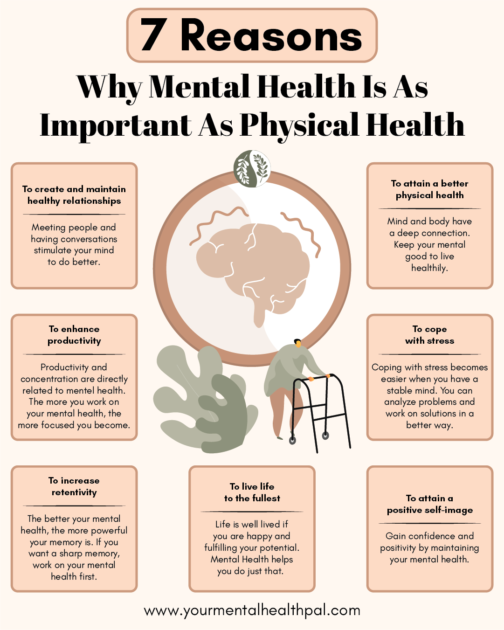
Maintaining a healthy mental state is essential for multiple reasons. Mental health is interconnected with physical health and impacts every aspect of our lives. When we take care of our mental health, we are better equipped to handle stress, make informed decisions, and maintain healthy relationships. Good mental health is linked to higher productivity and improved performance in various areas of life, including work, academics, and personal goals. Research has shown a strong connection between mental and physical health. Poor mental health can lead to a weakened immune system, increased risk of chronic diseases, and even slower recovery from illnesses. Promoting mental health helps reduce the stigma associated with mental illnesses. Open discussions encourage empathy and understanding, leading to a more inclusive society. Taking care of our mental health proactively can act as a protective measure, reducing the risk of developing mental illnesses or exacerbating existing conditions.

The theme for the 2023 edition of World Mental Health Day is “Mental Health for All,” emphasising the need for universal access to mental health care and support. This year’s theme aims to break barriers and ensure that mental health services are available to everyone, regardless of their background or location. The theme addresses the disparity in mental health care and aims to break down barriers that prevent individuals from seeking help.

By encouraging open conversations and education about mental health, we can work towards eliminating the stigma that often prevents people from seeking help. Ensuring that mental health services are accessible to everyone, regardless of their socioeconomic status, location, or background, is crucial to achieving mental health for all. The theme highlights the need to prioritise mental health support for vulnerable populations, such as refugees, victims of violence, and those facing discrimination. Empowering individuals with the knowledge and tools to take care of their mental health can lead to better self-awareness and improved coping mechanisms. The theme also emphasises the importance of collaboration between governments, non-governmental organizations, healthcare providers, and communities to advocate for mental health support and resources.

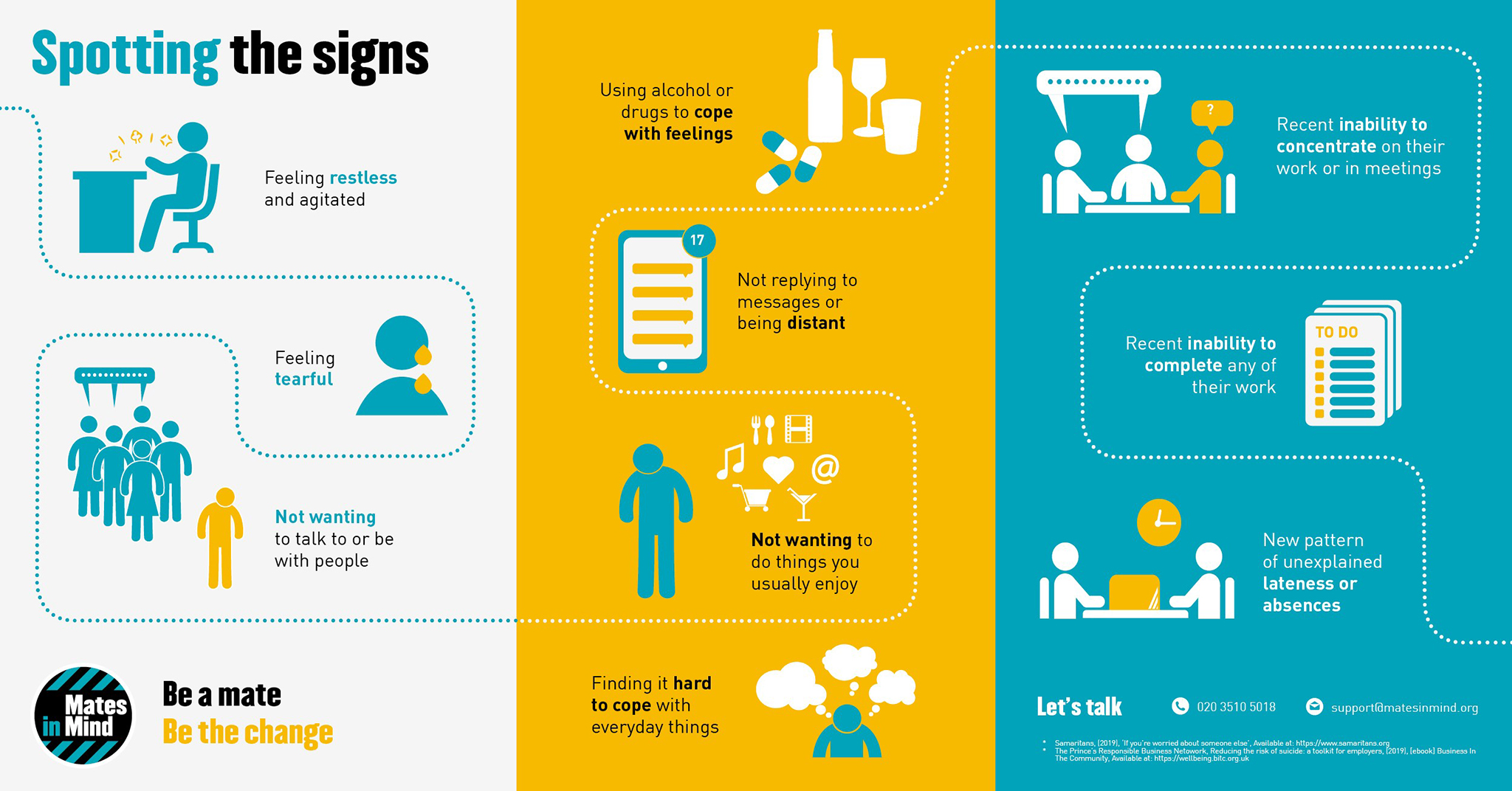
World Mental Health Day is not just a day of awareness, but also a call to action. There are several ways individuals and communities can contribute to the “Mental Health for All” initiative. One can educate themselves and others about mental health issues, signs of distress, and available resources. By raising awareness, one can create a supportive environment for those in need. One can and should advocate for inclusive mental health policies and services that cater to the diverse needs of all individuals, including marginalised communities. One should volunteer or contribute to mental health organisations and initiatives that work towards improving access to mental health care. Open conversations about mental health should be encouraged and seeking help from mental health professionals when needed, is normalised. So one should prioritise self-care and mental well-being in their daily life and engage in activities that promote relaxation, stress reduction, and emotional well-being.
World Mental Health Day is a powerful reminder that mental health is a fundamental aspect of our lives and should be a global priority. 2023’s theme emphasises the importance of breaking down barriers and ensuring universal access to mental health care and support. By promoting awareness, education, and inclusivity, we can work towards building a society that fosters mental well-being for everyone, regardless of their background or circumstances. Let’s visualise a world where mental health is valued, protected, and nurtured, not just on World Mental Health Day but every day of the year.
The Pink Tax: Gender-Based Pricing Discrimination

Today, gender equality is essential because, over the years, it has been found that men and women are both needed for the running of a successful and progressive society. While substantial strides have been made toward bridging the gender gap, some subtle yet significant inequalities persist, one of which is the infamous “Pink Tax.”

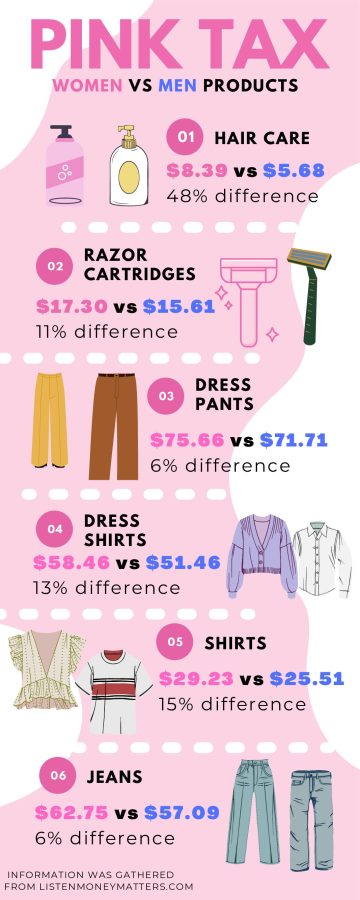
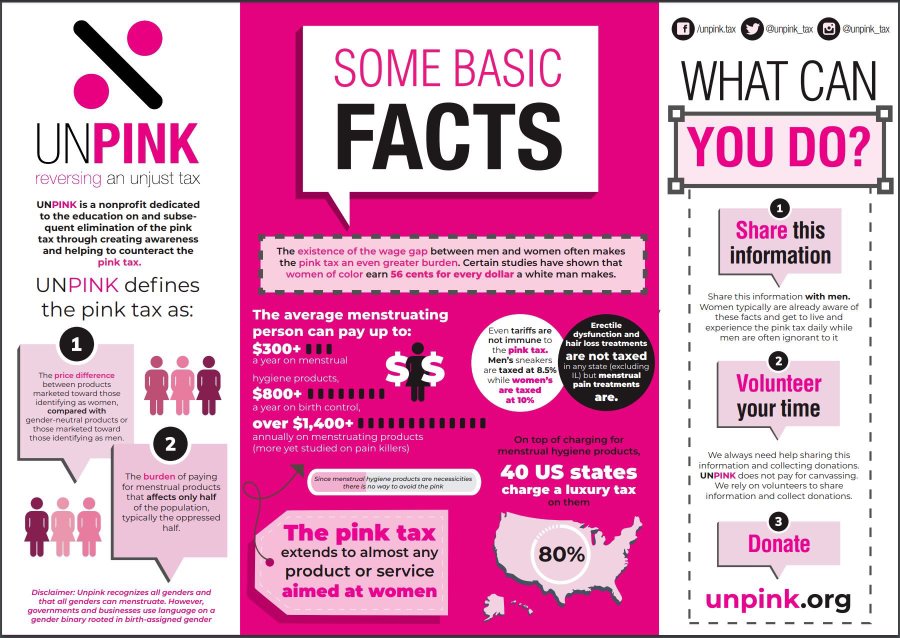
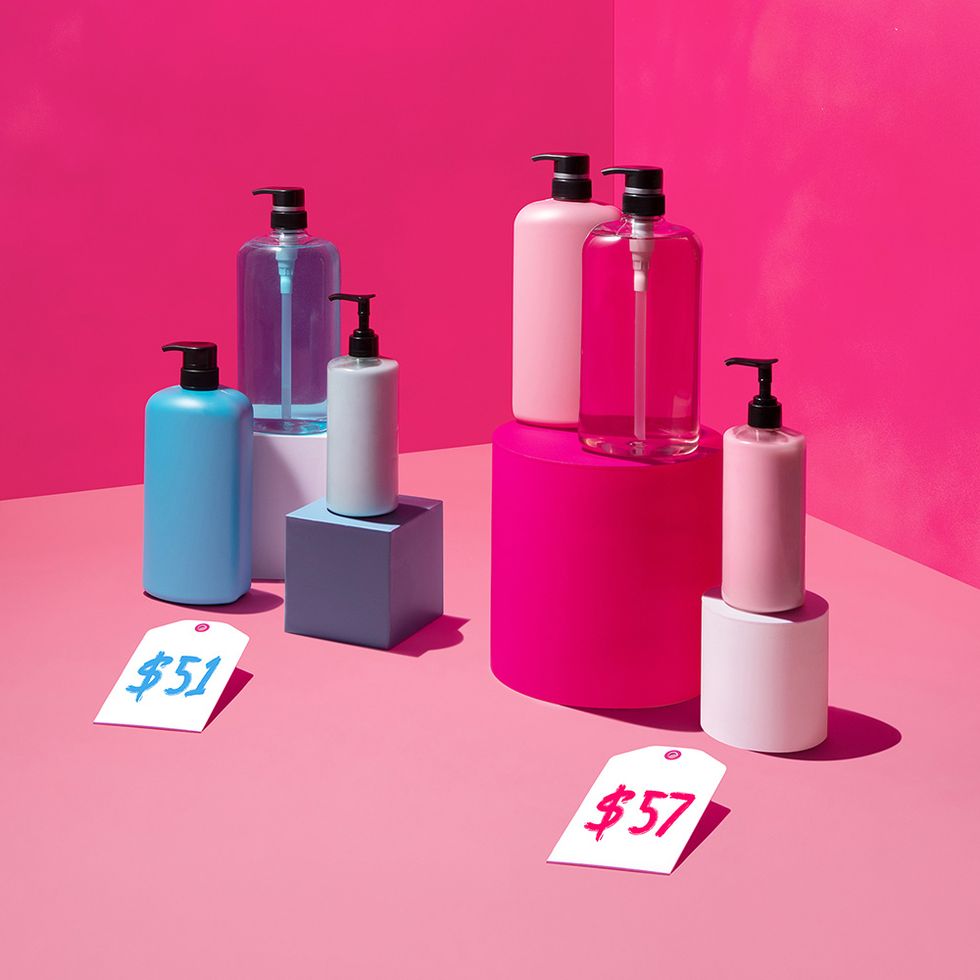
What is the Pink Tax? The pink tax refers to the phenomenon where products and services marketed specifically toward women are more expensive than those marketed toward men. This phenomenon is often attributed to gender-based price discrimination, which means that women pay more for everyday items such as personal care products, clothes, toys, and even financial services. However, research shows that the primary cause is women sorting into goods with higher marginal costs. The name “Pink Tax” comes from the traditional association of the colour pink with femininity and its symbolism in gender stereotypes.

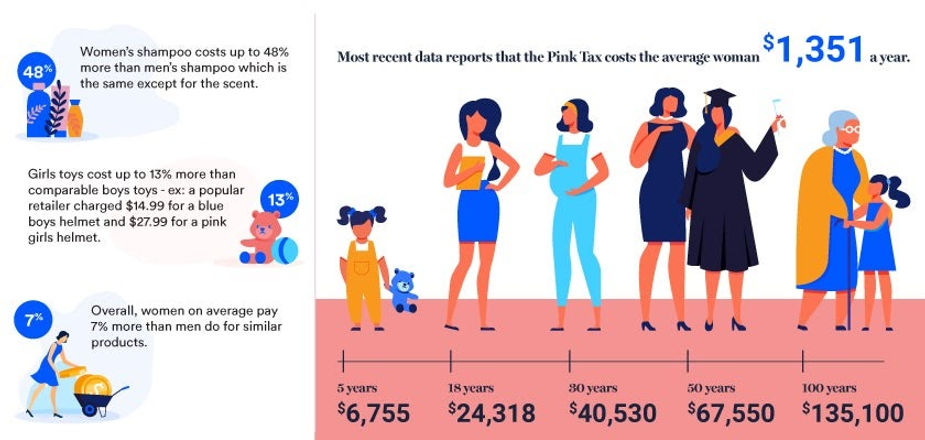
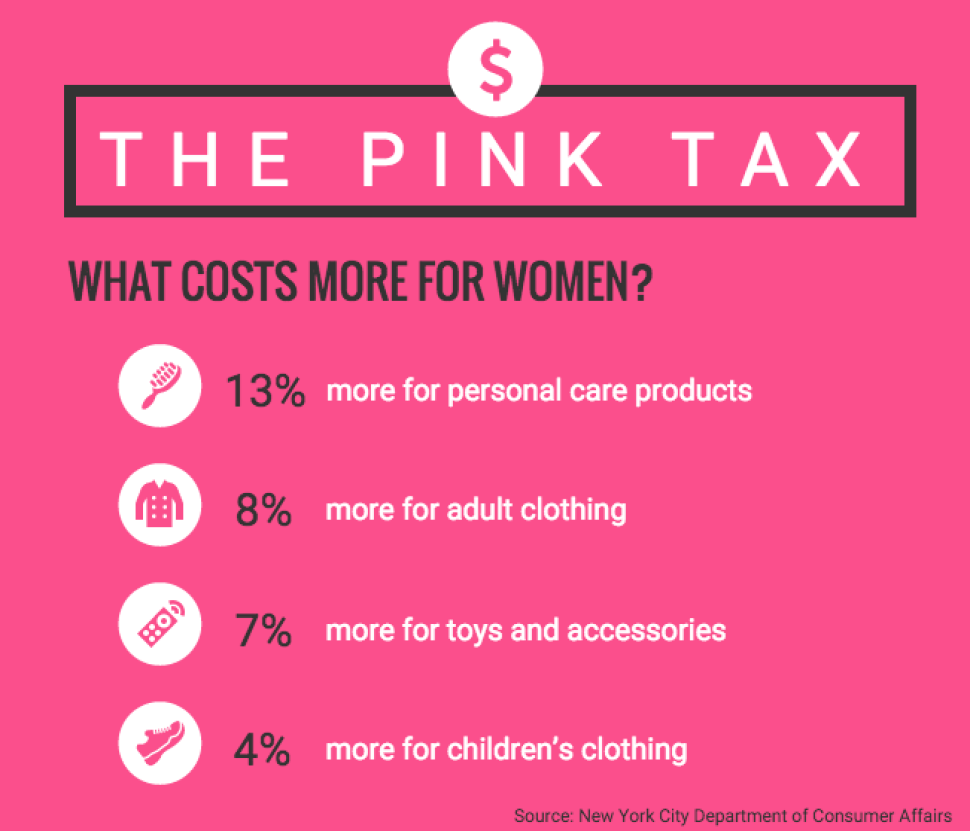
The Pink Tax can be traced back to the early 1990s in the United States when consumer advocates and researchers began to notice the discrepancy in prices between gender-segregated products. The New York City Department of Consumer Affairs conducted one of the first comprehensive studies on gender-based pricing in 1995. Their research revealed that women paid significantly more for nearly identical products than men, an average of around 7% more. This included items like razors, deodorants, and haircuts. In the toy sector, girls’ toys cost on average 7% more than boys’ toys. The study showed a side-by-side comparison of a Radio Flyer scooter where the red scooter costs $24.99 and a pink scooter, identical in all ways but colour, costs $49. In children’s apparel, girls’ clothes were 4% more expensive than boys’. Women’s clothing was 8% more expensive than men’s clothing. The largest discrepancy came to personal care and hygiene products, where women’s products cost 13% more than men’s. The researchers found that manufacturers and retailers justified the higher prices for women’s products, citing factors like higher production costs or special features. However, these justifications did not always align with the actual price differences. This raised concerns about a potential pattern of systematic gender discrimination.

Over the years, the Pink Tax debate gained momentum, attracting attention from activists, lawmakers, and media outlets worldwide. Consumer groups pushed for transparency and pricing equality, urging companies to end this discriminatory pricing practice. Despite increased awareness, progress remained slow.

The Pink Tax is not confined to any one country or region. Its impact is felt across the world, perpetuating gender inequality and affecting women’s purchasing power. According to a 2018 study conducted by the European Parliament, women in Europe were found to spend about 7% more on everyday products compared to men. This extra cost amounted to an average of €1,370 per year per person.

In the UK, women and girls were being charged on average 37% more for toys, cosmetics, and clothes than their male counterparts. The UK also faces the Pink Tax on school uniforms. Girls’ school uniforms are 12% more expensive than boys’ uniforms. This goes for both primary and secondary school-age children. In recent times Argentina women pay 12% more than men for the same products. In 2021 the gap was at 11% and went up the following year in 2022.

In the United States, a study by the New York City Department of Consumer Affairs in 2015 found that women paid approximately 7% more than men for similar products. Another study by the University of Central Florida in 2018 revealed that, on average, products targeted at women cost 13% more than similar products marketed to men.

A study by the Times of India in 2018 found that products marketed to women were priced up to 50% higher than equivalent products for men. This disparity encompassed personal care items, clothing, and toys. Japan, known for its traditional gender roles, is not immune to the Pink Tax. A study conducted by Osaka City in 2018 revealed that women’s products were priced around 24% higher than men’s products. In South Korea, a survey by the Korean Women’s Development Institute in 2019 found that women’s personal care products were priced 11% higher than men’s. According to a 2017 study by the Ministry of Commerce, women’s clothing and personal care products in China were priced 17% higher than men’s. In Singapore, a check by The Sunday Times on ten companies found that women pay more for some products and services, like dry cleaning and razors, offered by about half of these companies. Additionally, women in Singapore have to pay more premiums for Careshield Life, a national long-term care insurance scheme introduced by the government.

There are many reasons why the pink tax exists, including tariffs, product discrimination, and product differentiation. There are many suggested causes of this discrepancy, including price elasticity and the belief that women are more prepared than men to pay higher prices for their purchases. Other reports suggest that marketing targets women to pay higher prices as ethical consumers. According to The Washington Post, women are more likely to spend more money on improving their appearance, because not doing so is associated with the risk of losing revenue. Some studies showed that attractive people tend to earn higher salaries, receive higher grades in school, receive shorter prison sentences, and are more likely to be hired and promoted in the workplace. This factor is not relevant for men.

Some people argue that product differentiation can account for a portion of the difference between the prices of men’s goods and women’s goods. For example, a pink scooter may cost more than a red scooter because it is more expensive to paint a scooter pink than red, assuming such a large difference for this reason of production would be because the red scooters are the larger production, and pink scooters are in the minority. However, there has never been any evidence presented, for example, that pink paint costs more than red paint or blue paint, thereby creating cost differentials in colour-coded items geared toward different genders. The Pink Tax also arises in services like haircuts or dry cleaning. Likewise, in dry cleaning, some people argue that men’s clothing tends to be more uniform while women’s clothing tends to have a lot of variabilities which can make it harder to clean. They also argue that pressing machines, normally made for men’s clothing, are more difficult to use on women’s clothes, which results in the dry-cleaners resorting to hand-pressing the clothing.

The reason those who campaign against the pink tax claim it to be so problematic is that higher prices for goods and services arise from gender alone, with no underlying economic justification such as higher costs of production in goods. Women’s and men’s razors are essentially the same, and distinguishing between them is simply a marketing strategy. People who have a greater need to buy a product are often willing to pay much more, leading to price discrimination. Women are often subjected to this in the tampon and sanitary napkin market creating a marginalised group among women who are “period poor”.

Criticism of the pink tax includes the principle that the idea robs women of agency and choice by suggesting that women are so easily brainwashed by marketing that they are prevented from choosing the lesser-priced but otherwise “identical” male-marketed alternative. Instead, critics have attributed the pricing disparity to market forces and stated that if women continue to buy a more expensive pink razor, it is because they see some utility or additional aesthetic that they are willing to pay for. Substantive differences in price may indicate differences in the marketability of different products. Critics argue that although seemingly identical products and services may be differently priced, the emotional experiences and perceived value are different.

A more recent study pointed out methodological flaws in the influential 2015 study from the New York City Department of Consumer Affairs. According to the study, the products considered in the report account for less than 6% of category sales and were not selected at random. While the sample was constructed by subjectively pairing men’s and women’s products, the study found that most pairs in the sample differ in their ingredients. They argue that a systematic analysis of the evidence reveals when comparing products made by the same company with the same leading ingredients, men’s products were more expensive in 3 out of 5 categories and that the findings do not support the existence of a systematic price premium for women’s products.

Activists and politicians argue that the economic impact of the pink tax is that women have less purchasing power, especially paired with the gender-based pay gap. Wage gaps and pension gaps already put women at a disadvantage when it comes to purchasing power. Women currently make a statistical average of 89 cents for every $1 a man earns in the United States, meaning women statistically, on average, have less income to spend on goods and services. This alone gives men more money and, ultimately, more buying power. The pink tax further contributes to the economic inequality between men and women. It is also argued that paying more for goods and services marketed to women while women earn less than men means men hold the majority of the purchasing power in the economy. Taxes on feminine hygiene products that men don’t need further contribute to this discrepancy. The Pink Tax’s impact extends beyond the financial burden on individual consumers. It reinforces harmful gender stereotypes and perpetuates the idea that women’s products and services are secondary or inferior. This discriminatory practice undermines gender equality efforts and restricts women’s economic empowerment.

Combatting the Pink Tax requires a multi-faceted approach involving consumers, policymakers, and businesses. There has to be an increase in awareness about the Pink Tax so that consumers are empowered to make informed choices and demand pricing transparency. Activists and policymakers should collaborate to introduce legislation that addresses gender-based pricing discrimination and ensures fair pricing practices. Companies should examine their pricing strategies and eliminate any unjustified price discrepancies between gender-segregated products.

The Pink Tax is a pervasive issue that demands attention and action from all segments of society. By understanding its origins and impact, we can work collectively to dismantle this discriminatory practice. Governments, businesses, and consumers must come together to challenge the status quo and build a more equitable future where gender-based pricing discrimination becomes a thing of the past. Empowering women economically should be a shared goal, and eradicating the Pink Tax is a significant step in that direction. Let us unite our voices to create a world where pricing is fair, just, and free from gender bias.

World Tourism Day

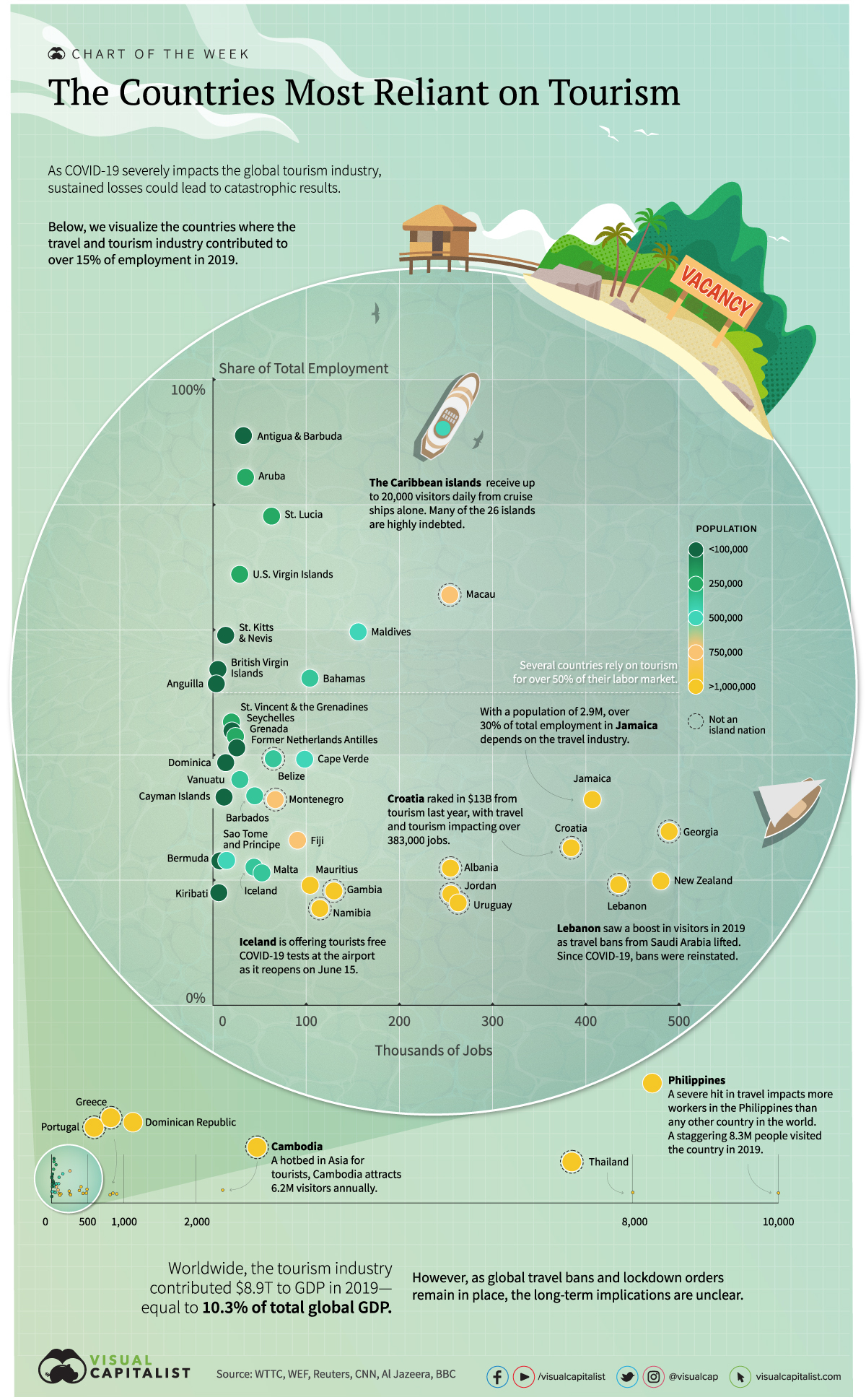
Celebrated annually on 27 September, World Tourism Day is celebrated to promote awareness and the importance of tourism worldwide. This day serves as a platform to highlight the social, cultural, political, and economic contributions of tourism to global development. Since 1980, the United Nations World Tourism Organization has celebrated World Tourism Day as an international observance. This date was chosen as, on that day in 1970, the Statutes of the UNWTO were adopted, the adoption of which is considered a milestone in global tourism. The purpose of this day is to raise awareness of the role of tourism within the international community and to demonstrate how it affects social, cultural, political and economic values worldwide. World Tourism Day plays a crucial role in promoting sustainable tourism practices, fostering dialogue between nations, and encouraging responsible travel among tourists.

At its Twelfth Session in Istanbul, Turkey, in October 1997, the UNWTO General Assembly decided to designate a host country each year to act as the Organization’s partner in the celebration of World Tourism Day. At its Fifteenth Session in Beijing, China, in October 2003, the Assembly decided the following geographic order to be followed for World Tourism Day celebrations: 2006 in Europe; 2007 in South Asia; 2008 in the Americas; 2009 in Africa and 2011 in the Middle East.

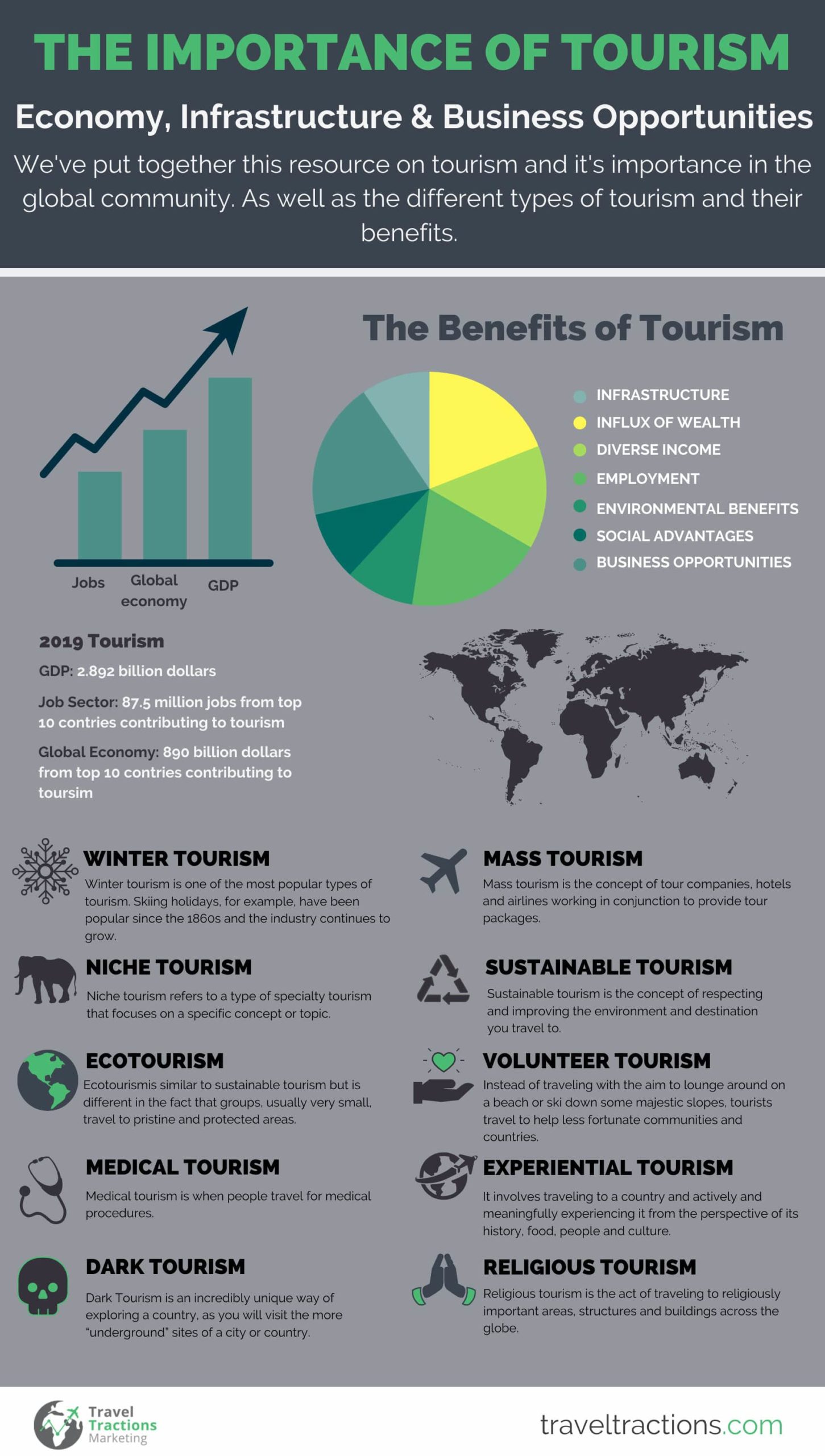
Tourism has become one of the fastest-growing industries globally, contributing significantly to job creation, economic growth, and cultural preservation. However, the rapid expansion of tourism also poses challenges such as environmental degradation, cultural commodification, and unequal distribution of benefits. ‎Modern tourism is closely linked to development and encompasses a growing number ‎of new destinations. These dynamics have turned tourism into a key driver for socio-economic progress.‎ Today, the business volume of tourism equals or even surpasses that of oil exports, ‎food products or automobiles. Tourism has become one of the major players in ‎international commerce and represents, at the same time, one of the main income ‎sources for many developing countries. This growth goes hand in hand with ‎increasing diversification and competition among destinations.‎ This global spread of tourism in industrialised and developed states has produced ‎economic and employment benefits in many related sectors – from construction to ‎agriculture or telecommunications.‎

In 2023, the official World Tourism Day celebrations will be hosted in Riyadh, Saudi Arabia, under the theme “Tourism and Green Investments”. World Tourism Day 2023 will highlight the need for more and better-targeted investments for people, for the planet and for prosperity. The time has come for new and innovative solutions, not just traditional investments that promote and underpin economic growth and productivity. The day will highlight the vital need to deliver investment for projects that work for people by investing in education and skills, for the planet by investing in sustainable infrastructure and accelerating green transformation and for prosperity by investing in innovation, technology and entrepreneurship.

Sustainable tourism requires sustainable investments. However, due to the pandemic, announced foreign investment in the tourism sector fell from US$48.5 billion in 2019 to just US$12.6 billion in 2020. This sudden and unexpected drop has been felt at all levels of the sector and pressed pause on projects designed to advance tourism’s climate action efforts and build more resilience. Additionally, in 2020 and 2021, job creation in the tourism sector fell by 70%, a direct consequence of falling investment levels.

One investment area that has remained strong, however, is investment in tourism start-ups and technology, highlighting the resilience of the startup ecosystem. But even here, the impact of the pandemic has been significant: funding levels fell to their lowest level in four years in 2022, and the number of tourism tech ‘unicorns’, which are start-ups valued at US$1 billion or more, has fallen. More and better-targeted investment is therefore required to enable tourism to deliver on its massive potential to provide opportunities for people, build resilient economies, accelerate climate action and greater sustainability for the planet, and deliver inclusive prosperity around the pillars of innovation and entrepreneurship.

Tourism is one of the world’s leading employers. In 2019, the sector employed one in 10 people worldwide, with high levels of opportunity for women and youth. However, in emerging destinations, 50% of young people are unable to work in tourism due to a lack of opportunity, resources or access to academic training. Current education and training opportunities are unbalanced, with a heavy emphasis on hotel management. The global tourism workforce will require millions of hospitality graduates annually between now and 2030, and a further 800,000 jobs a year will require specific vocational training.

Through tourism, investment in infrastructure can deliver better services while also advancing the Sustainable Development Goals or SDGs. However, infrastructure has suffered from chronic underinvestment for decades. Tourism infrastructure, in particular, has a crucial role to play. Hotels account for 1% of global emissions and rising and are heavy consumers of energy and water. At the same time, funding for climate tech start-ups is not at the level needed to truly transform the sector. Investments that integrate sustainability measures into tourism operations will have an effect on most of the drivers of the sector’s growth: cost efficiency, city policies, internal sustainability goals, brand image, and guest satisfaction.

This World Tourism Day will try to address topics about public and private investments in this sector and what steps the private sector can take to address the emerging investment needs of the tourism sector vis-a-vis education. They will also deliberate on how to motivate policymakers and investors to support increased investment in greening the tourism sector as well as how to accelerate climate innovation, invest in new technologies, business models, and practices to facilitate the emergence of new climate solutions. Other topics will include the financial investment mechanisms and instruments available to support innovation, technology and entrepreneurship and also how to promote ease of doing business, develop better investment policies and embrace new innovative financial mechanisms and solutions to address emerging and complex challenges. Lastly, the day will focus on trying to close the financing gender gap and accelerate access to capital in both domestic and international markets for women entrepreneurs.

World Tourism Day 2023 will be a call to action for the international community, governments, multilateral financial institutions, development partners and private sector investors to unite around a new tourism investment strategy. As travellers, it is our responsibility to make conscious choices that support sustainable tourism, respecting the environment, preserving cultural heritage, and benefiting local communities. By embracing the principles of sustainability, we can collectively create a tourism industry that is not only economically viable but also environmentally and socially responsible. Let us celebrate World Tourism Day 2023 by recognising the immense potential of tourism as a force for positive change and committing to making travel a transformative and sustainable experience for all.

Short Story: The Purple Balloon

Rohan
I have always loved Ganesh Chaturthi. The noise, music, and dhol, all add to the excitement and even though it’s school time, I always try to visit as many pandals as possible. I am a big boy now and after pestering Mukesh chachu for almost a year, he finally agreed to take me to see the Ganesh visarjan at Chowpatty. We will be taking a train and then walking to the beach. Ma and Baba are angry with chachu, and dada and dadi also don’t want us to go, but I am bih now, so this year I will go, come what may.

Today is Anantchaturdashi, so after having a hearty lunch, we set off for Chowpatty, the air buzzing with anticipation. My heart raced with excitement as we navigated through the crowded streets of Mumbai. Chachu held my hand tightly, guiding me through the sea of people, each one carrying a Ganesh idol towards the sea for immersion. On the way, we also saw some big idols, including Lalbaghcha Raja.

As we reached Chowpatty, the sight was breathtaking. Hundreds of colourful Ganesh idols lined the beach, surrounded by eager devotees singing and dancing in devotion. The scent of incense and the rhythmic beat of drums filled the air, creating an electrifying atmosphere.

“Look, Rohan!” Chachu exclaimed, pointing to the sky. “See those kites flying high? It’s like a festival in the sky too!”

I grinned and pointed to a group of children trying to fly their kites. Chachu, always playful, bought me a beautiful purple balloon from a vendor nearby. “Here, hold onto this, Rohan,” he said, tying it to my wrist. “This way, I’ll always find you, no matter what.”

The purple balloon floated above me, like a guardian angel watching over, as we continued our journey through the chaotic crowd. I felt safe and happy, knowing Chachu was with me and that the balloon would lead him to me if we got separated.

Mukesh
Being the youngest of my siblings, I felt a special bond with Rohan. He was born when I was in school and because the age gap is not too much between us, so we behave more like friends rather than uncle and nephew. When he pleaded with me to take him to Chowpatty for Ganesh visarjan, I couldn’t resist. I knew bhai and bhabhi and ma and baba wouldn’t approve, but I wanted to give him an unforgettable experience.

As we reached Chowpatty, I marvelled at the vibrant spectacle before us. The sea of colours, the sounds of devotion, and the spirit of unity overwhelmed me. Rohan’s eyes lit up with wonder, and I couldn’t help but smile at his excitement. I was so glad I was able to give him this experience he will not forget in a hurry.

To add to the magic of the moment, I bought him a purple balloon. His joy knew no bounds as he clutched it tightly. “Thank you, Chachu! This is the best day ever!” he said, his eyes sparkling like stars.

With Rohan holding my hand, we manoeuvred through the bustling crowd. But as the immersion rituals began, the chaos intensified. Chants of “Ganpati Bappa Morya, Pudchyavarshi Loukar Ya” filled the air as people bid farewell to their beloved elephant-headed God by carrying them into the sea and bid him goodbye.

Someone pushed me from behind and I felt a tug on my hand. My heart skipped a beat and I looked down, but Rohan wasn’t there! Panic surged through me as I frantically searched the surrounding crowd, calling out his name. But the noise of the festival drowned my voice.

Rohan
Suddenly my hand was torn from chachu and I found myself alone in the crowd. My heart raced as I realized I had lost Chachu. I tightened the balloon in my hand and started crying. I was scared, surrounded by strangers, and unsure of what to do. I walked a while, pushed and prodded by people who were eager to immerse their idols and get home.

After a while, I noticed a group of men and they, on seeing me crying came up to me. They knelt at my level and smiled reassuringly. One of them patted my shoulder gently and said, “Don’t worry, beta, tell us why you are crying”. When I told them my chachu was lost and I was missing my ma and baba, they laughed and told me “We’ll keep you safe until we find your chachu.”

They formed a protective circle around me, like guardian angels. One of the men lifted me and put me on his shoulders so that I could look out for chachu. He also took the purple balloon, which had become my lifeline and held it up as a beacon to signal Chachu where I was. With their reassuring presence, my fear subsided, and I felt a glimmer of hope.

Mukesh
My heart pounded in my chest as I continued searching for Rohan frantically. The festival seemed to have swallowed him whole, and I felt a wave of guilt wash over me for bringing him here against his parents’ wishes. I knew I had to find him before anything happened. I started thinking of all the worst things that can happen. An image flashed across my eyes of Rohan in the clutches of a gang which made children stand in the road and beg and I shuddered with anguish. I ran here and there trying to find Rohan, but could not see anyone resembling him in the crowd.

As I ran, my eyes caught a glimpse of a purple balloon floating above the crowd. It looked like the balloon I brought for Rohan and I was relieved to see it. “Was it Rohan’s balloon?” I didn’t know, but ran towards it because it gave me some hope. I followed its trail to a group of men, one of whom was holding the balloon like a beacon and another holding Rohan on his shoulder. I rushed to his side, my heart swelling with gratitude for these kind strangers.

“Chachu!” Rohan cried out, tears of relief streaming down his cheeks. I hugged him tightly, whispering words of reassurance. “I’m here, Rohan. I’m never letting you out of my sight again.” The men smiled warmly, patting Rohan’s back. “He’s a brave boy, and the balloon helped us find you,” one of them said.

Rohan
With chachu’s reassuring presence, the purple balloon back in my hand, and the group of kind men by our side, I felt safe once again. We continued to witness the visarjan of the Ganesh idols and I said a little prayer for bringing my chachu back to me, tightly holding chachu’s hand, not wanting to let go. As the sun set and the festival came to a close, we made our way back home, weaving through the now calmer streets of Mumbai.

I knew I had experienced something extraordinary that day, and it wouldn’t have been the same without the purple balloon and the caring strangers who protected me. I looked up at Chachu, grateful for his love and for keeping his promise to me.

ukesh
The experience of losing Rohan and finding him again had been a rollercoaster of emotions. I knew now, more than ever, that my duty as his uncle was to protect and cherish him. The purple balloon had played a crucial role in reuniting us, and I couldn’t help but smile at its significance.

As we walked back home, I held Rohan’s hand tightly in mine, vowing to never let go. The chaotic festival reminded me of the fragility of life and the importance of treasuring our loved ones. I sent a small prayer to Vignaharta, the remover of obstacles who brought my nephew back to me. Though we returned to the safety of our home, the memories of the festival and the purple balloon would forever remain etched in our hearts. I recounted this experience to my brother, bhabhi and parents and we all hugged Rohan once again, knowing that without the kindness of these strangers, our little boy may have been lost to us forever. The city of Mumbai, one again, showed us what it is made of. Exhausted, as I went to bed, the strains of the songs “Ae dil hai mushkil jeena yahan, Zara hatke zara bachke yeh hai Bombay meri jaan” came through the television of our neighbour and I smiled at the expansiveness of the city of my birth as sleep claimed me.

Festivals of India: Tarnetar Mela

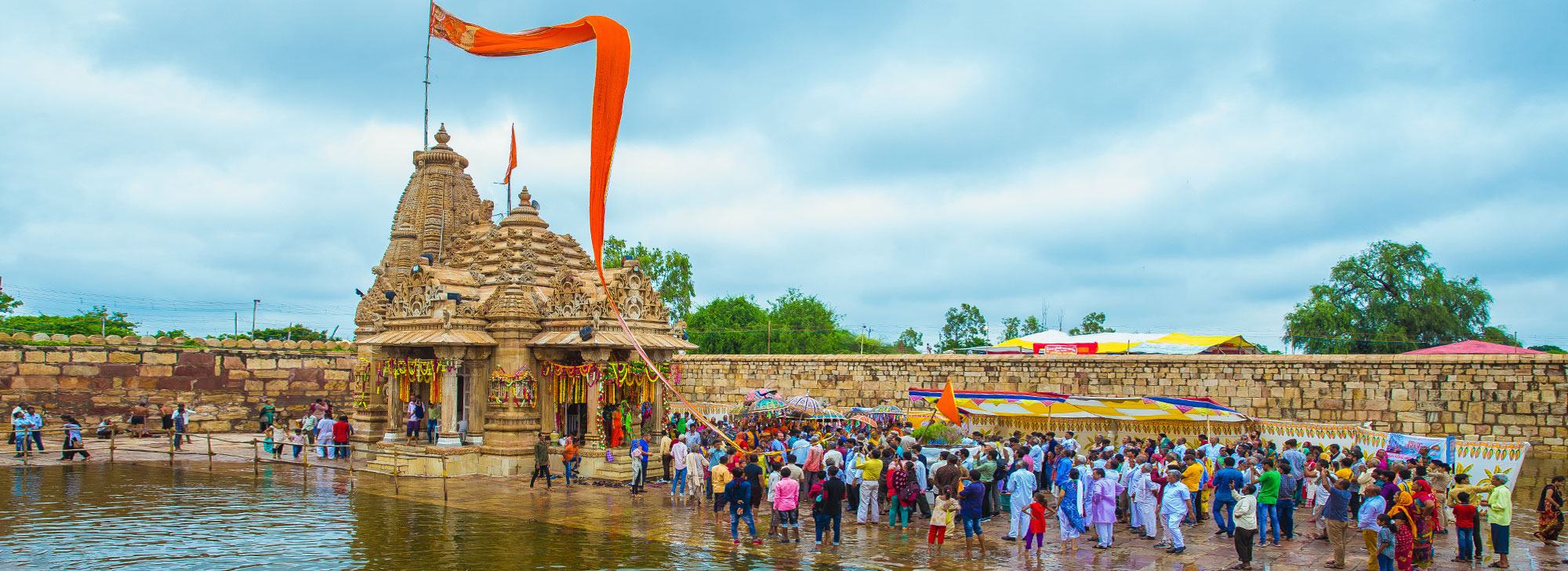
One of the best things about India is that there are so many colourful festivals one can witness and be a part of. several colourful and grand festivities. One of the many vibrant, but relatively unknown festivals is the annual Tarnetar Mela which takes place in Sundernagar in the western state of Gujarat. A tiny village about 56 km from Sundernagar, about 76 km from Rajkot and about 176 km from Ahmedabad, the village comes alive during the festival.

Being Saurashtra’s most important fair, the Tarnetar Mela is attended by more than 50,000 people, including the Kolis, Rabaris, Bharwads, Khants, Kanbis, Kathis, Charans, Harijans and the Desh-rabaris. The festival has its roots in the epic Mahabharata, specifically Draupadi’s swayamvar. Swayamvar is a type of marriage mentioned in Hindu history where a woman chose a man as her husband from a group of suitors. The word comes from Sanskrit where Svayam means self and vara means groom. At Draupadi’s swayamvar, the Pandava prince Arjun performed the difficult task of piercing the eye of a rotating fish with an arrow, by only looking at its reflection in the water, after which he won the heart and hand of Draupadi.

The festival’s tradition is believed to have begun about 200 or 250 years ago and is held on the grounds of the temple of Triniteshwar Mahadev, which means the three-eyed God. The old temple that used to stand in Tarnetar is now in ruins, but a new one was built by the Gaekwads of Vadodara in the 19th century during the Solanki era and is now the focal point of the festival. It stands on the bank of a rivulet and opens into a beautiful kund or pond. Inside the temple, there is a Brahma Kund, a Shiva Kund, and a Vishnu Kund and it is believed that taking a plunge in these three water reservoirs is equivalent to taking a dip in the waters of the holy Ganges.

Fast forwarding to today, the three-day festival falls in the Bhadarva Sud or during August and September. This year the festival will take place between 18 to 20 September. The festival is a celebration of tribal Gujarat’s folk dance, music, costume and arts and is centred around young tribal men and women seeking marriage partners.

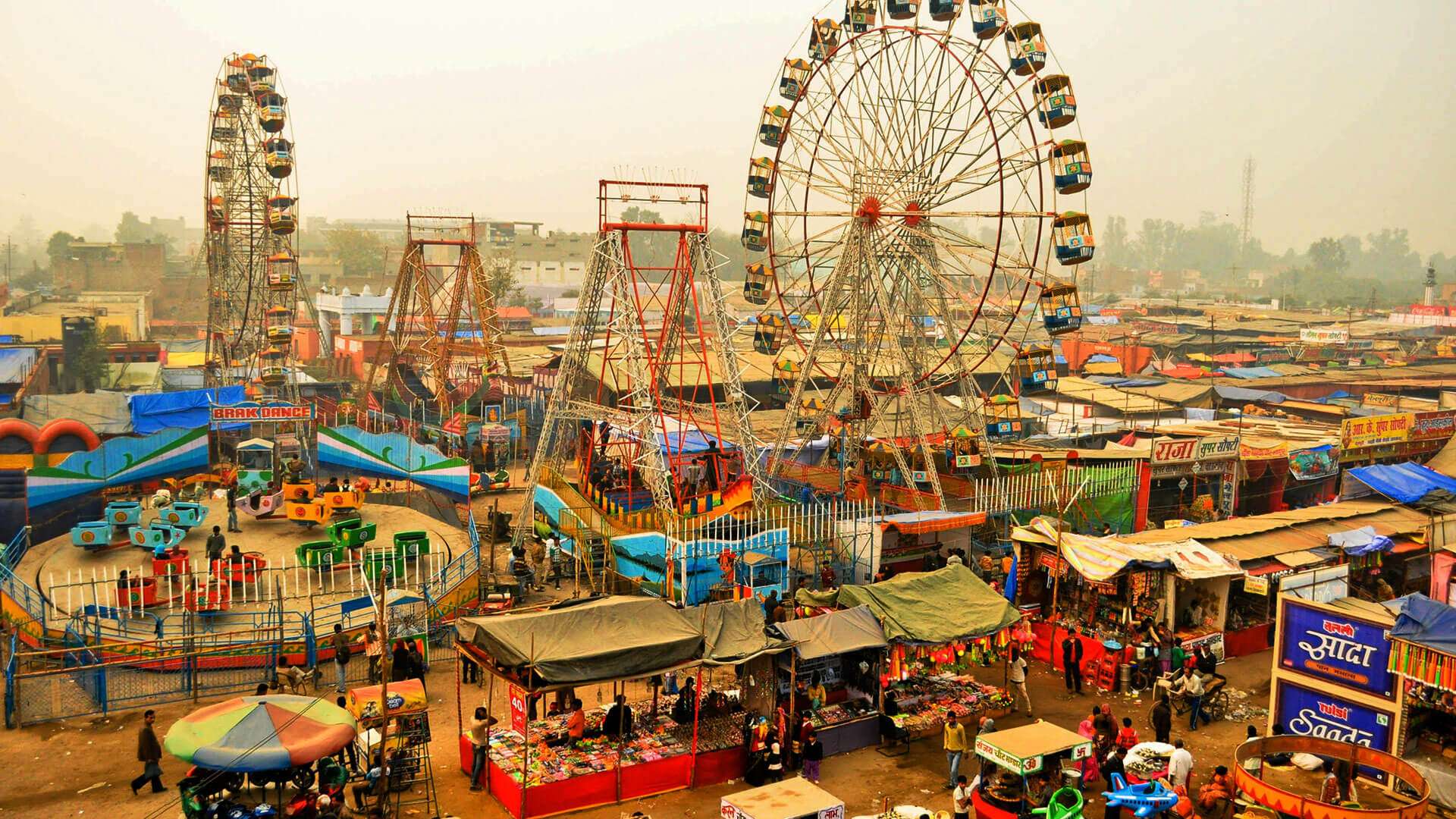
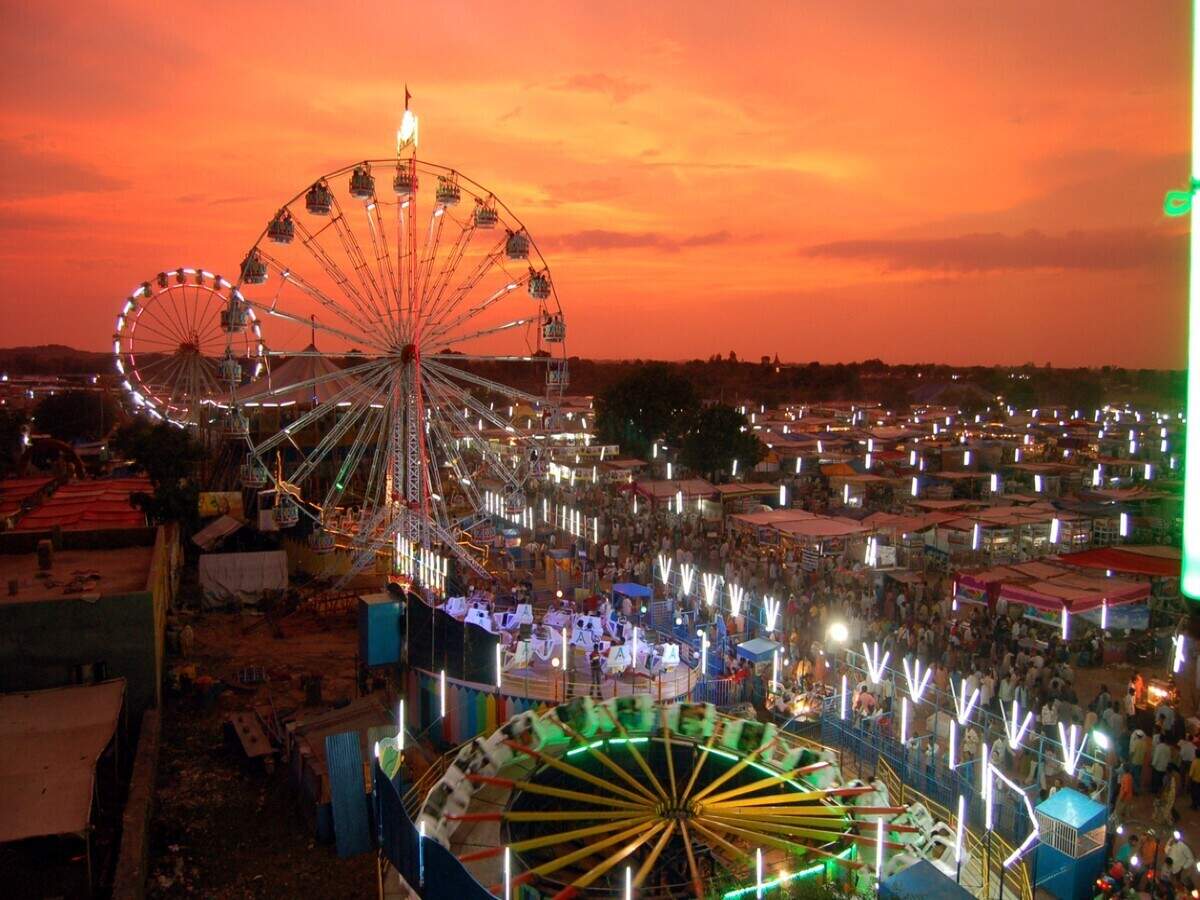
The Tarnetar Mela covers a large part of the Tarnetar village with a huge number of stalls put up to sell beautiful local handicrafts unavailable elsewhere, along with ethnic jewellery, statues of deities and traditional attire with tiny mirrors embroidered into the clothing. There are also merry-go-round rides, photography stalls, magic shows and tattoo artists who attract a large variety of visitors.

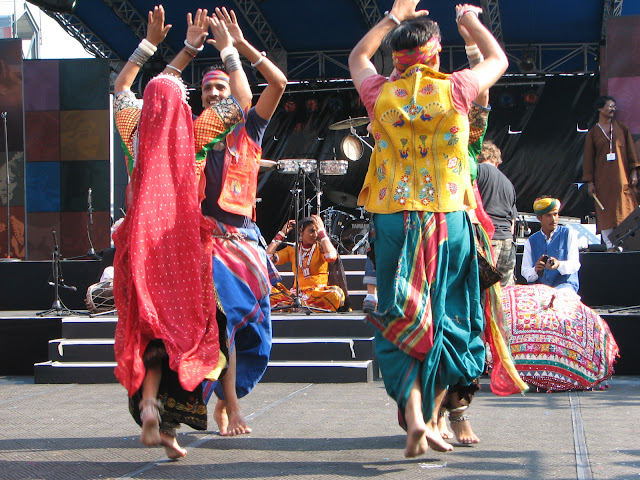
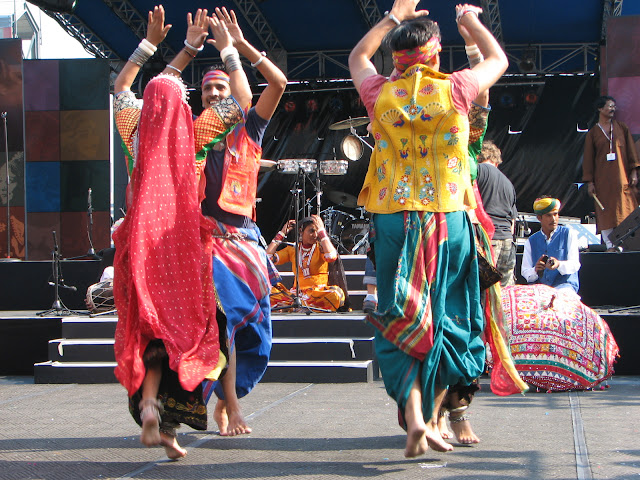
Rabari women from Zalawad, which is close to Tarnetar perform the famous circular folk dance called rahado. Their marital status is indicated clearly by their costumes; a black zimi or skirt means she is married. But if a woman is wearing a red zimi, it means she has not yet tied the knot and is probably seeking a husband. The potential husbands seeking brides are elegantly dressed in colourful dhotis, artistically designed waistcoats and a head-cloth twisted at an angle, moving about the fairground at Tarnetar with striking umbrellas, advertising the bachelorhood they are keen to relinquish.

The Kolis of Saurashtra initiated the custom of embroidering umbrellas, which are exquisitely elaborate in terms of embellishments. The embroidery of each is unique and rises from the edges to the top, with beadwork and patchwork in the design as well. Small colourful handkerchiefs are attached all around the edge, to attract further attention. These men spend over a year embroidering their umbrellas. They intend to entice the girls with their art, clothes, and headgear and impress them so that they can propose to them for marriage. It is not surprising that, before the fair is over, they usually meet the lady of their choice.

At the heart of the Tarnetar Mela lies a unique and heartwarming tradition — the swayamvar. This ancient matchmaking ritual allows young, unmarried women to choose their life partners from a group of eligible bachelors. Eligible men from various communities gather, each hoping to find their soulmate among the bevvy of beautiful women. It’s a sight to behold as the women circulate among the men, engaging in cheerful banter and trying to find a connection that transcends words. As modern influences blend seamlessly with tradition, young participants have the freedom to exchange phone numbers, engage in conversations, and even meet their potential life partners accompanied by their families.

As the dancers surge in waves of circular movement, the incessant throbbing of the drums keeps them moving in unison, and the drum beats continue throughout the day even as the dancers change from one group to the next. Many kinds of folk dances are performed; by far the most popular is the raas, in which dancers hold sticks to clack against those of other dancers. As many as one to two hundred women perform rasadas in a single circle, to the beats of four drums at a time and the tunes ofjodia pavas or the double flutes. One can also see people break out into a spontaneous hudo. Amidst the festivities, the Tarnetar Mela also champions essential social causes. Various NGOs and organisations set up stalls to raise awareness about health, education, and women’s empowerment.

There is music in the air with many bhajan mandalis or music groups and sadhus or holy men singing religious songs, accompanied by folk instruments. But even for those not interested in finding a spouse, the romance and excitement in the air are captivating, and every year the fair seems only to grow in popularity, attracting visitors and tourists from Gujarat, elsewhere in India, and even abroad. At the fair, the many colourful costumes, glittering ornaments and free-spirited movements of folk dances, all combine to create a memorable scene. This is the vibrancy of India that mesmerises visitors and makes them come back.