The Magic of Morning Routines: Starting The Day with Purpose and Positivity

The way we start our mornings can have a profound impact on our overall well-being and productivity throughout the day. A mindful morning routine sets the tone for a positive and fulfilling day, allowing us to cultivate a sense of purpose, focus, and inner peace. Having a morning routine is essential to a successful life with scientists and CEOs extolling the benefits of establishing an early morning ritual for decades. Past research has shown that a consistent morning routine can reduce stress, boost your energy levels and improve your productivity at work.

Our mornings can often feel rushed, chaotic, and stressful, as we juggle multiple responsibilities and obligations. However, by taking the time to establish a mindful morning routine, we can create a peaceful and energising start to our day. How we begin our day sets the tone for the rest of it. By dedicating time to a morning routine, we can set a positive and productive tone that carries through the day. A morning routine allows us to start the day with a clear and focused mind. It allows us to engage in activities that promote mindfulness, self-reflection, and gratitude. By organising our mornings with intention, we can increase our overall productivity because a well-structured morning routine helps us prioritise tasks, set goals, and create a sense of accomplishment. A mindful morning routine provides a buffer against stress. By engaging in activities that promote relaxation and self-care, we can reduce anxiety and set a positive mindset for the day. A morning routine also provides
structure to our day by giving us the power to take control of our schedule and promoting better time management.

Countless morning rituals can help us start our day with purpose and positivity. While each person’s routine may vary, the key is to choose activities that resonate with you and contribute to your well-being. Here are a few rituals to consider:

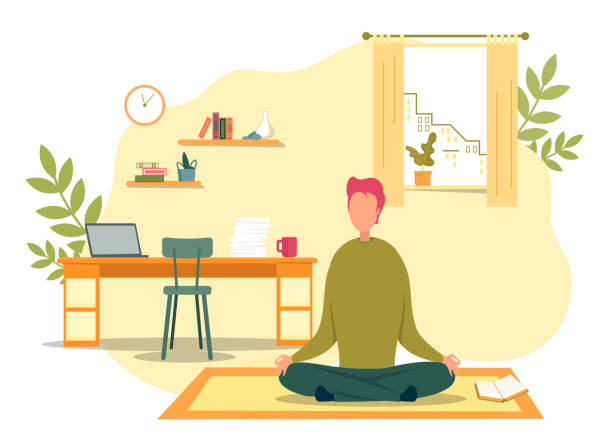
Meditation: One of the most powerful rituals for a mindful morning routine is meditation. Sitting in silence and observing the breath or engaging in guided meditations can help calm the mind, reduce stress, and enhance focus. Even a few minutes of meditation can make a significant difference.

Gratitude Journaling: Practicing gratitude can shift the perspective and create a positive mindset. Consider keeping a gratitude journal, where one should write down three things they’re grateful for each morning. This simple practice cultivates a sense of appreciation and can lead to greater happiness throughout the day.

Exercise or Movement: Engaging in physical activity in the morning can boost energy levels and improve overall well-being. Whether it’s a yoga session, a brisk walk, or a workout routine, moving your body in the morning helps release endorphins and sets a positive tone for the day.

Mindful Breakfast: Instead of rushing through breakfast, take the time to savour the meal mindfully. Pay attention to the flavours, textures, and nourishment it provides. This practice helps cultivate a sense of presence and gratitude for the food we consume.
Affirmations and Visualisation: Start the day by affirming positive statements and visualising daily, monthly or even annual goals. Repeat affirmations that resonate, such as “I am capable of achieving my goals” or “I radiate positivity and abundance.” Visualize accomplishing the tasks for the day, creating a positive mindset and boosting self-confidence.

Reading or Learning: Dedicate some time in the morning to reading or learning something new. Engaging with inspiring books, articles, or educational materials can expand knowledge, stimulate creativity, and provide motivation for the day ahead.

Digital Detox: Instead of immediately reaching for the phone or computer, consider incorporating a digital detox into the morning routine, giving at least 30 minutes of technology-free time to engage in activities that promote mindfulness and self-care.

Personal Reflection: Take a few moments each morning to reflect on goals, priorities, and values. Ask yourself what you want to achieve for the day and how you can align your actions with your long-term vision. This reflection helps you stay focused and grounded throughout the day.
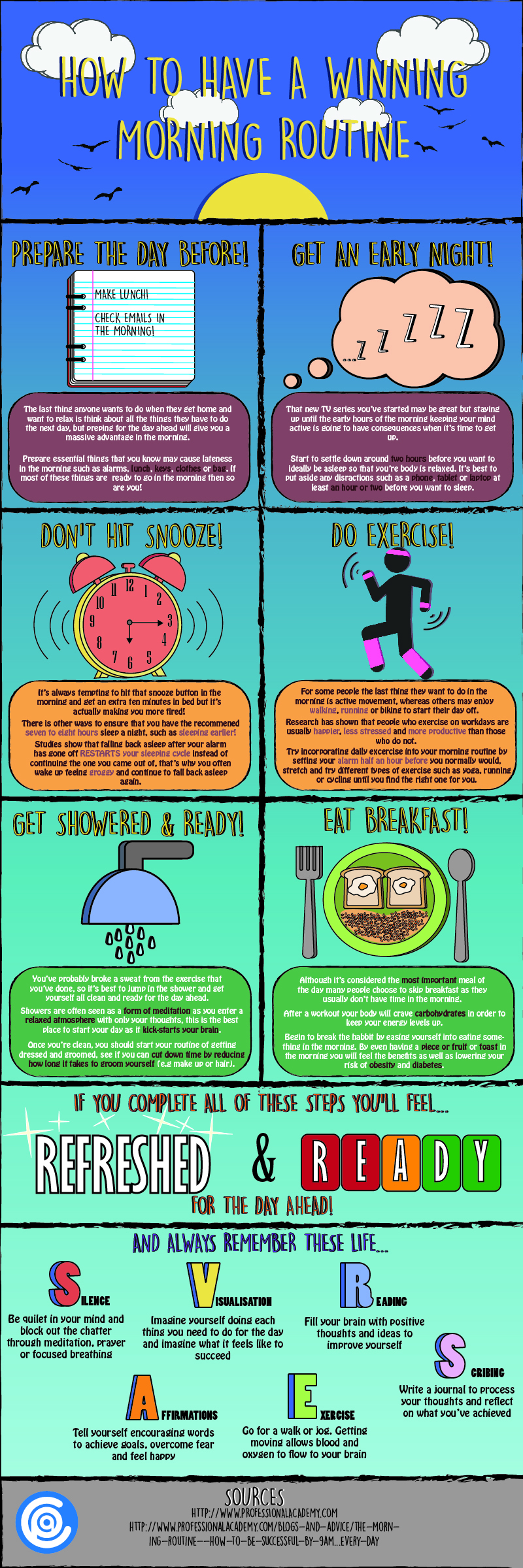
Creating a morning routine that works is a personal process. It’s important to experiment and find rituals that resonate with your lifestyle and goals.

Start Small: Begin by incorporating one or two rituals into your morning routine and gradually add more over time. Starting small allows you to establish sustainable habits without overwhelming yourself.

Time Management: Assess how much time you can realistically dedicate to your morning routine. Consider waking up a bit earlier to create a buffer for your rituals. Remember, it’s about quality, not quantity. Even a short routine can be impactful.

Flexibility: Be flexible and adapt your routine as needed. Life can be unpredictable, and there may be days when you have limited time or unexpected responsibilities. Allow yourself to modify your routine without feeling guilty or discouraged.

Consistency: Consistency is key when establishing a morning routine. Try to stick to your routine as much as possible, even on weekends or during vacations. Consistency helps solidify habits and ensures you reap the long-term benefits.

Starting your day with purpose and positivity through a mindful morning routine can have a transformative effect on overall well-being. By prioritising rituals like meditation, journaling, exercise, and gratitude, one can set a positive tone for the day and enhance productivity. Everyone’s routine will be unique, so experiment, be flexible, and find what works best. Embrace the magic of morning routines and watch as they positively impact your life.

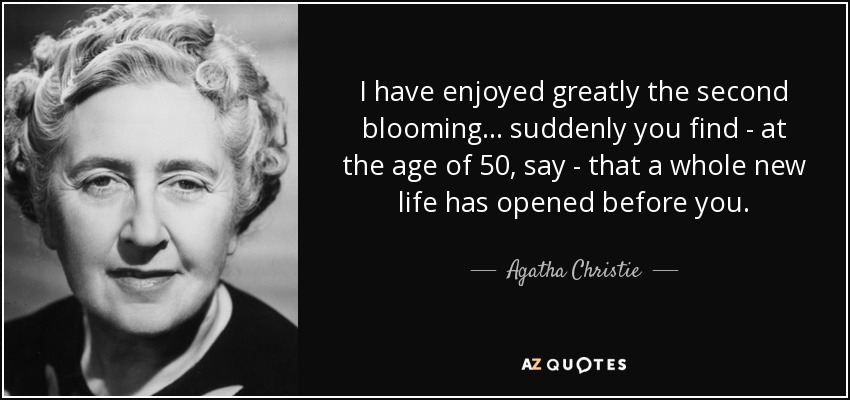
Poem: Turning Fifty

I am turning 50 very soon and am looking forward to hitting this milestone birthday. I know many people dread turning the half-century mark, but I was anticipating it. I feel I can become freer with my thoughts and live a life without a filter. This poem is my thoughts on turning 50.

Turning 50

The day is finally here
One that I have for with suppressed cheer
In the golden glow of the last fifty years,
I stand, triumphant, unafraid, a canvas painted with joy and tears.

I look back and reflect on my life, on the years gone by
The laughter, tears, and reasons why.
I think back on the decades of my life,
A good life, if I may say so, one without much pain and strife

As a young adult, I took flight,
A world of wonder was awaiting me, new and shining bright,
With dreams as vast as endless skies,
I spread my wings, prepared to rise.

Through twists and turns, I found my way,
To a path that led to each new day,
I crossed the ocean to make a new life and faced challenges that came my way,
Carved strength from within, come what may.

Now at the crossroads of life, fifty years,
A chapter ends, and a new one appears,
With the wisdom earned and a steady gaze,
I welcome how and what the future brings and plays.

I am no longer bound by youth’s desire,
Because I’ve found my purpose, my inner fire,
Each wrinkle tells the world a story that is true,
Of life’s rich journey, old and new.

The dreams of youth, I’ll not let fade,
For these are seeds that life has laid,
With the lessons learned, I now believe,
There are still things I have to achieve.

As fifty candles flicker bright,
I’ll embrace the day, the darkest night,
For life’s an ever-changing dance,
And I’ll keep twirling, taking the chance.

With gratitude for the last fifty years,
I’ll face the future, free from fears,
For all that’s passed and all that’s new,
I celebrate my life, the pink and the blue.

So here’s to fifty, an age so fine,
A sparkling toast to me, and to time,
With open arms, I welcome in,
The next adventures I’ll begin.

A Day in My Life

Sometimes, when I am bored, I watch DIML stories on social media. DMIL, which means Day in My Life, showcases the daily routine of the individual and sometimes is super interesting to watch. Inspired by these videos, I decided to do a DIML story; only instead of a video, it will be a blog post. Hopefully, my day is interesting enough to make readers want to continue reading the rest of this post.

I am and have always been, an early riser. These days I wake up at 4 am so that I can get an hour of peace before everyone else wakes up. I do not snooze my alarm, and once I am awake, I am awake. I usually go from sleep to wake state in seconds, and this is one of my superpowers. The first thing I do after waking up is to check my phone, and I know this is a very bad habit, and I am trying to get rid of it. I am taking baby steps, so fingers crossed I reach the stage where my hand does not automatically grab my phone as soon as my eyes open.

After freshening up, I head to the kitchen, where I prep for everyone’s coffees and also make mine. I also do a basic prep for the day’s lunch by soaking rice and washing the vegetables to make a sabzi. I also add low-fat Greek yoghurt to my prepped oats which is my usual breakfast. And just before I drink my coffee, I drink my pre-soaked fenugreek seeds and cinnamon powder before I drink my morning shot of bitter gourd and Indian blackberry juice. I drink this because I am diabetic, but I am not sure how effective it is. Then I sit back and drink my coffee. I drink black coffee with no sugar and have been drinking this for many years now, even before I was diagnosed with diabetes. I didn’t like the taste of the milk in Singapore, so I made the switch, and now, it’s hard for me to drink coffee with milk. Sometimes, as an indulgence, I do add sugar to my coffee.

After my coffee, it’s time to do one of two things – either go back into the kitchen and start cooking for the day or if there is not much to do, I start the rice in the rice cooker and then put on my earphones and start my meditation. I use an app to meditate and combine it with walking. It’s my take on walking meditation. I meditate on different tracks, depending on my mood, though my current track is a 35-minute rendering of the Maha Mrityunjaya mantra. My usual walk is a 3.5 km indoor walk which takes me about 45 to 50 minutes to complete. Once my walk is done, I finish up any pending cooking and pack any lunch boxes that need to be packed.

Then I have a bath, do my skincare, light the lamp in front of God and do my prayers. And after that, it’s time for breakfast which I eat watching YouTube videos. My work set-up is such that I use an old laptop which is on its last legs as a video monitor. I like watching videos either on YouTube or other OTT platforms while working as I like the background noise. After breakfast, I switch on my laptop and start working. Usually, around 8 am, I have a call with my parents and sister, which lasts between 45 minutes to an hour. We started this call last year after my parents moved to the retirement community, and it’s been wonderful to stay connected with all of them. By speaking daily, we know everything that goes on in each other’s lives intimately.

After the call, it’s time for my mid-morning cup of tea. I like drinking different kinds of tea, especially the non-caffeinated ones. My current favourite is the Kashmiri Kahwa, and I rotate between a few that I have on hand. I continue working until lunch, which I have around 11:30 am. After lunch, it is my time. I usually take a 60 to 90-minute nap post lunch because of food coma and also because I don’t get enough sleep at night. Some days, I don’t sleep, but spend that 90 minutes watching videos or reading.

I have my second cup of coffee around 2 pm and continue working. I try to stop working around 4 pm. I have an alarm on my laptop which tells me that the workday has ended, and most days, I stop within a few minutes of this alarm. But there are days when I am into something or want to complete something and let the alarm slide.

Depending on what I make for dinner, I will then either finish my daily steps and my final walking meditation or start prepping for dinner and the next day’s lunch. I will usually chop vegetables and prep for lunch and simultaneously make dinner. Once that is done, I start walking. My last walk is usually a 2 km indoor walk which I do while listening to more meditation tracks. This varies and is usually soothing tracks, allowing me to relax at the end of the day. I am done with meal prep and steps by 6 pm when I light the lamp and say my evening prayers. After lighting the lamp, I browse social media and read until it’s time for dinner.

We usually have dinner between 7 and 7:30 pm, and by the time we clean the kitchen, it is close to 8 pm. I would have already switched on the air conditioner in my bedroom, and when I get into my room, the room would be deliciously cool. I lay down in bed and scroll my phone and then start my bedtime routine, which includes brushing my teeth, washing my face, and doing my skincare. And then it’s back to bed, reading until it’s lights out, anytime between 9:30 and 10 pm.

So this was a day in my life. It may be mundane or boring to some, but it is my life and I am content with how it pans out.

Festivals of India: Varalakshmi Vratam

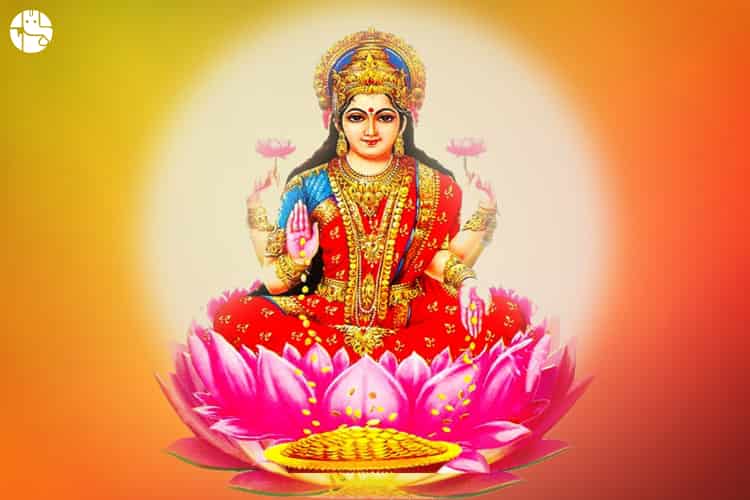
Last week was the Varalakshmi Vratam, also called Varalakshmi Puja, an observance to propitiate the goddess of prosperity, Goddess Lakshmi. Varalakshmi is the manifestation of Goddess Lakshmi who grants boons or varams and is the embodiment of wealth, prosperity, and auspiciousness.

It is a puja primarily performed by married Hindu women in South India, particularly in the states of Tamil Nadu, Karnataka, Andhra Pradesh, and Telangana on the Friday before the day of the full moon in the Hindu month of Shravana, which corresponds to the Gregorian months of July – August. The vratam or fast is performed by sumangalis or married women for their well-being, and to ask the Goddess to bless their husbands with health and longevity. Many believe that worshipping the aspect of Varalakshmi on this day is equivalent to worshipping the Ashtalakshmi or the eight aspects of Lakshmi, all of whom represent different forms of wealth.

On this occasion, women worship the goddess Lakshmi by offering fruits, sweets and flowers and a kalasham which represents the deity is decorated with a sari, flowers and gold jewellery, with offerings placed in front of it. The puja begins with the formal welcome of Goddess Lakshmi into one’s house. A wooden tray or a stand is placed outside the house’s threshold. Rangoli is drawn in the puja room. A kalasham which is usually made of brass or silver is placed on the tray outside the house. The pot is decorated with mango leaves as well as flowers. Auspicious items such as rice, betel leaves, turmeric sticks, bananas, and coins are placed inside the pot. A thread dipped in turmeric is tied around the neck of the pot. A coconut scrubbed with turmeric is placed on top of it. In some traditions, the face of the goddess may be drawn on the coconut, or a brass or silver face may be kept on the pot and decorated with kumkum, turmeric, and sandalwood powder. During an auspicious hour, the women sing a song of greeting to Goddess Lakshmi and carry the tray and kalasham into the puja room. After lighting the lamp and performing the arati, shlokas, songs dedicated to the goddess are sung. The yellow thread is untied, and a piece is given to each girl or woman to tie around her right wrist. This is symbolic of the conclusion of the auspicious puja, as well as receiving the blessings of the deity. This is also worn to signify protection and piety, and several articles are given as gifts and charity in good faith.

In Tamil Nadu, as offerings, four varieties of kozhakattai, payasam, and vadai are prepared as naivedyam or offerings. The next day, the Lakshmi puja is performed. Cooked rice, chickpeas, fruit, and betel leaves are offered to all the women who participated. The face of the goddess is turned towards the west, and the kalasham with its contents is placed inside a drum of rice, symbolically keeping the goddess safely inside the house until the next year. The festivities of this occasion often end with the recitation of the vrata katha, the story of the vow that offers it its religious significance.

According to one story, a Brahmin woman named Padmavati, known to be pious and dutiful to her husband, as well as reputed to assist the sick, poor, and the needy, was observed by Goddess Lakshmi in the kingdom of Kosala. Greatly pleased, the goddess instructed her to perform the festival on the given date in the month of Shravana so that she could achieve salvation. In a similar story, a virtuous and honest woman named Charumati, devoted to her husband and in-laws, receives a dream from Lord Vishnu. The deity tells her to worship the Goddess Lakshmi every year during the month of Shravana, which would give her blessings of his consort, as well as wealth.

Some of the rituals that are performed on this occasion are regarded by some scholars to be significant. The essence of the goddess, in fact, of all females, is said to be turmeric and vermillion, and then during this festival, goddess and woman overlap, periodically, momentarily.

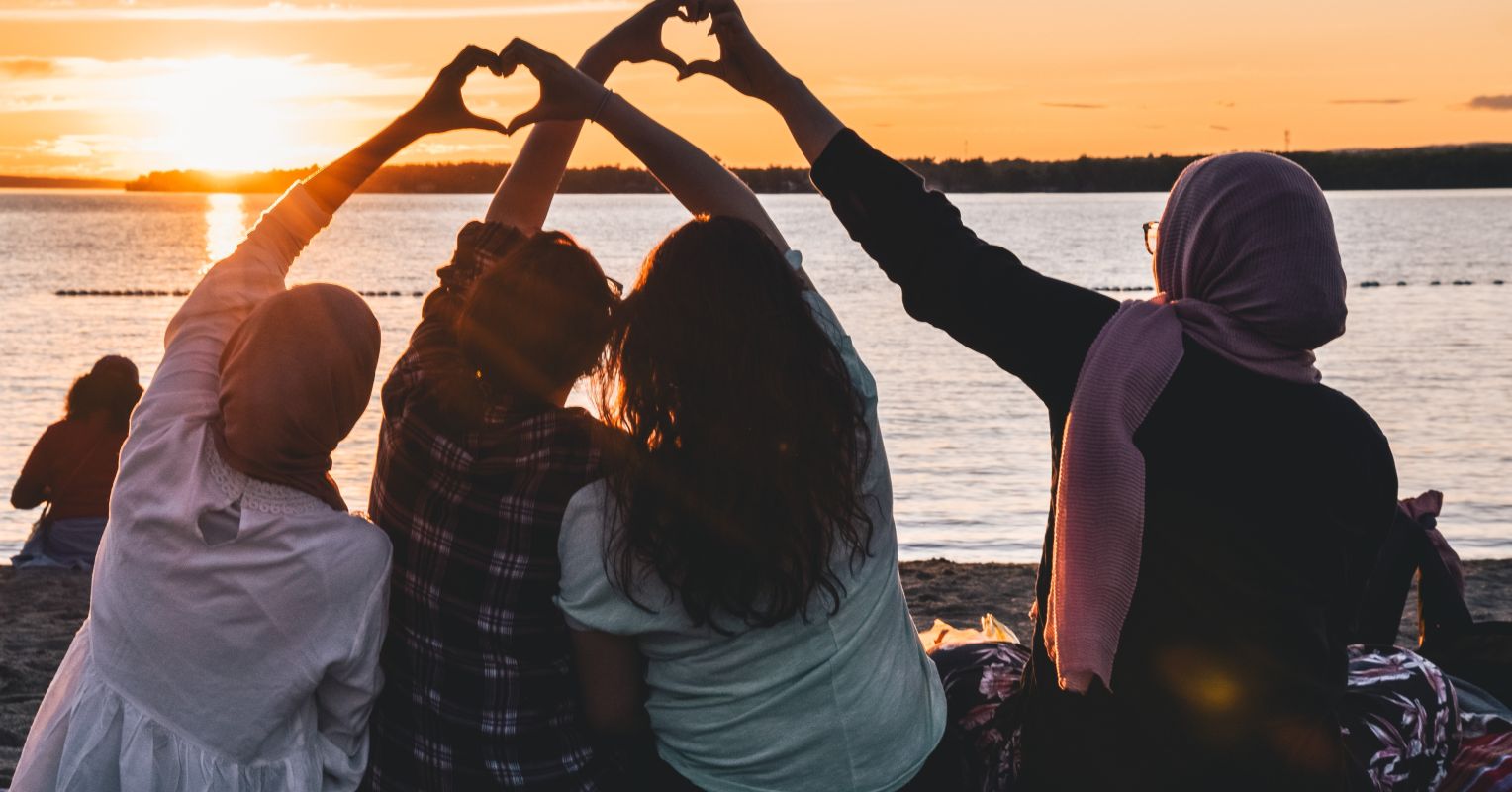
Varalakshmi Vrat is not just an individual observance but also a festival that fosters a sense of community and togetherness. The festival celebrates the divine feminine energy where women come together to perform the puja, share their experiences, and seek the blessings of the Goddess. It is a time when friendships are strengthened, and bonds are renewed. In a country that is diverse with multiple cultures and traditions, festivals hold a special place in the hearts of its people. And I believe that it is these festivals that keep us rooted in our traditions and as custodians of traditions, we should celebrate them so that the next generation also knows the beauty of their culture.

Poem: Friendships

Friendships are life’s gifts that keep on giving. They are the threads that weave the fabric of our lives and the bonds that uplift us, support us, and bring joy to our days. True friendships go beyond surface-level interactions and create a sense of belonging, trust, and understanding. They offer a safe space where we can be ourselves, share our joys and sorrows, and find comfort in times of need. Friendships provide companionship, laughter, and a shoulder to lean on, reminding us that we are never alone on this journey. They enrich our lives and leave an indelible mark on our hearts, reminding us of the power and beauty of human connection. On that note, here’s a poem that celebrates the beauty of friendships.

Poem: Friendships

In the tapestry of life, friendships bloom,
A kaleidoscope of colours, casting away gloom.
Like delicate flowers, they grace our days,
Guiding us through life’s meandering maze.

Friends are the stars that light up the night,
Glowing with warmth, their love shining bright.
Through laughter and tears, they stand by our side,
With open hearts, in them, we confide.

A friend is a melody, harmonising our soul,
Their presence is a balm that makes us whole.
In their embrace, our spirits find release,
A sanctuary of trust, offering inner peace.

They lift us when we stumble and fall,
Supporting our dreams, answering the call.
With every word spoken, a bond is sealed,
A connection so profound, it’s never concealed.

In times of sorrow, they’re a comforting shoulder,
Whispering solace, making our burdens grow colder.
They celebrate our triumphs, big and small,
Cheering from the sidelines, cheering through it all.

Friendships are bridges, crossing divides,
Uniting hearts, no matter the tides.
Through differences and diverse paths, we roam,
True friends are a place where we find a home.

They’re the laughter that echoes in memories past,
The secrets we share, forever they’ll last.
In a world full of chaos, they’re a beacon of light,
Guiding us forward, shining pure and bright.

So let’s cherish these treasures, these friendships we hold,
For they are more precious than silver or gold.
With love as the thread that weaves us as one,
Friendships endure, their beauty never undone.