Multitasking: Is that even possible?

Multitasking refers to the ability of a person or a computer to perform multiple tasks or processes simultaneously. In the context of human behaviour, multitasking typically refers to the practice of doing several things at once, such as working on a computer while talking on the phone or watching television. In the context of computing, multitasking refers to the capability of an operating system to run multiple programs or processes at the same time and switch between them, providing the illusion that they are all running simultaneously.

While multitasking can increase efficiency and productivity in some situations, it can also lead to decreased productivity and cognitive overload when trying to perform too many tasks simultaneously, as it can be difficult to give each task the attention it deserves.
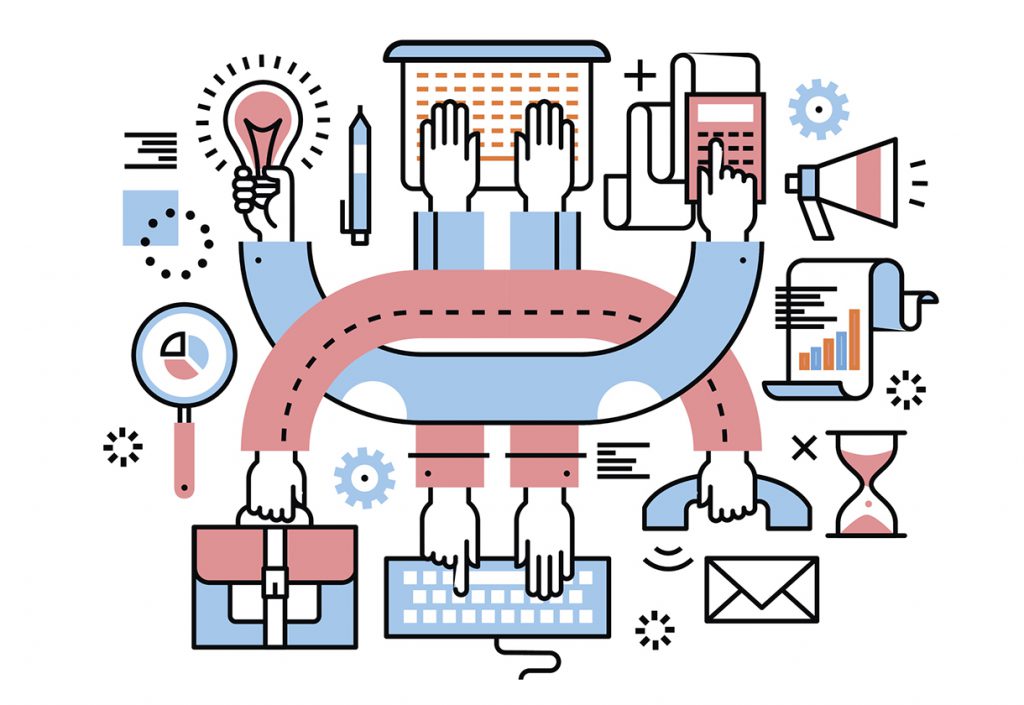
Today, multitasking is common because of the fast-paced world we live in as people try to balance multiple tasks and responsibilities at once. While multitasking can have some benefits, it also has several drawbacks that need to be considered. Below are some of the pros and cons of multitasking which can help determine whether it is the right approach.

Multitasking can be good in certain situations where the tasks being performed are relatively simple, require little cognitive effort, and can be performed simultaneously without interfering with each other. Like listening to music while exercising or working on a simple task, as the music provides background stimulation that can help boost motivation and energy levels. Or even cooking and cleaning at the same time, as they are both physical tasks that can be performed simultaneously without much cognitive effort.

It’s important to note that multitasking should be approached with caution, as it can also be detrimental to performance and productivity when tasks are too complex or demand too much attention. In such situations, it’s better to focus on one task at a time and give it the full attention, to avoid mistakes and increase efficiency.

There are several benefits to multitasking, including:

Increased efficiency and productivity: When done effectively, multitasking can help increase overall productivity by allowing one to tackle multiple tasks at once. By performing multiple tasks simultaneously, one can save time and increase overall productivity. This can be especially useful for individuals who are juggling multiple projects or responsibilities.

Improved time management: Multitasking allows one to complete multiple tasks in a shorter period, prioritise tasks and manage time more effectively, enabling one to complete more tasks in a given amount of time. By switching between tasks, one can keep their brain active and focused, allowing them to get more done in less time.

Better decision-making: Multitasking can also help people to make better decisions by allowing them to consider multiple options and viewpoints at once. When one is constantly shifting their focus between tasks, they are forced to weigh the pros and cons of each option, leading to more informed and well-rounded decisions.

Better utilisation of downtime: Multitasking can help one to make better use of downtime that may occur during the day, such as waiting in line or commuting.

Reduced boredom: Multitasking can help keep one engaged and reduce boredom, especially when performing monotonous tasks.

Improved mental stimulation: Multitasking can provide mental stimulation and help keep one alert and focused, especially when switching between tasks that require different skills and abilities.
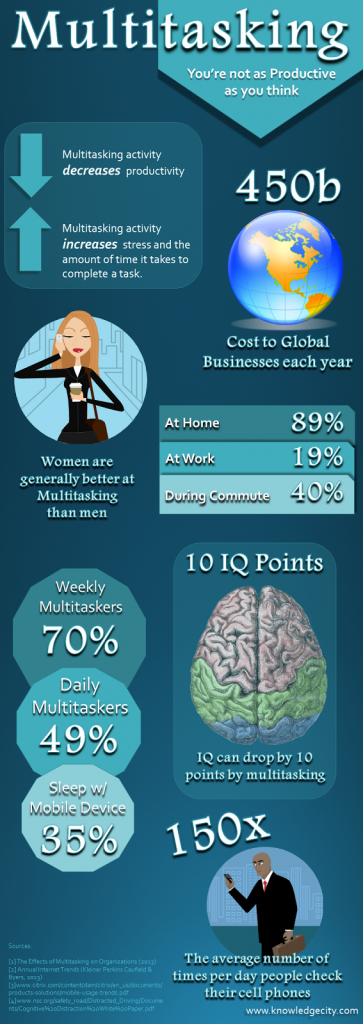
Multitasking has several drawbacks, including:

Decreased focus and attention: When multitasking, it can be difficult to give each task the attention it deserves, leading to decreased focus and attention, and an increased likelihood of making mistakes. Multitasking can also decrease the overall focus and attention, as one is constantly shifting their attention from one task to another. This can make it difficult to concentrate on any one task for an extended period, leading to decreased efficiency and effectiveness.

Decreased quality: While multitasking may help one to complete more tasks in a shorter period, it can also result in a decrease in the quality of their work. When one is constantly switching between tasks, it can be difficult to give each task the attention and focus it deserves, leading to mistakes and subpar results.

Increased stress and anxiety: Multitasking can also be stressful, as it requires one to constantly be on the go and make quick decisions. This can lead to burnout and decreased mental health, as the brain becomes overwhelmed by the constant demands of multitasking. Multitasking can lead to feelings of stress and anxiety, especially when tasks pile up and become overwhelming.

Decreased creativity: Multitasking can also stifle creativity, as it requires one to constantly be in a state of “doing” rather than allowing one to take the time to reflect and think. When one is constantly multitasking, one may be missing out on opportunities for creative problem-solving and innovation because it requires one to divide their attention and switch between tasks frequently.

Decreased overall productivity: Despite the perception that multitasking saves time, research has shown that it can decrease overall productivity, as switching between tasks takes time and energy, and can lead to decreased focus and attention.

Impairment of memory: Multitasking can lead to an impairment of short-term memory, as information may not be encoded or retained as effectively when divided attention is required.

It’s worth noting that while multitasking can have these benefits, it can also lead to decreased productivity and cognitive overload when tasks are too complex or demand too much attention. It’s important to approach multitasking with caution and to be mindful of your limitations to maximize its benefits. A rule of thumb should be that multitasking should be approached with caution, and it’s important to be mindful of limitations and to prioritise tasks to ensure that one is focusing on the most important and time-sensitive tasks first.

In conclusion, multitasking can be a useful tool for managing time and increasing productivity, but it also has its drawbacks. By weighing the pros and cons of multitasking, one can determine whether it is the right approach to take. If one finds that multitasking is causing stress or decreasing the quality of work, it may be time to reassess the approach and find a more balanced and sustainable way of working.
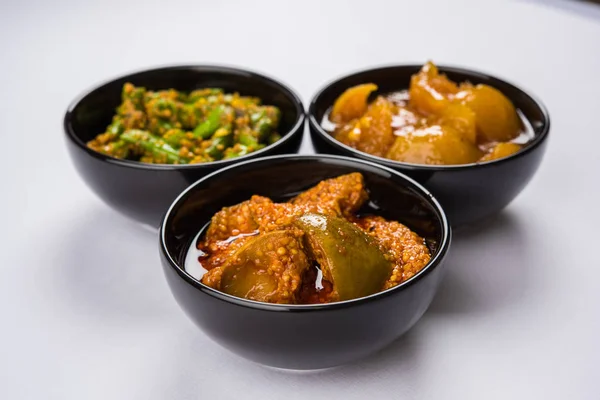
The Art of Pickling: Growing Up with Indian Pickles

Pickles are an important part of any Indian meal. Known as achar in Hindi and oorgai in Tamil, most Indian households will have at least one kind of pickle in their fridge or larder. Part of the Indian culture and history for more than 4,000 years, it could be argued that the technique of pickling originated in India when people first started salting and curing food in brines to preserve it for long journeys.

Achar, a loanword of Persian origin, entered popular use as the Hindustani term for pickles under the Mughal Empire. In Persian, the word achar is defined as “powdered or salted meats, pickles, or fruits, preserved in salt, vinegar, honey, or syrup.” Early pickle recipes in Ayurvedic and Sangam period texts mention several varieties of pickles, including the earliest known mention of mango pickles. Nalachampu, a Sanskrit epic written by Trivikrama Bhatta in 915, describes pickles made from green mango, green peppercorns, long pepper, raw cardamom, lemon, lime, myrobalan, hog plum, stone apple, and fragrant manjack. Early medieval cookbooks published between 1025 and 1549 AD mention pickle recipes that use green mango, green peppercorns, long pepper, lemons and limes, turmeric root, mango-ginger root, ginger, radish, bitter gourd, cucumber, lotus root, and bamboo shoots. The religious text Lingapurana by Gurulinga Desika, published in 1594 mentions more than fifty kinds of pickles. Unique pickles made from edible flowers are also mentioned in the Ni’matnama cookbook published in 1500.

Chilli peppers were introduced to South Asia by Portuguese traders in ports controlled by the Mughal Empire on the western coast of Gujarat. It is unclear when red chilli peppers came to be used in pickles as they are today since medieval texts do not mention their use in pickles. Before the introduction of chilli peppers by the Portuguese, black pepper, long pepper, and Piper Chaba, in both fresh and dried forms, were the main source of heat in ancient and medieval pickles.

In India, there are two main types of pickles: pickles made with sesame or mustard oil, and pickles made without oil. Pickles without oil use salt to draw out the moisture from green mangoes or lemons to create a brine. A mixture of lemon or lime juice with salt or traditional sugarcane vinegar may also be used as brine. In some pickles from Gujarat and Rajasthan, jaggery is used as the main preserve. Homemade pickles are prepared in the summer. They are matured through exposure to sunlight for up to two weeks with the pickle traditionally covered with muslin while it is maturing.

Despite using the same main ingredients, differences in preparation techniques and spices have led to wide variation in Indian pickles. A mango pickle from South India tastes very different from one made in North India, as the southern states prefer sesame oil and tend to produce spicier pickles, while the northern states prefer mustard oil. In South India, most vegetables are sun-dried with spices, taking advantage of the immensely hot and sunny climate in the region. The sun-drying process naturally preserves the vegetables, along with spices and to speed up the process, vegetables may be cooked before drying.

While I like a good lemon or mixed vegetable pickle, my absolute favourite has to be mango pickles. I loved the different styles of mango pickles from all over the country, including avakkai and thokku from Tamil Nadu, Chunda from Gujarat and Punjabi-style mango pickles. I also love a good instant mango pickle that can be made in less than 15 minutes when one is in the mood for something spicy, but does not have the time to make pickles in the traditional way.

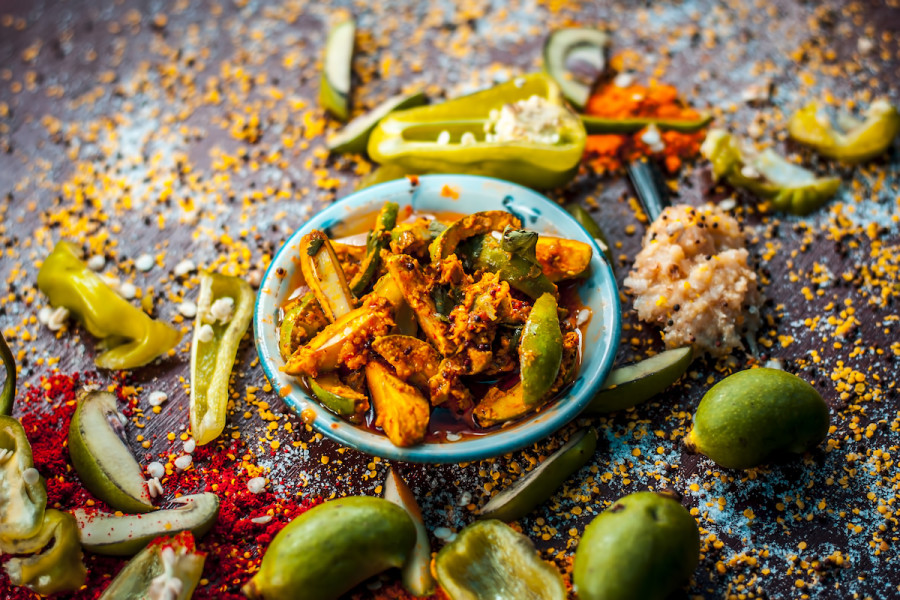
My mother’s signature pickle used to be the vadu mangai. Vadu Mangai or Mavadu is a pickle made from tiny tender baby mangoes and is a Tamil Nadu delicacy. The baby mangoes are pickled in a brine made from salt, red chilli powder and other spices and left in the hot summer sun for a few weeks until the mangoes shrivel up and absorb all the goodness of the brine. When ready, the tender mangoes are salty, spicy and oh-so-delicious and so good on a hot day with some rice and yoghurt. My mother was so famous in our family for this pickle that she used to make a few kgs of the pickle as soon as the baby mangoes come into the market. After making the pickle in large ceramic jars called pickle barnis, she would put aside some for my grandparents on both sides and pass it to them when we went to their homes. Over the years, as people moved away, my mother slowly started reducing the amount of pickle made and stopped making it a few years back. I miss my mother’s pickles but hope to learn how to make them so I can keep the tradition ongoing.

Over the past few years, I have learnt to make a few pickles and these now form a staple in my home. Earlier in the post, I have linked a few of the pickles I have made, so go ahead and check them out to make some quick pickles to spice up your meal.

World Down Syndrome Day       

Last week, on 21 March, the world celebrated World Down Syndrome Day, a day dedicated to raising awareness about Down syndrome and promoting the rights and well-being of individuals with Down syndrome. First celebrated in 2006, 21 March was selected as it was the 21st day of the third month of the year which signifies the uniqueness of the triplication (trisomy) of the 21st chromosome which causes Down syndrome.

Down syndrome is a genetic disorder that occurs when an individual has an extra copy of the 21st chromosome, resulting in intellectual and developmental challenges. Down syndrome affects people of all ages, races, and ethnicities, and it is estimated that over 250 million people are living with this condition worldwide. Chromosomes are “packages” of genes in the body. They determine how a baby’s body forms and functions as it grows. Around 1 in every 800 babies will be born with Down syndrome which occurs naturally as there is no known cause. Down syndrome usually causes varying degrees of intellectual and physical disability and associated medical issues. Despite this, many people are still misinformed about Down syndrome and individuals with the syndrome often face discrimination and stigma. World Down Syndrome Day provides an opportunity to educate the public and promote a better understanding of Down syndrome, and celebrate the unique contributions and achievements of individuals with Down syndrome.

One of the main goals of World Down Syndrome Day is to raise awareness about the rights and needs of individuals with Down syndrome. This includes ensuring that individuals with Down syndrome have access to the same opportunities and services as their peers, including education, employment, healthcare, and independent living. It is important to recognise that individuals with Down syndrome have the same aspirations and dreams as everyone else, and it is our responsibility as a society to provide them with the support and resources they need to achieve their full potential. This day also celebrates the accomplishments and achievements of individuals with Down syndrome. The day showcases the talents and abilities of individuals with Down syndrome and highlights the contributions they make to their communities.

The theme for the 2023 edition of World Down Syndrome Day is “With Us Not For Us”. The message of With Us Not For Us is key to a human rights-based approach to disability. It is based on moving away from the outdated charity model of disability, where people with disability were treated as objects of charity, deserving of pity and relying on others for support to a human rights-based approach that views people with disabilities as having the right to be treated fairly and having the same opportunities as everyone else, working With others to improve their lives.

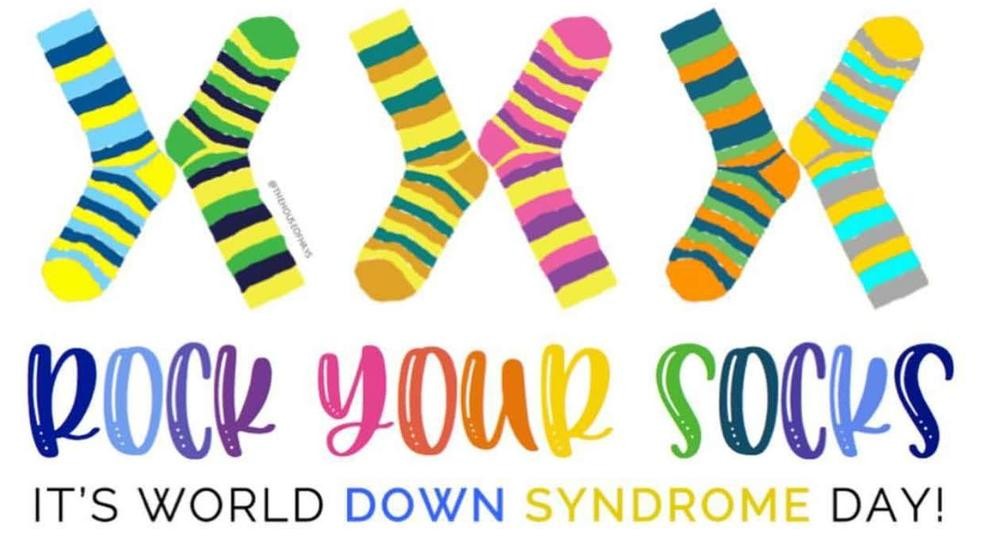
World Down Syndrome Day is a day to celebrate the diversity of individuals with Down syndrome and to remind us all that we are all more alike than we are different. In addition to raising awareness and celebrating the accomplishments of individuals with Down syndrome, World Down Syndrome Day is also an opportunity to advocate for change. This includes advocating for policies and practices that support the rights and needs of individuals with Down syndrome, as well as working to remove barriers and promote inclusion in all areas of life. A common activity on this day is to wear colourful or mismatched socks, to show support for people with Down syndrome because socks are shaped somewhat like chromosomes. An animated short, Freebird, was created to recognize World Down Syndrome Day in 2021. The film, set to a song, Freedom by Jordan Hart, won the Chicago International Children’s Film Festival the same year.

World Down Syndrome Day is a day to raise awareness, celebrate the accomplishments of individuals with Down syndrome, and advocate for change. It is a day to recognise the unique contributions and strengths of individuals with Down syndrome and to remind us all that with the right support and opportunities, anything is possible. On this day, let us all come together to celebrate the diversity of individuals with Down syndrome and to work towards a world that is more inclusive, supportive, and empowering for everyone.

Poem: Self-Discovery

A journey through life, I embark on this ride,
Exploring the depths of my soul and my mind,
A path that is winding, with twists and turns,
Where every step taken, my spirit burns.

I search for my purpose, my reason to be,
To find who I am and to set myself free,
From doubts and from fears, from the things that I hide,
To embrace all my qualities, both the dark and the light.

And as I journey on, I come to understand,
That self-discovery means taking a stand,
For my beliefs and my values, for what I hold true,
And learning to love myself, the whole me, through and through.

For with every step taken, with every breath drawn,
I uncover new pieces of myself that have formed,
A tapestry woven, of all that I am,
A unique and beautiful being, with a story to stand.

So I embrace this journey, with open arms wide,
For the destination of self-discovery, I will always abide,
For it is in knowing myself, that I truly find peace,
And a sense of belonging, that will never cease.

International Day of Happiness

That elusive state of mind we are all searching for, happiness has multiple meanings and each meaning is different for each of us. Celebrated all over the year each year on 20 March, the International Day of Happiness was established by the United Nations General Assembly on 28 June 2012 and aims to make people around the world realize the importance of happiness in their lives.

Before the establishment of the International Day of Happiness, the President of the World Happiness Foundation, Jayme Illien, along with Luis Gallardo founded Happytalism. Illien ran a campaign at the United Nations from 2006 to 2012 to encourage and advance the primacy of happiness, well-being, and democracy. In 2011, Jayme Illien proposed the idea of the International Day of Happiness at the United Nations General Assembly to promote happiness economics around the world by improving the economic development of all countries. The idea was adopted by the United Nations General Assembly on 19 July 2011 at the initiative of then-Prime Minister Jigme Thinley of Bhutan, a country that has famously pursued the target of Gross National Happiness since the 1970s.

The International Day of Happiness was officially established in 2012 and first commemorated in 2013. Building on the concept of Jayme Illien, the United Nations has taken a step forward with World Happiness Day to inform people about the importance of happiness in people’s lives and the need to incorporate happiness into public policies. On World Happiness Day, the United Nations General Assembly calls for people to make more continuous progress and the small things that continue to make their lives better.

The pursuit of happiness is a fundamental human goal and happiness plays an important role in addressing the many challenges the world faces, both complex and interrelated. The world needs a new economic paradigm that recognises the parity between the three pillars of sustainable development. Social, economic, and environmental well-being are indivisible and together they define gross global happiness. Happiness should not be a luxury for a few with the pursuit of happiness being universal and fundamental.

In the steps to Global Happiness, we learn that happiness is a fundamental human right and goal for all, happiness is a universal aspiration in the lives of all with happiness being a way of living, being, and serving communities and society. Happiness is a north star for individuals, communities, governments, and society and the path to happiness leads toward achieving sustainable development goals. Happiness is a new paradigm for human development and the worldwide celebration of the international day of happiness is democratic, diverse, organic, and inclusive.

The World Happiness Report is published by the Sustainable Development Solutions Network, a global initiative of the United Nations. This report ranks the different countries on national happiness, based on respondent ratings of the lives of their citizens, the report also correlates with various quality of life factors and the report primarily uses data from the Gallup World Poll.

On this International Happiness Day, while you’re enjoying the things that bring you happiness, please think about sharing your happiness with others. Be grateful, share your blessings and give back as much as you can and share happiness.