In My Hands Today…

Mindset: The New Psychology of Success – Carol S. Dweck
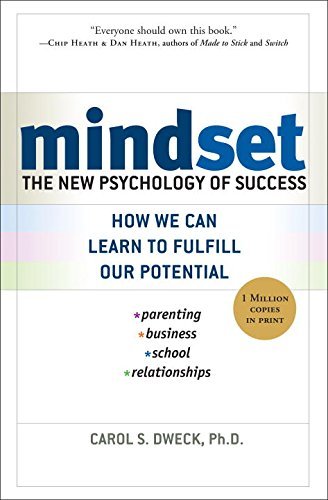
After decades of research, world-renowned Stanford University psychologist Carol S. Dweck, Ph.D., discovered a simple but groundbreaking idea: the power of mindset. In this brilliant book, she shows how success in school, work, sports, the arts, and almost every area of human endeavor can be dramatically influenced by how we think about our talents and abilities. People with a fixed mindset — those who believe that abilities are fixed — are less likely to flourish than those with a growth mindset — those who believe that abilities can be developed. Mindset reveals how great parents, teachers, managers, and athletes can put this idea to use to foster outstanding accomplishment.

In this edition, Dweck offers new insights into her now famous and broadly embraced concept. She introduces a phenomenon she calls false growth mindset and guides people toward adopting a deeper, truer growth mindset. She also expands the mindset concept beyond the individual, applying it to the cultures of groups and organizations. With the right mindset, you can motivate those you lead, teach, and love — to transform their lives and your own.

In My Hands Today…

The Library: A Fragile History – Andrew Pettegree, Arthur der Weduwen

Famed across the known world, jealously guarded by private collectors, built up over centuries, destroyed in a single day, ornamented with gold leaf and frescoes or filled with bean bags and children’s drawings – the history of the library is rich, varied and stuffed full of incident.

In this, the first major history of its kind, Andrew Pettegree and Arthur der Weduwen explore the contested and dramatic history of the library, from the famous collections of the ancient world to the embattled public resources we cherish today. Along the way, they introduce us to the antiquarians and philanthropists who shaped the world’s great collections, trace the rise and fall of fashions and tastes, and reveal the high crimes and misdemeanours committed in pursuit of rare and valuable manuscripts.

In My Hands Today…

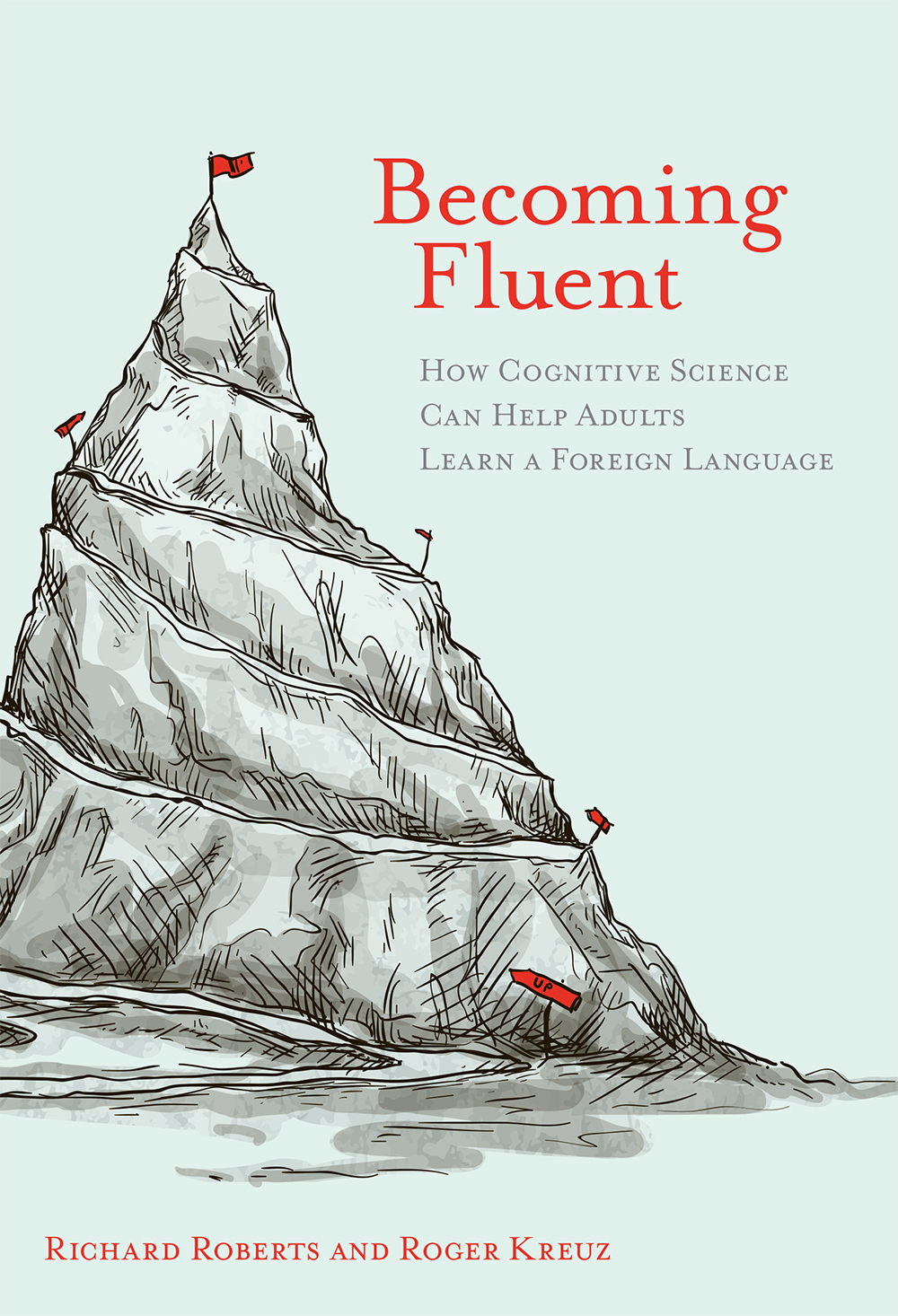
Becoming Fluent: How Cognitive Science Can Help Adults Learn a Foreign Language – Roger J. Kreuz, Richard Roberts

Adults who want to learn a foreign language are often discouraged because they believe they cannot acquire a language as easily as children. Once they begin to learn a language, adults may be further discouraged when they find the methods used to teach children don’t seem to work for them. What is an adult language learner to do? In this book, Richard Roberts and Roger Kreuz draw on insights from psychology and cognitive science to show that adults can master a foreign language if they bring to bear the skills and knowledge they have honed over a lifetime. Adults shouldn’t try to learn as children do; they should learn like adults.

Roberts and Kreuz report evidence that adults can learn new languages even more easily than children. Children appear to have only two advantages over adults in learning a language: they acquire a native accent more easily, and they do not suffer from self-defeating anxiety about learning a language. Adults, on the other hand, have the greater advantages—gained from experience—of an understanding of their own mental processes and knowing how to use language to do things. Adults have an especially advantageous grasp of pragmatics, the social use of language, and Roberts and Kreuz show how to leverage this metalinguistic ability in learning a new language.

Learning a language takes effort. But if adult learners apply the tools acquired over a lifetime, it can be enjoyable and rewarding.
Genres
Nonfiction
Language
Linguistics
Science
Psychology
Audiobook
Self Help

In My Hands Today…

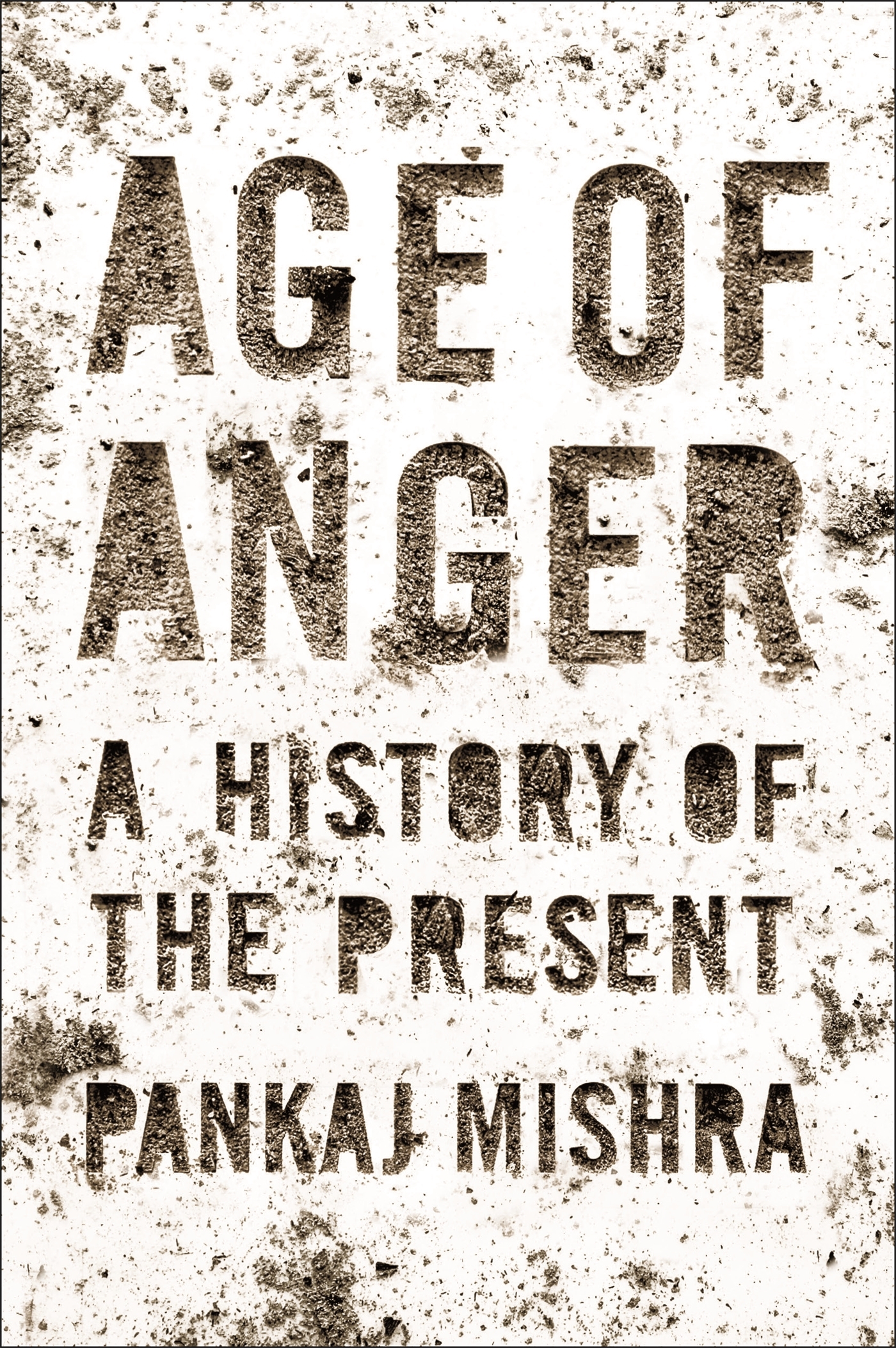
Age of Anger: A History of the Present – Pankaj Mishra

Modernity, secularism, development, and progress have long been viewed by the powerful few as benign ideals for the many. Today, however, botched experiments in nation-building, democracy, industrialization, and urbanization visibly scar much of the world.

As once happened in Europe, the wider embrace of revolutionary politics, mass movements, technology, the pursuit of wealth, and individualism has cast billions adrift in a literally demoralized world.

It was from among the ranks of the disaffected and the spiritually disorientated, that the militants of the nineteenth century arose—angry young men who became cultural nationalists in Germany, messianic revolutionaries in Russia, bellicose chauvinists in Italy, and anarchist terrorists internationally.

Many more people today, unable to fulfill the promises—freedom, stability, and prosperity—of a globalized economy, are increasingly susceptible to demagogues and their simplifications. A common reaction among them is intense hatred of supposed villains, the invention of enemies, attempts to recapture a lost golden age, unfocused fury and self-empowerment through spectacular violence.

In Age of Anger, Pankaj Mishra explores the origins of the great wave of paranoid hatreds that seem inescapable in our close-knit world—from American “shooters” and ISIS to Trump, Modi, and racism and misogyny on social media.

In My Hands Today…

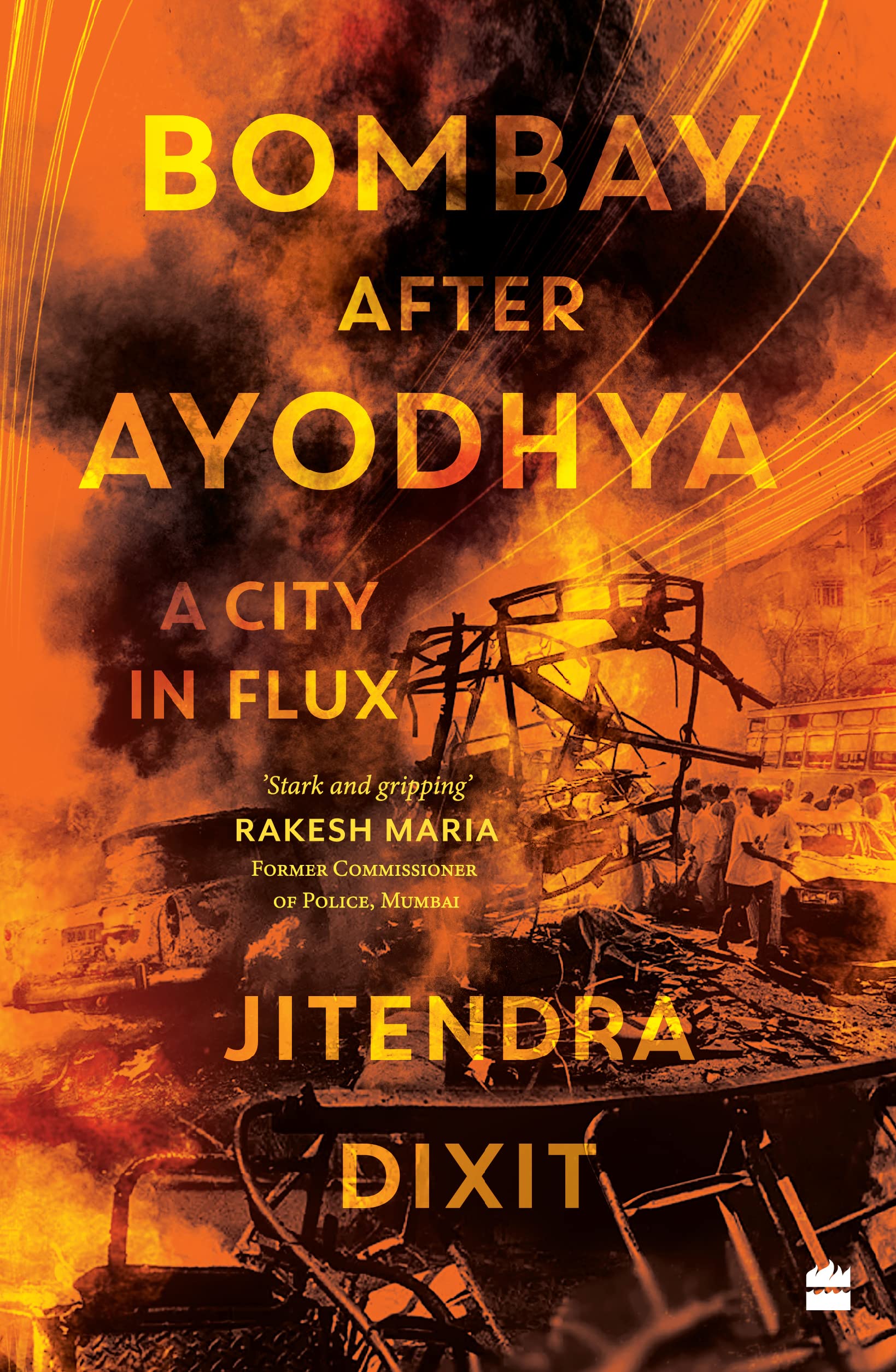
Bombay after Ayodhya : A City in Flux – Jitendra Dixit

The demolition of the Babri Masjid in Ayodhya on 6 December 1992 was followed by riots across India. Mumbai had always been susceptible to communal violence, but the violence in December 1992 and then again in January 1993 was unprecedented. Two months later, in March, serial blasts rocked the city, killing over 250 and injuring 700. Communal strife was followed by gang wars and natural calamities, all of which changed the city forever.

Bombay after Ayodhya chronicles how the past three decades have been a period of unprecedented flux in Mumbai. In the aftermath of the riots, a split in the Mumbai underworld led to new equations in politics, which changed the demography of the city and led to the rise of new townships. After a brief lull, blasts and terrorist attacks rocked it once more in 2002, a cycle of violence that culminated in the horrific 26/11 attacks in 2008.

Jitendra Dixit grew up in Mumbai and has reported from the city for much of the three decades he writes about in this book. This is a deeply felt biography of a city, which has transformed from a city of mills to one of malls, where the number of skyscrapers has multiplied along with their height, where local trains have become longer and yet remained overcrowded. It is the city of Bollywood, yet constraints of producing films in the city have led filmmakers to move out. Its iconic festivals, such as Ganesh Utsav and Govinda, once primarily celebrated by the poor and the middle class, have become commercialized. Along with key events and people that have shaped the evolution of present-day Mumbai, Bombay after Ayodhya also documents the change in the city’s character, from its physical appearance and civic issues, to real estate and politics.