Lifespan: Why We Age — and Why We Don’t Have To – David A. Sinclair
It’s a seemingly undeniable truth that aging is inevitable. But what if everything we’ve been taught to believe about aging is wrong? What if we could choose our lifespan?
In this groundbreaking book, Dr. David Sinclair, leading world authority on genetics and longevity, reveals a bold new theory for why we age. As he writes: “Aging is a disease, and that disease is treatable.”
This book takes us to the frontlines of research many from Dr. David Sinclair’s own lab at Harvard—that demonstrate how we can slow down, or even reverse, aging. The key is activating newly discovered vitality genes, the descendants of an ancient genetic survival circuit that is both the cause of aging and the key to reversing it.
Today is World Health Day, a day dedicated to creating awareness of a specific health theme to highlight a priority area of concern for the World Health Organisation or WHO. This day has, over the past 50 years, from its inception in 1948
April 7 of each year marks the celebration of World Health Day. From its inception at the First Health Assembly in 1948 and since taking effect in 1950, the celebration has aimed to create awareness of a specific health theme to highlight a priority area of concern for the World Health Organization.
The World Health Day has a large number of wide-reaching aims and priorities including to improve understanding of universal health coverage and the importance of primary health care as its foundation, to spur action from individuals, policy-makers and health-care workers to make universal health care a reality for everyone, everyone should have the information and services they need to take care of their own health and the health of their families and to have skilled health workers providing quality, people-centred care; and policy-makers committed to investing in primary health care.
The theme for the 2021 World Heath Day is to build a fairer, healthier world. Why is this so? Because this world is an unequal world. As COVID-19 has highlighted, some people are able to live healthier lives and have better access to health services than others and this is entirely due to the conditions in which they are born, grow, live, work and age. All over the world, some groups struggle to make ends meet with little daily income, have poorer housing conditions and education, fewer employment opportunities, experience greater gender inequality, and have little or no access to safe environments, clean water and air, food security and health services. This leads to unnecessary suffering, avoidable illness, and premature death. And it harms our societies and economies. Not only is this unfair, it is preventable. That’s why world leaders are being called upon to ensure that everyone has living and working conditions that are conducive to good health as well as to monitor health inequities, and to ensure that all people are able to access quality health services when and where they need them.
2021 has also been designated as the International Year of Health and Care Workers (YHCW) in appreciation and gratitude for their unwavering dedication in the fight against the COVID-19 pandemic. Under the theme of Protect, Invest and Together, a year-long campaign which highlights the urgent need to invest in health workers for shared dividends in health, jobs, economic opportunity and equity, has been launched by the WHO. The campaign’s objectives is to ensure the world’s health and care workers are prioritised for the COVID-19 vaccine in the first 100 days of 2021, recognise and commemorate all health and care workers who have lost their lives during the pandemic, mobilise commitments from countries, international financing Institutions and bilateral and philanthropic partners to protect and invest in health and care workers, engage countries and all relevant stakeholders in dialogue on a care compact to protect health and care workers’ rights, decent work and practice environments and bring together communities, influencers, political and social support in solidarity, advocacy and care for health and care workers.
This year, please support to ensure that our health and care workforces are supported, protected, motivated and equipped to deliver safe health care at all times, not only during COVID-19. The pandemic of COVID-19 has hit all countries hard, but its impact has been harshest on those communities which were already vulnerable, who are more exposed to the disease, less likely to have access to quality health care services and more likely to experience adverse consequences as a result of measures implemented to contain the pandemic.
Therefore it is more than important to have a healthier world, one where everyone has access to the healthcare they need.
Decoding Boys: New Science Behind the Subtle Art of Raising Sons – Cara Natterson
When boys enter puberty, they tend to get quiet — or at least quieter than before — and parents often misread their signals. Here’s how to navigate their retreat and steer them through this confusing passage.
What is my son doing behind his constantly closed door? What’s with his curt responses, impulsiveness, newfound obsession with gaming, and . . . that funky smell? As pediatrician and mother of two teenagers Cara Natterson explains, puberty starts in boys long before any visible signs appear, which causes confusion about their changing temperaments for boys and their parents alike. Often, they also grow quieter as they grow taller, which leads to less parent-child communication. But, as Natterson warns in Decoding Boys, we respect their increasing “need” for privacy, monosyllabic conversations, and alone time at their peril. Explaining how modern culture mixes badly with male adolescent biology, Natterson offers science, strategies, scripts, and tips for getting it right:
Recognizing the first signs of puberty and talking to our sons about the wide range of “normal” through the whole developmental process
Why teenagers make irrational decisions even though they look mature—and how to steer them toward better choices
Managing video game and screen time, including discussing the unrealistic and dangerous nature of pornography
Why boys need emotional and physical contact with parents—and how to give it in ways they’ll accept
How to prepare boys to resist both old and new social pressures—drugs, alcohol, vaping, and sexting
Teaching consent and sensitivity in the #metoo culture
Decoding Boys is a powerful and validating lifeline, a book that will help today’s parents keep their sons safe, healthy, and resilient, as well as ensure they become emotionally secure young men.
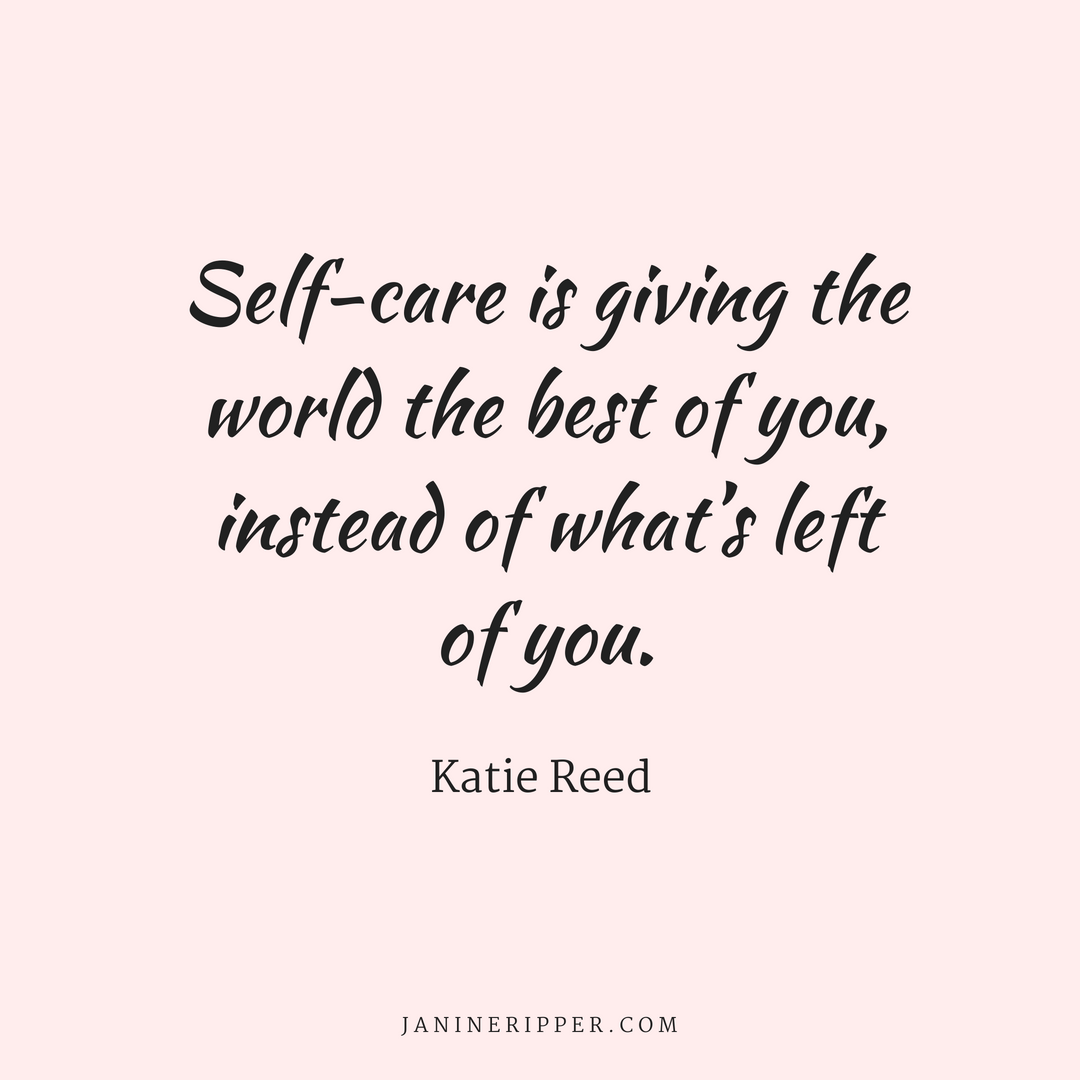
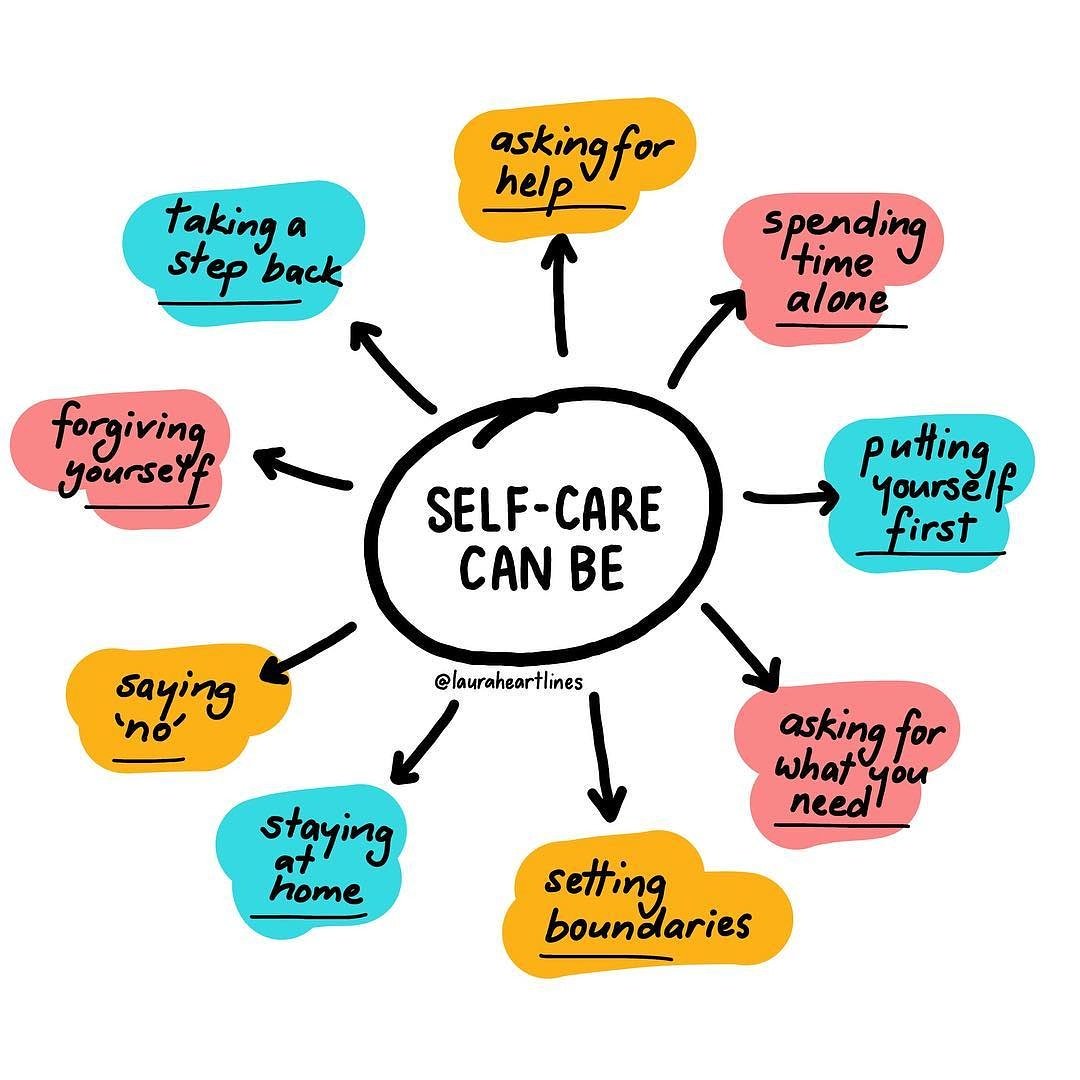
I recently attended a webinar where one of the speakers, a renowned doctor with fingers in many pies said that one of the best things we can do for ourselves is to take some time out every day and do something for ourselves. This is essentially what self-care is all about. Self-care includes anything you do deliberately to keep yourself healthy, be it physical, mental and spiritual. Although prioritising self-care may sound like common sense, especially if you’re considering longevity, it’s often the first thing to go when we find ourselves in challenging situations, whether because of bad health, a financial crisis, job loss, divorce or, today during the pandemic. This is why deliberately is one of the most important words in the definition and why it is important to keep it top of mind and not an after-thought, especially when we find ourselves in challenging times. One needs to be conscious of their well-being before one can achieve true self-care.
Today more than ever, we are hearing about self-care and according to Google Trends, the number of searches for “self-care” has more than doubled since 2015. Self-care is part of the answer to how we can all better cope with daily stressors, according to some experts because today people are feeling lonelier and less able to unwind and slow down, which makes them feel more anxious and overwhelmed by even the simplest tasks.
Self-care is an important part of living a healthy and happy lifestyle. Looking after ourselves both mentally and physically is crucial to taking control of our health. We lead increasingly busy lives and it can be easy to forget to put ourselves first, especially if we have multiple responsibilities and other people to care for. But looking after ourselves will make us feel better, and the better we feel, the better we will be in all areas of our lives – from work to relationships. Self-care doesn’t have to involve a huge time commitment and it doesn’t have to cost the earth. It could be as easy as taking a bath, relaxing with a good book, taking a walk outside or eating a favourite food. It’s about making a commitment to putting yourself first, even just for a while. Self-care is important to maintain a healthy relationship with one’s self as it produces positive feelings and boosts confidence and self-esteem. Also, self-care is necessary to remind the individual and others that their needs are important too.
Self-care has several benefits, most of which are interlinked and committing to a regular self-care routine will improve one’s overall wellbeing. Research suggests self-care promotes positive health outcomes, such as fostering resilience, living longer, and becoming better equipped to manage stress.
Self-care can improve physical health: A big part of self-care is committing to looking after one’s body and becoming more attuned with its needs. Whether it’s brushing your teeth, exercising more or getting enough sleep each night, part of any programme of self-care should focus on looking after one’s physical health.
Self-care can reduce stress and anxiety: Making time for relaxing activities, even something as simple as such as taking a warm bath, listening to music or practising yoga or meditation, is another common theme of self-care. Any activity that makes one feel more relaxed can help to reduce symptoms of stress and anxiety and to lift their mood.
Self-care can boost self-esteem: As well as helping to calm the nerves, taking time to relax and look after oneself can have a positive impact on the way one sees themselves, treating oneself with kindness can make them look upon themselves more kindly. Studies have found that people with higher self-esteem find it easier to deal with setbacks and are more likely to achieve goals of self-improvement.
Self-care protects mental health: Making changes to prioritise self-care can help to manage mental health issues and might even prevent them from getting worse. Of course, self-care is not a substitute for professional help, and one shouldn’t feel they have to tackle their problems alone. If mental health is suffering, please talk to someone. However, if someone is looking to improve their mental wellbeing, taking the time to care for themselves, both mentally and physically is important.
Self-care can lead to better relationships: It makes sense if you think about it: the happier and healthier an individual is, the more they can give to a relationship. This is especially important if the person is a parent or carer when it can be so easy to put someone else’s needs first, but they must look after their health too.
Self-care leads to a healthy work-life balance: Contrary to common belief, workaholism is not a virtue. Overwork and the accompanying stress and exhaustion can make one less productive, disorganised and emotionally depleted, leading to all sorts of health problems, from anxiety and depression to insomnia and heart diseases. Professional self-care habits like taking intermittent breaks, setting professional boundaries and avoiding overextending ensures that one stays sharp, motivated and healthy.
Self-care helps with stress management: While a little dose of stress is a healthy way to nudge us to meet the deadlines or finish that overdue task, constant stress and anxiety can hurt our mental and physical health. Smart self-care habits like eating healthy, connecting with a loved one or, practising meditation cuts down the toxic effects of stress by improving the mood and boosting the energy and confidence levels.
Self-care leads to better physical health: Self-care is not just about mental health, its also about caring for the physical self, by eating healthy, taking adequate sleep, caring about your hygiene and exercising regularly. Most of us are all less able to handle the stresses that come our way when we’re depleted by physical and emotional exhaustion. Or, put more positively, we are more resilient and more able to handle life’s stress when we are feeling our best both physically and emotionally. A massage, a hot bath, or another form of pampering revitalises us inside and out.
Self-care may boost physical health: While self-pampering doesn’t always lead to major improvements in overall health the way a healthy diet and exercise do, the relaxation one gets from it can trigger the relaxation response. This, in turn, can prevent chronic stress from damaging one’s health. So in a sense, self-care is good for you inside and out.
Self-care can improve emotional health: Taking time out to care for yourself can remind us and others that we and our needs are important, too. Having a well-cared-for body can make us feel good about ourselves and our life, and conveys to others that we value ourselves and this can contribute to long-term feelings of well-being.
Self-care makes one a better caregiver: People who neglect their own needs and forget to nurture themselves are at danger of deeper levels of unhappiness, low self-esteem, and feelings of resentment. And people who spend their time only taking care of others can be at risk of getting burned out, which makes it more difficult to care for others or themselves. Taking time to care for themselves regularly can make them better caretakers for others.
So start living and stop existing because life is a precious gift to waste when there is a choice to have a more meaningful existence. Life has many responsibilities and tends to throw curveballs when we least expect it, but it’s important to remember that taking care of ourselves is also our responsibility. Little things like reading a good book, sipping some great tea, enjoying a warm bath, playing some games, listening to the laugh of a child or playing with them are essential for our daily happiness. So, put away what is taking the time and take some time, even if it is just 30 minutes a day and spend some quality time with yourself.
Seven Signs of Life: Stories from an Intensive Care Doctor – Aoife Abbey
Grief. Anger. Joy. Fear. Distraction. Disgust. Hope. All emotions we expect to encounter over our lifetime.
But what if this was every day? And what if your ability to manage them was the difference between life and death?
For a doctor in Intensive Care this is part of the job. Fear in the eyes of a terminally ill patient who pleads with you to not let them die. Grief when you make a potentially fatal mistake. Disgust at caring for a convicted rapist. But there are also moments of joy, like the rare bright spots of lucidity for a dementia patient, or when the ward unexpectedly breaks into song.
Dr Aoife Abbey shows us what a doctor sees of humanity as it comes through the revolving door of the hospital and takes us beyond a purely medical perspective. Told through seven emotions, Seven Signs of Life is about what it means to be alive and how it feels to care for a living.






 Memories and Such