Decoding Boys: New Science Behind the Subtle Art of Raising Sons – Cara Natterson
When boys enter puberty, they tend to get quiet — or at least quieter than before — and parents often misread their signals. Here’s how to navigate their retreat and steer them through this confusing passage.
What is my son doing behind his constantly closed door? What’s with his curt responses, impulsiveness, newfound obsession with gaming, and . . . that funky smell? As pediatrician and mother of two teenagers Cara Natterson explains, puberty starts in boys long before any visible signs appear, which causes confusion about their changing temperaments for boys and their parents alike. Often, they also grow quieter as they grow taller, which leads to less parent-child communication. But, as Natterson warns in Decoding Boys, we respect their increasing “need” for privacy, monosyllabic conversations, and alone time at their peril. Explaining how modern culture mixes badly with male adolescent biology, Natterson offers science, strategies, scripts, and tips for getting it right:
Recognizing the first signs of puberty and talking to our sons about the wide range of “normal” through the whole developmental process
Why teenagers make irrational decisions even though they look mature—and how to steer them toward better choices
Managing video game and screen time, including discussing the unrealistic and dangerous nature of pornography
Why boys need emotional and physical contact with parents—and how to give it in ways they’ll accept
How to prepare boys to resist both old and new social pressures—drugs, alcohol, vaping, and sexting
Teaching consent and sensitivity in the #metoo culture
Decoding Boys is a powerful and validating lifeline, a book that will help today’s parents keep their sons safe, healthy, and resilient, as well as ensure they become emotionally secure young men.
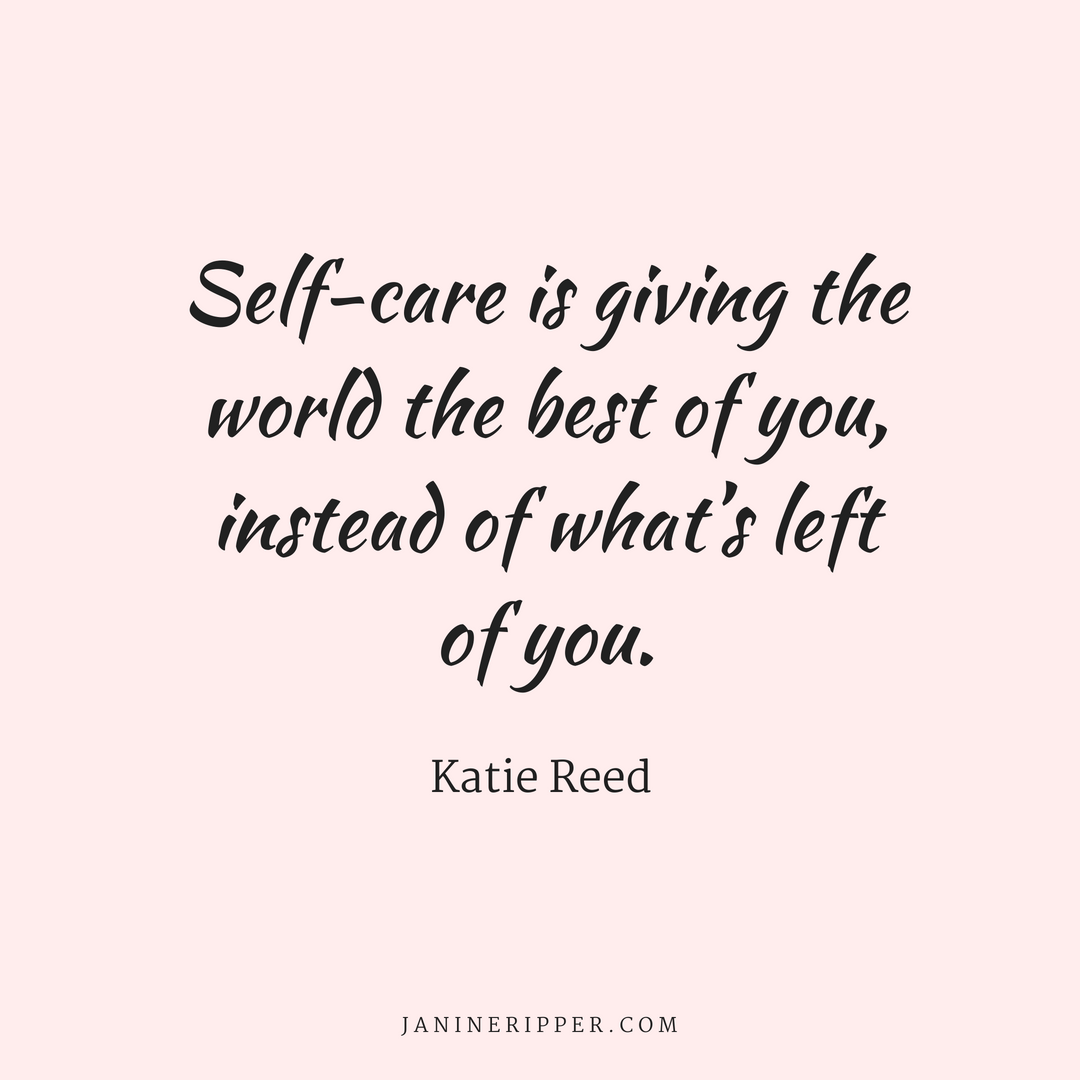
I recently attended a webinar where one of the speakers, a renowned doctor with fingers in many pies said that one of the best things we can do for ourselves is to take some time out every day and do something for ourselves. This is essentially what self-care is all about. Self-care includes anything you do deliberately to keep yourself healthy, be it physical, mental and spiritual. Although prioritising self-care may sound like common sense, especially if you’re considering longevity, it’s often the first thing to go when we find ourselves in challenging situations, whether because of bad health, a financial crisis, job loss, divorce or, today during the pandemic. This is why deliberately is one of the most important words in the definition and why it is important to keep it top of mind and not an after-thought, especially when we find ourselves in challenging times. One needs to be conscious of their well-being before one can achieve true self-care.
Today more than ever, we are hearing about self-care and according to Google Trends, the number of searches for “self-care” has more than doubled since 2015. Self-care is part of the answer to how we can all better cope with daily stressors, according to some experts because today people are feeling lonelier and less able to unwind and slow down, which makes them feel more anxious and overwhelmed by even the simplest tasks.
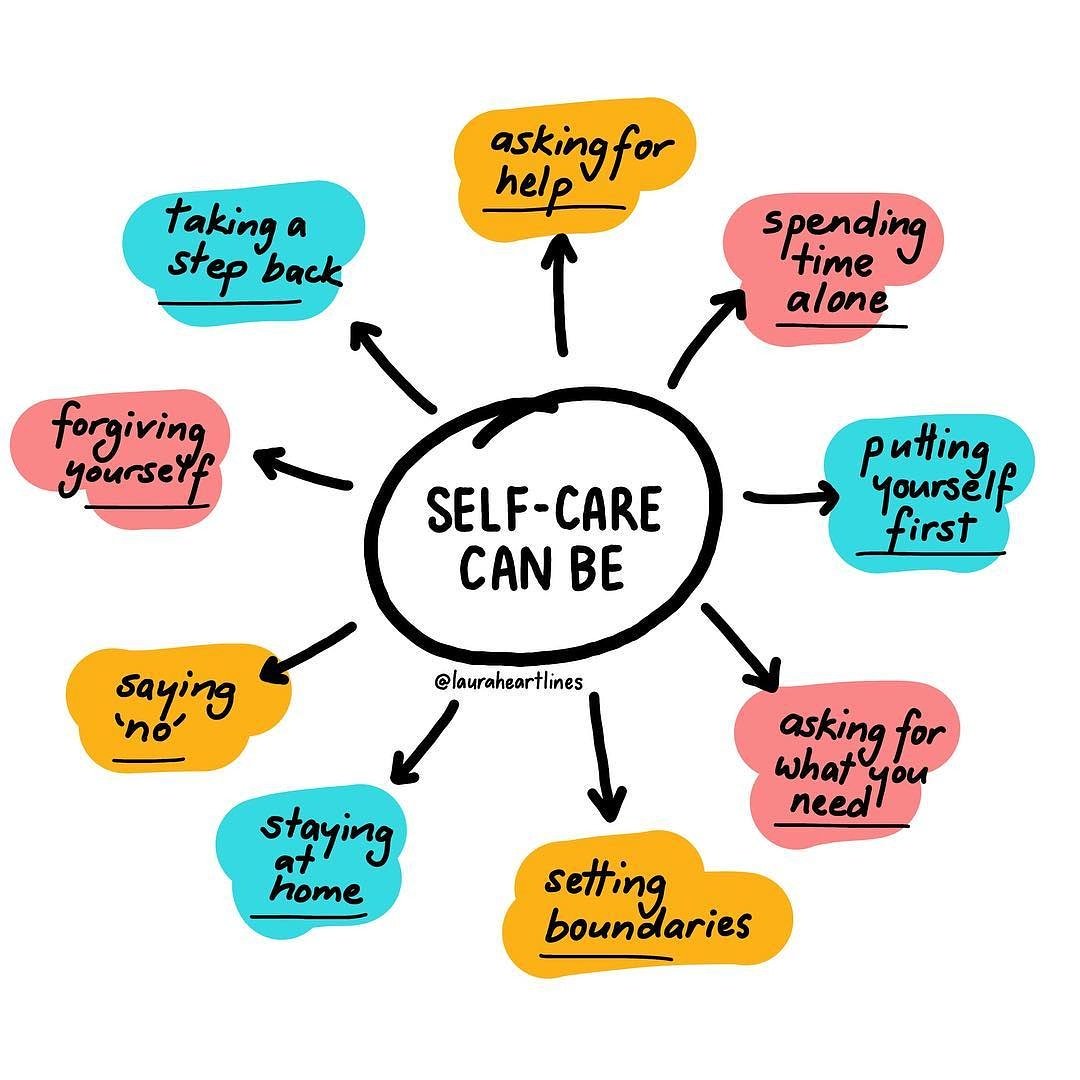
Self-care is an important part of living a healthy and happy lifestyle. Looking after ourselves both mentally and physically is crucial to taking control of our health. We lead increasingly busy lives and it can be easy to forget to put ourselves first, especially if we have multiple responsibilities and other people to care for. But looking after ourselves will make us feel better, and the better we feel, the better we will be in all areas of our lives – from work to relationships. Self-care doesn’t have to involve a huge time commitment and it doesn’t have to cost the earth. It could be as easy as taking a bath, relaxing with a good book, taking a walk outside or eating a favourite food. It’s about making a commitment to putting yourself first, even just for a while. Self-care is important to maintain a healthy relationship with one’s self as it produces positive feelings and boosts confidence and self-esteem. Also, self-care is necessary to remind the individual and others that their needs are important too.
Self-care has several benefits, most of which are interlinked and committing to a regular self-care routine will improve one’s overall wellbeing. Research suggests self-care promotes positive health outcomes, such as fostering resilience, living longer, and becoming better equipped to manage stress.
Self-care can improve physical health: A big part of self-care is committing to looking after one’s body and becoming more attuned with its needs. Whether it’s brushing your teeth, exercising more or getting enough sleep each night, part of any programme of self-care should focus on looking after one’s physical health.
Self-care can reduce stress and anxiety: Making time for relaxing activities, even something as simple as such as taking a warm bath, listening to music or practising yoga or meditation, is another common theme of self-care. Any activity that makes one feel more relaxed can help to reduce symptoms of stress and anxiety and to lift their mood.
Self-care can boost self-esteem: As well as helping to calm the nerves, taking time to relax and look after oneself can have a positive impact on the way one sees themselves, treating oneself with kindness can make them look upon themselves more kindly. Studies have found that people with higher self-esteem find it easier to deal with setbacks and are more likely to achieve goals of self-improvement.
Self-care protects mental health: Making changes to prioritise self-care can help to manage mental health issues and might even prevent them from getting worse. Of course, self-care is not a substitute for professional help, and one shouldn’t feel they have to tackle their problems alone. If mental health is suffering, please talk to someone. However, if someone is looking to improve their mental wellbeing, taking the time to care for themselves, both mentally and physically is important.
Self-care can lead to better relationships: It makes sense if you think about it: the happier and healthier an individual is, the more they can give to a relationship. This is especially important if the person is a parent or carer when it can be so easy to put someone else’s needs first, but they must look after their health too.
Self-care leads to a healthy work-life balance: Contrary to common belief, workaholism is not a virtue. Overwork and the accompanying stress and exhaustion can make one less productive, disorganised and emotionally depleted, leading to all sorts of health problems, from anxiety and depression to insomnia and heart diseases. Professional self-care habits like taking intermittent breaks, setting professional boundaries and avoiding overextending ensures that one stays sharp, motivated and healthy.
Self-care helps with stress management: While a little dose of stress is a healthy way to nudge us to meet the deadlines or finish that overdue task, constant stress and anxiety can hurt our mental and physical health. Smart self-care habits like eating healthy, connecting with a loved one or, practising meditation cuts down the toxic effects of stress by improving the mood and boosting the energy and confidence levels.
Self-care leads to better physical health: Self-care is not just about mental health, its also about caring for the physical self, by eating healthy, taking adequate sleep, caring about your hygiene and exercising regularly. Most of us are all less able to handle the stresses that come our way when we’re depleted by physical and emotional exhaustion. Or, put more positively, we are more resilient and more able to handle life’s stress when we are feeling our best both physically and emotionally. A massage, a hot bath, or another form of pampering revitalises us inside and out.
Self-care may boost physical health: While self-pampering doesn’t always lead to major improvements in overall health the way a healthy diet and exercise do, the relaxation one gets from it can trigger the relaxation response. This, in turn, can prevent chronic stress from damaging one’s health. So in a sense, self-care is good for you inside and out.
Self-care can improve emotional health: Taking time out to care for yourself can remind us and others that we and our needs are important, too. Having a well-cared-for body can make us feel good about ourselves and our life, and conveys to others that we value ourselves and this can contribute to long-term feelings of well-being.
Self-care makes one a better caregiver: People who neglect their own needs and forget to nurture themselves are at danger of deeper levels of unhappiness, low self-esteem, and feelings of resentment. And people who spend their time only taking care of others can be at risk of getting burned out, which makes it more difficult to care for others or themselves. Taking time to care for themselves regularly can make them better caretakers for others.
So start living and stop existing because life is a precious gift to waste when there is a choice to have a more meaningful existence. Life has many responsibilities and tends to throw curveballs when we least expect it, but it’s important to remember that taking care of ourselves is also our responsibility. Little things like reading a good book, sipping some great tea, enjoying a warm bath, playing some games, listening to the laugh of a child or playing with them are essential for our daily happiness. So, put away what is taking the time and take some time, even if it is just 30 minutes a day and spend some quality time with yourself.
Seven Signs of Life: Stories from an Intensive Care Doctor – Aoife Abbey
Grief. Anger. Joy. Fear. Distraction. Disgust. Hope. All emotions we expect to encounter over our lifetime.
But what if this was every day? And what if your ability to manage them was the difference between life and death?
For a doctor in Intensive Care this is part of the job. Fear in the eyes of a terminally ill patient who pleads with you to not let them die. Grief when you make a potentially fatal mistake. Disgust at caring for a convicted rapist. But there are also moments of joy, like the rare bright spots of lucidity for a dementia patient, or when the ward unexpectedly breaks into song.
Dr Aoife Abbey shows us what a doctor sees of humanity as it comes through the revolving door of the hospital and takes us beyond a purely medical perspective. Told through seven emotions, Seven Signs of Life is about what it means to be alive and how it feels to care for a living.
Tomorrow is World Diabetes Day. As someone who is diabetic, this day is something that I like to write about each year so more people become aware of this silent killer. Created in 1991 by the International Diabetes Federation and the World Health Organisation in response to growing concerns about the escalating health threat posed by diabetes, the World Diabetes Day became an official United Nations Day in 2006. 14 November was chosen to commemorate the day as it is the birthday of Sir Frederick Banting, who co-discovered insulin along with Charles Best in 1922.
The world’s largest diabetes awareness campaign reaching a global audience of over 1 billion people in more than 160 countries, the World Diabetes Day draws attention to issues of paramount importance to the diabetes world and keeps diabetes firmly in the public and political spotlight.
The World Diabetes Day campaign aims to be the platform to promote IDF advocacy efforts throughout the year and be the global driver to promote the importance of taking coordinated and concerted actions to confront diabetes as a critical global health issue. The campaign is represented by a blue circle logo that was adopted in 2007 after the passage of the UN Resolution on diabetes. The blue circle is the global symbol for diabetes awareness. It signifies the unity of the global diabetes community in response to the diabetes epidemic.
Today, world-wide, 463 million adults, or an estimated one in eleven, were living with diabetes in 2019, with the number of people living with diabetes expected rise to 578 million by 2030. Many must live with the complications of diabetes and many still die young as a consequence of their condition. 1 in 2 adults with diabetes remain undiagnosed and the majority have type 2 diabetes. More than 3 in 4 people with diabetes live in low and middle-income countries and 1 in 6 live births or approximately 20 million are affected by high blood glucose or hyperglycaemia in pregnancy. Two-thirds of people with diabetes live in urban areas and three-quarters are of working age. 1 in 5 people with diabetes or about 136 million are above 65 years old. Diabetes caused 4.2 million deaths in 2019 and was responsible for at least $760 billion in health expenditure in 2019, accounting for about 10% of the global total spent on healthcare. The numbers continue to grow but the resources allocated to diabetes are often insufficient and are under increased pressure as a result of the COVID-19 pandemic. The WHO estimates that diabetes services have been disrupted in 50% of countries worldwide.
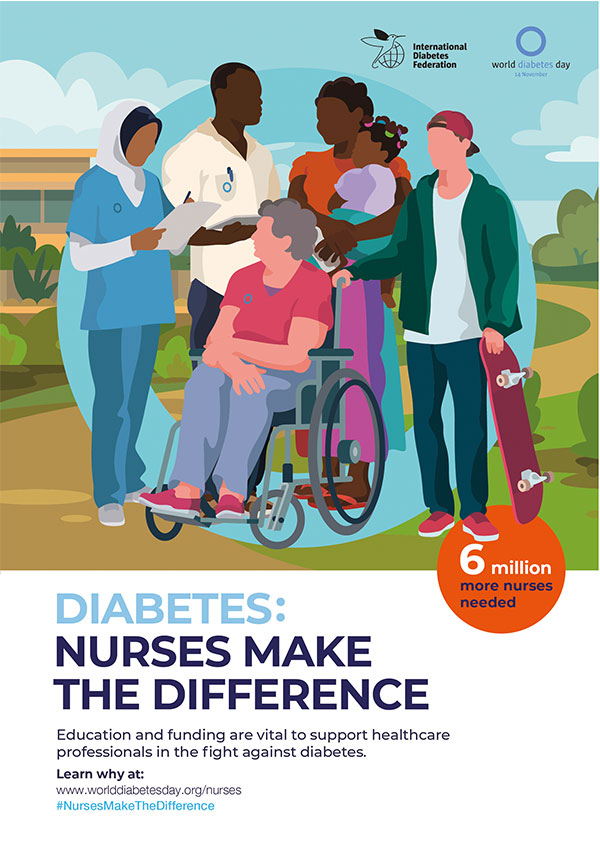
Every year, the World Diabetes Day campaign focuses on a dedicated theme that runs for one or more years. The theme for World Diabetes Day 2020 is The Nurse and Diabetes. This year’s campaign aims to raise awareness around the crucial role that nurses play in supporting people living with diabetes.
Nurses currently account for over half of the global health workforce. They do outstanding work to support people living with a wide range of health concerns. People who either live with diabetes or are at risk of developing the condition need their support too. People living with diabetes face a number of challenges, and education is vital to equip nurses with the skills to support them. As the number of people with diabetes continues to rise across the world, the role of nurses and other health professional support staff becomes increasingly important in managing the impact of the condition. Healthcare providers and governments must recognise the importance of investing in education and training. With the right expertise, nurses can make the difference for people affected by diabetes.
According to the World Health Organization, nurses account for 59% of health professionals and the global nursing workforce is 27.9 million, of which 19.3 million are professional nurses with a global shortage of nurses in 2018 being 5.9 million with 89% of that shortage concentrated in low and middle-income countries. The estimated number of nurses trained and employed needs to grow by 8% a year to overcome alarming shortfalls in the profession by 2030. WHO estimates that the total investment required to achieve the targets outlined in the Social Development Goals by 2030 stand at 3.9 trillion USD – 40% of which should be dedicated to remunerating the health workforce.
As highly valued members of the community, nurses do outstanding work to support people living with a wide range of health concerns. People who either live with diabetes or are at risk of developing the condition need their support too. People living with diabetes face a number of challenges, and education is vital to equip nurses with the skills to support them. The IDF wants to facilitate opportunities for nurses to learn more about the condition and receive training so that they can make a difference for people with diabetes. As the number of people with diabetes continues to rise across the world, the role of nurses and other health professional support staff is becoming increasingly important in managing the impact of the condition. Nurses are often the first and sometimes only health professional that a person interacts with and so the quality of their initial assessment, care and treatment is vital. Nurses play a key role in diagnosing diabetes early to ensure prompt treatment, providing self-management training and psychological support for people with diabetes to help prevent complications and tackling the risk factors for type 2 diabetes to help prevent the condition. Healthcare providers and governments must therefore recognise the importance of investing in education and training. With the right expertise, nurses can make the difference for people affected by diabetes.
In my last year’s post on this day, I have written extensively about the types of diabetes, so read more there.
The word ‘health’ comes from the old English ‘hale’ which means ‘whole’ or ‘complete’. The World Health Organisation or WHO has given an international definition of health: “Health is a state of complete physical, mental and social well-being and not merely the absence of disease or infirmity.”
Tomorrow, April 07 marks the celebration of World Health Day. A global health awareness day, this day, held to mark the founding of the World Health Organisation is celebrated every year and is aimed to create awareness of a specific health theme to highlight a priority area of concern for the WHO. On this day, the WHO organizes international, regional and local events on the Day related to a particular theme. World Health Day is acknowledged by various governments and non-governmental organizations with interests in public health issues, who also organize activities and highlight their support in media reports, such as the Global Health Council. The World Health Day is one of eight official global health campaigns marked by WHO, along with World Tuberculosis Day, World Immunization Week, World Malaria Day, World No Tobacco Day, World AIDS Day, World Blood Donor Day, and World Hepatitis Day. Over the past 50 years this has brought to light important health issues such as mental health, maternal and child care, and climate change. The celebration is marked by activities which extend beyond the day itself and serves as an opportunity to focus worldwide attention on these important aspects of global health.
Why is health important? The way the body works depends on a person’s health. The body is designed to deal with everyday obstacles in order to be able to live life to the full, but poor health makes these everyday obstacles become larger and more difficult to overcome. For some the odds of leading a healthy life are stacked against them from the start. Health is important to everything a person does. Poor health affects people differently.
Health is also often thought of in terms of illnesses which endanger it like AIDs, Malaria and Tuberculosis – three of the most devastating diseases and today we could probably include Covid-19 which is has been the deadliest disease our generation has seen which has now been called a pandemic as it has extended over pretty much all continents with the exception of Antartica. The world we live in is a world that is increasingly interconnected and though this brings many benefits it also brings responsibility. Health is a shared responsibility, which means ensuring equal access to essential healthcare and collective action to health threats in different countries to look after those that are sick and to stop deseases from spreading.
The theme for the 2020 edition is a focus on health support staff with the theme being “Support Nurses and Midwives”. World Health Day 2020 will shine a light on the vital role played by nurses and midwives in providing health care around the world, and call for a strengthening of the nursing and midwifery workforce. There was supposed to be “dawn to dusk” advocacy events held around the world to mark World Health Day, but given the conditions we now live in and with health workers globally being streteched thin, I doubt if this is possible. There was supposed to be the launch of the first ever State of the World’s Nursing Report 2020, a report which will provide a global picture of the nursing workforce and support evidence-based planning to optimise the contributions of this workforce to improve health and wellbeing for all. This report will provide a global picture of the nursing workforce and support evidence-based planning to optimize the contributions of this workforce to improve health and wellbeing for all and to make meaningful progress toward UHC and the SDGs. The report will set the agenda for data collection, policy dialogue, research and advocacy, and investment in the health workforce for generations to come. A similar report on the Midwifery workforce will be launched in 2021.
The WHO has also designated 2020 as the Year of the Nurse and the Midwife and the 2020 theme follows this. Nurses and midwives play a vital role in providing health services. These are the people who devote their lives to caring for mothers and children; giving lifesaving immunizations and health advice; looking after older people and generally meeting everyday essential health needs. They are often, the first and only point of care in their communities. The world needs 9 million more nurses and midwives if it is to achieve universal health coverage by 2030. This is why 2020 has been designated the year of the nurse and midwife.
Educating nurses and midwives to international standards makes economic sense. It saves resources by reducing the need for costly and unnecessary interventions and increases quality of care and health for all. Strengthening nursing and midwifery – and ensuring that nurses and midwives are enabled to work to their full potential – is one of the most important things countries can do to achieve universal health coverage and improve health globally. This is especially true in times of epidemics as we are in now. By developing nursing and midwifery, countries can achieve the triple impact of improving health, promoting gender equality and supporting economic growth. Strengthening nursing and midwifery will have the additional benefits of promoting gender equity (SDG5), contributing to economic development (SDG8) and supporting other Sustainable Development Goals.
The goals for World Health Day 2020 include triggering a wave of public appreciation for the work of nurses and midwives and the part they play in delivering health care; raise the profile of nurses and midwives within the health workforce and catalyse support and investment in nurses and midwives.
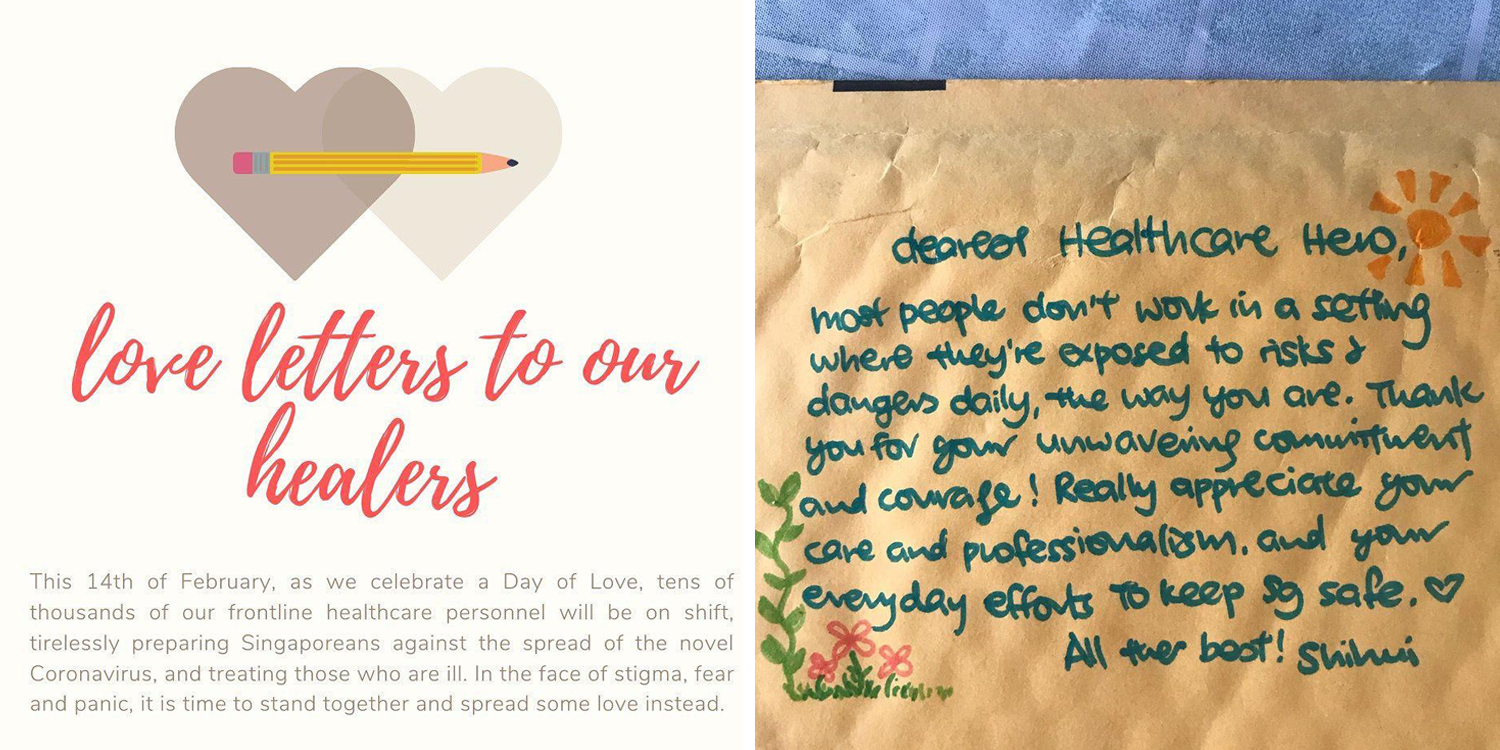
Tomorrow, please remember to thank all healthcare workers in your country. They are risking their lives on a daily basis and in many countries don’t have access to proper preventive personal equipment just so they can save our lives!