Celebrated primarily by the Sindhi community, Cheti Chand marks the beginning of the Hindu New Year and commemorates the birth of their revered patron saint, Lord Jhulelal. This festival, which falls on the second day of the month of Chet in the Sindhi lunar calendar, corresponding to March and April in the Gregorian calendar, holds immense cultural and religious significance. It is a time for renewal, reflection, and celebration among Sindhis worldwide.
The roots of Cheti Chand can be traced back to the Sindhi community’s struggle against oppression during the rule of Mirkhshah, a tyrannical Muslim ruler. According to legend, Mirkhshah sought to convert the Sindhi Hindus to Islam, threatening their cultural and religious identity. In desperation, the Sindhi people prayed to Varun Devta, the Water God for deliverance. Their prayers led to a divine promise that a saviour would be born to protect them.
This saviour was Uderolal, later known as Jhulelal, who was born in Nasarpur in 1007 CE. His miraculous birth was heralded by a divine voice that assured the Sindhis of their protection. Jhulelal is believed to have performed numerous miracles that not only saved his people from persecution but also reinforced their faith and cultural identity. The festival of Cheti Chand thus symbolises hope, resilience, and divine intervention.
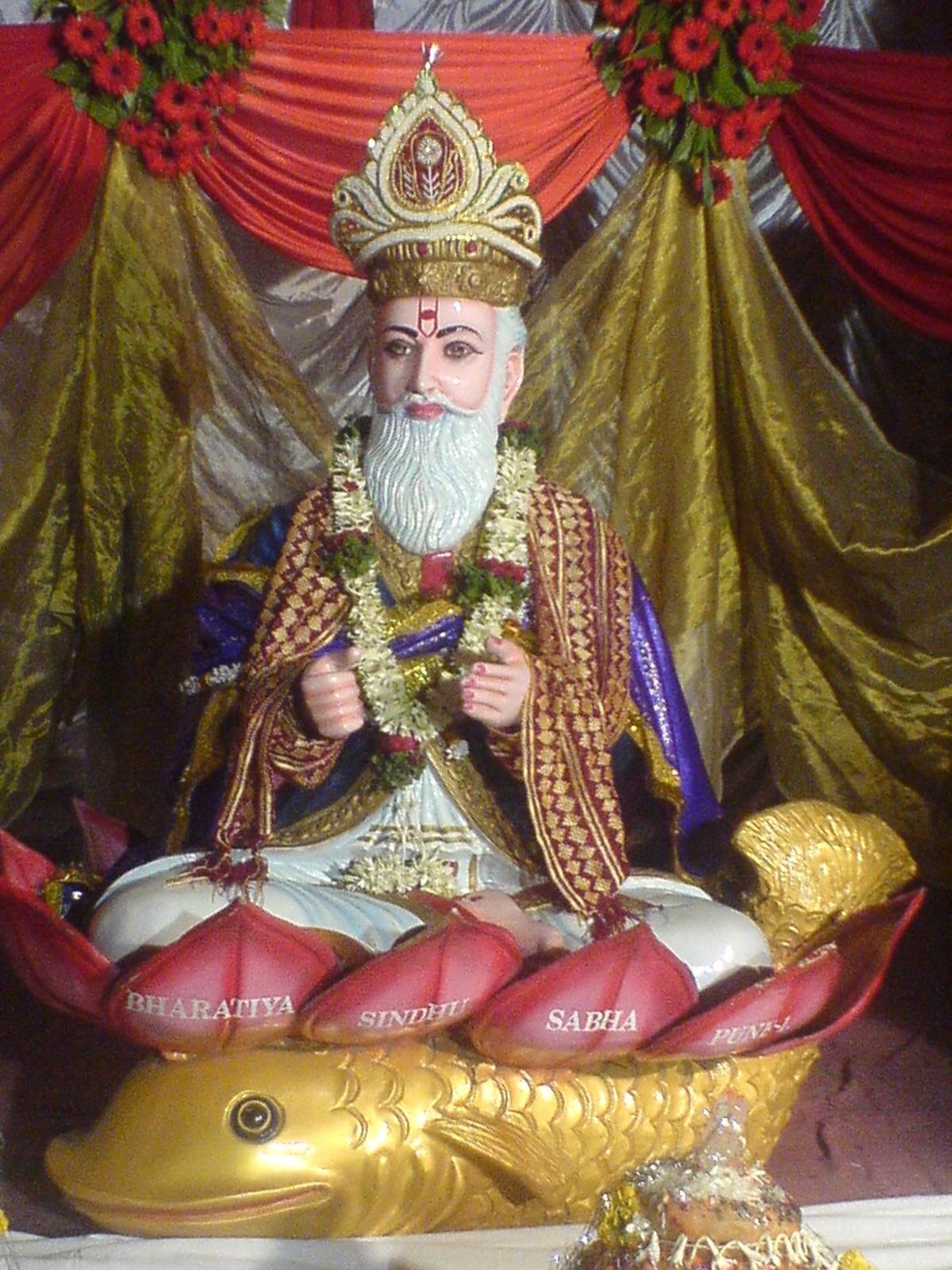
Jhulelal is often depicted as an old man with a long beard, seated on a lotus flower supported by a fish. He embodies wisdom and strength and is regarded as the protector of Sindhi culture and values. Celebrating Cheti Chand serves as a reaffirmation of faith for Sindhis, honouring their heritage while fostering a sense of unity within the community.
Cheti Chand holds deep spiritual significance for the Sindhi community. The festival marks the start of the Hindu New Year for Sindhis, symbolizing fresh starts and new opportunities. It reinforces the cultural identity of Sindhis, especially those who migrated after the Partition in 1947. Cheti Chand serves as a reminder of their roots and traditions. The festival fosters communal harmony as families come together to celebrate with rituals, prayers, and festive meals. And it is an occasion for introspection and gratitude towards Lord Jhulelal for his protection and blessings.
Cheti Chand is celebrated with enthusiasm across various regions in India, each with its own unique customs and traditions. In states like Punjab and Haryana, Cheti Chand is observed with fervour among local Sindhi communities. Families come together to perform rituals at home or in temples dedicated to Jhulelal and devotees prepare offerings such as fruits, sweets, and special dishes like Guji Deg, a sweet dish made from rice flour to honour Jhulelal.
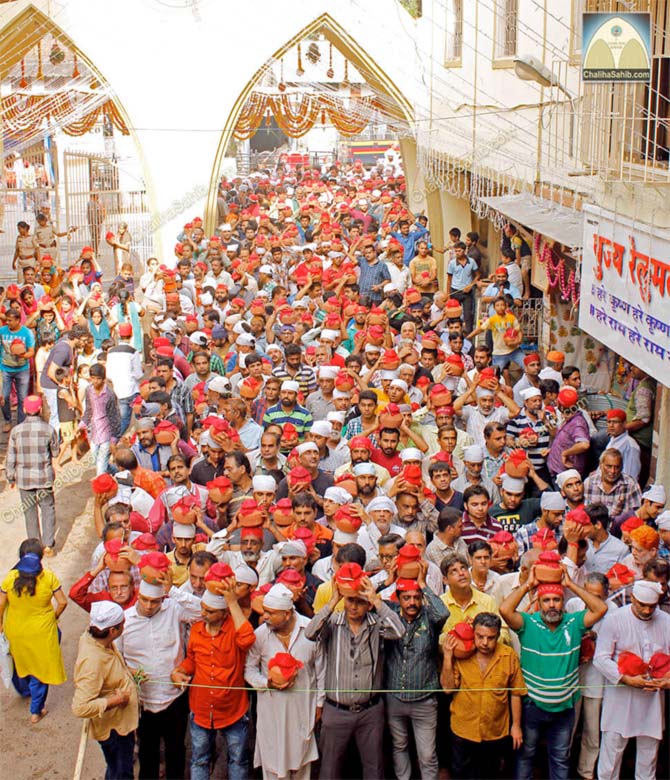
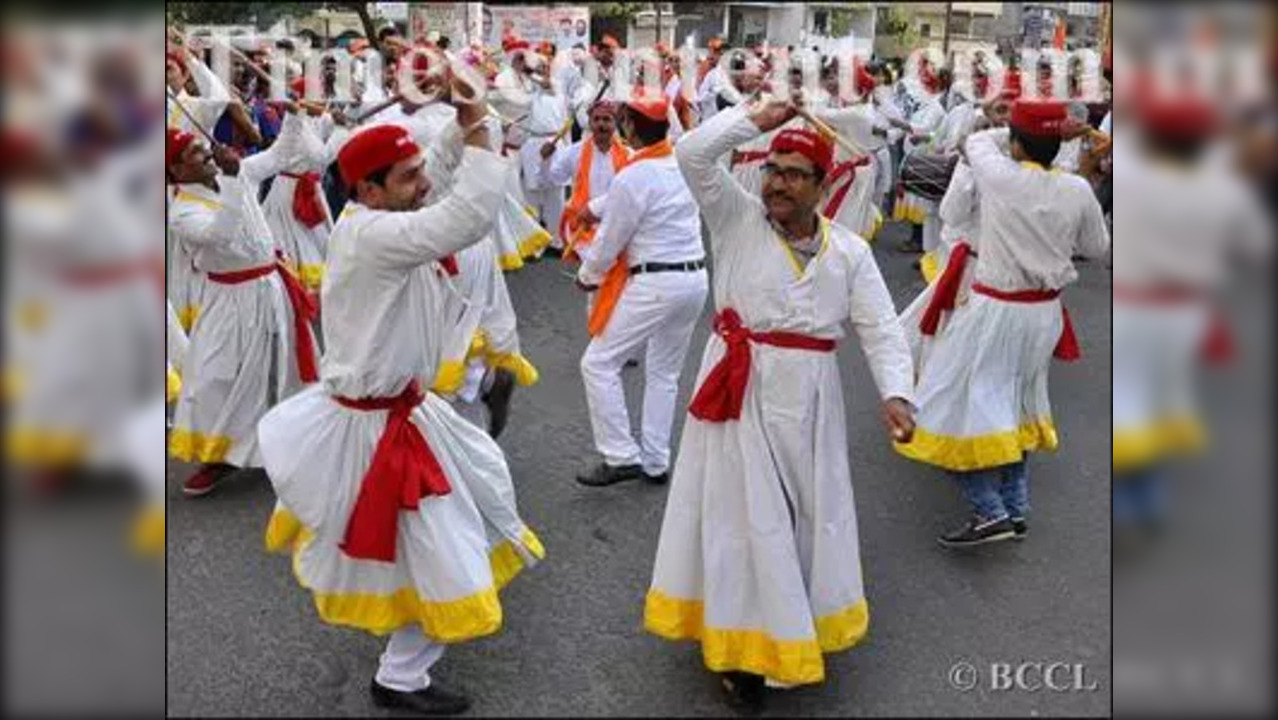
In Maharashtra, celebrations during Cheti Chand include traditional folk dances performed in honour of Lord Jhulelal. Participants often dress in colourful attire and engage in lively music. The Behrana Sahib Ceremony involves preparing a ceremonial plate containing items like an oil lamp or diya, sugar crystals or misri, fruits, and flowers which are taken to nearby rivers or lakes as offerings. In states like Karnataka and Tamil Nadu, devotees visit rivers or lakes to perform rituals, reflecting their gratitude towards Varun Devta. Leading up to Cheti Chand, many observe a period of prayer known as Chaliho for 40 days. In West Bengal, families prepare special dishes for communal feasts after performing rituals and local communities organise events that include singing devotional songs dedicated to Jhulelal.
Cheti Chand is characterised by several unique rituals that reflect its cultural significance. A central ritual involves lighting an earthen wheat lamp known as Jyot Jagan on a bronze plate filled with rice grains. This lamp typically has five wicks symbolising enlightenment and prosperity. The lighting marks the beginning of the festivities. The Behrana Sahib consists of symbolic items such as an oil lamp, crystal sugar, and fruits. These items are taken to water bodies where they are immersed as an offering to Lord Jhulelal.
One of the most vibrant aspects of Cheti Chand celebrations is the Chhej dance, where participants form circles while clapping in rhythm with traditional drums, or dhols, and wind instruments, or shehnais. This dance embodies communal joy and unity among devotees.
On this day, devotees prepare an offering called Akho—made from rice mixed with flour and milk—which symbolises gratitude towards Varun Devta.
The festival is rich with stories that highlight its significance. The tale of how Jhulelal emerged during a time of crisis for the Sindhi people serves as a reminder of hope amidst adversity. The miraculous circumstances surrounding Jhulelal’s birth reflect divine intervention in protecting his devotees. The narrative emphasises how faith can triumph over tyranny, reinforcing the importance of cultural identity among Sindhis.
Cheti Chand transcends geographical boundaries; it is celebrated by Sindhi communities around the globe. In Pakistan’s Sindh province, where many original traditions have been preserved, local temples host elaborate celebrations while community feasts are organised with families gathering to celebrate their heritage. The Sindhi diaspora communities in North America celebrate Cheti Chand through cultural events showcasing traditional music and dance, and community gatherings where prayers are offered collectively. In the United Kingdom, in cities with significant Sindhi populations, temples organise special prayers and community members participate in cultural programs highlighting Sindhi traditions.
Cheti Chand stands as a beacon of hope, resilience, and cultural pride for the Sindhi community worldwide. As they commemorate the birth of Lord Jhulelal on this auspicious day, they reaffirm their faith while celebrating their rich heritage through vibrant rituals, communal gatherings, and heartfelt prayers. The festival not only marks the beginning of a new year but also reinforces the values that bind them together as a community—unity, devotion, and an unwavering spirit in preserving their identity against challenges throughout history. Through its unique customs and stories that resonate deeply within their cultural memory, Cheti Chand invites everyone to partake in its love, light, and legacy—a celebration that transcends time and space while nurturing communal bonds across generations.
Mahabharata Unravelled: Lesser-Known Facets of a Well-Known History – Ami Ganatra
Millennia have passed since the dharma yudhha of the cousins shook the land of Bharata. But this history of our ancestors continues to fascinate us. Even today, we have passionate discussions about the people and their actions in the epic, fervidly defending our favourites and denouncing others. The number of works on the Mahabharata-adaptations, retellings and fiction-that still get written is a testimony to its enduring relevance.
While the general storyline is largely known, a lot of questions and myths prevail, such as-What was the geographical extent of the war? Did Drona actually refuse to take on Karna as his disciple? What were Draupadi’s responsibilities as the queen of Indraprastha? Did she ever mock Duryodhana? Were the women in the time of the Mahabharata meek and submissive? What were the names of the war formations during the time? What role did the sons of the Pandavas play? Does the south of India feature at all in the Mahabharata? What happened after the war? These and many other intriguing questions continue to mystify the contemporary reader.
Author Ami Ganatra debunks myths, quashes popular notions and offers insights into such aspects not commonly known or erroneously known, based solely on facts as narrated in Vyasa’s Mahabharata from generally accepted authentic sources. For a history of such prominence and influence as the Mahabharata, it is important to get the story right. So pick this book up, sit back and unveil the lesser-known facts and truths about the great epic.
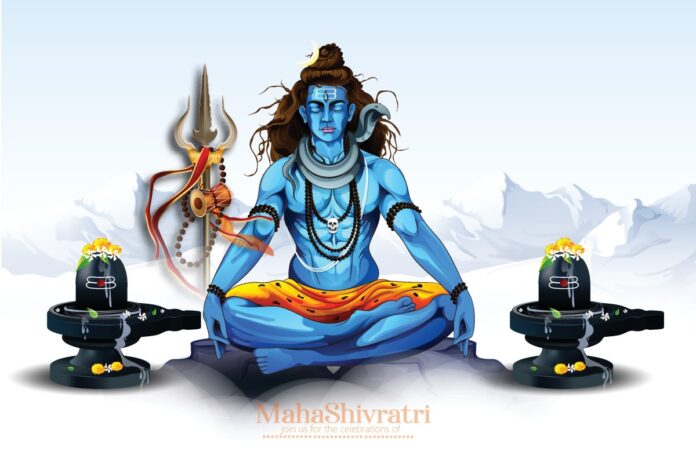
Often referred to as “The Great Night of Shiva,” Maha Shivaratri is one of the most significant festivals in Hinduism, dedicated to Lord Shiva, the deity symbolising creation, preservation, and destruction. This festival is celebrated annually on the 14th night of the dark fortnight in the month of Phalguna, which comes in February or March, marking a time for spiritual reflection, devotion, and celebration. The festival’s origins are steeped in rich mythology and tradition, and its observance varies widely across different regions of India and among Hindu communities worldwide.
The origins of Maha Shivaratri are deeply rooted in Hindu mythology. Several legends recount the significance of this festival. One prominent legend states that Maha Shivaratri commemorates the night when Lord Shiva performed the ‘Tandava’, a cosmic dance symbolising creation, preservation, and destruction. This dance is believed to represent the rhythm of the universe and is a vital aspect of Shiva’s divine nature. Another significant narrative is that Maha Shivaratri marks the wedding night of Lord Shiva and Goddess Parvati. Their union symbolises the balance between masculine and feminine energies, representing harmony in the cosmos. This aspect makes Maha Shivaratri particularly special for married couples who seek blessings for their relationships. According to another legend, it was on this night that Shiva manifested himself in the form of a Lingam, a representation of his divine presence. This event signifies his infinite existence and connection to creation.
Maha Shivaratri has been celebrated for centuries, with its roots tracing back to ancient Hindu civilisation. The festival reflects a broader cultural significance beyond mere religious observance; it encapsulates themes of transformation, renewal, and spiritual awakening that resonate across various aspects of life.
Maha Shivaratri holds profound spiritual importance for devotees. The festival is seen as an opportunity for spiritual growth and introspection. Devotees believe that observing rituals during this time can lead to purification of the mind and soul, helping them overcome obstacles in life. Fasting and prayer during Maha Shivaratri are believed to cleanse devotees’ hearts and minds. Many observe strict fasts, consuming only water or milk throughout the day before breaking their fast at dawn on the following day. The festival fosters a sense of community among participants as they come together for prayers, chanting, and singing devotional songs or bhajans. It serves as a reminder of shared beliefs and collective spirituality.
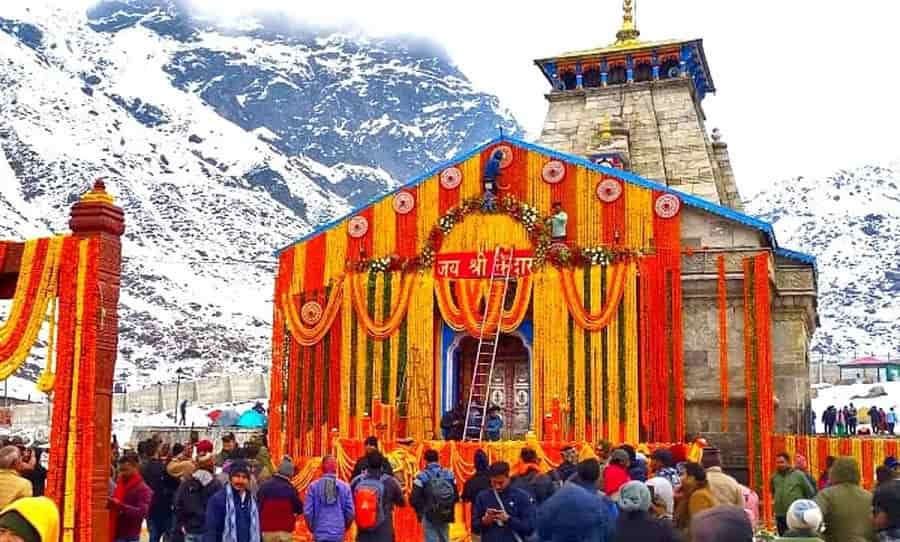
The festival is celebrated with great fervor across India, with regional variations reflecting local customs and traditions. In northern states like Uttar Pradesh and Uttarakhand, devotees flock to temples such as Kashi Vishwanath in Varanasi and Kedarnath to participate in elaborate rituals. The night is marked by all-night vigils where devotees chant “Om Namah Shivaya” while offering milk, honey, and bel leaves to Shiva Lingams. In South India, particularly among Brahmin communities, rituals begin early in the morning with special prayers or pujas at temples dedicated to Lord Shiva. Devotees often perform Rudra Abhishek, bathing Shiva Lingams with sacred substances like milk and honey. The night is spent in meditation, bhajans, and discussions about Shiva’s teachings.
In Maharashtra, celebrations often include processions featuring traditional music and dance. Temples are beautifully decorated, attracting large crowds who engage in communal prayers. In West Bengal and Odisha, Maha Shivaratri is celebrated with unique cultural performances such as folk dances that narrate stories from Shiva’s life. Devotees also prepare special dishes as offerings during this time.
Maha Shivaratri transcends geographical boundaries. In countries with significant Hindu populations such as Nepal, Mauritius, Fiji, and Trinidad & Tobago, festivities take place with similar fervor. In Nepal’s Pashupatinath Temple—one of the holiest sites for Hindus—thousands gather to participate in rituals throughout the night. Indo-Caribbean communities also observe this festival with solemnity in over 400 temples worldwide.
The rituals performed during Maha Shivaratri are diverse yet share common elements. Devotees typically fast throughout the day leading up to the night celebrations. Some consume only water or milk while others may choose to abstain from food altogether. Rituals involve offerings made to Shiva Lingams consisting of milk, honey, ghee (clarified butter), fruits, flowers, and bel leaves—considered sacred to Lord Shiva. The chanting of mantras such as “Om Namah Shivaya” plays a central role during worship sessions both at home and in temples. Many devotees stay awake throughout the night engaging in prayers, singing bhajans or participating in discourses about Lord Shiva’s teachings. In various regions, cultural performances including dance dramas depicting stories from Shiva’s life add vibrancy to the celebrations.
Several myths enhance the richness of Maha Shivaratri’s narrative. One myth recounts how Lord Shiva vanquished Tripurasura—the demon representing ignorance—on this auspicious night. This victory symbolises triumph over darkness and ignorance. Another popular tale involves Markandeya—a devotee who was destined to die young but was saved by Lord Shiva when he embraced him as a child amidst death’s approach. Legends often highlight Lord Shiva’s compassion towards his devotees; many stories illustrate how he intervenes to protect those who sincerely seek his blessings during Maha Shivaratri.
Maha Shivaratri stands as a testament to the rich tapestry of Hindu culture—a celebration that encompasses devotion, spirituality, community bonding, and deep-rooted traditions. As devotees across India and around the world honour Lord Shiva through fasting, prayer, cultural performances, and communal gatherings on this auspicious night, they not only pay homage to their deity but also embrace themes that resonate universally—transformation, renewal, love, and spiritual awakening. The festival serves not just as a religious observance but also as an opportunity for individuals to reflect on their lives while seeking blessings for personal growth and harmony within their families and communities. Through its myriad forms of celebration—from temple rituals to vibrant cultural expressions—Maha Shivaratri continues to inspire millions each year with its profound significance rooted in ancient mythology yet relevant in contemporary society.
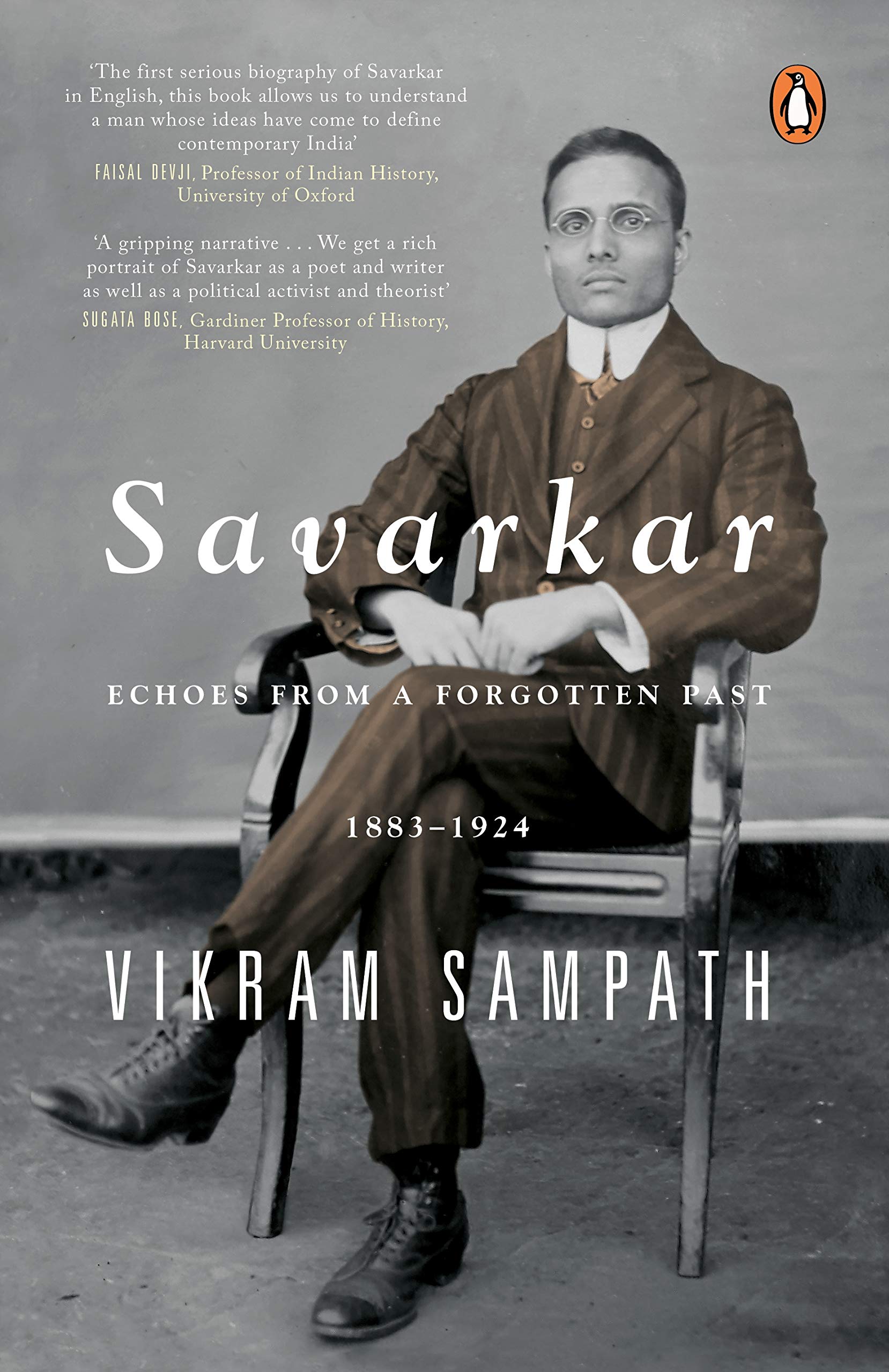
Savarkar: Echoes from a Forgotten Past, 1883–1924 – Vikram Sampath
As the intellectual fountainhead of the ideology of Hindutva, which is in political ascendancy in India today, Vinayak Damodar Savarkar is undoubtedly one of the most contentious political thinkers and leaders of the twentieth century. Accounts of his eventful and stormy life have oscillated from eulogizing hagiographies to disparaging demonization. The truth, as always, lies somewhere in between and has unfortunately never been brought to light. Savarkar and his ideology stood as one of the strongest and most virulent opponents of Gandhi, his pacifist philosophy and the Indian National Congress.
An alleged atheist and a staunch rationalist who opposed orthodox Hindu beliefs, encouraged inter-caste marriage and dining, and dismissed cow worship as mere superstition, Savarkar was, arguably, the most vocal political voice for the Hindu community through the entire course of India’s freedom struggle. From the heady days of revolution and generating international support for the cause of India’s freedom as a law student in London, Savarkar found himself arrested, unfairly tried for sedition, transported and incarcerated at the Cellular Jail, in the Andamans, for over a decade, where he underwent unimaginable torture.
From being an optimistic advocate of Hindu-Muslim unity in his treatise on the 1857 War of Independence, what was it that transformed him in the Cellular Jail to a proponent of ‘Hindutva’, which viewed Muslims with suspicion?
Drawing from a vast range of original archival documents across India and abroad, this biography in two parts-the first focusing on the years leading up to his incarceration and eventual release from the Kalapani-puts Savarkar, his life and philosophy in a new perspective and looks at the man with all his achievements and failings.
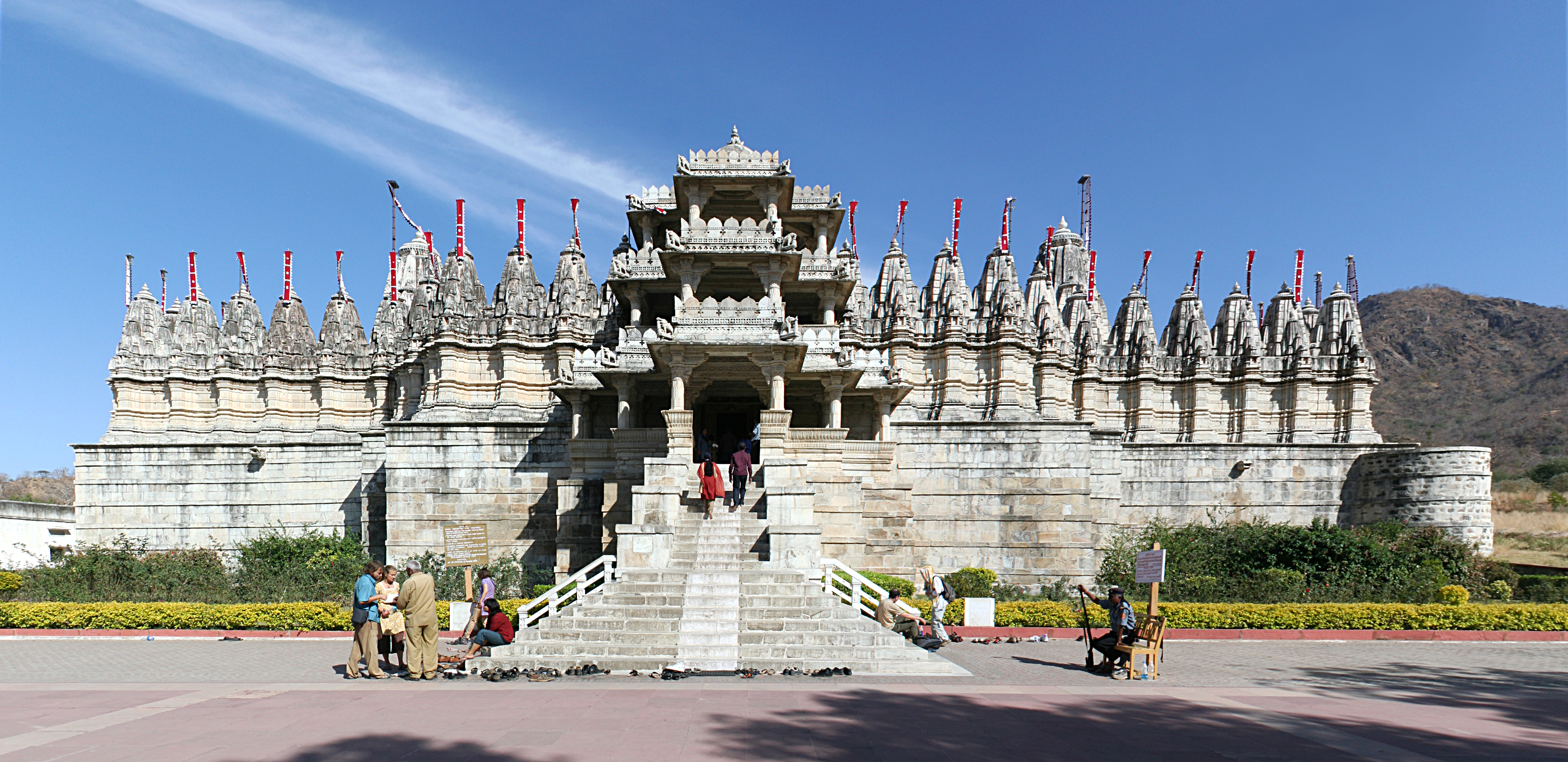
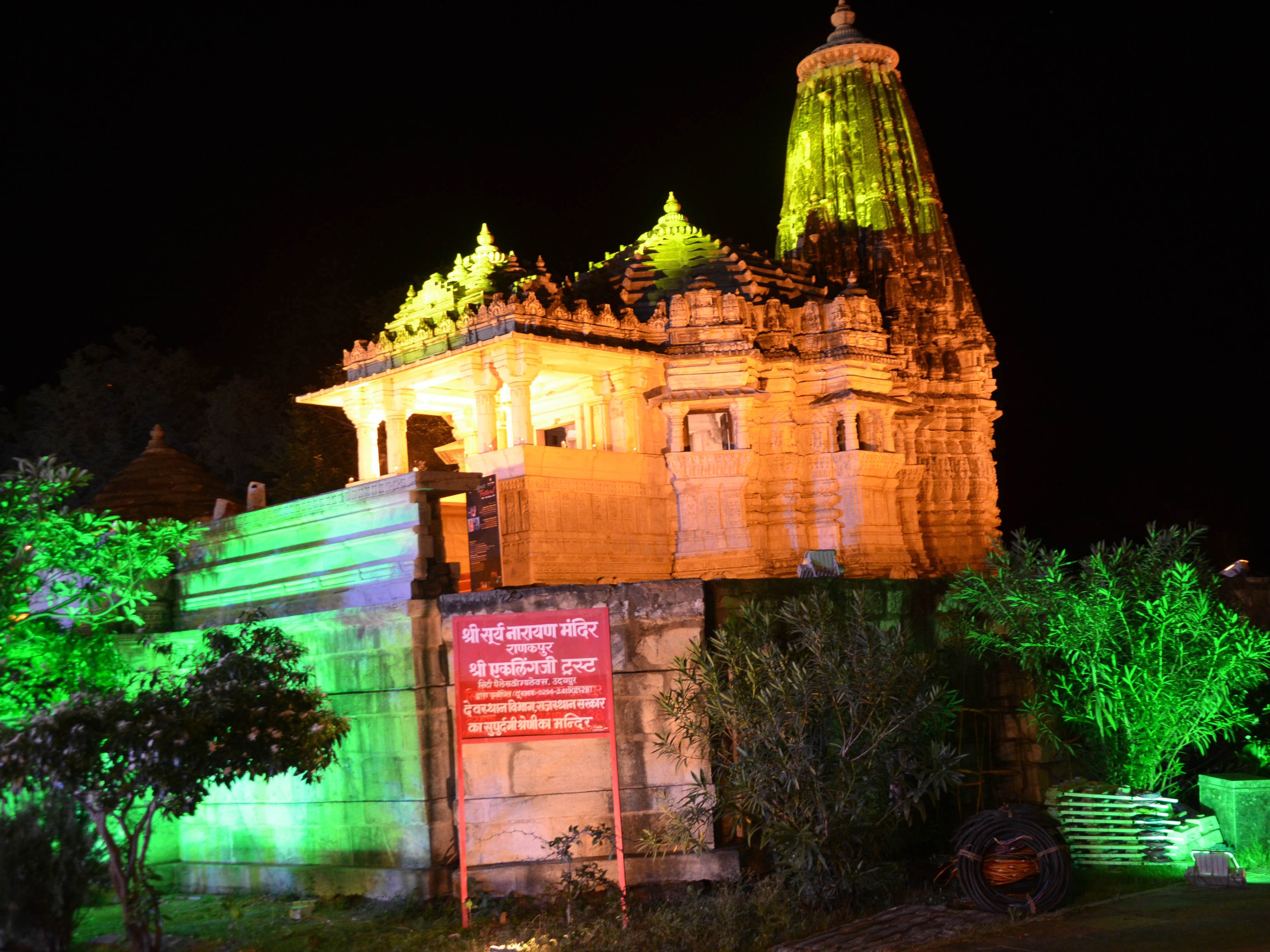
The Ranakpur Jawai Bandh Festival is a vibrant celebration that showcases the rich cultural heritage, natural beauty, and artistic traditions of Rajasthan. Held annually in the Pali district of Rajasthan, this two-day festival has become a significant event on the state’s cultural calendar, attracting visitors from across India and beyond. The festival takes place in the picturesque settings of Ranakpur, known for its stunning Jain temples, and the Jawai region, famous for its unique landscape and wildlife. Organised by the Department of Tourism, Government of Rajasthan, the Ranakpur Jawai Bandh Festival aims to provide visitors with an immersive experience of Rajasthan’s diverse cultural tapestry.
The Ranakpur Jawai Bandh Festival is a relatively new addition to Rajasthan’s festival calendar, having been initiated by the state government as part of its efforts to promote cultural tourism and showcase lesser-known regions of Rajasthan. While the festival itself doesn’t have ancient roots, it draws upon centuries-old traditions, art forms, and natural heritage of the region.
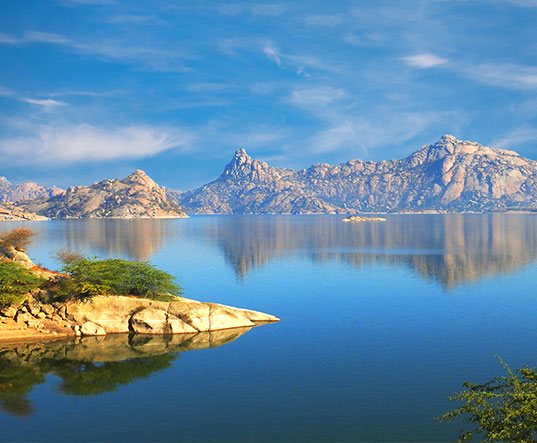
The idea behind the festival was to create a platform that could highlight the unique offerings of the Ranakpur and Jawai areas. Ranakpur, with its magnificent 15th-century Jain temples, represents the architectural and spiritual heritage of Rajasthan. On the other hand, the Jawai region, with its distinctive rocky landscape and thriving leopard population, showcases the state’s natural beauty and wildlife conservation efforts.
The festival was conceptualised to bridge these two aspects – the cultural and the natural – providing visitors with a holistic experience of Rajasthan. By doing so, it aims to promote sustainable tourism in the region, benefiting local communities while preserving the area’s cultural and natural heritage. Since its inception, the festival has grown in scale and popularity. What started as a local event has now become a much-anticipated annual celebration, drawing visitors from various parts of India and abroad. The festival’s program has expanded over the years, incorporating more activities and performances to cater to a diverse audience.
The Ranakpur Jawai Bandh Festival typically takes place in December, marking the onset of the winter tourist season in Rajasthan. The cool, pleasant weather of December provides an ideal backdrop for the outdoor activities and performances that form a significant part of the festival.
The festival is spread across two locations:
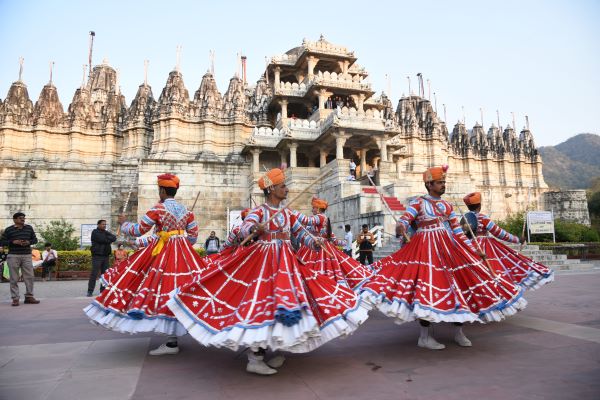
Ranakpur: Located in the Pali district of Rajasthan, Ranakpur is renowned for its stunning Jain temples. The main temple, dedicated to Adinath, is a marvel of architecture with its 1444 intricately carved marble pillars. The serene surroundings of Ranakpur, nestled in the Aravalli range, provide a perfect setting for the cultural and spiritual aspects of the festival.
Jawai: The Jawai region, named after the Jawai River and the Jawai Bandh or dam, is known for its unique landscape characterized by granite rock formations. This area is famous for its thriving leopard population and offers a stark yet beautiful contrast to the architectural splendor of Ranakpur.
The dual location of the festival allows visitors to experience two distinct facets of Rajasthan – its rich cultural heritage and its raw natural beauty – within a single event.
The Ranakpur Jawai Bandh Festival offers a diverse range of activities that cater to various interests. The festival begins each day with early morning yoga and meditation sessions. These sessions are typically held in the serene surroundings of Ranakpur, with the majestic Jain temples providing a stunning backdrop. Experienced yoga instructors guide participants through various asanas and meditation techniques, allowing visitors to start their day in a peaceful and rejuvenating manner. Guided nature walks are organized in both Ranakpur and Jawai. In Ranakpur, these walks often focus on the local flora and fauna found in the Aravalli range. In Jawai, the nature walks offer an opportunity to explore the unique rocky landscape and learn about the region’s ecology. One of the most exciting activities of the festival is the jeep safari in the Jawai region. These safaris offer visitors a chance to explore the rugged terrain and potentially spot the elusive leopards that the area is famous for. The safaris are led by experienced local guides who share their knowledge about the region’s wildlife and conservation efforts. As evening falls, the festival area is illuminated with thousands of earthen lamps or diyas, creating a magical atmosphere. This Deepotsav or a festival of lights is a visual spectacle that adds a touch of spiritual beauty to the festivities.
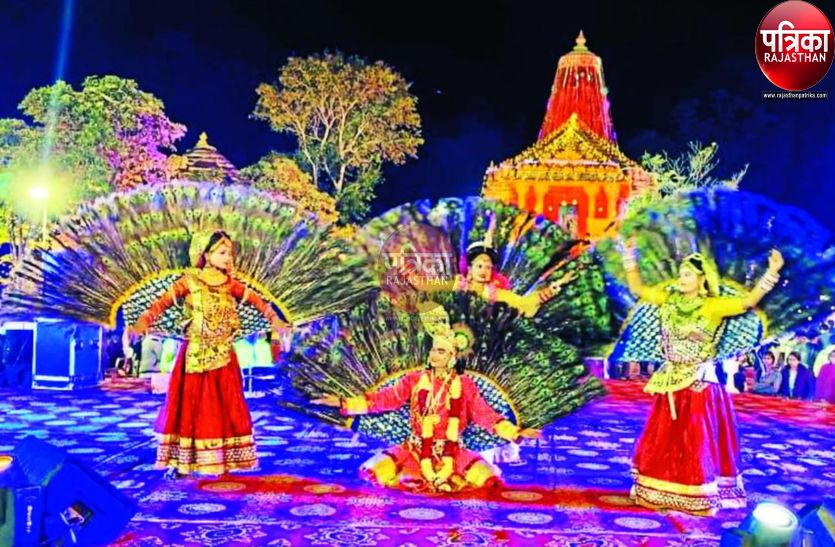
The evenings are dedicated to cultural performances that showcase the rich artistic heritage of Rajasthan. These performances include traditional Rajasthani folk music, including genres like Manganiyar and Langa, that fill the air with soulful melodies, energetic performances of Rajasthani folk dances such as Ghoomar, Kalbelia, and Bhavai that enthral the audience, and traditional Rajasthani puppet shows, known as Kathputli, that narrate folk tales and legends.
Local artisans demonstrate their skills in various traditional Rajasthani crafts such as block printing, tie-and-dye, pottery, and miniature painting. Visitors can watch the artisans at work and even try their hand at some of these crafts. Given the picturesque locations of Ranakpur and Jawai, the festival organises photography tours. These tours are led by professional photographers who guide participants on capturing the best shots of the temples, landscapes, and wildlife. Food stalls offering a variety of Rajasthani delicacies are set up during the festival. Visitors can savour authentic dishes like Dal Baati Churma, Gatte ki Sabzi, and Ker Sangri, getting a taste of traditional Rajasthani hospitality. For the more adventurous visitors, activities like rock climbing and rappelling are organized in the Jawai region, taking advantage of the area’s unique geological features. The clear night skies of the Jawai r. egion offer excellent conditions for stargazing. Astronomy enthusiasts guide visitors through constellations and share stories related to celestial bodies.
While the Ranakpur Jawai Bandh Festival is a relatively new event, it draws upon and celebrates cultural elements that have deep roots in Rajasthani tradition. The festival serves as a platform to showcase and preserve various aspects of Rajasthan’s rich cultural heritage. The stunning Jain temples of Ranakpur, which form a backdrop to many festival activities, are a testament to the architectural prowess of ancient India. Built in the 15th century, these temples, with their intricate marble carvings, represent the pinnacle of Maru-Gurjara architecture. The festival draws attention to this architectural marvel, promoting awareness and appreciation of India’s architectural heritage. The cultural performances during the festival play a crucial role in preserving and promoting Rajasthan’s folk arts. Many of these art forms, passed down through generations, face the risk of being lost in the face of modernization. By providing a platform for folk musicians, dancers, and puppeteers, the festival contributes to keeping these traditions alive.
The art and craft demonstrations during the festival showcase the skills of local artisans. Crafts like block printing, tie-and-dye, and miniature painting are integral to Rajasthan’s cultural identity. The festival not only provides exposure to these artisans but also helps in passing these skills to younger generations. The focus on traditional Rajasthani cuisine during the festival helps in preserving and promoting the state’s rich culinary heritage. Many of the dishes served at the festival have been part of Rajasthani cuisine for centuries, each with its own cultural significance and stories.
The festival, with its focus on both cultural heritage and natural beauty, emphasizes the traditional Rajasthani ethos of living in harmony with nature. This is particularly evident in the Jawai region, where local communities have coexisted with leopards for generations. The yoga and meditation sessions, as well as the Deepotsav, reflect the spiritual traditions that have long been a part of Rajasthani culture. These elements of the festival provide visitors with a glimpse into the spiritual practices that have shaped the region’s cultural landscape.
According to local legend, the construction of the main Ranakpur temple was inspired by a divine vision. It is said that a Jain businessman named Dharna Shah had a dream in which he saw a celestial vehicle. Following this vision, he commissioned the construction of the temple. The intricate design of the temple, with its numerous halls and 1444 pillars, is said to have been inspired by this divine vision.
The Jawai region is known for its unique coexistence between humans and leopards. Local folklore is rich with stories of the leopards being protectors of the land. Many villagers consider the leopards as guardians and believe that sighting a leopard is auspicious. These beliefs have contributed to the conservation efforts in the region.
Local legends speak of the construction of the Jawai Dam as a feat of human perseverance blessed by divine intervention. Stories tell of how the initial attempts to build the dam failed until local deities were propitiated, after which the construction was completed successfully.
The Aravalli range, which forms the backdrop of both Ranakpur and Jawai, features in many mythological tales. One legend states that the Aravalli range was formed when Lakshman, brother of Lord Rama, drew a line with an arrow to protect Sita during their exile.
Near the Ranakpur temples stands an ancient banyan tree that is the subject of many local legends. Some believe that the tree has healing properties, while others consider it a wishing tree. During the festival, many visitors pay their respects to this tree.
The Ranakpur Jawai Bandh Festival plays a significant role in promoting environmental awareness and conservation efforts in the region. The Jawai region is known for its successful conservation of leopards. The festival helps raise awareness about the importance of wildlife conservation and the unique ecosystem of the area. During the jeep safaris and nature walks, guides educate visitors about the local flora and fauna and the conservation efforts underway.
The festival promotes sustainable tourism practices. By showcasing the natural beauty of the region, it encourages a form of tourism that is respectful of the local environment and wildlife. The festival organisers emphasise responsible behavior during wildlife safaris and nature walks. The Jawai Dam, which gives the festival part of its name, is crucial for water management in the region. The festival draws attention to the importance of water conservation in this semi-arid region of Rajasthan. Through interactions with local communities, the festival helps highlight traditional ecological knowledge. This includes local practices of water harvesting, sustainable agriculture, and coexistence with wildlife. The festival has adopted a plastic-free policy, encouraging the use of eco-friendly materials. This initiative not only helps keep the festival area clean but also spreads awareness about reducing plastic usage.
The Ranakpur Jawai Bandh Festival has a significant positive economic impact on the local communities. The festival attracts tourists from various parts of India and abroad, providing a boost to the local tourism industry. Hotels, guesthouses, and homestays in the region see increased bookings during the festival period. The festival creates temporary employment opportunities for local residents. This includes jobs in event management, hospitality, transportation, and as guides for various activities. The art and craft demonstrations during the festival provide a platform for local artisans to showcase and sell their products. This direct interaction with customers often leads to increased sales and sometimes long-term business relationships. Local restaurants, shops, and service providers see increased business during the festival. The influx of visitors benefits various sectors of the local economy. By showcasing the attractions of Ranakpur and Jawai, the festival contributes to long-term tourism promotion for the region. Many first-time visitors during the festival often plan return trips, contributing to sustained tourism growth.
While the Ranakpur Jawai Bandh Festival has been successful in promoting the region’s cultural and natural heritage, it also faces certain challenges. One of the primary challenges is maintaining a balance between promoting tourism and ensuring the conservation of the region’s natural resources and wildlife. The increased footfall during the festival period needs to be managed carefully to minimize the impact on the local ecosystem. The growing popularity of the festival puts pressure on the local infrastructure. There’s a need for sustainable development of tourism infrastructure that can cater to the increased number of visitors without compromising the region’s natural beauty. As the festival grows, there’s a challenge in maintaining the authenticity of cultural presentations. There’s a need to ensure that commercialisation doesn’t lead to dilution of traditional art forms and practices. Ensuring meaningful involvement of local communities in the planning and execution of the festival is crucial for its long-term success and sustainability. While the festival provides a significant boost during its duration, there’s a need to leverage its popularity for year-round tourism development in the region.
Looking to the future, the Ranakpur Jawai Bandh Festival has significant potential for growth and evolution. There are discussions about extending the duration of the festival to allow for more activities and to spread the tourist influx over a longer period. Future editions of the festival could have an increased focus on eco-tourism, promoting responsible travel practices and environmental education. The festival could evolve to include cultural exchange programs, inviting artists and performers from other parts of India and abroad to participate. The use of technology, such as virtual reality experiences of wildlife safaris or temple architecture, could be incorporated to enhance the visitor experience. The festival could serve as a platform for launching and showcasing research and conservation initiatives related to the region’s wildlife and ecology.
The Ranakpur Jawai Bandh Festival stands as a vibrant celebration of Rajasthan’s rich cultural heritage and natural beauty. By bringing together the architectural splendor of Ranakpur’s temples and the raw, rugged beauty of the Jawai landscape, the festival offers visitors a unique and comprehensive experience of Rajasthan. More than just a tourist event, the festival plays a crucial role in preserving and promoting various aspects of Rajasthani culture – from its folk arts and traditional crafts to its culinary heritage and spiritual practices. It serves as a platform for local artists and artisans to showcase their skills and find new audiences. Economically, the Ranakpur Jawai Bandh Festival has become a significant event for the local communities, providing various opportunities for employment and business.