In My Hands Today…

The Bandit Queen of India: An Indian Woman’s Amazing Journey from Peasant to International Legend – Phoolan Devi, Paul Rambali and Marie-Thérèse Cuny

She was born in India to the lowest caste, a group with few rights and even fewer prospects. Enduring cruel poverty, Phoolan Devi survived the humiliation of an abusive marriage, the savage killing of her bandit-lover, and horrifying gang rape to claim retribution for herself and all low-caste women of the Indian plains. In a three-year campaign that rocked the government, she delivered justice to rape victims and stole from the rich to give to the poor, before negotiating surrender on her own terms. Throughout her years of imprisonment without trial, Phoolan Devi remained a beacon of hope for the poor and the downtrodden. In 1996, amidst both popular support and media controversy, she was elected to the Parliament.

On July 25, 2001, Phoolan Devi was shot dead in Delhi. The identity of her killers is unknown, but it is thought that they may include relatives of villagers killed by her gang nearly twenty years ago. For over a decade millions have found the power and scope of Phoolan Devi’s myth irresistible. Here is the story of her life through her eyes and in her own voice.

Sacred Journeys: Exploring some Andhra Pradesh Temples Part 1

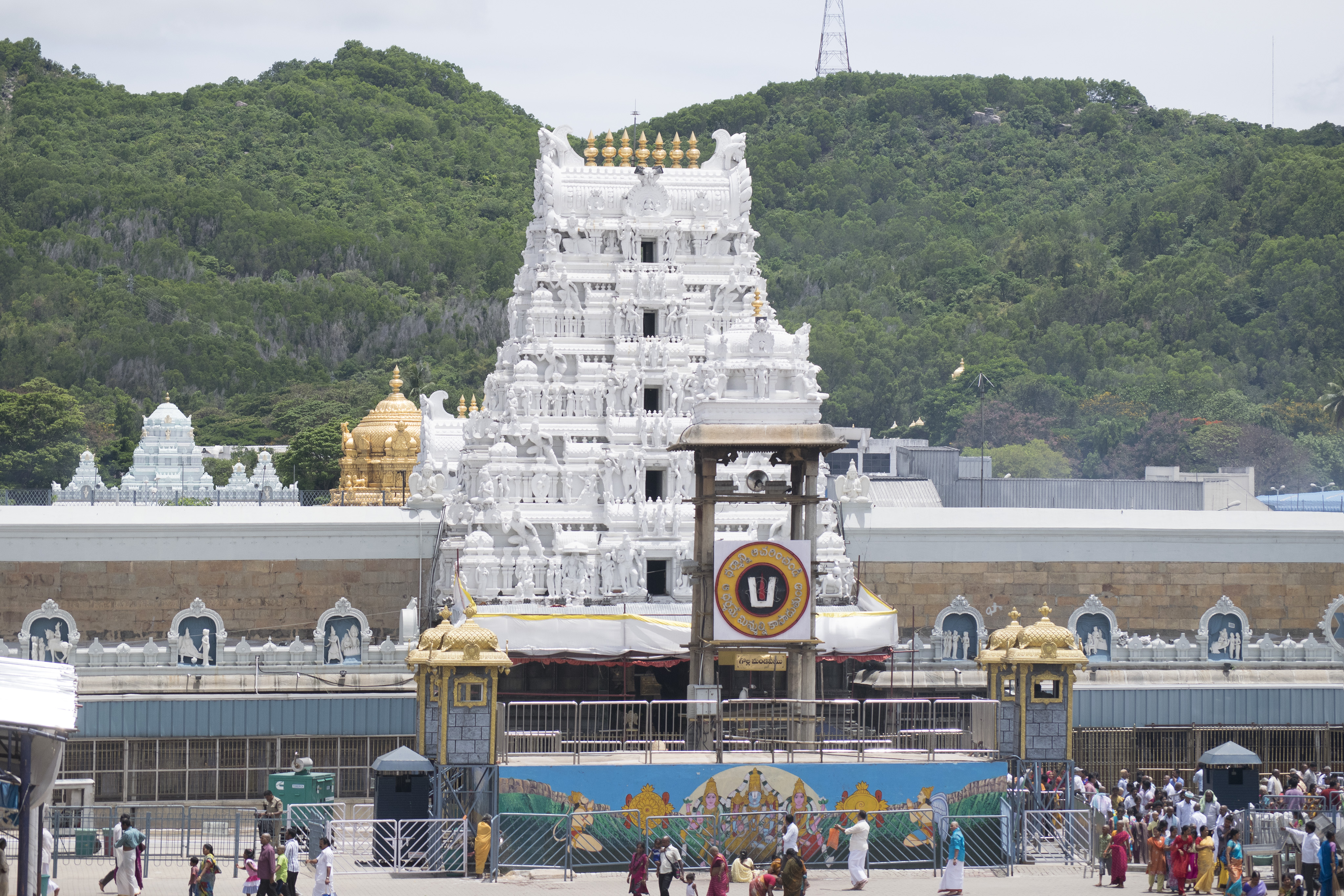
During our recent trip to India, my father wanted to visit my family’s ancestral temple or Kuladevta. A Kuladevta is is a clan deity or an ancestral tutelary deity in Hinduism and Jainism. Such a deity is often the object of one’s devotion and is coaxed to watch over one’s clan, gotra, family, and children from misfortune. This is distinct from an ishta-devata or personal tutelar and a grama devata or village deity. Male kula devatas are sometimes referred to as kuladeva, while their female counterparts are called kuladevi. The word kula devata is derived from two words: kula, meaning clan, and devata, meaning deity, referring to the ancestral deities that are worshipped by particular clans.

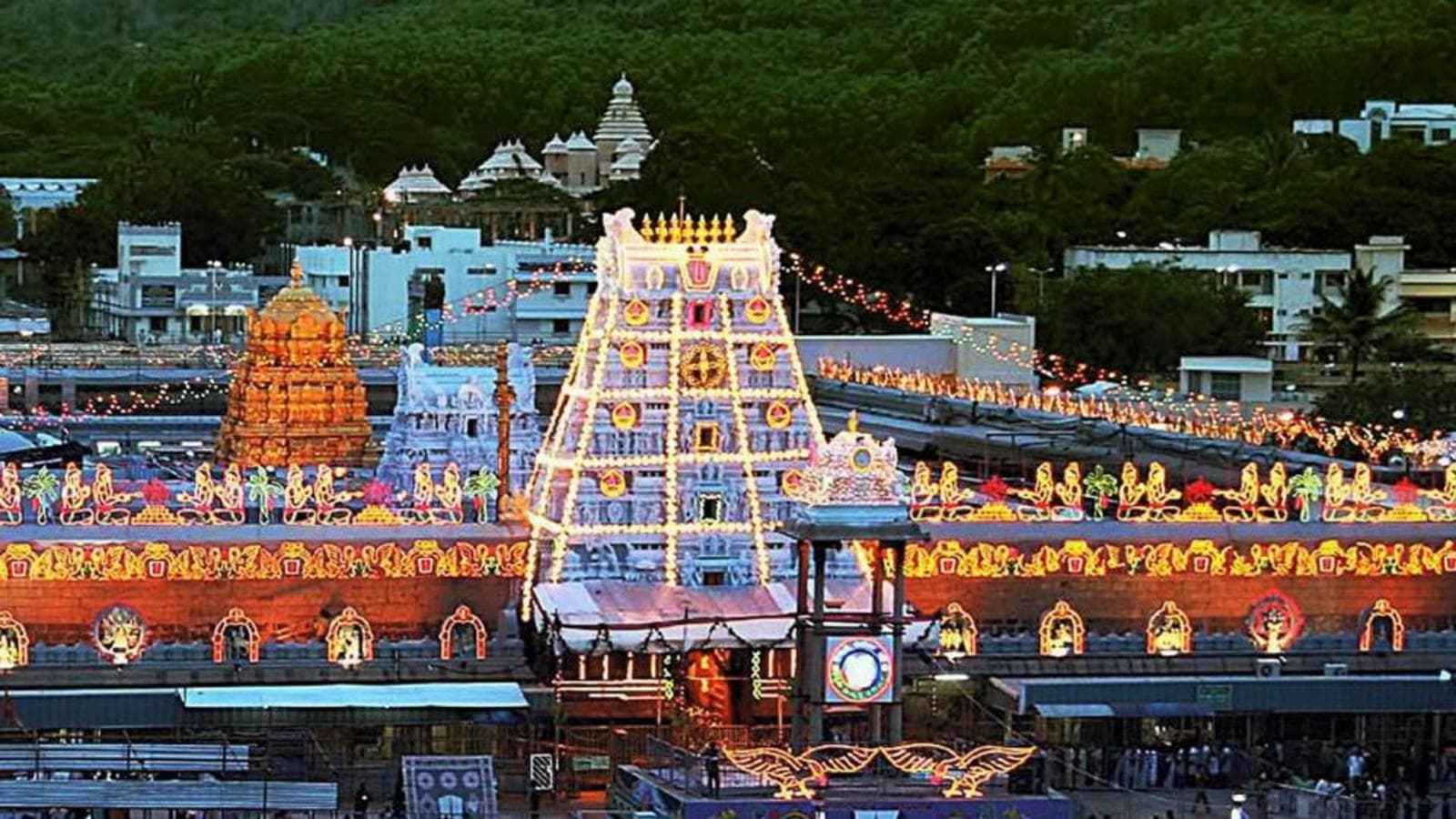
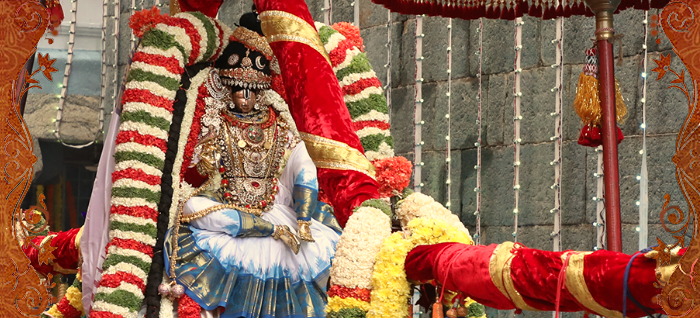
In my father’s family, Tirupati Balaji is the kuladevta and so he wanted to make one last trip to see the Lord before he becomes unable to travel at all. Tirupati is about 280 km from where they live on the outskirts of Bengaluru and we decided to hire a car with a driver to take us there. The driver was very experienced and since he usually makes at least three trips to Tirumala and Tirupati weekly, he knew all the ins and outs of the temple and was able to guide us accordingly.

By the time we left Bengaluru, it was almost 7 am and it took us almost two hours to navigate the city and get into the Bengaluru-Tirupati Highway. The highway, especially the part that falls in the state of Andhra Pradesh was a super smooth six-lane highway with extremely good roads that could be driven at 100 kph. For those travelling from Bengaluru to Tirupati, I can recommend Hotel Sapthagiri as a rest stop for lunch or brunch. We stopped here both ways and I found the food good and reasonable, and most importantly during a road trip, the restrooms are clean and useable. Travelling from Bengaluru to Tirupati, the restaurant is on the side towards Tirupati and comes just after the toll plaza and is about 30ish minutes before Tirupati. We had breakfast before leaving home and stopped there around 10:30 am for an early lunch or brunch.

After a brunch stop, we continued on our journey and then I had my first surprise. On reaching the town of Tirupati, at the turn-off to Tirumala, we saw many people in other vehicles getting down with their luggage and walking. I was very curious but realised very soon that, just like you clear customs and immigration when you go from one country to another, just like that, before entering Tirumala, you need to get out of your vehicle, carry all your luggage and get them scanned, before getting a pat-down. While this is going on, your vehicle also gets a scan and then once everyone and everything is cleared, you are allowed to sit back in your vehicle and start the journey up the seven hills. Since my parents were old, they were allowed to remain in the car and were scanned along with the vehicle. This whole process reminded me of clearing customs in Singapore and Malaysia when we travel between the two countries by public transport. Tirumala is also a plastic free zone and our driver told us that plastic water bottles are asked to be binned at this point. But our bottles went through, though it may be because they were not single use bottles. From the time we reached the checkpoint to the time we were allowed to resume our journey, it took us about 20-25 minutes. According to our driver, this was the off-season and during the peak season, this process can easily take an hour or more.

The time taken from the checkpoint to Tirumala takes about 30 minutes and once at the top, we went to leave my parents to a special senior citizens queue. We had gotten the agency that supplied us with the car and vehicle to get us special tickets for my parents under the senior citizen scheme and for us under the NRI scheme. But don’t think this meant we got special privileges. The cost of all the tickets was Rs 300 each and all this meant was that we were in a different line and instead of spending about five hours, we spent about three hours in the line. This queue is also available to others and most of the people in the line with us looked to be locals, so I am not sure how we were in a special line.

After dropping off my parents, we went to secure our room. An aunt’s friend who is a frequent temple visitor got us one room, but we were six people and the second room was only available from midnight. After securing the room, we were dropped off for our darshan queue.

All the temples we visited are electronic-free zones and we had to leave our phones in the car with the driver. At some point in the line, our bags were scanned and there was a power bank in my bag that I forgot to remove. I was asked about it and when I explained that there are no phones in the bag, a senior official was called and even though I was thinking of giving up the power bank if needed, they allowed me to keep it. But the problem with not having any mobile phones during the darshan meant that after we came out, we needed to get access to a phone to call the driver. But according to him, most employees are more than happy to share their phones with us and this is what happened to us. While getting the famous laddoos, we asked someone working there if we can use their phone and they obliged. And this was useful because we were looking for my parents and after speaking to the driver, we learnt that they were already in the vehicle.

After the darshan, we reached our room which was on the second floor. This was a problem because there was no lift and my father who was already exhausted by this point could not walk up. After trying to reason with the person giving the keys to the guest house, we tried to get him to walk up, but after seeing him, another employee got the first employee to speak with the main booking office and finally shifted us to a room on the ground floor. After resting for a while, we adults went out because my father wanted to do a hair tonsure which is free. The barbers ask for some money which we are supposed to give discreetly because the room is fitted with CCTV cameras and there are signs which remind pilgrims not to pay the barbers as they are salaried. After that, we brought some food and went back to a room that was meant for three people, but was going to sleep six people now. The guest house refused to give us an extra mattress or even extra pillows or sheets, so we made do with what was available.

Tirumala is incredibly clean and where we stayed was close to some houses, where even at 9 pm, we saw women washing their doorsteps and putting rangoli which seemed odd to us as usually this is only done first thing in the morning. Also there are RO water machines everywhere and pilgrims can refill their water bottles throughout the temple complex. We spent a sleepless night except for the children who shared a bed and we four adults shared the double bed. After the sleepless night, we woke up early and after getting some coffee, left the room around 6:45 am to go to our next temple, the Padmavati temple.

Please watch this space for Part 2 where we visit two more temples.

Festivals of India: Moatsu Festival

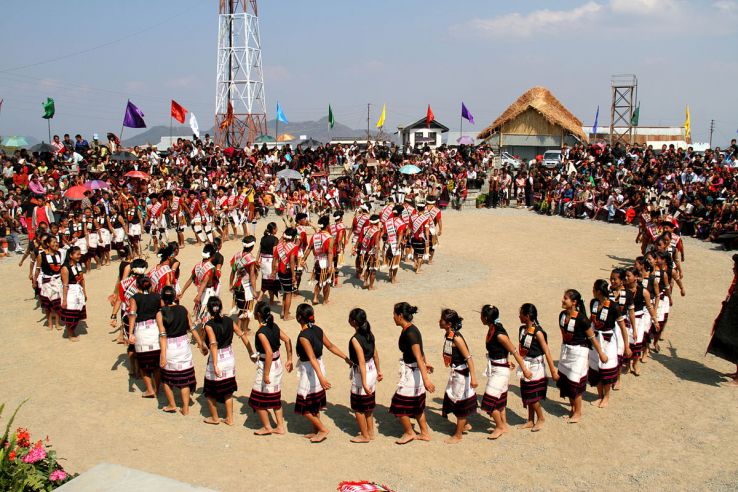
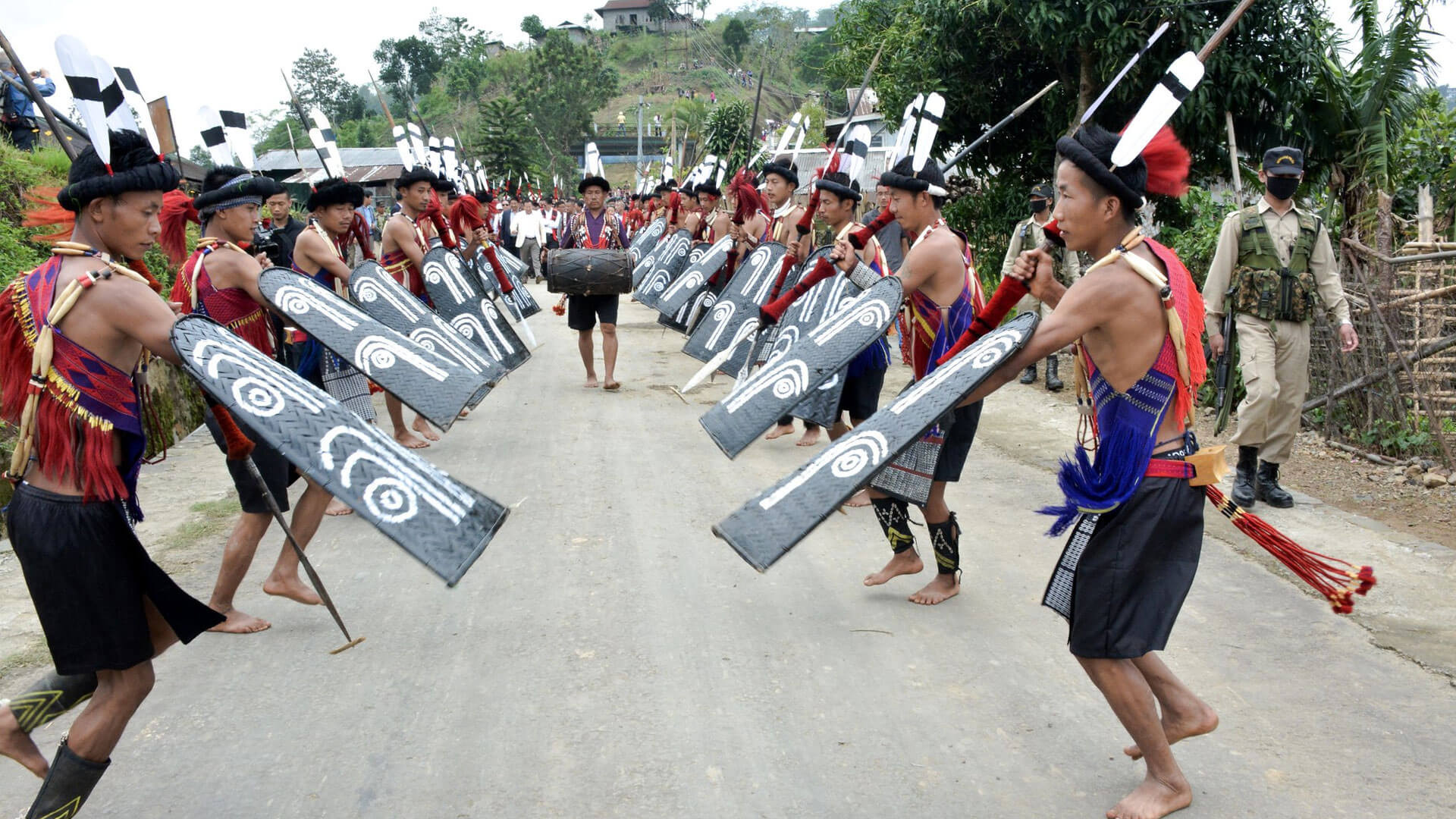
Celebrated by the Ao people of Nagaland, the Moatsü festival is celebrated in the first week of May every year with various rituals performed during this period. The Moatsu Festival is one of the most popular and significant festivals celebrated by the Naga tribe and is a time of great joy and celebration.

The Moatsu Festival is a harvest festival, and it is celebrated after the sowing season is over. The festival provides them with a period of recreation and entertainment after the stressful work of clearing fields, burning jungles, sowing seeds, cleaning up the Tsubu or wells and repairing and constructing houses by the elders of the Putu Menden or the village council, that stretches over a week. The festival also is the beginning of marriages in spring and the ploughing of old and new Jhum fields. The Moatsü festival which runs for three days from 01 to 03 May is marked by peppy songs and dances and is full of merrymaking and fun. The festival aims to invoke the blessings of the almighty after the completion of sowing. During the festival, the villagers come together to clean the village and the surrounding areas, as they believe that this will bring good luck and prosperity to their village.

During this festival, one of the symbolic celebrations is Sangpangtu, where a big fire is lit and men and women sit around it putting on their complete best attire, the womenfolk serve the wine and meat. The village witch doctors forecast whether good or evil days are awaiting the people and the village by the readings of the celebration.

The first day of the festival is known as the ‘Likhümthi’, which means the day of the cleaning of the village. On this day, the villagers clean their houses, the streets, and the village common areas. They also decorate their homes with flowers and other decorations to welcome the guests who will visit their homes during the festival. The second day of the festival is known as ‘Moatsu proper’. On this day, the villagers wear their traditional costumes and gather at the village ground to perform various cultural activities. The men and women dance together, sing traditional songs, and play various musical instruments. The Ao people are known for their traditional warrior dances, which are performed during the festival.

The third and final day of the festival is known as ‘Tsuru Nyekha’, which means the day of feasting. On this day, the villagers prepare traditional dishes and invite their friends and relatives to their homes for a feast. The feast includes a variety of dishes, including smoked pork, dried fish, bamboo shoot, and various other delicacies. The feast is a time for the villagers to bond and strengthen their relationships.

During the festival, one of the symbolic celebrations is Sangpangtu where a big fire is lit and women & men sit around it. The best women serve the best wine and meat and make merry. The forecast is made by the righteous men who live by the guidance of the Almighty to see whether good or evil days are awaiting the people.

The Moatsu Festival is not just a time for celebration, but it is also a time for the Ao people to reinforce their cultural identity. The festival is an opportunity for the villagers to showcase their traditional arts and crafts, such as weaving, wood carving, and beadwork. The festival is also an occasion for young people to learn about their cultural heritage and the traditions of their ancestors.

Source

The Moatsu Festival has a deep spiritual significance for the Ao people when they offer prayers to their gods and goddesses for a bountiful harvest and good health. The Ao people believe that their gods and goddesses will bless them if they perform the festival with sincerity and devotion. The Moatsu Festival is also a popular tourist attraction with many tourists visiting Nagaland during the festival to experience the rich cultural heritage of the state. In conclusion, the Moatsu Festival is a time of great joy and celebration for the Ao Naga tribe in Nagaland, India. It is a time for the villagers to come together and celebrate their cultural heritage. The festival is a time for the Ao people to give thanks to their gods and goddesses for the bountiful harvest that they have received. The festival is not just a time for celebration, but it is also an opportunity for the villagers to reinforce their cultural identity and showcase their traditional arts and crafts. The Moatsu Festival is a unique festival that showcases the rich cultural heritage of the Ao people and is a must-visit for anyone interested in learning about the customs and traditions of the Nagas

Festivals of India – Shirui Lily Festival

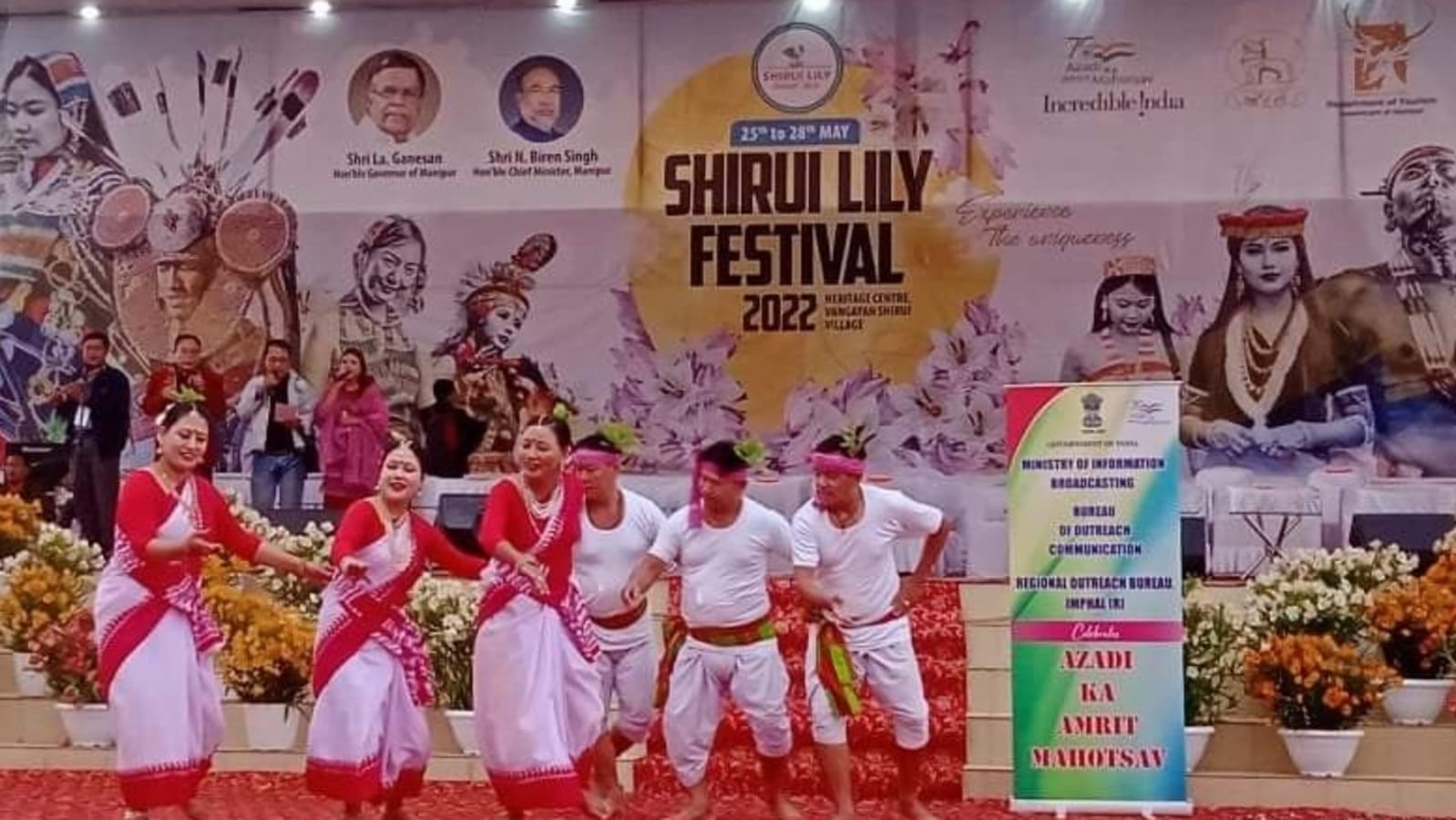
The Shirui Lily Festival celebrates the state flower of Manipur and is part of the state’s efforts to develop and implement sustainable and responsible tourism in the state and also to save and increase awareness about the endangered species of Manipur’s Shirui Lily found only in the Shirui Hills. The festival is organized every year around April-May. The 5th edition of the festival will take place between 17 to 20 May at Ukhrul.

In celebration of the stunning and rare Shirui Lily, a beautiful flower that grows only in the region of Shirui Hill in Manipur, the festival is a celebration of the beauty and richness of the local culture and attracts tourists from all over the world to this region.

The festival starts with a parade through the streets of the city, with participants dressed in traditional attire, dancing and singing to the beat of the drum. The parade is led by the Queen of the festival, who is usually a local girl selected for her beauty and grace. The Queen is adorned with a crown made of Shirui Lily, which is a symbol of her royalty and is considered a great honour.

The Shirui Lily grows on top of the Shirui hills in Manipur and cannot be replanted anywhere else in the world. It fills the air with its pleasant fragrance during the blooming season. The festival is observed to spread awareness and conserve the endangered state flower.

Climbing the Shirui hills is one of the most interesting treks in Manipur and a chance to see the rare flower. It is the ultimate treat for nature and adventure lovers.

One of the most fascinating aspects of the Shirui Lily Festival is the display of the Shirui Lily. The flower is considered a symbol of purity and beauty and is used extensively in various rituals and ceremonies. During the festival, the flower is displayed in various forms, such as garlands, bouquets, and arrangements, and is admired by tourists and locals alike. Another highlight of the Shirui Lily Festival is the traditional music and dance performances. The local folk dances, such as the Rasa Dance and the Khamba-Thoibi Dance, are performed with great passion and enthusiasm. The music, which is accompanied by instruments such as the pena and the drum, is a fusion of traditional and contemporary styles and creates a unique and mesmerizing sound.

In addition to the cultural events, the Shirui Lily Festival is also a time for people to come together and enjoy the delicious local cuisine. Events during the festival include live music concerts, folk performances, traditional dances, indigenous games and competitions, art and handicraft exhibitions, ethnic food eateries and various adventure activities like camping, biking and a lot more. Shirock, the musical extravaganza of live music concerts and competitions is one of the major highlights of the festival that attracts a large number of crowds not only from different corners of the state, and even from neighbouring states.

The Shirui Lily Festival is not just a celebration of the beauty of the Shirui Lily, but it is also a celebration of the local culture and heritage. Visitors to the festival can experience the traditional way of life of the people of Manipur, and learn about their customs, traditions, and beliefs. The festival is a time for people to come together and celebrate the richness of their culture and to share it with others.

One of the most unique and exciting aspects of the Shirui Lily Festival is the opportunity to trek to Shirui Hill, where the Shirui Lily grows in abundance. This trek is a challenging but rewarding experience, as visitors can admire the breathtaking beauty of the region and see the Shirui Lily in its natural habitat. The trek is also a great opportunity for adventure enthusiasts, as the route is surrounded by stunning natural scenery and offers a glimpse into the rich and diverse flora and fauna of the region.

In My Hands Today…

The Other Side of Silence: Voices from the Partition of India – Urvashi Butalia

The partition of India into two countries, India and Pakistan, caused one of the most massive human convulsions in history. Within the space of two months in 1947 more than twelve million people were displaced. A million died. More than seventy-five thousand women were abducted and raped. Countless children disappeared. Homes, villages, communities, families, and relationships were destroyed. Yet, more than half a century later, little is known of the human dimensions of this event.

In The Other Side of Silence , Urvashi Butalia fills this gap by placing people—their individual experiences, their private pain—at the center of this epochal event.Through interviews conducted over a ten-year period and an examination of diaries, letters, memoirs, and parliamentary documents, Butalia asks how people on the margins of history—children, women, ordinary people, the lower castes, the untouchables—have been affected by this upheaval.

To understand how and why certain events become shrouded in silence, she traces facets of her own poignant and partition-scarred family history before investigating the stories of other people and their experiences of the effects of this violent disruption. Those whom she interviews reveal that, at least in private, the voices of partition have not been stilled and the bitterness remains.

Throughout, Butalia reflects on difficult questions: what did community, caste, and gender have to do with the violence that accompanied partition? What was partition meant to achieve and what did it actually achieve? How, through unspeakable horrors, did the survivors go on? Believing that only by remembering and telling their stories can those affected begin the process of healing and forgetting, Butalia presents a sensitive and moving account of her quest to hear the painful truth behind the silence.