Thirusemponsaikoil Temple, Thirunangur, Tamil Nadu
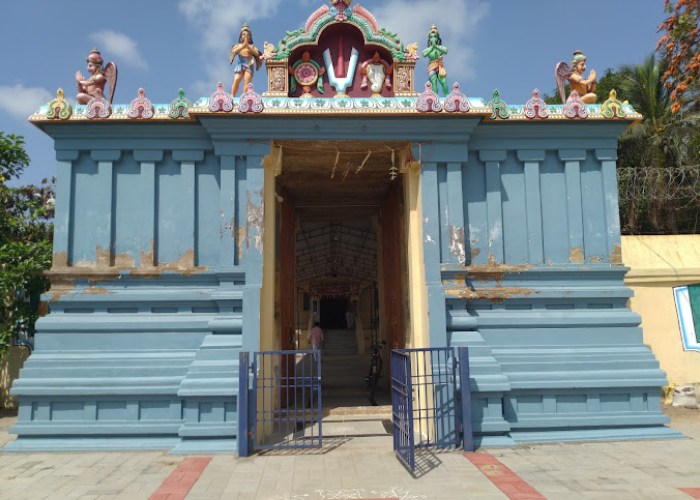
Thirunangur in Tamil Nadu is home to eleven Divya Desams, each with its own mythology and emotional texture. These temples sit close to one another, bound by the same ancient story of Shiva’s grief and Vishnu’s balancing presence. Among these shrines stands Thirusemponsai Koil, dedicated to Perarulalan Perumal and Allimalar Nachiyar. This temple is known for the idea of divine gold, not material gold, but the golden quality of kindness, purity and renewal. The name Sempon means “pure gold,” signalling a place where devotees come to regain a sense of inner brightness. The temple is small and peaceful, settled within the quiet lanes of Thirunangur. Its calm atmosphere reflects the steady softness of the deity it houses.
The core mythology of the Thirunangur temples follows the same thread. After the death of Sati, Shiva was overwhelmed with sorrow and performed the fierce Rudra Tandava in this region. Each time his locks hit the ground, eleven forms of Shiva manifested. The intensity shook the land, and to balance this divine energy, Vishnu appeared in eleven forms, each one calming and stabilising the world. Thirusemponsai Koil is one of these eleven forms of Vishnu.
Local tradition says that this temple was created from gold donated by the gods themselves. The gods approached Vishnu seeking protection from disturbances caused by negative forces. Vishnu agreed and asked them to build a temple from golden materials as a sign of unity and devotion. Because of this, the place came to be known as Semponsei or the temple made of fine gold. While the physical temple today is granite, the “gold” represents sacred value, not wealth. The mythology emphasises inner renewal. Many believe that devotees who feel dulled, tired or emotionally drained regain brightness by praying here. The idea is not dramatic; it is gentle, like the slow restoration of colour after a long period of emotional fatigue. As with all Thirunangur temples, Thirumangai Alvar composed hymns praising this shrine. In his verses, he compares the deity’s grace to gold: steadfast, pure and unchanging. This poetic imagery shaped the temple’s identity and contributed to its Divya Desam status.

Though modest in scale, Thirusemponsai Koil carries deep historical roots. The Chola kings, who ruled much of the Tamil region, are believed to have supported the construction and upkeep of the temple. The structural style reflects early Chola influence, including a compact sanctum, simple granite base, and a clear, functional layout. Unlike large temples that received continuous royal patronage, the Thirunangur shrines were maintained mostly at the community level. Local families contributed land, lamps and offerings to ensure daily worship continued. Inscriptions related to nearby Thirunangur temples show donations of rice, ghee and land for conducting regular pujas. It is likely that Thirusemponsai Koil enjoyed similar support. During the Nayak period, the mandapam and outer walls were reinforced, adding stability to the structure without altering its essential simplicity. Today, the temple stands as part of a living heritage, preserved through devotion rather than grand architecture.
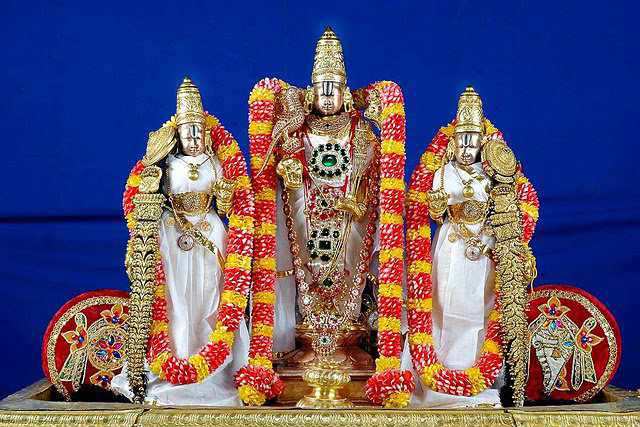
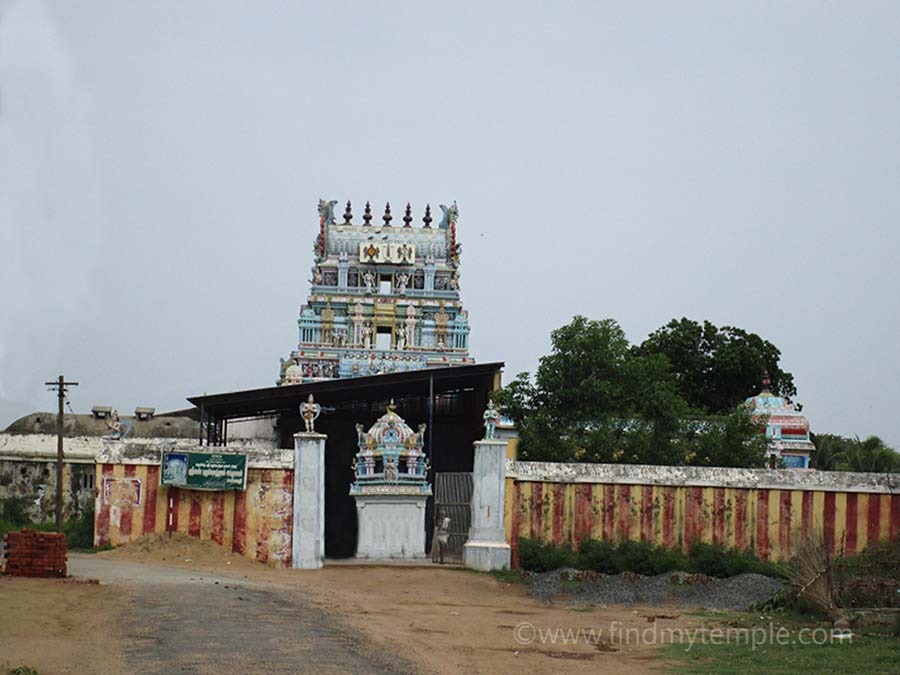
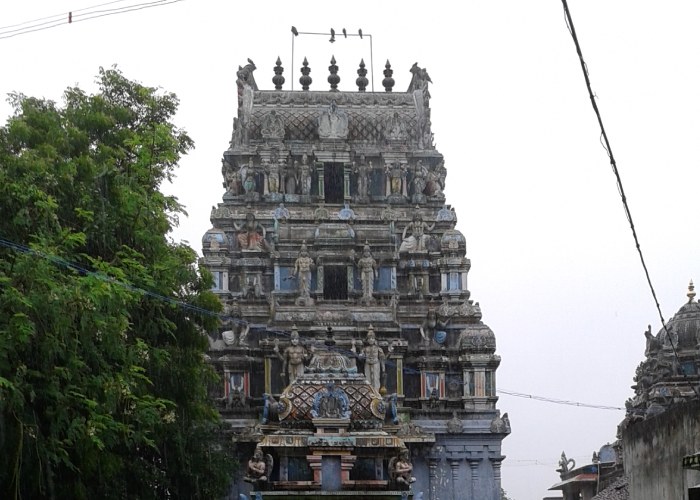
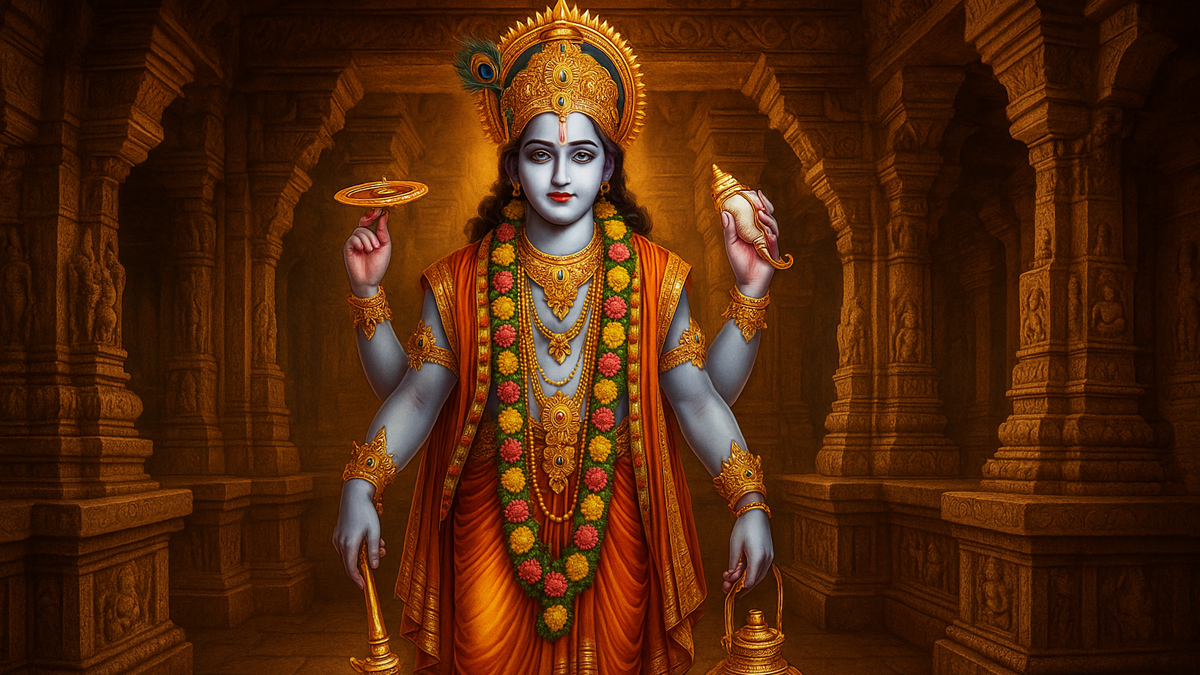
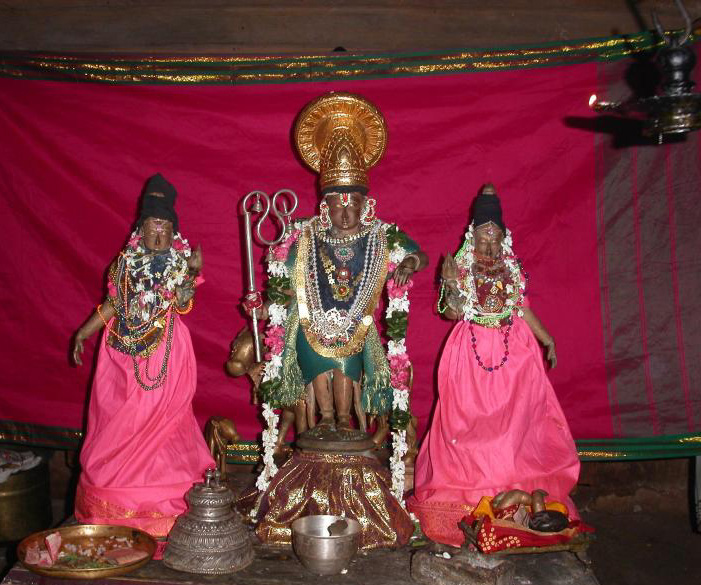
The temple follows the characteristic Thirunangur style: compact, practical and inviting. The entrance has a small gopuram that leads into a simple courtyard. Key architectural features include a short mandapam supported by granite pillars, basic carvings of lotus and yali motifs, stone floors that stay cool throughout the day, a tight circumambulatory path for a quick pradakshina, a small shrine for Thayar, and space for festival processions. The main deity is Perarulalan, meaning “the generously giving one.” He stands facing east, holding the conch and discus. The idol represents steady divine presence: calm, firm and protective. The golden association is metaphorical, and the deity embodies that concept through his name and posture. The goddess’s shrine is located near the sanctum. Allimalar Nachiyar represents gentle compassion. Her presence brings emotional balance to the temple, softening the protective stance of the main deity. The temple once had golden colouring on parts of its structure, according to local accounts. While the gold has long since faded, the idea remains alive through the stories and hymns. A small temple tank nearby is used during festival rituals. The water body adds an element of calm to the surroundings. The architectural simplicity keeps the focus on the deity rather than the structure.

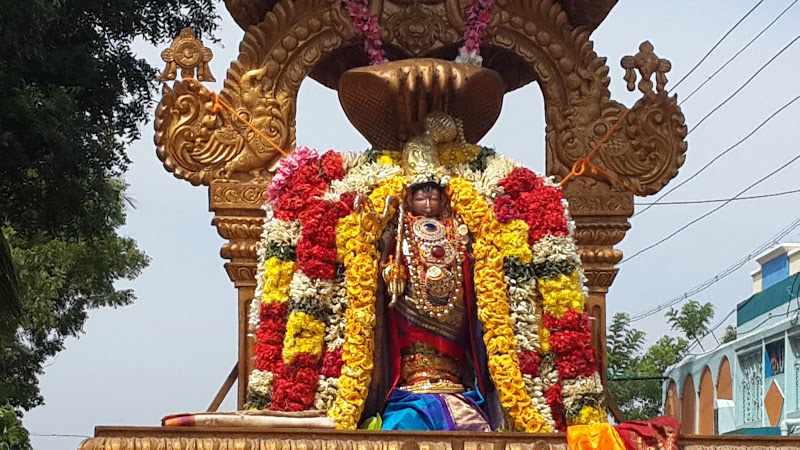
Worship here is direct and unhurried. The daily rituals follow standard Vaishnavite procedure. The day starts with the Suprabhatam in the early morning, followed by the Thirumanjanam or abhishekam, then Alankaram with flowers, Neivedyam and last, the evening worship with lamps. Even during festivals, the temple maintains a sense of order and calm. Major festivals include the Thirunangur Garuda Sevai, Vaikunta Ekadasi, Brahmotsavam, Purattasi Saturdays, Sri Rama Navami, and Krishna Jayanthi. The most significant festival is the Garuda Sevai, when all eleven Vishnu deities from the Thirunangur temples are brought together on Garuda vahanams. This event draws thousands of devotees. Thirusemponsai Koil’s deity participates in this iconic gathering, and the recitation of Alvar hymns creates an atmosphere that is emotionally powerful. Because the temple is tied to gold and renewal, devotees often pray here for emotional recovery, stability after setbacks, strength during tiring phases of life, and inner brightness after prolonged stress. Offerings usually include butter lamps, tulsi garlands and small bags of rice. Worship is accessible and uncomplicated.
Reaching Thirusemponsai Koil is straightforward from Sirkazhi. The entire Thirunangur region feels like a spiritual neighbourhood: quiet lanes, fields, clusters of houses and a slow-moving rhythm. The temple blends into the village landscape. Its entrance is simple, and there are no long queues except during major festivals. Inside, the atmosphere is quiet. The sanctum is close to the doorway, giving an immediate sense of presence. The stone floors are cool, the air carries the scent of sandalwood paste, and the chanting from the sanctum is soft. Pilgrims usually visit all eleven Thirunangur temples in a circuit. Thirusemponsai Koil stands out because of its golden association. Many people say the temple feels subtly uplifting, like stepping into light after a dim few days. Tea stalls and small flower vendors near the temple provide basic support. There is almost no commercial activity, which keeps the mood natural and grounded. Thirusemponsai Koil holds an important place in the cultural memory of the region. The concept of “gold” in Tamil literature often symbolises purity, clarity and strength. This temple reinforces those ideas.
Thirumangai Alvar’s verse sits at the heart of the temple’s identity. His hymns describe Perarulalan’s grace as golden: clean, unwavering and full of promise. These verses are recited during festivals, household ceremonies and temple gatherings. The temple has become part of a cultural framework around emotional renewal. Elders encourage younger people to visit this temple when exhausted or after long struggles. The message is that the temple restores the “gold” within, the steady inner light that may have dimmed. For the people of Thirunangur, this temple is not just a shrine. It is part of the village’s identity. The stories of gold and divine presence shape local customs, advice and small rituals practised at home.
The temple continues to function with daily pujas and periodic renovation efforts. Though small, it remains steady and well-maintained. Recent improvements include repainting parts of the structure, strengthening the mandapam pillars, cleaning the temple tank, and repairing the outer wall. Social media and Divya Desam travel blogs have increased awareness of the Thirunangur temples. Younger devotees now visit more often, taking the opportunity to complete all eleven temples in one trip. Despite this growing visibility, the temple has preserved its calm atmosphere. Worship remains simple, honest and accessible. Its theme of emotional brightness and renewal resonates strongly in modern life, where many people feel drained or overwhelmed. Perarulalan Perumal’s identity as the “golden one” feels especially relevant—symbolising hope that returns even after difficult phases.
Thirusemponsai Koil stands as one of the gentler Divya Desams in Thirunangur. Its mythology connects Vishnu to the idea of gold: steady, pure and uplifting. The shrine’s small size creates a feeling of closeness, and the deity’s presence feels calm and reassuring. The temple’s connection with renewal makes it emotionally significant. Devotees come here not for grandeur, but for a sense of inner brightness returning. With its simple architecture, daily worship and deeply rooted traditions, Thirusemponsai Koil offers a quiet spiritual anchor within the Divya Desam network. Among the eleven temples born from Shiva’s grief and Vishnu’s balancing presence, Thirusemponsai Koil represents gentle recovery—the return of light, clarity and strength.

Thirumanimadakoil Temple, Thirunangur, Tamil Nadu
Thirunangur in Tamil Nadu is home to eleven small but powerful Divya Desams, each tied to the same ancient story of Shiva’s grief and Vishnu’s appearance in multiple forms. These temples sit close together, forming a compact spiritual landscape. Among them stands Thirumanimadakoil, dedicated to Narayanan Perumal and Pundarikavalli Thayar. This temple’s name carries the idea of a crystal tower where mani means gem or crystal, and madam means elevated structure or tower. Symbolically, it represents clarity, stillness and the ability to see things as they are. Thirumanimadakoil is known as a place where the mind settles, and where the fog of confusion begins to lift.
The Thirunangur temples all arise from one shared origin story. After the death of Sati, Shiva’s overwhelming grief triggered the fierce Rudra Tandava. With each thundering movement, eleven expansions of Shiva** emerged across this region. The earth trembled under this energy, and the gods prayed for relief. Responding to their plea, Vishnu appeared in eleven forms, each one calming one of Shiva’s manifestations. These eleven Vishnu forms became the eleven Divya Desams of Thirunangur.
For Thirumanimadakoil specifically, the legend says that Vishnu manifested here in a radiant, crystal-like form. The idea of the crystal tower is symbolic: clarity, transparency and lightness. Local tradition holds that whoever worships here gains mental clarity and emotional steadiness. Another small myth says that long ago, a devotee struggled with indecision and turbulent thoughts. Vishnu appeared to him in this place in a form that was clear and luminous, like a shining gem. The devotee’s confusion dissolved, and he understood the path he needed to take. This simple story shapes the temple’s emotional identity: a place where cluttered thoughts settle.
Thirumangai Alvar visited the temple and composed verses describing the deity as one of gem-like brilliance. He portrayed Vishnu as a steadying force: not dramatic, not overpowering, but quietly illuminating. His hymn anchors the temple in the Divya Desam tradition. Thirumanimadakoil, like the other Thirunangur shrines, carries traces of the Chola period. The structural design: compact sanctum, simple pillars, granite base, reflects early Chola architectural patterns common in rural shrines. The temple likely received support from local chiefs and landowners rather than major kings. Inscriptions found in neighbouring temples mention land donations, oil endowments for lamps and small grants for festivals. Although fewer inscriptions survive in this temple, it is assumed to have been part of the same devotional ecosystem. During the Nayak era, small renovations were made to reinforce walls, add mandapams and support pathways. These changes prioritised functionality rather than elaborate decoration. Across generations, families in Thirunangur maintained the temple through daily worship, festival traditions and oral storytelling. The temple has endured because of continuity, not scale.
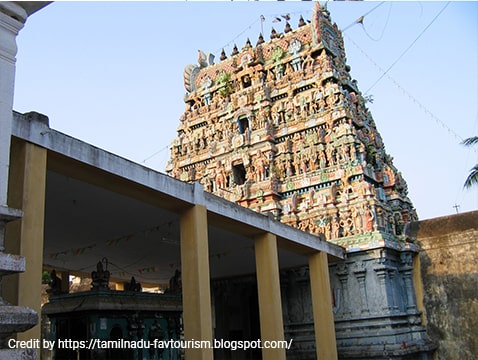
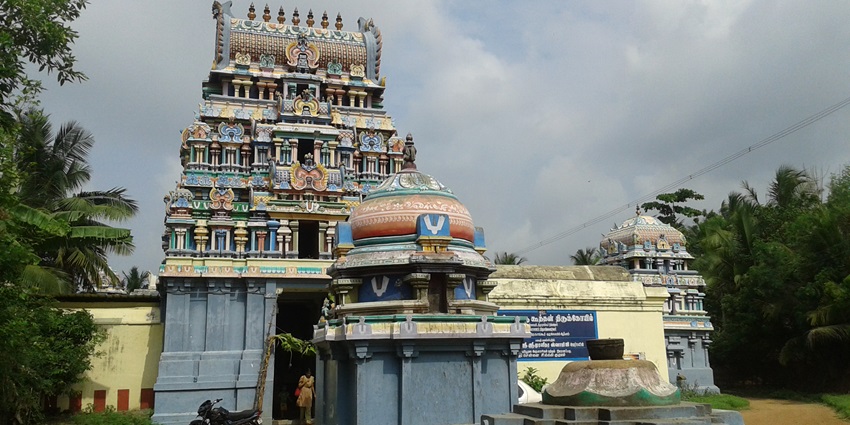
Thirumanimadakoil is simple and compact, like most Thirunangur Divya Desams. The architectural style is minimal but purposeful. Key features include a small entrance gopuram, a short mandapam supported by granite pillars, unadorned stone floors, a compact sanctum where the deity resides, a circumambulatory path, and a separate shrine for Thayar. The temple’s simplicity reflects its symbolic meaning: clarity free from unnecessary ornamentation.
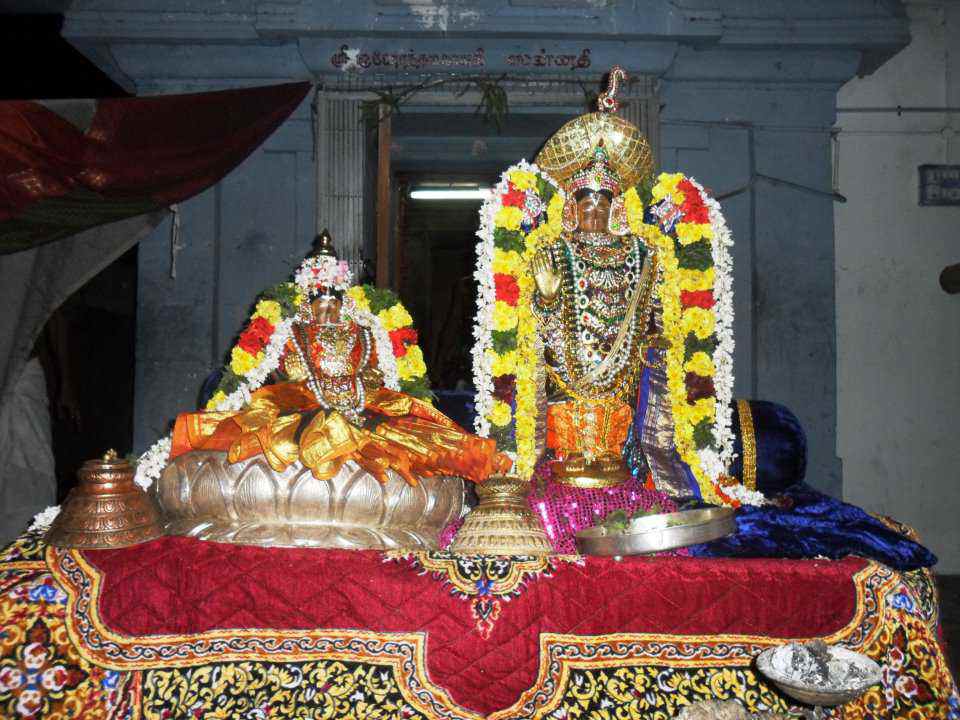
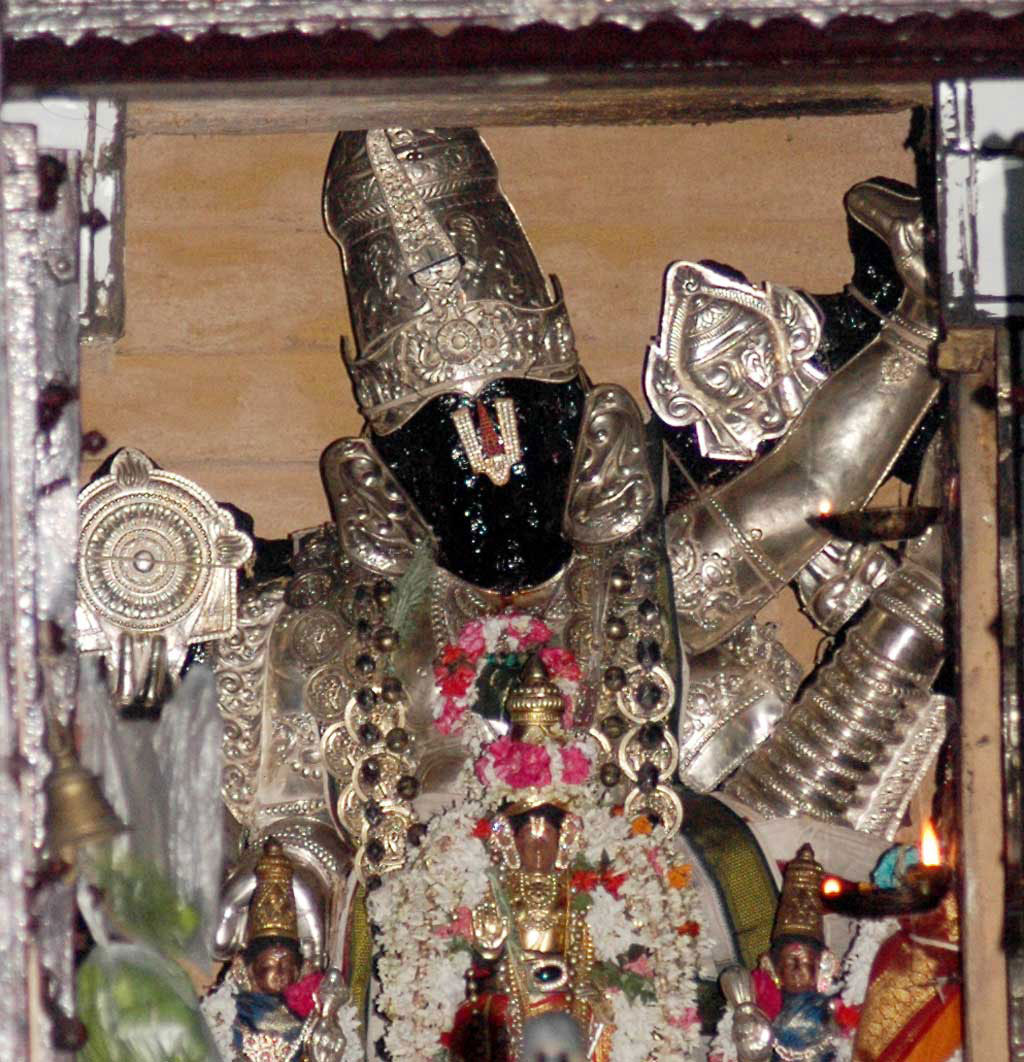
The main deity, Narayanan, stands facing east. The idol is serene, with a calm expression. The posture conveys stability and assurance without heaviness. The deity’s presence reflects the temple’s crystal clarity symbolism: quiet illumination rather than force. The goddess’s shrine stands near the sanctum. Her presence adds warmth, softening the temple’s cool tone. Devotees often pray to her for emotional steadiness, especially during times of transition. Though the physical temple is granite, ancient lore says the original vision of the temple appeared to sages like a tower made of shining crystal. This imagery remains central to the temple’s identity. A small temple tank nearby plays a role during ceremonial rituals, though it is not as prominent as in other temples. The architecture keeps the focus on the experience rather than the structure.
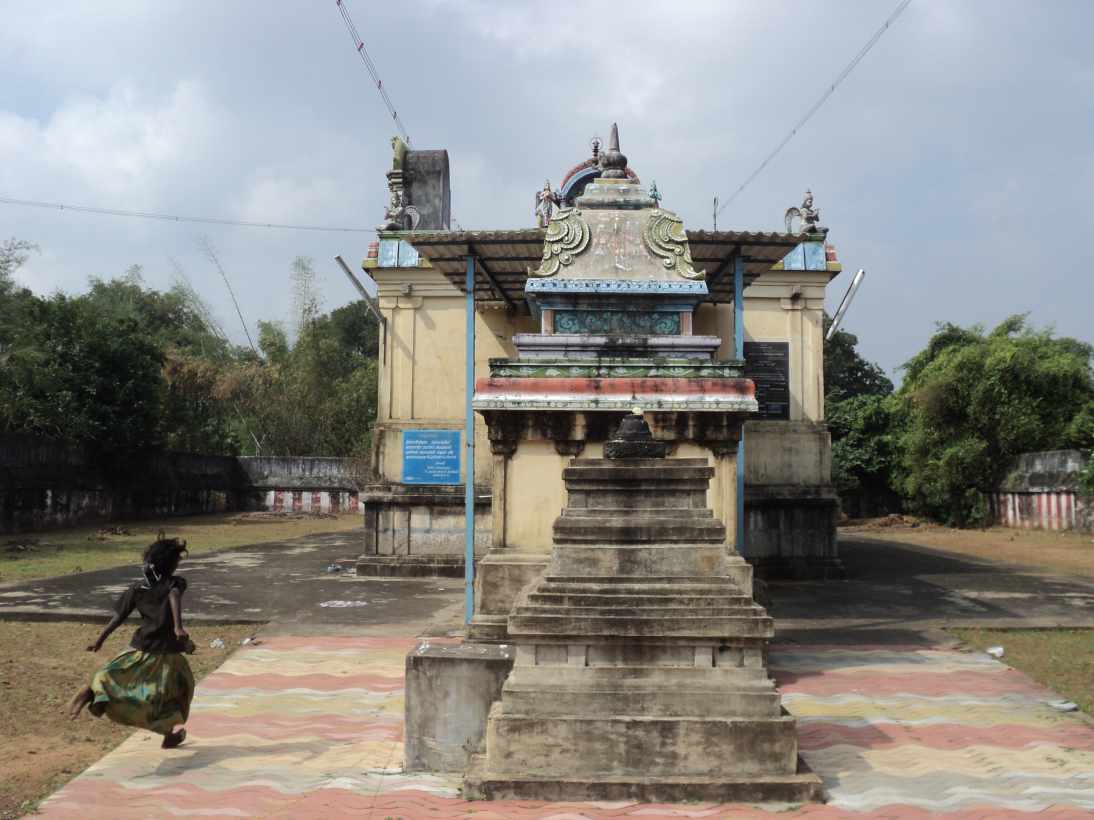
The temple follows a standard Vaishnavite worship pattern, with rituals performed in a calm and unhurried way. Daily pujas include Suprabhatam, Thirumanjanam, Alankaram with flowers, Neivedyam, and evening lamp worship. The chanting inside the temple carries softly, giving the shrine a contemplative mood. Major festivals here are the Thirunangur Garuda Sevai, Vaikunta Ekadasi, Brahmotsavam, Purattasi Saturdays, Krishna Jayanthi, and Rama Navami. The Garuda Sevai is the central attraction. All eleven Vishnu deities from the Thirunangur region are brought together on Garuda vahanams. Devotees follow the procession from temple to temple, reciting the Divya Prabandham. Thirumanimadakoil becomes part of this living tradition, and the festival keeps the temple strongly connected to the region’s cultural identity.
Because the temple is associated with mental clarity, devotees come here when they are facing difficult decisions, recovering from emotional confusion, entering new life stages, or seeking peace after prolonged stress. Worship remains straightforward: small lamps, fresh flowers and simple prayers. There is no sense of pressure or ritual complexity.
A visit to Thirumanimadakoil usually begins with a ride through the fields and narrow lanes around Thirunangur. The atmosphere is unhurried, with quiet stretches of farmland and clusters of village homes. The temple blends seamlessly into this landscape. There are no imposing structures or heavy crowds except during festival days. Inside, the temple feels peaceful. The sanctum is close to the entrance, giving the impression of an immediate connection to the deity. Pilgrims often sit in the mandapam after darshan to reflect or simply enjoy the stillness. The cool stone floors and gentle chant sounds create a grounding experience. Pilgrims visiting all eleven Thirunangur temples often say Thirumanimadakoil feels softer and mentally refreshing. It serves as a quiet pause in the middle of the circuit. There are few shops around, mostly flower stalls and small tea stands. The experience remains close to its rural roots.
Thirumanimadakoil occupies a clear place in the cultural heart of Thirunangur and Vaishnavite tradition. Thirumangai Alvar’s hymn is central to the temple’s cultural identity. He compares the deity’s clarity to a bright gem: simple, luminous and emotionally uplifting. Families in the region tell stories of devotees who regained clarity after praying here. Parents often bring their children before exams or important decisions, reinforcing the idea that the temple sharpens focus. During the annual festival, the entire region comes alive. Traditional musicians, reciters and villagers fill the area with songs from the Divya Prabandham. This event keeps the temple culturally vibrant and ensures that the stories continue across generations. The temple has shaped local cultural values around calm thinking and measured action. The idea of the “crystal tower” has become part of the emotional vocabulary of the region.

Today, the temple functions smoothly with daily pujas, festival routines and periodic renovations. Recent improvements include repainting sections of the structure, reinforcing the mandapam pillars, repairing the wall around the prakaram, and cleaning the tank during festival season. The temple retains a strong presence on the Divya Desam pilgrimage routes. Social media and travel blogs have drawn new visitors, especially younger devotees who want to complete all 108 temples. Despite this, Thirumanimadakoil remains simple and uncommercial. Worship is still intimate, without large crowds or elaborate structures. Its symbolic message of clarity and inner brightness feels especially relevant today, when many people seek spaces that quiet the mind.
Thirumanimadakoil stands as one of the gentler Divya Desams in Thirunangur. Its mythological roots tie it to Shiva’s grief and Vishnu’s balancing presence, but its emotional meaning is unique.It invites devotees to slow down, gather themselves and rediscover a sense of clarity. Narayanan Perumal’s presence feels steady, quiet and illuminating. The temple’s simple architecture, daily worship and cultural traditions reinforce its role as a spiritual pause point within the Divya Desam network. Among the eleven Thirunangur shrines, Thirumanimadakoil represents stillness, the moment when confusion fades and understanding becomes clear again.