Thiruvaikunta Vinnagaram Temple, Thirunangur, Tamil Nadu
Thirunangur in Tamil Nadu holds a rare cluster of eleven Divya Desams, each shaped by the same ancient legend and each carrying its own emotional tone. Among these small but powerful shrines stands Thiruvaikunta Vinnagaram, dedicated to Vaikunta Nathan Perumal and Vaikunta Valli Thayar. This temple takes its name from Vaikunta, the divine abode of Vishnu. The name itself suggests expansiveness, protection and a sense of being welcomed without barriers. Though the temple is small, the idea it represents is immense, the openness of divine grace. In the midst of the compact Thirunangur circuit, Thiruvaikunta Vinnagaram feels like a space that symbolises heaven in miniature form.
All the Thirunangur Divya Desams are rooted in one powerful story. After the death of Sati, Shiva’s grief and fury led him to perform the Rudra Tandava in this region. With each movement of his matted hair, eleven expansions of Shiva appeared, shaking the land. To calm this intense energy, Vishnu appeared in eleven different forms, one for each manifestation of Shiva. Thiruvaikunta Vinnagaram represents one of these eleven Vishnu forms.
Local tradition says that when Vishnu appeared at this site, he did so in a form resembling Vaikunta’s guarding lord: steady, watchful and comforting. The deity’s role here is to assure devotees that the gates of grace are never closed. Anyone who approaches sincerely finds a place. Another legend says that those who feel trapped, mentally, emotionally or spiritually, come here to experience a sense of release. The link to Vaikunta, where souls reach a state of peace, makes this temple a symbolic space for letting go. As with all eleven Thirunangur temples, Thirumangai Alvar visited this shrine and composed verses in praise of the deity. His hymn describes the Perumal here as one who opens doors rather than closing them. For devotees, the verse reinforces the feeling that the temple is a spiritual gateway. The mythology around this temple is simple, but its message is strong: when you feel blocked, this is where you come to breathe again.
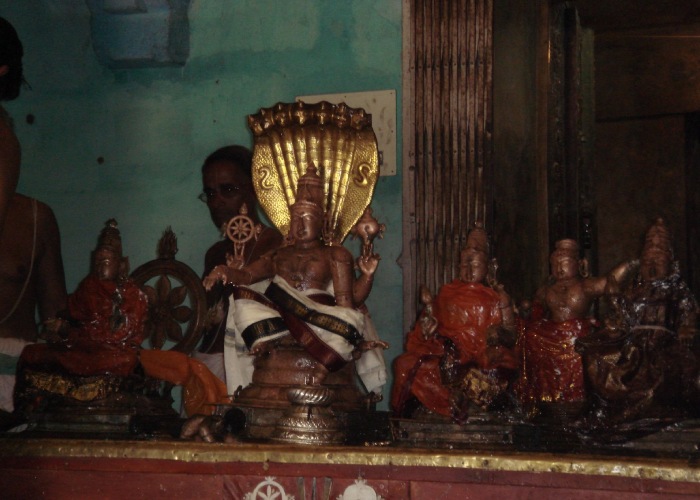
Thiruvaikunta Vinnagaram shares its historical roots with the other Thirunangur temples. During the Chola period, this region thrived with devotional activity. The Cholas were known for supporting Vishnu temples alongside Saivite shrines, and the basic structural style of this temple points to early Chola influence, like a compact sanctum, thick granite base, and a simple layout. This was not a royal temple, but one supported by local communities. Inscriptions in nearby shrines speak of small land grants, donations for lamps and contributions for festival expenses. It is likely that Thiruvaikunta Vinnagaram was sustained in the same way. Later, during the Nayak era, additions were made to reinforce the mandapam and surrounding walls. These renovations were practical rather than decorative. Despite its modest size, the temple has endured because it is anchored in the Divya Desam tradition. The Alvar’s verses placed it on the sacred map, ensuring continuous pilgrimage. Today, the temple stands not as a monument of grandeur, but as a symbol of continuity, centuries of simple, sincere worship.
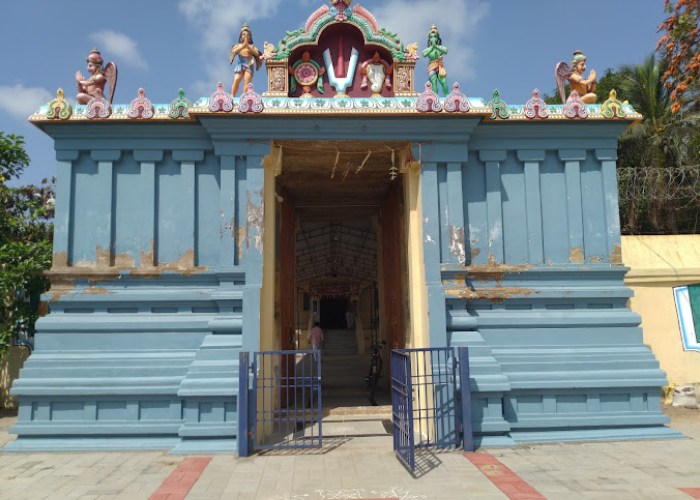
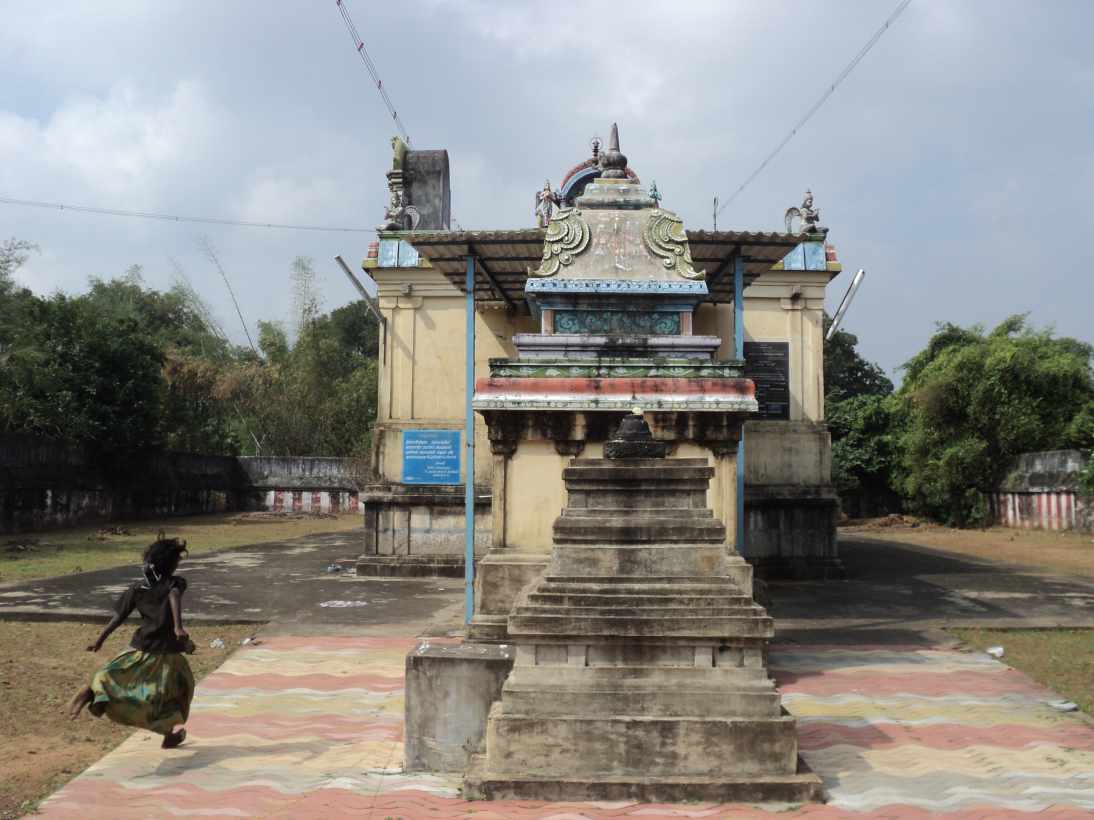
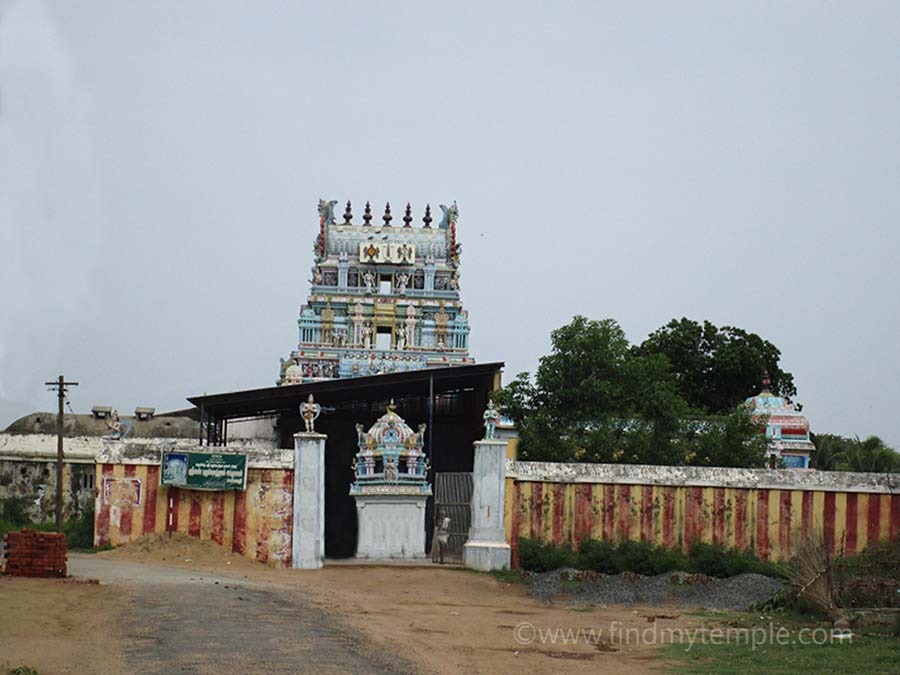
The architecture of Thiruvaikunta Vinnagaram is typical of the Thirunangur Divya Desams: simple, compact and intimate. Key elements include a small entrance gopuram, a short entrance hall leading into the courtyard, a modest mandapam with granite pillars, a compact sanctum where the main deity resides, a separate shrine for Thayar, and a narrow pradakshina path around the sanctum. The temple does not overwhelm visitors. Instead, it draws them in gently.
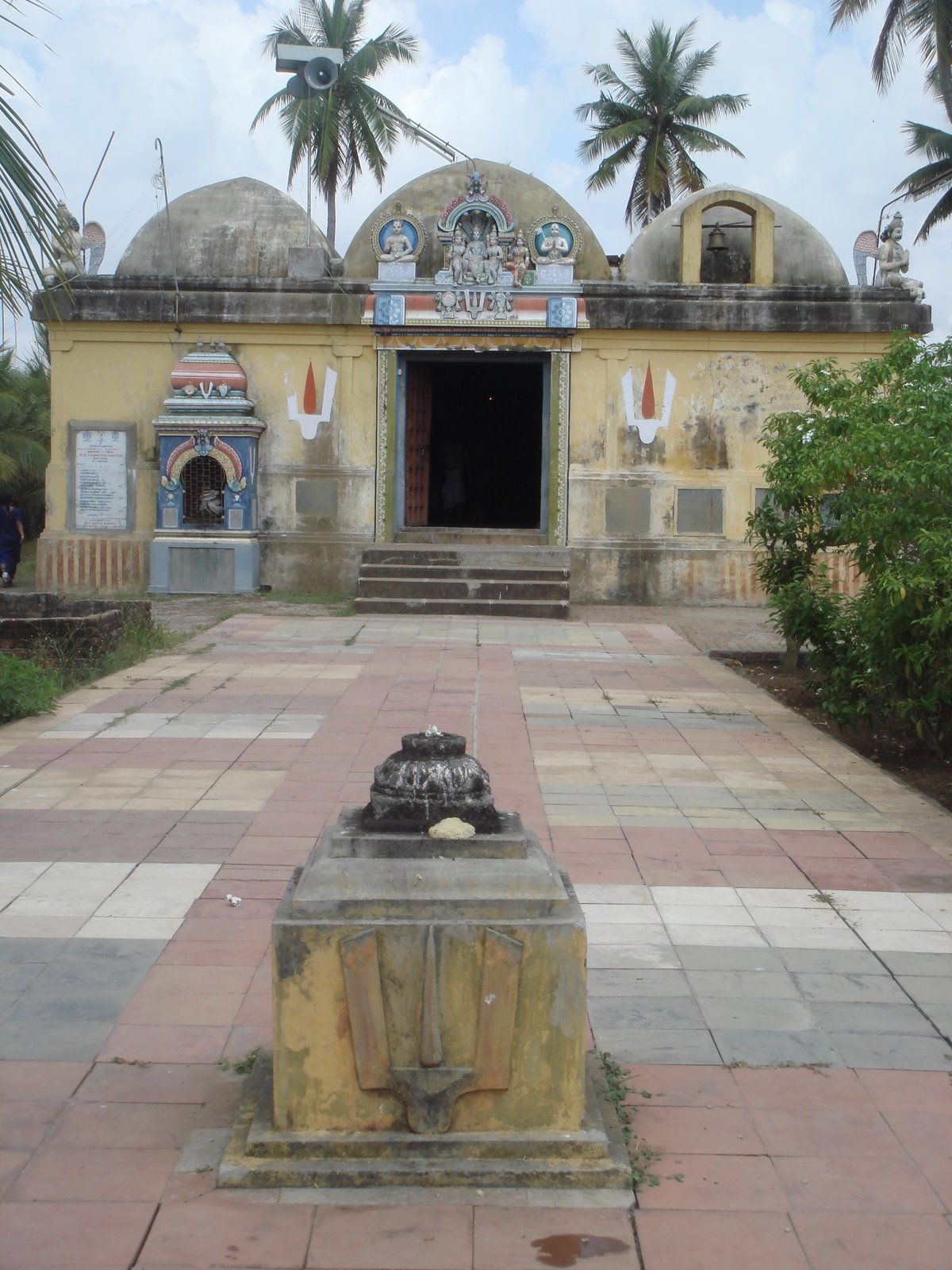
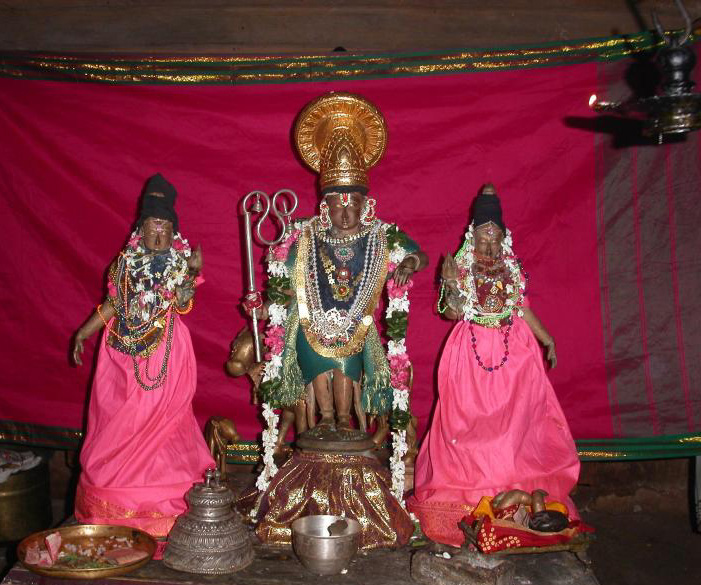
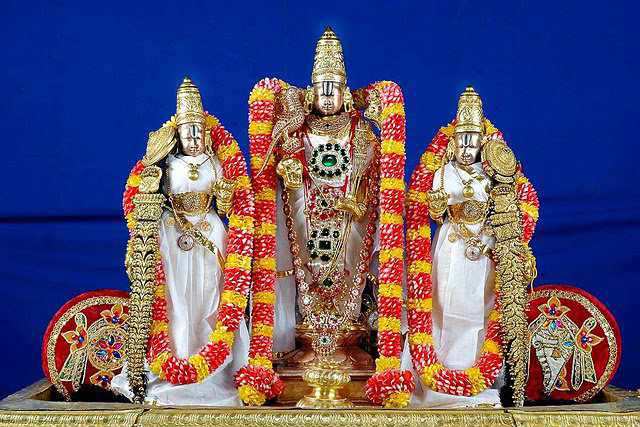
Vaikunta Nathan Perumal, the deity, stands facing east, holding the conch and discus. The idol’s expression carries a quiet authority: calm, open, reassuring. The form reflects the temple’s theme: a god who does not close his doors to anyone. Vaikunta Valli Thayar, the goddess’s shrine adds warmth to the temple’s emotional tone. Many women pray here for peace at home and stability during uncertainties. The temple’s smallness is symbolic. Devotees often say that Vaikunta, though vast, becomes accessible here in a form that humans can approach without fear or hesitation. The modest architecture keeps the experience focused on presence, not spectacle.
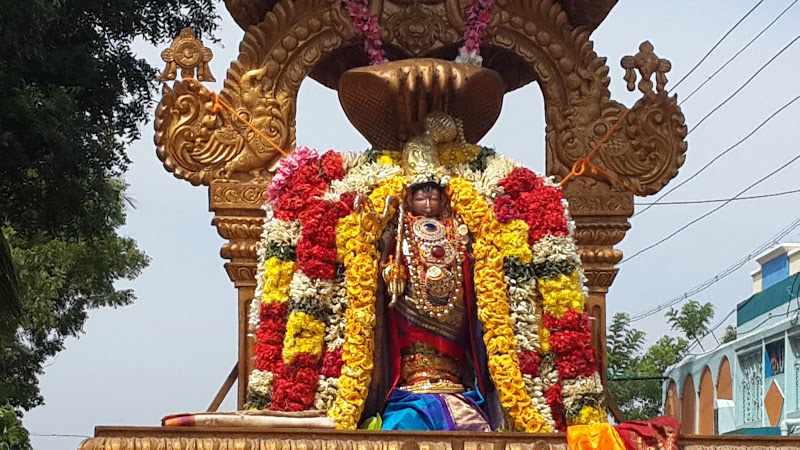
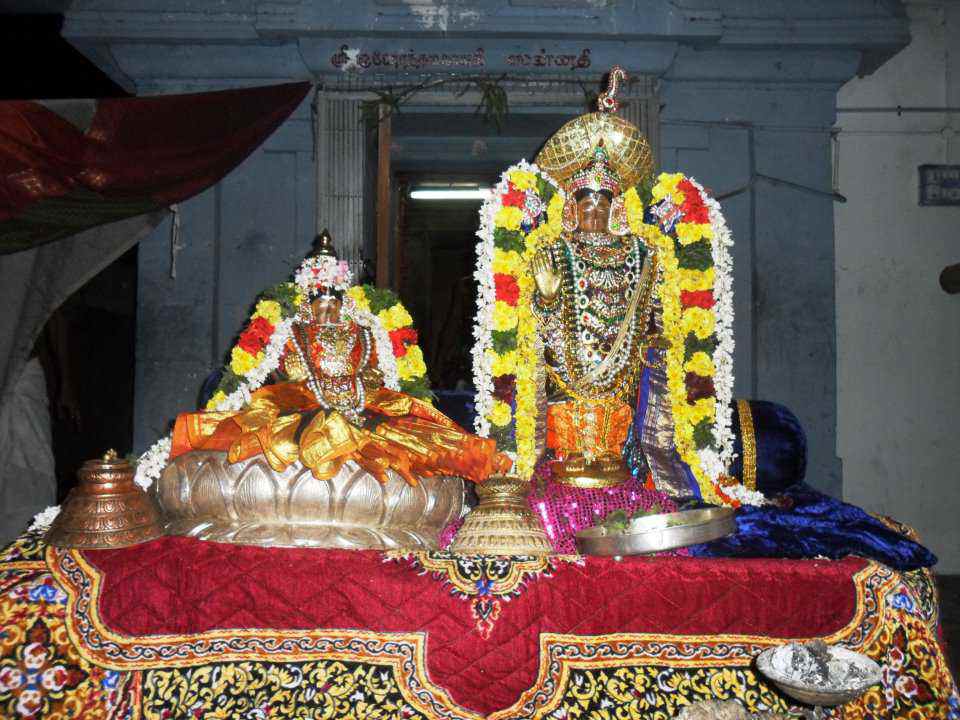
Daily worship here follows the Vaishnavite tradition, with rituals carried out calmly and without rush. The daily schedule includes Suprabhatam, the morning awakening, Thirumanjanam, the abhishekam, Alankaram, Neivedyam, and evening lamp worship. The chanting inside the temple creates a soft background rhythm, giving the space a meditative quality. Major festivals include Thirunangur Garuda Sevai, the most important festival, Vaikunta Ekadasi, with a symbolic “opening of the gate”, Brahmotsavam, Purattasi Saturdays, and Sri Krishna Jayanthi. During the Thirunangur Garuda Sevai festival, the eleven Vishnu deities from each Thirunangur temple come together on Garuda vahanams.
Devotees walk from temple to temple, reciting the Divya Prabandham. It is one of the most emotionally powerful Vaishnavite festivals in Tamil Nadu, and Thiruvaikunta Vinnagaram plays a central role because of its “gateway” symbolism. Devotees come here especially to pray for relief from obstacles, release from emotional heaviness, clarity when feeling stuck, courage to move forward, and a sense of spiritual belonging. People often light lamps for guidance and offer tulsi garlands as a symbol of surrender. The worship remains straightforward and sincere.
A pilgrimage to Thiruvaikunta Vinnagaram begins with travelling through the quiet village lanes around Thirunangur. Paddy fields, soft breezes and small clusters of houses set a gentle tone. The temple sits naturally within this landscape. There are no large crowds except during Garuda Sevai. Most days, the temple is peaceful. Inside, the sanctum is close to the entrance. There is no long walk or layered structure to pass through. This “directness” mirrors the deity’s nature: present, accessible, attentive. The stone floor stays cool, and the air carries the scent of lamps and fresh flowers. Visitors say the temple feels like a pause. A place where you can breathe without tension. Those following the full Thirunangur circuit often describe Thiruvaikunta Vinnagaram as emotionally grounding, a temple that reassures without effort. Outside, a few small flower stalls and tea shops serve pilgrims, but the area remains largely untouched by commercialisation.

Thiruvaikunta Vinnagaram holds cultural weight in Tamil Vaishnavite tradition because of its symbolic connection to Vaikunta, the divine abode. In his verses, Thirumangai Alvar praises the deity as one who opens paths rather than closes them. These hymns are sung during festivals, temple gatherings and community functions. Because the temple represents Vaikunta, local culture has shaped itself around the idea of openness. These small cultural beliefs show how deeply the temple has entered the emotional vocabulary of the region. Images of Vaikunta Nathan: calm, steady, holding the conch and discus—appear in traditional art, calendars and posters across the region.
Today, the temple continues to function with regular daily pujas and festival observances. The administration handles structural maintenance, while villagers contribute during festival periods. Recent improvements include repainting the mandapam, cleaning and maintaining the temple tank, strengthening the outer walls, and restoring small structural elements damaged by weather. The temple remains modest, resisting commercial expansion. Even with increased attention through Divya Desam tourism and social media, the atmosphere stays calm and devotional. The temple’s message: release, openness and direction, feels especially relevant in modern times, when people often feel blocked or overwhelmed.
Thiruvaikunta Vinnagaram offers a sense of spiritual spaciousness within a physically small temple.
Thiruvaikunta Vinnagaram stands among the Thirunangur Divya Desams as a shrine of open grace. Its mythology, architecture and rituals all point toward one idea: when life feels closed, here is a door that opens. Vaikunta Nathan Perumal represents a steady, welcoming presence—someone who does not push devotees away but instead invites them closer. The temple’s humble structure, community-driven worship and deep cultural connections make it a meaningful stop in the Divya Desam circuit. Among the eleven temples created to calm Shiva’s sorrow, Thiruvaikunta Vinnagaram represents release; the moment when heaviness lifts, and a path becomes visible again.

Thiruvali Temple, Thiruvali, Tamil Nadu
Thiruvali, paired closely with Thirunagari, holds one of the most meaningful Divya Desam stories in the Vaishnavite tradition. The temple here is dedicated to Thiruvali Narayana Perumal, with Purnavalli Thayar as the goddess. What makes Thiruvali unique is its deep link to the life of Thirumangai Alvar, whose presence and story shape the emotional identity of the region. Thiruvali is not defined by grandeur. It stands quietly among fields and village lanes. But the temple carries a strong sense of purpose. Devotees come here because the place is tied to transformation, personal, spiritual and emotional.
The central story of Thiruvali revolves around Thirumangai Alvar, one of the twelve Alvars and one of the most passionate voices of Tamil Vaishnavism. Before becoming an Alvar, Thirumangai was known as Nilan, a skilled warrior and chieftain of the region. He eventually married Kumudavalli, a devout woman who insisted that he embrace Vaishnavism before she would live with him as his wife. To meet her expectations, he began feeding poor devotees daily. Over time, the cost of this practice became so heavy that he resorted to collecting wealth by force. One night, he and his men tried to rob a couple on the road. The couple was actually Vishnu and Lakshmi in disguise. When Nilan demanded their jewels, Vishnu offered everything except his kanai, a ring containing a divine secret. No matter how he tried, Nilan could not remove the ring. Frustrated, he asked what kind of magic prevented its removal. Vishnu then leaned forward and whispered the Ashtakshara Mantra into Nilan’s ear. In that moment, something shifted. A spark of grace sank into him. The thief fell to his knees and immediately transformed into Thirumangai Alvar, one of the greatest poets of devotion. This moment of awakening is said to have happened in the land around Thiruvali and Thirunagari. Thiruvali is associated with the beginning of Thirumangai Alvar’s spiritual journey, the moment where his life turns toward devotion. Thirunagari, nearby, marks the completion of that journey. Together, the two temples embody start and fulfilment. The mythology teaches that when one is trapped in confusion, pride or emotional heaviness, grace can still reach them. Vishnu did not reject Nilan. He met him exactly where he stood: on the road, sword in hand, and transformed him with a single whisper. This story forms the emotional heart of Thiruvali.
The temple’s origins can be traced to the classical period of Tamil devotional history. Though Thiruvali lacks the architectural scale of Chola-era temples, it carries strong historical roots through its association with the Alvars. The region was once under the control of small chieftains and then later under Chola and Pandya rule. Evidence suggests early structures likely date back to the pre-Chola or early Chola period. The temple received support from local rulers, with land grants and food offerings helped sustain daily pujas. Renovations occurred during the Nayak period, strengthening walls and mandapams. Because Thirumangai Alvar’s story is central to the area, the temple remained active even during political changes. His birth, transformation and final union with Vishnu are all tied to the Thiruvali–Thirunagari region, securing the temple’s devotional status. These temples are not monumental structures. They are living memories, spaces that preserved spiritual identity through narrative rather than architecture.
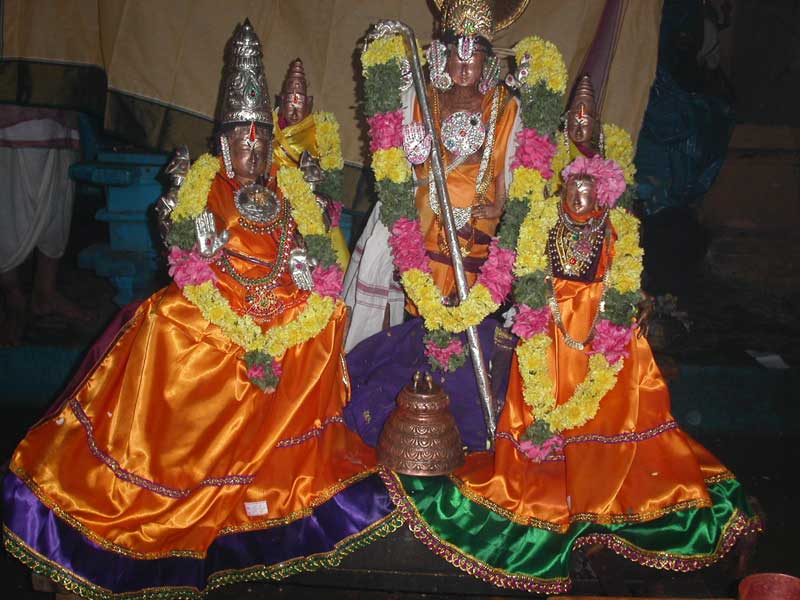
Thiruvali Temple follows the modest but meaningful style common across rural Tamil Nadu. It has a small gopuram, a courtyard with open space, a simple mandapam supported by stone pillars, a compact sanctum for Perumal, a separate shrine for Thayar, and a pathway for circumambulation. The temple’s simplicity is deliberate. It keeps attention on the deity and the story rather than ornamental details. The main deity, Thiruvali Narayana Perumal, stands east-facing, calm and steady. The posture is simple but authoritative. Devotees often say the deity feels like someone who sees you clearly, your journey, your mistakes, your hopes, and still offers acceptance. Purnavalli Thayar’s shrine brings softness to the temple. Her presence is associated with completeness, living up to her name, which means “one who is full and fulfilled.” The temple sits among fields, and sunlight often falls into the courtyard at an angle that creates a quiet, reflective mood. Nothing about the structure demands attention. Instead, the space supports inner reflection, which fits the theme of transformation found in the mythology.
Thiruvali follows a calm and steady worship rhythm. Daily pujas include Suprabhatam, Thirumanjanam, Alankaram, Neivedyam, and evening lamp worship. The rituals are straightforward, without elaborate theatricality. This suits the temple’s tone: direct, sincere and rooted in personal connection. Major festivals include Thirumangai Alvar’s birth festival, Thirumangai Alvar’s Garuda Sevai, Vaikunta Ekadasi, Brahmotsavam, and Purattasi Saturdays. The Alvar celebrations are central to this temple. The Garuda Sevai, involving both Thiruvali and Thirunagari, is one of the strongest cultural and devotional events in the region. People come to Thiruvali when they seek transformation, release from old patterns, the courage to start new phases of life, grace after mistakes, and a sense of being accepted despite flaws. These themes reflect Thirumangai Alvar’s own journey.
Reaching Thiruvali means travelling through quiet roads, paddy fields and small villages. The landscape feels open and grounded. The temple itself feels deeply rooted in the earth. There is no grandeur, but the space feels lived-in and emotionally resonant. Inside, the sanctum is close to the entrance. The deity is easy to approach. The stone floors are cool. The chanting is soft. It is the kind of temple where you feel comfortable sitting for a while without needing to do anything. When pilgrims visit both Thiruvali and Thirunagari on the same day, they often say the emotional arc becomes clear: Thiruvali is the beginning of spiritual awakening while Thirunagari is the completion of that journey. At Thiruvali, you feel the moment where the past loosens its grip. There are a few small shops outside, mostly selling flowers and tea. The atmosphere stays close to its rural roots.

Thiruvali holds a special place in Tamil spiritual culture because of its deep link to Thirumangai Alvar. Every devotee in the region knows the story of the thief who became a saint. It is a story of hope, redemption and the power of a single moment of grace. Parents tell it to children as a reminder that change is always possible. The Divya Prabandham frequently references places tied to Thirumangai Alvar. His verses bring Thiruvali into the emotional vocabulary of Vaishnavite households. The annual Garuda Sevai binds the community together. Villagers gather, sing, decorate the streets and carry offerings. This festival is not merely ritualistic, it is a reenactment of a story that holds local identity. Because the temple represents awakening, locals often visit during important life decisions, marriage, career, education, reconciliation or recovery from setbacks. Thiruvali speaks to the idea that one can always begin again.
The temple continues to function smoothly with daily pujas and festival routines. Administrative bodies, along with local devotees, manage maintenance and restoration. Recent improvements include repainting walls, strengthening the mandapam pillars, cleaning the prakaram, improving lighting around the sanctum, and maintaining the temple tank. Even with increased interest from Divya Desam pilgrims and social media exposure, the temple remains low-key. It has resisted commercialisation. Younger devotees are now visiting more often, especially those interested in understanding Thirumangai Alvar’s life more closely. The temple’s message, transformation, acceptance and spiritual clarity, feels particularly relevant in a world where many people are navigating change.
Thiruvali stands in the Divya Desam tradition as a symbol of awakening. It is the place where a warrior-turned-thief encountered grace and became one of the most beloved saints of Tamil Vaishnavism. The temple’s architecture is simple, the rituals are steady, the atmosphere is calm, but the emotional weight of the stories gives the temple a depth that goes far beyond its size. In the wider Divya Desam circuit, Thiruvali represents the moment of turning, the instant where one’s life begins again. It reminds us that no matter how far we’ve drifted, a single moment of clarity can bring us back to ourselves and to the divine.