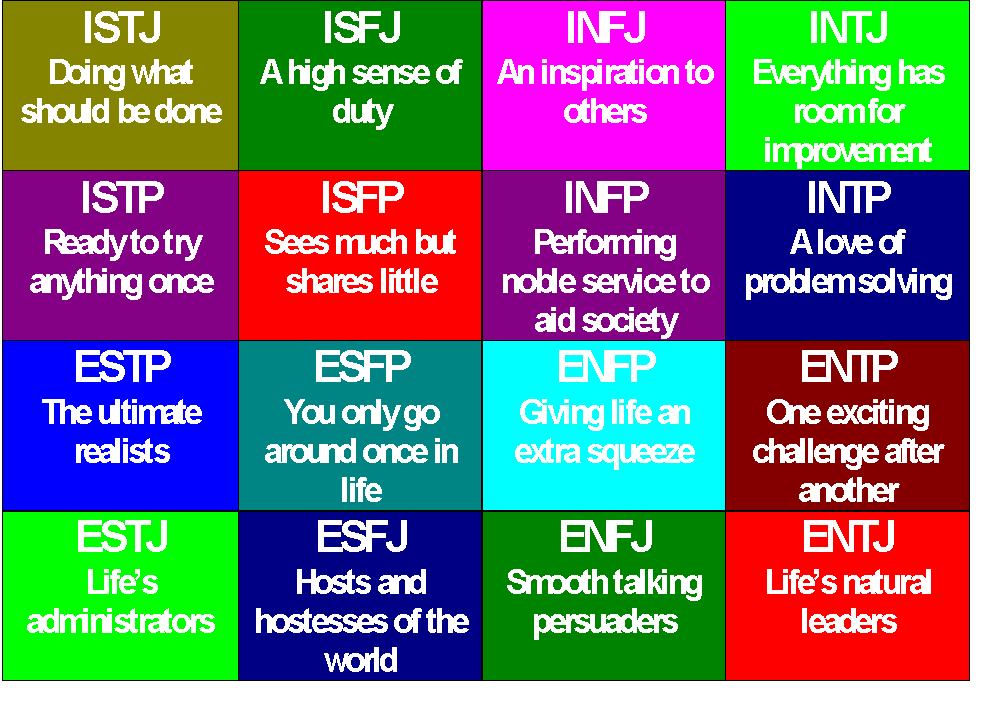
Continuing from Wednesday’s post, here are the rest of the Mayer Briggs types of personalities:
ISTP aka The Virtuoso: Tolerant and flexible, quiet observers until a problem appears, then act quickly to find workable solutions. Analyze what makes things work and readily get through large amounts of data to isolate the core of practical problems. Interested in cause and effect, organize facts using logical principles, value efficiency. The explorers, virtuosos love to examine the world around them with cool rationalism and spirited curiosity and they are fairly uncommon, making around five percent of the population, with women being especially rare. People who are Virtuosos have strengths like being optimistic, energetic, creative, practical, spontaneous, rational, ability to prioritise and are great people to be around in a crisis. But they are also stubborn, insensitive, private, reserved, easily bored and dislike commitment.
ISFP aka The Adventurer: Quiet, friendly, sensitive, and kind. Enjoy the present moment, what’s going on around them. Like to have their own space and to work within their own time frame. Loyal and committed to their values and to people who are important to them. Dislike disagreements and conflicts, do not force their opinions or values on others. Artists of the world, these people use aesthetics, design and their choices and actions to push the limits of social conventions living out of the box. People with this personality type are charming, sensitive to others, imaginative, passionate, curious and artistic. They suffer from a number of weaknesses, including being fiercely independent, unpredictable, become easily stressed, overly competitive and have fluctuating self esteem.
INFP aka The Mediator: Idealistic, loyal to their values and to people who are important to them. Want an external life that is congruent with their values. Curious, quick to see possibilities, can be catalysts for implementing ideas. Seek to understand people and to help them fulfill their potential. Adaptable, flexible, and accepting unless a value is threatened. True idealists, these people are always looking for that hint of good, even in the worst of people and situations. Comprising of four percent of the population, the mediator’s strength lies in being idealistic, open minded, flexible and very creative. They are also passionate and energetic people but tend to be too idealistic and altruistic and somewhat impractical.
INTP aka The Logician: Seek to develop logical explanations for everything that interests them. Theoretical and abstract, interested more in ideas than in social interaction. Quiet, contained, flexible, and adaptable. Have unusual ability to focus in depth to solve problems in their area of interest. Skeptical, sometimes critical, always analytical. A fairly rare type making up only three percent of the population. Strengths include great analysis skills as well as being abstract thinkers who can take seemingly unrelated factors and tie them in ways that make no sense to the other personality types. They are also very imaginative, original and have open minds. This type should be careful not to seem very private and withdrawn, insensitive and absent-minded.
ESTP aka The Entrepreneur: Flexible and tolerant, they take a pragmatic approach focused on immediate results. Theories and conceptual explanations bore them – they want to act energetically to solve the problem. Focus on the here-and-now, spontaneous, enjoy each moment that they can be active with others. Enjoy material comforts and style. Learn best through doing. Full of passion and energy, these people are inspiring, colourful and natural group leaders. Entrepreneurs are bold, rational, practical, original, perceptive and direct. Their weakness include being insensitive to others, being impatient, risk-prone and unstructured and defiant, they sometimes miss the bigger picture.
ESFP aka The Entertainer: Outgoing, friendly, and accepting. Exuberant lovers of life, people, and material comforts. Enjoy working with others to make things happen. Bring common sense and a realistic approach to their work, and make work fun. Flexible and spontaneous, adapt readily to new people and environments. Learn best by trying a new skill with other people. People who are this personality are the born entertainers of our world, with the strongest aesthetic sense of any personality type with a very keen eye for fashion. The entertainers are bold, original, practical, observant and have a keen sense of aesthetics and showmanship. They need to work on being sensitive, conflict-averse, easily bored, unfocused and to become better long term planners.
ENFP aka The Campaigner: Warmly enthusiastic and imaginative. See life as full of possibilities. Make connections between events and information very quickly, and confidently proceed based on the patterns they see. Want a lot of affirmation from others, and readily give appreciation and support. Spontaneous and flexible, often rely on their ability to improvise and their verbal fluency. A true free spirit, these people are the life of a party making up around 7% of the population. Campaigners are curious, observant, energetic, enthusiastic, very popular and excellent communicators. However, they suffer from poor practical skills, have problems focusing, overthink things and get stressed easily.
ENTP aka The Debater: Quick, ingenious, stimulating, alert, and outspoken. Resourceful in solving new and challenging problems. Adept at generating conceptual possibilities and then analyzing them strategically. Good at reading other people. Bored by routine, will seldom do the same thing the same way, apt to turn to one new interest after another. The ultimate devil’s advocate, who thrive on the process of shedding arguments and beliefs and letting the ribbons drift in the wind for all to see. They are highly knowledgeable, original, quick thinkers and excellent brainstormers. But they are also very argumentative, insensitive and intolerant who dislike practical matters and find it difficult to focus.
ESTJ aka The Executive: Practical, realistic, matter-of-fact. Decisive, quickly move to implement decisions. Organize projects and people to get things done, focus on getting results in the most efficient way possible. Take care of routine details. Have a clear set of logical standards, systematically follow them and want others to also. Forceful in implementing their plans. Representatives of tradition and order, the executives utilise their understanding of right, wrong and socially acceptable to bring families and communities together and make up around 11% of the population. They are dedicated, strong-willed, direct, honest, loyal, patient, reliable, excellent organisers and enjoy creating order. However they suffer from being inflexible, stubborn, judgemental, focused on social status and being uncomfortable with unconventional situations.
ESFJ aka The Consul: Warmhearted, conscientious, and cooperative. Want harmony in their environment, work with determination to establish it. Like to work with others to complete tasks accurately and on time. Loyal, follow through even in small matters. Notice what others need in their day-by-day lives and try to provide it. Want to be appreciated for who they are and for what they contribute. Popular people, the consuls are one of the more common types making up 12% of the population. These people bring strong practical skills, strong sense of duty, loyalty, sensitivity and an ability to connect with others to the table.Their weaknesses include being worried about their social status, being inflexible, reluctant to innovate, being too selfless and being vulnerable to criticism.
ENFJ aka The Protagonist: Warm, empathetic, responsive, and responsible. Highly attuned to the emotions, needs, and motivations of others. Find potential in everyone, want to help others fulfill their potential. May act as catalysts for individual and group growth. Loyal, responsive to praise and criticism. Sociable, facilitate others in a group, and provide inspiring leadership. These are natural born leaders who are full of passion and charisma who form around two percent of the population and are usually our politicians, coaches and teachers who inspire others to do good in the world. People with this personality type are tolerant, reliable, charismatic and natural leaders. However, their weaknesses include being overly idealistic, selfless and sensitive. They also have fluctuating self-esteem and struggle to make tough decisions.
ENTJ aka The Commander: Frank, decisive, assume leadership readily. Quickly see illogical and inefficient procedures and policies, develop and implement comprehensive systems to solve organizational problems. Enjoy long-term planning and goal setting. Usually well informed, well read, enjoy expanding their knowledge and passing it on to others. Forceful in presenting their ideas. Making up around 3 percent of the population, these natural born leaders love a good challenge. Being efficient, energetic, strong-willed and self confident are their strengths, but they are also intolerant, stubborn, dominant, arrogant and impatient which are their biggest weaknesses.
Now that we have seen all 16 types, do click this link and take your own test to see which type you are?
I am an INTJ personality and when I read what the results said, I was really blown away! It was so close to what I am, as if they literally read me to write about this personality. The pages gave me good insight about myself, what are the strengths I have internally that I should play up and what are the things I should look out for as well as workplace habits!
I’d love to hear in the comments if anyone else did the test and whether it fit in with their own personality….


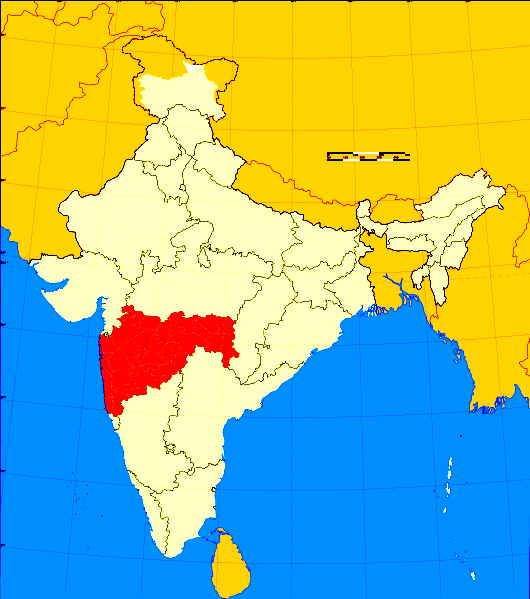 Maharashtra, which means ‘Great State‘ lies in the western part of India with the states of Gujarat and Madhya Pradesh to the north, Chattisgarh to the east, Andhra Pradesh, Karnataka and Goa to the south and the Arabian Sea to the west. Mumbai, the capital city is the country’s financial capital, though some may debate this claim in recent years and the state is also home to Bollywood!
 The British governed western Maharashtra as part of the Bombay Presidency, which spanned an area from Karachi in Pakistan to northern Deccan. A number of the Maratha states persisted as princely states, retaining autonomy in return for acknowledging British suzerainty. At the beginning of the 20th century, the struggle for independence took shape, led by nationalist extremists like Bal Gangadhar Tilak and Vinayak Damodar Savarkar and the moderates like Justice Mahadev Govind Ranade, Gopal Krishna Gokhale, Pherozeshah Mehta and Dadabhai Naoroji who were all born in this region.
 I can go on and on I guess, but this should be a good starting point for someone who is interested in the state of Maharashtra. One of these days, I’ll do a similar post on Mumbai…