
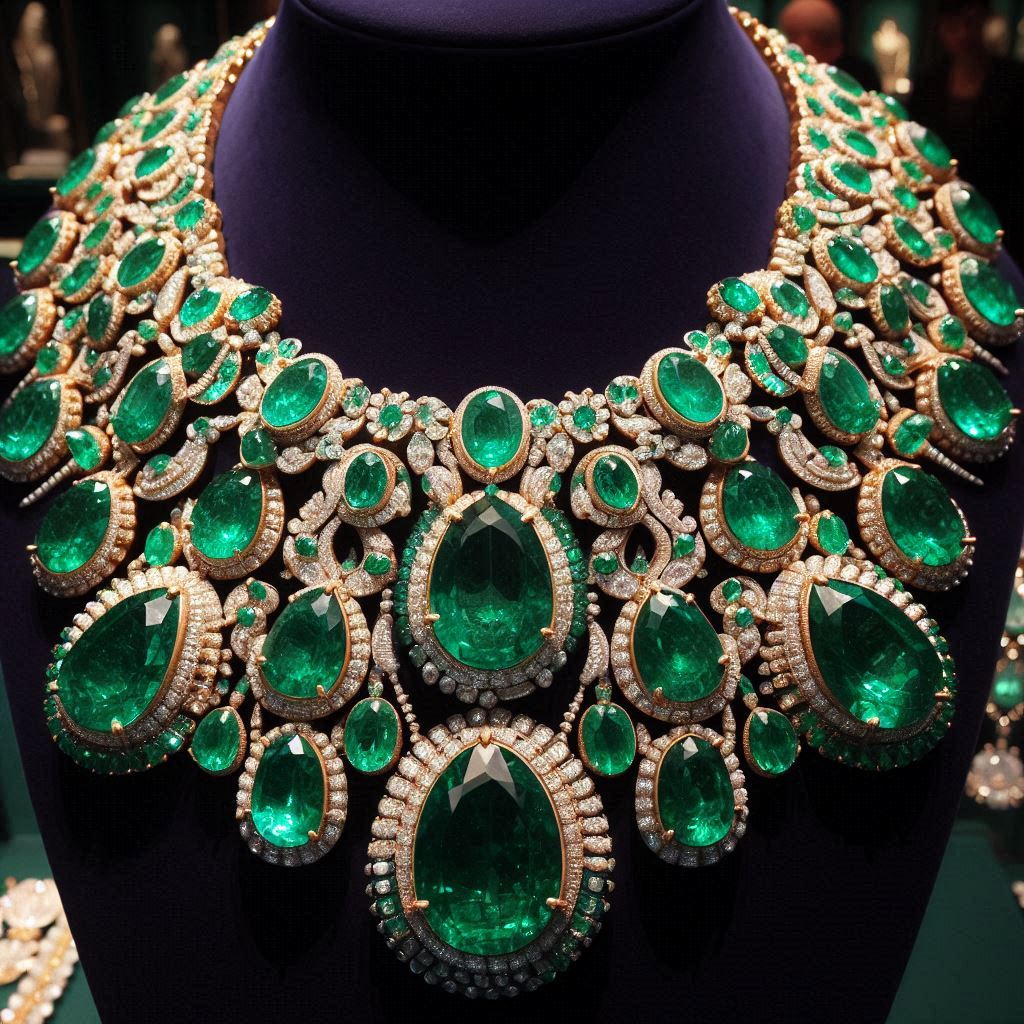
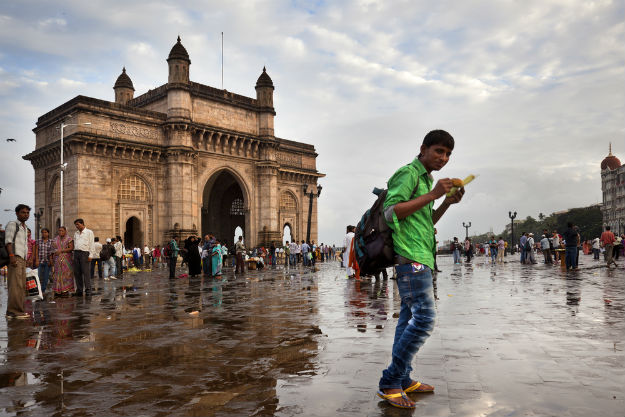
The sun hung low in the sky over Mumbai, casting a golden hue over the bustling city. Inside the Chhatrapati Shivaji Maharaj Vastu Sangrahalaya, excitement buzzed through the air. The museum was hosting an exclusive exhibition featuring the legendary emerald necklace known as the “Vishakha Necklace,” said to be one of the finest pieces of jewellery in India.
Detective Arjun Mehta stood outside the museum, eyes scanning the crowd. He had been called in to investigate what was supposed to be a routine security detail for the exhibition. But as he entered the grand hall, he felt an unsettling tension in the air.
The necklace was displayed under glass, surrounded by security personnel and museum staff. As Arjun approached, he overheard whispers among the guests, their excitement palpable. “Did you hear about the necklace? They say it’s cursed,” one woman said to her friend. “Cursed? What do you mean?” her friend replied, intrigued. “The legend goes that every emerald represents a life lost in a tragic love triangle centuries ago,” the woman explained. “It’s said that anyone who possesses it will face misfortune.”
Arjun raised an eyebrow at this. Superstitions were common in India, but he had always believed that crime had more tangible roots than curses. As he continued to observe, a sudden commotion erupted near the display case. A guard shouted, “Stop! Thief!”
Arjun’s instincts kicked in as he rushed towards the scene. He pushed through the crowd just in time to see a figure dart away from the display, clutching a bag that bulged with stolen goods. “After him!” Arjun shouted, sprinting after the thief.
The chase led them through the museum’s labyrinthine corridors and out into the streets of Mumbai. Arjun was determined; he had trained for moments like this. But just as he was gaining ground on the thief, a sharp turn into an alleyway caused him to lose sight of his target. Breathless and frustrated, Arjun stopped to catch his breath and assess the situation. He pulled out his phone and called for backup while scanning the area for any sign of the thief.
Back at the museum, chaos reigned as security personnel secured the area. Arjun met with Inspector Rao, who had arrived on the scene. “What do we know?” Arjun asked, his mind racing. “The necklace is gone,” Rao replied grimly. “The thief managed to evade capture. We’re reviewing security footage now.”
Arjun nodded and turned his attention to the display case. The glass was shattered, and shards lay scattered on the floor. He crouched down to examine it closely when he noticed something glimmering amidst the debris—a small emerald pendant that had fallen from the necklace. “Interesting,” he murmured, picking it up carefully. “This could be a clue.” As they reviewed security footage, they saw a hooded figure slip into view just before the theft occurred. The thief moved with agility and purpose, but their face remained obscured.
“Any leads on who this might be?” Arjun asked. “Not yet,” Rao replied. “But we’ll track down any known criminals in this area.” Arjun felt a growing sense of urgency. The Vishakha Necklace wasn’t just valuable; it held historical significance tied to an ancient tale of love and betrayal that had captivated him since childhood. That evening, as Arjun sat at his desk poring over old records about the necklace’s history, he found himself drawn into its tragic past.
The Vishakha Necklace was said to have been crafted centuries ago for a beautiful princess named Vishakha, who lived in a grand palace overlooking a lush valley. She was known for her beauty and kindness but found herself caught in a tumultuous love triangle between two brothers—Rajendra and Vikram—both noble warriors vying for her affection.
Their rivalry escalated into jealousy and betrayal, leading to tragic consequences that would haunt their families for generations. It was said that each emerald represented one of their lost lives—each stone holding within it a fragment of their sorrow. Arjun leaned back in his chair, contemplating how this dark history intertwined with present events. He needed to dig deeper into both the theft and its connection to this ancient tale.
The next day, Arjun visited local historians and jewellers who specialised in antique jewellery. He learned more about Vishakha’s story—how her love had led to heartbreak and how her spirit was said to linger around her beloved necklace. One historian shared an intriguing detail: “The necklace is rumoured to have been hidden away during times of strife but always returns when true love is threatened.”
Arjun couldn’t shake off the feeling that there was more to this story than met the eye. He decided to visit Vishakha’s palace ruins located outside Mumbai, hoping to uncover any additional clues about its legacy. Upon arriving at the site, he marvelled at what remained of the once-magnificent structure. As he wandered through crumbling walls adorned with intricate carvings depicting scenes from Vishakha’s life, he felt an inexplicable connection to her story.
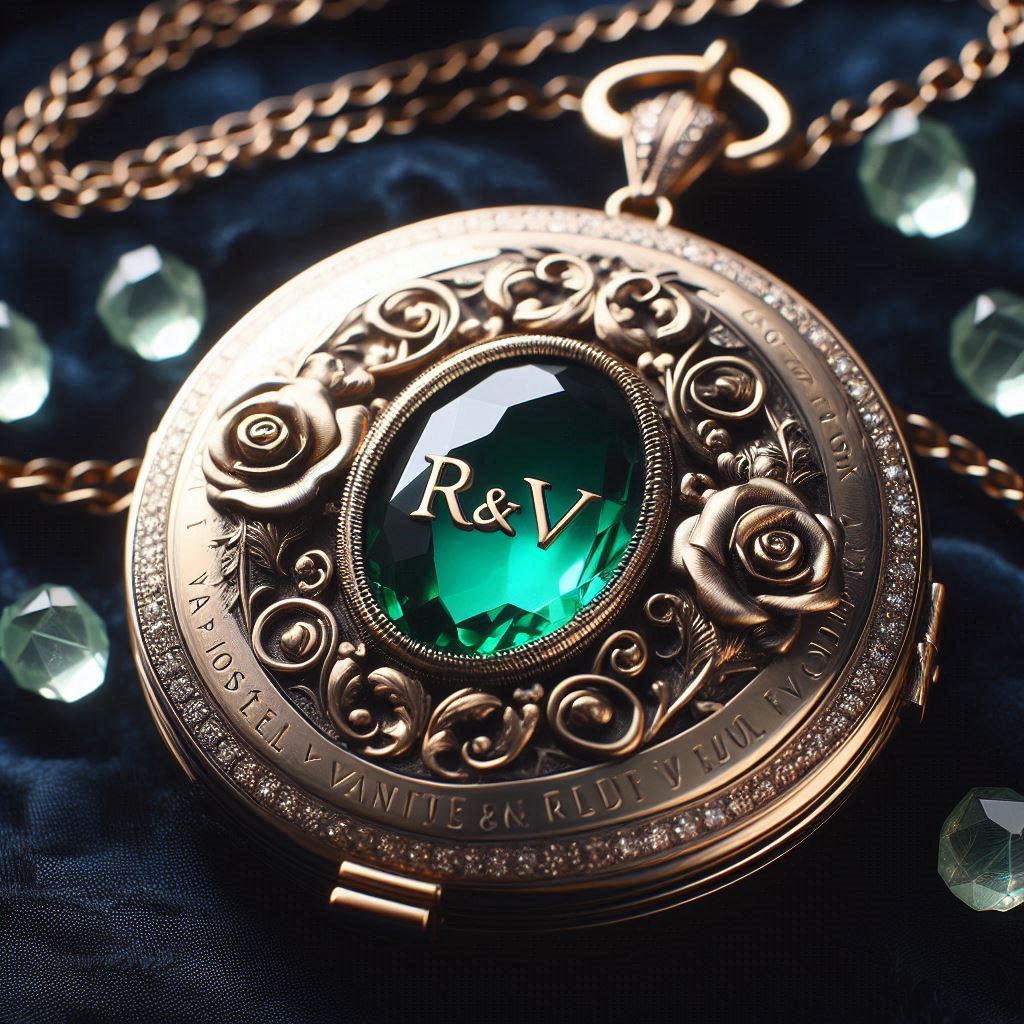
As dusk fell over the ruins, Arjun noticed something glimmering among some stones—a small locket engraved with initials matching Rajendra and Vikram’s initials. His heart raced as he realised this could be another key piece of evidence linking to history and present events. With newfound determination, Arjun returned home and began piecing together everything he had learned about Vishakha’s story and its connection to modern-day events surrounding her necklace.
He reached out to local police departments across India to track any known criminals who might have connections to stolen artefacts or historical jewellery thefts. Days turned into weeks as he followed leads across Mumbai and neighbouring states but found nothing solid. Just when he thought he might hit a dead end, Arjun received an anonymous tip about an underground auction happening in Goa where stolen artefacts were rumoured to be sold. Excitement coursed through him; this could be his chance not only to recover the necklace but also to uncover more about its dark legacy.
Arriving in Goa under cover of nightfall, Arjun found himself at an old warehouse by the beach, where whispers of illicit dealings filled every corner. He blended into the crowd as bidders gathered around tables laden with stolen treasures from across India—artefacts that should have been preserved in museums instead of sold for profit. As he scanned through items on display, his eyes landed on something familiar—a velvet cloth covering what appeared to be an ornate box adorned with emeralds.
Heart pounding with anticipation, Arjun approached cautiously while keeping an eye on potential threats around him—the last thing he needed was to be discovered while pursuing justice for Vishakha’s legacy. “Ladies and gentlemen,” announced an auctioneer with flair as he unveiled several items before them—including what seemed like pieces from ancient royal families—before revealing what everyone had been waiting for: “And now we present…the legendary Vishakha Necklace!” Gasps filled the room as people leaned forward eagerly; this was it—the moment Arjun had been waiting for!
As bids began flying around him like confetti at a wedding celebration—Arjun knew time was running out before someone would walk away with not just history but also tragedy wrapped around those emeralds forevermore! He stepped forward boldly amidst shouts of excitement until finally raising his hand high above everyone else’s heads: “I’ll take it!” Silence fell over everyone present; eyes widened in disbelief at seeing someone challenge their intent on acquiring such valuable heritage without hesitation!
“What do you think you’re doing?” demanded one man from across whom Arjun recognized immediately—an infamous dealer known for trafficking stolen artefacts throughout India! “I’m here for justice,” Arjun replied firmly, meeting his gaze head-on while feeling adrenaline surge through him like fire igniting passion within!
Before anyone could react further—the lights suddenly flickered, ominously plunging them all into darkness! Panic erupted among bidders scrambling towards exits while others sought refuge wherever possible! Seizing this opportunity—Arjun dashed towards where he’d seen earlier glimpses of light shining through cracks, revealing hidden passageways leading deeper inside warehouse walls.
After navigating through narrow corridors illuminated only by faint glimmers reflecting off dusty surfaces, Arjun finally stumbled upon another room filled with artefacts piled haphazardly against walls; among them lay several boxes containing remnants from centuries past! In one corner stood what appeared like remnants belonging specifically connected back towards Vishakha herself—a small altar adorned with beautifully crafted sculptures depicting moments captured between love triangles long forgotten yet still haunting those connected forevermore…
Suddenly footsteps echoed behind him, causing an adrenaline rush once again, forcing him into action! Turning swiftly—he confronted none other than Rajesh—the dealer whose greed knew no bounds! “You think you can just take what isn’t yours?” Rajesh sneered menacingly while brandishing a weapon threateningly towards Arjun’s direction! “I’m here not only reclaiming history but also restoring hope,” Arjun declared defiantly, standing tall despite fear coursing through his veins, knowing well the consequences if failed today!
With quick thinking—he lunged forward, knocking the weapon aside and sending Rajesh sprawling backwards, crashing against shelves spilling artefacts everywhere, creating chaos around them both! Amidst the confusion, Arjun seized the opportunity to grab hold tightly of the necklace clasped firmly within grasp before fleeing towards the exit, where sirens blared outside, signalling police arrival nearby!
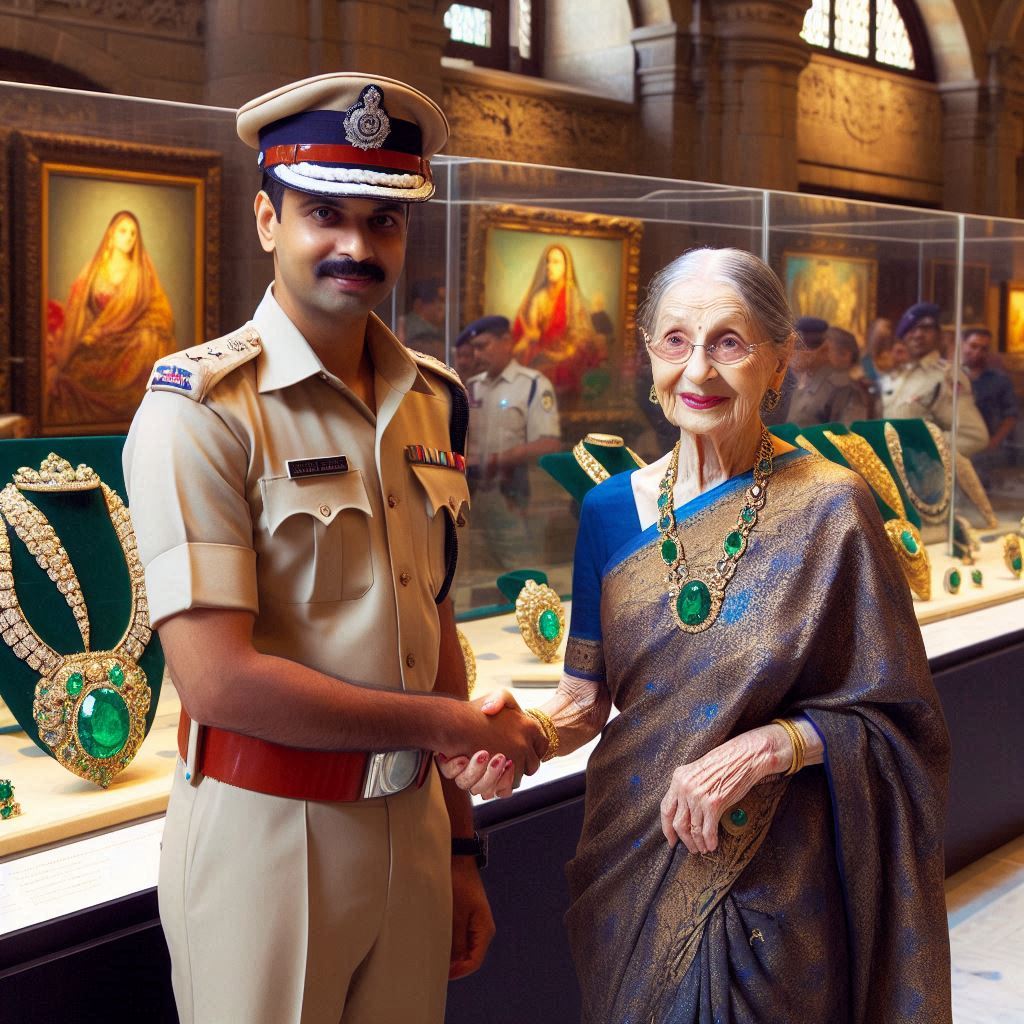
Back at police headquarters after recovering stolen items, including the Vishakha Necklace itself—Arjun felt the immense weight lift off his shoulders, knowing justice prevailed today, restoring honour—not just the family name but the entire legacy entwined within emeralds representing lives lost long ago.
As news spread throughout the community regarding recovery efforts made by local authorities alongside brave detectives working tirelessly behind the scenes, people began gathering outside, celebrating triumph over darkness bringing light back into lives affected deeply by the loss suffered throughout generations past…
Among those celebrating stood an elderly woman dressed elegantly, wearing traditional attire adorned beautifully, resembling designs reminiscent of ancient times; she approached slowly, reaching out towards Arjun and grasping hands tightly, expressing gratitude beyond words could convey…
“You’ve done what many thought impossible, young man,” she whispered softly, tears glistening in her eyes reflecting hope restored once again, reminding everyone present of the importance of preserving heritage passed down generations, ensuring future generations would never forget stories woven intricately together through time itself.
Weeks later, after successful recovery efforts concluded, the Vishakha Necklace returned to its rightful place within the museum, showcasing not only beauty craftsmanship but also tales woven throughout centuries, capturing hearts and minds alike and reminding all visitors of the importance of cherishing love and enduring even amidst trials faced along the way.
Arjun stood proudly beside an elderly woman who’d come forth earlier, expressing gratitude and witnessing firsthand the impact made through perseverance and resilience displayed throughout the journey taken together, restoring faith lost long ago.
“I’m honoured you chose me to help restore legacy,” Arjun said, sincerely looking deep into her eyes, feeling warmth radiate between them both, knowing the connection forged transcended beyond mere physicality, embracing unity shared amongst souls intertwined forevermore.
As they gazed upon stunning emeralds glistening brightly under lights, illuminating a room filled with laughter and joy, celebrating triumph over adversity—it became clear the journey didn’t end here, but rather a new chapter unfolding, inviting everyone to partake in discovering beauty lies within stories shared, connecting generations past, present, and future alike, reminding all hope remains alive, even in the darkest moments faced along the way.
And so they stood together united by purpose, celebrating life, love, and resilience, knowing together they’d overcome challenges faced, paving a path forward, ensuring light would always shine bright, illuminating hearts and souls alike guiding them homeward bound forevermore…



 Memories and Such