Mumbai Memories: Our Music Journey

In Tamil Brahmin families, it is almost a rite of passage for children to begin learning music, dance, or both from a very young age. This practice, deeply woven into the cultural fabric, is not merely a hobby or extracurricular activity but a tradition that carries historical, spiritual, and social significance.

Carnatic music and Bharatanatyam are two of the most celebrated classical art forms in South India. Both have ancient origins and have been closely associated with temple rituals, devotional practices, and the cultural identity of the Tamil Brahmin community. Historically, Brahmin families became custodians and prominent patrons of these arts, especially as royal patronage declined and the arts transitioned from temples and courts to urban centres.

The Bhakti movement, which swept South India from the 7th century onwards, emphasised personal devotion to deities through poetry, music, and dance. Brahmins, with their access to education and Sanskritic traditions, played a leading role in this movement, using music and dance as vehicles for spiritual expression and community identity.

As Carnatic music and Bharatanatyam gained prestige, mastery of these arts became a symbol of social status among Tamil Brahmins. The ability to sing or play an instrument or to perform classical dance was seen as a marker of refinement, education, and cultural capital. Families took pride in their children’s artistic accomplishments, which were showcased during family gatherings, religious festivals, and community events.

The rise of music “sabhas” (cultural organisations) in urban centres provided platforms for performances and further cemented the association of these arts with Tamil Brahmin identity. Participation in these sabhas, both as performers and as audience members, became a way for families to assert their place in the social hierarchy and maintain connections within the community.

For many Tamil Brahmin families, enrolling children in music or dance classes is a way to honour their heritage and ensure the continuity of tradition. Parents, often themselves trained in these arts, see it as their responsibility to pass on this legacy to the next generation. In Tamil Brahmin culture, music and dance are not just artistic pursuits but acts of devotion. Many compositions in Carnatic music are devotional hymns, and Bharatanatyam originated as a form of temple worship. Learning these arts is seen as a way to connect with the divine, cultivate discipline, and develop a sense of humility and reverence.

Research and anecdotal evidence suggest that children who begin learning music or dance at a young age develop better memory, concentration, and coordination. The structured practice of swaras (notes), talas (rhythms), and choreography enhances cognitive abilities and fosters discipline. Stage performances, which are an integral part of music and dance training, help children overcome stage fright, build confidence, and learn to express themselves creatively. These skills are valued not just in the arts but in academic and professional spheres as well.
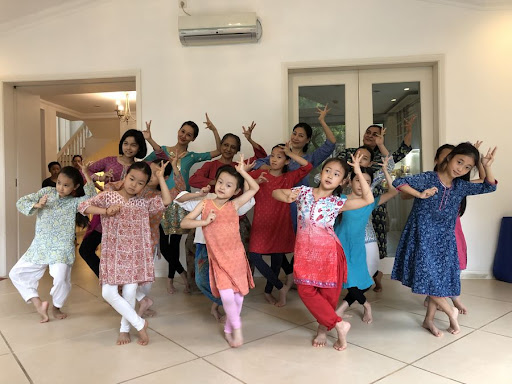
Growing up in the Bombay of the seventies and eighties, it was very common for most young girls and boys in our area to learn music or dance, or sometimes, even both. In my family, I leaned toward music while my sister chose to learn dance. I learned music in two stages. The first time I was probably 5-6 years old, and as all young girls were wont to do, my mother put me in a music class next to my home. This was a centre of Carnatic music, but after about 1.5 years, I wanted out. So I quit. But the seeds were sown, and slowly over the years, I started getting interested in music, and at about the age of 12-13, I restarted my music journey. This time, I learned from an independent teacher close to home. This time, I lasted about three years, and when I reached class 10, I dropped out again because of the demands of school.

My sister was interested in dance, and so she was enrolled on a Bharatanatyam class conducted by an independent teacher who taught many girls in our area. She learned this art for about 4-5 years, from the age of about 6-7 until she too dropped out because of the demands of school, extracurricular activities, and tuition.

I have always loved music, and I am someone who is constantly singing, irrespective of the genre. So when GG and BB were young, I also enrolled them in a local Carnatic music class. GG also chose to learn dance, but in her case, she learned classical ballet. GG has been consistent with going to music class since she started around the age of 7. Even during her PSLE and O-level years, she didn’t stop, as, according to her, this was her stress relief. BB, on the other hand, stopped learning music when he hit puberty and his voice broke. But he has a very good voice and is a great singer. In secondary school, when he was about 13-14, they had a music show in school, and he was the lead singer for the band that he and his friends came up with. He was so good that the day after, his school principal stopped him in the corridor to compliment him on his singing.

So that’s our music journey! It was nice walking down memory lane, remembering all the memories.
In My Hands Today…

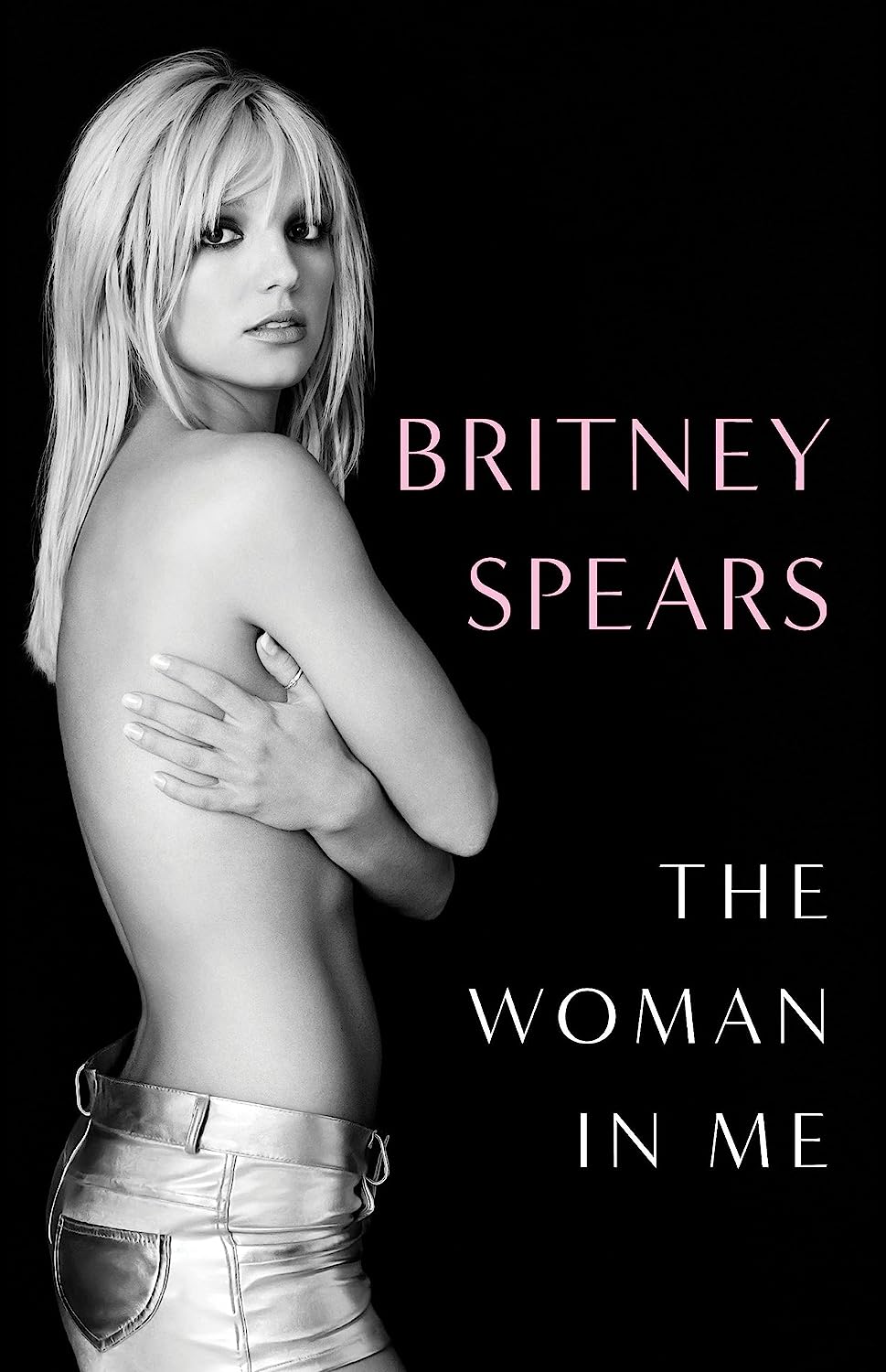
The Woman in Me – Britney Spears

In June 2021, the whole world was listening as Britney Spears spoke in open court. The impact of sharing her voice—her truth—was undeniable, and it changed the course of her life and the lives of countless others. The Woman in Me reveals for the first time her incredible journey—and the strength at the core of one of the greatest performers in pop music history.

Written with remarkable candor and humor, Spears’s groundbreaking book illuminates the enduring power of music and love—and the importance of a woman telling her own story, on her own terms, at last.

In My Hands Today…

I Heard There Was a Secret Chord: Music as Medicine – Daniel J. Levitin

Music is one of humanity’s oldest medicines. From the Far East to the Ottoman Empire, Europe to Africa and the pre-colonial Americas, many cultures have developed their own rich traditions for using sound and rhythm to ease suffering, promote healing, and calm the mind.

In his latest work, neuroscientist and New York Times best-selling author Daniel J. Levitin (This Is Your Brain on Music) explores the curative powers of music, showing us how and why it is one of the most potent therapies today. He brings together, for the first time, the results of numerous studies on music and the brain, demonstrating how music can contribute to the treatment of a host of ailments, from neurodegenerative diseases such as Parkinson’s and Alzheimer’s, to cognitive injury, depression, and pain.

Levitin is not your typical scientist—he is also an award-winning musician and composer, and through lively interviews with some of today’s most celebrated musicians, from Sting to Kent Nagano and Mari Kodama, he shares their observations as to why music might be an effective therapy, in addition to plumbing scientific case studies, music theory, and music history. The result is a work of dazzling ideas, cutting-edge research, and jubilant celebration. I Heard There Was a Secret Chord highlights the critical role music has played in human biology, illuminating the neuroscience of music and its profound benefits for those both young and old.

The Power of Music: Transforming Lives Through Sound

Music is an integral part of human culture, transcending boundaries and connecting people across different backgrounds and experiences. Its influence is profound, shaping our emotions, enhancing our cognitive abilities, and even promoting healing. 

Music uniquely evokes emotions and memories, often transporting us back to specific moments in our lives. This emotional connection is one of the most powerful aspects of music, allowing us to experience joy, sadness, nostalgia, and even catharsis.

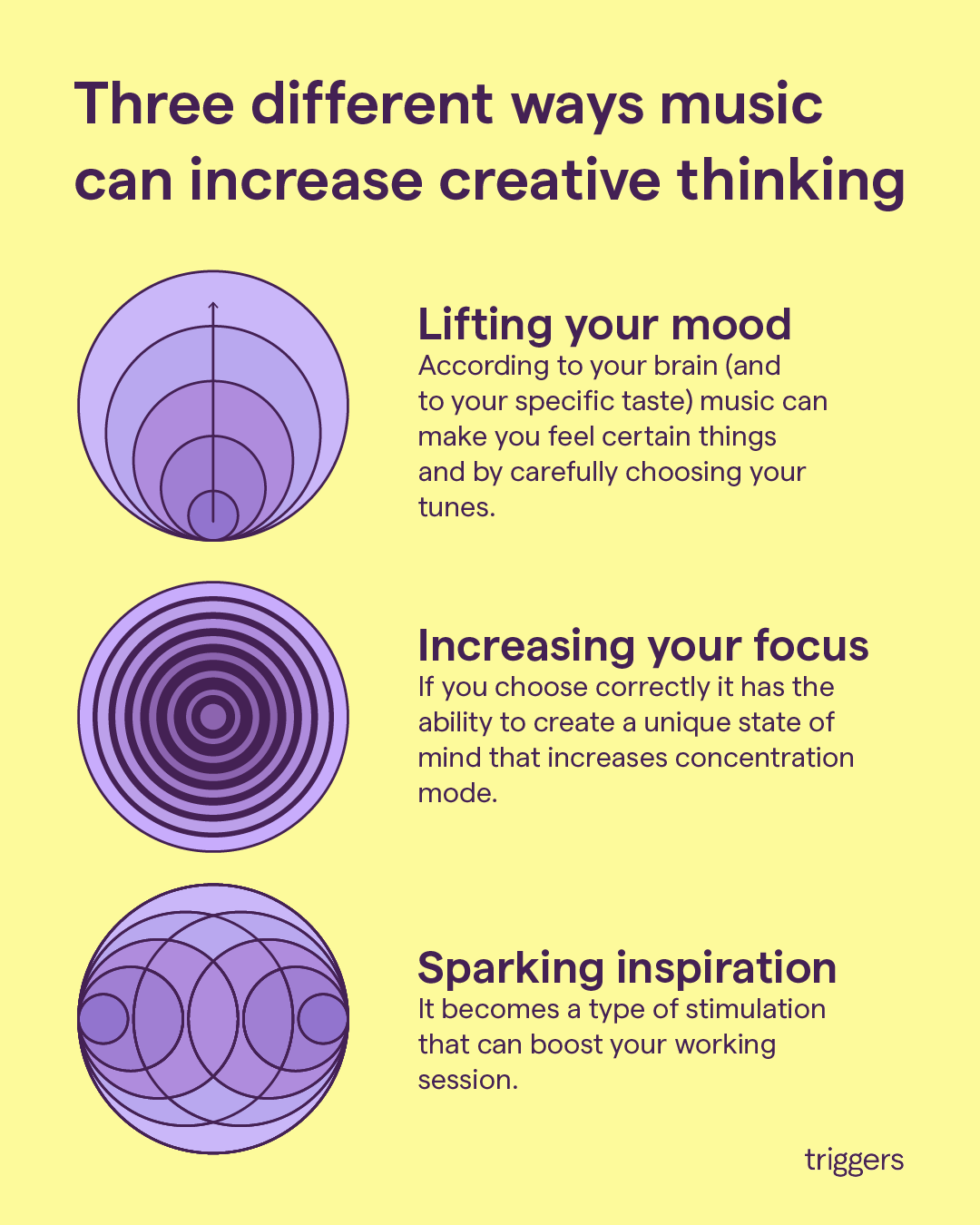
Research has shown that music can significantly influence our mood. Listening to uplifting songs can trigger the release of dopamine, a neurotransmitter associated with pleasure and reward. This biochemical response can help alleviate feelings of sadness or anxiety, making music an effective tool for mood regulation. Creating playlists of favourite songs or upbeat tracks can serve as a quick remedy for low spirits.

Music has been found to enhance memory recall, particularly in individuals with cognitive impairments such as dementia and Alzheimer’s disease. Familiar songs can evoke vivid memories and emotions, allowing individuals to reconnect with their past. Programs like “Music & Memory” utilise personalised playlists to stimulate memories and promote engagement among those with cognitive challenges, demonstrating the profound impact of music on memory and identity.

For many, music serves as a means of emotional expression. Composing, performing, or even listening to music can provide an outlet for feelings that may be difficult to articulate. This form of self-expression can be particularly beneficial for adolescents and young adults navigating the complexities of identity and emotional development. Music allows individuals to explore their emotions and communicate their experiences in a way that words alone may not capture.

Beyond its emotional impact, music also offers numerous cognitive benefits that can enhance learning, creativity, and productivity. Listening to music while working or studying can improve focus and concentration. Studies have shown that certain types of music, particularly classical or instrumental genres, can create an optimal environment for cognitive tasks. The “Mozart Effect,” a term coined from research suggesting that listening to Mozart can enhance spatial-temporal reasoning, highlights the potential of music to boost cognitive performance.

Music can stimulate creativity by encouraging divergent thinking and inspiring new ideas. Many artists, writers, and innovators use music as a backdrop while working, finding that it helps them tap into their creative flow. Creating a personalised playlist that resonates with your creative process can enhance inspiration and facilitate the generation of new ideas.

Music has been shown to support language development in children. Songs and rhymes can enhance vocabulary, phonemic awareness, and overall language skills. Educational programs often incorporate music to engage young learners, making the acquisition of language more enjoyable and effective. 

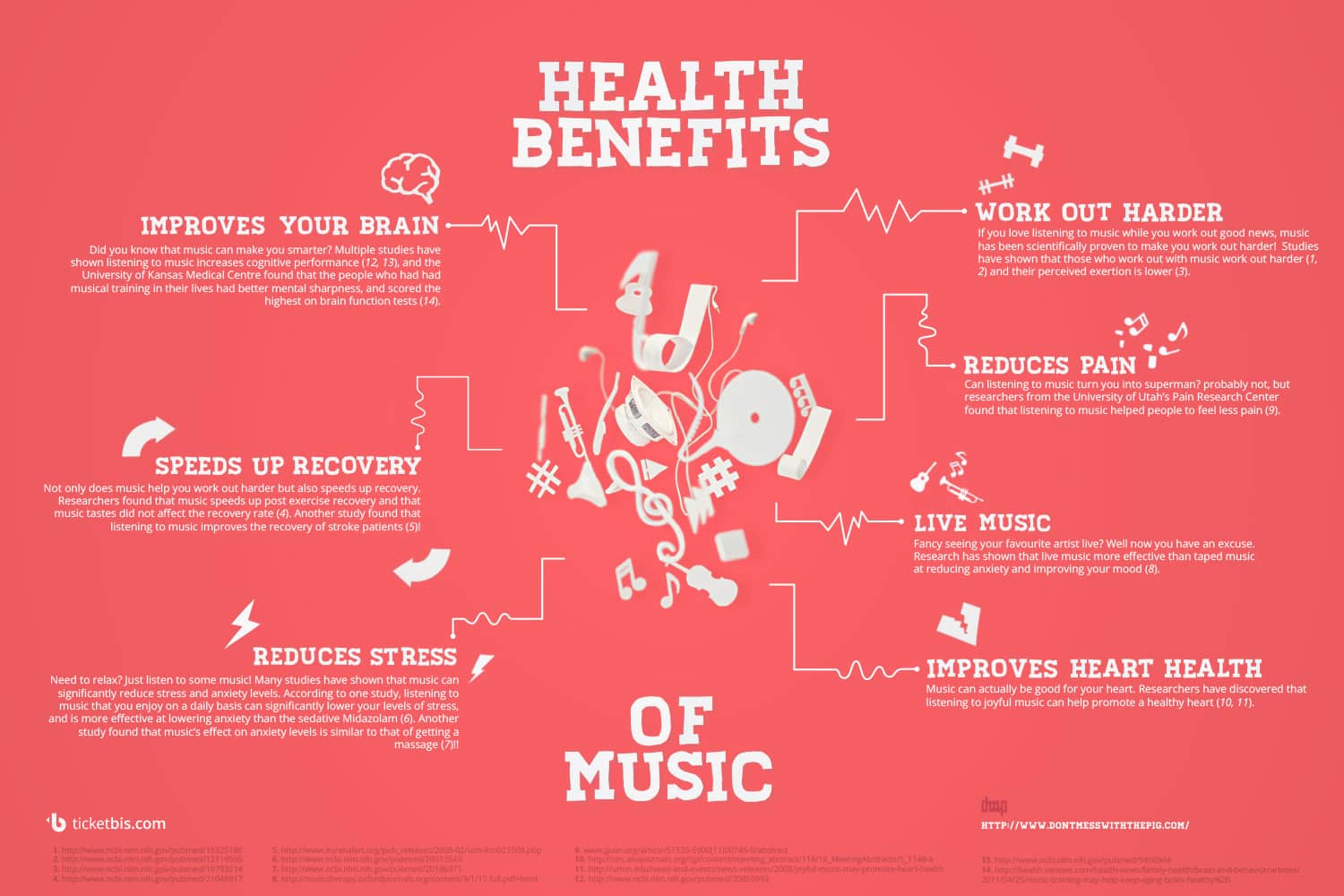
Music therapy has emerged as a recognised therapeutic approach, harnessing the power of music to promote healing and well-being. This field utilises music interventions to address physical, emotional, cognitive, and social needs. Listening to calming music can significantly reduce stress levels. Research indicates that music can lower cortisol levels, the hormone associated with stress, leading to a more relaxed state. Incorporating soothing music into daily routines, such as during meditation or yoga, can enhance relaxation and promote a sense of calm.

Music has been found to be effective in pain management, particularly in clinical settings. Studies suggest that listening to music can reduce the perception of pain and discomfort, making it a valuable adjunct to traditional pain relief methods. Hospitals often use music therapy to help patients cope with pain during recovery.

Music therapy provides a safe space for individuals to explore and process their emotions. It can be particularly beneficial for those dealing with trauma, grief, or mental health challenges. Through songwriting, improvisation, and active listening, individuals can express their feelings and work towards emotional healing.

Music serves as a powerful tool for social connection and cultural expression. It brings people together, fosters community, and provides a sense of belonging. Music unites individuals from diverse backgrounds. Concerts, festivals, and communal music-making events create opportunities for social interaction and connection. Shared musical experiences can foster a sense of belonging and community, bridging gaps between people and cultures. Music plays a vital role in cultural identity and expression. Different genres and styles reflect the values, traditions, and histories of various communities. Whether through folk songs, hip-hop, or classical compositions, music serves as a medium for cultural storytelling and preservation. Throughout history, music has been a catalyst for social change. Protest songs and anthems have inspired movements, giving voice to marginalized communities and advocating for justice. Music has the power to raise awareness, mobilise action, and create solidarity among individuals fighting for a common cause.

To harness the power of music in your daily life, consider the following practical tips:

  1. Create Playlists for Different Moods: Curate playlists that align with your emotional states. Have uplifting playlists for when you need motivation, calming playlists for relaxation, and nostalgic playlists for moments of reflection.
  2. Engage in Music-Making: Whether through singing, playing an instrument, or composing, engaging in music-making can enhance your emotional well-being and foster creativity. Consider joining a local choir, taking music lessons, or simply jamming with friends.
  3. Attend Live Music Events: Experiencing live music can be incredibly uplifting. Attend concerts, festivals, or local performances to immerse yourself in the communal energy of music.
  4. Use Music for Relaxation: Incorporate calming music into your daily routine, especially during moments of stress. Create a relaxing environment by playing soothing music while meditating, practising yoga, or unwinding after a long day.
  5. Explore New Genres: Broaden your musical horizons by exploring different genres and cultures. Discovering new music can introduce you to fresh perspectives and inspire creativity.
  6. Incorporate Music into Family Activities: Make music a part of family bonding time. Sing together, play instruments, or have dance parties to create joyful memories and strengthen connections.
  7. Utilise Music for Focus: Experiment with background music while working or studying. Find instrumental tracks that enhance your concentration and productivity.

The power of music is undeniable, influencing our emotions, enhancing cognitive abilities, and fostering connections with others. As we navigate the complexities of life, music serves as a source of comfort, inspiration, and healing. By incorporating music into our daily routines, we can harness its transformative potential to enrich our lives and promote well-being. Whether through listening, creating, or sharing music, we can cultivate a deeper appreciation for this universal language that unites us all. Embrace the power of music and let it be a guiding force in your journey toward a more fulfilling and connected life.

In My Hands Today…

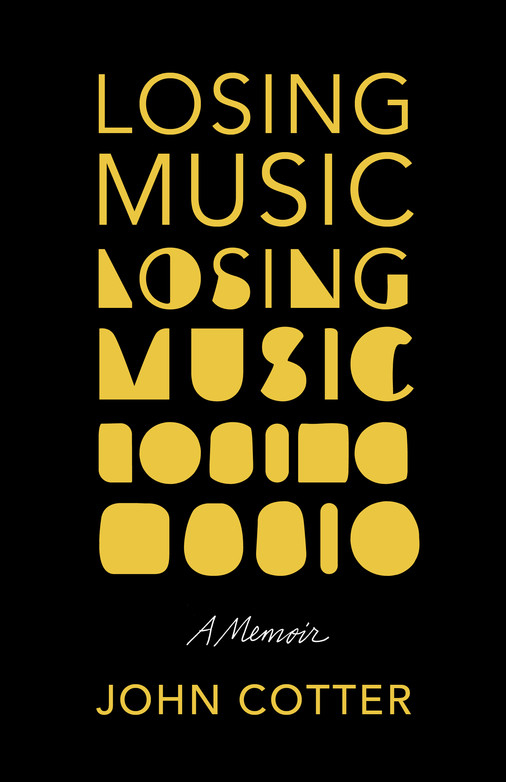
Losing Music: A Memoir – John Cotter

John Cotter was thirty years old when he first began to notice a ringing in his ears. Soon the ringing became a roar inside his head. Next came partial deafness, then dizziness and vertigo that rendered him unable to walk, work, sleep, or even communicate. At a stage of life when he expected to be emerging fully into adulthood, teaching and writing books, he found himself “crippled and dependent,” and in search of care.

When he is first told that his debilitating condition is likely Ménière’s Disease, but that there is “no reliable test, no reliable treatment, and no consensus on its cause,” Cotter quits teaching, stops writing, and commences upon a series of visits to doctors and treatment centers. What begins as an expedition across the country navigating and battling the limits of the American healthcare system, quickly becomes something else entirely: a journey through hopelessness and adaptation to disability. Along the way, hearing aids become inseparable from his sense of self, as does a growing understanding that the possibilities in his life are narrowing rather than expanding. And with this understanding of his own travails comes reflection on age-old questions around fate, coincidence, and making meaning of inexplicable misfortune.

A devastating memoir that sheds urgent, bracingly honest light on both the taboos surrounding disability and the limits of medical science, Losing Music is refreshingly vulnerable and singularly illuminating—a story that will make readers see their own lives anew.