When I was young, most people I knew had a subscription to a local music sabha. A sabha is supposed to be a congregration or an assembly in ancient India and in the south, a music sabha is a conregration for music lovers, especially during the music season. Close to our home and very close to my grand mother’s home was the music sabha we went to. My grand parents were members and when they moved out of Bombay (when it was still Bombay and had not yet been renamed to Mumbai), my parents took over the membership.
I remember a representative from the sabha would come home once every few months and pass us the membership card along with the sabha schedule for the next few months. This was way before social media and mobile phones, so everything was done manually. This sabha was one of the most prestigiuous sabhas in Bombay at that time. It was established a few years after India’s independence with the aim of promoting the fine arts and provide a platform to showcase various artists in the various areas of the fine arts, especially music, dance and drama.
My parents and grand parents from both sides used to look forward to this programme and we would also be taken to the sabha for a dose of culture and music appreciation. Sometimes when a friend was also going there, we would not mind going, but most times we would rebel. When they could not get us to accompany them, my mum would leave us at my grandmother’s house which was just 2-3 minutes away from the sabha and go and enjoy the concert. We would enjoy the next few hours in the company of friends and when the concert ended, they would come to my grand mother’s house, have dinner and go home. Most of the concerts used to involve classical Carnatic music and dancen and when a distinguished artist was scheduled to perform, people would beg and borrow extra passes so family and friends could also listen and see the artist at play.
When a distinguished artist was performing, we would all troop down to the sabha and any requests to stay at home would not be entertained as this would be a rare opportunity to hear and see such a distinguished performer. Relatives who stayed in other parts of the city would also make their way and I remember an aunt, my mother’s sister who was herself a singer and had learnt Carnatic music when she was younger would come down, especially if the concert was on a Saturday and stay at her mum’s place so she could attend it. I remember either attending or my parents attending performances by M.S Subbulakshmi among other celebrated artists.
When I just finished school, the sabha was unfortunately destroyed in a devastating fire and for a very long time all performances were stopped while it was being rebuilt. By then, we had all grown up and after a few more years of being members, my parents also gave up their membership and the sabha is now just a distant memory or a place for nostalgia when we pass by it.
Though I didn’t really recognise it then, this forced attendance has help me appreciate music. Though I did learn Carnatic music and my sister learnt Bharatanatyam, as did pretty much every tambram girl I knew, we did not take it up far and gave it up when school got too much for us. But those lessons and the concerts and dance performances we attended gave us a appreciation of what good music was all about. We learnt how to carry a tune and recognise when someone is out of tune. Even today, when I hear music which is even slightly out of tune, even though I may not recognise the raga being played, I know it is not correct and I wince, mostly unconsciously.
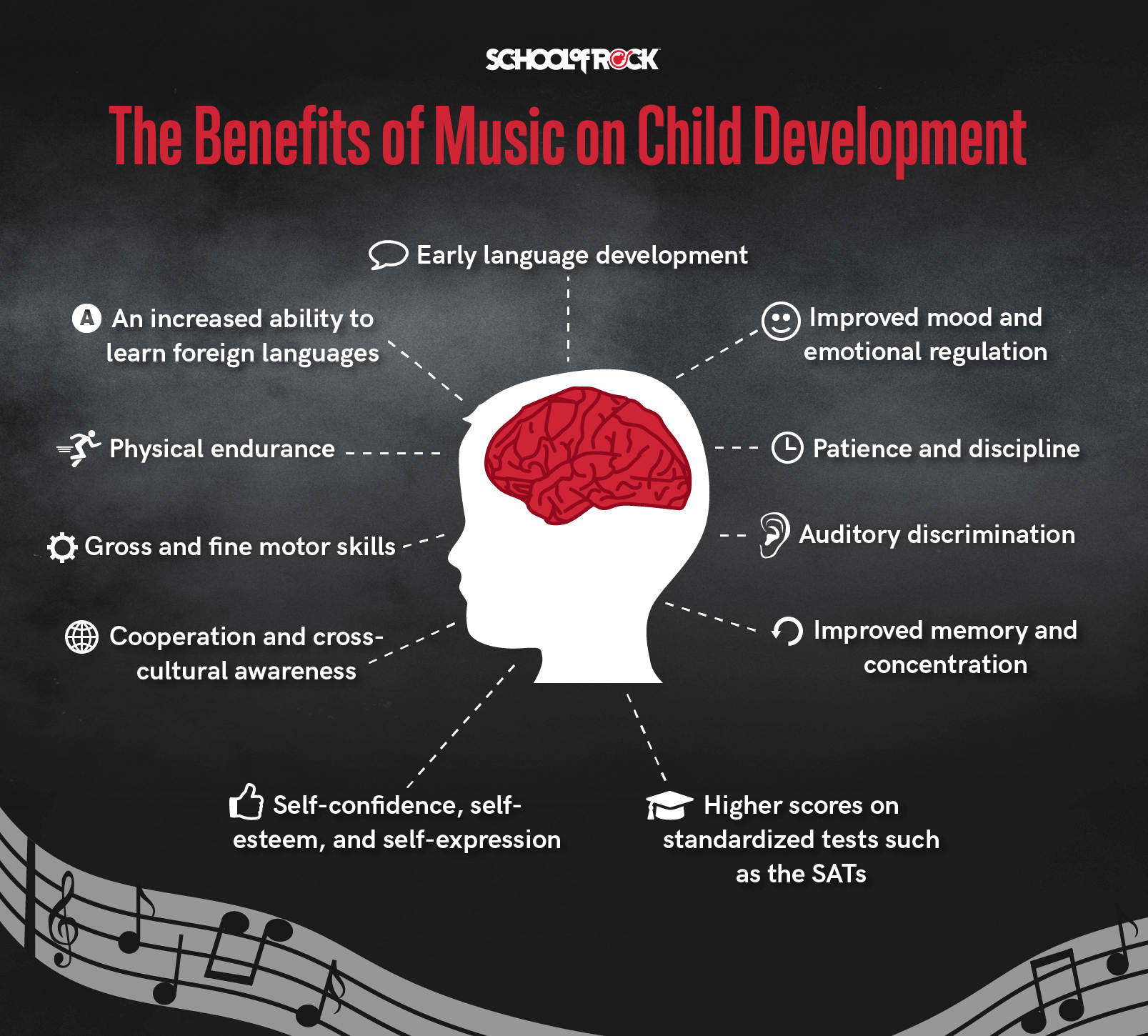
Today, research has confirmed what our parents and grandparents instinctively knew. That when you learn and listen and appreciate good music, it is extremely beneficial, especially to young children. Music is a megavitamin for the brain, the ultimate mood enhancer for emotional balance, a golden key for unlocking creativity, the secret code behind health and longevity, and the connective fiber between human beings of all races, nationalities and generations.
Musical training helps develop language and reasoning as it develops the areas of the brain related to language and reasoning. Children who are exposed to music early are more emotionally developed with empathy towards other cultures and also tend to have a higher self esteem and are better at coping with anxiety. Math and pattern recognition skills are developed with a music education and someone who has learnt music can better detect meaningful, information-bearing elements in sounds. Music also builds the imagination and intellectual curiosity and help foster a positive attitude toward learning and curiosity. An artistic education develops the whole brain and develops a child’s imagination. It is universally known that music helps fight stress and can be incredibly relaxing and also develop spatial intelligence in children.
When I look back in hindsight, I am so thankful to my parents for forcing this on me, even when I could not see it then. At that time, all it meant that going to classical concerts and dance performances meant that my Saturday evenings were being wasted, and I could use that time to play with friends. But today, as I do the same to my children, I realise how much this has benefitted me. GG & BB started learning Carnatic vocal music at about the age of seven. BB dropped it when he was about 12, when puberty hit and his voice started to break, but GG has still continued to learn. When I told her she could drop it if she wanted to, she told me it was very relaxing and wanted to continue. I do believe that these forced lessons have made them appreciate good music, even if their current music taste is not classical. GG also learnt western ballet for almost a decade, but gave it up when school got too much to balance. Today GG continues to sing, both classical and other music while BB, who actually has a good voice and a head for tune, sings very casually, though he will not really admit it.


/pop-music-57bce3863df78c87634ea806.jpg)