The 5 AM Club: Own Your Morning. Elevate Your Life – Robin S. Sharma
Legendary leadership and elite performance expert Robin Sharma introduced The 5am Club concept over twenty years ago, based on a revolutionary morning routine that has helped his clients maximize their productivity, activate their best health and bulletproof their serenity in this age of overwhelming complexity.
Now, in this life-changing book, handcrafted by the author over a rigorous four-year period, you will discover the early-rising habit that has helped so many accomplish epic results while upgrading their happiness, helpfulness and feelings of aliveness.
Through an enchanting—and often amusing—story about two struggling strangers who meet an eccentric tycoon who becomes their secret mentor, The 5am Club will walk you through:
How great geniuses, business titans and the world’s wisest people start their mornings to produce astonishing achievements A little-known formula you can use instantly to wake up early feeling inspired, focused and flooded with a fiery drive to get the most out of each day A step-by-step method to protect the quietest hours of daybreak so you have time for exercise, self-renewal and personal growth A neuroscience-based practice proven to help make it easy to rise while most people are sleeping, giving you precious time for yourself to think, express your creativity and begin the day peacefully instead of being rushed “Insider-only” tactics to defend your gifts, talents and dreams against digital distraction and trivial diversions so you enjoy fortune, influence and a magnificent impact on the world Part manifesto for mastery, part playbook for genius-grade productivity and part companion for a life lived beautifully, The 5am Club is a work that will transform your life. Forever.
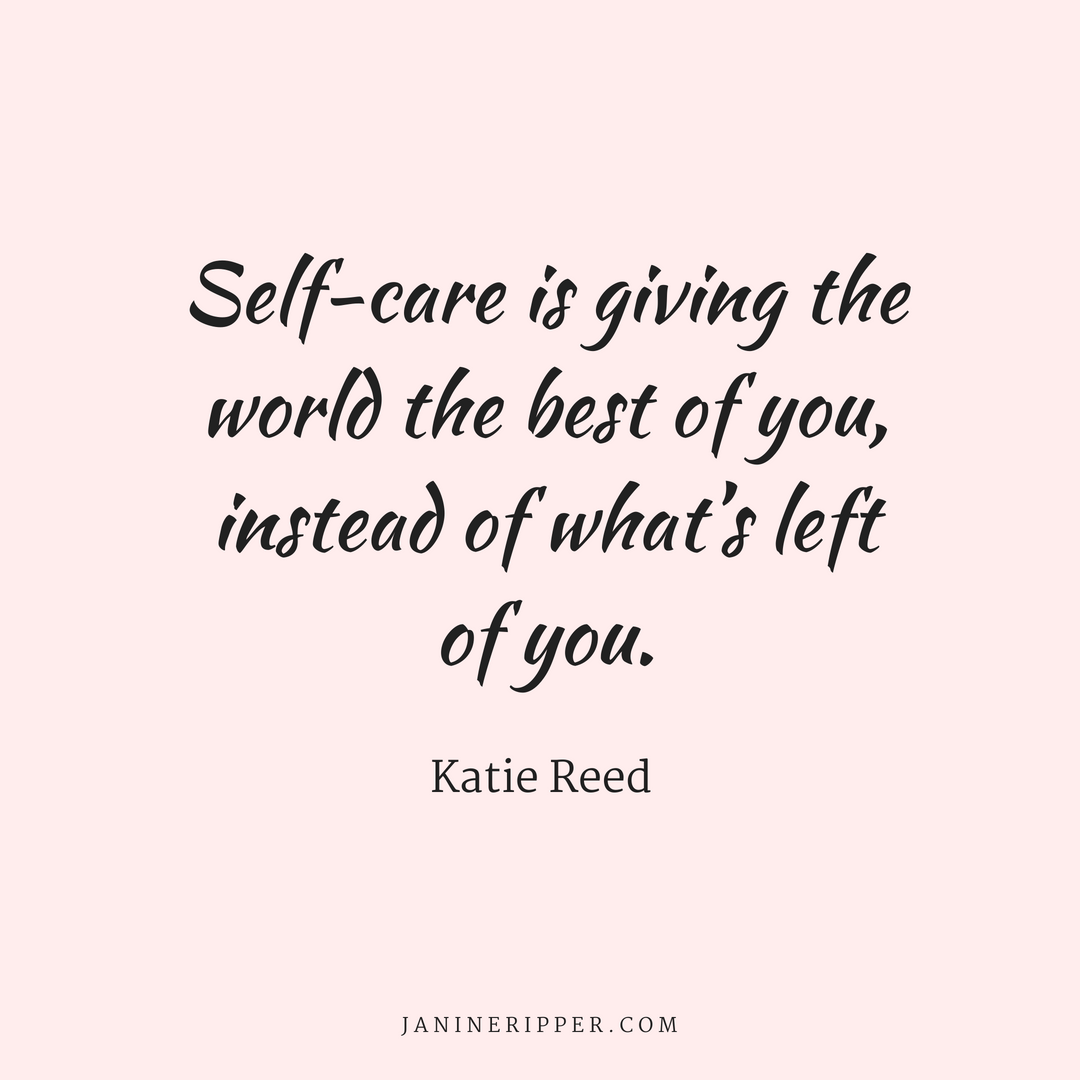
I recently attended a webinar where one of the speakers, a renowned doctor with fingers in many pies said that one of the best things we can do for ourselves is to take some time out every day and do something for ourselves. This is essentially what self-care is all about. Self-care includes anything you do deliberately to keep yourself healthy, be it physical, mental and spiritual. Although prioritising self-care may sound like common sense, especially if you’re considering longevity, it’s often the first thing to go when we find ourselves in challenging situations, whether because of bad health, a financial crisis, job loss, divorce or, today during the pandemic. This is why deliberately is one of the most important words in the definition and why it is important to keep it top of mind and not an after-thought, especially when we find ourselves in challenging times. One needs to be conscious of their well-being before one can achieve true self-care.
Today more than ever, we are hearing about self-care and according to Google Trends, the number of searches for “self-care” has more than doubled since 2015. Self-care is part of the answer to how we can all better cope with daily stressors, according to some experts because today people are feeling lonelier and less able to unwind and slow down, which makes them feel more anxious and overwhelmed by even the simplest tasks.
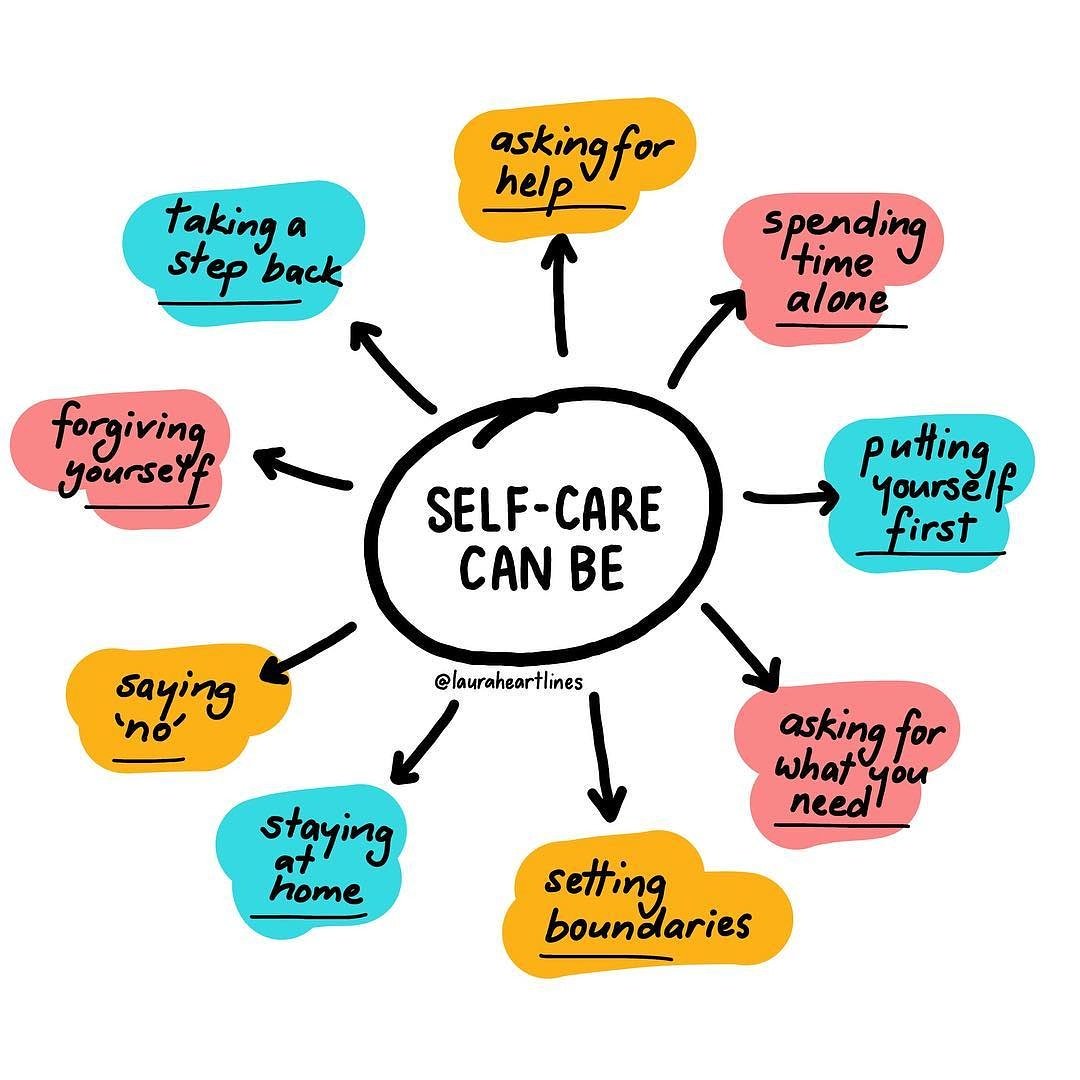
Self-care is an important part of living a healthy and happy lifestyle. Looking after ourselves both mentally and physically is crucial to taking control of our health. We lead increasingly busy lives and it can be easy to forget to put ourselves first, especially if we have multiple responsibilities and other people to care for. But looking after ourselves will make us feel better, and the better we feel, the better we will be in all areas of our lives – from work to relationships. Self-care doesn’t have to involve a huge time commitment and it doesn’t have to cost the earth. It could be as easy as taking a bath, relaxing with a good book, taking a walk outside or eating a favourite food. It’s about making a commitment to putting yourself first, even just for a while. Self-care is important to maintain a healthy relationship with one’s self as it produces positive feelings and boosts confidence and self-esteem. Also, self-care is necessary to remind the individual and others that their needs are important too.
Self-care has several benefits, most of which are interlinked and committing to a regular self-care routine will improve one’s overall wellbeing. Research suggests self-care promotes positive health outcomes, such as fostering resilience, living longer, and becoming better equipped to manage stress.
Self-care can improve physical health: A big part of self-care is committing to looking after one’s body and becoming more attuned with its needs. Whether it’s brushing your teeth, exercising more or getting enough sleep each night, part of any programme of self-care should focus on looking after one’s physical health.
Self-care can reduce stress and anxiety: Making time for relaxing activities, even something as simple as such as taking a warm bath, listening to music or practising yoga or meditation, is another common theme of self-care. Any activity that makes one feel more relaxed can help to reduce symptoms of stress and anxiety and to lift their mood.
Self-care can boost self-esteem: As well as helping to calm the nerves, taking time to relax and look after oneself can have a positive impact on the way one sees themselves, treating oneself with kindness can make them look upon themselves more kindly. Studies have found that people with higher self-esteem find it easier to deal with setbacks and are more likely to achieve goals of self-improvement.
Self-care protects mental health: Making changes to prioritise self-care can help to manage mental health issues and might even prevent them from getting worse. Of course, self-care is not a substitute for professional help, and one shouldn’t feel they have to tackle their problems alone. If mental health is suffering, please talk to someone. However, if someone is looking to improve their mental wellbeing, taking the time to care for themselves, both mentally and physically is important.
Self-care can lead to better relationships: It makes sense if you think about it: the happier and healthier an individual is, the more they can give to a relationship. This is especially important if the person is a parent or carer when it can be so easy to put someone else’s needs first, but they must look after their health too.
Self-care leads to a healthy work-life balance: Contrary to common belief, workaholism is not a virtue. Overwork and the accompanying stress and exhaustion can make one less productive, disorganised and emotionally depleted, leading to all sorts of health problems, from anxiety and depression to insomnia and heart diseases. Professional self-care habits like taking intermittent breaks, setting professional boundaries and avoiding overextending ensures that one stays sharp, motivated and healthy.
Self-care helps with stress management: While a little dose of stress is a healthy way to nudge us to meet the deadlines or finish that overdue task, constant stress and anxiety can hurt our mental and physical health. Smart self-care habits like eating healthy, connecting with a loved one or, practising meditation cuts down the toxic effects of stress by improving the mood and boosting the energy and confidence levels.
Self-care leads to better physical health: Self-care is not just about mental health, its also about caring for the physical self, by eating healthy, taking adequate sleep, caring about your hygiene and exercising regularly. Most of us are all less able to handle the stresses that come our way when we’re depleted by physical and emotional exhaustion. Or, put more positively, we are more resilient and more able to handle life’s stress when we are feeling our best both physically and emotionally. A massage, a hot bath, or another form of pampering revitalises us inside and out.
Self-care may boost physical health: While self-pampering doesn’t always lead to major improvements in overall health the way a healthy diet and exercise do, the relaxation one gets from it can trigger the relaxation response. This, in turn, can prevent chronic stress from damaging one’s health. So in a sense, self-care is good for you inside and out.
Self-care can improve emotional health: Taking time out to care for yourself can remind us and others that we and our needs are important, too. Having a well-cared-for body can make us feel good about ourselves and our life, and conveys to others that we value ourselves and this can contribute to long-term feelings of well-being.
Self-care makes one a better caregiver: People who neglect their own needs and forget to nurture themselves are at danger of deeper levels of unhappiness, low self-esteem, and feelings of resentment. And people who spend their time only taking care of others can be at risk of getting burned out, which makes it more difficult to care for others or themselves. Taking time to care for themselves regularly can make them better caretakers for others.
So start living and stop existing because life is a precious gift to waste when there is a choice to have a more meaningful existence. Life has many responsibilities and tends to throw curveballs when we least expect it, but it’s important to remember that taking care of ourselves is also our responsibility. Little things like reading a good book, sipping some great tea, enjoying a warm bath, playing some games, listening to the laugh of a child or playing with them are essential for our daily happiness. So, put away what is taking the time and take some time, even if it is just 30 minutes a day and spend some quality time with yourself.
Merriam Webster defines curiosity as a desire to know, an inquisitive interest in others’ concerns, an interest leading to inquiry and intellectual curiosity.
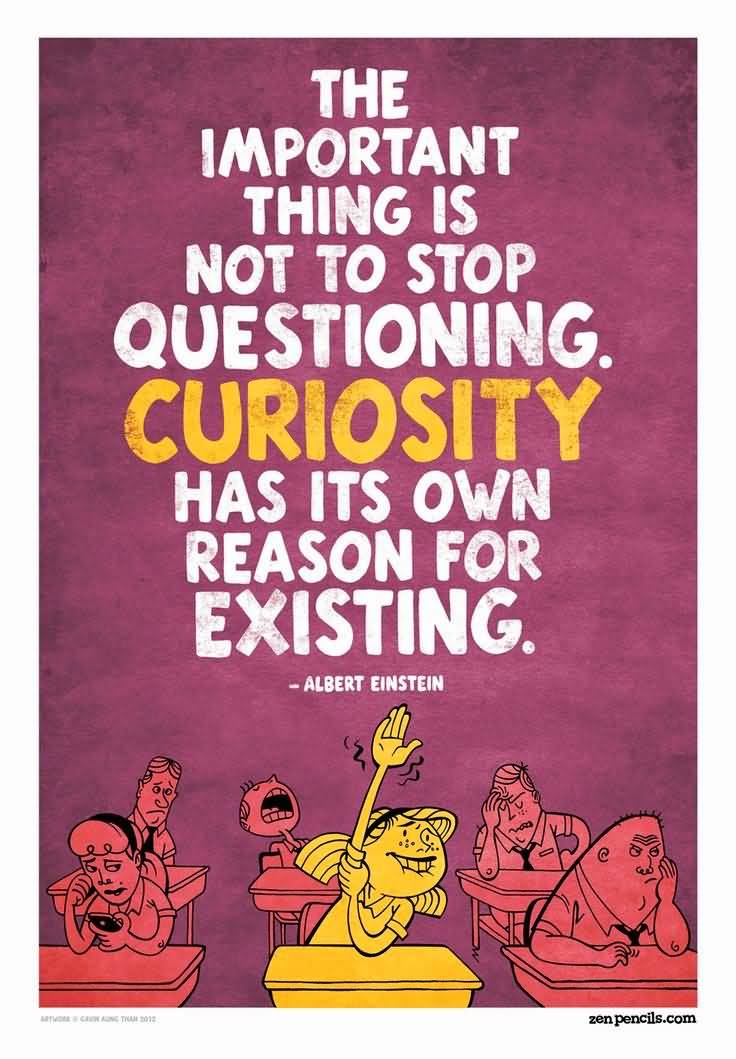
Curiosity is the desire to learn, to understand new things, and to know how they work. As children, we are naturally curious, born with the impulse to seek new information and experiences. As we age and gain more experience, we become less reliant on curiosity for answers and more reliant on knowledge. Curiosity gives way to comfort and certainty. Curiosity can be seen manifesting itself in geniuses, because they are inherently always curious, leading to the discoveries attributed to them. Curiosity is not only important for those with high IQs, but successful people across all walks of life often display a good measure of curiosity. Curiosity is the expression of the urge to learn and acquire facts and knowledge. It widens the mind and opens it to different opinions, different lifestyles and different topics.
Curiosity can manifest in many ways, as the desire to read the gossip columns or watch reality shows on TV, or as the desire to know about people and their lives. It can also manifest as the desire to accumulate knowledge about science, geography or other topics, or as the urge to know how to fix things. Curious people ask questions, read and explore. They are active about seeking information or experience, and are willing to meet challenges and to broaden their horizons. They are not shy to ask questions and delve deeply into the topic that interests them.
Curiosity throughout adulthood requires approaching experiences with the open-mindedness and naivete of a child. Buddhists call this the Beginner’s Mind. Curiosity pushes people toward uncertainty and allows them to approach it with a positive attitude. Empathy, creativity, innovation, and the ability to learn quickly all spring from curiosity. Curiosity lacks an agenda or desire to drive a specific outcome, which means it can open you up to experiences you never thought were possible. This is how ground-breaking discoveries are made, markets are disrupted, and barriers are overcome.
While curiosity comes naturally to some, many adults must develop it, and just like any other skill or habit, it takes practice. According to experts, to live a curiosity-driven life, an individual must commit to being vigilant about looking for what’s piquing their curiosity and to follow what is interesting to a person, even if that interest is faint at first. Curiosity is not only linked to success because it leads to creativity and discoveries, it also helps to develop meaningful relationships that enrich personal and professional lives. When curiosity leads conversations, it opens up possibilities, letting people establish deeper, more meaningful relationships because the interactions then moves towards discovering others, rather than using them to fulfil an agenda.
But why is curiosity so important? Here are some reasons
Curiosity makes your mind active instead of passive. Curious people always ask questions and search for answers. Their minds are always active. Since the mind is like a muscle that becomes stronger through continual exercise, mental exercise caused by curiosity makes the mind stronger and stronger.
Curiosity makes the mind observant of new ideas. When an individual is curious about something, their mind expects and anticipates new ideas related to the subject. When the ideas come they will recognise them and without curiosity, the ideas may pass right in front of them and yet they miss them because their mind is not prepared to recognise them.
Curiosity opens up new worlds and possibilities. By being curious, an individual will be able to see new worlds and possibilities that are normally not visible, which are hidden behind the surface of normal life, and it takes a curious mind to look beneath the surface and discover them.
Curiosity brings excitement to life. The lives of curious people are far from boring and are neither dull nor routine with new things always on the horizon that attracts the curious person’s attention. Instead of being bored, curious people have an adventurous life. Curiosity is important for excelling in any job and doing it better because it allows an individual to ask questions, learn from others, and look for ways to do their job better. The minds of curious people are active, they want to know and to understand which puts them in a better position to learn a job and do it better and more creatively, unlike a person who lacks curiosity. When curious people fail, they analyse their failure, because they are keen on knowing the reasons, to do better the next time, increasing future successes.
Keep an open mind: An open mind is essential to have a curious mind. Be open to learn, unlearn, and relearn. Some things you know and believe might be wrong, and one should be prepared to accept this possibility and change their minds.
Don’t take things at face value: If one just accepts the world as it is without trying to dig deeper, they will certainly lose the holy curiosity. Never take things at face value and try to dig deeper beneath the surface of what is around them.
Ask questions relentlessly: A sure way to dig deeper beneath the surface is asking questions. The five Ws and one H of Who, Why, When, What, Where and How are the best friends of curious people.
Don’t label something as boring: Whenever one labels something as boring, they close one more door of possibilities. Curious people are unlikely to call something boring. Instead, they always see it as a door to an exciting new world. Even if they don’t yet have time to explore it, they will leave the door open to be visited another time.
See learning as something fun: If one sees learning as a burden, there’s no way they will want to dig deeper into anything, and will just make the burden heavier. But if they think of learning as something fun, they will naturally want to dig deeper. So the lesson here is to look at life through the glasses of fun and excitement and enjoy the learning process.
Have diversity in your reading: Don’t spend too much time in just one world; take a look at other worlds, it will introduce an individual to the possibilities and excitement of the other worlds which may spark their interest to explore them further. One easy way to do this is by reading diverse genres and topics. The easiest way to do this is to pick a book or magazine on a new subject and let it feed the mind with the excitement of a new world.
Be Present: Don’t enter a conversation with the mind somewhere else or be focused on where you want the conversation to go. Be aware of thoughts drifting, and bring them back to the present, staying fully engaged with the person in front of you. Look at each interaction as an opportunity to learn something fascinating.
Give: Give others your full attention, give them an authenticity and give them time. When one shifts their focus from what they can get from a person to what they can give them, their relationship shifts from transactional to genuine.
Check Your Ego: A person’s ego can destroy curiosity because it fears insecurity. Curiosity requires embracing and exploring the unknown, which triggers insecurity. Don’t worry about how others will react to a person. Curiosity drives one to discover, not impress.
I will leave you to search more about this immensely interesting subject and allow you to flex your curiosity muscle with these TED Talks.
12 Rules for Life: An Antidote to Chaos – Jordan B. Peterson, illustrated by Ethan Van Sciver
What does everyone in the modern world need to know? Renowned psychologist Jordan B. Peterson’s answer to this most difficult of questions uniquely combines the hard-won truths of ancient tradition with the stunning revelations of cutting-edge scientific research.
Humorous, surprising, and informative, Dr. Peterson tells us why skateboarding boys and girls must be left alone, what terrible fate awaits those who criticize too easily, and why you should always pet a cat when you meet one on the street.
What does the nervous system of the lowly lobster have to tell us about standing up straight (with our shoulders back) and about success in life? Why did ancient Egyptians worship the capacity to pay careful attention as the highest of gods? What dreadful paths do people tread when they become resentful, arrogant, and vengeful? Dr. Peterson journeys broadly, discussing discipline, freedom, adventure, and responsibility, distilling the world’s wisdom into 12 practical and profound rules for life. 12 Rules for Life shatters the modern commonplaces of science, faith, and human nature while transforming and ennobling the mind and spirit of its listeners.
The Subtle Art of Not Giving a F*ck: A Counterintuitive Approach to Living a Good Life – Mark Manson
In this generation-defining self-help guide, a superstar blogger cuts through the crap to show us how to stop trying to be “positive” all the time so that we can truly become better, happier people.
For decades, we’ve been told that positive thinking is the key to a happy, rich life. “Fk positivity,” Mark Manson says. “Let’s be honest, shit is fked and we have to live with it.” In his wildly popular Internet blog, Manson doesn’t sugarcoat or equivocate. He tells it like it is—a dose of raw, refreshing, honest truth that is sorely lacking today. The Subtle Art of Not Giving a F**k is his antidote to the coddling, let’s-all-feel-good mindset that has infected American society and spoiled a generation, rewarding them with gold medals just for showing up.
Manson makes the argument, backed both by academic research and well-timed poop jokes, that improving our lives hinges not on our ability to turn lemons into lemonade, but on learning to stomach lemons better. Human beings are flawed and limited—”not everybody can be extraordinary, there are winners and losers in society, and some of it is not fair or your fault.” Manson advises us to get to know our limitations and accept them. Once we embrace our fears, faults, and uncertainties, once we stop running and avoiding and start confronting painful truths, we can begin to find the courage, perseverance, honesty, responsibility, curiosity, and forgiveness we seek.
There are only so many things we can give a fk about so we need to figure out which ones really matter, Manson makes clear. While money is nice, caring about what you do with your life is better, because true wealth is about experience. A much-needed grab-you-by-the-shoulders-and-look-you-in-the-eye moment of real-talk, filled with entertaining stories and profane, ruthless humor, The Subtle Art of Not Giving a Fk is a refreshing slap for a generation to help them lead contented, grounded lives.







 Memories and Such