
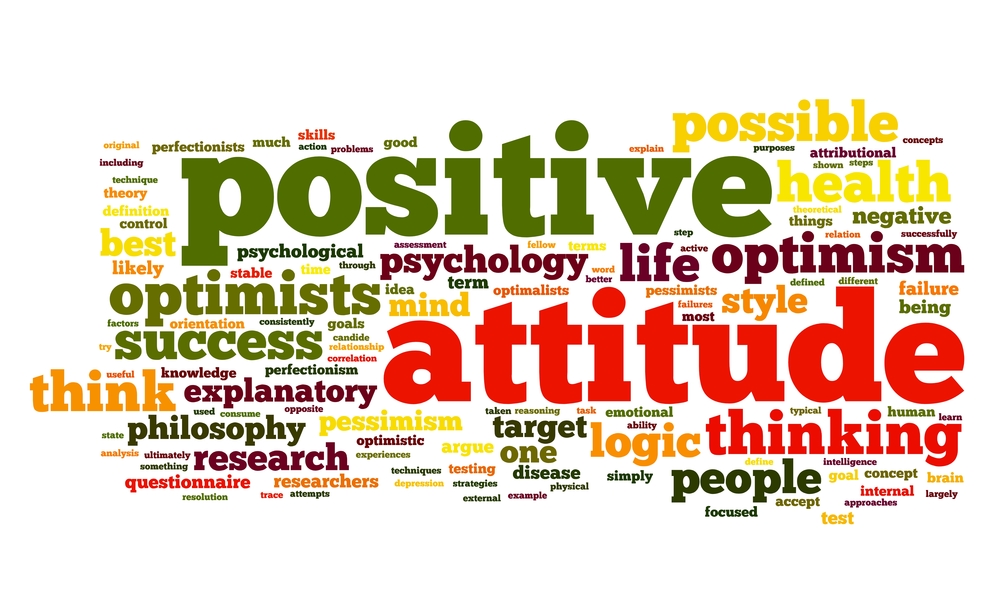
As we go on in life, our attitudes colour every experience, shape our perceptions and influence our decisions and responses to challenges and triumphs. A positive attitude, one that is characterised by optimism, resilience, and a proactive mindset, is the lens through which we interpret the world, shaping our interactions and influencing the trajectory of our lives. Our attitude is a compass, guiding us through the storm and calm with grace and resilience.
The benefits of a positive attitude extend far beyond simply feeling good. They ripple outward, enriching every corner of our existence. Positivity acts as a potent elixir, promoting well-being on a holistic level. Studies reveal its power to reduce stress, bolster the immune system, and even influence longevity. Positive emotions trigger physiological changes that directly impact our health, turning optimism into a tangible investment in our well-being. In the workplace, a positive attitude becomes a secret weapon. It enhances problem-solving skills, fosters collaboration, and inspires those around us. Individuals with a sunny outlook are perceived as more competent, trustworthy, and resilient, drawing opportunities like bees to pollen. Research shows that employees with a positive attitude are more likely to receive promotions and achieve career success.
Positive emotions are contagious, weaving stronger, more resilient connections into the fabric of our lives. Those who radiate optimism draw others in, building supportive and encouraging relationships. This extends beyond personal ties, influencing interactions with colleagues, clients, and even strangers. In the symphony of interpersonal connections, a positive attitude harmonizes the notes, creating a melody of trust and warmth. A positive attitude acts as psychological armour, helping us navigate these detours with grace and resilience. It allows us to reframe setbacks as opportunities for growth, fostering a belief in our ability to overcome obstacles and emerge stronger. When faced with adversity, the thread of positivity ensures we’re not merely weathering the storm but actively learning from and evolving from its winds.
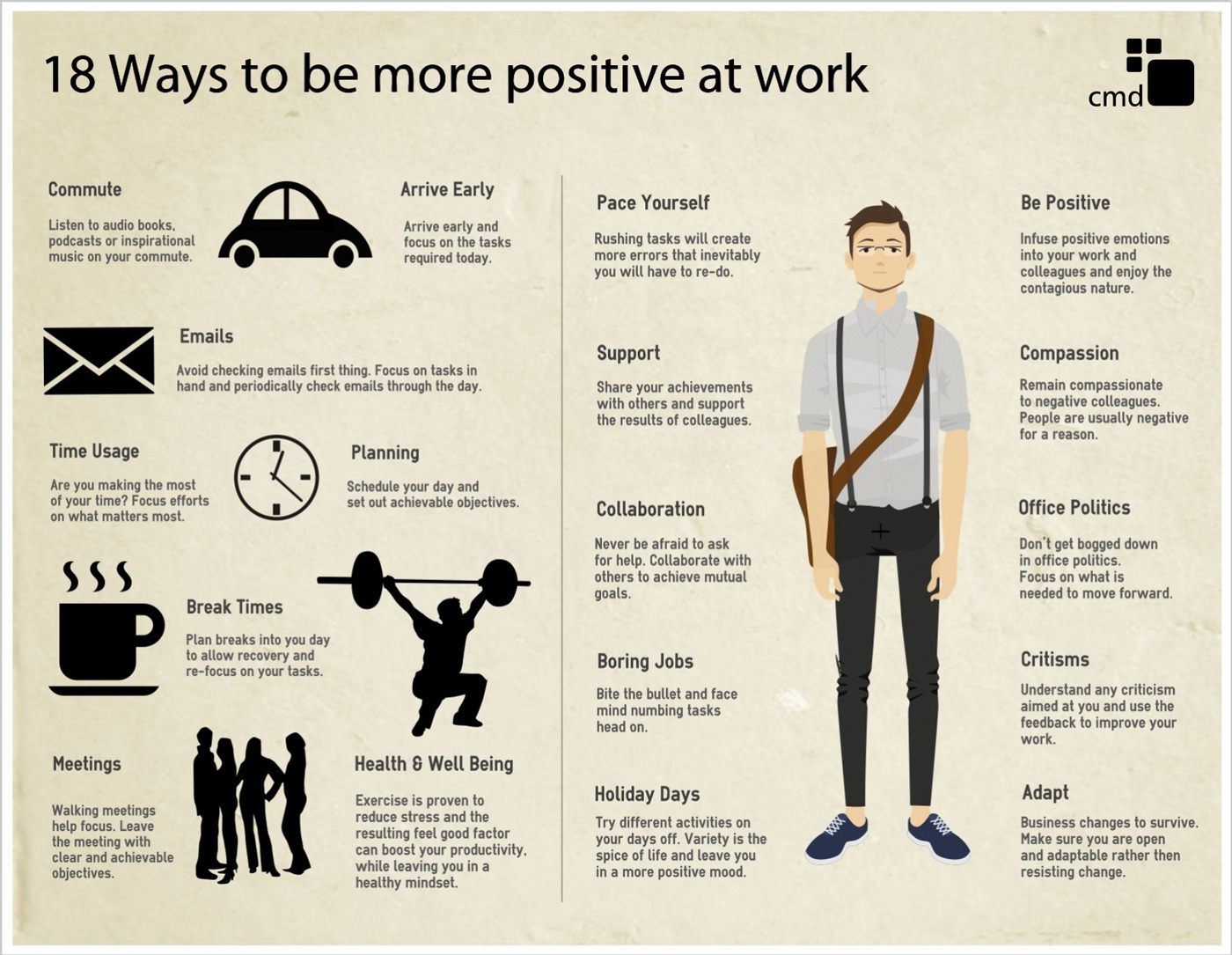
In the workplace, a positive attitude can be a catalyst for increased productivity. When individuals approach tasks with enthusiasm and optimism, they are more likely to overcome obstacles, find creative solutions, and contribute to a thriving work environment. Positive individuals tend to be effective team players. Their upbeat outlook and willingness to support colleagues create a harmonious work atmosphere, fostering collaboration and teamwork. This, in turn, contributes to the overall success of projects and the organisation. Leaders with a positive attitude inspire and motivate their teams. The ability to maintain optimism during challenges instills confidence in others, making positive leaders influential and capable of steering their teams through adversity.
A positive attitude forms the bedrock of healthy relationships. Individuals who approach interactions with optimism and kindness build stronger connections, fostering trust, understanding, and a sense of mutual support. In the face of personal challenges, a positive attitude acts as a shield. It doesn’t negate difficulties but equips individuals with the resilience to navigate them constructively, maintaining emotional well-being and preventing adversities from straining relationships. Within families, a positive attitude contributes to a nurturing environment. Parents who model positivity teach valuable life skills to their children, fostering a resilient and optimistic mindset that extends into the next generation.
Positive thinkers are better equipped to manage stress. By adopting a solutions-oriented mindset, they focus on what can be controlled, reducing feelings of overwhelm and promoting mental well-being. A positive attitude is linked to increased mental resilience. Individuals who maintain an optimistic outlook are better able to bounce back from setbacks, viewing challenges as opportunities for growth rather than insurmountable obstacles. Positivity contributes to emotional health, fostering a sense of joy, gratitude, and contentment. Cultivating a positive attitude can be a proactive measure in preventing or managing conditions such as anxiety and depression.

Research suggests a correlation between a positive attitude and improved immune function. The body’s ability to resist illness may be enhanced by the psychological benefits of maintaining an optimistic outlook. Studies indicate that individuals with a positive attitude may experience increased longevity and a higher quality of life. The physiological impact of positivity contributes to overall health and well-being.
Rather than viewing setbacks as failures, individuals with a positive attitude see them as opportunities to learn and grow. This perspective transforms challenges into stepping stones for future success. Building a positive attitude isn’t a one-time task; it’s a deliberate practice, requiring nurturing and reinforcement. Negative thoughts are inevitable weeds in the garden of the mind. Recognize their presence, but don’t let them take root. Actively challenge their validity, replacing them with seeds of positive affirmations and realistic perspectives. It’s essential to recognize and address negative thoughts when they arise. This might involve reframing negative self-talk or seeking support through counselling or coaching.
A positive attitude involves embracing difficulties as chances for personal and professional growth rather than insurmountable obstacles. When faced with challenges, resist the urge to wallow in negativity. Shift your focus to finding solutions, like a gardener weeding out unwanted growth. This proactive approach empowers you and fosters a sense of control over your circumstances. Don’t wait for monumental achievements to be celebrated. Acknowledge and appreciate your daily accomplishments, however small they may seem. This builds confidence and reinforces a positive self-image, nurturing the delicate blooms of self-worth. Treat yourself with the same compassion and understanding you extend to others. Forgive yourself for mistakes, focus on progress over perfection, and celebrate your unique strengths. Remember, a positive attitude isn’t about being flawless; it’s about embracing your humanness and appreciating the beauty of your growth.
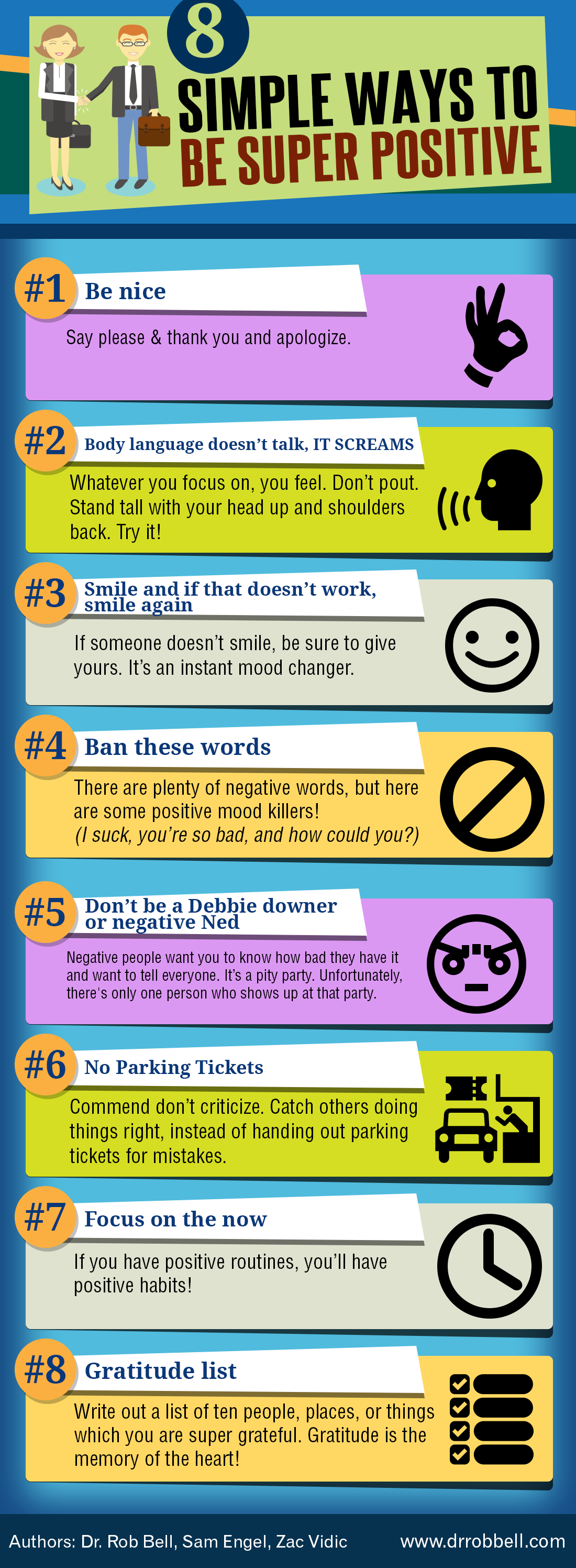
Developing mindfulness and self-awareness is foundational to cultivating a positive attitude. Understanding one’s thoughts and reactions allows for intentional shifts towards optimism. Regularly expressing gratitude has a transformative effect on attitude. Keeping a gratitude journal or taking moments each day to reflect on positive aspects cultivates an appreciation for life’s blessings. Incorporating positive affirmations into daily routines can rewire thought patterns. Affirmations reinforce optimistic beliefs, gradually shaping a positive mindset. Consciously choosing positive influences, whether in personal relationships, media consumption, or social circles, contributes to maintaining a positive attitude. Surrounding oneself with optimism reinforces this mindset. Viewing challenges through the lens of opportunity reframes adversity.
A positive attitude doesn’t mean ignoring the realities of life. Realistic optimism involves acknowledging challenges while maintaining confidence in one’s ability to overcome them. This balanced perspective forms the core of a resilient mindset. Ultimately, the power of a positive attitude lies in its ability to empower us to create a life that aligns with our values and aspirations. It’s a conscious choice to invest in ourselves, to nurture a sense of optimism and resilience that serves as a foundation for well-being, success, and a life truly lived to the fullest.
So, step into the sunshine, cultivate your inner garden of positivity, and watch your life blossom with newfound purpose and joy. As we navigate the complexities of our lives, the cultivation of a positive attitude stands as a transformative practice—one that not only shapes our present experiences but lays the foundation for a future defined by resilience, joy, and an unwavering belief in the inherent goodness of life.



 Memories and Such