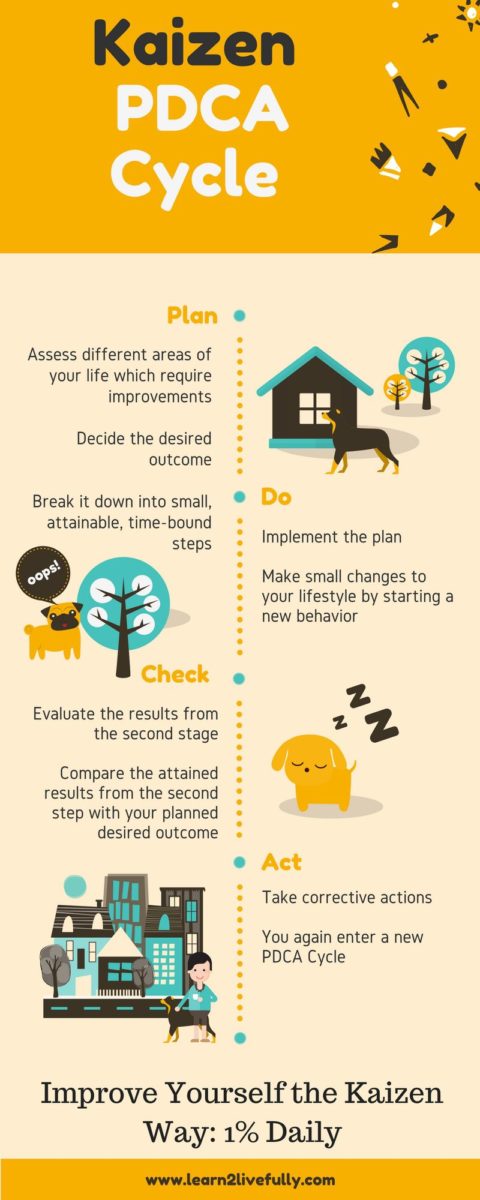
Over the past few weeks, I have been speaking to BB & GG about their future and I realised that a common refrain emerged in what I was speaking, which was being successful. So that led me think on what success means? I define success as accomplishing goals, be it small or large. Success is always doing your best, being happy and most importantly believing that you can do what you set out to achieve.
To become successful in any area of life, one should first want it. There is a saying that success only comes to those to dare, which most people don’t. Success only comes to those who are fully committed and determined that come what may, they will give their 100% to what they want to succeed in. So, what are those elusive qualities that someone who is successful has and that we, ordinary people are lacking?

Willing to fail: When one fails, one knows what it takes to succeed. And everyone fails before they succeed and so, a successful person is willing to fail to eventually succeed. The important thing, however, is to learn from each failure, which will eventually lead to better decisions in the future and persevering and not giving up at the first sign of failure.
Go the extra mile: A successful person does more than what’s asked of them. They view their job descriptions as just the beginning of what they can do with their job and once they’ve completed their mandatory tasks, they will always ask to take on more projects that challenge them including those tedious jobs that no one else wants to do in order to be a team player.
Forgive and maybe forget: Successful people learn to forgive and don’t hold on to grudges. The art of forgiveness is the art of letting go and successful people know that to forgive doesn’t mean condoning what someone has done, but rather releasing the negative emotion around it for their own peace of mind. Only then can they move past it and strive harder. On the other hand, unsuccessful people tend to hold on to grudges, causing the negative situation and energy to fester away and inevitably affect their success.
Set real goals: Successful people make achievable and attainable goals that can be accomplished. They also plan their days and even weeks with focussed goals that are aligned with their strengths while avoiding their weaknesses.
Accountability and responsibility: They are accountable for themselves and their actions and don’t rely on others to get their job done. They try to look inwards and search for solutions and own up to mistakes. They make their own luck and position themselves for success. By being slightly better each day and doing at least one thing each day that contributes to their success, they position themselves to get lucky and use that luck to grow and become better in life. They also know they are responsible for their own actions, reactions and ultimately successes and failures which creates a mindset of empowerment and control where bad outcomes direct them to a better path and lets them grow from failure.

Flexible: Those who are successful tend to be more flexible and learn to adjust themselves according to the changes happening in their lives. They are willing to reinvent themselves to stay relevant, constantly coming up with new ideas, learning new skills and searching for ways to be more productive. They don’t wait for things to happen; they make things happen.
Effective communicators: Successful people are able to communicate effectively. They are good story tellers and are persuasive and confident while doing so. They are able to negotiate well and can compile compelling tracks about themselves and their motivations. What makes them effective is that they are clear about and sensitive to the outcome they want to get from their communication and are flexible in their method of communication to achieve their outcome. They are experts at building rapport and separate what is being said from the meaning they put into what is being said.
Networks: Successful people build good networks whom they can tap into when they need answers, people or even help. They aren’t afraid of emailing or calling the best person who can help them and are always prepared with the right questions. They are, in turn, always willing to help others. They also realise that the best way to build a great network is to give help to others first with no expectation of reward. Those who constantly take without giving usually do very poorly on building a solid network.

Life-long learners: Successful people are always learning. They are life-long learners who push themselves out of their comfort zones. Successful people always remain students and are constantly learning new things and have new experiences. They aren’t afraid to try new activities and to fail at them because they know that only by failing will they learn. They are also more excited about the journey than the result because they enjoy the process.
Consistency: Successful people follow through with their habits which others say they would like to, but don’t. Success is down to consistent habits and successful people know this and stick to them. They create positive routines and take time to journal or plan out goals every day. They also have positive but consistent habits like reading, not watching too much television and use their downtime to implements positive and powerful habits which allow them to succeed.
Focus: Successful people are focussed on where they want to go, how they want to be and how to get there. They know the importance of personal growth within their journey towards success. Those who are not successful, focus on the end goal without giving much thought to how to get there. They are also more interested in what others are doing as opposed to what they should be doing instead. This is an important part of being successful in any aspect of life.
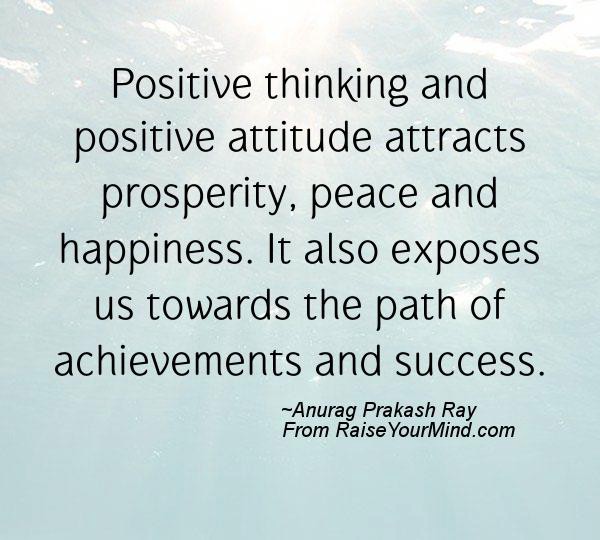
Positive Mindset: Successful people focus on the positive and have a positive mindset which propels them on the path to success. Such a state, even when facing a particular challenge, attracts more positive opportunities. It does not matter if they are not successful right now, what matters most is where they would want to go and if they are willing to work for it. Unsuccessful people on the other hand, focus on the negative which can only steer one towards failure because when one only sees the negative, they literally blind themselves from seeing answers to problems because they’re usually fixated on the problem itself and not the solution.
Attitude of gratitude: The attitude of gratitude is the secret weapon for every successful person. Whether it’s gratitude for where they are no matter what stage they’re at, for the people around them and even the challenges they face, appreciation for everything brings more things to be grateful for, and therefore success into their lives.
Embrace Change: The only constant in this world is change and those who know this and take advantage of this adage are successful. They know that change is necessary to grow in life and become successful and so they willingly embrace change because they see change as positive. Others fear change and find it hard to adapt to a changing world.
Share credit: Those who are successful in life usually share credit and don’t hog all the credit for success. Any team effort, even with the major work done by one individual is cause for the group to be credited and share in the celebration. Acknowledging the contributions of others is a common trait in successful people.

Dream big: If one aims for the stars, they will at least touch the moon. Those who are successful know this and have big dreams. Most people don’t live their dream life because they do not dare to dream big. Most of us just aim to get by in life, but if one is serious about being successful, they need to start thinking of having an extraordinary life and think big. It’s quite simple actually, if one thinks of success all the time, there is a high chance that it will be achieved. Conversely, if failure is all that is being thought about, guess what happens?
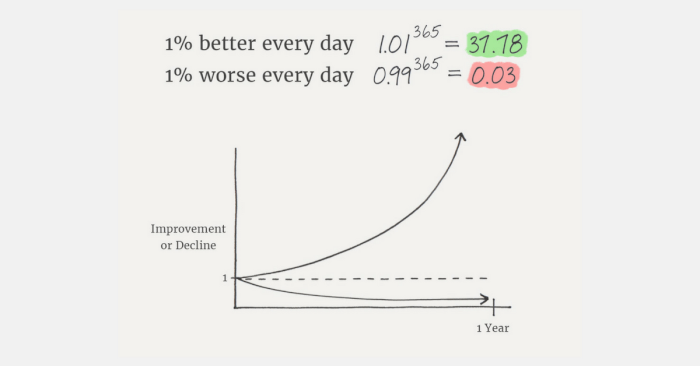
Continuously improving: A successful person knows that they have to be just slightly better today than they were yesterday and a bit better tomorrow than they were today. This puts them on a path to becoming better on a continuous basis and reach the goals they set for themselves.
Never give up: The journey to success is tough and one will go through a lot of failures and setbacks before reaching the apex. However, they never let that get to them, but have the confidence to move on and to turn failures into learning lessons. Those who are successful never quit and give up on their dreams. They hold on to their dreams and continue to work hard even when the world tells them that it is impossible.

Self-Discipline and Self-confidence: Everyone procrastinates. And everyone has a vice or two, however minor. But those who are continually successful never let distractions overtake them. Instead, they have the discipline to force themselves to keep at it, even when they feel the urge to do something less important. Confidence shouldn’t be confused with arrogance. Confidence is the belief and conviction in self. Successful people are great at this.
Time management skills: Those who are successful are able to manage their time well. They know that time can’t actually be managed, because you can only manage something that you can actually change. Instead, successful people prioritise the things that matter most, focus on those and leave the rest to be tackled on another day.
High self-esteem: Those who succeed are people who believe they deserve their success and know that they can do anything they set their mind to. They understand that a mistake is something that they do and not who they are. They also monitor the warning signs of low self-esteem to ensure they always keep a positive self-image of themselves. They realize that self-esteem is a state of mind and choosing to have high self-esteem is much more useful than choosing to have low self-esteem.

Well-rounded and balanced: Truly successful people strive to be successful in all aspects of their lives. They live healthy lives, become financially independent, nurture meaningful relationships, develop personal mastery, and accomplish their professional goals. They know that sacrificing one key area to achieve another will not help them maximise their true potential. It is hard to be your best and to contribute when you have to worry about how you are going to pay the rent.
Great listeners: Everyone wants to be a great speaker but how many people strive to be excellent listeners. People who listen succeed in life because they are able to hear and understand the needs of other people and to focus their energy on meeting those needs. The fastest way to be a good conversationalist is to listen well and ask questions.
Always prepared: Successful people are always prepared. They not only have a plan B but also a Plan C, D, E, and F. They mentally rehearse and visualise the possibilities vividly so that when the actual situation occurs, their brains will remember what to do and they are never stuck on the back foot.

So here you have it. These are some of the key elements to what makes someone successful. A mindset of gratitude, teamwork and putting more emphasis on the journey rather than the destination are all important when it comes to success.





 Memories and Such