Digital Minimalism: Choosing a Focused Life in a Noisy World – Cal Newport
Minimalism is the art of knowing how much is just enough. Digital minimalism applies this idea to our personal technology. It’s the key to living a focused life in an increasingly noisy world.
In this timely and enlightening book, the bestselling author of Deep Work introduces a philosophy for technology use that has already improved countless lives.
Digital minimalists are all around us. They’re the calm, happy people who can hold long conversations without furtive glances at their phones. They can get lost in a good book, a woodworking project, or a leisurely morning run. They can have fun with friends and family without the obsessive urge to document the experience. They stay informed about the news of the day, but don’t feel overwhelmed by it. They don’t experience “fear of missing out” because they already know which activities provide them meaning and satisfaction.
Now, Newport gives us a name for this quiet movement, and makes a persuasive case for its urgency in our tech-saturated world. Common sense tips, like turning off notifications, or occasional rituals like observing a digital sabbath, don’t go far enough in helping us take back control of our technological lives, and attempts to unplug completely are complicated by the demands of family, friends and work. What we need instead is a thoughtful method to decide what tools to use, for what purposes, and under what conditions.
Drawing on a diverse array of real-life examples, from Amish farmers to harried parents to Silicon Valley programmers, Newport identifies the common practices of digital minimalists and the ideas that underpin them. He shows how digital minimalists are rethinking their relationship to social media, rediscovering the pleasures of the offline world, and reconnecting with their inner selves through regular periods of solitude. He then shares strategies for integrating these practices into your life, starting with a thirty-day “digital declutter” process that has already helped thousands feel less overwhelmed and more in control.
Technology is intrinsically neither good nor bad. The key is using it to support your goals and values, rather than letting it use you. This book shows the way.
Factfulness: Ten Reasons We’re Wrong About the World – and Why Things Are Better Than You Think – Hans Rosling, Ola Rosling and Anna Rosling Rönnlund
Factfulness:The stress-reducing habit of only carrying opinions for which you have strong supporting facts.
When asked simple questions about global trends – why the world’s population is increasing; how many young women go to school; how many of us live in poverty – we systematically get the answers wrong. So wrong that a chimpanzee choosing answers at random will consistently outguess journalists, Nobel laureates, and investment bankers.
In Factfulness, Professor of International Health and a man who can make data sing, Hans Rosling, together with his two long-time collaborators Anna and Ola, offers a radical new explanation of why this happens, and reveals the ten instincts that distort our perspective.
It turns out that the world, for all its imperfections, is in a much better state than we might think. But when we worry about everything all the time instead of embracing a worldview based on facts, we can lose our ability to focus on the things that threaten us most.
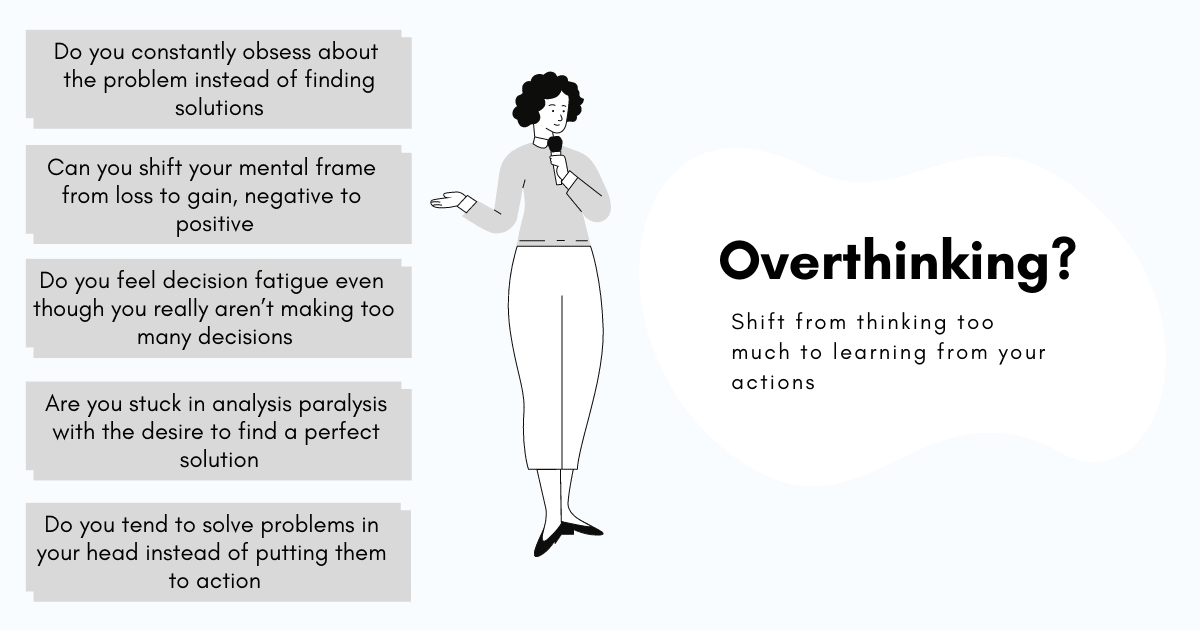
We have been there – we are faced with a decision, it can be a major or a minor one, and start weighing the pros and cons of the choices available. And we think so much, turn every possibility in our heads and weigh on every tiny aspect and the what-ifs so much that we can’t make up our minds. This freezing with inaction is called Overthinking by experts. While it’s human nature to think things through when making a decision or evaluating a situation, it becomes overthinking when you can’t get it out of your head. It happens to all of us at some point in our lives – we all experience events that cause us to worry or stress.
Some people can’t seem to turn their concerns off. They worry about the future, making catastrophic predictions about unlikely events that haven’t happened yet. They also ruminate about the past, beating themselves up about the should haves and could haves. They fret over what others might think of them or let negative self-talk build up in their minds. If I have to summarise overthinking in a couple of sentences, it is that overthinking is when you dwell or worry about the same thought repeatedly and those who overthink can be paralysed by their worries and may struggle to make decisions or take action. Overthinking can be caused by and can contribute to depression, anxiety, and other mental health disorders.
Also referred to as rumination, overthinking is when one repetitively dwells on the same thought or situation over and over to the point it gets in the way of their life. Overthinking usually falls into two categories: ruminating about the past or worrying about the future. Those who struggle with overthinking may feel stuck and unable to do much because it’s hard to get the thoughts out of their heads and concentrate on anything else. According to experts, about 73% of 25 to 35-year-olds chronically overthink, along with about 52% of people aged 45 to 55.
Overthinking is unproductive but not the same as being stressed or worried about a specific circumstance. Having a lot of thoughts about a stressful situation in the short term can prompt one to make a move. When one is nervous or stressed, that can sometimes switch on the adrenaline rush and help with the task. Experts believe that even though people of all ages, genders, or personality types might struggle with rumination, those who are motivated by achievement can be more prone to overthinking.
Although not recognised as a mental disorder, overthinking is often associated with other mental health conditions, including depression, anxiety disorders, obsessive-compulsive disorders and post-traumatic stress disorders. One study found a two-way relationship between overthinking and other mental health issues where high levels of stress, anxiety, and depression can contribute to overthinking and overthinking, in turn, may be associated with increased stress, anxiety, and depression.
Overthinking a tough decision can also cause problems. Replaying all the options in your head can lead to “paralysis by analysis” – you’re afraid to take the wrong action, so you take no action at all. But even making the wrong decision is better than making no decision. But overthinking is not always bad. Sometimes, overthinking can appear to be a benefit. Running through different scenarios in your head is a good way to make hard decisions, and visualising goals is essential to achieving them. But those are strategies that are employed to reach a specific goal. Overthinking is different, it isn’t rational, and it isn’t part of a larger strategy and in fact, it can interfere with problem-solving abilities.
Overthinking may also cause excessive activity in your brain that can be harmful with one Harvard study finding that this excessive brain activity depletes an essential protein, and that may shorten the human lifespan. There can also be major psychological consequences. Another study found that rumination, a form of overthinking, can lead to anxiety, binge drinking or eating, depression and self-harm.
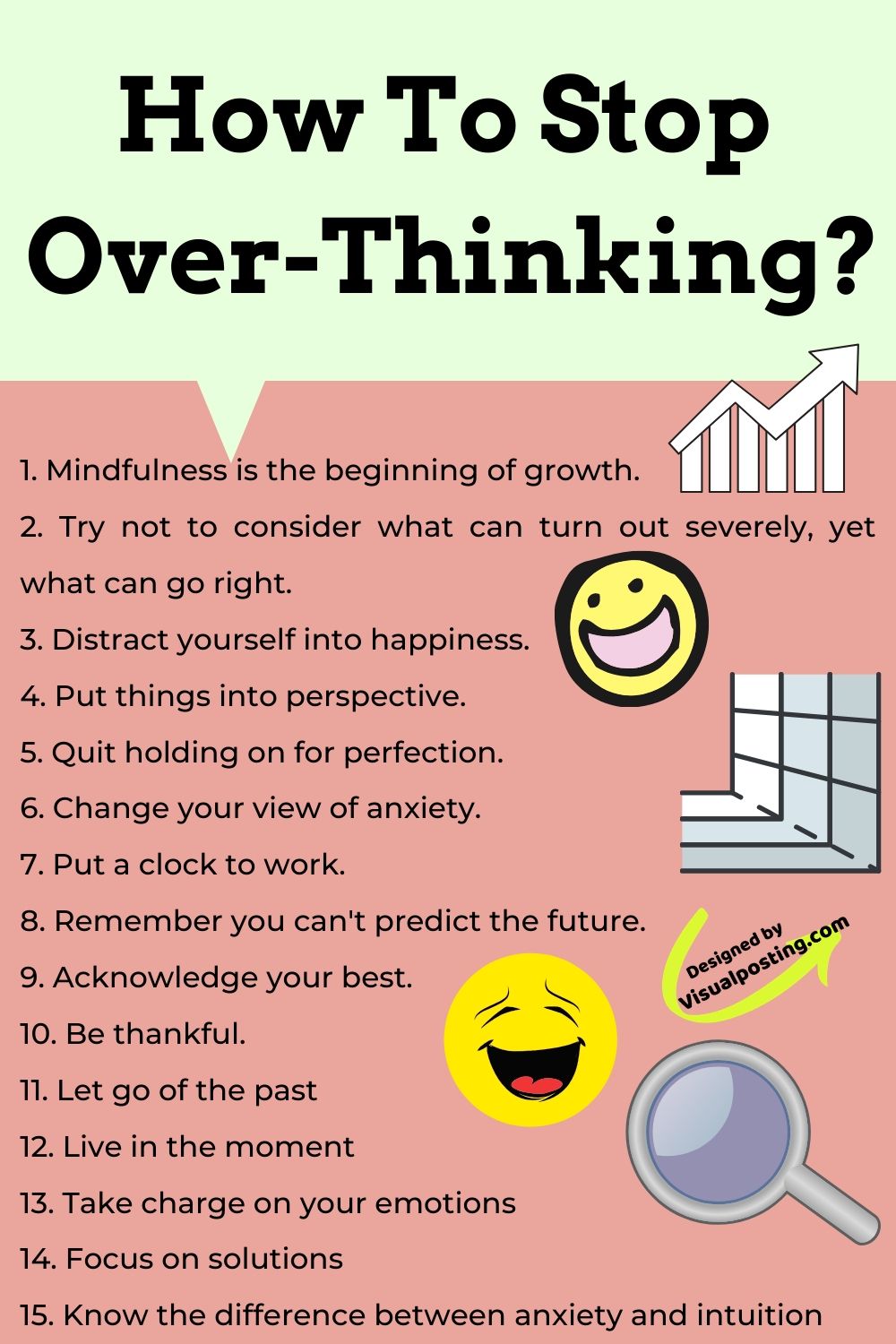
Learning how to not overthink is good for both your body and your mind. Below are some strategies that can help an overthinker stop overthinking.
Keep track of triggers and patterns: A little mindfulness and attention can go a long way toward getting a grip on overthinking. Keep a journal and write down specific moments that cause you to overthink or worry. Soon, you’ll begin to notice patterns and recognise overthinking triggers before they happen which will help in developing a coping strategy for situations that will lead to overthinking.
Challenge your thoughts: The mind does not have to believe everything you think. An effective way to squash overthinking is to challenge worries and ruminations and view them objectively. Calling out overthinking thoughts that are not useful makes them easier to manage.
Get help from family and friends: Asking trusted family and friends for perspectives when you overthink or worry excessively helps to a great extent.
Move your body: Research demonstrates exercise may improve depression, anxiety, and other mental health disorders and also help with chronic overthinking. Even a 5-minute walk can send an influx of good chemicals and hormones, like endorphins, to our brain. Physical movements might also help shift the nervous system out of fight-flight-freeze mode and may help calm any trauma-related rumination.
Seek professional help: If overthinking seems to be taking over your life, it might be good to see a mental health professional. If left unchecked, the stress associated with overthinking may lead to physical health symptoms such as headaches, fatigue, digestive issues like nausea or diarrhoea and difficulty in sleeping.
Retrain the brain: When the brain is at rest, the areas that light up are the problem-solving areas and areas associated with self-referential thinking. So, when left to its own devices, the brain will overthink, and this means, you have to train your brain to do otherwise — particularly if you’re overthinking at certain times, like before bed. It’s possible to reprogram that habit with other mind-clearing activities instead.
Meditate: Attention training is a meditation technique that can benefit people with anxiety and depression and the easiest way to practice it is to focus on something completely mundane and routine, like washing dishes or folding laundry. When one directs the attention to the task in a way that may even feel hyper-focused and zero in on observing themselves and any sensations that arise, that laser focus can help quiet other intrusive thoughts in the head.
Do a brain dump: Journaling is a helpful way to get thoughts out of the head so they’re not overwhelming. Another way that helps is creating to-do lists which can be as detailed as one likes and if on the phone, can be with someone always. This is especially useful when you are awake at night thinking about things. Once you do a brain dump, rest is easier.
Live in the moment: When you live in the now and stop negative emotions and stop overthinking before it spirals out of control and reset it, it can control overthinking. Breathe and focus on the moment and initially, it will take conscious awareness, but gradually it will help to retrain the brain and soon it will come naturally.
Focus on solutions: Identify problems, but give power and energy to solutions. Once you identify the causes of stress and anxiety, take charge and learn to remove or reduce the stressors from your life. It’s not easy and will take time, but if you are consistent, you will gradually get there.
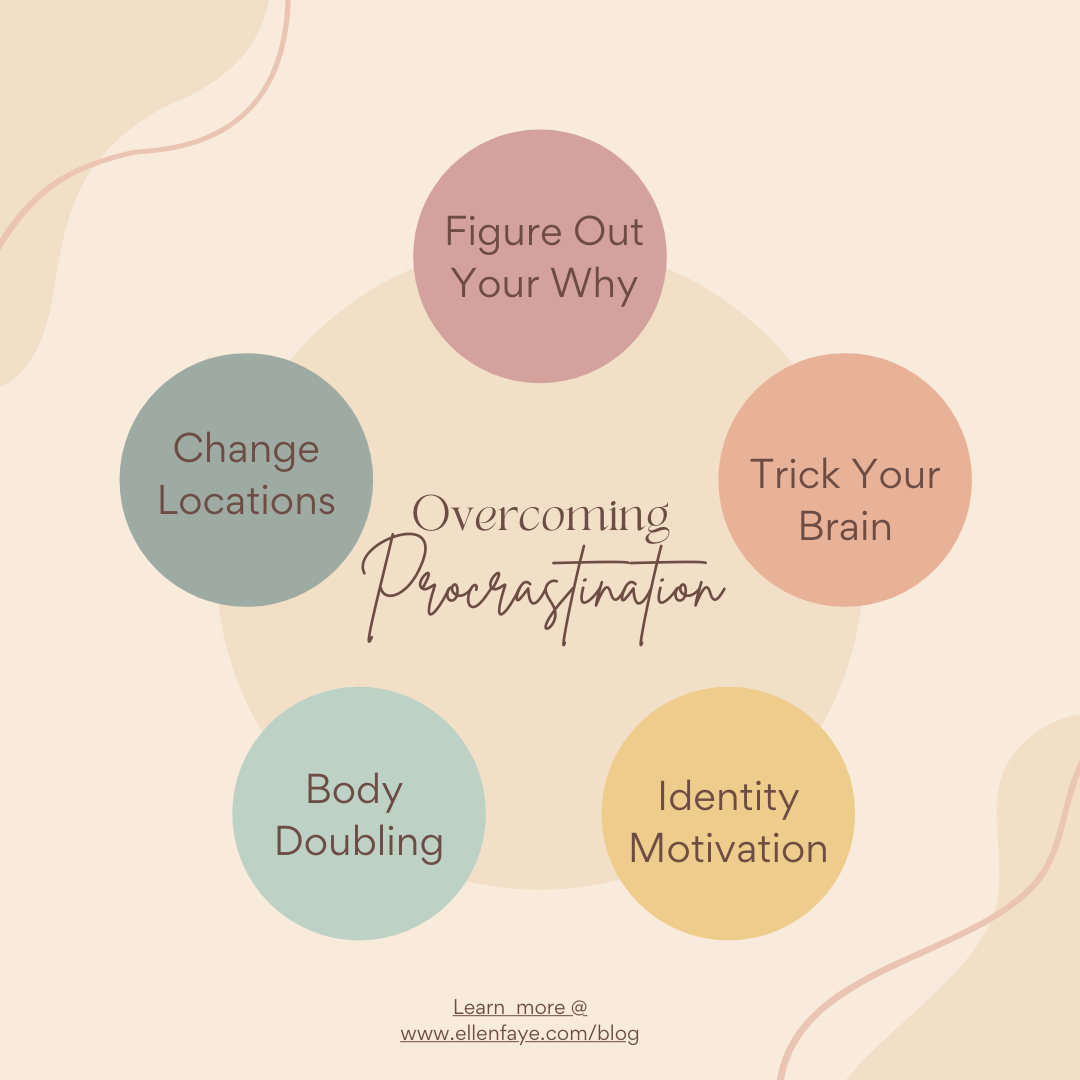
Today’s blog post is a subject that I am eminently qualified to write about. The idea for this post came to me about 12 to 18 months back and have sat on this post for more than two weeks now. So I know that I am a procrastinator and decided finally to do something about it. This post is a result of my learnings on procrastination and how we can overcome it.
So what is procrastination that all of us succumb to at some point in time or the other? It’s a scenario that’s very familiar – we do many things, some of which are not even important, just so we can avoid doing something we don’t want to do. According to research, about 20% of all adults are chronic procrastinators. This is a percentage that’s higher than depression, phobia, panic attacks and alcoholism and yet procrastination is trivialised and not considered legitimate which the others are.
The tendency to procrastinate is probably as old as the human civilisation with ancient Greek philosophers developing a word to describe this type of behaviour – Akrasia which is the state of acting against your better judgment. It is when you do one thing even though you know you should do something else. Loosely translated, Akrasia is procrastination or a lack of self-control.
So why do we procrastinate? Behavioural psychology research has revealed a phenomenon called time inconsistency, which helps explain why procrastination seems to pull us in despite our good intentions. Time inconsistency refers to the tendency of the human brain to value immediate rewards more highly than future rewards. What it means is that when we set goals, we are working towards something in the future which is something our brains find easy to see the value in our actions for our future benefits. But the future us can only set the goals, it is the present us that must take action to reach those goals. When it’s time to decide on the future, it’s not the future that is making that choice, it’s the present. And the present us likes instant gratification and not a long-term payoff. So there’s this disconnect between the present us and the future us, which is why we start a day feeling motivated and ready for action, but when it comes down to doing it, we tend to fall back into old patterns. Our brains value long-term benefits when they are in the future, but it values immediate gratification when it comes to the now.
We also procrastinate when we assume that we have plenty of time to finish projects whereas we don’t have as much time as we think we do. One of the biggest factors contributing to procrastination is the notion that we have to feel inspired or motivated to work on a task at a particular moment (and I am particularly guilty of this one). But the reality is that if we wait until we’re in the right frame of mind to do certain tasks, especially the undesirable ones, we’ll probably find that the right time simply never comes along and the task never gets completed. Other reasons why people procrastinate include depression, Obsessive-Compulsive Disorders and Attention-Deficit/Hyperactivity Disorders among others.
According to some, there are two main types of procrastination – active and passive procrastination. Active procrastinators delay the task purposefully because working under pressure allows them to feel challenged and motivated while passive procrastinators delay the task because they have trouble making decisions and acting on them. Others define the types of procrastinators based on different behavioural styles of procrastination, including perfectionists who put off tasks out of the fear of not being able to complete a task perfectly, dreamers who put off tasks because they are not good at paying attention to detail, defiers who don’t believe someone should dictate their schedule, worriers who put off tasks out of fear of change or leaving the comfort of the known, crisis-makers who put off tasks because they like working under pressure and the overdoers who take on too much and struggles with finding time to start and complete tasks.
Irrespective of the type of procrastination, pushing off tasks over and over again is a risk factor for poor mental and physical health, according to experts. Chronic procrastinators have higher levels of stress and a greater number of acute health problems than other people. The mental health implications include experiencing general psychological distress and low life satisfaction, particularly concerning work and income, as well as symptoms of depression and anxiety. Those who procrastinate are also more likely to experience headaches, insomnia and digestive issues, and they’re more susceptible to the flu and colds. The association with health problems is best explained by stress, but another factor is that procrastinators often delay preventive treatment, such as regular checkups. Experts say that procrastinating is also linked to heart problems. They found that people with heart disease were more likely than healthy people to self-identify as procrastinators and procrastinators with hypertension and heart disease were less likely to take action to cope with their illness, such as changing their diet or exercising.
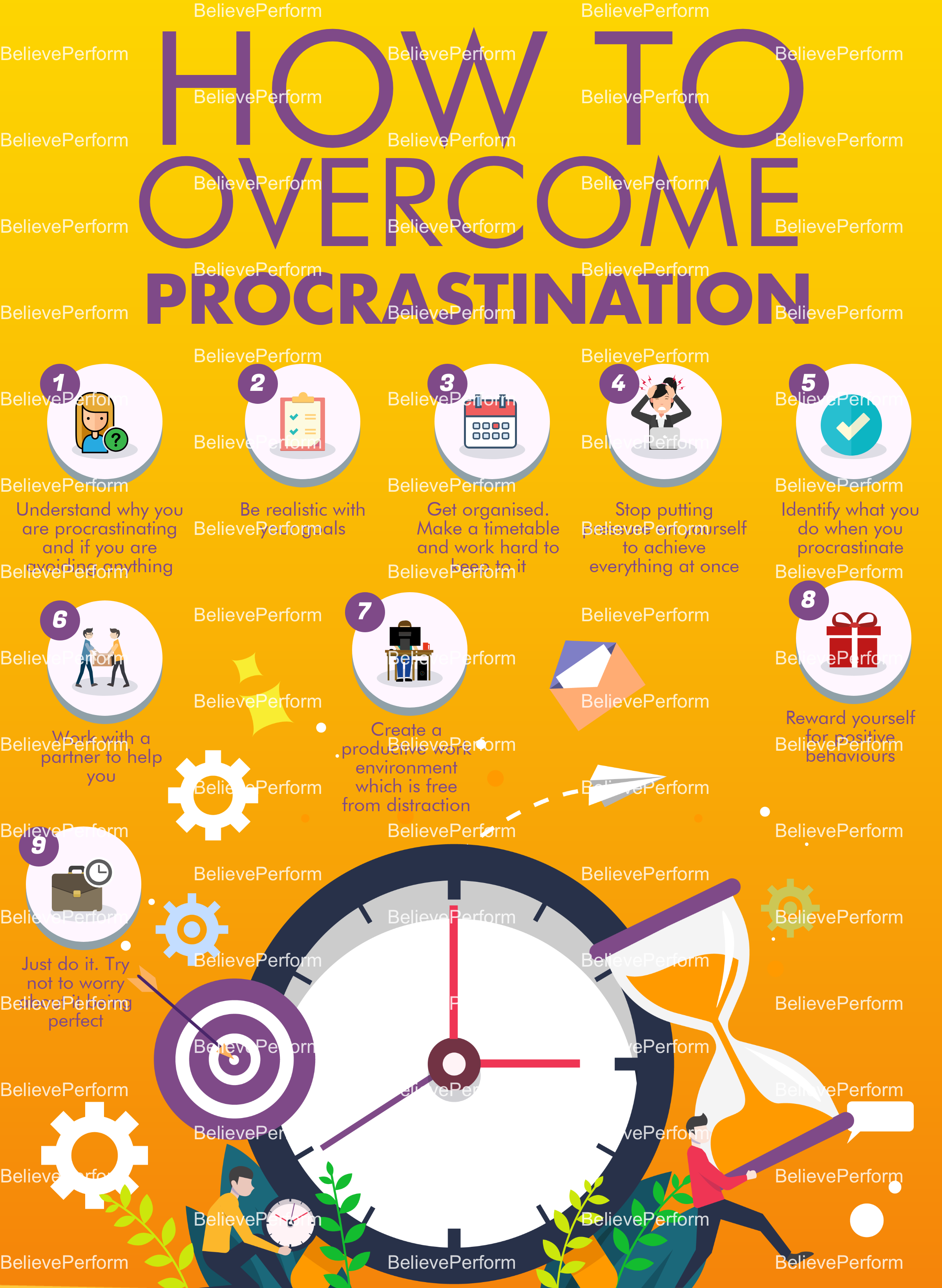
Make to-do lists: I love to-do lists and use them all the time to keep me on top of my tasks. Having such a list and then putting a line across the task when it’s done is such a great feeling. I use a weekly list and put all my tasks for the week in it. So I know what I have to do with a glance. To help keep you on track, consider placing a due date next to each item.
Break down tasks: This is also something I do. Break down each task into smaller parts and use the to-do list to check them off. This way, you are on your way to completing the task and feel the thrill of completing tasks. This works especially well for procrastinators because they become so overwhelmed with the magnitude of the task that they’re paralysed into inactivity. Another tip is to set deadlines for the small steps which allow those who thrive under pressure to replicate the adrenaline rush they get when they wait until the last minute. Some people like to get the most unpleasant tasks out of the way, while others psych themselves up by doing smaller things. As we accrue small, easy accomplishments, we feel ready to do that big one.
Eliminate distraction: Remove what pulls your attention away the most, whether it’s social media, local news, games, your phone or anything else that keeps you away from doing what needs to be done and turn off those sources of distraction. You could also use the Pomodoro Method where you concentrate for about 50 minutes and then spend the last 10 minutes of the hour doing something else. The distractions could also serve as an incentive to get something done first.
Practice self-compassion: Procrastinators are often hard on themselves and might feel guilty about letting others down or be appalled by their slowness. There seems to be a connection between procrastinating and low levels of self-compassion. If this seems familiar, try to counter that by treating yourself with kindness and understanding. Self-compassion doesn’t make people lazy, on the contrary, research has shown that it increases people’s motivation to improve themselves. Focus on doing your best, instead of getting caught in the trap of worrying about what others think.
Attach meaning to the task: One of the best ways to stop procrastinating is to find meaning in the task in question. Write down why it’s important to you and how completing it will be valuable to your personal growth or happiness. Doing so will help you feel more connected to the task and less likely to procrastinate.
Find yourself in a spot that’s interruption-free: This is particularly important for demanding tasks. When we are in the zone, finally getting things done and getting interrupted, it’s so much harder to resume the task you finally started. So try to be someplace where you are not likely be disturbed and can’t focus on what needs to be done.
Be aware of the procrasticlearing trap: This is procrastinators trying to clear and tidy up before starting work on a task. So if you are guilty of falling victim to procrasticlearing, one way to know for sure is if the moment the task you were cleaning ahead of is completed, all desire to tidy and organise vanishes. Being mindful of this tendency can help prevent it from inhaling half your day.
Recognise the warning signs: Pay attention to any thoughts of procrastination and do your best to resist the urge. If you begin to think about procrastinating, force yourself to spend a few minutes working on your task.
Enlist external help: Use your family and friends to keep you focussed on your goals and tasks. Post about them on social media and ask your network to hold you accountable. This way, you will find yourself making sure you complete your tasks so you don’t get taken to task on social media.
Pat yourself on the back: When you finish an item on your to-do list on time, congratulate yourself and reward yourself by indulging in something you find fun. And when you clear everything on your task list for the day, do something that will give you pleasure so you are all excited and motivated for the next day.
The Tipping Point: How Little Things Can Make a Big Difference – Malcolm Gladwell
The tipping point is that magic moment when an idea, trend, or social behavior crosses a threshold, tips, and spreads like wildfire. Just as a single sick person can start an epidemic of the flu, so too can a small but precisely targeted push cause a fashion trend, the popularity of a new product, or a drop in the crime rate. This widely acclaimed bestseller, in which Malcolm Gladwell explores and brilliantly illuminates the tipping point phenomenon, is already changing the way people throughout the world think about selling products and disseminating ideas.
Gladwell introduces us to the particular personality types who are natural pollinators of new ideas and trends, the people who create the phenomenon of word of mouth. He analyzes fashion trends, smoking, children’s television, direct mail, and the early days of the American Revolution for clues about making ideas infectious, and visits a religious commune, a successful high-tech company, and one of the world’s greatest salesmen to show how to start and sustain social epidemics.








 Memories and Such