

Bedtime, for BB and GG at 12 and a half years on school nights is between 9 and 9:30 pm. Last week, one night when i was hounding them to bed, both said that they sleep the earliest among their friends and classmates. Most people their age, according to them, slept around 10 pm on school nights and even midnight and beyond on weekends and holidays.
I’ve always believed that in order to function at 100% capacity the next day, an adult has to have a minimum of 7-8 hours of sleep the previous night and this increases for children (including teens). So I set out to show GG & BB why I ask them to sleep early, especially on school nights and this post is all the research I did and my findings….

Sleep plays probably one of the most important roles in allowing us to function as normal, functioning human beings! Not getting enough sleep can impair mental and physical health as well as the quality of life. Worse, it makes you make wrong judgments in life (both mentally as well as physically) which leads to safety issues, for you as well as the people around you. We’ve all read, heard or seen many accidents which take place because people didn’t have enough sleep or how someone was diagnosed with a chronic disease where the real underlying cause was inadequate sleep!
For children, growing and otherwise, sleep is incredibly important as that is the time, when their brain cells work overtime to help them grow, both physically as well as mentally. Scientists believe that too little or not enough sleep in children can affect growth as well as their immune system. This is true for both young children as well as teens.
 It has also been researched that loss of sleep or not having enough sleep can cause students not to do well academically. This is true, not only the night before a big exam, but also on a day-to-day basis when a student has to be alert and perform in class. I read that research has proved that after two weeks of sleeping six hours or less a night, students feel as bad and perform as poorly as someone who has gone without sleep for 48 hours. Sleep is also very important for learning and memory and motor tasks as research has proved that students who slept better did better in these tasks than those who did not get the required amounts of sleep.
However, it’s not the quantity of sleep, but also the quality of sleep that is important. So even if a student has his full complement of sleep, but this is fractured, disturbed or otherwise not in full REM mode, he will not be fully alert the next day.
One report I read for this post says that studies have shown that factors such as self-reported shortened sleep time, erratic sleep/wake schedules, late bed and rise times, and poor sleep quality have been found to be negatively associated with school performance for adolescents from middle school through college. Thus, there is ample evidence to indicate that the lack of adequate nighttime sleep can lead to disturbances in brain function, which in turn, can lead to poor academic performance.
So given how important sleep is for everyone, especially students, what do we do to get a good night’s sleep?
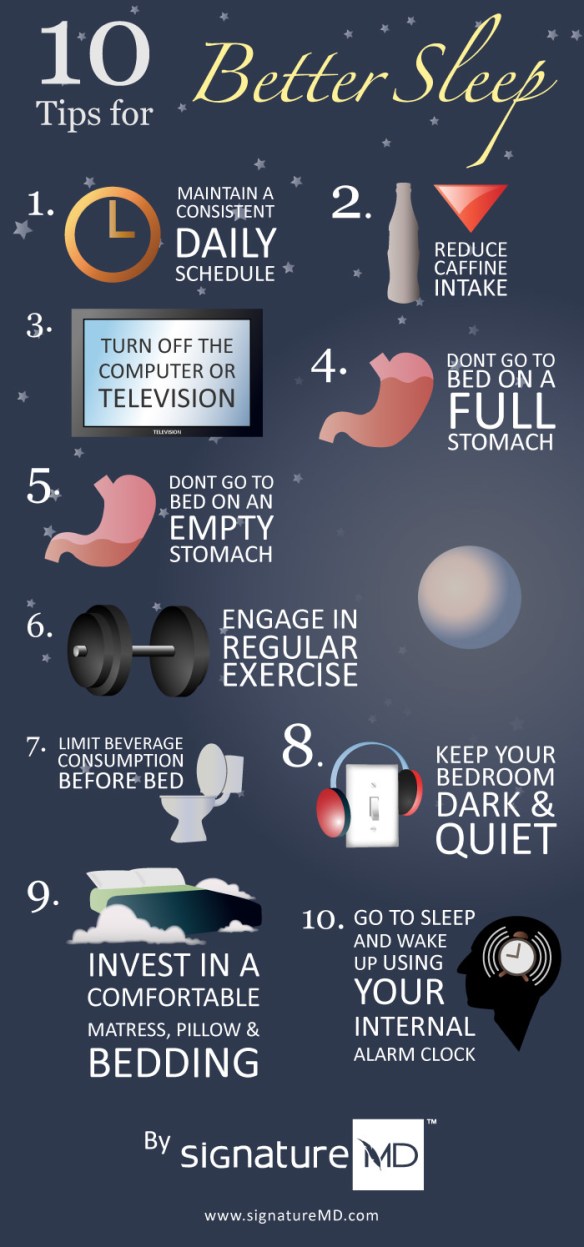
Go to bed early and at a consistent time: Students need around 9-10 hours of sleep daily, but given the constraints on their time, I seriously don’t think they get enough, but even if we put an adult’s requirements on them, they need at least eight hours of sleep. So try to work backwards from your wake-up time and go to bed 8-9 hours before that. If you need time to fall asleep, take that time also into account.
Use the bed only for sleeping: Don’t read, study, watch TV or study on your bed. Your mind needs to associate the bed with sleep only and so by avoiding all other activities on the bed, it becomes easier for the mind to wind down and start sleeping once you actually get into bed.
Limit naps: Naps during the day, and especially closer to bedtime will play havoc with your sleep and circadian rhythms. If you must nap, don’t sleep for more an hour and try to wake up at least 6-7 hours before your bed-time.
Sleep-ins during the weekend: Don’t try to catch up on sleep during weekends. Try to stick to the same schedule as during the week as this may throw your schedule out of sync otherwise and Monday morning will be pain to wake up.
Caffeine: Avoid caffeine in any form after 3 pm. Caffeine stays for a long time in your system and make it hard to fall asleep. Although small portions of the population have no ill effects to caffeine, and if you are one of them, you should be ok!
Lights in the bedroom: Try and adjust the lights in your bedroom so that when you are ready to sleep, you are not blasted by bright lights which can try your mind.
Consistent meal schedule: Try to maintain a consistent eating schedule. Research says to have your last meal of the day two to three hours before bedtime so that your body has time to digest the food before sleep. This way your body is able to let you relax and sleep better.
Exercises: Exercising for a minimum of 30 minutes a day in the mornings allow you to become energized for the day and gives you deep and uninterrupted sleep at night. But remember not to exercise within three hours of bedtime as then exercise will stimulate your body, making it harder to fall asleep.
Stress and Anxiety: These are part and parcel in a student’s life and I assume a large proportion of students lose sleep because of stress and anxiety – about exams, a paper etc. Drink a glass of hot milk before bed as milk helps in managing stress. Also writing down what stresses you can make it go away from your head, at-least for the moment and lets you get good sleep.
Electronics Ban: Take some time to “wind down” before going to bed. Get away from all electronics (computer, television, mobile devices etc) 30 minutes before bedtime and let your body and mind relax with a good book. It’s very hard to do this and all of us are guilty of this almost all the time, but research has shown that being exposed to the blue light given out by electronic devices at night prevents our brain from releasing melatonin, which a hormone which regulates sleep. So the longer we are on electronic devices close to bedtime, the longer it will take us to actually sleep and this will affect both sleep quality and quantity, leading to all the issues at the beginning of this article.
I hope this post has been useful, especially if you need help in convincing your child that sleep is essential for him/her. I also spoke to GG after I finished my research for this post and asked her again about her friends. She replied they slept much less than her, but when asked if they were mentally present in class, as opposed to being just physically present, she replied in the negative and said most of them were zoned out or sleeping in class most times. This, more than anything else I said or could say in my defense of sleep seemed to have made a difference in how she viewed her sleep time!




 Memories and Such